Global 3PL Streamlines High-End Fashion Inventory with MingQ RFID Tunnel Solution
Leading E‑Commerce Platform Accelerates Flash-Sale Fulfillment and Boosts Warehouse Productivity with MingQ RFID Sorting Wall Solution
Global Automaker Elevates Component Kitting Accuracy with MingQ RFID Shelf‑Level Management Solution
Asia’s Largest Logistics Provider Enhances Warehouse Intelligence with RFID Pallet & Container Management Solution
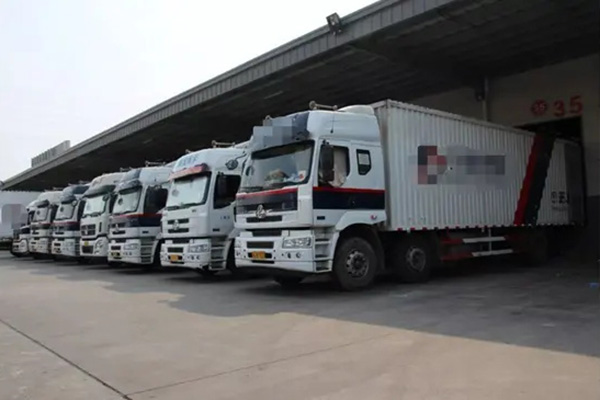
RFID Application in Platform Vehicle Management
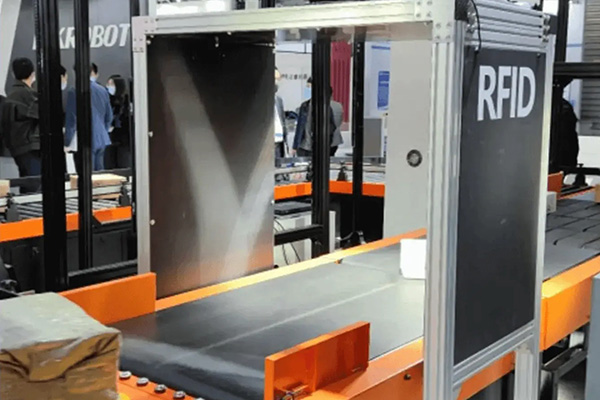
RFID Application in Logistics Sorting
RFID Application in Supply Chain Management
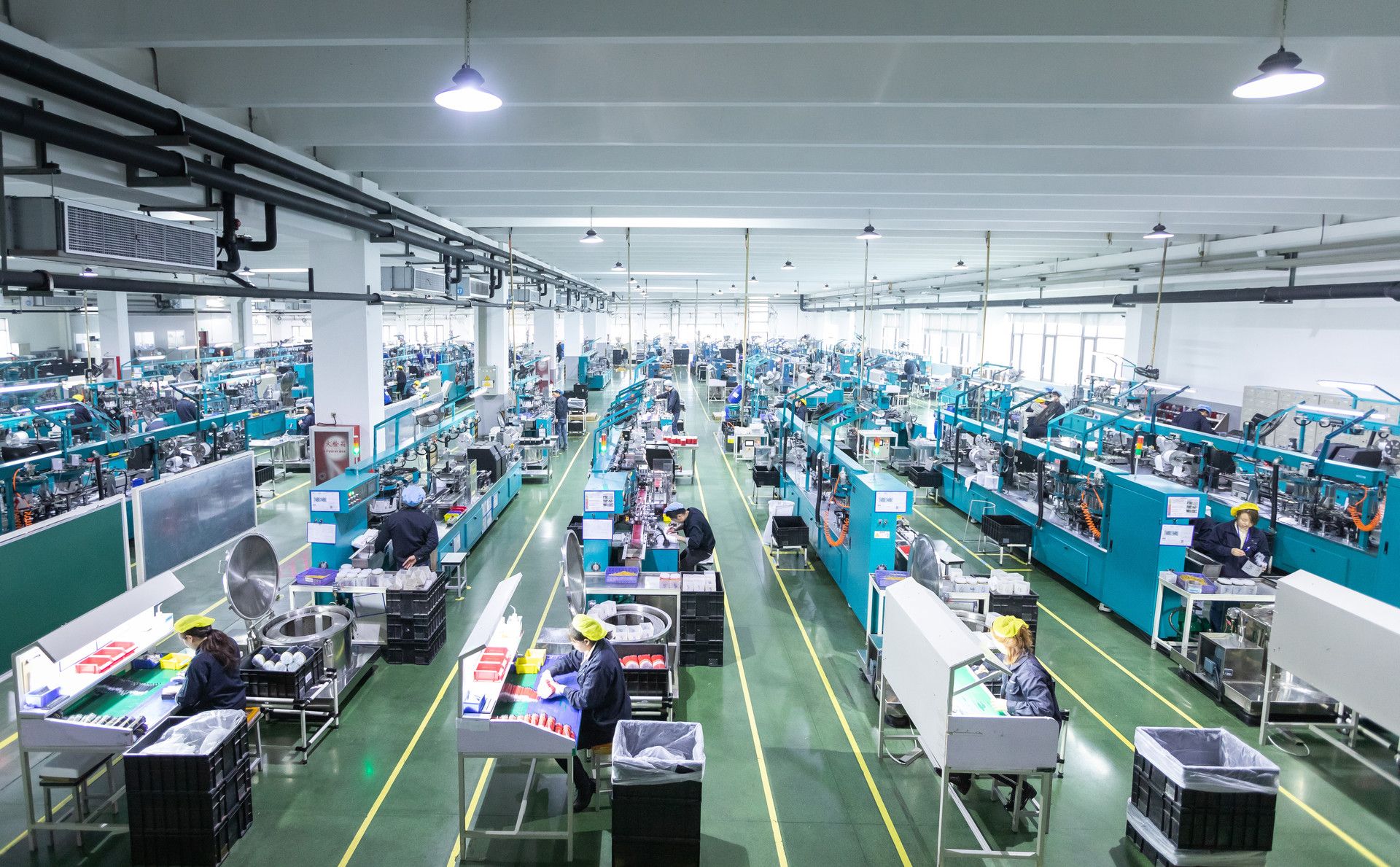
RFID Application for Workshop/Warehouse Tracking
TP‑Link Enhances Warehouse Inbound/Outbound Efficiency with MingQ RFID Dock‑Door Solution
RFID technology empowers port containers: a new direction for future logistics
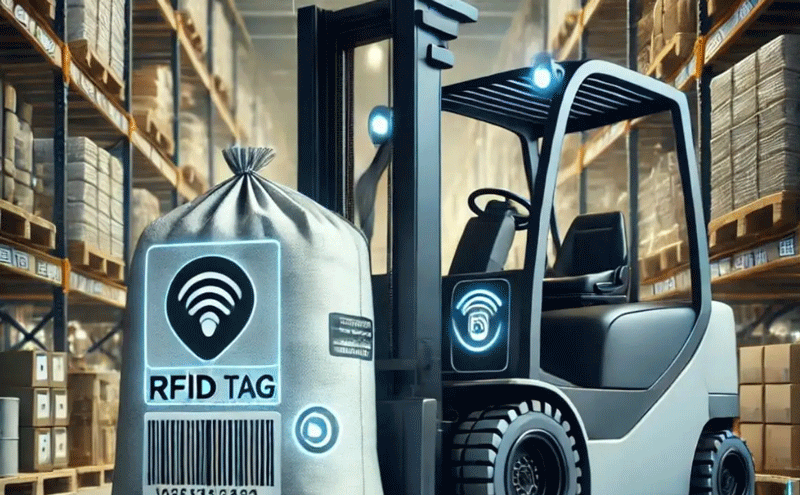
RFID technology in forklift tracking and container bag identification
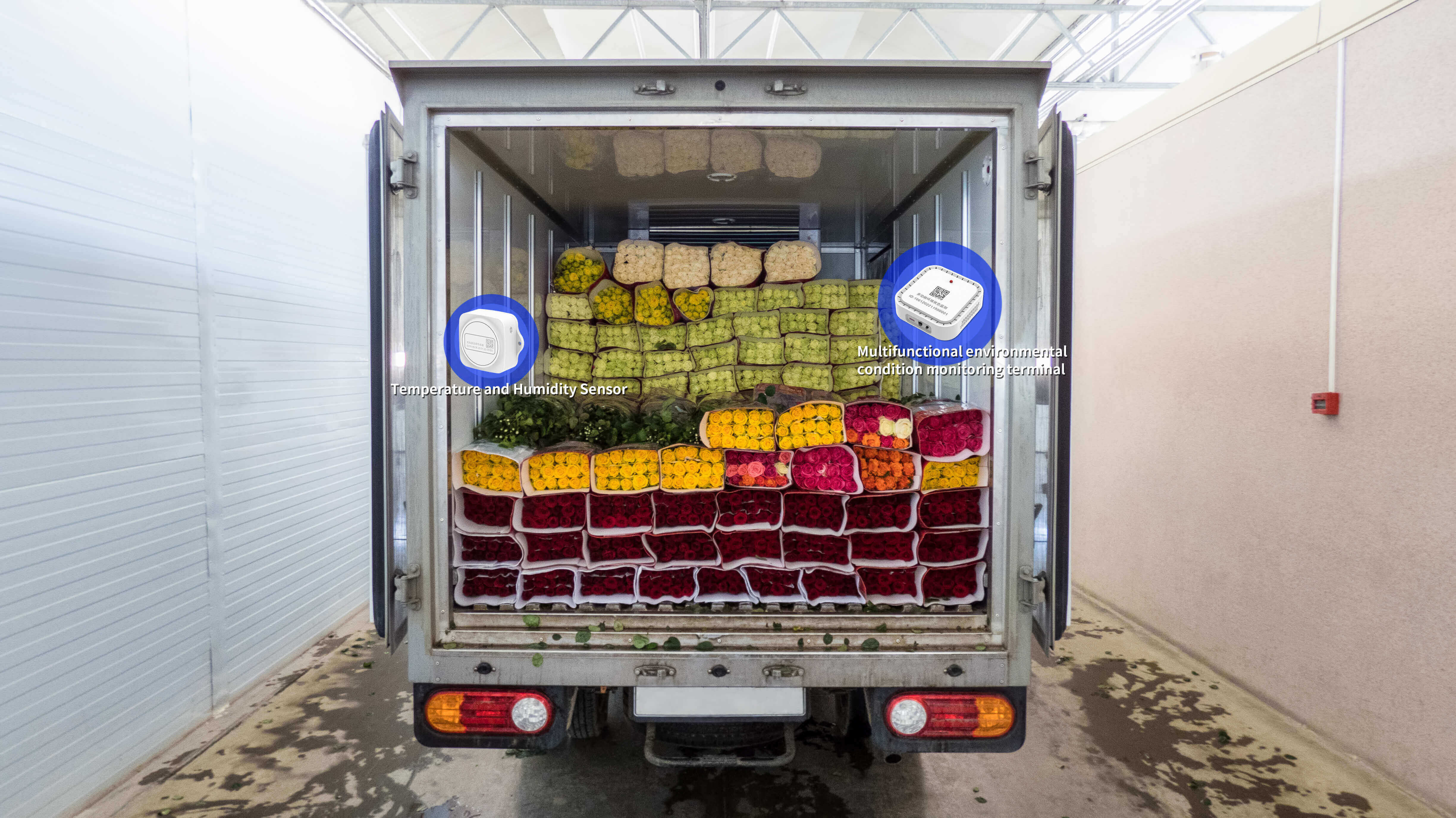
Real-Time Data, Secure Transportation: The Future Trends of Cold Chain Logistics
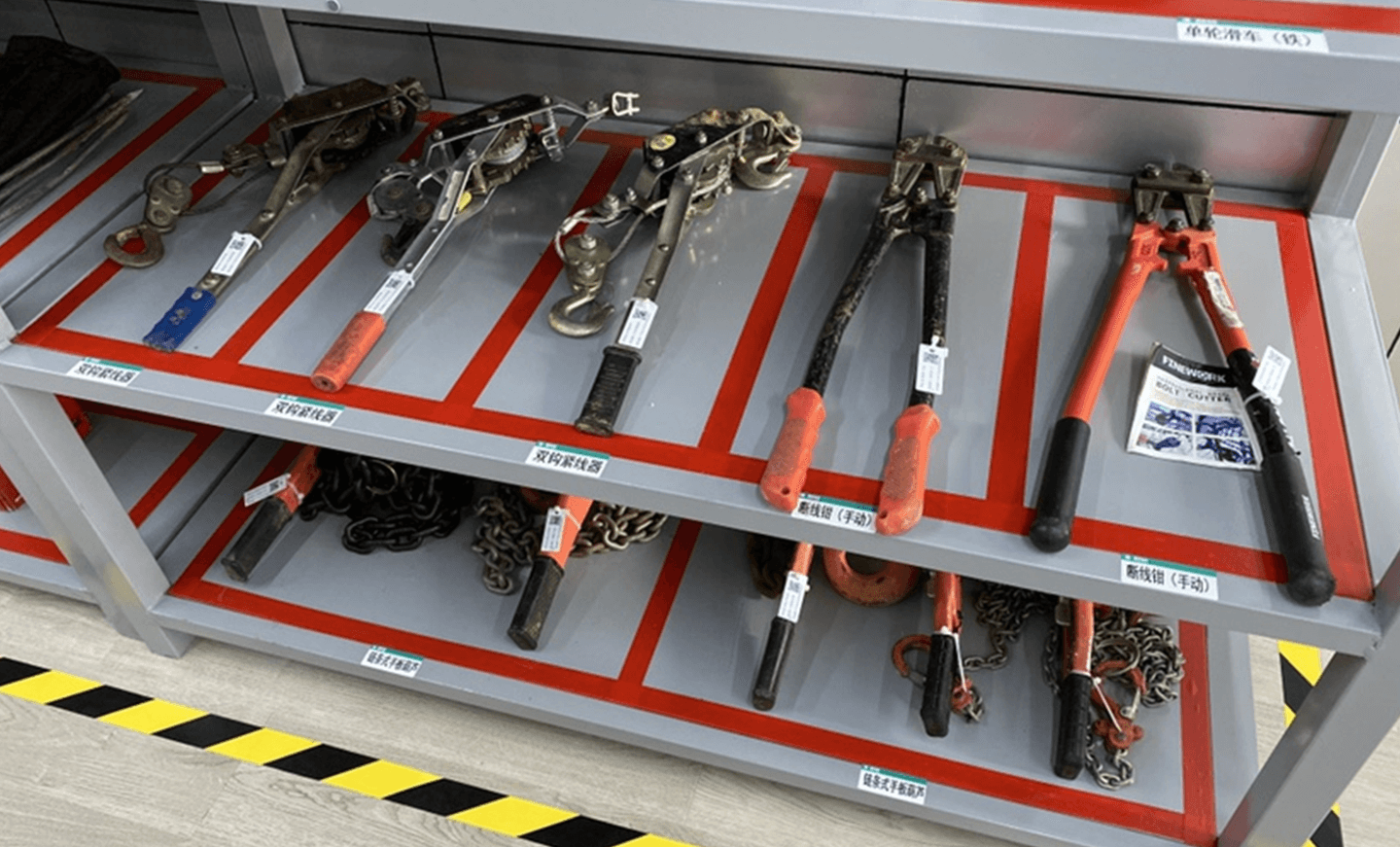
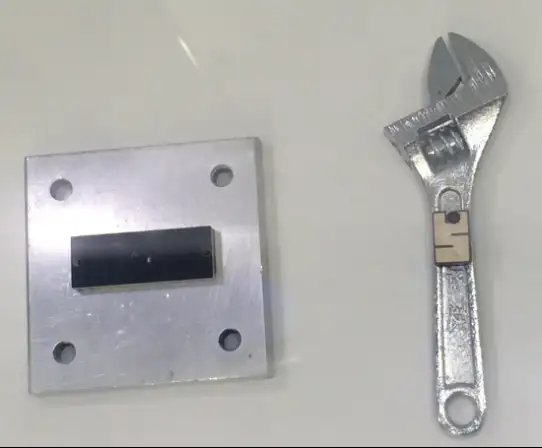
RFID Tool Management
RFID Application in Battery Factory Production
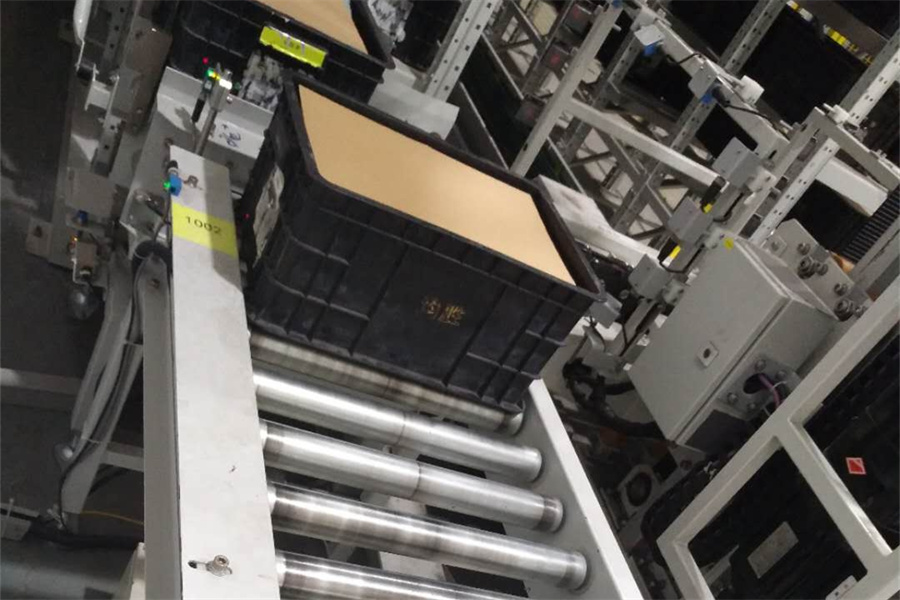
RFID Application in Production Line Rubber Box Management
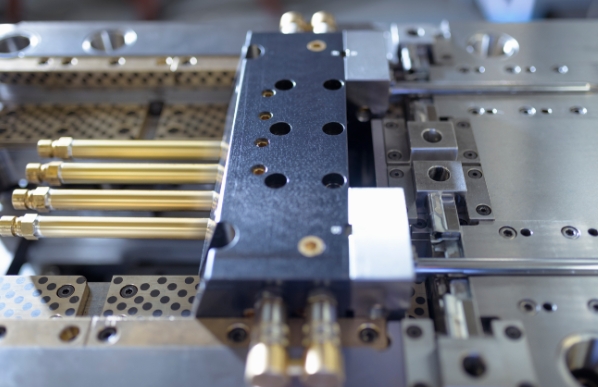
RFID Application in Mold Management on Production Lines
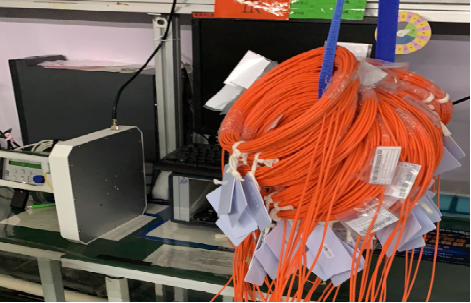
RFID Application in Fiber Optic Cable Manufacturing
Smart Manufacturing
The medical industry uses RFID technology to make drug tracking more accurate
RFID technology helps beverage production and build an efficient supply chain
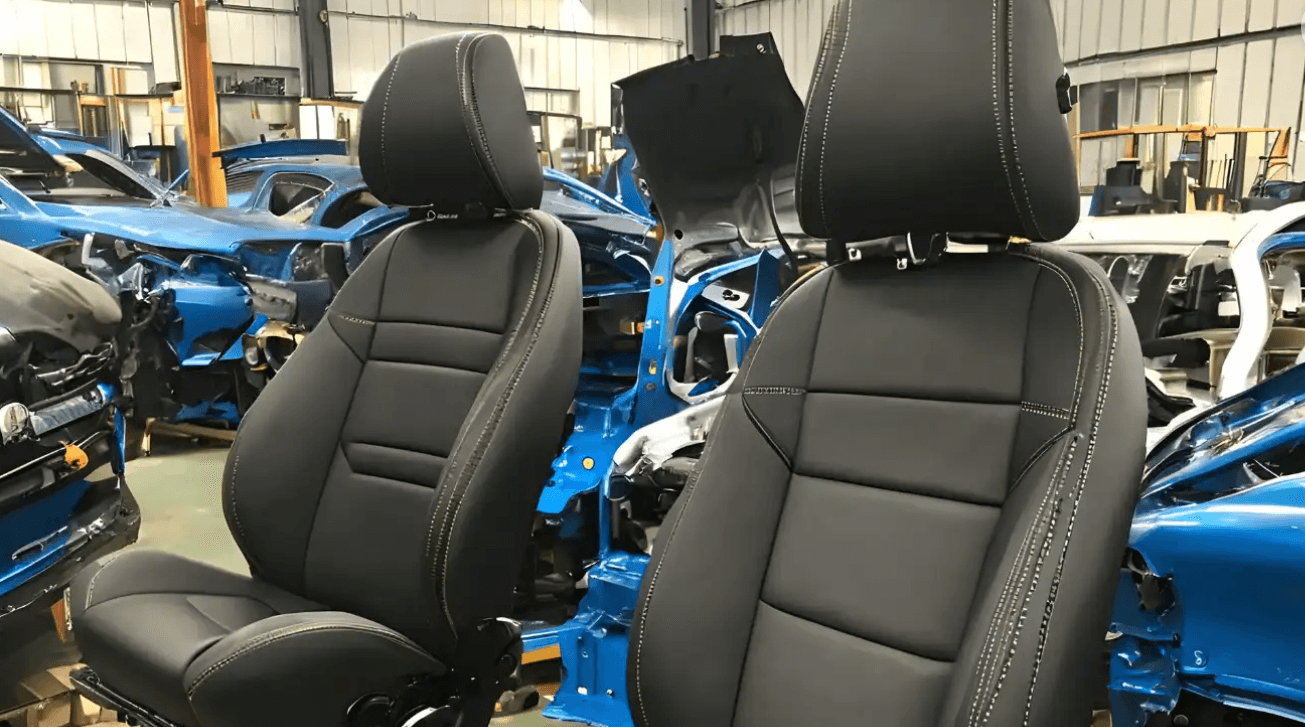
RFID technology helps car seat production lines: intelligent management improves efficiency and quality
RFID technology in the production of electronic appliances monitoring and tracing application
Use RFID technology to improve appliance management efficiency and security
RFID technology helps precise installation of headrests
Clean‑Energy Equipment Manufacturer Enhances Material Traceability with MingQ RFID Pallet Management Solution
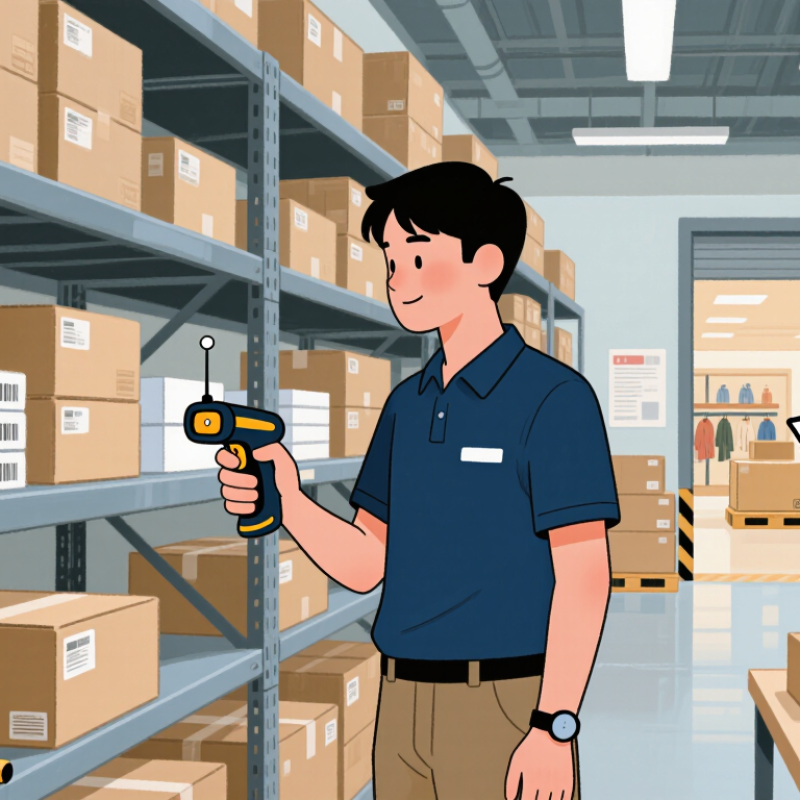
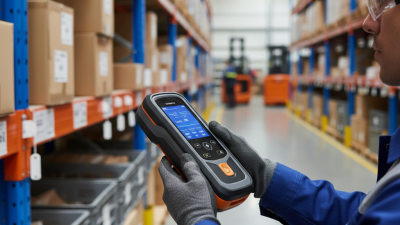
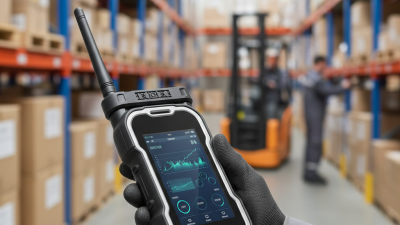
Using a handheld RFID reader can really speed up your shelf checks—like, turning a usually slow, item-by-item count into a quick, at-a-glance process. Instead of aiming precisely at each label, workers can just scan tagged cartons, clothes, or tools casually—that's a game-changer, especially when stock is bouncing around from receiving docks to backrooms and then out on the floor. Plus, thathandheld RFID tag reader makes it easier for teams to spot and sort out mismatches right there on the spot, instead of waiting until end-of-shift excel sheets. It’s pretty handy, but of course, the real benefits depend on the context. The RFID Lab at Auburn University often points out that retail inventory accuracy can hit around 95% with RFID, compared to about 65% with traditional methods. But hey, those are just averages based on specific studies — it’s not a promise for every business. Factors like the quality of your tags, how you set up your reader, staff know-how, and even your shelving layout—especially metal racks—can all influence how well this works. Sometimes those tiny details make a big difference—miss a tag hiding behind a dense pile, and suddenly, you’re doing extra work instead of saving time. While GS1 standards help with organizing and sharing product data, you still need compatible software and clear scanning procedures in place. When you’re choosing a device, think about testing not just how far it can read, but also how long the battery lasts, how comfy it feels in the hand, and whether it plays nicely with your current inventory systems. Honestly, the most powerful or expensive device isn't always the best—it's the one your team can use comfortably and reliably during busy shifts, even when the aisles are packed and the stock is tricky to grab. And just a heads-up: RFID is great for visibility, but it’s not a magic fix—solid inventory processes still matter.
A handheld RFID reader is a mobile device that sends and receives radio signals to identify tagged items without direct line of sight. For GS1 EPC UHF systems, the operating range is 860–960 MHz. This broad band accommodates regional allocations, so teams should confirm that their reader and tags are configured for the places they operate. The GS1 EPC Gen2 air-interface standard defines how compatible readers and tags communicate. In practice, a worker can scan a shelf of cartons, then check the captured item codes against an inventory system. No barcode-by-barcode aiming. That saves motion, but it does not guarantee every tag will be read.
The scale is significant: the RAIN Alliance’s 2024 industry report estimated that 44.8 billion RAIN RFID tag chips shipped in 2023. That figure signals a mature ecosystem, not a promise of perfect performance in every store or warehouse. Metal shelving, liquid-filled containers, tag placement, and nearby readers can affect read rates. A Handheld Reader Rfid can help investigate gaps by letting staff scan a specific aisle or pallet and compare results with recorded stock. Test it with actual products and workflows; a tidy lab test may not reflect a crowded stockroom. The frequency is only part of the choice. GS1 compatibility, regional settings, antenna performance, and staff comfort matter too. One overlooked detail: faster scanning can produce more data to review.
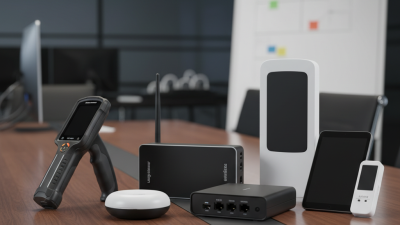
Handheld Uhf Rfid Readers support mobile item identification and inventory workflows. GS1 EPC UHF systems operate across the 860–960 MHz range, while the frequencies available for use depend on local regulations.
Example regional ranges: Europe 865–868 MHz, the United States 902–928 MHz, China 920–925 MHz, and Japan 916.7–920.9 MHz. These are illustrative; check local regulations and reader specifications before deployment.
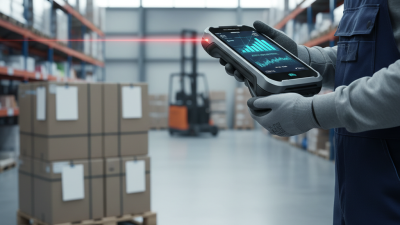
A handheld RFID reader can scan a shelf without aiming at each item. A barcode scanner usually needs a clear view of one label at a time. GS1’s EPC UHF Gen2 standard includes anti-collision methods, so a reader can identify multiple tags in one inventory round. Faster counts. But read range and accuracy depend on tag placement, nearby metal, liquids, and reader settings.
The difference matters in a busy stockroom. A worker can sweep a handheld reader across cartons, then investigate missing or unexpected items on screen. Auburn University’s RFID Lab has reported inventory accuracy near 99% in RFID-enabled retail workflows. Treat that figure as a study result, not a promise: site layout, training, and process discipline affect performance. A quick demonstration can be misleading if it uses neatly spaced tags.
Tips: Test a real aisle, not just a desk. Place tags on metal-adjacent goods and liquid containers, then compare the captured list with a manual count. Record missed reads and duplicate reads. Also check whether staff can use the device comfortably during a full shift. Small operational details matter.
A handheld RFID reader can help staff check shelves, backrooms, and receiving areas without stopping to scan every item individually. The 63%-to-95% accuracy benchmark associated with Auburn RFID Lab offers a useful point of reference, not a guarantee for every operation. The gap matters. It shows why inventory accuracy deserves measurement, rather than assumption. A Uhf Rfid Handheld Reader may speed counts, but results depend on tag placement, shelving, reader settings, and staff technique.
A practical trial can reveal what those percentages mean on your own floor. Choose a small aisle, record a careful physical count, then compare it with handheld readings. Note missed items, duplicate reads, and products hidden behind metal or tightly packed stock. Check the results across different employees and shifts; one smooth demonstration can be misleading.
Even good data has limits. A 95% reading still leaves room for errors that affect replenishment or availability. The awkward part is that teams may trust a fast scan too quickly. Treat the benchmark as a prompt to test, adjust, and verify—not as proof that every count will be accurate.
A handheld RFID reader earns its place when it fits the work, not just the specification sheet. In a stockroom, staff may scan cartons while walking narrow aisles. At a loading area, they may need to read tags quickly without stopping a pallet. Map the workflow first: note scan volume, typical tag locations, and whether workers use gloves or carry other equipment. Small details matter.
Tag type affects performance. Tags attached to metal, liquid-filled containers, or dense stacks can behave differently from tags on cardboard. Ask which tag models are already in use, then test them with the reader in the actual setting. A read range that looks impressive in an open room may shrink around shelving or machinery. Test the real distance. Check for missed reads, too.
Choose a read range that supports the task without capturing tags from nearby zones. For outdoor work or washdown areas, review the IP rating and confirm what protection it actually describes. It does not guarantee resistance to every chemical, impact, or cleaning method. The Best Handheld Reader Rfid for your team is the one workers can operate comfortably and reliably. I would still run a short field trial; specifications rarely reveal every awkward angle or slow scan.
A handheld RFID reader can turn a quick aisle check into a useful inventory event. Its value increases when that event can move beyond the device. GS1 EPCIS 2.0 offers a common structure for sharing what happened, when, where, and why. Events can include item identifiers, business steps, locations, and sensor observations.
Interoperability matters at receiving, picking, and cycle counts. A scan can be mapped to an EPCIS event, then shared with warehouse or trading-partner systems.
MHI’s 2024 Annual Industry Report found that 55% of surveyed supply-chain leaders planned to increase technology investment. Better data exchange helps those investments connect, rather than create another isolated tool. But a reader alone cannot guarantee clean records.
Plan the data fields before rollout. Confirm that the reader’s software can capture the right identifier and event context, then test the EPCIS output against real workflows. Try a mixed pallet, a missed tag, and a repeat scan. Small errors travel. EPCIS 2.0 supports modern exchange methods, including JSON-LD and REST interfaces, but local system mappings still need careful review. That work can feel tedious. It is also where teams discover whether shared visibility is truly usable.
A pilot deployment shows whether a handheld RFID reader fits the way your team actually works. Choose one aisle, receiving area, or stockroom zone, and record the starting conditions. Note the number of items, scan duration, and staff involved. Keep the test area consistent.
Track read rate by comparing successfully captured tags with the tags physically present. Repeat the count from different distances and angles; shelves, liquids, and tightly packed goods can affect performance.
Check accuracy by comparing reader results with a careful manual count. Keep it simple. A spreadsheet with timestamps, item totals, and exceptions is often enough.
Labor time matters, too. Record minutes spent locating items, scanning, and correcting missed or duplicate reads. Compare those results with the same task before the pilot, using similar staffing and workload.
A Wholesale Handheld Reader Rfid evaluation should include these real operating measures, not just a device demonstration. Expect a few awkward results. A missed read may come from tag placement, not the reader, and one short pilot may not represent a busy season. Review exceptions with staff, adjust the test conditions, and collect another round of data before deciding whether to expand deployment.
It is a reference point, not a promise. Your results depend on tag placement, shelving, reader settings, and staff technique.
Pick one aisle and count its items manually. Compare that count with reader results, then note missed items and duplicate reads. Keep the test small.
Distance, angle, metal shelving, liquids, and tightly packed goods can change results. Test from several positions, not just the easiest spot.
Record read rate, count accuracy, and labor time. Include minutes spent scanning, finding items, and correcting errors. A basic spreadsheet can work.
Compare each scan with a careful physical count. A quick reading may still miss a tag. Speed alone is not proof.
Reading technique and workload can vary. One smooth demonstration may not represent a busy shift. The difference can be awkward, but useful.
Capture the item identifier, time, location, and business step. Check that the reader’s software can record these fields and share them with other systems.
Record the exception and check tag placement, scanning angle, and workflow. Repeat the test after adjustments. One short pilot may still mislead.
A Handheld Reader Rfid can help businesses capture inventory data more quickly and consistently. Using UHF technology in the 860–960 MHz range, it can read electronic product code tags, while EPC Gen2 enables multiple tags to be read in a single pass—unlike scanning barcodes one at a time. A reported accuracy benchmark rises from 63% to 95%, illustrating the potential value of RFID when it is properly matched to the operation.
Choosing a reader means considering the workflow, tag type, required read range, and IP rating for the working environment. Plan how captured information will connect with EPCIS 2.0 supply-chain data, then run a pilot before wider deployment. Track read rate, inventory accuracy, and labor time to assess whether the solution improves the process and where adjustments may be needed.