Leave Your Message
0%

Keeping tabs on inventory efficiently really is a must for businesses these days. I came across a report from Grand View Research saying the RFID market is expected to hit around $40.12 billion by 2026—pretty impressive, right? Using technology like the Reader Rfid Uhf can make life way easier by streamlining all those daily operations. For example, thisUhf Rfid Reader helps you quickly and accurately track your inventory, which really cuts down on human errors.

Now, I know a lot of companies face struggles before they get to this point. Gathering accurate data, for instance, can be such a pain without automation — it feels like forever! But here’s the good news: businesses that give RFID a shot report seeing some real improvements. I remember a study from Auburn University mentioning that using RFID tech can cut down inventory discrepancies by about 40%. That’s a game changer.

Of course, it’s not just plug-and-play. You gotta understand that using UHF RFID tech the right way means proper setup and training. Some companies stumble a bit when adjusting their existing processes. But if you plan things out well, a good approach to using a Reader RFID UHF can totally transform how you handle inventory. Not only does it boost efficiency, but it also gives you some pretty valuable insights into your stock and inventory flow—like having a secret weapon in your back pocket.

How to Use Reader RFID UHF for Efficient Inventory Management?

Understanding RFID Technology and Its Components

RFID technology revolutionizes inventory management. Understanding its components is crucial for success. At the heart of this system are RFID Tags and readers. UHF RFID tags store vital information. They transmit data to the reader through radio waves. This interaction occurs within seconds, streamlining the inventory process.

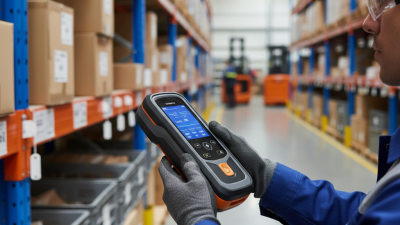
The Uhf Rfid Tag Reader plays a significant role. It captures data from multiple tags simultaneously. This capability enhances efficiency when managing large inventories. However, challenges may arise. Sometimes, tags may not read correctly due to interference. The positioning of the reader can also affect performance. Regular assessment and adjustment of the system may improve results.

Integrating RFID technology requires careful planning. Staff training is essential to maximize its potential. Mistakes can happen, like misplacing items or incorrect data entries. Organizations must remain vigilant and adapt. Embracing RFID with a thoughtful approach can lead to substantial benefits in inventory management.

Choosing the Right RFID UHF Reader for Inventory Management

Choosing the right RFID UHF reader is crucial for effective inventory management. A suitable reader should match your specific needs. Consider factors like read range, speed, and accuracy. Some readers excel in long-range scanning. Others perform well in dense environments. Assessing your inventory area helps in making the best choice.

It's essential to investigate different features. Ergonomics matter for users who handle the devices frequently. Battery life is another important factor. A reader that requires constant charging can disrupt operations. Compatibility with existing systems also comes into play. Ensure it integrates seamlessly with your inventory software.

Don’t overlook the learning curve. Training staff to use new equipment can be challenging. Some users may struggle initially, affecting productivity. Planning for adequate training sessions can help.

Take the time to evaluate various options thoroughly. This can lead to better long-term results and fewer unexpected issues. In the end, every detail counts in achieving efficient inventory management with RFID technology.

Setting Up Your RFID UHF Reader for Optimal Performance

Setting up your RFID UHF reader properly is essential for effective inventory management. Begin by ensuring that the reader is positioned in a location that minimizes interference. This may require trial and error, as unexpected signal blocks can occur. Experiment with various heights and angles for the Long-range Distance UHF RFID Reader. Sometimes, simply raising the reader can significantly improve its performance.

Next, it's crucial to optimize the reader's settings. Adjust the power output based on the environment. Too much power can cause unnecessary tag reads, while too little can miss important items. Monitor the reading accuracy as you make these adjustments. It's a process of refinement. You might need to repeat settings changes multiple times before achieving optimal results. Remember to involve your team in this setup. Their feedback can highlight issues you might overlook.

Moreover, consider the tags being used. Different tags respond differently to RF signals. Experiment with a few types to see which works best with your reader. Collect data on their performance over time. This practice will help you identify patterns that lead to better inventory accuracy. Each adjustment, each reading, adds to your understanding of how to make the technology work for you.

Inventory Management Efficiency Using RFID UHF

This chart illustrates the efficiency of inventory management over five weeks using RFID UHF technology. The data shows the number of items scanned each week, indicating the effectiveness of the RFID system in tracking inventory.

Integrating RFID with Inventory Management Software

Integrating RFID with inventory management software can streamline operations significantly. According to a recent study, companies utilizing RFID technology can reduce inventory errors by up to 30%. That’s a remarkable improvement. The Reader Rfid Uhf system captures data quickly and accurately, making it vital for efficient inventory tracking.

Moreover, combining RFID with software platforms enables real-time visibility. Businesses can monitor stock levels and locations instantly. This integration helps prevent stockouts and overstocking issues. In a chaotic supply chain, accuracy and speed are crucial. However, some companies struggle with the initial setup and training required. Data integration challenges can hinder progress, resulting in lost time and productivity.

Additionally, the implementation costs may deter some organizations. A study found that nearly 40% of businesses hesitate to invest in RFID due to perceived financial risks. Nevertheless, those already using the Reader RFID UHF report substantial long-term savings. Continuous training and adapting software features remain essential for success. It's a journey, not a one-time setup. Embracing this technology might lead to smoother operations and better customer satisfaction in the end.

Implementing RFID in Your Inventory Processes

How to Use Reader RFID UHF for Efficient Inventory Management?

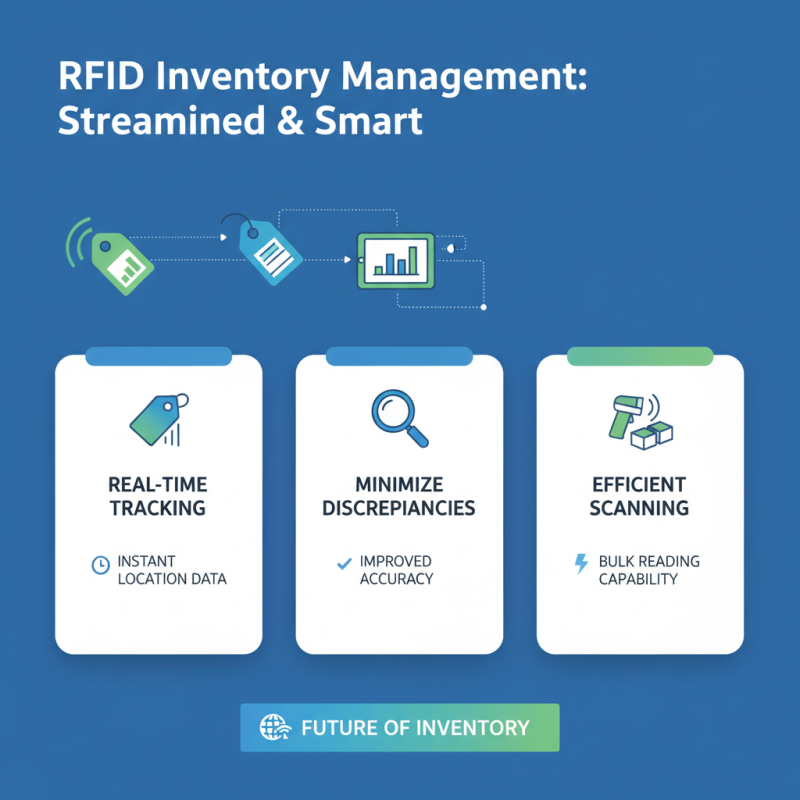
Implementing RFID technology in inventory management can significantly streamline processes. RFID tags provide real-time data on item locations. This visibility helps in minimizing stock discrepancies. When you place RFID tags on each item, tracking becomes simpler. Scanning multiple items at once is efficient.

However, the integration of RFID is not without challenges. Staff training is essential for effective use. Initial setup costs may seem high. You may even experience some resistance from team members. Adopting a new system can disrupt existing workflows. It’s important to address these concerns to ensure a smooth transition.

Successful implementation requires consistent monitoring and adjustment. Analyze the data collected from RFID systems regularly. Identify potential inefficiencies in your inventory processes. This reflective practice will help in fine-tuning operations. Over time, the benefits outweigh the initial hurdles, leading to improved accuracy in inventory management.

Training Staff on Efficient Use of RFID Systems

Training staff to efficiently use RFID systems can significantly enhance inventory management. A hands-on approach is best. Start by introducing the technology through demonstrations. Explain how RFID works, emphasizing its benefits like speed and accuracy. Use simple language to avoid confusion. Visual aids can help illustrate complex concepts.

After the basics, encourage staff to practice. Set up exercises where they scan items and check data accuracy. Mistakes will happen. Discuss these errors openly to foster a culture of learning. Provide immediate feedback to reinforce learning. Focus on real scenarios, such as managing stock during a busy sale. This practical experience builds confidence and competence.

Schedule follow-up sessions to address challenges they face. Continuous training creates a solid foundation. Invite team members to share insights and suggest improvements. Engaging staff in this way nurtures ownership and encourages them to contribute to the system's efficiency. Each staff member’s role is crucial in ensuring the RFID system functions optimally.

Monitoring and Analyzing Inventory Data with RFID Technology

How to Use Reader RFID UHF for Efficient Inventory Management?

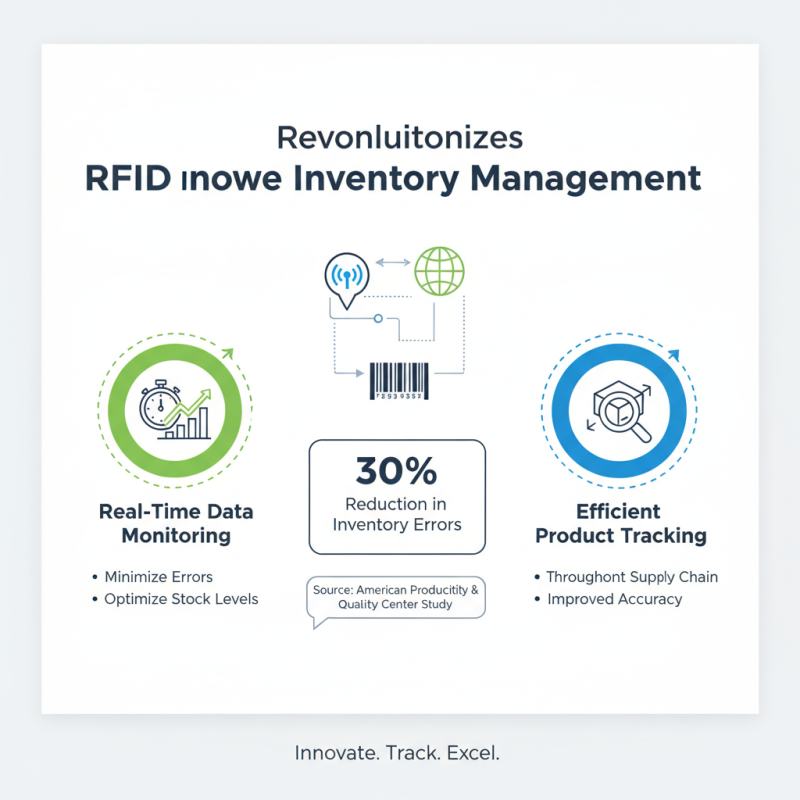
RFID technology is revolutionizing inventory management. Monitoring real-time data helps businesses minimize errors and optimize stock levels. According to a study by the American Productivity & Quality Center, companies using RFID can reduce inventory errors by 30%. This technology allows for efficient tracking of products throughout the supply chain.

The Four-channel UHF RFID Reader enables simultaneous scanning of multiple tags. This leads to faster processing times during inventory audits. Businesses can achieve a remarkable increase in accuracy and efficiency. A report from the Aberdeen Group highlights that organizations employing RFID see a 20% reduction in inventory holding costs. However, the implementation process can be challenging, requiring staff training and system integration.

Despite these advantages, some companies struggle with initial costs and technological integration. These hurdles can deter effective adoption of RFID technology. Continuous evaluation and adaptation are key to overcoming these barriers. Monitoring and analyzing inventory data with RFID shouldn’t be viewed as a one-time effort, but rather as an ongoing strategy for improvement. Success requires a commitment to refining processes, ensuring that businesses fully capitalize on RFID’s potential benefits.

Optimizing Container Turnover Management Through Effective Use of RFID Tags

In the rapidly evolving landscape of logistics and supply chain management, optimizing container turnover management is crucial for enhancing operational efficiency and reducing costs. The implementation of Radio Frequency Identification (RFID) tags has emerged as a game-changer in facilitating the visual tracking and management of containers throughout their lifecycle. According to a recent industry report by the International Data Corporation (IDC), organizations that utilize RFID technology can achieve up to a 30% improvement in inventory accuracy, significantly streamlining the turnover process.

RFID solutions designed specifically for container turnover applications come in two primary types: rugged tags and card tags. Rugged tags are built to withstand harsh environments, making them ideal for outdoor use in challenging conditions, while card tags offer a lightweight, versatile option for various applications. These tagging solutions enable real-time visibility and tracking, allowing businesses to monitor container movements, reduce lead times, and minimize the risks of loss and theft. As noted in a study from the RFID Journal, companies adopting RFID technology have reported a 50% reduction in the time spent on inventory tasks.

By investing in high-quality and cost-effective RFID tag solutions, organizations can effectively optimize their container turnover management process. Whether seeking customized systems tailored to specific needs or general-purpose products, the focus remains on enhancing the overall efficiency of container management. With supportive data from industry reports, the case for RFID technology in refining container turnover is compelling, solidifying its role as a critical tool in modern supply chain strategies.

FAQS

: What is the purpose of this project?

: The project aims to improve community well-being through various initiatives.

Who can participate in the offered programs?

Anyone interested in personal growth can join. No prior experience is needed.

Are there any costs associated with the programs?

Most programs are free, but some may require a small fee. Check details online.

How can I sign up for a program?

You can sign up through the official website. It’s a simple process.

What should I wear to the events?

Wear comfortable clothing. It’s important to feel relaxed and at ease.

Can I bring a friend to the events?

Yes, friends are welcome! It’s nice to share the experience.

What if I have special needs?

We encourage you to reach out. We’ll do our best to accommodate everyone.

How will I know if the program is right for me?

Evaluate your interests. Reflect on what you hope to achieve.

Are there age restrictions for participants?

Most programs are for all ages, but some may have specific guidelines.

What happens if I can’t attend a session?

Missing a session is okay. Consider reviewing materials provided.

Conclusion

The article "How to Use Reader RFID UHF for Efficient Inventory Management" provides a comprehensive guide on leveraging RFID technology to streamline inventory processes. It starts with an exploration of RFID technology and its key components, emphasizing the role of the Reader RFID UHF in effectively tracking inventory. The guide includes selecting the appropriate Reader RFID UHF for specific needs, followed by steps to set it up for optimal performance.

Additionally, the article discusses the integration of RFID systems with existing inventory management software, ensuring seamless data flow. It highlights the importance of training staff to utilize RFID technology efficiently and outlines strategies for monitoring and analyzing inventory data. By adopting these practices, businesses can enhance their inventory management systems, leading to improved accuracy and operational efficiency.

Clara

Clara

Clara is a dedicated marketing professional at Shenzhen Jinruiming Technology Co., Ltd., where she excels in promoting the company's innovative products and services. With a deep understanding of the technology industry, Clara regularly updates the company’s professional blog, sharing insightful......
Previous Exploring the Key Specifications of Advanced Rfid Writer Technology