Leave Your Message
0%

Explore the Unique Applications of the Best Uhf Rfid Tag Across Different Industries You know, in the fast-paced world of tech we live in today, Uhf Rfid Tags are seriously changing the game for a ton of industries. They're really making things more efficient and accurate. A recent report from Research and Markets even says that the global RFID market is expected to hit a whopping $14.77 billion by 2026! And guess what? UHF RFID tags are going to be a huge part of that, thanks to their long-range abilities and how well they work with IoT systems. MingQ Technology Limited, a company that’s all about IoT software and hardware, totally gets how powerful UHF RFID tags can be, especially in areas like logistics, healthcare, and manufacturing. They’re all about using cutting-edge info tech, AI, and industrial IoT solutions to spark innovation and help their clients get the most out of UHF RFID tech. In this blog, we’re going to dive into the cool ways the best UHF RFID tags are being used across different industries, showing just how much they can shake up operations and boost performance all around.
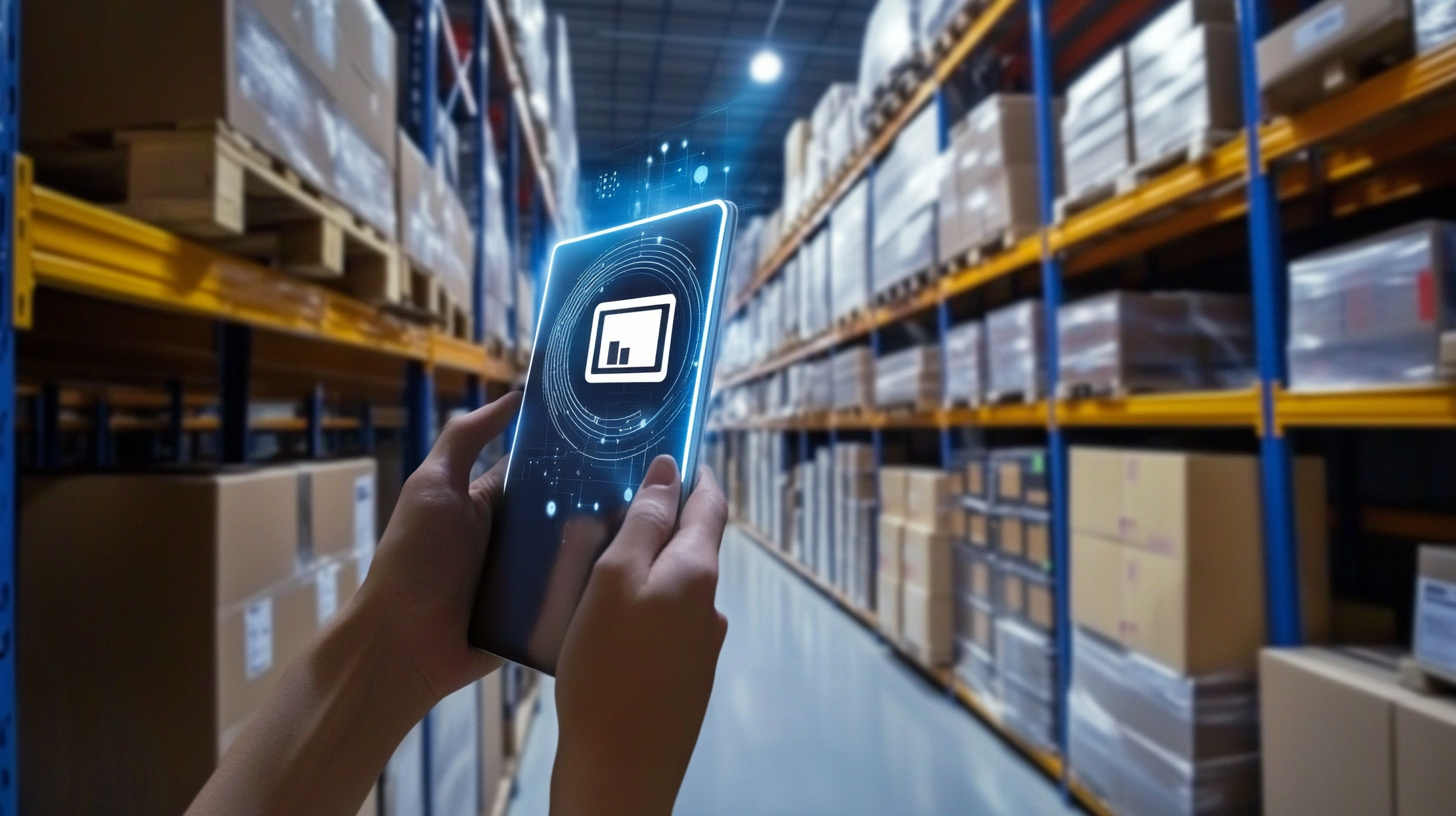
The Rise of UHF RFID Tags: Transforming Inventory Management in Retail

You know, the retail world is really going through a big change thanks to UHF RFID tags. This kinda high-tech stuff is totally revolutionizing how stores manage their inventory—stuff we couldn’t even dream of doing before. These ultra-high frequency tags give retailers a real-time peek into what's in stock. This means they can automate inventory processes, which helps cut down on errors that come from human oversight. With UHF RFID tech, businesses can track products right from the warehouse to the sales floor, making sure they have the right stuff available exactly when they need it.

One of the coolest things about UHF RFID tags is that they can read lots of items at once. Seriously, instead of scanning every single item’s barcode, these RFID systems can grab data from hundreds of items in just a few seconds! That’s a game changer when it comes to how we take stock. It not only saves on labor costs, but it boosts store productivity too. This means staff can spend more time making customers happy and improving their shopping experience. As more retailers jump on the UHF RFID bandwagon, we're likely to see some pretty impressive changes in inventory management, which should lead to better sales and happier customers overall.

UHF RFID Tag Adoption in Different Industries

The chart above illustrates the adoption rates of UHF RFID tags across various industries. Retail leads with a 75% adoption rate, while agriculture lags at 30%. This data reflects the growing trend of utilizing RFID technology for efficient inventory management and tracking in different sectors.

Enhancing Supply Chain Efficiency: UHF RFID Tags in Logistics and Shipping

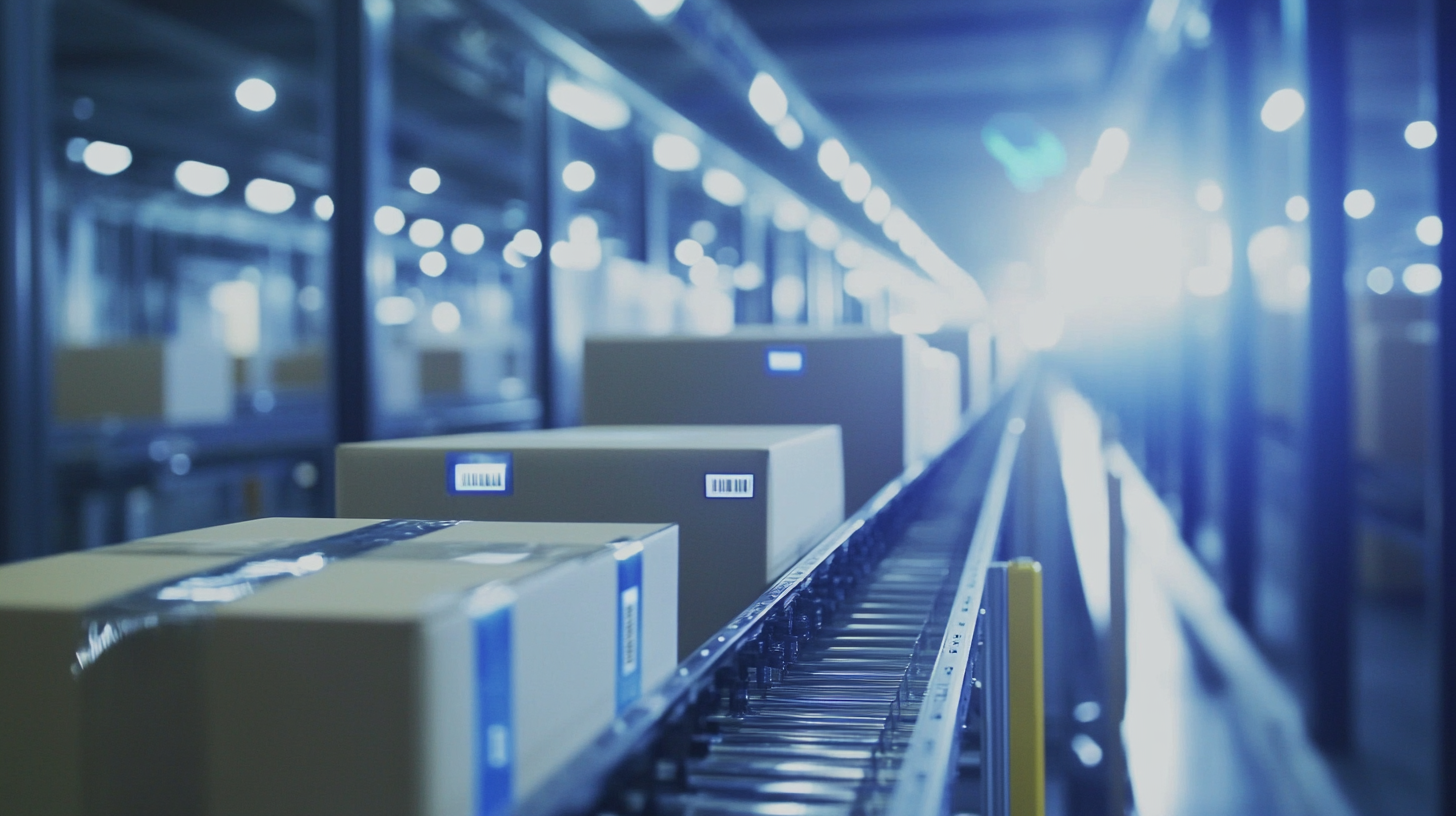
You know, UHF RFID tags have really changed the game for logistics and shipping. Seriously, they give companies a whole new level of visibility and traceability across the supply chain. These little tags work at ultra-high frequencies, making it super easy to scan goods on the move. This means folks can manage their inventory way quicker! Plus, they can read a bunch of tags all at once, even from pretty far away. It’s a total game changer for operations—way less room for human error and much better use of resources.

And there’s more! Using UHF RFID tech really boosts inventory accuracy and cuts down on losses from misplaced items or theft. With real-time data collection, logistics managers can keep an eye on where everything is and how it's doing, making sure stuff gets where it needs to go without a hitch. By embracing these UHF RFID tags, businesses not only make their processes smoother but also build better relationships with customers by delivering solid service. In the end, this can really ramp up satisfaction and loyalty.

Explore the Unique Applications of the Best UHF RFID Tag Across Different Industries - Enhancing Supply Chain Efficiency: UHF RFID Tags in Logistics and Shipping

Industry Application Benefits Challenges
Logistics Asset Tracking Real-time visibility of assets Initial set-up costs
Retail Inventory Management Improved stock accuracy Integration with existing systems
Manufacturing Supply Chain Optimization Reduced lead times Training staff on new technology
Healthcare Patient Tracking Enhanced patient care Data privacy concerns
Food Industry Traceability Improved food safety Regulatory compliance

Revolutionizing Healthcare: Tracking Medical Equipment and Patients with UHF RFID

You know, the healthcare industry is really changing fast, especially with the new UHF RFID technology coming into play. It’s such a game-changer for keeping track of medical equipment and even patients! A recent report from the Healthcare Information and Management Systems Society (HIMSS) pointed out that organizations using RFID solutions have seen a drop in equipment loss by about 30%. That’s a big deal—imagine how much smoother operations can get!

With these UHF RFID tags, hospitals can track their essential tools in real-time, which means that when a doctor or nurse needs a device, it’s right there, ready to go. This not only makes patient care better but also cuts down on the time wasted searching for stuff, making everything run more smoothly in clinics and hospitals.

And it's not just about the equipment; this UHF RFID tech is also shaking things up in how we manage patients. A study from the University of Cambridge found that hospitals that use RFID systems can actually reduce patient wait times by up to 20%! That’s pretty cool, right? By attaching these tags to patient wristbands, healthcare providers can keep tabs on where patients are throughout the facility. It helps streamline things like admissions and makes sure meds are given properly. Overall, this fresh way of doing things not only makes patients safer but also boosts the quality of care. It’s clear that UHF RFID tags are playing a vital role in changing the game for the healthcare sector!

UHF RFID in Agriculture: Improving Crop Management and Food Safety Standards

You know, UHF RFID technology is really shaking things up in the agricultural world. It’s making crop management a lot smarter and ramping up food safety standards, too. By using UHF RFID tags on their farms, producers can keep tabs on how their crops are growing and thriving, all in real-time. These little tags hold onto all sorts of important info—like when the crops were planted, what nutrients they've gotten, and how pest control is going. This kind of knowledge empowers farmers to make smarter choices that not only up their yields but also cut down on waste.

**Pro Tip:** If you’re thinking about implementing a UHF RFID system, take your time picking the right tags for your crops. You’ll want to go for tags that are tough enough to handle rough weather and other challenges. Trust me, you’ll thank yourself when it’s harvest time!

Another cool thing about using UHF RFID in farming is the boost it gives to food safety. These tags help trace products all the way through the supply chain, making it super easy to pinpoint any issues that come up. And if there’s ever a recall, being able to quickly identify affected items can really help reduce health risks and keep consumers feeling safe and secure.

**Quick Tip:** Make sure to keep the data on those RFID tags updated to show any real-time changes in your crops. Not only does this improve traceability, but it also helps you stay on the right side of food safety regulations.

Explore the Unique Applications of the Best Uhf Rfid Tag Across Different Industries

The Role of UHF RFID in Asset Management: Ensuring Security and Visibility

You know, UHF RFID technology has really changed the game when it comes to managing assets in all sorts of industries. It's all about giving folks better security and visibility. By using these ultra-high frequency radio waves, UHF RFID tags are a super useful way to keep tabs on assets in real-time. You see these tags popping up everywhere—from retail shops to healthcare facilities—where keeping track of inventory and making sure high-value items are safe is just crucial.

But here's the thing: UHF RFID isn’t just about basic tracking. It helps companies do audits quickly and accurately, which cuts down on those pesky human errors and really boosts efficiency. Plus, with the capability to read multiple tags at once, businesses can simplify their processes and instantly see where their assets are and what’s going on with them. This tech doesn’t just make things clearer but also helps lower the chances of theft or losses, which is a win-win for profitability and resource management. As different industries keep evolving, it’s clear that bringing UHF RFID into the mix will be key for creating secure and efficient systems for managing assets.

Explore the Unique Applications of the Best Uhf Rfid Tag Across Different Industries

Future Trends: Innovations in UHF RFID Technology and Its Industry Applications

Wow, the world of UHF RFID technology is really changing fast these days! It's amazing to see how these innovations are popping up in all sorts of industries. In fact, a recent report from MarketsandMarkets shows that the global RFID market is set to jump from $11.5 billion in 2020 to a whopping $16.6 billion by 2025. That's a compound annual growth rate (CAGR) of 7.6%! A big reason for this growth is the increasing demand for budget-friendly tracking solutions, especially in areas like retail, logistics, and healthcare.

Take retail, for example. UHF RFID tags are totally transforming how businesses manage their inventory by allowing for real-time stock tracking. A study by GS1 even found that businesses using RFID can cut down on out-of-stocks by as much as 30%! And it doesn’t stop there—logistics is also getting a makeover with automation in shipping processes and better visibility throughout supply chains. When companies start using these technologies, it’s a win-win—they not only boost their operational efficiency but also make sure customers find what they’re looking for.

**Pro tip:** If you haven't already, think about integrating UHF RFID solutions to make your inventory management smoother. Check out your current tracking methods, and see where RFID could really help out.

Looking ahead, there’s a trend we’re seeing where UHF RFID is being combined with IoT devices. This is really going to step up data collection and analysis! As tech keeps advancing, businesses will be able to use these insights to fine-tune their operations and make better decisions. Some reports even suggest that connecting IoT and RFID could slash operational costs by 20% for many companies.

**Pro tip:** Stay in the loop by looking into IoT integrations with your RFID systems. This could give you a competitive edge with richer data insights and better efficiency.

FAQS

: What is UHF RFID technology and how does it benefit asset management?

: UHF RFID technology uses ultra-high frequency radio waves to track and manage assets in real-time, providing enhanced security and visibility across various industries, including retail and healthcare.

How does UHF RFID improve operational efficiency?

UHF RFID allows organizations to conduct audits quickly and accurately, minimizing human error and enabling the simultaneous reading of multiple tags, which streamlines operations and provides immediate insights into asset locations.

What impact does UHF RFID have on inventory management in retail?

It enables real-time tracking of stock, which can reduce out-of-stocks by up to 30%, thereby enhancing inventory management and customer satisfaction.

How does UHF RFID reduce the risk of theft and losses?

By providing real-time visibility and tracking capabilities, UHF RFID enhances operational transparency, which significantly reduces the likelihood of theft and loss of high-value items.

What are some future trends in UHF RFID technology?

Innovations include the integration of UHF RFID with IoT devices, which enhances data collection and analysis and could lead to operational cost reductions of up to 20% for enterprises.

What advantages do businesses gain from implementing UHF RFID solutions?

Businesses can gain improved operational efficiency, enhanced customer experience through better product availability, minimized losses, and increased profitability.

How is the global RFID market expected to grow in the coming years?

The global RFID market is projected to grow from $11.5 billion in 2020 to $16.6 billion by 2025, representing a compound annual growth rate of 7.6%.

What industries are benefiting from UHF RFID technology?

Industries such as retail, logistics, and healthcare are leveraging UHF RFID for efficient tracking, inventory management, and enhanced visibility in supply chains.

How can businesses evaluate the potential of UHF RFID in their operations?

Businesses should assess their current tracking methods and identify areas where UHF RFID can add value in terms of efficiency, accuracy, and security.

What should companies consider when exploring IoT integrations with RFID systems?

Companies should explore how IoT can enhance data insights and operational efficiency, providing a competitive edge in their asset management strategies.

Clara

Clara

Clara is a dedicated marketing professional at Shenzhen Jinruiming Technology Co., Ltd., where she excels in promoting the company's innovative products and services. With a deep understanding of the technology industry, Clara regularly updates the company’s professional blog, sharing insightful......
Previous Exploring the Key Specifications of Advanced Rfid Writer Technology