You know, in today's fast-paced world of global supply chains, it's all about keeping up, right? That's why using advanced technologies is super important if you want to boost your operational efficiency and accuracy. One standout tool in the spotlight is the Integrated Uhf Rfid Reader. It really makes a difference by automating inventory management and stepping up tracking capabilities. As businesses look for solid solutions to make things run smoother, picking the right Integrated UHF RFID Readerbecomes a pretty big deal. So, in this guide, we’ll walk you through all the key factors you should think about when you're searching for a top-notch manufacturer, and we'll throw in some innovative options tailored just for you.
At MingQ Technology Limited, we take pride in being your go-to source for IoT software and hardware. Our mission? To provide cutting-edge solutions that seamlessly weave artificial intelligence and IoT into your industrial applications, making sure your supply chain runs like a well-oiled machine.
Key Features to Consider in Integrated UHF RFID Readers for Supply Chains
So, when you're on the hunt for the right integrated UHF RFID reader for your global supply chain, there are some pretty important things to keep in mind. First off, you really want to make sure it’s compatible with what you’re already using. I mean, nobody wants to deal with a ton of changes just to get it to work with your current RFID tags and software, right? It’s gotta fit in smoothly, so you can swap data without a hassle. And hey, reliability? That’s a big one! The reader needs to perform well in all kinds of environments, so it stays accurate and fast even when the going gets tough.
Then, there’s the whole flexibility thing. You want a reader that can handle different frequencies and data formats. This way, it can easily adapt whether you’re tracking shipments in logistics or keeping tabs on inventory at a retail spot. And don’t forget about those cool features, like real-time data processing, long read ranges, and solid security measures. Seriously, security is super important—especially in places like healthcare or pharmaceuticals, where a data breach can really mess things up. By focusing on these key aspects, you'll be sure to pick a UHF RFID reader that not only fits your current needs but can also grow with tech advancements in your supply chain.
The Ultimate Guide to Choosing the Best Integrated UHF RFID Reader for Your Global Supply Chain
| Feature | Description | Importance |
| Read Range | The maximum distance at which the reader can detect an RFID tag. | Critical for inventory management and tracking efficiency. |
| Data Processing Speed | Rate at which the reader can process multiple tags per second. | Essential for real-time applications in supply chain. |
| Form Factor | Physical design of the reader (e.g., handheld, fixed). | Impactful on usability in different environments. |
| Connectivity Options | Types of connections available (Wi-Fi, Bluetooth, etc.). | Determines compatibility with existing systems. |
| Environmental Durability | Resistance to harsh conditions (temperature, dust, water). | Crucial for outdoor or industrial use cases. |
| Power Source | Type of power supply (battery, rechargeable, or plugged). | Affects portability and usage duration. |
| Compatibility | Support for various RFID protocols and standards. | Ensures broad application across different inventory systems. |
| Cost Effectiveness | Evaluation of the total cost in relation to features and benefits. | Vital for budget planning and return on investment. |
Understanding the Importance of UHF RFID Technology in Global Logistics
You know, UHF RFID technology has really shaken things up in the world of global logistics. It’s offering some pretty cool solutions that boost efficiency, accuracy, and visibility all along the supply chain. By tapping into those ultra-high frequency signals, RFID systems let companies keep an eye on their inventory in real-time. That means fewer mistakes from manual data entry and barcoding — which is a real headache, right? This level of accuracy not only makes things run smoother but also helps businesses keep their stock levels just right. In the end, that means lower costs and happier customers.
As companies continue to stretch their wings and reach new markets, bringing UHF RFID readers into the mix becomes super important. They're key to tackling those pesky challenges that come with inventory management and tracking. These nifty devices can effortlessly keep tabs on products as they travel through different stages of the supply chain — from the manufacturing floor to distribution centers and then on to retail spots. Plus, with the power to read multiple items at once, UHF RFID technology gives businesses that competitive edge, helping them react quickly to what the market needs or any hiccups along the way. This really helps solidify their standing in the global marketplace.
Comparative Analysis of Leading Integrated UHF RFID Readers Available Today
You know, as businesses are really pushing for better efficiency in their global supply chains, picking the right integrated UHF RFID readers has become super important. If you take a look at the top options out there, it's clear that there's been some serious tech advancements. Supply chain managers need to get a good grip on the different specs and capabilities of these readers to make informed choices. Lately, we've seen innovations that boost read range, flexibility, and even work well with other technologies like Near Field Communication (NFC), which is a game changer for streamlining operations and cutting down on mistakes.
One cool thing happening is the rise of flexible and compact RFID tags. They've started using advanced manufacturing methods to create tags that perform better without breaking the bank. This matters a ton for industries like retail, where having the perfect tools for tracking inventory is key. Plus, there are new designs popping up for UHF RFID antennas that really optimize the read range, making sure they work reliably even in tricky environments. As companies look at the different models available, they should think about not just the technical specs but also how these systems could integrate with smart transportation solutions and other cutting-edge tech that’s becoming super important in supply chain management.
Cost-Effectiveness of Investing in Integrated UHF RFID Solutions
You know, investing in integrated UHF RFID solutions can really boost the efficiency of your global supply chain and save you some money too. One big perk of these systems is how they automate inventory management. This means less manual labor and a whole lot fewer mistakes compared to those old-school tracking methods. By streamlining your operations, businesses often see a quick return on investment thanks to better accuracy and fewer delays.
Quick tip: When you’re choosing an integrated UHF RFID reader, make sure it works well with your current systems. This compatibility can help you avoid some unexpected costs and make the transition to RFID technology way smoother.
On top of that, these solutions really help with visibility in your supply chain. You can track your goods in real-time, which not only makes things more accountable but also helps you forecast better and cut down on surplus inventory—talk about more savings!
Another tip: Don't forget to consider the total cost of ownership, including all your hardware, software, and maintenance expenses. This will help you get a clearer picture of the long-term benefits of your RFID investment. Doing so ensures that you pick a solution that fits your budget and meets your operational needs just right.
Future Trends in UHF RFID Technology for Supply Chain Management
You know, the future of UHF RFID technology in supply chain management is really looking bright! It’s set to grow a ton, and that’s mainly because of some cool innovations and more and more sectors getting on board. Can you believe that the global UHF RFID market is expected to jump from about $11.8 billion in 2021 to a whopping $31.5 billion by 2031? That’s a crazy compound annual growth rate (CAGR) of 10.2%! It really shows how effective this tech is for things like better inventory management, traceability, and just overall making operations more efficient.
Take, for instance, the recent collaborations—like that partnership focused on keeping our food fresh and cutting down on waste through item-level digital identification. It’s a great example of how RFID technology is making a real difference in everyday situations. Plus, now that mandates are rolling out and new tech keeps popping up, RFID has become super important for retailers. We’re seeing North America particularly jump in on this trend. As industries keep evolving, the way RFID speeds up processes and boosts data accuracy is only going to get more essential in supply chain management, paving the way for a future where we can really cut down on those pesky operational bumps in the road.
Best Practices for Implementing UHF RFID Readers in Your Operations
You know, bringing UHF RFID readers into your operations can really boost the speed and accuracy of your supply chain management. First things first, you’ve gotta take a good, hard look at your current processes and what data you need. Seriously, doing a thorough assessment here is key. It’ll help you figure out exactly what you need from your RFID system – like what types of readers work best, where to put the antennas, and what tags to use. When you make sure this tech aligns with your goals, you’ll find it fits into your workflow much more smoothly, and trust me, that means fewer bumps along the way.
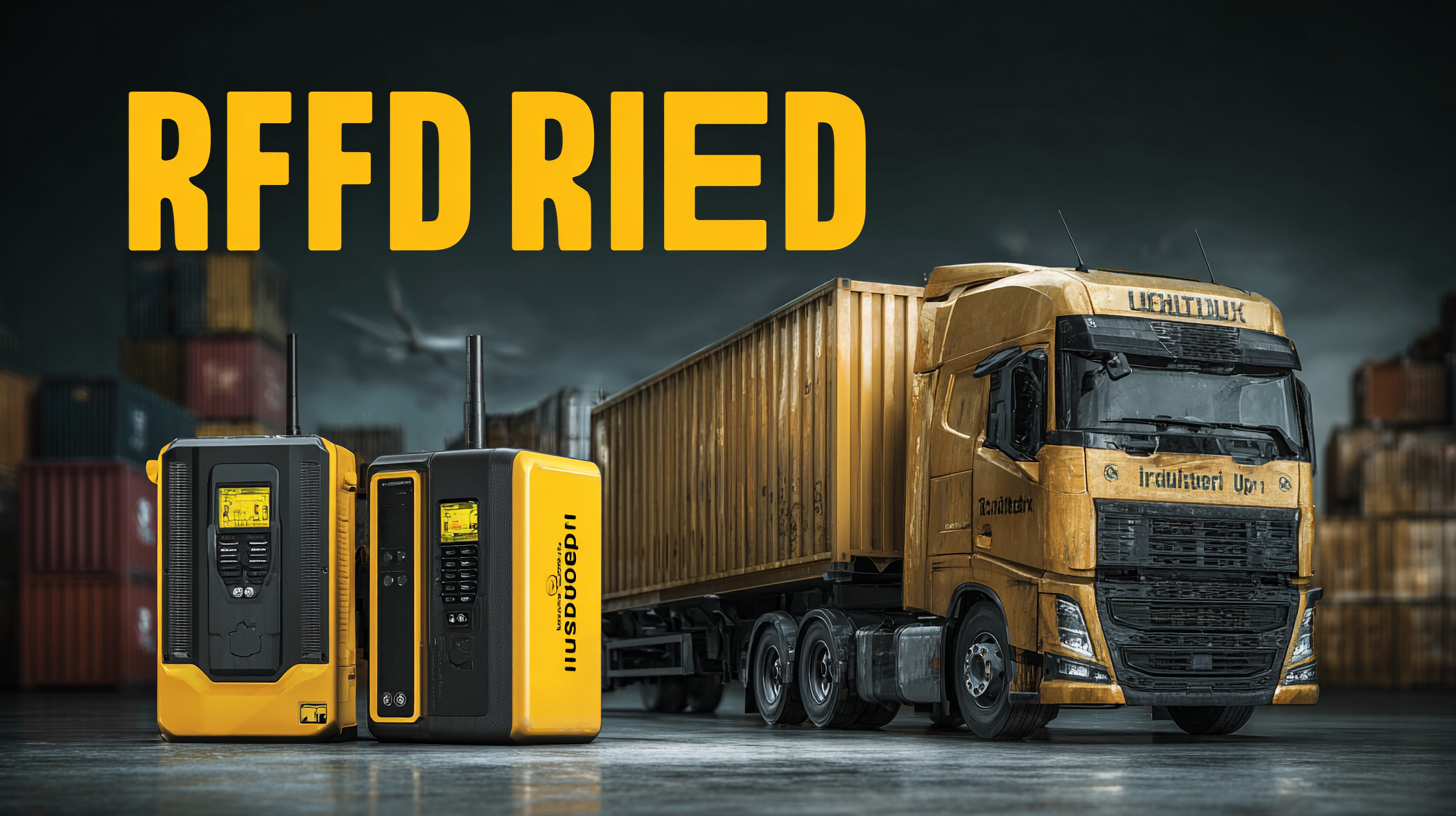
Oh, and don't skip on training your staff! It's super important. Giving your team solid training means they'll know how to make the most of the RFID systems and get why they’re such a big deal for keeping things running smoothly. Plus, getting your team involved in the whole implementation process can really bring out some great feedback and ideas, which can improve how effective the RFID setup is overall. And let’s not forget about keeping an eye on the system after it’s launched! Regular monitoring and tweaking are really crucial to tackle any issues and enhance performance over time. So, if you stick to these strategies, you’ll really tap into all the advantages that UHF RFID tech can offer your supply chain.
Optimizing Assembly Line Efficiency: The Advantages of the Rotary HF RFID Tag Reader GRH-I40
In today’s competitive manufacturing landscape, optimizing assembly line efficiency is paramount for companies aiming to reduce operational costs and enhance productivity. A recent industry report indicated that automating inventory tracking systems can lead to a 20% increase in throughput and a significant decrease in labor costs. One solution that embodies these enhancements is the Rotary HF RFID Tag Reader GRH-I40, designed specifically to streamline assembly line processes.
The GRH-I40 is a rotatable HF reader that supports Modbus-RTU communication, making it versatile for various applications. Its easy installation and setup allow businesses to quickly deploy the reader in their desired locations, whether it’s mounted on a surface or integrated into existing infrastructures. With its advanced capability to read multiple tags simultaneously, the GRH-I40 significantly reduces the time spent on manual tracking, aligning with industry studies that show automated systems can reduce error rates by up to 50%.
Moreover, the GRH-I40 is not just a standalone product; it can be tailored to fit customized solutions, ensuring that businesses receive both high-quality and cost-effective options. With the growing demand for efficiency, companies are urged to consider innovative technologies like the GRH-I40 to stay ahead in the fast-paced market. Interested users can send inquiries and orders for prompt responses, further enhancing the support experience.
FAQS
: Key considerations include compatibility with existing infrastructure, reliability in various environmental conditions, the ability to handle multiple frequencies and data formats, real-time data processing, long read ranges, and robust security protocols.
Compatibility ensures seamless integration with current RFID tags and software systems, allowing for effective data interchange without extensive modifications.
UHF RFID technology enables real-time tracking and management of inventory, reducing errors associated with manual data entry and barcoding, which enhances operational efficiency and customer satisfaction.
UHF RFID allows for the simultaneous reading of multiple items, improving inventory accuracy and enabling organizations to respond quickly to market demands and supply chain disruptions.
The global UHF RFID market is expected to grow from $11.8 billion in 2021 to $31.5 billion by 2031, representing a compound annual growth rate (CAGR) of 10.2%.
Organizations are using UHF RFID for item-level digital identification to enhance food freshness, reduce waste, and improve traceability in supply chain management.
Security is crucial, particularly in industries like healthcare and pharmaceuticals, as data breaches can have severe consequences, making robust security protocols essential for any UHF RFID reader.
By streamlining processes and improving data accuracy, UHF RFID technology helps organizations overcome challenges related to inventory management and tracking, reducing operational hurdles significantly.

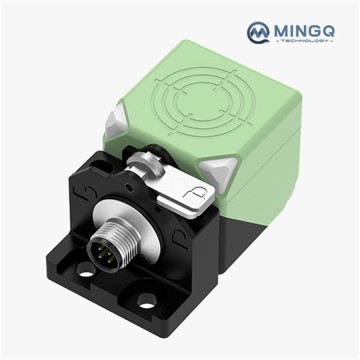 Rotary HF RFID Tag Reader GRH-I40 Suitable for Assembly Lines
 Industrial-grade High-frequency Integrated Reader GRH-I65 Suitable for Asset Tracking
 With ESD Protection HF RFID Reader GRH-I68 Suitable for Progress Tracking
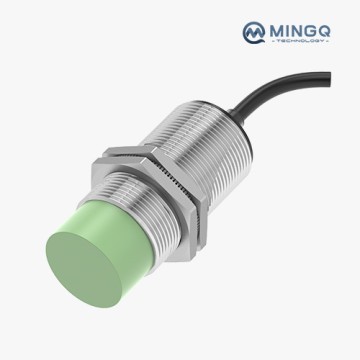 Proximity HF RFID Reader GRH-M30 Suitable for Manufacturing Workshops
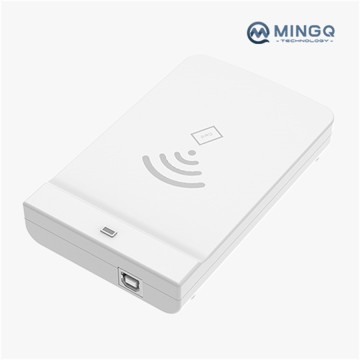 Desktop HF RFID Scanner GRH-D80-HID Suitable for Card-issuing Applications
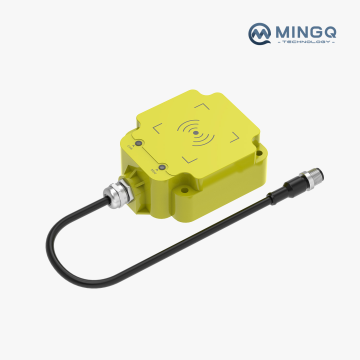 High Frequency Medium Distance Reader GRH-I90 Suitable for Logistics Production Line
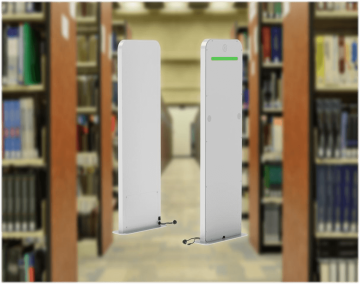 UHF RFID Portals and Tunnel Machine RFly-AM3000 for Access Control
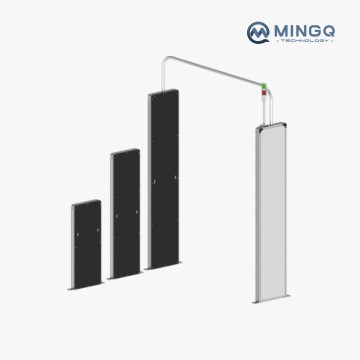 Narrow RFID Portals Series TD-P20040-SS for Single Tag Entry and Exit Identification Scenario
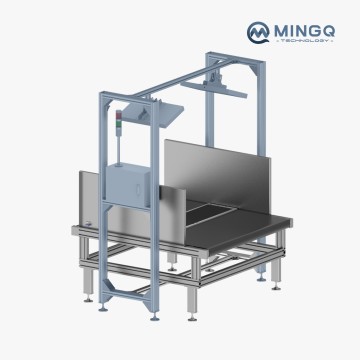 RFID Transmission Line Simple Identification Tunnel Machine (TD-T3050)
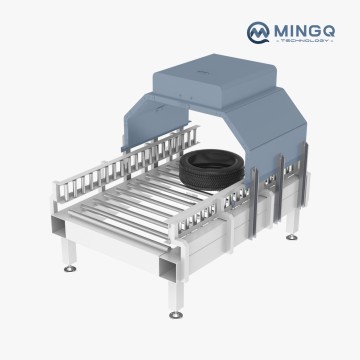 Vision and RFID Tunnel Machine TD-T7692-RV for Logistics Sorting
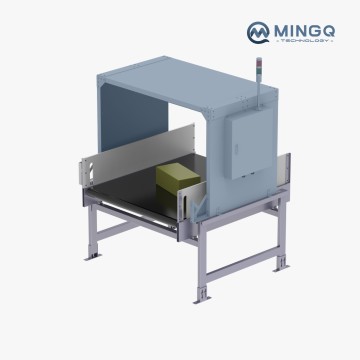 RFID Transmission Line Identification Tunnel Machine TD-T10090
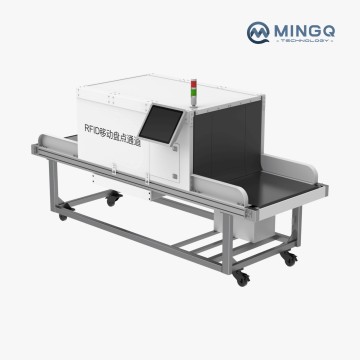 RFID Mobile Inventory Tunnel Machine TD-T65150 for Conveyor Belts
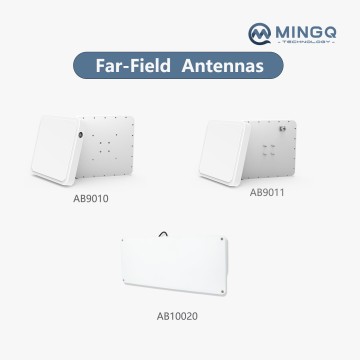 High-Performance Far-Field Antennas for Broad Coverage.
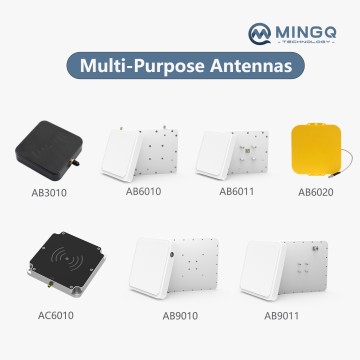 Multi-Purpose Antennas: Flexibility for Diverse Applications
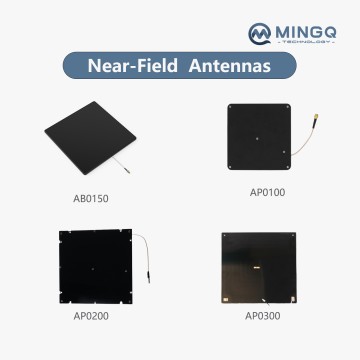 Near-Field Antennas for Short-Distance Tag Detection.
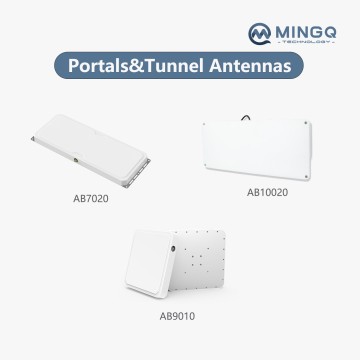 Portals & Tunnel Antennas for Integrated RFID Series
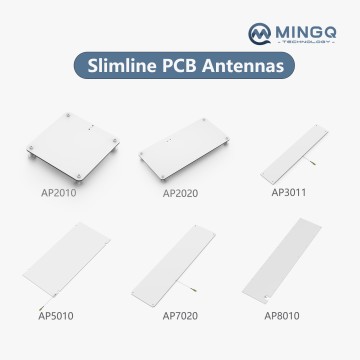 Slimline PCB Antennas for Warehousing and Logistics
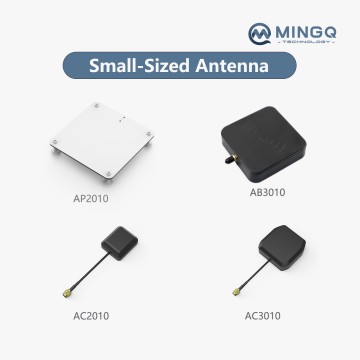 Miniaturized and Thin Antennas can Provide Good Performance in a Smaller Size.
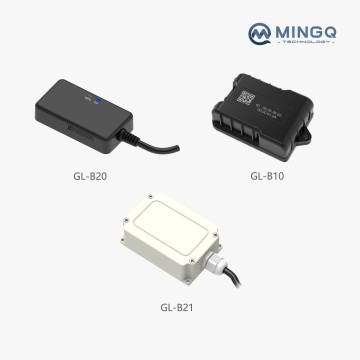 GPS Tracker for Vehicles, Car, Kids, Assets.
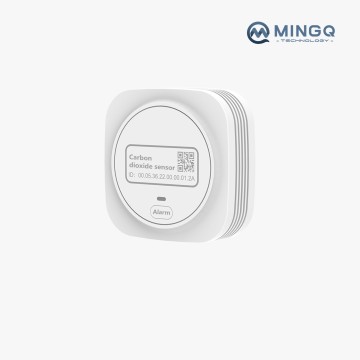 CO2 Sensors Detect CO2 Gas through Alarms, Suitable for Offices, Planting Tents.
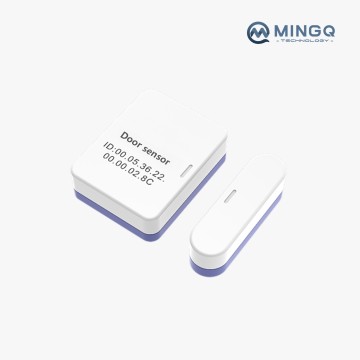 Door Sensor, Detect Open and Closed Doors or Windows, Sends Alerts, Triggers Siren.
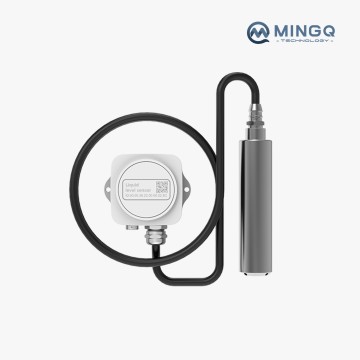 Wireless Level Sensor Equipped with a 5-Meter Detection Line, Suitable for Water Tanks
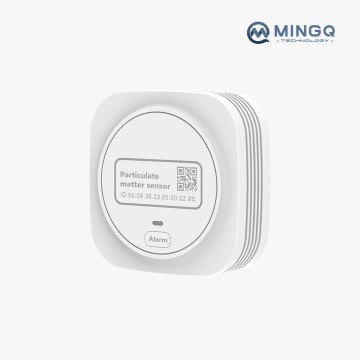 Real Time Monitoring of Air Quality Using PM2.5/PM10 Sensors.
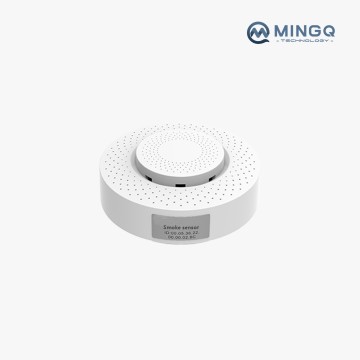 Smoke Sensor, Fire Alarm Smoke Detector with Test Button and Low Battery Reminder.
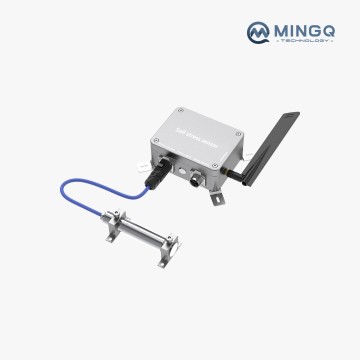 Soil Stress Sensor,Bridge and Tunnel Monitors.
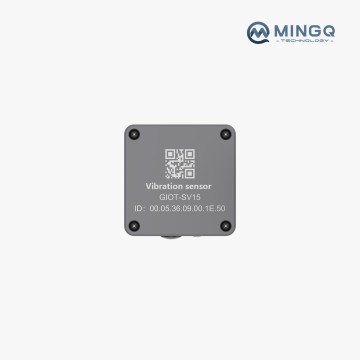 Vibration Sensor Monitors Equipment, Like Conveyors and Motors, for Operational Status.
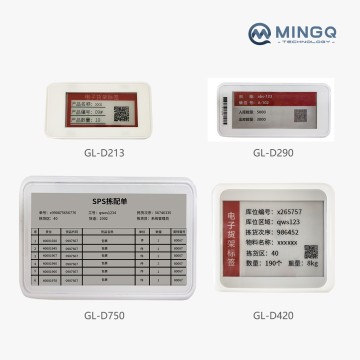 E -Paper Display
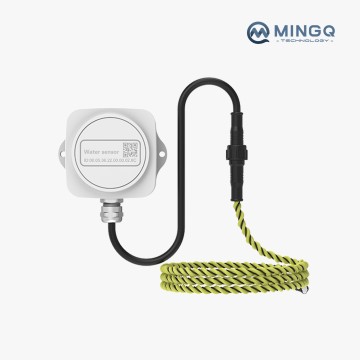 Smart Water Sensor Alarms, 1.2 M Detection Line.
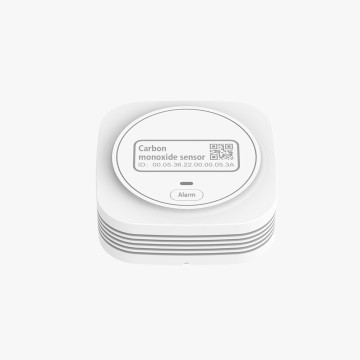 CO Sensor for Basements Home Office House Bedroom Living Room Car, Light Plug and Play.
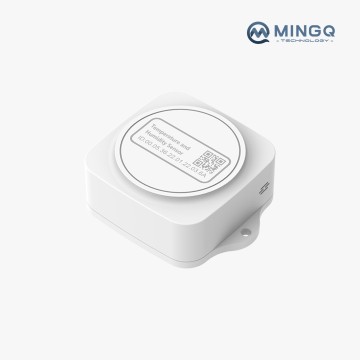 Temperature and Humidity Sensor
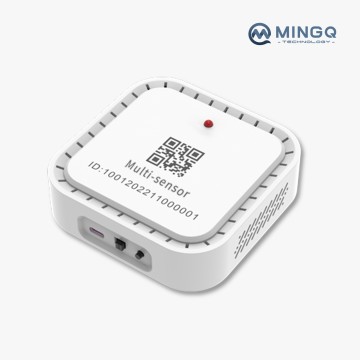 Multi-sensor GD-ME
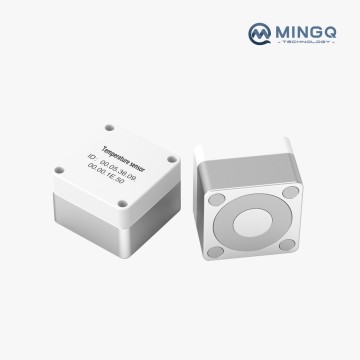 Temperature Sensors Monitor the Surface Temperature of Various Heating Equipment.-1
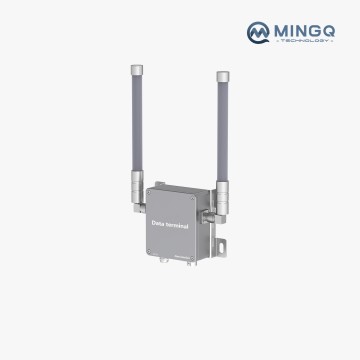 Signal Enhancement Terminal, Long Range Coverage.
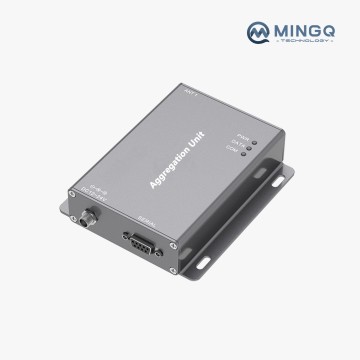 Multi-Protocol Communication Gateway, App Remote Control.
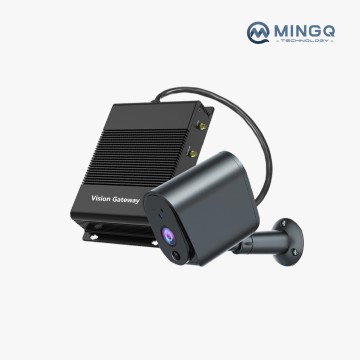 Edge Vision Gateway can Access Various Mainstream Cameras, Suitable for Office, Factory.
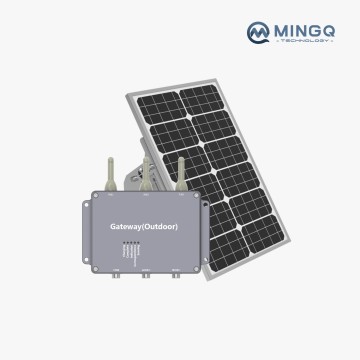 GBS-3550 Outdoor Sensor Gateway,LoRa, 2/3/4G Communication.
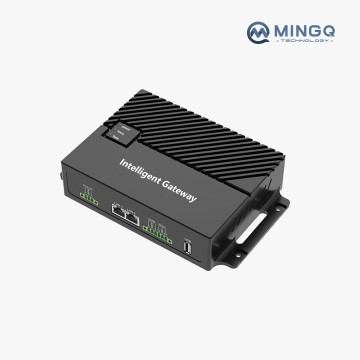 Smart WiFi Gateway, Realize Remote Control.
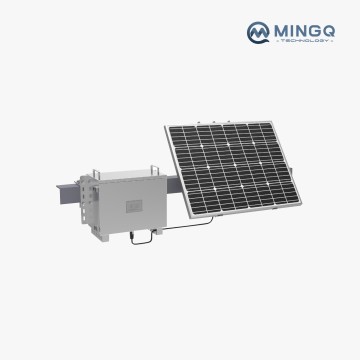 Ultra-Low-Power Solar-Powered Intelligent Gateway (Outdoor)
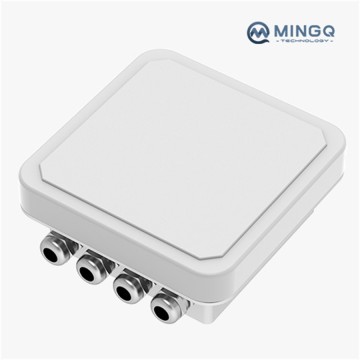 IP67-protected Integrated RFID Reader Writer RFly-I165 for Supply Chain
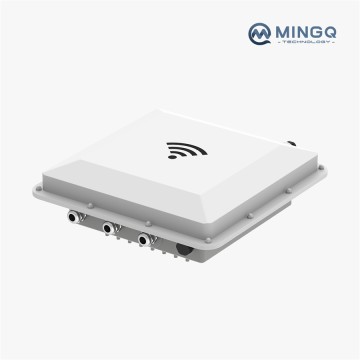 Long-range Distance UHF RFID Reader RFly-I195 for Inventory Management
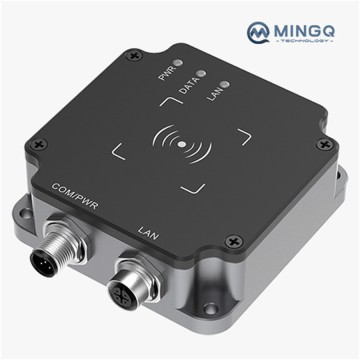 Small UHF RFID Tag Reader RFly-I300 for Cars
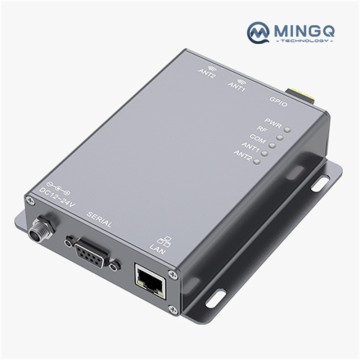 Two-channel Compact Fixed RFID Reader RFly-F210 for Warehousing
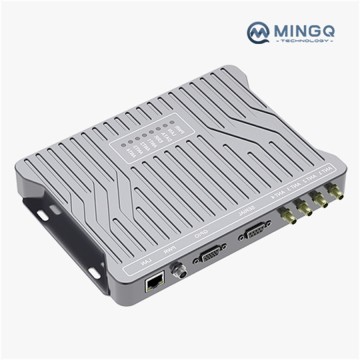 Four Channels Fixed UHF RFID Reader RFly-R6 for Supply Chain
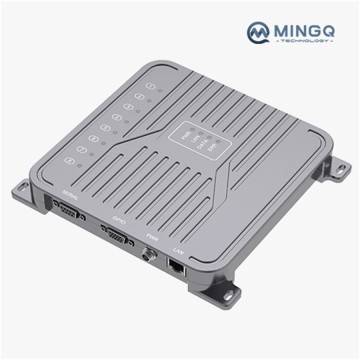 8-channel UHF RFID Tag Reader RFly-R8 for File Cabinet Identification
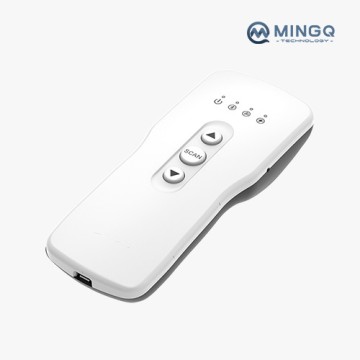 Bluetooth Portable RFID Reader and Writer GRU-HBT100 for Inventory Management
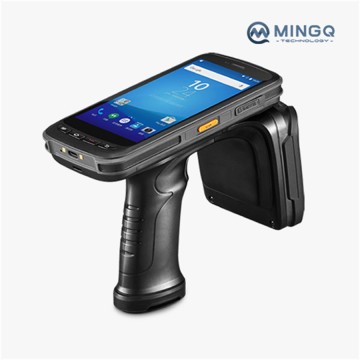 Industrial Grade Handheld UHF RFID Reader GRU-HC520 Suitable for Logistics
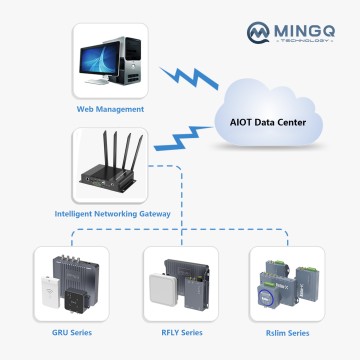 RFID Gateway Networking System
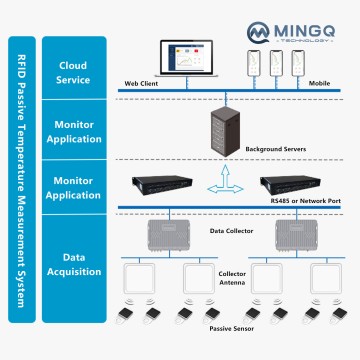 RFID Passive Temperature Measurement System
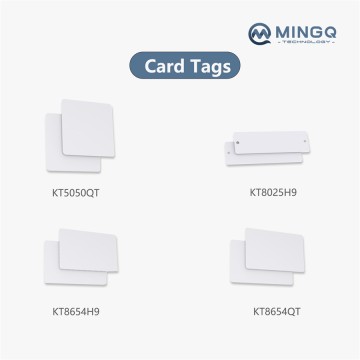 RFID Tags for Container Turnover Management
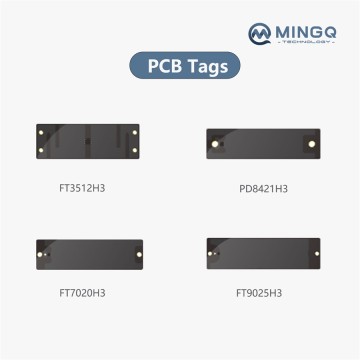 RFID Tags for Equipment O&M Management
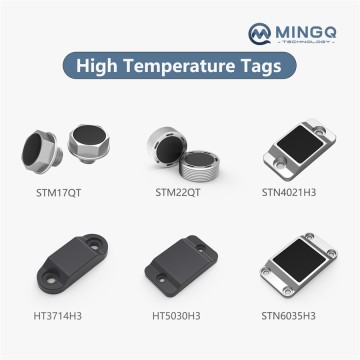 RFID Tags for Manufacturing Management
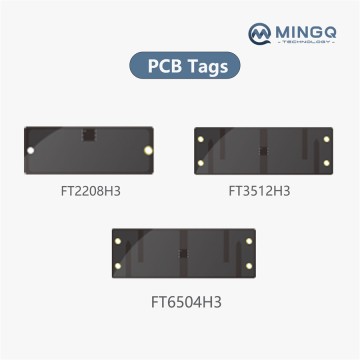 RFID Tags for Tool Management
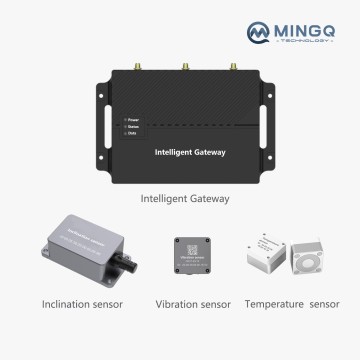 A Kits for Equipment Condition Detection
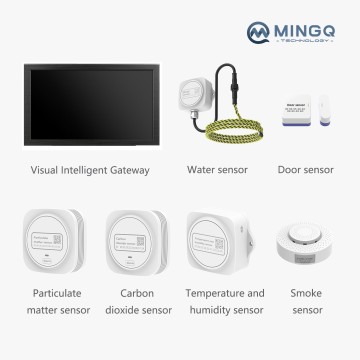 A Kits for Office Computer Room Environment Monitoring
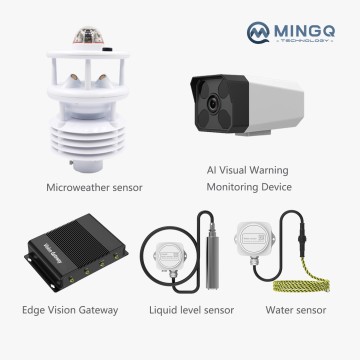 A Kits for Reservoir Environmental Monitoring
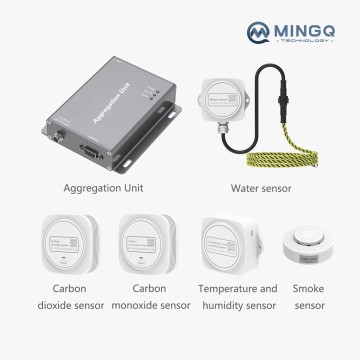 A Kits for Storage Space Environment Monitoring
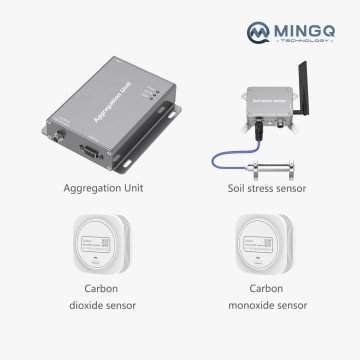 A Kits for Stress Detection of Underground Tunnel
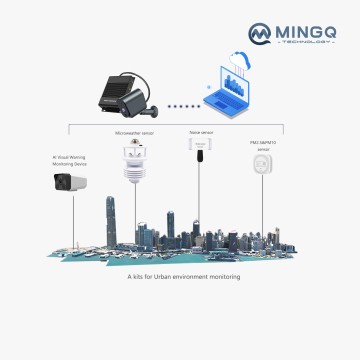 A Kits for Urban Environment Monitoring
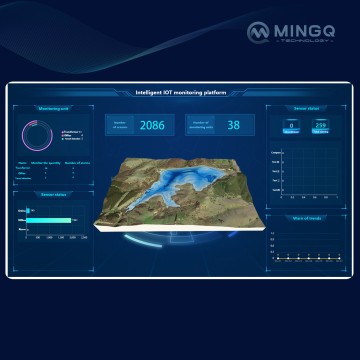 Intelligent IoT Monitoring Platform
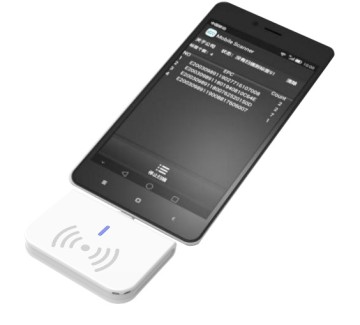 Integrating Multiple Functional OTG Demo Software
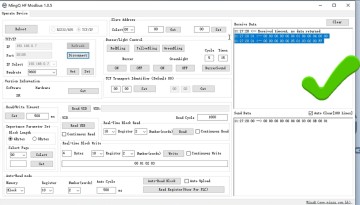 HF Demo Software
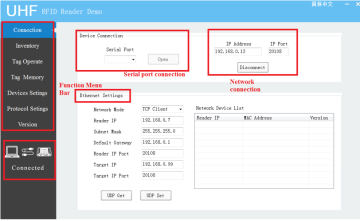 UHF Demo Software