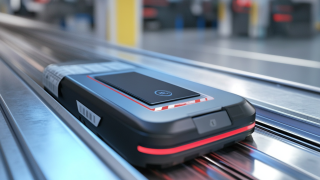
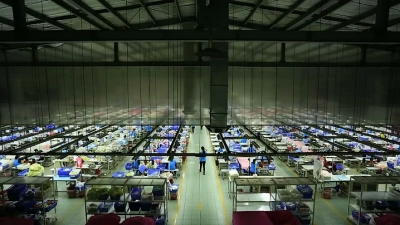
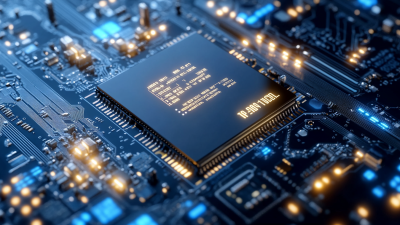
You know, UHF RFID Integrated Readers have really changed the game in how industries handle data and optimize their operations in recent years. It’s pretty wild when you look at the numbers—industry reports suggest that the global RFID market is set to skyrocket from $10.9 billion in 2021 to over $40 billion by 2026! That’s mainly because more and more companies are realizing the importance of collecting real-time data and managing inventory better. These UHF RFID Integrated Readers are leading the charge, offering not just improved accuracy but also a big boost in efficiency across various fields like retail, logistics, and manufacturing. With everyone jumping on the Internet of Things (IoT) bandwagon, the role of these readers is becoming even more crucial.
At MingQ Technology Limited, we’re all about tapping into the power of cool tech like UHF RFID Integrated Readers to help our clients succeed. We specialize in IoT software and hardware products, and we totally get how important these readers are for smooth communication of information and for AI applications. Looking ahead to 2025, we believe that bringing UHF RFID technology into industrial IoT systems is going to open up a bunch of new opportunities and totally reshape how things work in various industries. By investing in these advancements today, businesses can really set themselves up for a connected future filled with smart automation.
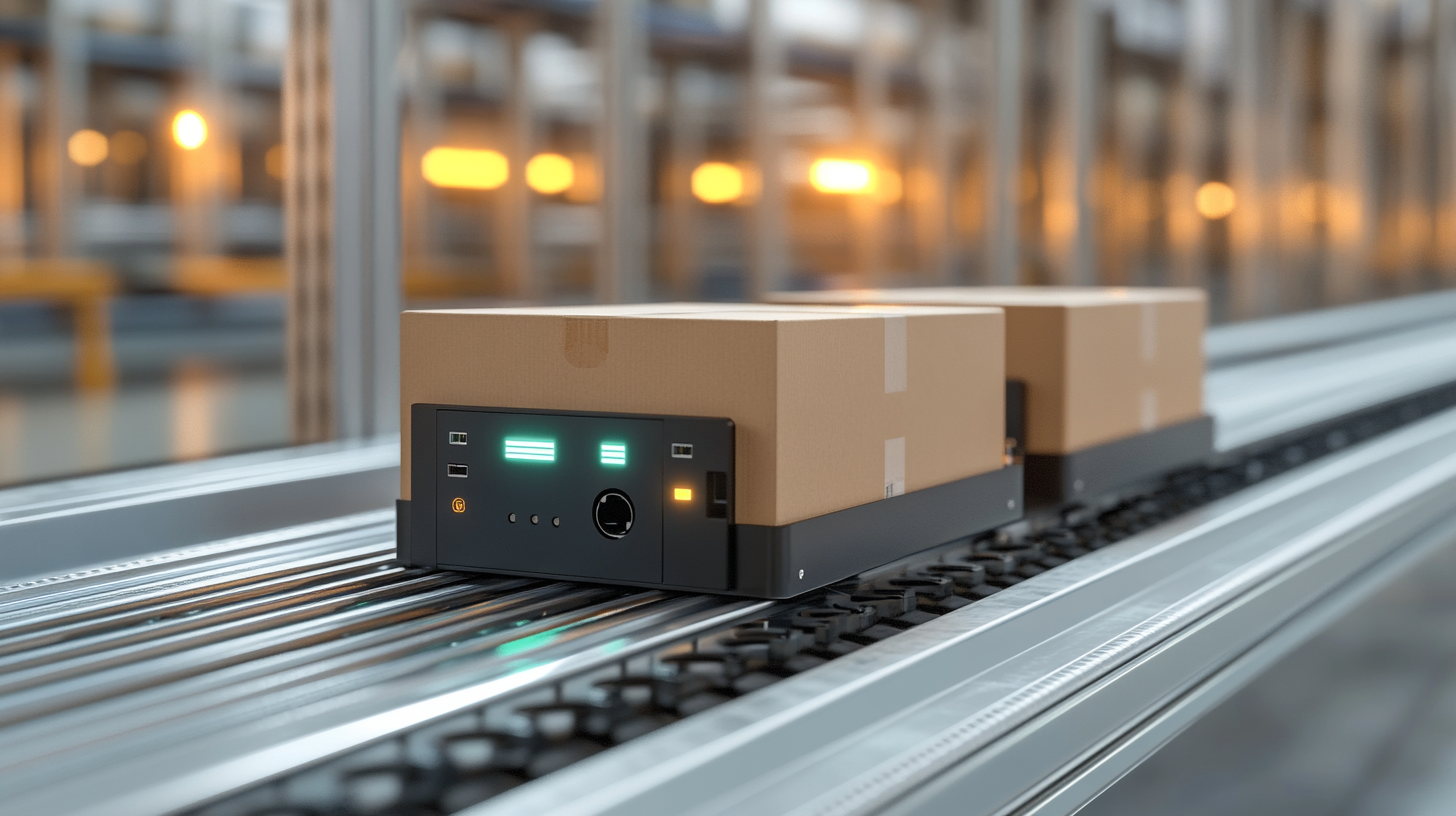
The Rise of UHF RFID Technology in Various Industries
Hey there! You know, the whole world of Ultra High Frequency (UHF) RFID technology is really shaking things up across different industries, making it a key player for growth and efficiency moving forward. A recent report from Markets and Markets predicts that the UHF RFID market will hit a whopping USD 18.34 billion by 2025, which translates to a healthy growth rate of 17.1% from 2020. It’s pretty exciting stuff, especially when you think about how this tech helps capture real-time data and boosts inventory management in places like retail, logistics, and healthcare. So, let’s talk retail for a second. UHF RFID is really making waves there, helping retailers get a better grip on their supply chains and working smarter. A study from GS1 US even showed that retailers using RFID tech can slash inventory errors by around 30%! That's definitely a game changer for stock accuracy and keeping customers happy. And in logistics? UHF RFID comes in clutch, too. Accenture found that businesses tapping into RFID can cut their operational costs by about 25%, which is a big win for boosting profits and making the whole user experience that much smoother. And here’s something cool—healthcare isn’t sitting on the sidelines either. We’re seeing a big leap in UHF RFID applications there, especially when it comes to tracking medical equipment and making sure patients stay safe. Technavio even mentioned that the healthcare sector is poised to be one of the fastest-growing areas for Rfid Solutions, with a projected growth of over 20% during this forecast period! By streamlining asset management and cutting down on the chances of losing equipment, UHF RFID is paving the way for a more efficient and safer healthcare system. It's definitely carving out a spot for itself as a must-have tech for 2025 and beyond.

Key Innovations in UHF RFID Integrated Readers
You know, the way Ultra High Frequency (UHF) RFID technology is shaking things up is pretty amazing, especially in industries like manufacturing and supply chain management. I mean, recent reports really show how RFID has become this essential tool for producing and tracking wafer boxes. It's all about making processes more transparent, secure, and efficient. With RFID's real-time and spot-on tracking, businesses are really nailing comprehensive traceability—something you just can’t overlook in today’s fast-paced industrial scene. We’re seeing RFID stepping up as a core player in the shift toward smarter manufacturing. Its knack for delivering actionable insights and streamlining operations is truly changing the game across different sectors.
As the buzz around smart manufacturing grows, it looks like the RFID market is gearing up for some serious growth. Industry predictions are all pointing towards RFID becoming even more valuable for making life easier and more efficient—both at work and at home. Those new innovations in UHF RFID integrated readers are leading the charge, too. Take high-speed scanning and bulk reading advancements, for instance. They are changing the way we handle inventory management and logistics, and it's helping create smarter supply chains around the globe!
Plus, companies aren’t stopping there—they're actively working on embedding RFID tech into everyday gadgets, like mobile chips. How cool is that? It really brings the physical and digital worlds closer. This trend points to a larger movement toward IoT connectivity and highlights just how crucial RFID innovations are going to be as we approach 2025. With governments pushing for digital transformation in traditional manufacturing, the possibilities for RFID applications are only getting bigger, promising some pretty hefty benefits for industries ready to jump on board with this technology.
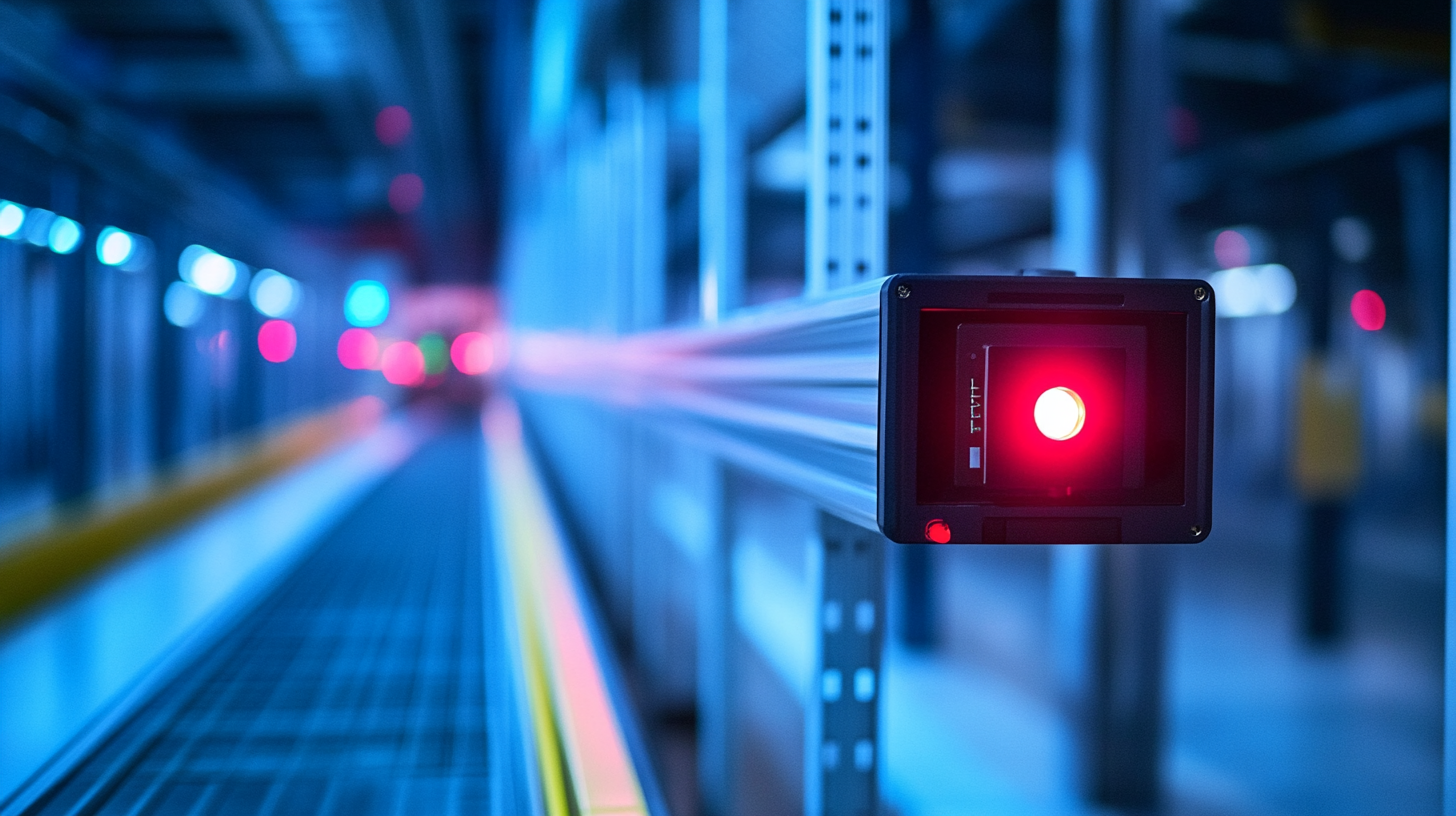
Enhancing Supply Chain Efficiency with RFID Solutions
You know, UHF RFID integrated readers are really shaking things up in the supply chain world! More and more companies are jumping on the bandwagon, looking to these smart technologies to help them run their operations smoother. With all the pressure to boost productivity and cut costs, RFID solutions have become game-changers for managing inventory and logistics. They allow for real-time tracking and automated data collection, which means fewer human mistakes and way faster processes. This all adds up to better accuracy in keeping track of stock and getting orders out the door on time.
Can you believe the RFID Tags market is expected to hit a massive USD 29.05 billion by 2032? That really shows just how much folks are leaning into these technologies. Companies in all sorts of industries are seeing the perks of RFID—it gives them better visibility throughout the entire supply chain. Whether they're tracing products from the manufacturer to the store or optimizing how they handle things in the warehouse, UHF RFID integrated readers are becoming essential tools for achieving top-notch operations. With more businesses embracing these innovations, it looks like the future of supply chain management is going to be all about being interconnected and driven by data.
Thanks to advancements in UHF RFID tech, organizations can expect some serious boosts in efficiency. By cutting down on lead times and making inventory tracking spot-on, businesses can really up their game when it comes to customer satisfaction and loyalty. Plus, as the technology continues to evolve, we can look forward to better data analytics that will help companies gain deeper insights into their supply chains. This way, they can make better decisions and adapt quickly to whatever the market throws their way. So, the push for better supply chain efficiency using RFID isn't just a passing trend; it's a big shift that's going to shape the future of technology well into 2025 and beyond.

Integration of UHF RFID with IoT: A New Era of Connectivity
As we dive deeper into this ever-connected world, the combination of Ultra High Frequency (UHF) Radio Frequency Identification (RFID) technology with the Internet of Things (IoT) is really kicking off an exciting new phase. This collaboration has the potential to supercharge supply chains, streamline asset management, and even transform user experiences across different industries. By allowing smooth communication between RFID-tagged items and IoT networks, businesses can grab real-time data and insights that lead to smarter decision-making—pretty cool, right?
Using UHF RFID within the IoT space means you can track assets from the moment they hit the supply chain until they reach their final stop. Plus, because these systems can read several tags simultaneously, UHF RFID helps dodge those pesky bottlenecks that pop up with traditional scanning methods. This doesn’t just speed things up; it also cuts down on human error, making inventory management and logistics way more reliable.
Looking ahead to 2025, the possibilities for UHF RFID readers to boost smart environments are just huge. Take retailers, for example—they can use this tech to create really personalized shopping experiences by tapping into the data from RFID-enabled products. In healthcare, this integration plays a crucial role in tracking medical equipment accurately, ensuring patient safety, and boosting overall operational efficiency. As we keep innovating, the blend of UHF RFID and IoT is sure to reshape how we think about connectivity and efficiency in ways we’re just starting to grasp.
Future Applications: UHF RFID in Smart Cities by 2025
The integration of UHF RFID technology in smart cities is paving the way for innovative solutions that enhance urban living by 2025. These systems, which have seen significant advancements, can optimize resource management, boost efficiency, and improve overall quality of life. One promising application is the use of RFID systems to monitor environmental conditions, such as the salinity and sugar contents of water. By implementing low-cost ink-jet printed passive RFID tags, municipalities can ensure safer water supply management and address concerns related to public health.
As smart cities evolve, the role of UHF RFID will expand beyond mere identification and tracking. These readers will facilitate seamless interactions between citizens and city infrastructure, leading to enhanced data collection and better decision-making. Technological innovations will enable real-time monitoring of traffic flow, waste management, and energy consumption—providing cities with the data needed to create more sustainable and efficient urban environments. The forecast for RFID investments suggests a robust growth trajectory, fueled by increasing demand for smart technologies and heightened urban challenges.
Moreover, the intersection of UHF RFID with the Internet of Things (IoT) will further transform smart cities, ushering in a new era of connectivity. Smart devices will leverage RFID technology to share vital information, optimize operations across various urban sectors, and foster an eco-friendly approach to city management. As we move toward 2025, the innovations driven by UHF RFID will not only enhance the functionality of smart cities but also create opportunities for improved citizen engagement and a better urban experience.
Challenges and Solutions in Implementing UHF RFID Technology
So, let’s talk about UHF RFID technology—it's a game-changer, but it doesn't come without its fair share of bumps in the road. According to a report from ResearchAndMarkets, the RFID market is expected to hit a whopping $30.38 billion by 2025, thanks to some really cool advancements in UHF RFID integrated readers. But, before everyone jumps on the bandwagon, we’ve got to tackle some challenges that might hold things back, like those hefty upfront costs, compatibility issues, and let’s not forget about data privacy worries.
First off, let’s dive into costs. Sure, UHF RFID systems bring long-term perks, like way better inventory accuracy and a slicker supply chain—who wouldn’t want that? But the initial investment? Yikes! For smaller businesses, especially, that can feel like a mountain to climb. A Gartner study actually estimates that folks might need to shell out anywhere from $50,000 to a million bucks, depending on how big and complex their setup is. That kinda price tag can really give potential adopters second thoughts.
Then there’s interoperability, which is a fancy way of saying that some RFID systems just don’t play nice together. Without universal standards, we end up with a mishmash of systems that can cause chaos and raise operational risks. Thankfully, there’s hope on the horizon! Industry leaders are pushing for universal standards to make these systems work together seamlessly. The GS1 organization is already making strides by focusing on global supply chain standards that could really help tackle these issues.
Lastly, data privacy is becoming a big deal too, especially since UHF RFID lets us track stuff in real-time. Organizations have to be super careful to comply with regulations like GDPR and protect consumer information. By using strong encryption and being open about how they handle data, companies can ease these concerns and build trust among their customers. That’s gonna be key if we want to see more widespread use of UHF RFID tech across different sectors.
Impact of UHF RFID on Consumer Experience and Engagement
As we delve into the transformative impact of UHF RFID (Ultra High Frequency Radio Frequency Identification) integrated readers, their role in enhancing consumer experience and engagement cannot be overstated. By 2025, the global RFID market is predicted to reach a staggering $40 billion, with UHF RFID representing a significant portion of this growth. According to a recent report by Allied Market Research, the technology’s adoption across various sectors, particularly retail and logistics, unveils numerous opportunities for improved customer interaction and satisfaction.
UHF RFID technology provides retailers with the ability to streamline inventory management and enhance operational efficiency. A study by GS1 revealed that retailers utilizing RFID can achieve inventory accuracy rates of over 95%, significantly reducing stock discrepancies. This precision allows consumers to find products more easily, fostering a seamless shopping experience. Furthermore, with real-time data collection, retailers can personalize marketing strategies through targeted promotions, effectively increasing customer engagement and loyalty.
Moreover, UHF RFID integrated readers facilitate a frictionless checkout process, a crucial aspect of modern retail experience. By enabling automatic item recognition, checkout lines can be dramatically shortened or even eliminated, as demonstrated by companies like Walmart, which has reported increases in customer throughput thanks to RFID implementations. This not only enhances consumer satisfaction but also optimizes store operations, thereby driving sales. The future of consumer engagement is undoubtedly intertwined with UHF RFID technology, indicating a paradigm shift in how businesses interact with their customers.
Sustainability and UHF RFID: Reducing Waste and Improving Tracking
You know, UHF RFID technology is really shaking things up when it comes to sustainability across different industries—especially in retail and logistics. With all this pressure on businesses to cut down on waste and boost efficiency, companies like Avery Dennison and Kroger are jumping on the RFID bandwagon to spice up their supply chains. Take Avery Dennison’s new sustainable RFID tags, for instance. They're aimed at industries like retail, healthcare, and logistics, and they really show how more folks are leaning towards eco-friendly options these days. Not only do these tags help lower the environmental footprint, but they also make tracking products and managing inventory a breeze.
Then there’s Hana Technologies, which just made a cool move by becoming the first RFID company to join the Circular Rubber Platform. This is huge! They’re embedding RFID tech into tire tags to help slash waste in the automotive world—a place where keeping tabs on rubber product lifecycles is super important for being sustainable. It's a big deal because, believe it or not, tire waste is an enormous problem, with millions of tons piling up every year.
And let's not forget how RFID is really changing the game for groceries. Kroger’s using Avery Dennison RFID sensors for their fresh produce, and it's a fantastic example of how digital identification at the item level can help keep food fresh while cutting down on waste. This whole partnership shows that RFID isn’t just about improving operations; it’s also about hitting those important sustainability benchmarks. With studies suggesting that a staggering 40% of food in the U.S. gets wasted, using RFID to track things more efficiently could really help tackle this challenge and support a greener food system.
FAQS
UHF RFID integrated readers provide real-time tracking and automated data collection, leading to improved accuracy in stock management and order fulfillment while eliminating manual errors.
The RFID tags market is projected to reach USD 29.05 billion by 2032, indicating a growing reliance on these technologies.
Companies are using RFID technology to reduce waste, improve efficiency, develop sustainable tags, and enhance product tracking across various industries, including retail and logistics.
RFID technology helps grocery retailers manage food supply chains more effectively by providing item-level digital identification, enhancing freshness, and reducing food waste.
Companies like Avery Dennison are developing sustainable RFID tags, and Kroger is implementing RFID sensors for fresh produce to improve tracking and inventory management.
The initiative by Hana Technologies to embed RFID in tire tags aims to reduce waste in the automotive sector by improving tracking of rubber product lifecycles, addressing the global tire waste problem.
RFID technology leads to reduced lead times, enhanced inventory accuracy, and improved customer satisfaction and retention, thus helping companies achieve operational excellence.
As UHF RFID technology matures, businesses can expect richer data analytics capabilities that provide deeper insights into supply chains, enabling informed decision-making and swift market adaptations.
The adoption of RFID technologies represents a move towards interconnected and data-driven supply chains, shaping the future of the industry well beyond 2025.

 Rotary HF RFID Tag Reader GRH-I40 Suitable for Assembly Lines
 Industrial-grade High-frequency Integrated Reader GRH-I65 Suitable for Asset Tracking
 With ESD Protection HF RFID Reader GRH-I68 Suitable for Progress Tracking
 Proximity HF RFID Reader GRH-M30 Suitable for Manufacturing Workshops
 Desktop HF RFID Scanner GRH-D80-HID Suitable for Card-issuing Applications
 High Frequency Medium Distance Reader GRH-I90 Suitable for Logistics Production Line
 UHF RFID Portals and Tunnel Machine RFly-AM3000 for Access Control
 Narrow RFID Portals Series TD-P20040-SS for Single Tag Entry and Exit Identification Scenario
 RFID Transmission Line Simple Identification Tunnel Machine (TD-T3050)
 Vision and RFID Tunnel Machine TD-T7692-RV for Logistics Sorting
 RFID Transmission Line Identification Tunnel Machine TD-T10090
 RFID Mobile Inventory Tunnel Machine TD-T65150 for Conveyor Belts
 High-Performance Far-Field Antennas for Broad Coverage.
 Multi-Purpose Antennas: Flexibility for Diverse Applications
 Near-Field Antennas for Short-Distance Tag Detection.
 Portals & Tunnel Antennas for Integrated RFID Series
 Slimline PCB Antennas for Warehousing and Logistics
 Miniaturized and Thin Antennas can Provide Good Performance in a Smaller Size.
 GPS Tracker for Vehicles, Car, Kids, Assets.
 CO2 Sensors Detect CO2 Gas through Alarms, Suitable for Offices, Planting Tents.
 Door Sensor, Detect Open and Closed Doors or Windows, Sends Alerts, Triggers Siren.
 Wireless Level Sensor Equipped with a 5-Meter Detection Line, Suitable for Water Tanks
 Real Time Monitoring of Air Quality Using PM2.5/PM10 Sensors.
 Smoke Sensor, Fire Alarm Smoke Detector with Test Button and Low Battery Reminder.
 Soil Stress Sensor,Bridge and Tunnel Monitors.
 Vibration Sensor Monitors Equipment, Like Conveyors and Motors, for Operational Status.
 E -Paper Display
 Smart Water Sensor Alarms, 1.2 M Detection Line.
 CO Sensor for Basements Home Office House Bedroom Living Room Car, Light Plug and Play.
 Temperature and Humidity Sensor
 Multi-sensor GD-ME
 Temperature Sensors Monitor the Surface Temperature of Various Heating Equipment.-1
 Signal Enhancement Terminal, Long Range Coverage.
 Multi-Protocol Communication Gateway, App Remote Control.
 Edge Vision Gateway can Access Various Mainstream Cameras, Suitable for Office, Factory.
 GBS-3550 Outdoor Sensor Gateway,LoRa, 2/3/4G Communication.
 Smart WiFi Gateway, Realize Remote Control.
 Ultra-Low-Power Solar-Powered Intelligent Gateway (Outdoor)
 IP67-protected Integrated RFID Reader Writer RFly-I165 for Supply Chain
 Long-range Distance UHF RFID Reader RFly-I195 for Inventory Management
 Small UHF RFID Tag Reader RFly-I300 for Cars
 Two-channel Compact Fixed RFID Reader RFly-F210 for Warehousing
 Four Channels Fixed UHF RFID Reader RFly-R6 for Supply Chain
 8-channel UHF RFID Tag Reader RFly-R8 for File Cabinet Identification
 Bluetooth Portable RFID Reader and Writer GRU-HBT100 for Inventory Management
 Industrial Grade Handheld UHF RFID Reader GRU-HC520 Suitable for Logistics
 RFID Gateway Networking System
 RFID Passive Temperature Measurement System
 RFID Tags for Container Turnover Management
 RFID Tags for Equipment O&M Management
 RFID Tags for Manufacturing Management
 RFID Tags for Tool Management
 A Kits for Equipment Condition Detection
 A Kits for Office Computer Room Environment Monitoring
 A Kits for Reservoir Environmental Monitoring
 A Kits for Storage Space Environment Monitoring
 A Kits for Stress Detection of Underground Tunnel
 A Kits for Urban Environment Monitoring
 Intelligent IoT Monitoring Platform
 Integrating Multiple Functional OTG Demo Software
 HF Demo Software
 UHF Demo Software