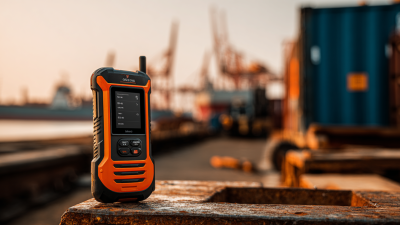
A Uhf Rfid Readeris basically the heartbeat of any long-range identification setup. It works by sending out radio signals through an antenna, catching responses from tags, and turning all that into usable data. Think of it like a really smart scanner. In a warehouse, for example, you might have it right next to a loading dock—even when cartons are rushing past a door in seconds. The cool part? It detects each tag without needing the tags to be in your line of sight. Pretty handy, right?
Now, you’ll see the term “Reader RFID UHF” popping up on different product pages—it might be spelled or written a little differently. But don't worry, it’s basically talking about the same kind of gear. A dependable UHf Rfid Reader talks to passive UHF tags by bouncing signals back—sort of like a game of echo. The tag just reflects a tiny part of the signal back to the reader, which then figures out details like the EPC number, how strong the signal is, and when it was read. Sounds pretty straightforward, but in real life—well, things get a little more complicated.
Stuff like metal shelves, liquids, moving forklifts, or nearby radio devices can really mess with performance. That’s why professional setup tests are crucial—they check out antenna placement, power levels, how the tags are oriented, and how accurately everything reads. A detailed spec sheet is super helpful, but honestly, it’s no guarantee of perfect performance. The actual site conditions matter way more than most people realize. Engineers often do test runs at different distances, note down missed tags, and then tweak the hardware if needed. Firmware updates and proper access controls also help keep things running smoothly. Plus, if you’re dealing with sensitive inventory info, it’s vital to handle it with care—clear permissions, secure storage, all that good stuff.
This guide breaks down how the reader works internally, the main parts involved, things to think about during deployment, and some common challenges. And here’s an interesting point—many assume a longer reading distance is always better, but that’s not necessarily true. Sometimes, having a more accurate read at a closer range actually matters more than just maximum range. It’s all about finding the right balance for your specific needs.
What Is a UHF RFID Reader?
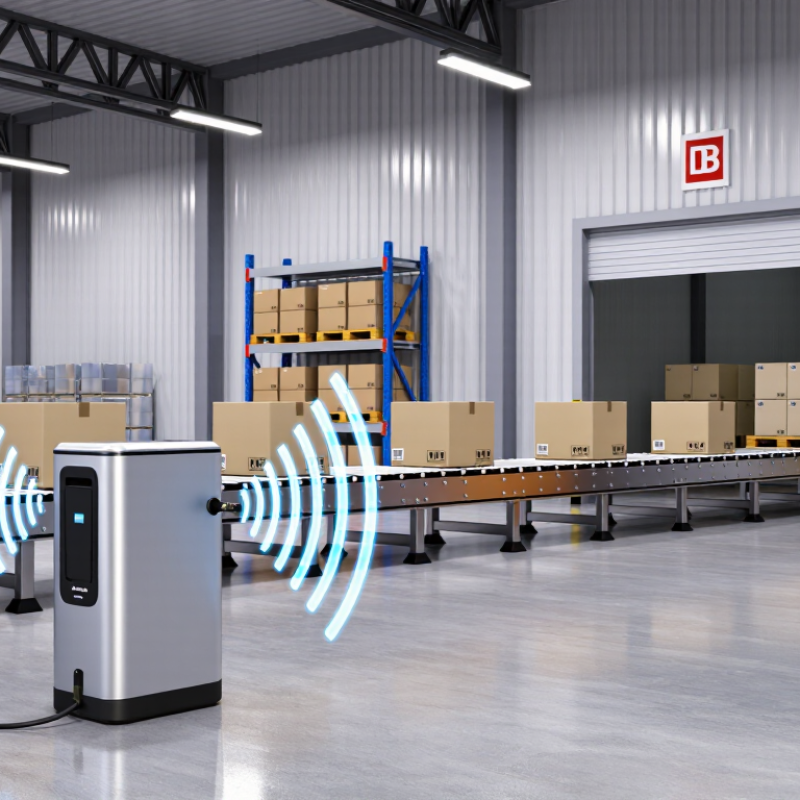
A UHF RFID reader is an electronic device that identifies tagged objects without direct contact. UHF means ultra-high frequency, usually between 860 and 960 MHz. The reader sends radio energy through connected antennas. A passive RFID tag captures part of that energy and responds by reflecting a coded signal. That response contains an identification number stored in the tag’s memory.
Unlike a barcode scanner, a UHF RFID reader does not need a clear visual path. It can detect several tags moving through a doorway, on a conveyor, or inside a storage area. A reader system usually includes antennas, signal-processing hardware, and software that filters duplicate readings. The device may also connect with inventory or warehouse systems. An Uhf Rfid Tag Reader can record tag identity, reading time, and antenna location, depending on the system design.
Performance depends heavily on the installation. Metal shelves can reflect radio waves, while liquids can weaken them. Tag direction also matters. In a warehouse test, a tag hidden behind a liquid container may respond less reliably than one fixed on cardboard. It is not magic. The first setup is rarely perfect. Technicians often adjust antenna height, power levels, and reading zones several times. Reader distance alone does not guarantee accuracy. Crowded tags, moving objects, and electrical noise can create missed or repeated readings, so practical testing remains essential.
Core Components of a UHF RFID Reader
What Is a UHF RFID Reader and How Does It Work?
Core Components of a UHF RFID Reader
A UHF RFID reader combines radio hardware, processing logic, firmware, and data interfaces. Its RF transmitter sends energy through an antenna. A nearby tag reflects a modulated response, and the receiver captures that weak signal. The digital signal processor then filters noise, decodes the response, and identifies the tag. The RAIN Alliance reported more than 40 billion UHF RFID Tags sold globally in 2023, showing the scale these readers must support.
The antenna system shapes practical performance. Multiple ports can create wider coverage around a doorway, shelf, or conveyor. A Long-range Distance UHF RFID Reader may reach several meters in an open test area, but metal, liquid, and tag angle can reduce that distance sharply. The reader’s control unit manages inventory rounds and collision handling under the EPC UHF Gen2 air-interface standard. Secure firmware and stable power also matter. Small timing errors can create missed reads.
A field technician often checks cable loss before increasing transmission power. That step is easy to overlook. Industry testing guidance from GS1 emphasizes controlled reader and tag placement for repeatable results. Real sites are less tidy. A reader can perform well in a laboratory and struggle beside dense metal racks. This is where engineering judgment, site measurements, and honest performance limits become more valuable than a headline range.
What Is a UHF RFID Reader and How Does It Work?
Common UHF RFID Operating Bands by Region
A UHF RFID reader sends radio-frequency energy through an antenna, powers compatible passive tags, receives their backscatter response, and converts the signal into digital identification data. UHF RFID systems commonly operate in the 860–960 MHz range, but the permitted band depends on local regulations.
Core components: The RF transmitter generates the interrogation signal, the receiver captures and demodulates tag responses, the antenna interface connects one or more antennas, the digital processor decodes tag data, and the communication interface transfers results to a host system.
How UHF RFID Communication Works
A UHF RFID reader communicates by creating a controlled radio conversation with nearby tags. Most systems operate between 860 and 960 MHz under the ISO/IEC 18000-63 and EPC Gen2 standards. The reader sends a continuous carrier signal through its antenna. A passive tag captures a small amount of that energy, wakes its chip, and reflects the signal back with encoded data.
This return path is called backscatter. The tag does not actively transmit like a mobile phone. Instead, it changes the way it reflects the reader’s signal. Tiny changes in impedance represent binary information, such as an electronic product code. The reader separates these responses from background noise, checks the data, and sends verified results to inventory software. Anti-collision commands allow many tags to answer in sequence, even when a carton holds hundreds of items. It feels almost like a quiet queue.
The RAIN Alliance reported 44.8 billion RAIN tags shipped globally in 2023, showing how widely this communication model is being adopted. Auburn University’s RFID Lab has also documented inventory accuracy above 95% in RFID-supported retail studies. Performance still depends on tag placement, reader power, antenna direction, and the material nearby. Metal and liquid can weaken or distort the signal. This is where practical testing matters. A laboratory range rarely matches a crowded warehouse aisle, and assuming otherwise can create expensive blind spots.
The Step-by-Step RFID Tag Reading Process
What Is a UHF RFID Reader and How Does It Work?
The Step-by-Step RFID Tag Reading Process
A UHF RFID reader identifies nearby tags using radio waves, usually across a long reading range. The process begins when its antenna sends a short RF signal into the surrounding area. A passive tag captures part of this energy through its antenna. Its chip then wakes up and prepares stored data, such as an identification number.
The tag does not transmit like a mobile device. Instead, it changes the reflection of the incoming signal through backscatter. The reader detects these tiny changes and converts them into digital information. Several tags may answer at once, so the reader uses an anti-collision method to separate their responses. This step can take milliseconds, but interference may slow it down.
The reader then checks the received data and sends it to software for filtering or recording. A practical system may also compare signal strength, time, and antenna position. Metal surfaces, liquids, crowded shelves, and weak tag placement can reduce accuracy. The tag stays silent.
In real installations, the reading process is rarely perfect. A reader might detect a tag twice or miss one behind a dense package. Testing different antenna angles usually reveals problems faster than changing software alone. Human review still matters when the data affects inventory, access records, or equipment tracking.
Key Performance Factors of UHF RFID Readers
What Is a UHF RFID Reader and How Does It Work?
A UHF RFID reader sends radio energy to passive tags, then receives their reflected signal. Reader performance depends on more than advertised range. The 2024 RAIN Alliance market report estimated 44.8 billion RAIN RFID tags were sold in 2023. That scale increases demand for stable, high-speed reading in warehouses and retail spaces.
Key Performance Factors of UHF RFID Readers
Read sensitivity affects whether a weak tag response is detected. Antenna design, polarization, cable loss, and reader power also matter. A four-port reader can cover wider dock doors, but extra ports may increase installation complexity. Dense-reader mode helps reduce interference when several readers operate nearby. Low latency matters during conveyor movement. However, maximum read distance can mislead. Metal shelves, liquid containers, and poorly positioned tags may reduce performance sharply. An industry test from the Auburn RFID Lab shows that tag placement and material compatibility can strongly influence identification results.
Tips: Test the complete setup, not the reader alone. Place sample cartons at real conveyor speeds. Record missed reads, duplicate reads, and response time. Regional radio rules also affect usable channels and power levels. A Reader Rfid Uhf may perform differently after installation. This is easy to overlook. Review antenna angles, shielding, and firmware settings before increasing power. Clean data matters more than impressive range. Real facilities remain imperfect, so pilot testing should include seasonal stock changes and crowded loading areas.
Common Applications and Reader Types
A UHF RFID reader uses radio waves to identify tagged objects from a distance. It sends energy through an antenna, receives the tag’s response, and converts that signal into usable data. Unlike barcode scanning, it does not require direct visibility. A worker can read several tagged boxes while they move through a loading area. Fast inventory checks are a common application.
Warehouses use fixed readers at dock doors, conveyor points, and storage entrances. Retail teams may use handheld readers to locate items on crowded shelves. Libraries, hospitals, and manufacturing sites also use RFID for asset tracking and process control. A Four-channel UHF RFID Reader can connect multiple antennas, helping cover wider zones with fewer devices. Reader performance still depends on tag placement, metal surfaces, liquids, and antenna direction.
Fixed readers suit stable reading points, while handheld models support inspections and cycle counts. Integrated readers combine the reader, antenna, and housing in one unit. Networked readers can send event data to inventory software, but poor configuration may create duplicate reads. That assumption can fail. Practical testing should measure read distance, missed tags, interference, and movement speed. Technicians should also check regional radio rules before deployment. Small adjustments matter, such as changing antenna height by a few centimeters or separating tags from metal packaging. No setup is perfect. Careful field testing remains more reliable than specifications alone.
How the GRH-I90 High-Frequency Reader Enhances Logistics Production Line Efficiency
Modern logistics production lines depend on fast, accurate identification to maintain throughput and traceability. The MHI 2024 Annual Industry Report found that 55% of supply chain leaders are increasing technology investment, while 88% expect warehouse robotics adoption within five years. A high-frequency integrated reader supports this shift by capturing tag data automatically at conveyor points, workstations, and dispatch areas. It can reduce manual scanning, improve material visibility, and help production teams identify delays or misplaced items earlier.
Designed for industrial environments, the reader combines straightforward operation with strong electrostatic discharge protection. This is particularly valuable on lines where conveyors, packaging materials, and frequent human contact can create significant static activity. By reducing the risk of electrostatic damage, the device can support more stable operation, longer service life, and fewer interruptions for maintenance. Consistent reading performance also helps synchronize inventory records, assembly instructions, and shipment verification in real time.
The reader can be deployed as a general-purpose solution or adapted to specific line layouts, tag requirements, and system interfaces. Its practical design enables integration with existing production-management platforms while supporting scalable expansion across receiving, manufacturing, quality inspection, and outbound logistics. Customized configurations and technical assistance are available, with detailed quotations provided according to project requirements.
FAQS
It identifies tagged objects using radio waves, usually between 860 and 960 MHz. It works without direct contact.
The reader sends energy through an antenna. The tag captures some energy and reflects a coded identification signal.
No. It can read several tags through a doorway, on a conveyor, or inside storage areas.
Yes. An anti-collision method separates responses from several tags. The process usually takes milliseconds.
Warehouses use them at dock doors and conveyor points. Other uses include inventory checks, asset tracking, and equipment monitoring.
Fixed readers monitor stable locations, such as storage entrances. Handheld readers support inspections and shelf searches.
Metal shelves may reflect radio waves. Liquids can weaken signals, and poor tag direction may cause missed readings.
Test real packages at different speeds and angles. Adjust antenna height, power, and reading zones several times.
Yes. Crowded tags and electrical noise can create duplicates or missed detections. Software filtering helps, but it is not perfect.
No. Tag placement, antenna direction, materials, and interference also matter. Specifications can mislead without field testing.
Conclusion
A UHF RFID reader is an electronic device that identifies and communicates with RFID tags using ultra-high-frequency radio waves. Its main components typically include an antenna, radio-frequency module, digital signal processor, control unit, and communication interface. Together, these parts transmit energy and commands to nearby tags, receive their responses, and convert the captured signals into useful identification data. The term Reader Rfid Uhf describes this type of long-range RFID equipment used for fast, contactless item recognition.
During operation, the reader sends a radio signal, activates compatible passive tags, and receives their encoded replies. It then filters, decodes, and transfers the information to a connected software system. Reading performance depends on factors such as frequency range, antenna design, output power, tag orientation, reading distance, environmental interference, and data-processing speed. UHF RFID readers are commonly used for inventory management, asset tracking, logistics, access monitoring, and automated identification. Depending on the working environment, they may be fixed, handheld, or integrated into portals and other specialized devices.

 Rotary HF RFID Tag Reader GRH-I40 Suitable for Assembly Lines
 Industrial-grade High-frequency Integrated Reader GRH-I65 Suitable for Asset Tracking
 With ESD Protection HF RFID Reader GRH-I68 Suitable for Progress Tracking
 Proximity HF RFID Reader GRH-M30 Suitable for Manufacturing Workshops
 Desktop HF RFID Scanner GRH-D80-HID Suitable for Card-issuing Applications
 High Frequency Medium Distance Reader GRH-I90 Suitable for Logistics Production Line
 UHF RFID Portals and Tunnel Machine RFly-AM3000 for Access Control
 Narrow RFID Portals Series TD-P20040-SS for Single Tag Entry and Exit Identification Scenario
 RFID Transmission Line Simple Identification Tunnel Machine (TD-T3050)
 Vision and RFID Tunnel Machine TD-T7692-RV for Logistics Sorting
 RFID Transmission Line Identification Tunnel Machine TD-T10090
 RFID Mobile Inventory Tunnel Machine TD-T65150 for Conveyor Belts
 High-Performance Far-Field Antennas for Broad Coverage.
 Multi-Purpose Antennas: Flexibility for Diverse Applications
 Near-Field Antennas for Short-Distance Tag Detection.
 Portals & Tunnel Antennas for Integrated RFID Series
 Slimline PCB Antennas for Warehousing and Logistics
 Miniaturized and Thin Antennas can Provide Good Performance in a Smaller Size.
 GPS Tracker for Vehicles, Car, Kids, Assets.
 CO2 Sensors Detect CO2 Gas through Alarms, Suitable for Offices, Planting Tents.
 Door Sensor, Detect Open and Closed Doors or Windows, Sends Alerts, Triggers Siren.
 Wireless Level Sensor Equipped with a 5-Meter Detection Line, Suitable for Water Tanks
 Real Time Monitoring of Air Quality Using PM2.5/PM10 Sensors.
 Smoke Sensor, Fire Alarm Smoke Detector with Test Button and Low Battery Reminder.
 Soil Stress Sensor,Bridge and Tunnel Monitors.
 Vibration Sensor Monitors Equipment, Like Conveyors and Motors, for Operational Status.
 E -Paper Display
 Smart Water Sensor Alarms, 1.2 M Detection Line.
 CO Sensor for Basements Home Office House Bedroom Living Room Car, Light Plug and Play.
 Temperature and Humidity Sensor
 Multi-sensor GD-ME
 Temperature Sensors Monitor the Surface Temperature of Various Heating Equipment.-1
 Signal Enhancement Terminal, Long Range Coverage.
 Multi-Protocol Communication Gateway, App Remote Control.
 Edge Vision Gateway can Access Various Mainstream Cameras, Suitable for Office, Factory.
 GBS-3550 Outdoor Sensor Gateway,LoRa, 2/3/4G Communication.
 Smart WiFi Gateway, Realize Remote Control.
 Ultra-Low-Power Solar-Powered Intelligent Gateway (Outdoor)
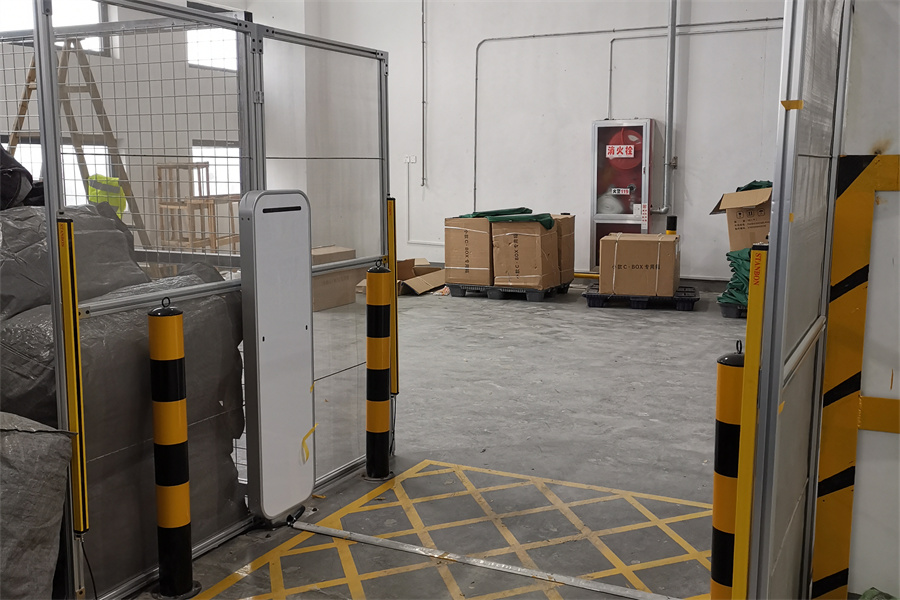 Global 3PL Streamlines High-End Fashion Inventory with MingQ RFID Tunnel Solution
 Leading E‑Commerce Platform Accelerates Flash-Sale Fulfillment and Boosts Warehouse Productivity with MingQ RFID Sorting Wall Solution
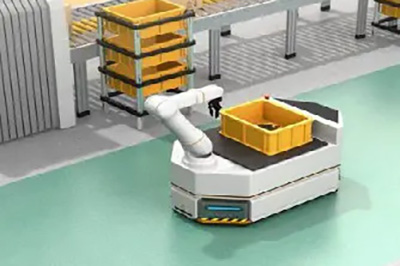 Global Automaker Elevates Component Kitting Accuracy with MingQ RFID Shelf‑Level Management Solution
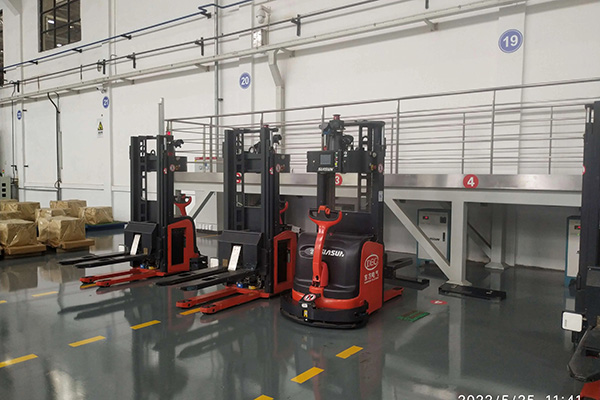 Asia’s Largest Logistics Provider Enhances Warehouse Intelligence with RFID Pallet & Container Management Solution
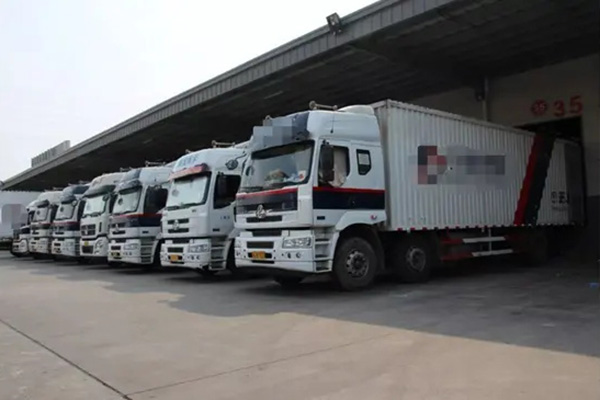 RFID Application in Platform Vehicle Management
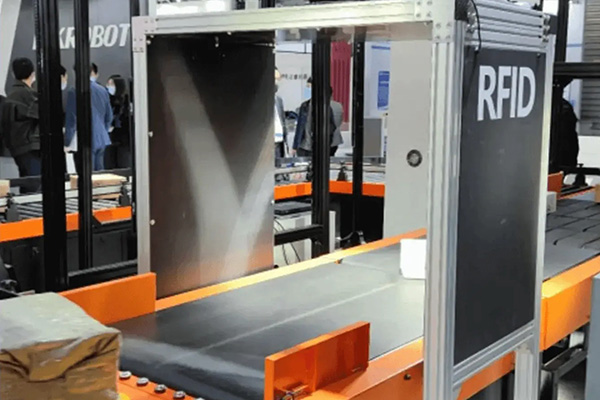 RFID Application in Logistics Sorting
 RFID Application in Supply Chain Management
 RFID Application for Workshop/Warehouse Tracking
 TP‑Link Enhances Warehouse Inbound/Outbound Efficiency with MingQ RFID Dock‑Door Solution
 RFID technology empowers port containers: a new direction for future logistics
 RFID technology in forklift tracking and container bag identification
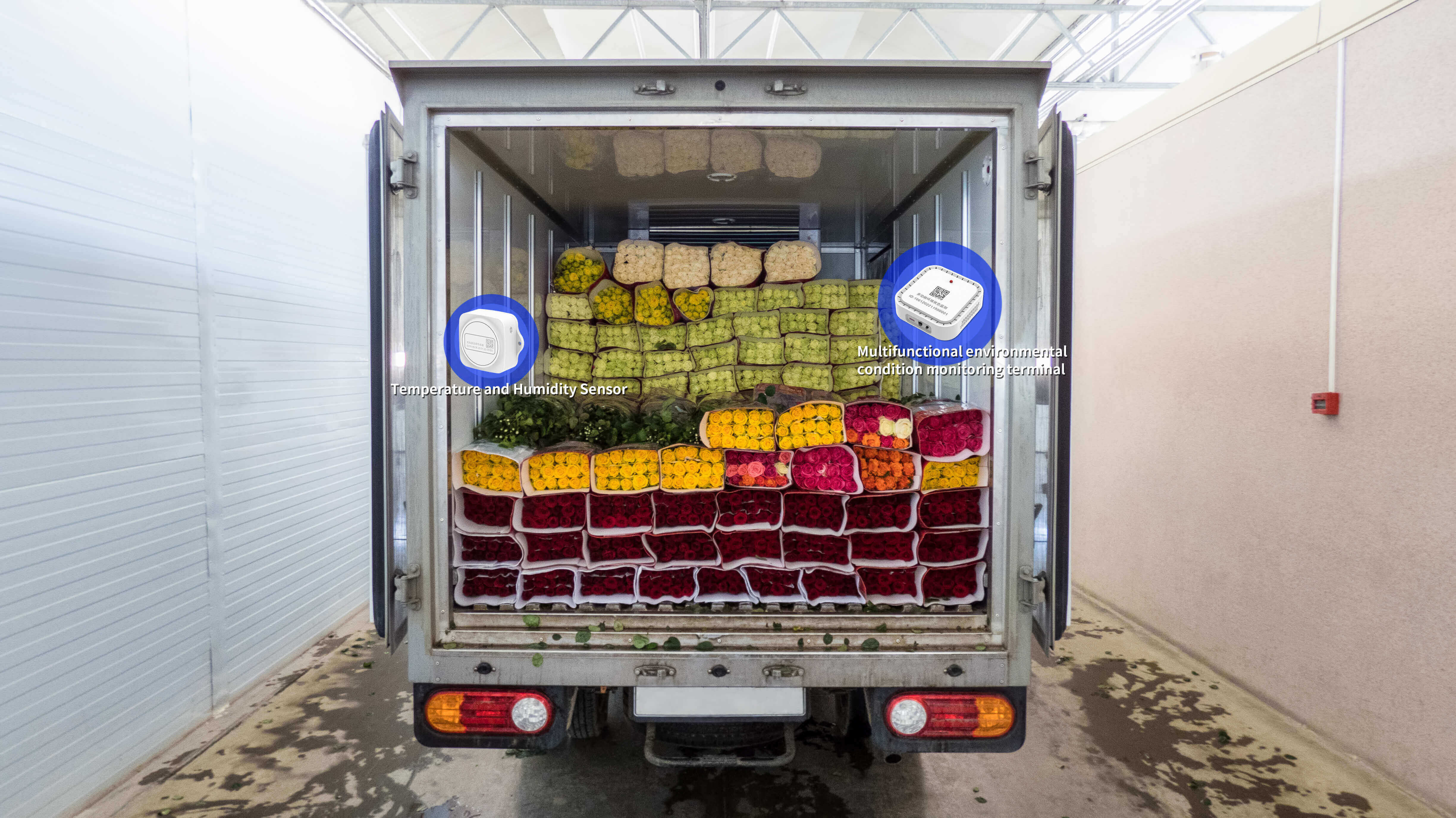 Real-Time Data, Secure Transportation: The Future Trends of Cold Chain Logistics
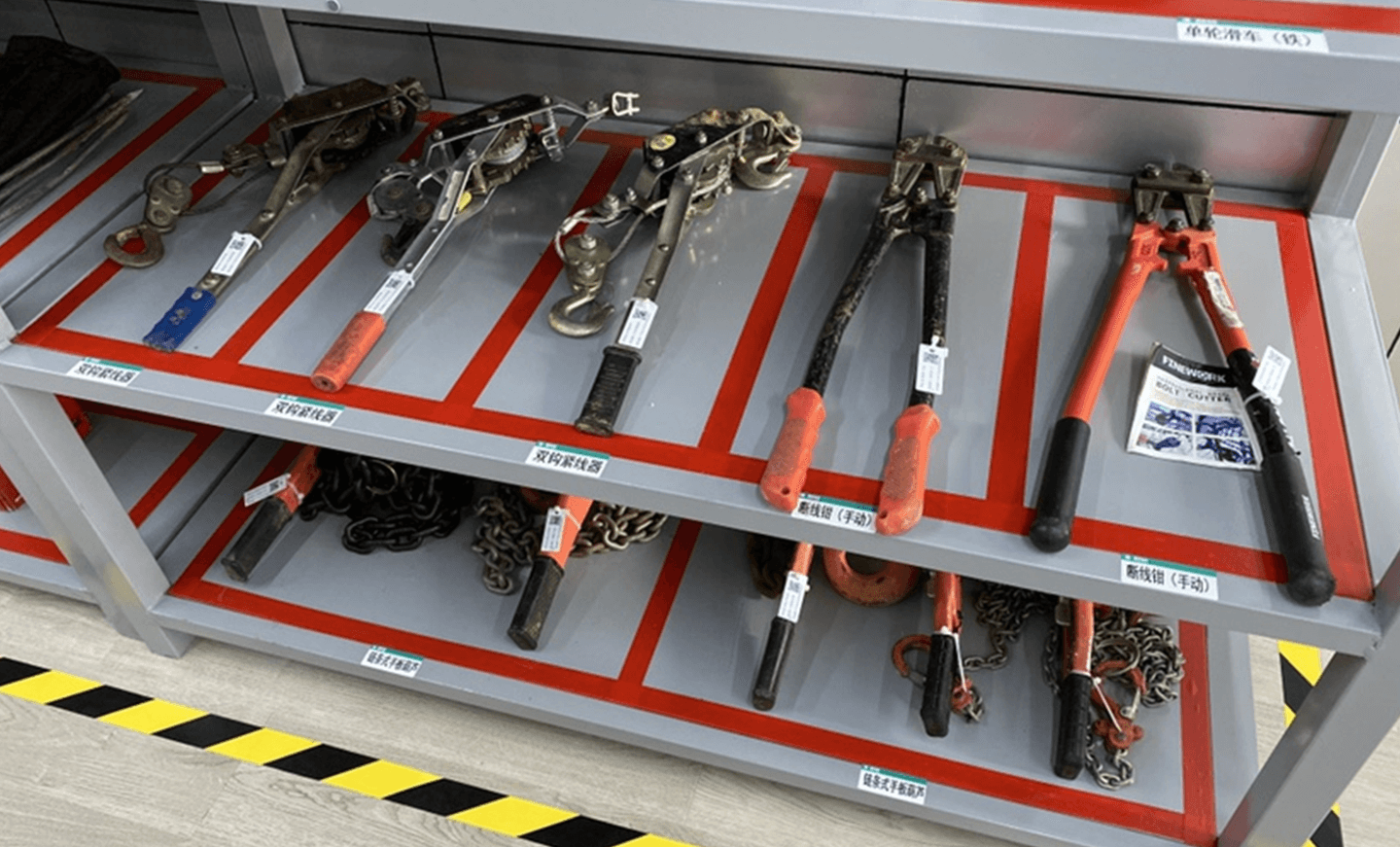 RFID Tool Management
 RFID Application in Battery Factory Production
 RFID Application in Production Line Rubber Box Management
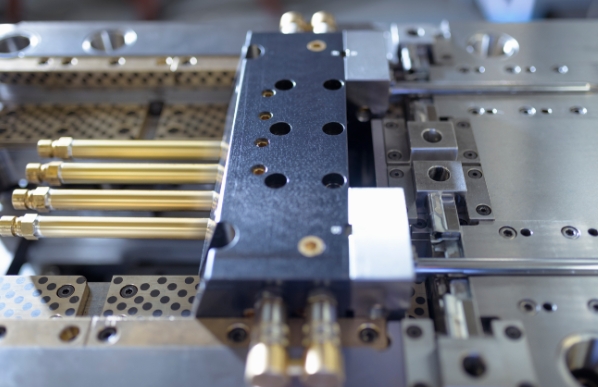 RFID Application in Mold Management on Production Lines
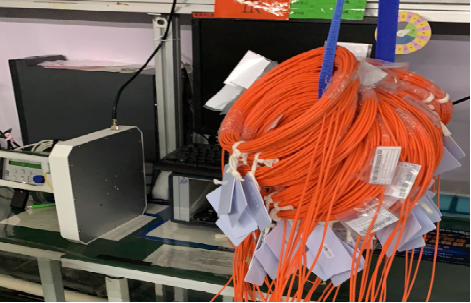 RFID Application in Fiber Optic Cable Manufacturing
 Smart Manufacturing
 The medical industry uses RFID technology to make drug tracking more accurate
 RFID technology helps beverage production and build an efficient supply chain
 RFID technology helps car seat production lines: intelligent management improves efficiency and quality
 RFID technology in the production of electronic appliances monitoring and tracing application
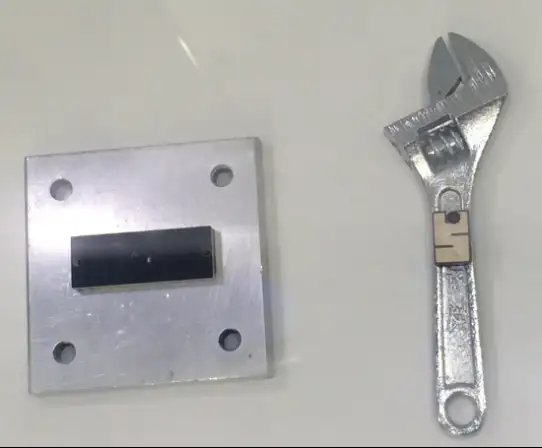 Use RFID technology to improve appliance management efficiency and security
 RFID technology helps precise installation of headrests
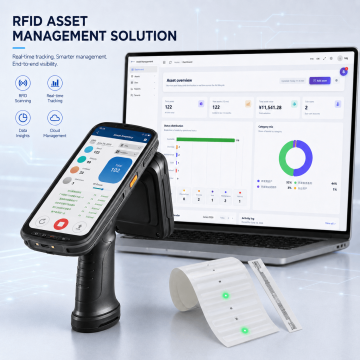 RFID Asset Management Kit
 IP67-protected Integrated RFID Reader Writer RFly-I165 for Supply Chain
 Long-range Distance UHF RFID Reader RFly-I195 for Inventory Management
 Small UHF RFID Tag Reader RFly-I300 for Cars
 Two-channel Compact Fixed RFID Reader RFly-F210 for Warehousing
 Four Channels Fixed UHF RFID Reader RFly-R6 for Supply Chain
 8-channel UHF RFID Tag Reader RFLY-MR8 for File Cabinet Identification-1
 Bluetooth Portable RFID Reader and Writer GRU-HBT100 for Inventory Management
 Industrial Grade Handheld UHF RFID Reader GRU-HC520 Suitable for Logistics
 RFID Tags for Container Turnover Management
 RFID Tags for Equipment O&M Management
 RFID Tags for Manufacturing Management
 RFID Tags for Tool Management
 A Kits for Equipment Condition Detection
 A Kits for Office Computer Room Environment Monitoring
 A Kits for Reservoir Environmental Monitoring
 A Kits for Storage Space Environment Monitoring
 A Kits for Stress Detection of Underground Tunnel
 A Kits for Urban Environment Monitoring
 Intelligent IoT Monitoring Platform