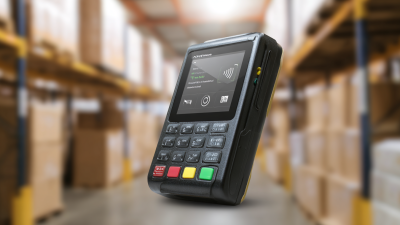
In today’s fast-changing tech world, using uhf rfid handheld readershas become pretty much essential for making operations smoother in many industries. If you’ve read the latest fromRFID Journal, you’ll see they’re predicting that RFID tech will keep growing at around 15% each year from 2021 through 2026. That just shows how important it’s becoming for things like managing inventory, tracking assets, and optimizing supply chains.
At MingQ Technology Limited, we see firsthand how powerful these handhelds can be in helping companies streamline their workflows and get more accurate data. When you’re using the latest tech, it’s easier to cut down on human errors and save tons of time on manual inventory checks.
The end result? Businesses can operate much more efficiently and stay ahead in this digital age. In this guide, I’ll walk you through what UHF RFID handheld readers can do, why they’re so awesome, and how they can really make a difference for your business today.
Understanding UHF RFID Technology: The Backbone of Modern Handheld Readers
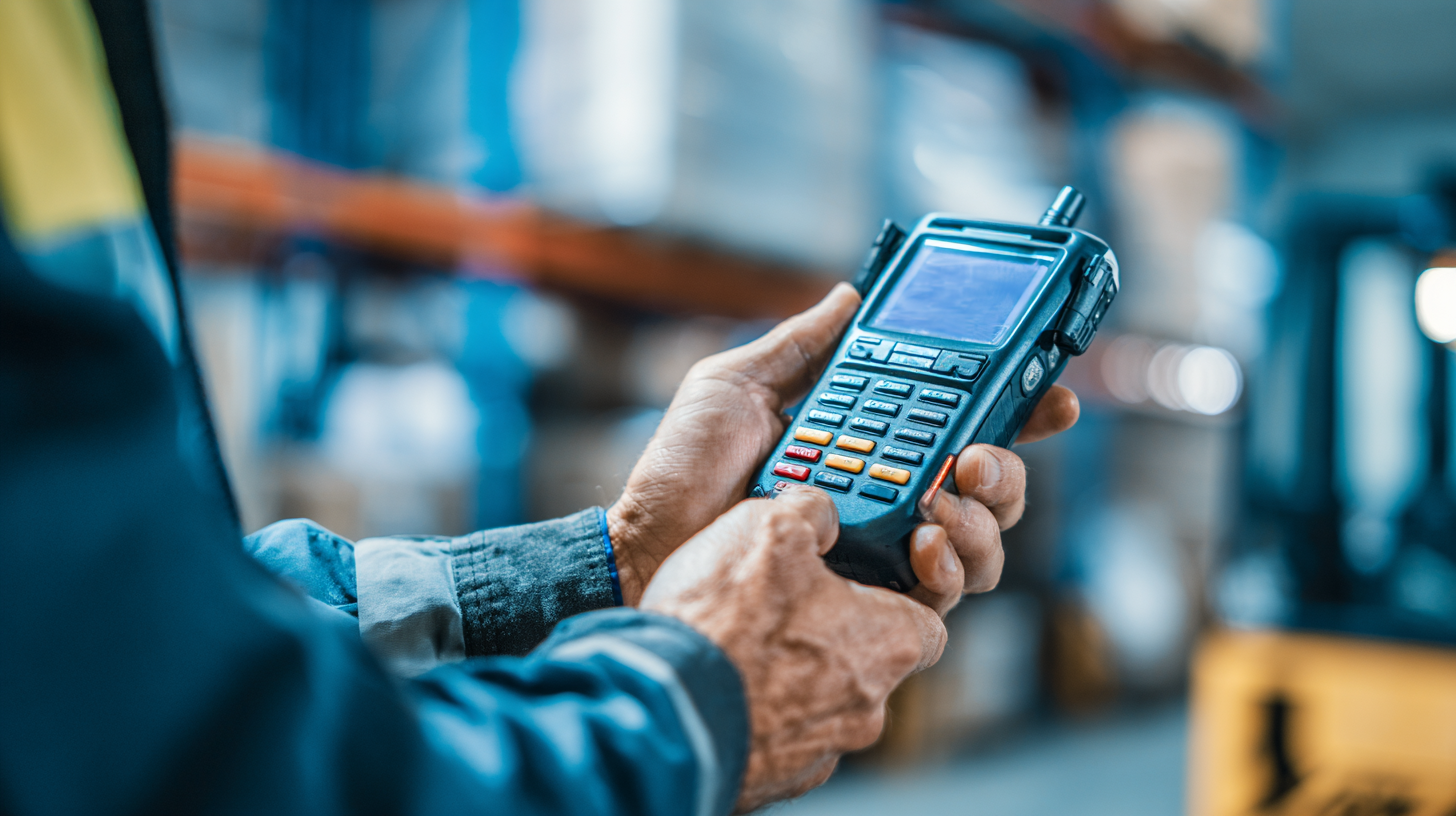 UHF RFID technology has really become a game-changerfor modern handheld readers, making life a lot easier across different industries. By using the ultra-high frequency range—usually between 300 MHz and 3 GHz—these devices can quickly read several RFID Tags at once, even from quite a distance, like up to30 feet. According to a report from MarketsandMarkets, the UHF RFID market is expected to nearly double from $10.1 billion in 2020 to about $19.6 billion in 2025, with a yearly growth rate of around 14.7%. That trend shows just how much more companies are turning to RFID technology for supply chain management, asset tracking, and keeping tabs on inventory.
What makes UHF RFID really stand out is its ability to handle large amounts of data efficiently while also being pretty accurate—cutting down on human errors. A study by IDTechEx even points out that using UHF RFID solutions can slash inventory management time by up to 90%. That's a huge boost for businesses looking to run smoother and smarter. As companies search for new ways to improve logistics and keep better tabs on their assets, incorporating handheld RFID readers is quickly becoming a must-have. These gadgets don’t just help gather data in real time—they also give businesses a clearer picture of their assets all along the supply chain, which in turn helps with better decision-making.
Key Features of UHF RFID Handheld Readers: Enhancing Operational Efficiency
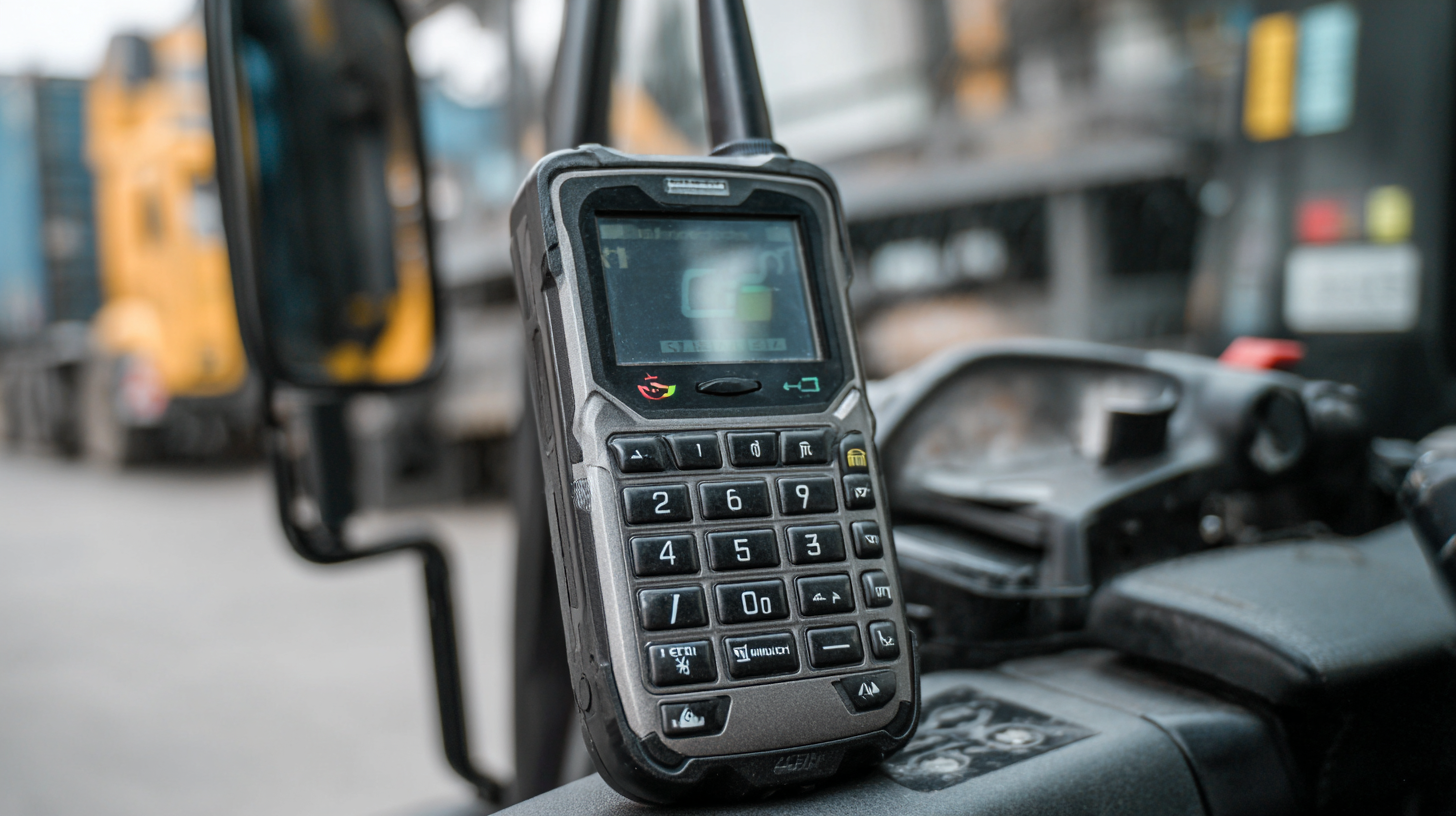
UHF RFID handheld readers have really become game-changers across a bunch of industries. They’ve got some pretty cool tech that helps things run smoother and faster. One thing that makes them stand out is their impressive read range. Unlike those old-school barcode scanners, these guys can grab data from several meters away. That means you can scan multiple items at once without even having to line them up perfectly in front of you. It speeds up inventory checks and cuts down on mistakes, so everything just flows a lot better.
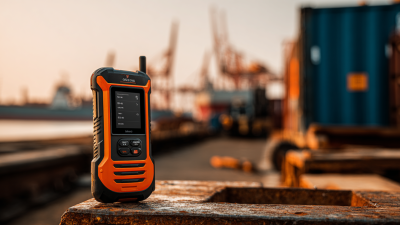
Plus, they’re built tough. You know those busy warehouses or outdoor job sites? No worries — many of these readers are designed to take a beating. They can handle drops, dust, and moisture without breaking a sweat. And since they’re ergonomic, they’re comfortable to hold and use for long stretches, which means less fatigue and more productivity. They also come with Bluetooth and Wi-Fi, so you can send data in real-time, update your systems instantly, and stay on top of things without running back and forth. All in all, these devices combine durability, efficiency, and user-friendly features, making them a total game-changer for companies trying to streamline their operations.
The Ultimate Guide to UHF RFID Handheld Readers: Unlocking Efficiency with Cutting-Edge Technology - Key Features of UHF RFID Handheld Readers: Enhancing Operational Efficiency
| Feature | Description | Benefits | Typical Applications |
| Range | Can read tags from distances up to 40 feet. | Increases efficiency in inventory management. | Warehouse management, logistics. |
| Portability | Lightweight and easy to carry. | Allows for quick scans in various locations. | Retail stores, outdoor events. |
| Durability | Built to withstand harsh environments. | Reduces downtime and repair costs. | Manufacturing and industrial applications. |
| User Interface | Intuitive display and controls. | Eases training and enhances user experience. | Healthcare, ticketing systems. |
| Battery Life | Long-lasting battery for extended use. | Minimizes the need for frequent recharges. | Field operations, supply chain management. |
Market Trends and Growth Predictions: The UHF RFID Handheld Reader Industry in 2023
The UHF RFID handheld reader industry is poised for substantial growth in 2023, driven by advancements in technology and increasing adoption across various sectors. According to a recent report from MarketsandMarkets, the global RFID market is expected to reach $26.9 billion by 2026, growing at a compound annual growth rate (CAGR) of 14.0% from 2021. This growth is fueled by the need for efficient inventory management, asset tracking, and enhanced logistics operations, which UHF RFID technology effectively addresses.
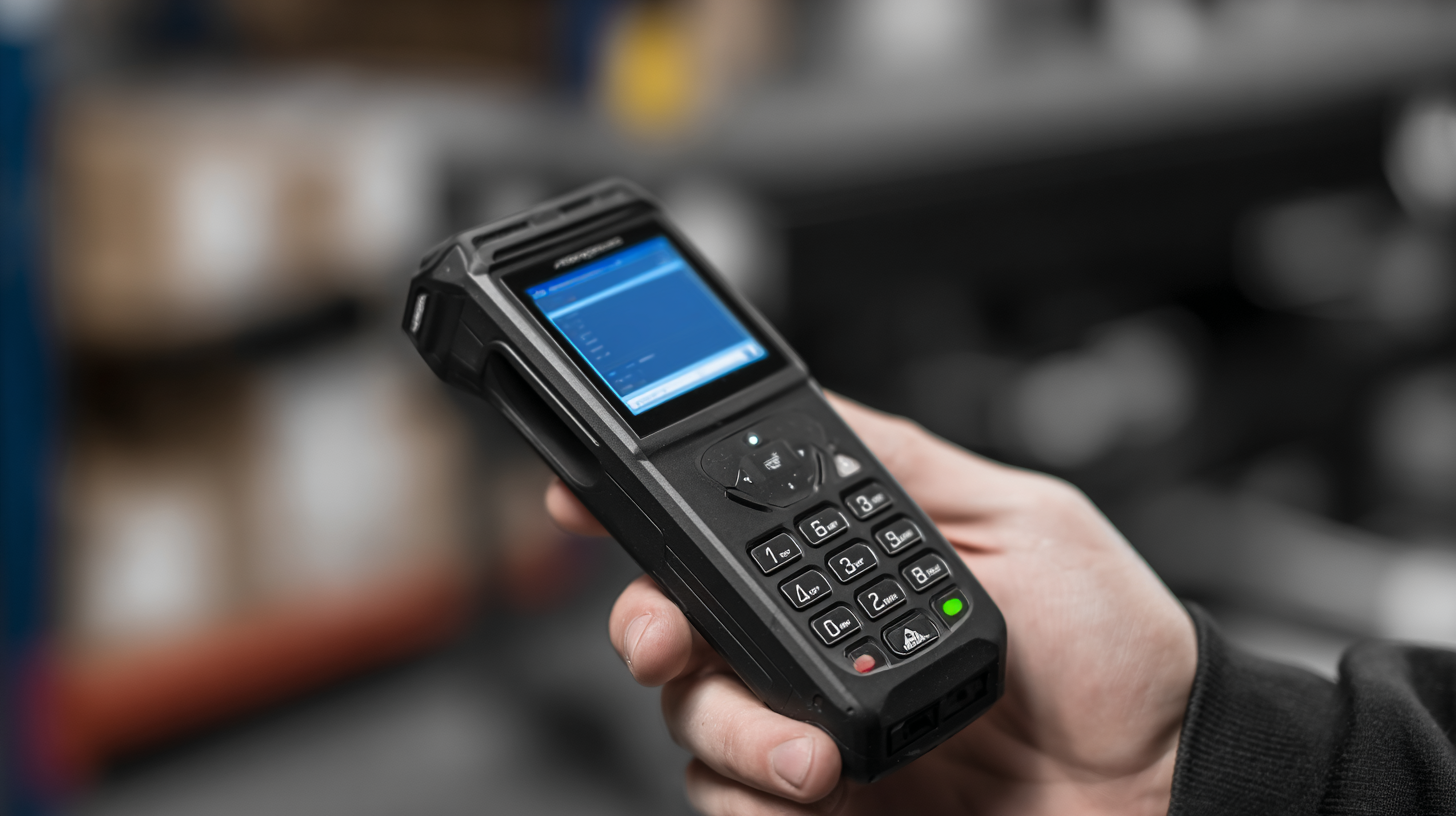
Furthermore, the healthcare and retail sectors are significant contributors to this expansion, with companies investing in handheld readers to streamline operations. A report published by IDTechEx indicates that the adoption of UHF RFID in these industries could enhance inventory accuracy by up to 98%, significantly reducing losses due to mismanagement. This leap in efficiency empowers businesses to gain a competitive edge and optimize their supply chains. As we move further into 2023, the market is expected to witness innovations such as enhanced battery life and connectivity features, making UHF RFID handheld readers an integral part of operational strategies in various industries.
Selecting the Right UHF RFID Handheld Reader: Key Considerations and Specifications
So, when you're on the hunt for a good UHF RFID handheld reader, there are a few things you really wanna pay attention to. Stuff like how far it can read (reading range), how tough it is (durability), and whether it plays nice with your current systems (compatibility). I read somewhere—like in a report from ResearchAndMarkets—that the global RFID market is expected to hit about $40.38 billion by 2025. That massive growth is mainly because more industries are jumping on the UHF RFID bandwagon these days. It just goes to show, picking a reader that's both reliable and versatile is pretty much a must if you're trying to boost your operation’s efficiency.
Another thing to keep in mind is battery life. You want a device that keeps going without constantly needing a recharge, especially when you're working in busy environments. According to IDTechEx, around 71% of companies say good battery performance is a top priority when picking out RFID gear. And let's not forget about how it feels to use—that ergonomic design matters a lot. A lightweight, easy-to-hold device can really make a difference and help your team work more smoothly. Bottom line: just make sure the specs line up with what you actually need on the ground. That’s the best way to find the right UHF RFID handheld reader for your organization.
Impact of UHF RFID Handheld Readers on Inventory Management: Statistics and Insights
UHF RFID handheld readers are really changing the game when it comes to managing inventory, and honestly, they're making things way more efficient for a lot of industries. I read somewhere that, according to the RFID Research Center, companies using UHF RFID tech are hitting inventory accuracy rates of over 98%. That’s a huge jump from the 63% accuracy they used to get with regular barcode systems. It’s pretty incredible — not only does this cut down on mistakes and mismatches, but it also gives everyone a much clearer picture of the supply chain as a whole.
And get this — the global RFID market is expected to grow from around $10 billion in 2020 to over $30 billion by 2025. A big part of that growth is driven by UHF RFID handheld readers, which more and more companies are adopting to make their inventory stuff easier and faster. They’re able to do real-time tracking now, which is a game changer. I also came across a report from the Aberdeen Group that says companies investing in RFID cut their inventory audit time by up to 50%. That’s a ton of time saved, meaning staff can focus on other things or work more efficiently. This move towards smarter tech is really opening up new levels of productivity and accuracy — it’s pretty exciting stuff if you ask me.
Future Innovations in UHF RFID Technology: What to Expect in the Coming Years
Looking ahead, the future of UHF RFID technology is pretty exciting, with some really cool innovations on the horizon that could shake things up across industries around the globe. One of the biggest highlights is how passive RFID systems are evolving — we're talking about a market projected to hit around $14 billion by 2023. That’s a huge jump from previous years, and honestly, a sign of just how much demand there is for smarter, more efficient inventory management, supply chains, and real-time asset tracking. Companies are even working on ultra-low-cost tags that don’t need traditional silicon chips, which could open up a whole new world of RFID applications that we haven't really seen before.
And then there’s the whole deal with new frequencies and better sensing tech, which is making RFID systems much more powerful. Think about integrating radio frequency sensing with Wi-Fi and radar — it’s opening up some pretty cool possibilities in healthcare, retail, wildlife conservation, and more. Not only are these advancements making everyday operations smoother, but they’re also helping us build more sustainable practices, especially when it comes to protecting biodiversity. As this industry keeps evolving, folks involved can look forward to grabbing new opportunities and sharpening their competitive edge — it’s an exciting time for RFID indeed!
The Evolution of UHF RFID Handheld Readers Market (2018-2023)
This bar chart illustrates the market growth of UHF RFID handheld readers from 2018 to 2023. As seen, there has been a consistent increase in market size, indicating the rising adoption and efficiency these devices bring to various industries.
Exploring the Benefits of Portals & Tunnel Antennas for Enhanced Integrated RFID Systems
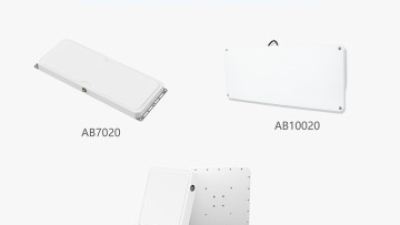
In recent years, the integration of Radio Frequency Identification (RFID) systems has revolutionized numerous industries, enhancing operational efficiency and accuracy. The incorporation of portals and tunnel antennas into these systems amplifies their effectiveness by significantly extending the recognition distance and eliminating blind spots during scanning. This powerful combination allows for the rapid identification of electronic tags in any orientation, making it an invaluable feature for businesses that rely on swift inventory management and tracking.
According to recent industry reports, the global RFID market is expected to reach USD 40 billion by 2025, driven by the need for automation and streamlined operations in sectors such as retail, logistics, and manufacturing. The usage of advanced antennas, particularly on large-scale RFID integrated equipment, is crucial for maximizing scanning efficiency. With the capability to identify multiple tags simultaneously, these antennas contribute to a noticeable reduction in labor costs and time, ultimately enhancing throughput.
Whether you are looking for tailored solutions or standard products, investing in high-quality portals and tunnel antennas is paramount for businesses aiming to stay competitive. Our commitment to delivering cost-effective, high-performance products ensures that you can meet your RFID system requirements effectively. Contact us to discuss your needs and receive detailed product quotations that can empower your integrated RFID solutions.
FAQS
: UHF RFID technology operates in the ultra-high frequency range, typically between 300 MHz and 3 GHz, allowing for rapid reading of multiple RFID tags simultaneously.
The UHF RFID market is projected to grow from $10.1 billion in 2020 to $19.6 billion by 2025, reflecting a compound annual growth rate (CAGR) of 14.7%.
UHF RFID solutions can decrease inventory management time by up to 90%, enhancing operational effectiveness by processing large amounts of data accurately and reducing human error.
UHF RFID handheld readers can capture data from several meters away, allowing for simultaneous scanning of multiple items without direct line of sight, which speeds up inventory processes.
Yes, many UHF RFID handheld readers are designed to withstand drops, dust, and moisture, making them suitable for use in warehouses, manufacturing facilities, and outdoor operations.
The ergonomic design enhances user comfort during prolonged use, leading to higher productivity levels in operational tasks.
They often include Bluetooth and Wi-Fi connectivity, enabling real-time data transmission and instant access to critical information.
The healthcare and retail sectors are key contributors, as companies in these industries invest in handheld readers to optimize operations and improve inventory accuracy.
Innovations such as enhanced battery life and improved connectivity features are expected, making these readers essential for operational strategies in various industries.
The global RFID market is expected to reach $26.9 billion by 2026, with a compound annual growth rate (CAGR) of 14.0% from 2021.
Conclusion
Hey there! If you haven't checked out the blog titled ‘The Ultimate Guide to UHF RFID Handheld Readers: Unlocking Efficiency with Cutting-Edge Tech,’ you're really missing out. It does a great job explaining how these UHF RFID handheld devices are totally transforming various industries. The article starts by breaking down the basics of UHF RFID tech — you know, what powers these cool gadgets — so you get why things like longer read ranges and faster scanning really make a difference in day-to-day operations. Plus, it dives into market trends and predictions for 2023, showing just how much everyone’s leaning on these innovative tools now. So, it’s pretty clear they’re not going anywhere anytime soon.
The guide also gives some solid tips on how to pick the right UHF RFID handheld reader, especially when it comes to key specs you should pay attention to. It highlights how these devices are actually changing the game for inventory management — making things way more streamlined and less of a headache. And towards the end, there’s a sneak peek at upcoming tech and future innovations — honestly, it sounds super exciting! As a company leading in IoT solutions, MingQ Technology Limited is ready to help businesses tap into the full potential of these readers for better connectivity and efficiency. Overall, it’s a must-read if you're into staying ahead of the tech curve!”

 Rotary HF RFID Tag Reader GRH-I40 Suitable for Assembly Lines
 Industrial-grade High-frequency Integrated Reader GRH-I65 Suitable for Asset Tracking
 With ESD Protection HF RFID Reader GRH-I68 Suitable for Progress Tracking
 Proximity HF RFID Reader GRH-M30 Suitable for Manufacturing Workshops
 Desktop HF RFID Scanner GRH-D80-HID Suitable for Card-issuing Applications
 High Frequency Medium Distance Reader GRH-I90 Suitable for Logistics Production Line
 UHF RFID Portals and Tunnel Machine RFly-AM3000 for Access Control
 Narrow RFID Portals Series TD-P20040-SS for Single Tag Entry and Exit Identification Scenario
 RFID Transmission Line Simple Identification Tunnel Machine (TD-T3050)
 Vision and RFID Tunnel Machine TD-T7692-RV for Logistics Sorting
 RFID Transmission Line Identification Tunnel Machine TD-T10090
 RFID Mobile Inventory Tunnel Machine TD-T65150 for Conveyor Belts
 High-Performance Far-Field Antennas for Broad Coverage.
 Multi-Purpose Antennas: Flexibility for Diverse Applications
 Near-Field Antennas for Short-Distance Tag Detection.
 Portals & Tunnel Antennas for Integrated RFID Series
 Slimline PCB Antennas for Warehousing and Logistics
 Miniaturized and Thin Antennas can Provide Good Performance in a Smaller Size.
 GPS Tracker for Vehicles, Car, Kids, Assets.
 CO2 Sensors Detect CO2 Gas through Alarms, Suitable for Offices, Planting Tents.
 Door Sensor, Detect Open and Closed Doors or Windows, Sends Alerts, Triggers Siren.
 Wireless Level Sensor Equipped with a 5-Meter Detection Line, Suitable for Water Tanks
 Real Time Monitoring of Air Quality Using PM2.5/PM10 Sensors.
 Smoke Sensor, Fire Alarm Smoke Detector with Test Button and Low Battery Reminder.
 Soil Stress Sensor,Bridge and Tunnel Monitors.
 Vibration Sensor Monitors Equipment, Like Conveyors and Motors, for Operational Status.
 E -Paper Display
 Smart Water Sensor Alarms, 1.2 M Detection Line.
 CO Sensor for Basements Home Office House Bedroom Living Room Car, Light Plug and Play.
 Temperature and Humidity Sensor
 Multi-sensor GD-ME
 Temperature Sensors Monitor the Surface Temperature of Various Heating Equipment.-1
 Signal Enhancement Terminal, Long Range Coverage.
 Multi-Protocol Communication Gateway, App Remote Control.
 Edge Vision Gateway can Access Various Mainstream Cameras, Suitable for Office, Factory.
 GBS-3550 Outdoor Sensor Gateway,LoRa, 2/3/4G Communication.
 Smart WiFi Gateway, Realize Remote Control.
 Ultra-Low-Power Solar-Powered Intelligent Gateway (Outdoor)
 IP67-protected Integrated RFID Reader Writer RFly-I165 for Supply Chain
 Long-range Distance UHF RFID Reader RFly-I195 for Inventory Management
 Small UHF RFID Tag Reader RFly-I300 for Cars
 Two-channel Compact Fixed RFID Reader RFly-F210 for Warehousing
 Four Channels Fixed UHF RFID Reader RFly-R6 for Supply Chain
 8-channel UHF RFID Tag Reader RFly-R8 for File Cabinet Identification
 Bluetooth Portable RFID Reader and Writer GRU-HBT100 for Inventory Management
 Industrial Grade Handheld UHF RFID Reader GRU-HC520 Suitable for Logistics
 RFID Gateway Networking System
 RFID Passive Temperature Measurement System
 RFID Tags for Container Turnover Management
 RFID Tags for Equipment O&M Management
 RFID Tags for Manufacturing Management
 RFID Tags for Tool Management
 A Kits for Equipment Condition Detection
 A Kits for Office Computer Room Environment Monitoring
 A Kits for Reservoir Environmental Monitoring
 A Kits for Storage Space Environment Monitoring
 A Kits for Stress Detection of Underground Tunnel
 A Kits for Urban Environment Monitoring
 Intelligent IoT Monitoring Platform
 Integrating Multiple Functional OTG Demo Software
 HF Demo Software
 UHF Demo Software