Leave Your Message
0%

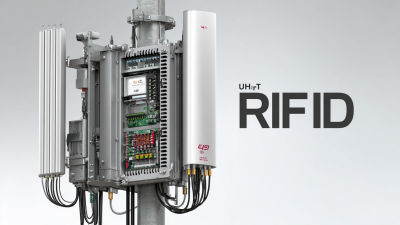
In today’s super fast-paced world of supply chains, the tech you choose really can make a big difference when it comes to getting things done efficiently and accurately. You might have heard aboutUhf Rfid Antennas—they’re becoming more popular because they can read tags from farther away and with better precision. According to the "RFID Market by Technology" report from IDTechEx, this UHF RFID market is expected to grow at a pretty solid rate of about 16% each year from 2023 through 2028. That’s a clear sign that this tech is really helping companies keep track of their assets and manage inventory much more effectively.

Lots of businesses are jumping on board with UHF RFID antennas to make their operations smoother. Take retail giants like Walmart, for example—they’re using these antennas so they can see their stock in real-time, which really cuts down on inventory mistakes. In the logistics world, companies that have adopted UHF Rfid Solutions have seen their operational costs drop by around 30%. Sounds pretty awesome, right? But, it’s not all smooth sailing—getting everything up and running can be tricky. Making sure the new tech plays nice with their existing systems and training staff properly are often overlooked but super important steps.

At the end of the day, investing in UHF RFID antennas shows a company's serious about staying innovative and efficient. As organizations look to tighten up their supply chains, getting to know the ins and outs of this technology is key. Making the right choice here can really boost operational agility and give a competitive edge in this ever-changing market.

Why Choose UHF RFID Antennas for Your Supply Chain Needs?

Understanding UHF RFID Technology in Supply Chain Management

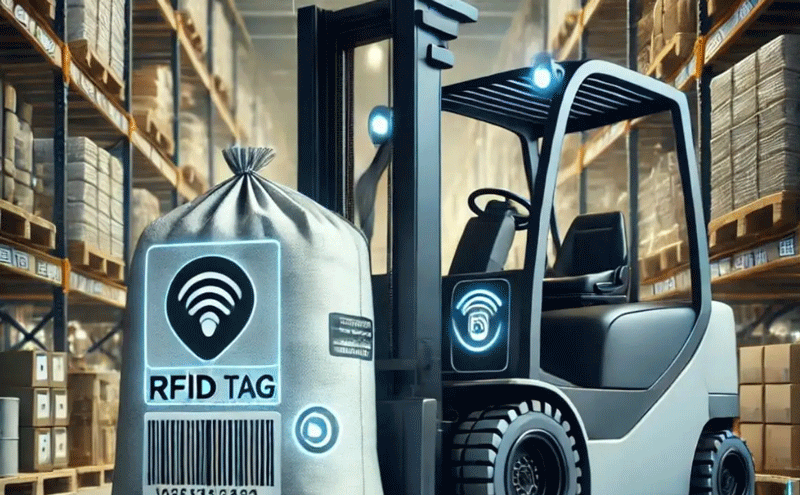
UHF RFID technology is transforming supply chain management by enhancing visibility and efficiency. A report from the RFID Research Center at the University of Arkansas shows that companies using UHF RFID experience a reduction in inventory handling errors by up to 40%. This increases overall accuracy, allowing businesses to meet customer demands more effectively.

The unique characteristics of UHF RFID enable long-range communication, which is crucial for tracking multiple items at once. Studies suggest that adopting UHF RFID can lead to a 20% increase in inventory turnover. This is vital for industries where inventory management is complex. Even so, challenges remain, such as integrating this technology with existing systems and ensuring data security.

Many businesses struggle to fully capitalize on UHF RFID's potential. While the technology offers significant advantages, it requires initial investment and employee training. The ongoing development of standards and protocols in the industry also creates uncertainty. Nevertheless, organizations must navigate these challenges to unlock the full benefits of UHF RFID, ultimately driving supply chain innovation and efficiency.

Key Advantages of UHF RFID Antennas for Tracking Inventory

UHF RFID antennas are transforming inventory management. They operate in the ultra-high frequency range, making them ideal for tracking goods efficiently. According to a study by the RFID Journal, companies using UHF RFID solutions have seen inventory accuracy improvements of up to 99%. This technology helps businesses reduce stock discrepancies and improve forecasting.

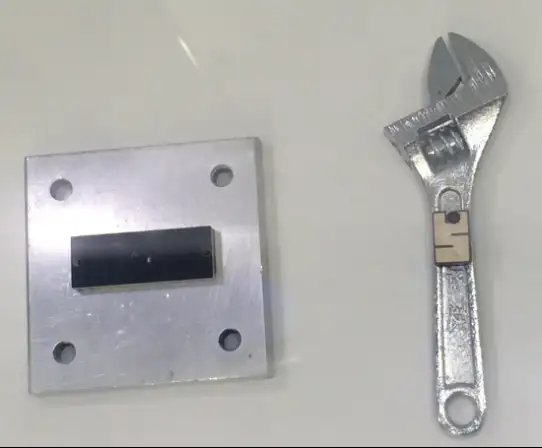
One key advantage of UHF RFID antennas is their long read range, often exceeding 10 meters. This allows organizations to scan multiple items simultaneously within a large area, streamlining operations. The ability to read tags from a distance reduces labor costs and increases throughput. However, it is essential to consider environmental factors that can affect signal strength, such as metal surfaces or dense materials.

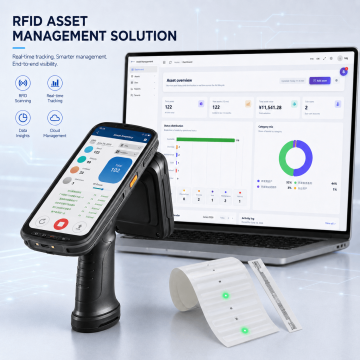
Furthermore, UHF RFID antennas provide real-time visibility into inventory levels. This capability enhances supply chain transparency, allowing companies to respond quickly to changes in demand. Some organizations have reported a 30% reduction in stockouts due to better visibility. As businesses move towards automation, integrating UHF RFID systems becomes a critical factor in maintaining competitiveness. Adopting this technology may present challenges, like initial setup costs, but the long-term benefits often outweigh these hurdles.

Comparing UHF to Other RFID Frequencies for Logistics Efficiency

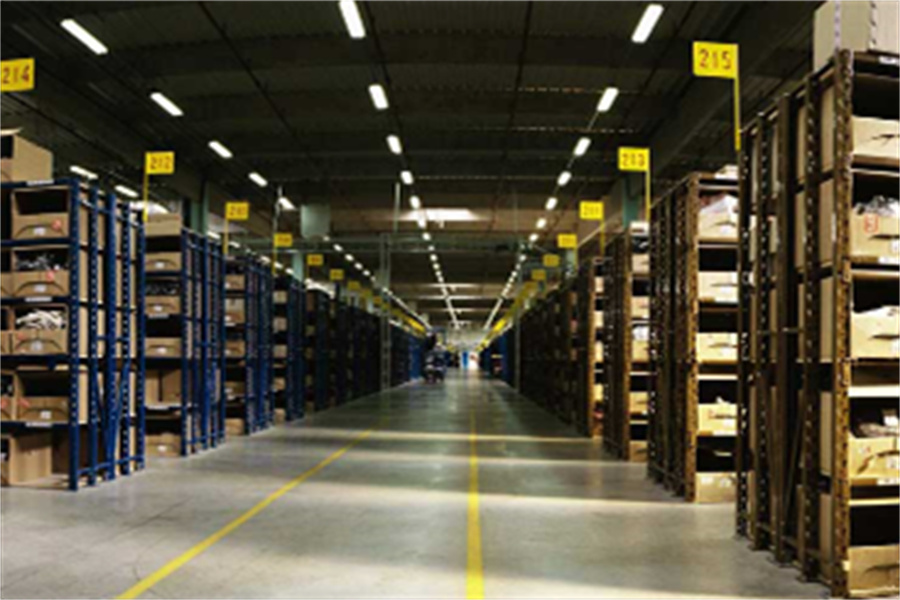
The choice of UHF RFID antennas in logistics significantly enhances supply chain efficiency compared to other frequencies. Research indicates that UHF operates in a range of 300 MHz to 3 GHz. This allows for long read ranges of up to 12 meters. In contrast, LF and HF RFID systems offer shorter ranges, limiting their effectiveness in vast warehouse settings.

Studies from reputable industry reports show that UHF RFID enhances item visibility in supply chains by over 95%. This capability is critical during inventory management. A more reliable system reduces errors and improves operational accuracy. However, not all items react the same way to UHF signals. Some materials can interfere with UHF transmissions, which is a factor to consider when planning a deployment.

Antenna Rfid Uhf systems can also face challenges in dense environments. Signals may weaken in crowded spaces, leading to missed reads. This necessitates proper placement and calibration of antennas to maximize their effectiveness. As the industry evolves, understanding these nuances is essential for organizations looking to implement RFID technology effectively.

Applications of UHF RFID Antennas in Various Industries

UHF RFID antennas play a pivotal role in various industries, enhancing operational efficiency. In retail, they facilitate seamless inventory management. Each item can be tracked in real time, reducing stock discrepancies. Retailers can quickly locate products on shelves, improving customer satisfaction. This technology also reduces the time staff spend on manual counts.

In healthcare, UHF RFID antennas ensure accurate patient tracking. Hospitals use them to identify patients and monitor equipment. This capability minimizes the risk of errors in medication administration. Additionally, it aids in the management of critical supplies, ensuring that resources are always available when needed. There is potential for improvement in system integration and staff training to maximize this technology's benefits.

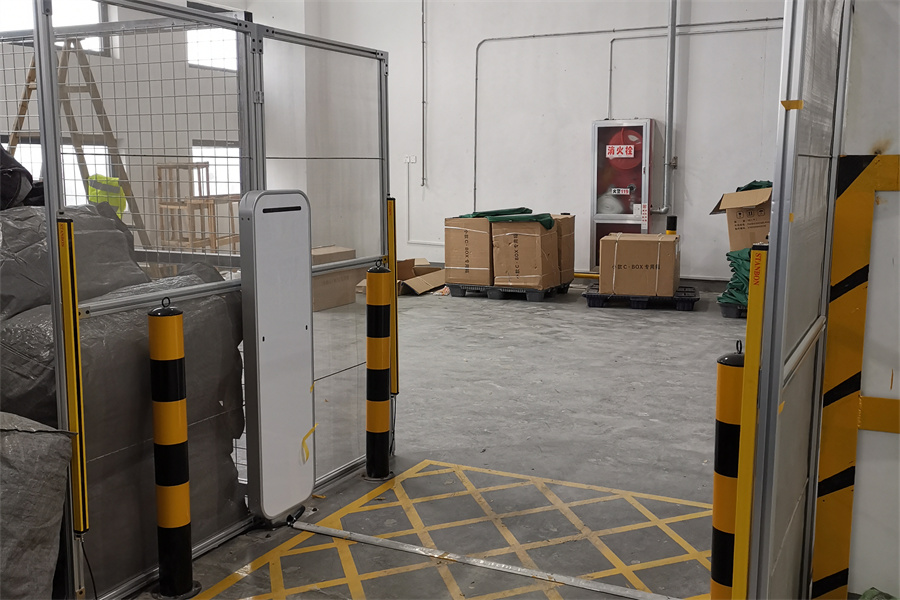
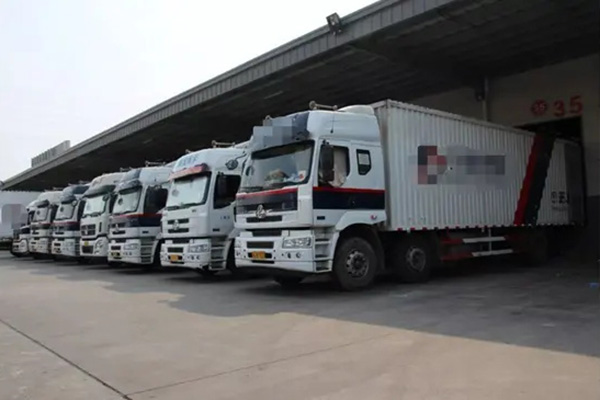
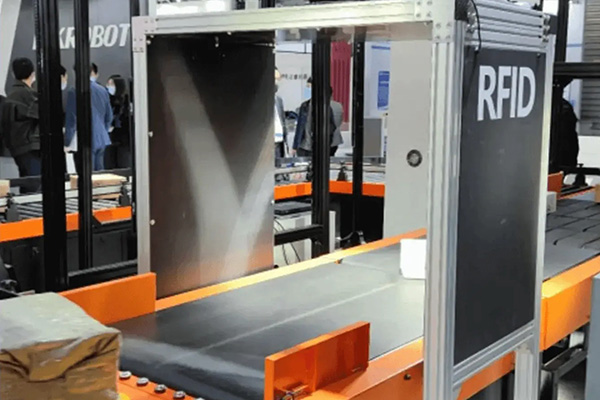
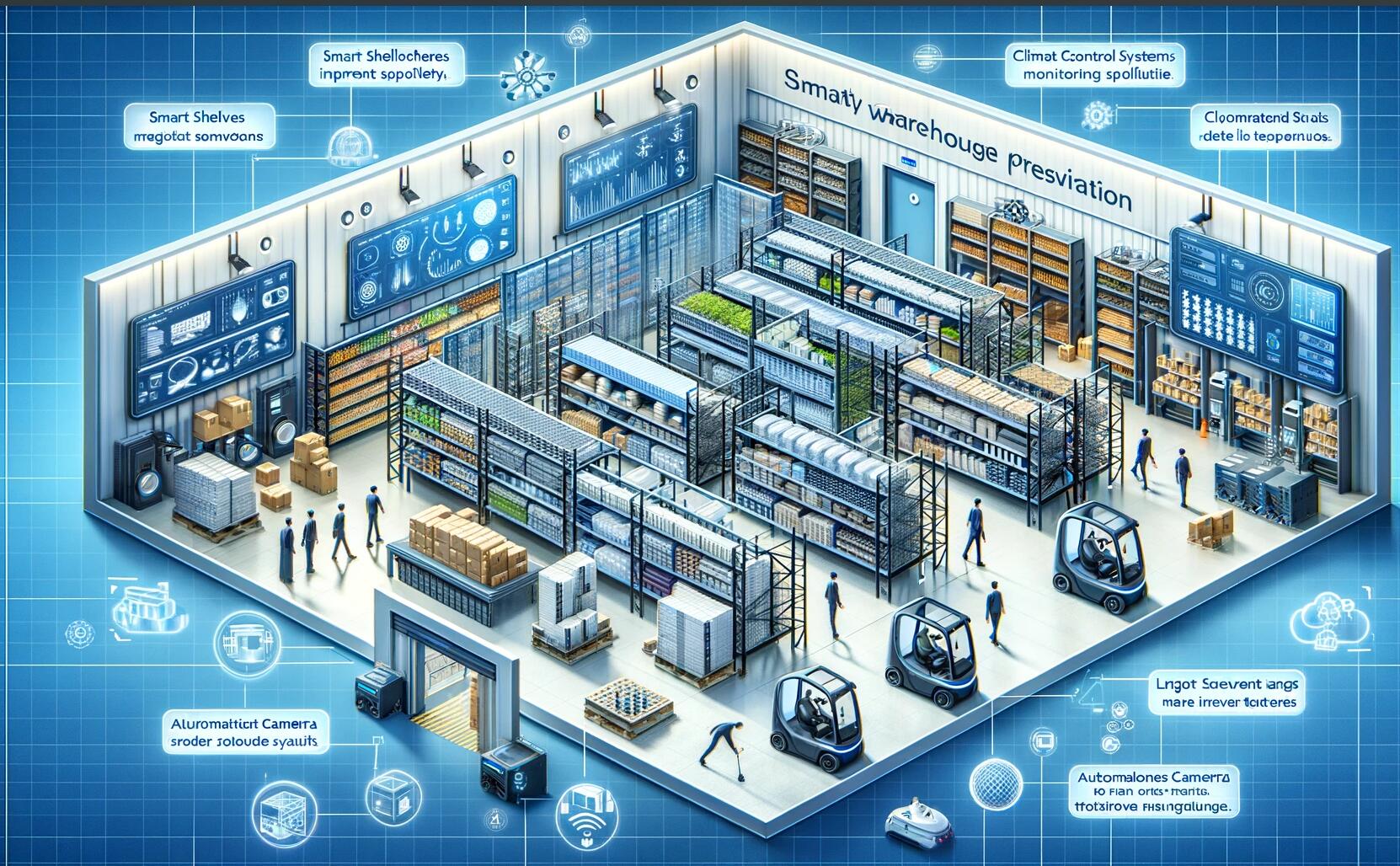
Logistics and warehousing also see significant advantages. Uhf Rfid Reader Antennas streamline the tracking of shipments, reducing delays. They enable better visibility across the supply chain. However, relying heavily on technology presents challenges. There can be technical issues or data management concerns. Continuous assessment and updates to processes remain vital for success.

UHF RFID Antenna Applications in Various Industries

Challenges in Implementing UHF RFID Solutions in Supply Chains

Implementing UHF RFID solutions in supply chains presents several challenges that require careful consideration. Notably, many organizations report difficulties in integrating these systems into existing infrastructure. According to a study by the RFID Journal, 36% of companies that adopted RFID faced compatibility issues with legacy systems. This can lead to increased costs and delays in deployment.

Data management is another significant hurdle. Properly managing the vast amounts of data generated by UHF RFID Tags can overwhelm existing IT frameworks. A report from ABI Research indicated that 40% of companies struggle to analyze RFID data effectively. This inadequacy can lead to less informed decision-making and ultimately impacts operational efficiency.

To navigate these challenges, organizations should invest in staff training to enhance data literacy. Understanding RFID systems can reduce resistance to change. Regular audits of the RFID infrastructure can identify and remedy integration issues early on. Engaging with industry experts can provide helpful insights. Sharing best practices can foster a collaborative environment that encourages continuous improvement.

Future Trends of UHF RFID Technology in Smart Supply Chains

UHF RFID technology is transforming supply chains worldwide. The integration of smart supply chains with UHF RFID antennas is becoming increasingly vital. According to a recent report by Gartner, the global RFID market is expected to reach $36 billion by 2025, with UHF RFID accounting for a substantial share. The efficiency gains from this technology are clear. RFID enables real-time inventory tracking, reducing stock discrepancies significantly. In fact, companies utilizing UHF RFID report up to a 30% decrease in inventory costs.

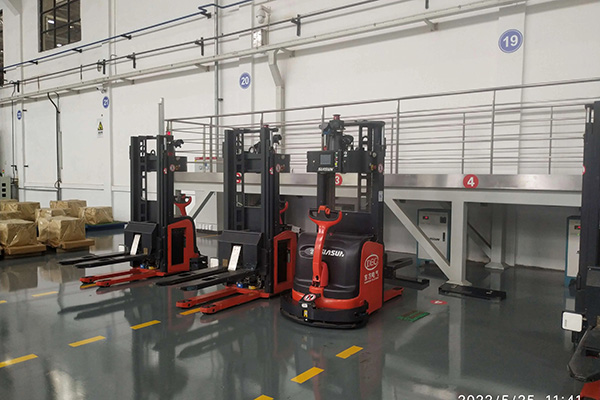
One emerging trend is the use of UHF RFID in warehouse automation. This advancement drives better data accuracy and faster processing times. A 2022 study by IDTechEx suggests that smart supply chains utilizing UHF RFID can enhance supply chain visibility by 80%. However, there remains a critical challenge in ensuring compatibility across different systems. Stakeholders must address integration issues to achieve optimal results. The slow adoption in some sectors indicates a need for industry-wide standards for UHF RFID technology.

Additionally, environmental concerns are prompting a shift towards sustainable practices in RFID manufacturing. While UHF RFID antennas provide excellent performance, their production can have ecological impacts. Continuous research is necessary for developing biodegradable RFID options. As supply chains evolve, organizations need to remain agile and adaptable. Fostering collaboration among industry players will be crucial for overcoming barriers and fully realizing the potential of China Uhf Rfid Antenna technology in smart supply chains.

Why Choose UHF RFID Antennas for Your Supply Chain Needs?

Dimension Description Expected Outcome
Range UHF RFID antennas provide a read range of up to 12 meters, depending on the environment. Improved inventory tracking and asset visibility.
Frequency Bandwidth Operates in the UHF frequency range (860-960 MHz), which is optimal for various applications. Enhanced data throughput with minimal interference.
Durability Built to withstand harsh environments, UV exposure, and moisture levels. Longer lifespan and reduced maintenance costs.
Integration Easily integrates with existing supply chain management systems. Seamless data flow and enhanced operational efficiency.
Scalability Support for a wide range of applications from small to large scale. Flexible solutions that grow with your business needs.

Best Practices for Integrating UHF RFID Antennas into Operations

Integrating UHF RFID antennas into your supply chain requires careful planning. Many companies struggle to align technology with their existing processes. Transitioning to RFID is not merely installing tags and readers. It demands understanding the flow of goods, identifying bottlenecks, and reengineering processes. According to a recent survey by ABI Research, 78% of businesses reported improved inventory accuracy after implementing RFID solutions.

The placement of UHF RFID antennas is critical. Antennas must be positioned strategically to maximize read rates and minimize interference. Testing various configurations can lead to optimized performance. However, a significant number of companies overlook comprehensive testing stages. This can result in reduced system efficiency or unexpected operational disruptions. Industry data suggests that neglecting proper integration can lead to a 30% increase in operational costs.

Training employees on new systems adds another layer of complexity. Without proper understanding, teams may misuse technology. A study by Gartner revealed that 40% of RFID implementation failures come from user error. Investing in training can mitigate this risk. When considering OEM Uhf Rfid Antennas, ensure your team is equipped with knowledge and skills. Treat integration as a continuous learning process, not a one-time event.

FAQS

: What is UHF RFID and why is it important for logistics?

: UHF RFID operates from 300 MHz to 3 GHz. It achieves long read ranges, enhancing supply chain visibility.

How does UHF RFID improve inventory management?

UHF RFID improves visibility by over 95%. This low error rate increases operational accuracy during inventory checks.

What challenges might arise when using UHF RFID?

Some materials may interfere with UHF signals. This can impact the effectiveness of your RFID deployment.

Why is antenna placement crucial in UHF RFID systems?

Proper placement maximizes read rates and reduces interference. Incorrect placement can lead to missed reads.

What mistake do companies often make when integrating RFID?

Many overlook comprehensive testing stages. This can result in unexpected disruptions and reduced efficiency.

How can training affect RFID implementation success?

Poorly trained employees can misuse the technology. Up to 40% of failures are linked to user error.

Is integrating UHF RFID a straightforward process?

No, it requires planning and alignment with existing processes. It's not just about installing tags and readers.

What can increase operational costs during RFID deployment?

Neglecting integration can lead to a 30% increase in costs. Thorough planning is necessary to avoid this.

How does continuous learning benefit RFID implementation?

Ongoing training helps adapt to new systems. Treat it as a journey, not a one-time installation.

What's the takeaway for businesses considering RFID?

Understand the complexities of integration. Don't underestimate the importance of proper planning and training.

Conclusion

In today's fast-paced supply chain environment, the integration of Antenna RFID UHF technology offers significant advantages for inventory tracking and management. UHF RFID antennas enable efficient data collection and communication over long ranges, making them ideal for logistics operations. Key benefits of using these antennas include improved accuracy in tracking inventory, reduced operational costs, and streamlined workflows compared to other RFID frequencies.

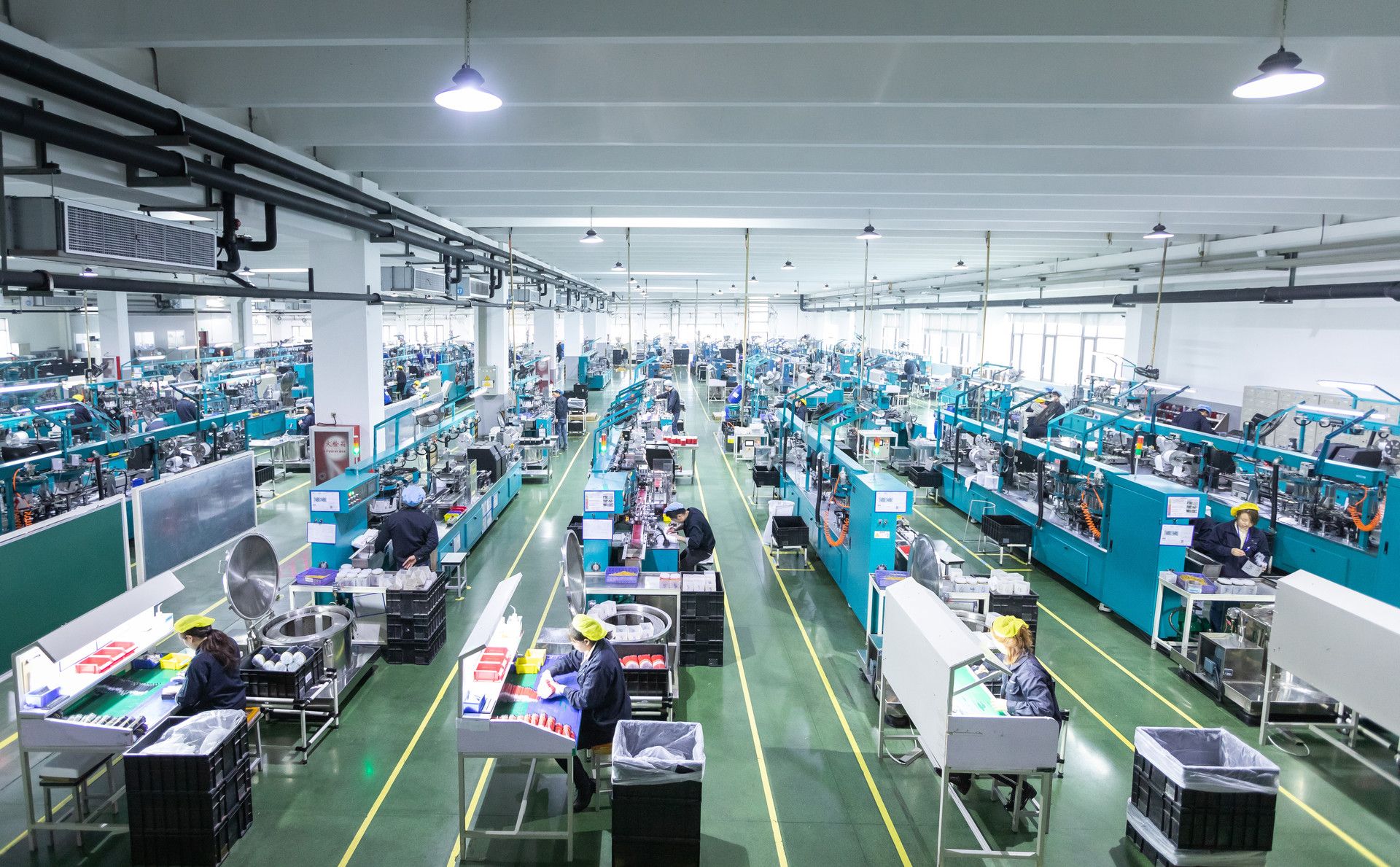
Various industries, from retail to manufacturing, successfully apply UHF RFID antennas to enhance their supply chain efficiency. However, challenges in implementation, such as technical complexity and initial investment, must be addressed. As the technology evolves, future trends suggest a growing integration of UHF RFID in smart supply chains, emphasizing best practices for seamless operational incorporation. Embracing Antenna RFID UHF technology can undoubtedly lead to transformative improvements in supply chain management.

Clara

Clara

Clara is a dedicated marketing professional at Shenzhen Jinruiming Technology Co., Ltd., where she excels in promoting the company's innovative products and services. With a deep understanding of the technology industry, Clara regularly updates the company’s professional blog, sharing insightful......
Previous Best Rfid Reader Long Range for Global Buyers?