Hey, if you're diving into the fast-paced world of RFID tech, it's pretty important to get a good grasp of the different types of RFID readers out there. One standout group that’s been making waves is the Ultra High Frequency (UHF) RFID readers. These things are pretty impressive—they’ve got better range and faster speeds, which means they’re a real game-changer for many industries. Brands like Zebra Technologies and Impinj are leading the charge, producing top-notch Uhf Rfid Readers that can be fine-tuned for all kinds of applications. You can even check out some here:High-Quality Ultra High Frequency RFID Reader.
But, honestly, choosing the right reader isn’t exactly a walk in the park. It can get pretty confusing with all the different specs and features. Some devices might pack a punch in power but aren’t the easiest to use. Others look great and seem user-friendly but might not hold up well in real-world situations. It’s a good reminder that you really need to think about both how well it works and how easy it is to operate.
The market’s full of options, but not all are created equally. It’s super important to look into things like durability and overall performance before making a decision. Picking the right Ultra High Frequency RFID reader can seriously boost your efficiency. And the key thing? Understanding what you really need. Taking a moment to reflect whether the device matches your specific operational goals can make a huge difference in the long run.
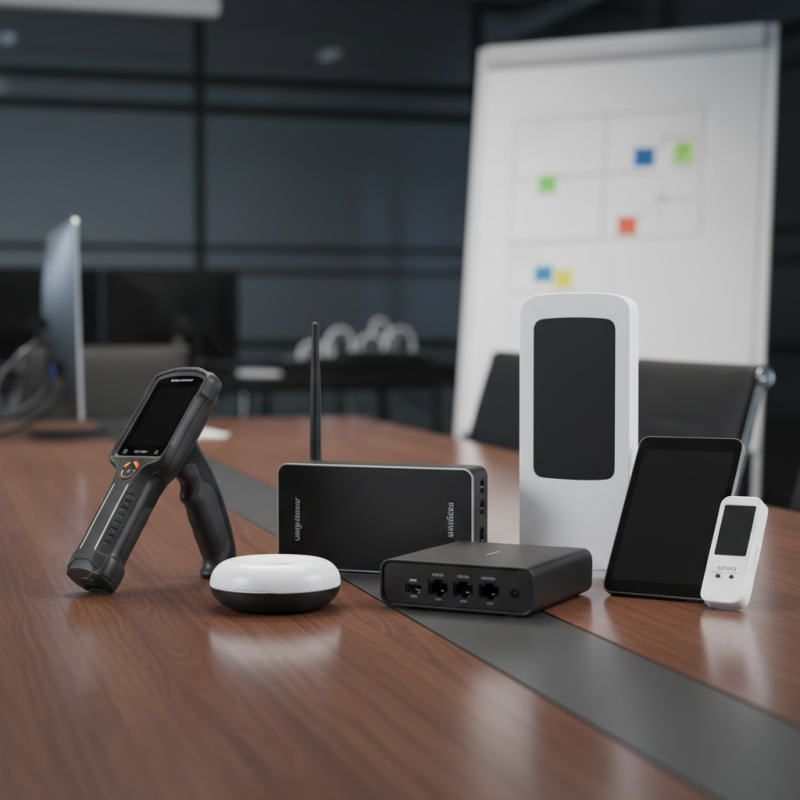
Introduction to Ultra High Frequency RFID Technology
Ultra High Frequency (UHF) RFID technology is changing how we track assets. Operating between 300 MHz and 3 GHz, UHF RFID offers excellent range and speed. This makes it ideal for inventory management and supply chain operations. The tags can be read from several meters away, making them valuable in busy environments.
However, the technology isn't flawless. Interference can occur. Physical barriers, like walls, may block signals. Items made of metal can reflect or absorb signals. Users need to consider these limitations carefully. The design and placement of readers must be strategic. A poorly placed reader may lead to missed scans.
Another challenge is the cost. While prices have dropped, high-quality setups can still be expensive. Organizations must weigh the benefits against their budgets. Training staff to use these systems effectively is essential. Without proper usage, the potential of UHF RFID technology may go underutilized. Continuous evaluation is crucial to maximize the return on investment.
Key Features of Ultra High Frequency RFID Readers
Ultra High Frequency (UHF) RFID readers have reshaped logistics and supply chain management. They operate in the 860 to 960 MHz frequency range. This allows for long reading distances and improved data transfer rates. According to experts, UHF RFID can achieve read ranges of up to 15 meters in optimal conditions. This is significantly greater than low-frequency readers.
These RFID readers also feature advanced sensitivity and accuracy. They can process multiple items simultaneously, increasing efficiency. Industry reports suggest that UHF systems can read tags in less than a second. This speed can revolutionize inventory management. Convenience is enhanced by their ability to engage with passive tags without needing a battery.
Security remains a concern, even with High-Quality Ultra High Frequency Rfid technology. Data encryption is critical, yet not all products incorporate it. This can leave sensitive information vulnerable. Moreover, interference from metals and liquids can diminish performance. Despite these drawbacks, the benefits are undeniable. UHF RFID readers can save time and reduce labor costs, focusing on the promise of innovation in tracking and identification solutions.
Benefits of Using UHF RFID Readers in Various Industries
Ultra High Frequency (UHF) RFID readers have transformed various industries. According to a report by Allied Market Research, the UHF RFID market is expected to reach $2.12 billion by 2027. This growth reflects an increasing adoption of RFID technology across sectors like healthcare, retail, and logistics.
In healthcare, UHF RFID readers improve asset tracking. Hospitals can manage medical devices with greater efficiency. A study indicated that hospitals using RFID saw a 20% reduction in equipment loss. This means savings and better patient care. In retail, UHF RFID enhances inventory accuracy. Companies report a 99% inventory visibility rate. This precision helps retailers reduce stockouts. However, integration can be challenging. Organizations face hurdles in aligning their systems.
Logistics also benefits greatly from UHF RFID. Real-time tracking of shipments increases operational efficiency. According to Gartner, RFID can increase supply chain efficiency by up to 30%. Businesses are more responsive to demand changes. Yet, organizations must consider the costs of implementation. The initial investment can be significant, and not all sectors see immediate returns. Balancing short-term expenses with long-term benefits remains a crucial consideration for those adopting this technology.
Top 5 Ultra High Frequency RFID Readers - Industry Adoption
Top 5 UHF RFID Readers Overview and Specifications
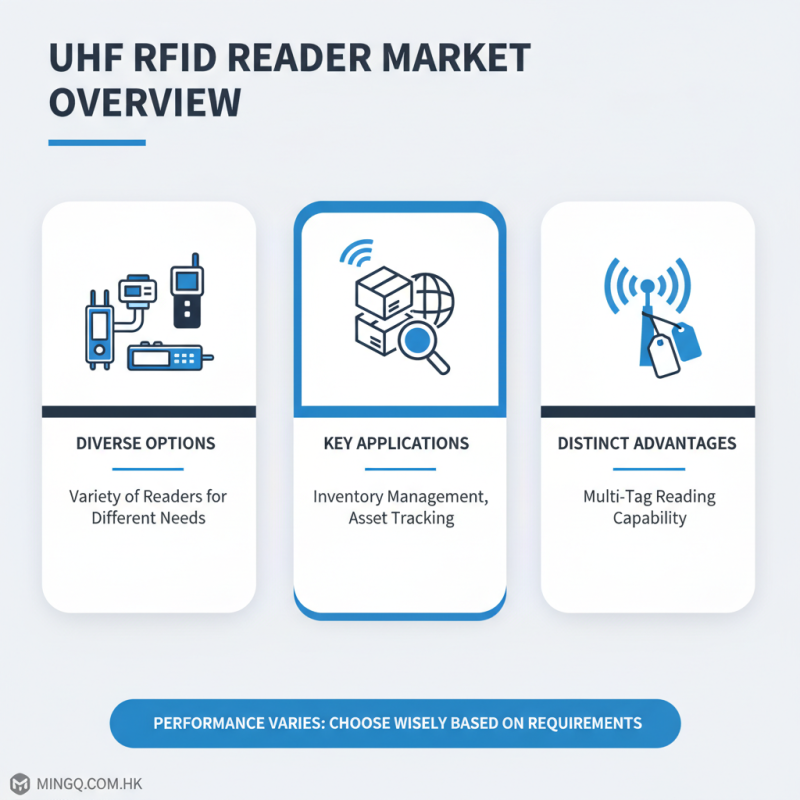
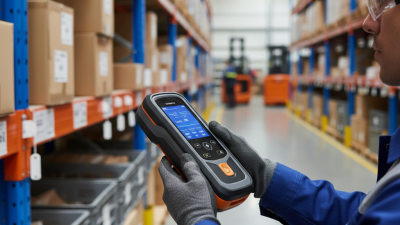
The Ultra High Frequency Rfid Reader market offers diverse options. Many readers cater to different needs, each with unique specifications. These devices play a critical role in inventory management and asset tracking. Their ability to read multiple tags at once sets them apart. Performance varies, though, so users should consider their specific requirements carefully.
One key feature to look for is read range. Some readers can operate up to several meters. However, their effectiveness can drop in crowded environments. Additionally, connectivity options matter. Many models provide Wi-Fi, Bluetooth, and USB options. If you need portability, choose a lightweight design.
Consider ease of use as well. Some devices come with user-friendly interfaces, while others may not. Battery life is another factor. Longer battery life ensures less downtime. Compatibility with various tags is also crucial. Not all RFID tags work flawlessly with every ultra high frequency RFID reader. Test your devices in real-world scenarios to pinpoint any shortcomings. This reflection can lead to more informed purchasing decisions.
Comparison of Performance Among Leading UHF RFID Readers
The performance of ultra high frequency (UHF) RFID readers is critical for various applications. These readers operate in the 860-960 MHz band, providing effective read ranges and fast data transfer rates. According to a recent industry report, top UHF RFID systems can achieve read rates exceeding 1,000 tags per second. However, performance can vary widely depending on surrounding environments and tag specifications.
When evaluating UHF RFID readers, key factors include read distance, accuracy, and sensitivity. Many users look for readers with a read range of 10 meters or more. Nevertheless, external factors like interference and physical obstructions can disrupt signal consistency. A recent study highlighted that 30% of users experienced connectivity issues in densely packed warehouses. The reliability of a reader is paramount, but it's not always the case. Mismatched tag types and antenna positions can lead to ineffective results.
Data security also plays a significant role. The best readers are equipped with robust encryption methods. Yet, vulnerabilities may still exist. Around 25% of enterprises reported concerns about unauthorized access to sensitive information. As technology advances, the need for continuous improvement in reader security and performance becomes even more pressing. The industry is moving towards solutions that integrate smart technology and data analytics, but challenges remain. Evaluating UHF RFID options requires careful consideration of both performance metrics and practical usage scenarios.
Applications and Use Cases of UHF RFID Readers
Ultra High Frequency (UHF) RFID readers are transforming various industries. In logistics, for instance, they enable real-time tracking of goods. According to a recent study, over 70% of supply chain companies reported improved efficiency after adopting UHF RFID technology. This technology reduces human error and streamlines inventory management significantly.
In retail, UHF RFID readers enhance customer experiences. They allow for better stock visibility. A renowned report indicates that retailers using this technology can increase sales by up to 30%. Customers enjoy quicker checkouts and unattended payments also rise in popularity. Apparel and cosmetics sectors particularly benefit from UHF RFID solutions.
Healthcare is another vital area for UHF RFID implementation. Hospitals use these readers to track medical equipment and patient information. A survey noted that reducing lost equipment could save institutions millions each year. However, challenges remain. Integration into existing systems can be costly and complex. The China Ultra High Frequency Rfid Reader market is expanding, highlighting the need for a thoughtful approach. Each application has unique requirements that must be thoroughly evaluated before deployment.
Future Trends in Ultra High Frequency RFID Technology
Ultra High Frequency (UHF) RFID technology is evolving rapidly. Recent reports suggest that the global RFID market is projected to reach USD 13.3 billion by 2026, growing at a compound annual growth rate (CAGR) of 14.4%. This growth hints at significant advancements in both hardware and software sectors. OEM Ultra High Frequency Rfid Reader technologies are becoming more sophisticated, allowing for streamlined inventory management and enhanced data accuracy.
A notable trend is the shift towards IoT integration. UHF RFID technology is increasingly being utilized in smart supply chains. As businesses seek better efficiency, the need for real-time tracking has never been greater. However, challenges still exist. Interference in dense environments complicates accurate signal transmission, leading to data loss. Research shows that up to 20% of readers may produce inaccurate data in cluttered areas. This calls for continuous improvement in reader design and placement strategies.
The sustainability factor is also gaining attention. Analysts predict that eco-friendly materials will be integrated into RFID tags and readers. This trend aligns with global efforts to reduce electronic waste. Despite progress, the industry must address concerns regarding device longevity and recyclability. Collaboration between developers and users will be crucial in achieving eco-sustainable solutions while maintaining performance.
FAQS
: This product aims to improve daily efficiency. It saves time in various tasks.
Follow the included instructions. Each step leads to better results. Experiment with different techniques to find what works best.
Basic tools and materials are often sufficient. However, specialized items may enhance performance.
Results can vary by user. Some may see benefits quickly; others may need time. Patience is essential.
Generally, it is user-friendly. However, certain techniques may require practice. Don’t hesitate to seek help if needed.
Yes, rushing through steps is often unhelpful. Take your time and focus on quality. Reflect on your process regularly.
Conclusion
The article explores the pivotal role of Ultra High Frequency RFID Readers in modern technology, shedding light on their unique features and numerous benefits for various industries. By leveraging UHF RFID technology, businesses can enhance inventory management, streamline supply chain processes, and improve asset tracking. The discussion includes a comprehensive overview of the top five UHF RFID Readers, detailing their specifications and performance metrics, while also assessing their effectiveness across different applications and use cases.
Additionally, the article highlights future trends in Ultra High Frequency RFID technology, indicating a significant shift towards increased efficiency and innovation. As organizations recognize the transformative potential of UHF RFID Readers, understanding their capabilities becomes essential for staying competitive in today's fast-paced market.

 Rotary HF RFID Tag Reader GRH-I40 Suitable for Assembly Lines
 Industrial-grade High-frequency Integrated Reader GRH-I65 Suitable for Asset Tracking
 With ESD Protection HF RFID Reader GRH-I68 Suitable for Progress Tracking
 Proximity HF RFID Reader GRH-M30 Suitable for Manufacturing Workshops
 Desktop HF RFID Scanner GRH-D80-HID Suitable for Card-issuing Applications
 High Frequency Medium Distance Reader GRH-I90 Suitable for Logistics Production Line
 UHF RFID Portals and Tunnel Machine RFly-AM3000 for Access Control
 Narrow RFID Portals Series TD-P20040-SS for Single Tag Entry and Exit Identification Scenario
 RFID Transmission Line Simple Identification Tunnel Machine (TD-T3050)
 Vision and RFID Tunnel Machine TD-T7692-RV for Logistics Sorting
 RFID Transmission Line Identification Tunnel Machine TD-T10090
 RFID Mobile Inventory Tunnel Machine TD-T65150 for Conveyor Belts
 High-Performance Far-Field Antennas for Broad Coverage.
 Multi-Purpose Antennas: Flexibility for Diverse Applications
 Near-Field Antennas for Short-Distance Tag Detection.
 Portals & Tunnel Antennas for Integrated RFID Series
 Slimline PCB Antennas for Warehousing and Logistics
 Miniaturized and Thin Antennas can Provide Good Performance in a Smaller Size.
 GPS Tracker for Vehicles, Car, Kids, Assets.
 CO2 Sensors Detect CO2 Gas through Alarms, Suitable for Offices, Planting Tents.
 Door Sensor, Detect Open and Closed Doors or Windows, Sends Alerts, Triggers Siren.
 Wireless Level Sensor Equipped with a 5-Meter Detection Line, Suitable for Water Tanks
 Real Time Monitoring of Air Quality Using PM2.5/PM10 Sensors.
 Smoke Sensor, Fire Alarm Smoke Detector with Test Button and Low Battery Reminder.
 Soil Stress Sensor,Bridge and Tunnel Monitors.
 Vibration Sensor Monitors Equipment, Like Conveyors and Motors, for Operational Status.
 E -Paper Display
 Smart Water Sensor Alarms, 1.2 M Detection Line.
 CO Sensor for Basements Home Office House Bedroom Living Room Car, Light Plug and Play.
 Temperature and Humidity Sensor
 Multi-sensor GD-ME
 Temperature Sensors Monitor the Surface Temperature of Various Heating Equipment.-1
 Signal Enhancement Terminal, Long Range Coverage.
 Multi-Protocol Communication Gateway, App Remote Control.
 Edge Vision Gateway can Access Various Mainstream Cameras, Suitable for Office, Factory.
 GBS-3550 Outdoor Sensor Gateway,LoRa, 2/3/4G Communication.
 Smart WiFi Gateway, Realize Remote Control.
 Ultra-Low-Power Solar-Powered Intelligent Gateway (Outdoor)
 IP67-protected Integrated RFID Reader Writer RFly-I165 for Supply Chain
 Long-range Distance UHF RFID Reader RFly-I195 for Inventory Management
 Small UHF RFID Tag Reader RFly-I300 for Cars
 Two-channel Compact Fixed RFID Reader RFly-F210 for Warehousing
 Four Channels Fixed UHF RFID Reader RFly-R6 for Supply Chain
 8-channel UHF RFID Tag Reader RFly-R8 for File Cabinet Identification
 Bluetooth Portable RFID Reader and Writer GRU-HBT100 for Inventory Management
 Industrial Grade Handheld UHF RFID Reader GRU-HC520 Suitable for Logistics
 RFID Gateway Networking System
 RFID Passive Temperature Measurement System
 RFID Tags for Container Turnover Management
 RFID Tags for Equipment O&M Management
 RFID Tags for Manufacturing Management
 RFID Tags for Tool Management
 A Kits for Equipment Condition Detection
 A Kits for Office Computer Room Environment Monitoring
 A Kits for Reservoir Environmental Monitoring
 A Kits for Storage Space Environment Monitoring
 A Kits for Stress Detection of Underground Tunnel
 A Kits for Urban Environment Monitoring
 Intelligent IoT Monitoring Platform
 Integrating Multiple Functional OTG Demo Software
 HF Demo Software
 UHF Demo Software