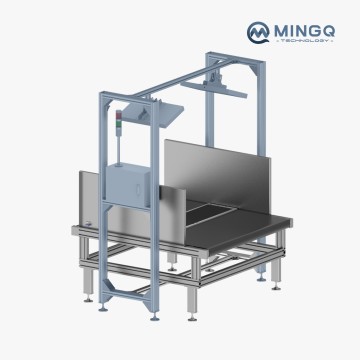
Global 3PL Streamlines High-End Fashion Inventory with MingQ RFID Tunnel Solution
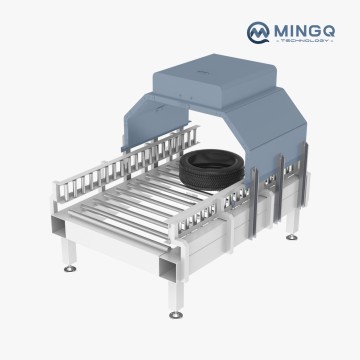
Leading E‑Commerce Platform Accelerates Flash-Sale Fulfillment and Boosts Warehouse Productivity with MingQ RFID Sorting Wall Solution
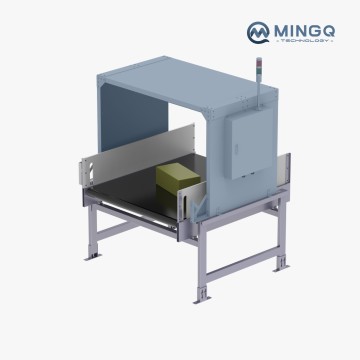
Global Automaker Elevates Component Kitting Accuracy with MingQ RFID Shelf‑Level Management Solution
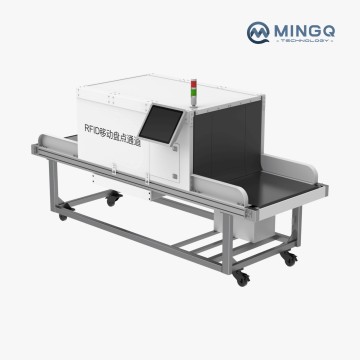
Asia’s Largest Logistics Provider Enhances Warehouse Intelligence with RFID Pallet & Container Management Solution
RFID Application in Platform Vehicle Management
RFID Application in Logistics Sorting
RFID Application in Supply Chain Management
RFID Application for Workshop/Warehouse Tracking
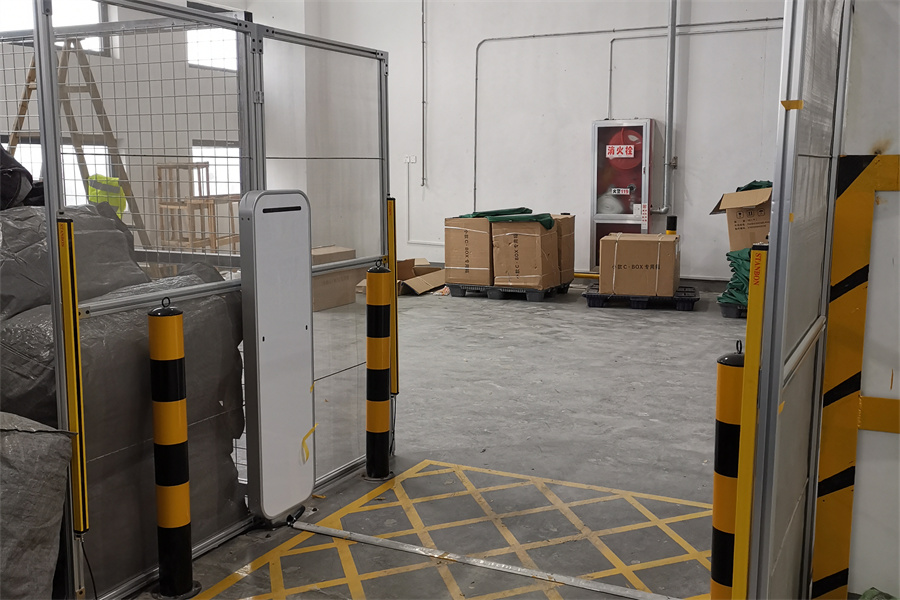
TP‑Link Enhances Warehouse Inbound/Outbound Efficiency with MingQ RFID Dock‑Door Solution
RFID technology empowers port containers: a new direction for future logistics
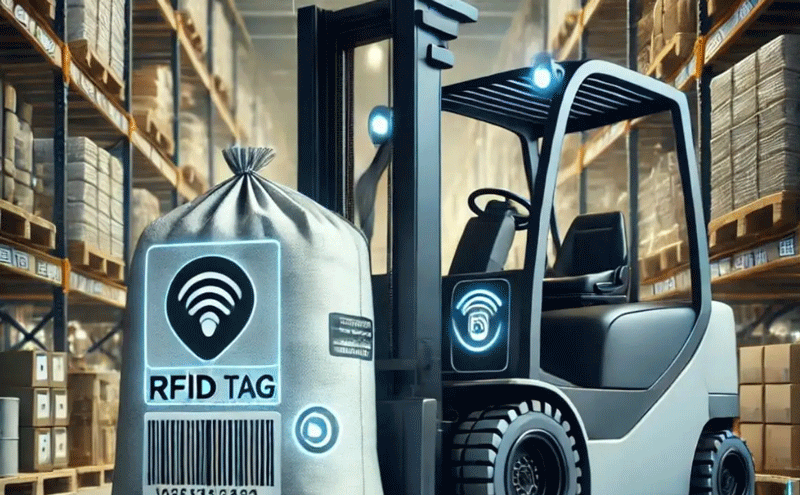
RFID technology in forklift tracking and container bag identification
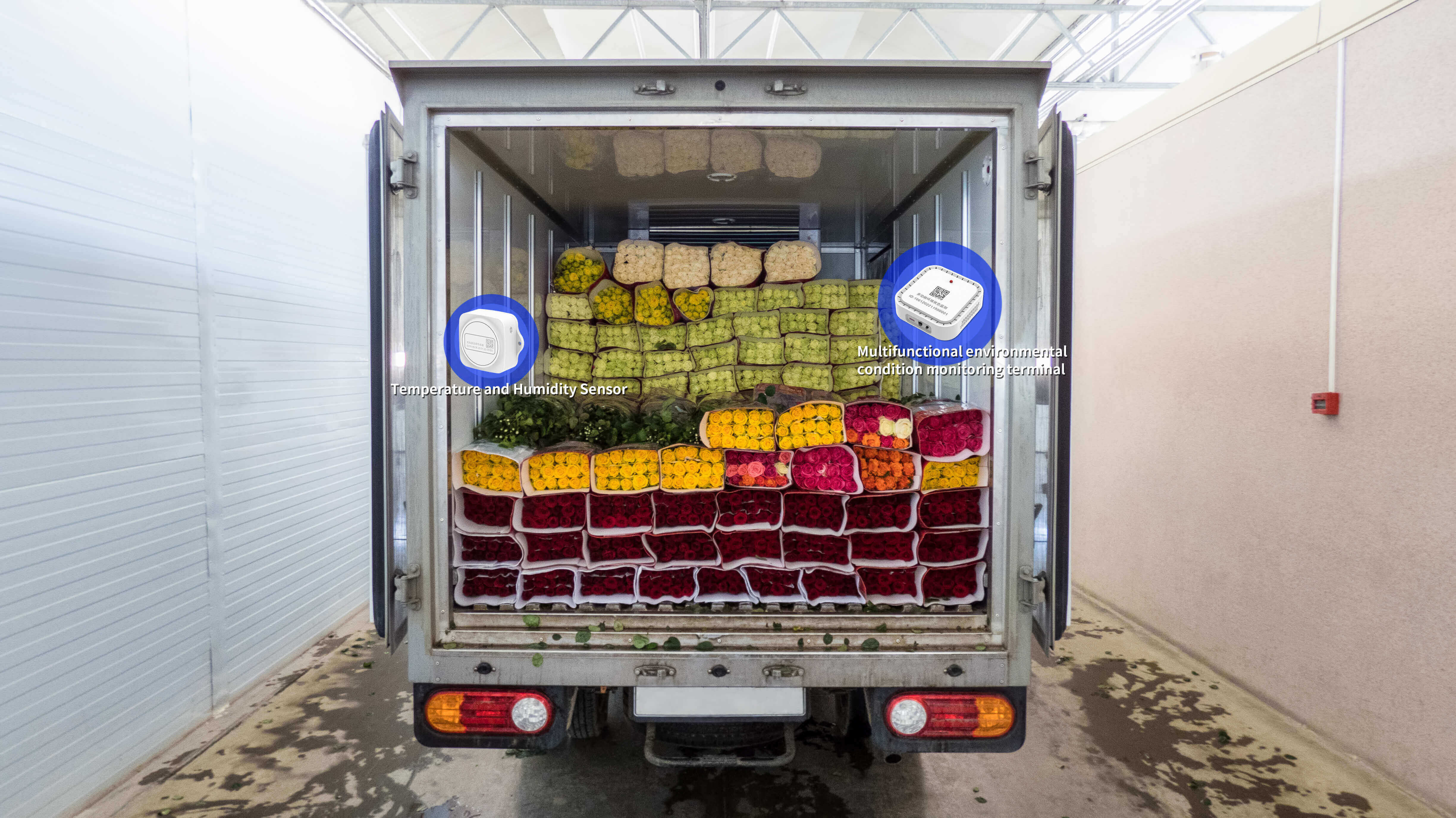
Real-Time Data, Secure Transportation: The Future Trends of Cold Chain Logistics
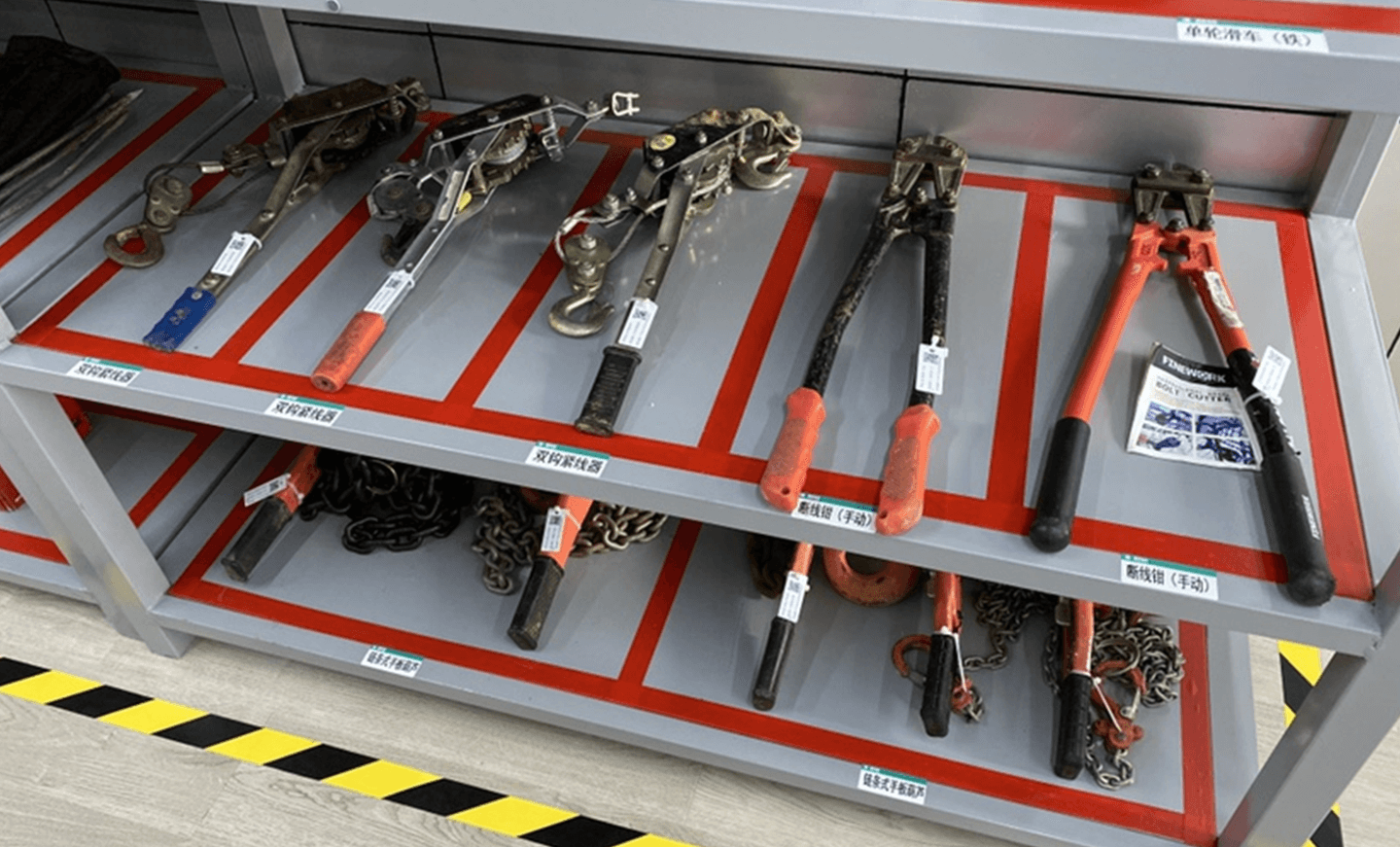
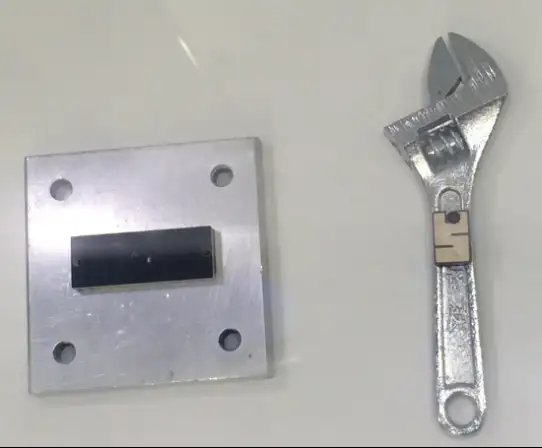
RFID Tool Management
RFID Application in Battery Factory Production
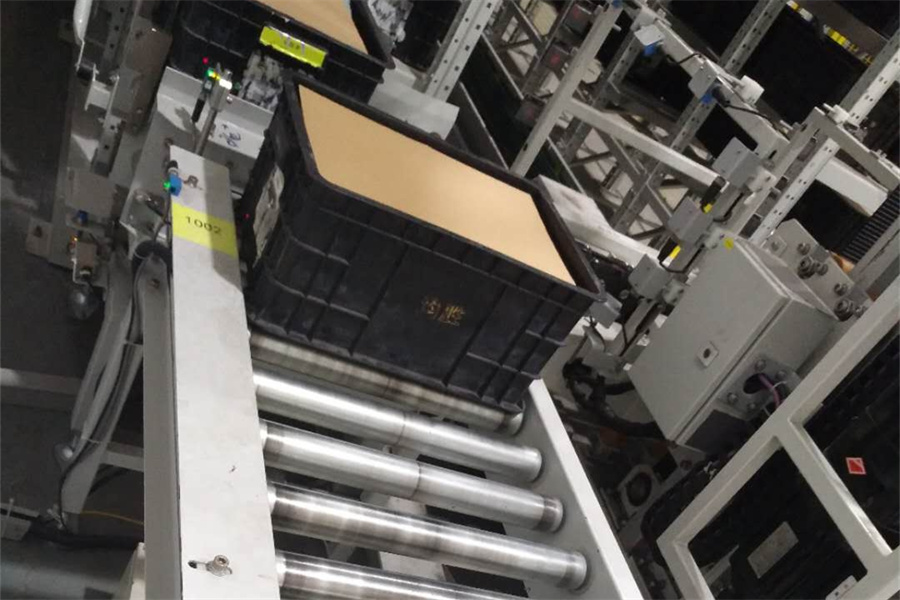
RFID Application in Production Line Rubber Box Management
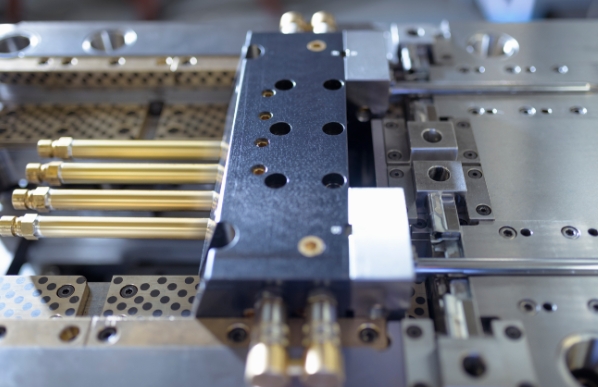
RFID Application in Mold Management on Production Lines
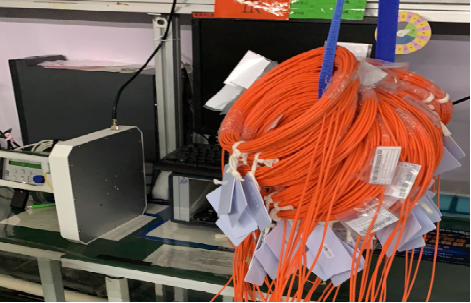
RFID Application in Fiber Optic Cable Manufacturing
Smart Manufacturing
The medical industry uses RFID technology to make drug tracking more accurate
RFID technology helps beverage production and build an efficient supply chain
RFID technology helps car seat production lines: intelligent management improves efficiency and quality
RFID technology in the production of electronic appliances monitoring and tracing application
Use RFID technology to improve appliance management efficiency and security
RFID technology helps precise installation of headrests
Clean‑Energy Equipment Manufacturer Enhances Material Traceability with MingQ RFID Pallet Management Solution
Choosing the top 10 Uhf Rfid Tag readers for global buyers isn't just about comparing things like scan distance and price, you know? A reliable RFID reader needs to work smoothly in real-world settings, not just in a quiet lab. Think about warehouse scenarios—scanning cartons near metal shelves, while forklifts are moving around, or inside chilled storage areas. These conditions can really test a reader’s antenna control, connection stability, and how well it handles tags.
In this guide, we look at some of the big players like Zebra Technologies, Impinj, Chainway, Alien Tech, and ThingMagic. We compare their products based on accuracy, supported frequency ranges, antenna choices, connection types, software support, durability, and how easy they are to install. We also consider regional radio requirements—because what works well in one market might need tweaks elsewhere. Specs are important, but hands-on experience in the field is what really counts.
That said, no single reader is perfect for every situation. A powerful fixed reader might be just right dockside but feel like overkill in a small retail backroom. On the flip side, a compact handheld might help with inventory counts but slow things down during long shifts. Plus, a lot of performance claims depend on ideal conditions—perfect tags, proper spacing, well-placed antennas—that are easy to overlook.
So, the aim here is to help you make smarter buying decisions. We focus on practical info—showing each reader’s strengths and limitations—so you can pick the right one based on your actual workflow, budget, environment, and support needs. We’re not here to claim there’s one perfect choice for everyone, but to help you find the best fit with fewer surprises after setup.
A UHF RFID tag reader sends radio energy through an antenna. The passive tag captures that energy and responds by backscattering a coded signal. No battery is usually required. The reader decodes the tag’s EPC, TID, and signal strength, then sends the data to inventory software.
Most modern systems follow the RAIN RFID framework and support the ISO/IEC 18000-63 air-interface standard. The RAIN Alliance reported more than 50 billion RAIN tags shipped in 2023, showing the scale of this technology. A 8-channel UHF RFID Tag Reader can connect several antennas, helping cover loading bays, shelves, or conveyor lanes. Reader performance still depends on antenna placement, tag orientation, metal, liquids, and nearby radio noise.
Testing matters more than a headline read range. In a warehouse trial, a carton may read reliably at six meters, while a liquid-filled container may fail at two meters. That difference is normal. Field engineers should check regional frequency settings, transmit power, reader sensitivity, and collision handling before comparing models. GS1 guidance also stresses accurate EPC data and controlled encoding processes. One practical weakness remains: performance claims often use open-air tests. Real facilities are messier. Buyers should request sample tags, measure missed reads, and record results under normal movement speeds. A short pilot can reveal more than a long product sheet.
Choosing among the top 10 UHF RFID tag readers requires more than comparing read distance. Standards and regional rules determine whether a device performs legally and reliably. The RAIN Alliance 2024 industry report estimated that 52.8 billion RAIN RFID Tags were sold in 2023, showing the scale of global deployment. Most readers support EPC Gen2v2, aligned with ISO/IEC 18000-63, but protocol support alone does not guarantee regional compatibility.
Frequency planning is critical. The United States commonly uses 902–928 MHz under FCC Part 15. Europe generally operates within 865–868 MHz under ETSI EN 302 208. China typically uses 920–925 MHz, while Japan applies a narrower 916.8–920.4 MHz range. India commonly permits 865–867 MHz. A China Uhf Rfid Tag Reader may work well in its home market, yet its antenna tuning and power limits may need adjustment elsewhere. The label matters.
In field tests, metal shelving, dense cartons, and wet products can reduce read consistency sharply. A reader rated for long-range performance may fail near liquid-filled containers. That is the uncomfortable part. Buyers should request regional certification records, adjustable channel settings, output-power limits, and conducted testing data. The GS1 EPC Tag Data Standard also deserves review, because incorrect encoding can create duplicate or unreadable identities. Global deployment is rarely plug-and-play. Some specifications remain unclear. Recheck them locally.
This chart compares commonly authorized UHF RFID operating bands for passive RFID readers across major global markets. UHF RFID equipment generally follows the EPCglobal Gen2 / ISO/IEC 18000-63 air-interface framework, while frequency limits, channel plans, power levels, duty-cycle rules, and certification requirements vary by jurisdiction. Buyers should verify the latest requirements with the relevant national regulator before deployment.
Reference frameworks include ETSI EN 302 208, FCC Part 15, ACMA radiocommunications rules, MIC and ARIB requirements in Japan, MIIT requirements in China, and equivalent national spectrum regulations.
Selecting the top 10 UHF RFID tag readers requires more than comparing advertised read distance. RAIN Alliance’s 2024 industry report recorded over 50 billion RAIN tags shipped globally in 2023. That scale demands stable performance in crowded environments. Check read rate, receiver sensitivity, antenna ports, and performance near metal or liquids. A ten-meter claim can be misleading. In a warehouse, dense cartons may reduce practical range to four or six meters. Test with your actual tags, packaging, and conveyor speed.
Compatibility matters just as much. GS1 EPC Gen2 guidance supports interoperability, but readers can differ in protocol profiles, regional frequency settings, and software interfaces. Confirm support for EPC Gen2v2, adjustable transmit power, dense-reader operation, and reliable filtering. The RFID Journal annual industry surveys consistently identify integration and deployment conditions as major project concerns. This matches field experience: a reader may perform well in an open laboratory, then miss tags beside metal shelving. Review API quality, event processing, firmware control, and multi-antenna stability. Keep evidence. Record missed reads, read latency, and effective range across repeated trials. One test is not enough. I would also challenge the ranking itself, because the “best” reader depends on tag design, site layout, and operating region. Shortlist ten models only after defining those conditions.
| Rank | Anonymous Reader Profile | Recommended Application | Reader Type | Supported Frequency / Regional Use | Maximum RF Output | Antenna Ports | Typical Read Range* | Read Rate* | Supported Tag Standards | Tag Compatibility | Connectivity | Ingress Protection | Operating Temperature |
|---|---|---|---|---|---|---|---|---|---|---|---|---|---|
| 1 | High-Performance Fixed Reader A | Large warehouse portals, conveyor lines, and high-volume inventory | Fixed, 4-port | 860–960 MHz; regional power settings required | Up to 31.5 dBm | 4 × RF ports | Up to 15 m | Up to 1,000 tags/s | EPC Class 1 Gen 2; EPC Gen2v2; ISO/IEC 18000-63 | Passive UHF tags; dense-reader mode; extended-memory tags | Ethernet, USB, GPIO, serial | IP52 or higher installation enclosure | Approximately −20°C to +55°C |
| 2 | Industrial Portal Reader B | Dock doors, pallet tracking, manufacturing, and distribution centers | Fixed, 4-port | 865–868 MHz, 902–928 MHz, or other approved regional band | Up to 30 dBm | 4 × RF ports | 10–15 m | Up to 800 tags/s | EPC Class 1 Gen 2; EPC Gen2v2; ISO/IEC 18000-63 | Standard and ruggedized passive labels; on-metal tags with suitable antennas | Ethernet, GPIO, USB, serial | IP52; external industrial housing recommended | Approximately −20°C to +55°C |
| 3 | Compact Fixed Reader C | Retail back rooms, cabinets, smart shelves, and small portals | Fixed, 2-port | 860–960 MHz; software-configurable regional profile | Up to 30 dBm | 2 × RF ports | 6–10 m | Up to 500 tags/s | EPC Class 1 Gen 2; EPC Gen2v2; ISO/IEC 18000-63 | General-purpose passive tags; retail labels; small on-metal tags | Ethernet, USB, GPIO | IP40 to IP52 | Approximately 0°C to +50°C |
| 4 | Long-Range Fixed Reader D | Vehicle identification, outdoor gates, yard management, and asset yards | Fixed, 4-port | 860–960 MHz; country-specific channel plan | Up to 31.5 dBm | 4 × RF ports | Up to 18 m with suitable tags | Up to 700 tags/s | EPC Class 1 Gen 2; EPC Gen2v2; ISO/IEC 18000-63 | Long-range windshield, hard-case, and on-metal passive tags | Ethernet, GPIO, serial, optional wireless network | IP53; outdoor enclosure may be required | Approximately −30°C to +60°C |
| 5 | Edge-Computing Reader E | Cold chain, production lines, and installations requiring local processing | Fixed, 4-port | 860–960 MHz; regional regulatory configuration | Up to 30 dBm | 4 × RF ports | 8–12 m | Up to 600 tags/s | EPC Class 1 Gen 2; EPC Gen2v2; ISO/IEC 18000-63 | Passive tags with user-memory access; temperature-resistant tag options | Ethernet, GPIO, USB, serial, local application interface | IP52 | Approximately −20°C to +55°C |
| 6 | Mobile Handheld Reader F | Cycle counting, retail audits, field service, and warehouse picking | Handheld reader with integrated antenna | 860–960 MHz; country-specific firmware settings | Typically 20–30 dBm | Integrated antenna; optional sled antenna | 5–15 m | Up to 300 tags/s | EPC Class 1 Gen 2; EPC Gen2v2; ISO/IEC 18000-63 | Standard labels, apparel tags, library tags, and selected on-metal tags | Wi-Fi, Bluetooth, USB-C | Typically IP52 to IP65 | Approximately −10°C to +50°C |
| 7 | Rugged Handheld Reader G | Outdoor logistics, construction materials, utilities, and harsh environments | Rugged handheld reader | 860–960 MHz; approved local frequency profile | Typically 20–30 dBm | Integrated antenna; optional external antenna | 6–12 m | Up to 250 tags/s | EPC Class 1 Gen 2; EPC Gen2v2; ISO/IEC 18000-63 | Rugged labels, hard tags, cable tags, and on-metal tags | Wi-Fi, Bluetooth, USB-C, cellular data on selected configurations | Typically IP65 or higher | Approximately −20°C to +50°C |
| 8 | Desktop Reader H | Document tracking, laboratory samples, checkout stations, and small-item verification | Desktop, 1-port or integrated antenna | 860–960 MHz; regional channel compliance required | Typically 10–27 dBm | Integrated antenna or 1 × RF port | 0.5–3 m | Up to 200 tags/s | EPC Class 1 Gen 2; EPC Gen2v2; ISO/IEC 18000-63 | Small passive labels, paper tags, and short-range item tags | USB, Ethernet, serial | Indoor use; typically IP40 | Approximately 0°C to +45°C |
| 9 | Embedded Module Reader I | Vending machines, robotics, kiosks, access systems, and OEM equipment | Embedded OEM module | 860–960 MHz; firmware-limited by market | Typically 20–30 dBm | 1–2 × RF ports | 3–8 m | Up to 400 tags/s | EPC Class 1 Gen 2; EPC Gen2v2; ISO/IEC 18000-63 | Passive labels and compact tags; antenna-dependent performance | UART, USB, GPIO, SPI on selected designs | Depends on host enclosure | Approximately −20°C to +70°C |
| 10 | Low-Power IoT Reader J | Smart cabinets, medical assets, retail fixtures, and battery-powered systems | Compact fixed or battery-optimized reader | 860–960 MHz; regional frequency configuration | Typically 10–27 dBm | 1–2 × RF ports | 2–6 m | Up to 150 tags/s | EPC Class 1 Gen 2; EPC Gen2v2; ISO/IEC 18000-63 | Short-range passive labels and low-power asset tags | Ethernet, Bluetooth Low Energy, Wi-Fi, USB | Typically IP40 to IP52 | Approximately 0°C to +50°C |
Top 10 UHF RFID Tag Readers for Different Global Use Cases
Global buyers rarely need one reader for every site. A practical top ten should match the reader to the working environment.
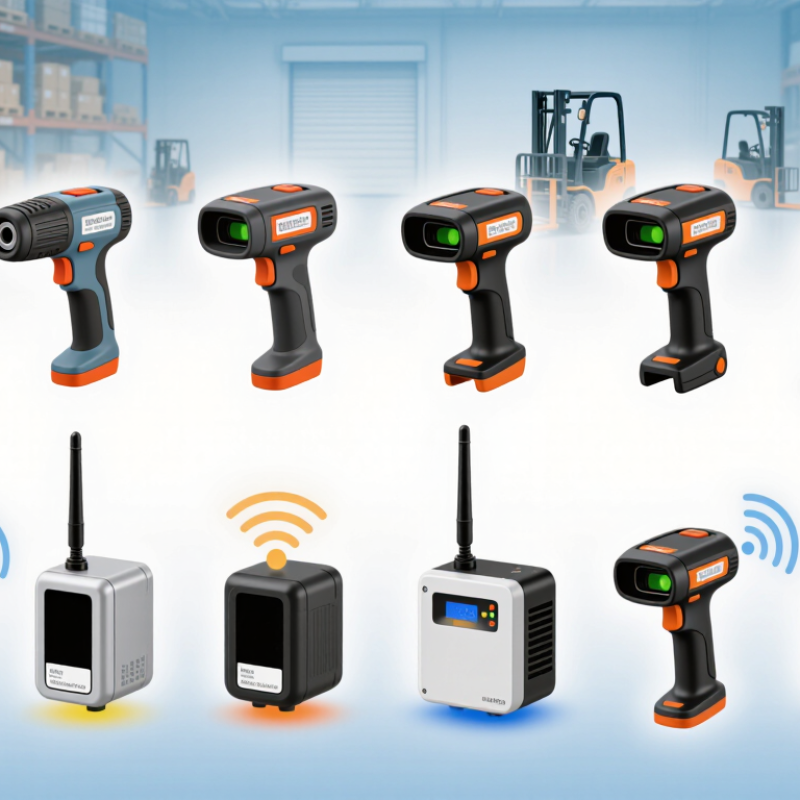
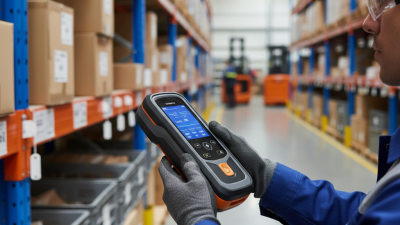
Fixed readers suit dock doors and conveyor portals, where antennas capture tags moving through defined lanes. Handheld readers work better for warehouse counting, shelf checks, and locating misplaced cartons.
Compact desktop readers support libraries, laboratories, and small retail counters. Rugged readers handle outdoor yards, cold storage, and dusty production floors.
Other useful choices include vehicle-mounted readers for forklifts, embedded readers for smart cabinets, and long-range readers for asset gates. Retail shelves need stable reads near metal fixtures and dense product displays.
Healthcare storage requires careful power control and clear audit trails. Manufacturing lines benefit from programmable readers that connect with sensors and production software.
Event operations may prefer lightweight readers with quick pairing and simple status lights.
During field testing, I check read accuracy, cable strain, heat buildup, and performance around liquids or metal. A reader can look impressive in a showroom, then miss tags beside a steel rack. That happens. Testing with real tags matters more than a specification sheet.
An OEM Uhf Rfid Tag Reader can suit buyers needing custom housing, firmware, frequency settings, or connector layouts. However, customization may increase lead time and support demands.
Buyers should also verify regional radio requirements, integration protocols, warranty terms, and replacement access before ordering large quantities. Small pilot batches often reveal installation problems early. Expect a few surprises.
Choosing a Wholesale Uhf Rfid Tag Reader requires more than comparing read distance. Installation often decides real performance. RAIN Alliance reported approximately 52.8 billion RAIN RFID chips shipped globally in 2023. That growth increases pressure on warehouses to deploy stable, scalable systems.
Mount antennas at consistent heights, then test cartons containing metal or liquid products. These materials can reduce signal reliability. Keep reader cables short, label every port, and record antenna angles during commissioning. Network planning matters too. Power over Ethernet can simplify installation, but local electrical and radio requirements still need verification. Software should support EPCIS 2.0 or similar data standards, REST APIs, role-based access, and firmware management. Event filtering is essential. Without duplicate suppression, one passing pallet may create hundreds of database records. I have seen technically strong installations fail because software timing was ignored.
Tips: Start with a small pilot zone. Measure read accuracy, missed reads, processing time, and network stability. Test at slow and normal operating speeds. Leave space for adjustment; the first antenna layout is rarely perfect. According to the 2024 MHI Annual Industry Report, many supply-chain organizations continue increasing automation investment, yet integration skills remain a practical constraint. Buyers should request documented test procedures, sample APIs, maintenance intervals, and regional support terms before purchase. A reader that performs well in an empty laboratory may behave differently beside conveyors, steel racks, and crowded wireless networks.
Choosing among the top 10 UHF RFID tag readers requires more than comparing online prices. International buyers should examine the complete purchase cost. This includes antennas, cables, shipping, import charges, software licenses, and replacement parts. A low-priced reader can become expensive after integration. Ask for a written quotation with currency, delivery terms, and warranty coverage.
Support quality often decides whether a project succeeds. Confirm the supplier’s response time, remote diagnosis process, firmware policy, and technical documentation. Useful support should include connection diagrams, sample code, and clear instructions for regional frequency settings. Check whether the reader works with your existing inventory software. Test several tags on metal, liquid containers, and moving items. Real conditions expose weaknesses quickly.
Selection should also reflect the working environment. A warehouse may need long read ranges, while a retail counter may value compact size and stable performance. Consider Ethernet, USB, wireless options, antenna ports, enclosure protection, and temperature limits. Ask for independent test data when available. Do not trust every range claim.
I once favored a cheaper reader, but its software required extra development. That decision delayed testing by weeks. A small pilot shipment can reveal this risk before a large order. Buyers should verify regional certification requirements, service availability, and return procedures before signing. Support promises should be measurable, not merely friendly.
As supply chains become more connected, durable RFID infrastructure is increasingly important for accurate, real-time visibility. The 2024 industry report from the global RAIN RFID association indicates that more than 40 billion RAIN tags were shipped worldwide in 2023, reflecting strong adoption across logistics, retail, manufacturing, and asset-intensive operations. This growth highlights the need for readers that can capture large volumes of tag data consistently while operating in demanding industrial environments.
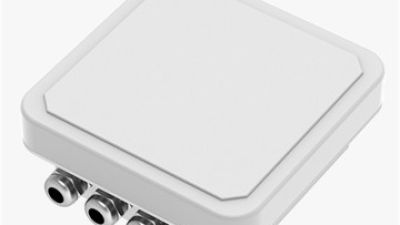
The RFly-I165 is a compact UHF integrated RFID reader designed for this purpose. Its built-in high-performance circularly polarized antenna supports efficient tag detection from varied orientations, while its IP67-rated enclosure helps protect the device against dust and water exposure. These features make it suitable for inventory counting, warehouse receiving, asset tracking, production-line monitoring, and outdoor logistics points. By combining an integrated design with reliable data capture, the reader can simplify installation and reduce equipment requirements for general-purpose deployments. Customized configurations and cost-effective product services are also available, helping organizations align RFID implementation with specific operational needs.
It sends radio energy through an antenna. A passive tag uses that energy and returns coded information. No battery is usually needed.
The tag backscatters a signal after receiving radio energy. The reader decodes its identification data and signal strength.
It can collect an electronic product code, tag identifier, and signal strength. Software then records this information for inventory tracking.
Tag direction, metal surfaces, liquids, antenna placement, and radio noise all matter. Range varies.
Some readers support several antennas through multiple ports. This can cover shelves, loading bays, or conveyor lanes.
Test sample tags on metal, liquid containers, cartons, and moving products. Record missed reads at normal operating speeds.
Include antennas, cables, shipping, import charges, software, replacement parts, and integration work. The lowest device price may not be the lowest project cost.
Confirm response times, remote diagnosis, firmware updates, connection diagrams, sample code, and frequency-setting instructions.
Ask for test conditions, tag types, movement speeds, power settings, and surrounding materials. Compare results from realistic environments.
This guide explains what a UHF RFID tag reader is, how it communicates with passive tags, and why ultra-high-frequency technology is widely used for inventory, logistics, retail, manufacturing, and asset management. It reviews major frequency bands, common technical standards, and regional compliance requirements that international buyers should verify before purchasing. Readers are compared by reading range, accuracy, processing speed, tag compatibility, environmental durability, and performance in areas with dense products or signal interference.
The guide also presents ten reader types suited to different global use cases, from handheld inspections and warehouse operations to fixed portals and automated tracking systems. It covers installation, antenna placement, network connectivity, software integration, data security, device management, and compatibility with existing business platforms. Finally, it discusses pricing factors, warranty coverage, technical support, replacement availability, and long-term operating costs, helping buyers select a reliable Uhf Rfid Tag Reader that matches their application, regional requirements, budget, and future expansion plans.