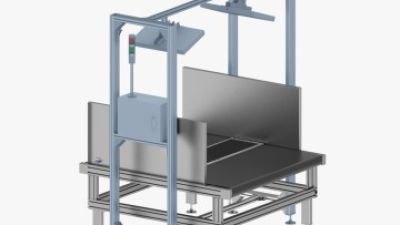
In the constantly changing world of supply chain management and Asset Tracking, the importance of theUhf Rfid Antenna can’t be overstated. By around 2026, we’re expecting the demand for these efficient antennas to really take off, as industries look for better visibility and tighter control over their operations. Companies like Impinj, Times-7, and Kathrein are leading the charge, offering some pretty innovative solutions tailored for all sorts of uses. What really makes these antennas stand out is their ability to communicate over long distances, which can seriously help businesses run things more smoothly.
Now, picking the right Uhf Rfid Antenna isn’t exactly a walk in the park. You’ve got to consider stuff like read range, how well it performs on different frequencies, and whether it can handle the environment it’s placed in. It’s super important for companies to really understand their own needs before they jump into a purchase. Getting familiar with what trusted manufacturers are offering can help make the choice a whole lot easier. And honestly, in this fast-moving industry, staying on top of the latest tech can feel pretty overwhelming. Still, the perks of investing in top-quality UHF RFID antennas are pretty clear—they make your data collection more reliable, which is a game-changer.
At the end of the day, everything boils down to capturing data accurately and consistently. As global buyers try to navigate this complex market, they need to weigh their options carefully. Each antenna has its own unique features, but not every one will fit every situation. Picking the right UHF RFID antenna means really doing your homework—learning from what’s out there and being aware of possible trade-offs along the way.
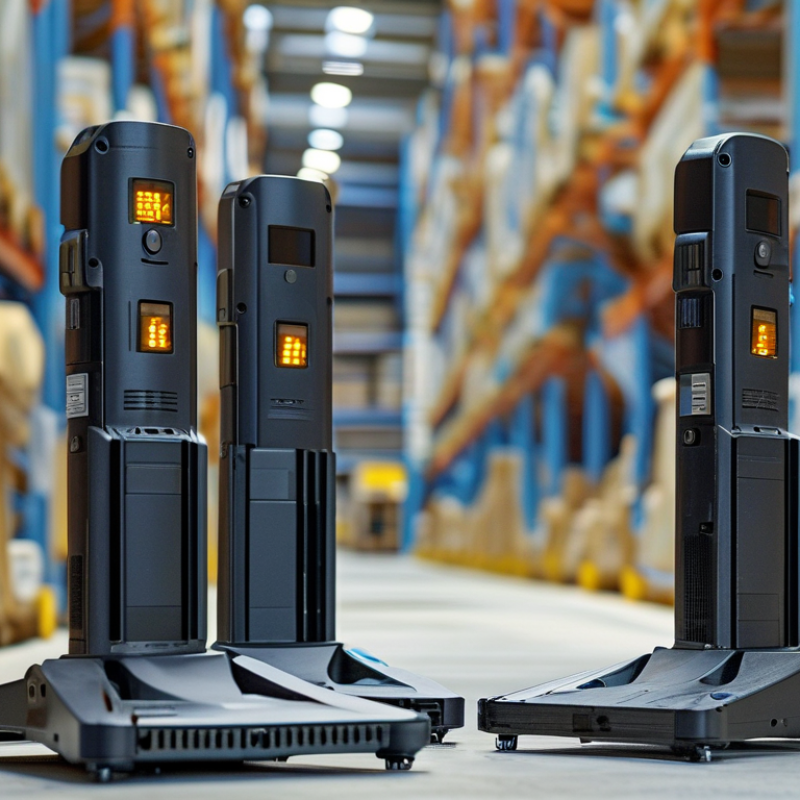
Top UHF RFID Antenna Manufacturers and Their Market Share in 2026
In 2026, the UHF RFID antenna industry continues to evolve. Understanding the market share of top manufacturers is crucial for global buyers. Many players are now focusing on enhancing their antenna designs and functionalities. This approach often leads to significant advancements in efficiency. However, it also raises questions about the long-term sustainability of these innovations.
The competitive landscape of Antenna Rfid Uhf manufacturers showcases a mix of established names and emerging players. Each company brings unique expertise, influencing their market presence. The demand for specialized antennas increases, reflecting diverse applications in supply chain, retail, and logistics. This diversity allows for a wide range of choices, but it can overwhelm buyers. They must assess their needs carefully.
Some manufacturers struggle to keep up with rapid technological changes. Others excel in adapting to consumer demands. Market share alone does not guarantee quality. Buyers must weigh reliability against innovation. Those who invest time into research will likely make informed decisions. In such a dynamic landscape, identifying the right partners can be challenging yet rewarding.
Key Features to Consider When Selecting UHF RFID Antennas
Choosing the right UHF RFID antenna is crucial for optimizing performance in various applications. Key features to consider include the gain, polarization, and the frequency range. Gain affects the read range significantly; antennas with higher gain capabilities can read tags from longer distances, which is vital in logistics and retail environments. Data from industry reports suggest that antennas with a gain of over 10 dBi can significantly boost operational efficiency.
Another essential feature is polarization. Most UHF RFID antennas use linear polarization, but circular polarization can be beneficial in certain scenarios. For instance, circular polarization allows for more reliable tag reads from various orientations. The frequency range is equally important. Selecting an antenna that operates within the 860 to 960 MHz range ensures compatibility with global standards and helps in avoiding interference issues.
It's also important to consider environmental factors. Many users overlook the impact of the installation environment on antenna performance. For example, a Uhf Rfid Reader Antenna installed in a warehouse may perform differently than one in an open retail space. Understanding the surroundings can lead to better placement decisions. Measuring effectiveness in real-world scenarios is essential. A well-rounded assessment ensures that the chosen UHF RFID antenna meets specific needs while overcoming potential challenges.
Analysis of UHF RFID Antenna Performance Metrics and Standards
UHF RFID antennas play a crucial role in supply chain efficiency and data accuracy. Performance metrics often include gain, radiation patterns, and bandwidth. Understanding these metrics helps buyers select the right antennas for specific applications. For instance, a high gain can enhance signal reach, while a broad bandwidth allows for varied applications. Knowing these aspects is vital for optimizing system performance.
Standards for UHF RFID antennas are equally important. Compliance ensures compatibility and effectiveness within global systems. Antenna design must meet certain criteria to function properly across different environments. Additionally, factors like material and mounting affect performance. Buyers should be aware that not all antennas are created equal, and testing is essential.
While many antennas boast impressive specifications, real-world performance can vary. Environmental conditions, such as interference and physical obstructions, impact effectiveness. Buyers need to consider these variables in decision-making. Testing antennas in situ can reveal critical insights into their actual performance. Experience tells us that theoretical metrics don’t always translate to practical outcomes.
Top 10 UHF RFID Antennas for Global Buyers in 2026
| Antenna Type | Frequency Range (MHz) | Gain (dBi) | Polarization | Read Range (meters) | Standard Compliance |
| Linear Polarized Antenna | 860-960 | 9 | Linear | 8 | ISO 18000-6C |
| Circular Polarized Antenna | 850-960 | 7 | Circular | 10 | ISO 18000-6B |
| Panel Antenna | 860-960 | 8 | Linear | 12 | ETSI EN 302 208 |
| Dome Antenna | 920-925 | 6 | Circular | 6 | FCC Part 15 |
| Omnidirectional Antenna | 860-960 | 5 | Omni | 5 | ISO 19000 |
| High-Gain Antenna | 850-960 | 12 | Linear | 15 | IEC 60947 |
| Embedded Antenna | 860-915 | 5 | Linear | 4 | EN 300 220 |
| Near Field Antenna | 860-960 | 3 | Circular | 2 | ISO 18000-6D |
| Long Range Antenna | 920-925 | 15 | Linear | 30 | ISO 9001 |
| Sector Antenna | 860-960 | 9 | Linear | 10 | ISO 28000 |
Emerging Trends in UHF RFID Technology for 2026
As we look toward 2026, the trends in UHF RFID technology are rapidly evolving. The global RFID market is projected to grow from $10.6 billion in 2021 to $15.4 billion by 2026, with an annual growth rate of over 7% (IDTechEx). Companies are deploying UHF RFID systems to enhance inventory management and tracking efficiency.
One emerging trend is the use of compact antennas for varying applications. Compact UHF RFID antennas can now operate effectively in dense environments. This versatility addresses the need for space-saving technology in warehouses and retail spaces. Reports indicate that installations with these smaller antennas show an improved read range and accuracy.
Furthermore, the integration of artificial intelligence with UHF RFID technology presents new opportunities. Innovators are exploring AI-driven data analytics to predict inventory needs more accurately. Yet, challenges remain. Comprehensive data management systems are required to handle the vast amounts of information collected by RFID devices. The path is not entirely clear, and businesses must adapt their strategies continuously to harness RFID's full potential.
Global Market Demand for UHF RFID Antennas by Region in 2026
The demand for UHF RFID antennas is expected to grow significantly in 2026. Reports indicate that the Asia-Pacific region, particularly China, will see the highest growth rate. This region is projected to account for nearly 40% of the global market by 2026. The rising adoption of RFID technology in retail, logistics, and healthcare is driving this surge. UHF RFID antennas are crucial for achieving efficient inventory management and asset tracking.
Market studies predict that North America will also play a vital role. In this region, industries are increasingly leveraging UHF RFID solutions for compliance and efficiency. The expected CAGR for North America is around 8% over the next few years. Each sector, from automotive to pharmaceuticals, presents unique challenges. Solutions need to be customizable to meet specific needs.
Tips: Consider regional variations when sourcing UHF RFID antennas. For instance, adaptability is crucial in the diverse market of China. Also, always evaluate the technical specifications. Not all antennas perform equally across different environments. Comparing various options helps make informed decisions. Make sure to reflect on your company’s real needs versus market trends when choosing an antenna.
Impact of IoT on UHF RFID Antenna Innovations
The Internet of Things (IoT) is driving innovation across various industries, particularly in UHF RFID antenna technology. According to a recent report by MarketsandMarkets, the RFID market is projected to grow from $11.2 billion in 2021 to $16.4 billion by 2026, largely due to the IoT's influence. UHF RFID antennas are a key component in this evolution, offering enhanced communication capabilities and improved data transfer speeds. As IoT-connected devices proliferate, the demand for efficient antennas that can handle increased signal complexity is paramount.
Innovations in UHF RFID antennas are emerging, focusing on performance and adaptability. Engineers are exploring new material compositions to improve durability and efficiency. The challenge lies in balancing cost and technological advancement. Many manufacturers are turning to OEM Uhf Rfid Antenna solutions. These strategies help companies streamline production while enhancing antenna performance. However, quality control remains a crucial concern. Ensuring every antenna meets industry standards is vital in maintaining reliability.
Another area to reflect on involves compatibility with various IoT systems. With diverse standards and protocols, creating antennas that function seamlessly across platforms is a challenge. The evolving landscape requires ongoing research and development. As the market grows, companies must prioritize adaptability. Antenna designs need to evolve with changing IoT requirements. The future of UHF RFID antennas will depend on how well they can integrate with the IoT ecosystem while addressing potential shortcomings.
Top 10 UHF RFID Antennas for Global Buyers in 2026
This chart illustrates the projected market share percentages for the top 10 UHF RFID antennas expected in 2026. The data indicates the impact of IoT on innovations within the UHF RFID antenna market, showcasing how technology developments may affect the distribution of market share among different antenna types.
Case Studies: Successful UHF RFID Implementations in Various Sectors
In the growing landscape of UHF RFID technology, numerous sectors are leveraging its potential. Retailers are improving their inventory accuracy through RFID tagging systems. Data from a recent industry report indicates that businesses adopting RFID saw a 30% reduction in inventory errors.
Healthcare is another sector witnessing RFID's transformative impact. Hospitals are using UHF RFID to track medical equipment. This real-time visibility helps minimize equipment loss and enhance patient care. A case study revealed a healthcare facility that reported a 25% increase in operational efficiency after implementing RFID solutions.
Tips: Consider the unique needs of your sector when selecting RFID solutions. Custom strategies yield better results. Regular training for staff on RFID use can further enhance efficiency.
The logistics industry is also embracing UHF RFID technology. Companies are optimizing supply chain management through improved tracking capabilities. Studies show that RFID tags can reduce shipment discrepancies by up to 40%. However, implementing such technologies requires careful planning and ongoing evaluation to maximize benefits.
Monitoring the effectiveness of RFID systems is essential. Organizations may find that not all applications yield expected results. A few case implementations have even led to temporary setbacks, underscoring the importance of thorough testing.
Enhancing Logistics Efficiency with RFID Transmission Line: Insights from Market Analysis and Future Trends
In the current logistics landscape, the integration of RFID technology has emerged as a pivotal solution for enhancing operational efficiency. The RFID transmission line simple identification tunnel machine, equipped with a high-performance and high-sensitivity RFID code reader, exemplifies the advancements in asset tracking systems. According to recent industry reports, the global RFID market is projected to reach $40 billion by 2026, driven by increasing demands for inventory management and supply chain visibility. This highlights the critical role that RFID plays in streamlining logistics processes and improving overall productivity.
Moreover, as businesses seek to optimize their operations, the capabilities of RFID systems become indispensable. With high-speed identification capabilities, these RFID solutions allow for real-time tracking and monitoring of inventory, significantly reducing downtime and human error. Market analysis indicates that companies employing RFID technology see a reduction in inventory discrepancies by as much as 30%, fundamentally transforming the way organizations manage their supply chains. By adopting innovative hardware solutions that leverage RFID technology, businesses can stay ahead in the competitive landscape, ensuring reliability and scalability in their logistics operations.
As we look toward the future, trends indicate an increasing adoption of RFID solutions across various industries. With OEM/ODM services facilitating customized integration, businesses can harness the power of RFID for various applications, from asset tracking to inventory management, ultimately driving their success in the digital age. The strategic implementation of these technologies can lead to a significant competitive edge, positioning companies to thrive in an ever-evolving marketplace.
FAQS
: Consider gain, polarization, and frequency range. These elements impact performance in various settings.
Higher gain increases read range. Antennas above 10 dBi significantly enhance efficiency in logistics and retail.
Linear polarization is common, but circular polarization improves tag reads from different orientations. It offers more reliability.
An ideal frequency range is 860 to 960 MHz. This range aligns with global standards and reduces interference.
Installation surroundings can affect how well an antenna reads tags. For example, warehouses differ from open retail spaces.
Growing adoption in retail and logistics increases demand. Regions like Asia-Pacific are seeing rapid growth by 2026.
IoT drives demand for antennas with better communication and data transfer. Adapting to complex signals is crucial.
Balancing cost and technological improvements is difficult. Quality control must remain a priority for reliability.
Reflect on real needs versus market trends. Performance varies across environments, so thorough evaluation is essential.
Adaptability to changing IoT requirements will be vital. Innovations should focus on compatibility with diverse systems.
Conclusion
The article "Top 10 UHF RFID Antennas for Global Buyers in 2026" provides a comprehensive overview of the UHF RFID antenna market, highlighting key manufacturers and their market shares projected for 2026. It delves into essential features that buyers should consider when selecting UHF RFID antennas, ensuring optimal performance for their applications. The analysis of performance metrics and standards is also crucial for understanding the capabilities of different antennas.
Emerging trends in UHF RFID technology are explored, showcasing how advancements will shape the market landscape. The regional demand for UHF RFID antennas is examined, indicating varying levels of adoption across different areas. Furthermore, the impact of IoT on innovations within UHF RFID antennas reveals exciting possibilities for integration and functionality. Finally, the article presents case studies of successful implementations across several sectors, demonstrating the practical benefits and applications of UHF RFID technology.

 Rotary HF RFID Tag Reader GRH-I40 Suitable for Assembly Lines
 Industrial-grade High-frequency Integrated Reader GRH-I65 Suitable for Asset Tracking
 With ESD Protection HF RFID Reader GRH-I68 Suitable for Progress Tracking
 Proximity HF RFID Reader GRH-M30 Suitable for Manufacturing Workshops
 Desktop HF RFID Scanner GRH-D80-HID Suitable for Card-issuing Applications
 High Frequency Medium Distance Reader GRH-I90 Suitable for Logistics Production Line
 UHF RFID Portals and Tunnel Machine RFly-AM3000 for Access Control
 Narrow RFID Portals Series TD-P20040-SS for Single Tag Entry and Exit Identification Scenario
 RFID Transmission Line Simple Identification Tunnel Machine (TD-T3050)
 Vision and RFID Tunnel Machine TD-T7692-RV for Logistics Sorting
 RFID Transmission Line Identification Tunnel Machine TD-T10090
 RFID Mobile Inventory Tunnel Machine TD-T65150 for Conveyor Belts
 High-Performance Far-Field Antennas for Broad Coverage.
 Multi-Purpose Antennas: Flexibility for Diverse Applications
 Near-Field Antennas for Short-Distance Tag Detection.
 Portals & Tunnel Antennas for Integrated RFID Series
 Slimline PCB Antennas for Warehousing and Logistics
 Miniaturized and Thin Antennas can Provide Good Performance in a Smaller Size.
 GPS Tracker for Vehicles, Car, Kids, Assets.
 CO2 Sensors Detect CO2 Gas through Alarms, Suitable for Offices, Planting Tents.
 Door Sensor, Detect Open and Closed Doors or Windows, Sends Alerts, Triggers Siren.
 Wireless Level Sensor Equipped with a 5-Meter Detection Line, Suitable for Water Tanks
 Real Time Monitoring of Air Quality Using PM2.5/PM10 Sensors.
 Smoke Sensor, Fire Alarm Smoke Detector with Test Button and Low Battery Reminder.
 Soil Stress Sensor,Bridge and Tunnel Monitors.
 Vibration Sensor Monitors Equipment, Like Conveyors and Motors, for Operational Status.
 E -Paper Display
 Smart Water Sensor Alarms, 1.2 M Detection Line.
 CO Sensor for Basements Home Office House Bedroom Living Room Car, Light Plug and Play.
 Temperature and Humidity Sensor
 Multi-sensor GD-ME
 Temperature Sensors Monitor the Surface Temperature of Various Heating Equipment.-1
 Signal Enhancement Terminal, Long Range Coverage.
 Multi-Protocol Communication Gateway, App Remote Control.
 Edge Vision Gateway can Access Various Mainstream Cameras, Suitable for Office, Factory.
 GBS-3550 Outdoor Sensor Gateway,LoRa, 2/3/4G Communication.
 Smart WiFi Gateway, Realize Remote Control.
 Ultra-Low-Power Solar-Powered Intelligent Gateway (Outdoor)
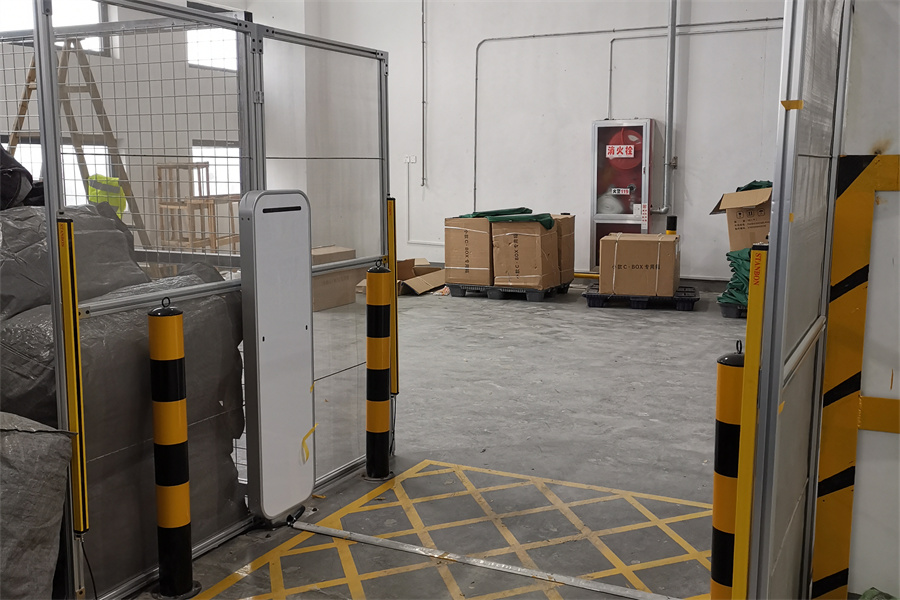 Global 3PL Streamlines High-End Fashion Inventory with MingQ RFID Tunnel Solution
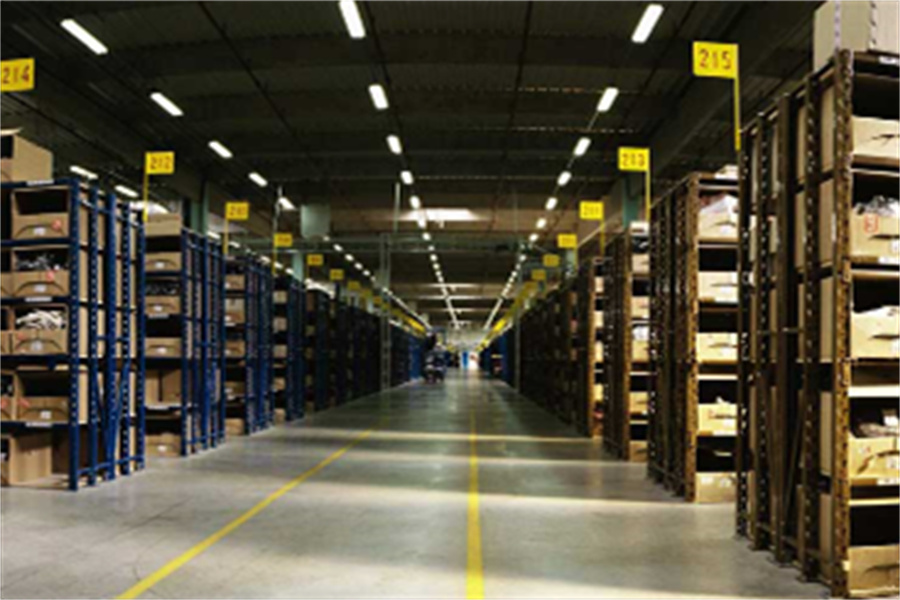 Leading E‑Commerce Platform Accelerates Flash-Sale Fulfillment and Boosts Warehouse Productivity with MingQ RFID Sorting Wall Solution
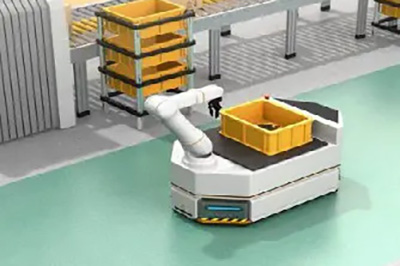 Global Automaker Elevates Component Kitting Accuracy with MingQ RFID Shelf‑Level Management Solution
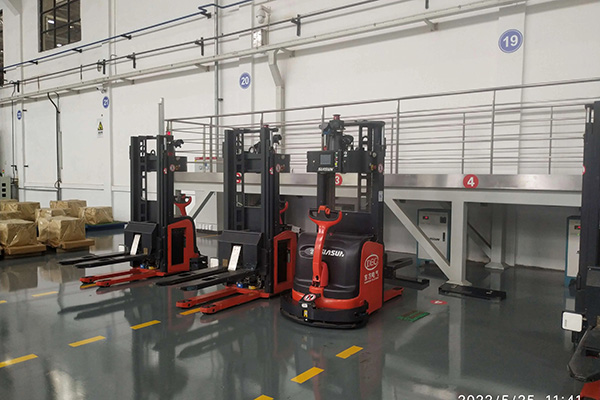 Asia’s Largest Logistics Provider Enhances Warehouse Intelligence with RFID Pallet & Container Management Solution
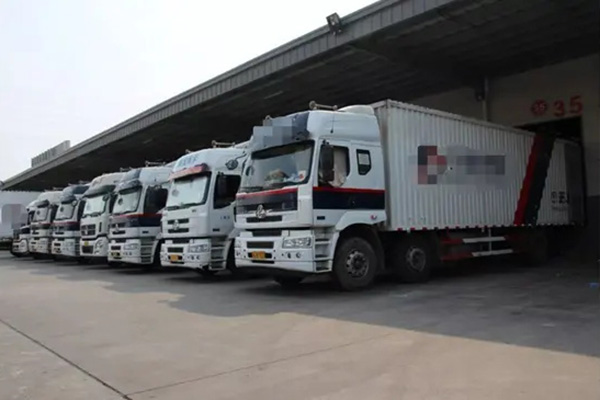 RFID Application in Platform Vehicle Management
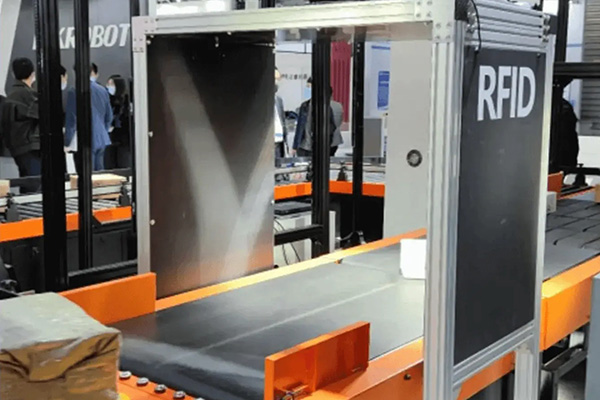 RFID Application in Logistics Sorting
 RFID Application in Supply Chain Management
 RFID Application for Workshop/Warehouse Tracking
 TP‑Link Enhances Warehouse Inbound/Outbound Efficiency with MingQ RFID Dock‑Door Solution
 RFID technology empowers port containers: a new direction for future logistics
 RFID technology in forklift tracking and container bag identification
 Real-Time Data, Secure Transportation: The Future Trends of Cold Chain Logistics
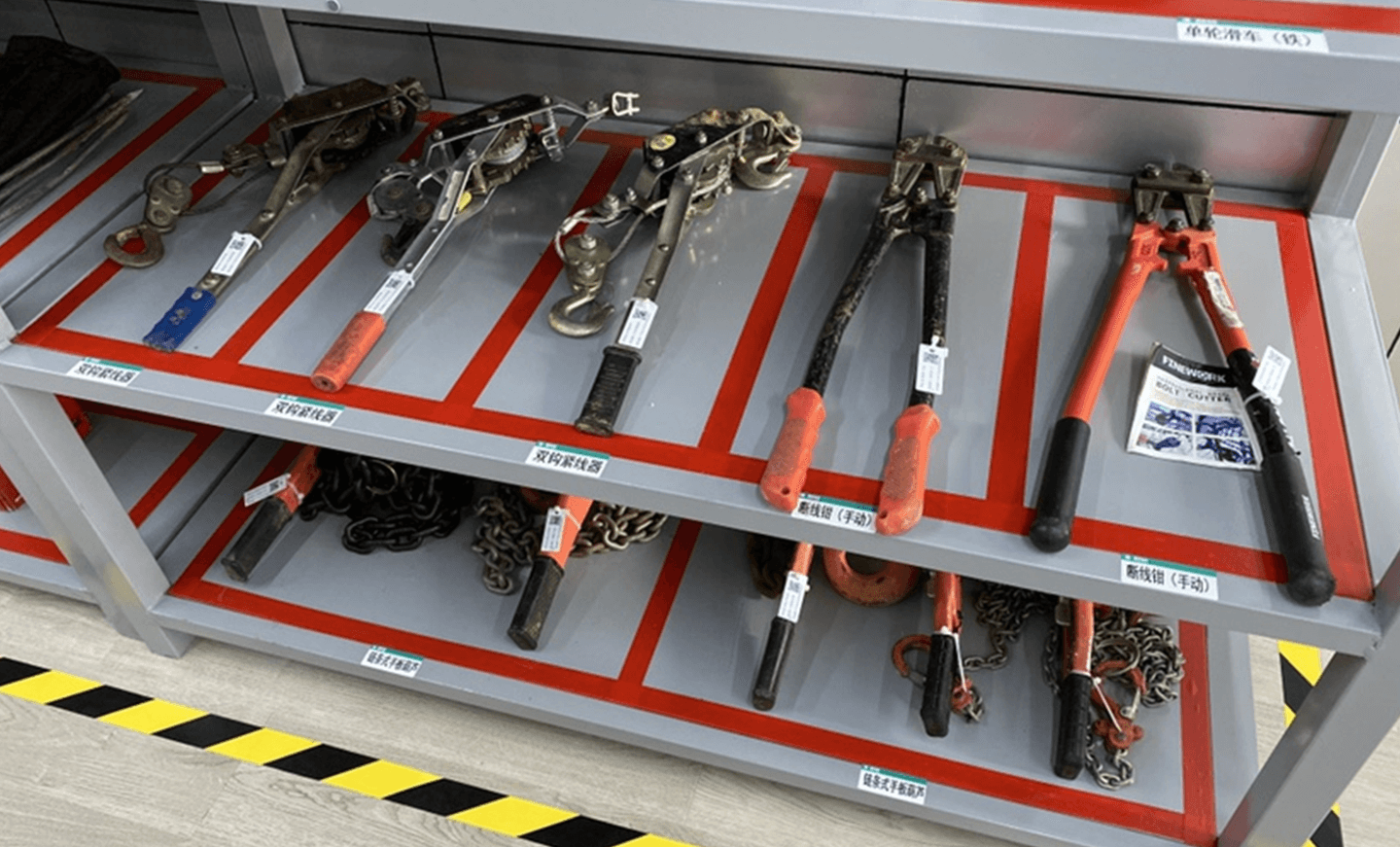 RFID Tool Management
 RFID Application in Battery Factory Production
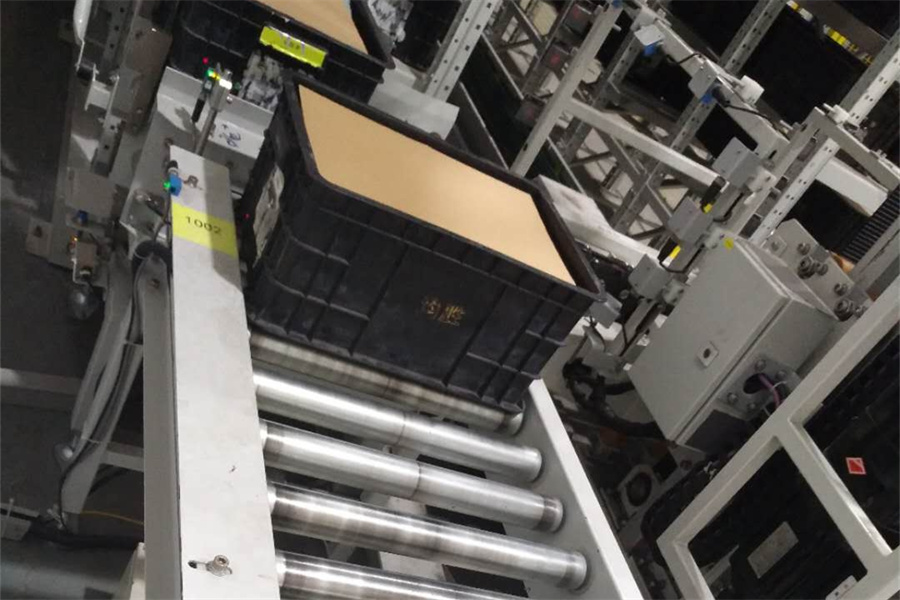 RFID Application in Production Line Rubber Box Management
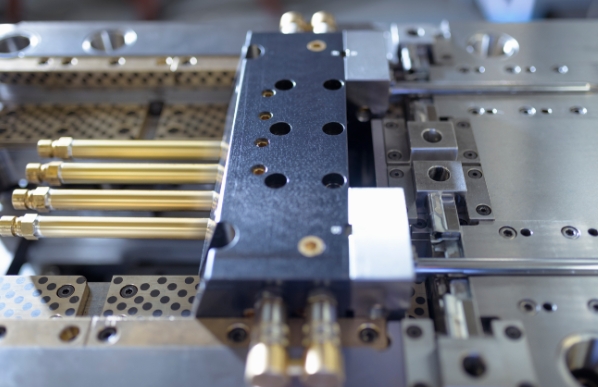 RFID Application in Mold Management on Production Lines
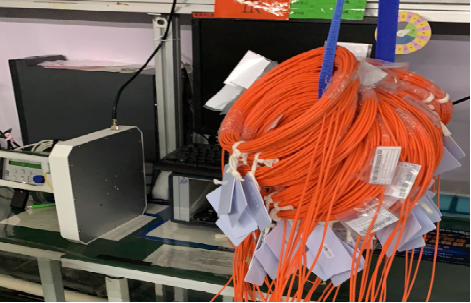 RFID Application in Fiber Optic Cable Manufacturing
 Smart Manufacturing
 The medical industry uses RFID technology to make drug tracking more accurate
 RFID technology helps beverage production and build an efficient supply chain
 RFID technology helps car seat production lines: intelligent management improves efficiency and quality
 RFID technology in the production of electronic appliances monitoring and tracing application
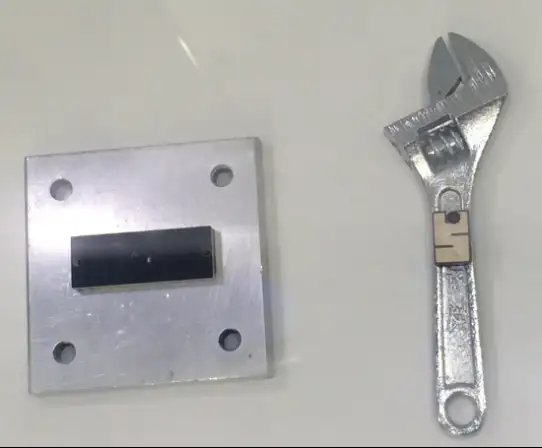 Use RFID technology to improve appliance management efficiency and security
 RFID technology helps precise installation of headrests
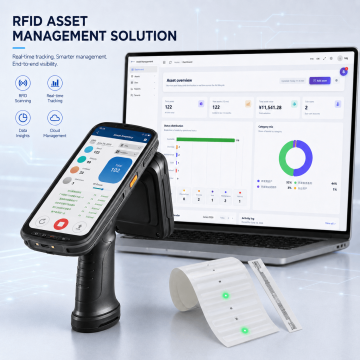 RFID Asset Management Kit
 IP67-protected Integrated RFID Reader Writer RFly-I165 for Supply Chain
 Long-range Distance UHF RFID Reader RFly-I195 for Inventory Management
 Small UHF RFID Tag Reader RFly-I300 for Cars
 Two-channel Compact Fixed RFID Reader RFly-F210 for Warehousing
 Four Channels Fixed UHF RFID Reader RFly-R6 for Supply Chain
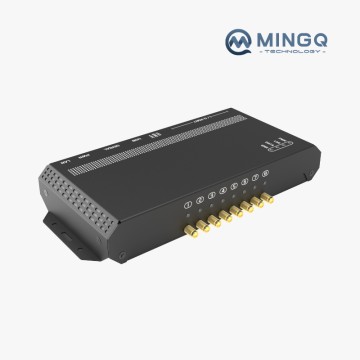 8-channel UHF RFID Tag Reader RFLY-MR8 for File Cabinet Identification-1
 Bluetooth Portable RFID Reader and Writer GRU-HBT100 for Inventory Management
 Industrial Grade Handheld UHF RFID Reader GRU-HC520 Suitable for Logistics
 RFID Tags for Container Turnover Management
 RFID Tags for Equipment O&M Management
 RFID Tags for Manufacturing Management
 RFID Tags for Tool Management
 A Kits for Equipment Condition Detection
 A Kits for Office Computer Room Environment Monitoring
 A Kits for Reservoir Environmental Monitoring
 A Kits for Storage Space Environment Monitoring
 A Kits for Stress Detection of Underground Tunnel
 A Kits for Urban Environment Monitoring
 Intelligent IoT Monitoring Platform