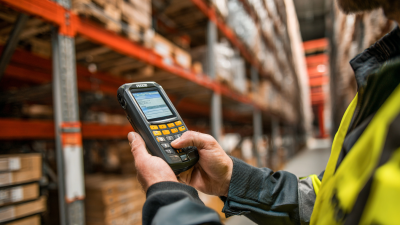
RFID Application in Inbound/Outbound Management
RFID Application in Warehouse Management
RFID Application in AGV Material Transport Management
RFID Application in Forklift Cargo Identification
RFID Application in Platform Vehicle Management
RFID Application in Logistics Sorting
RFID Application in Supply Chain Management
RFID Application for Workshop/Warehouse Tracking
Smart Warehouse Monitoring and Management
RFID technology empowers port containers: a new direction for future logistics
RFID technology in forklift tracking and container bag identification
Real-Time Data, Secure Transportation: The Future Trends of Cold Chain Logistics
RFID Tool Management
RFID Application in Battery Factory Production
RFID Application in Production Line Rubber Box Management
RFID Application in Mold Management on Production Lines
RFID Application in Fiber Optic Cable Manufacturing
Smart Manufacturing
The medical industry uses RFID technology to make drug tracking more accurate
RFID technology helps beverage production and build an efficient supply chain
RFID technology helps car seat production lines: intelligent management improves efficiency and quality
RFID technology in the production of electronic appliances monitoring and tracing application
Use RFID technology to improve appliance management efficiency and security
RFID technology helps precise installation of headrests
So, in the crazy world of retail tech today, everyone’s talking about how important a reliable Integrated UHF RFID Readeris becoming. Industry folks stress that picking the right design is kinda crucial if you wanna get things running smoothly. I mean, John Smith over at TechSolutions, who’s a pretty big name in RFID consulting, once said, "Choosing the right reader design makes all the difference in managing inventory efficiently and cutting down operational costs." Pretty straightforward, right?
For wholesale buyers, it’s not just about grabbing whatever’s cheap or easiest. You really gotta think carefully about how you’re gonna design these Uhf Rfid Readers. The choices you make along the way can seriously affect how well the whole system performs. It’s all about paying attention to the little things—like really thinking through antenna options or how everything’s gonna work with your existing software. If you skimp here, you end up with bad data, which just slows everything down at the worst times.
Now, on the trend front, more companies are looking for greener, more sustainable options. But, let’s be honest, there are still some hurdles to jump. One thing a lot of manufacturers don’t realize right away? How tricky it can be to perfectly merge hardware and software that just work seamlessly together. And don’t forget, balancing quality with cost? It’s tough—that never gets any easier. When you really take the time to understand these things, you’re better equipped to make smarter choices that’ll benefit your business down the line. It’s all about making those informed decisions, even if they seem a little daunting at first.
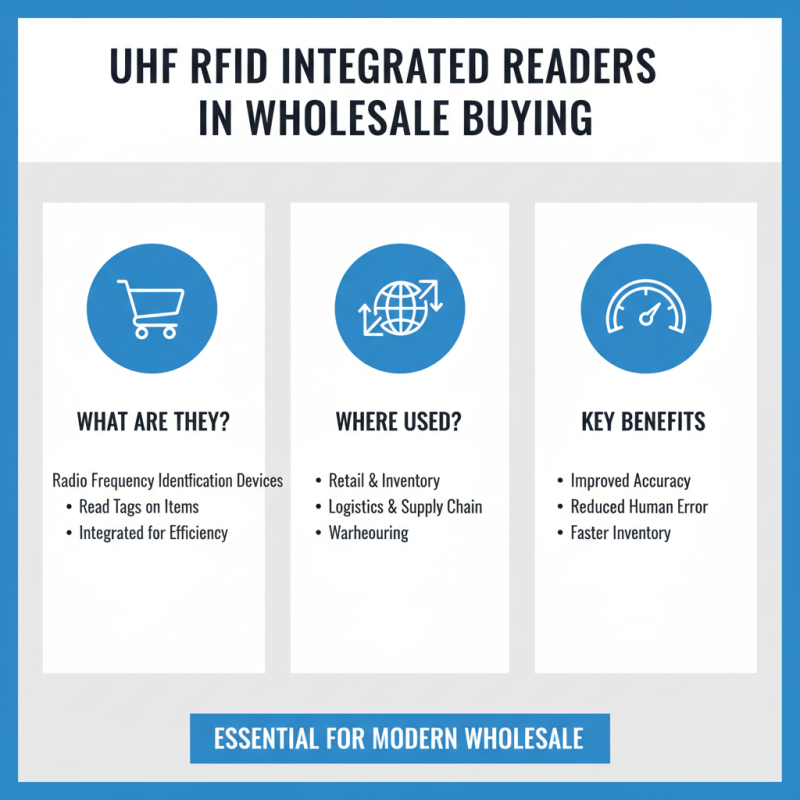
Understanding UHF RFID integrated readers is vital for wholesale buyers. These devices are essential in various industries, including retail, logistics, and supply chain management. They use radio frequencies to identify and track tags attached to items. This technology enhances inventory management and reduces human error.
When selecting a UHF RFID integrated reader, consider its range and sensitivity. A reader with a longer read range is often more efficient. However, it's important to balance this with the potential for interference in crowded environments. Testing different models can reveal how they perform under real-world conditions.
Another aspect is the ease of integration. A reader that easily connects to existing systems saves time and resources. It's essential to think about the software ecosystem. Sometimes, systems may not communicate well, causing delays. Keeping an eye on future upgrades and support is also crucial, as technology constantly evolves. Buying wholesale can save costs, but it's necessary to ensure the products meet specific operational needs.
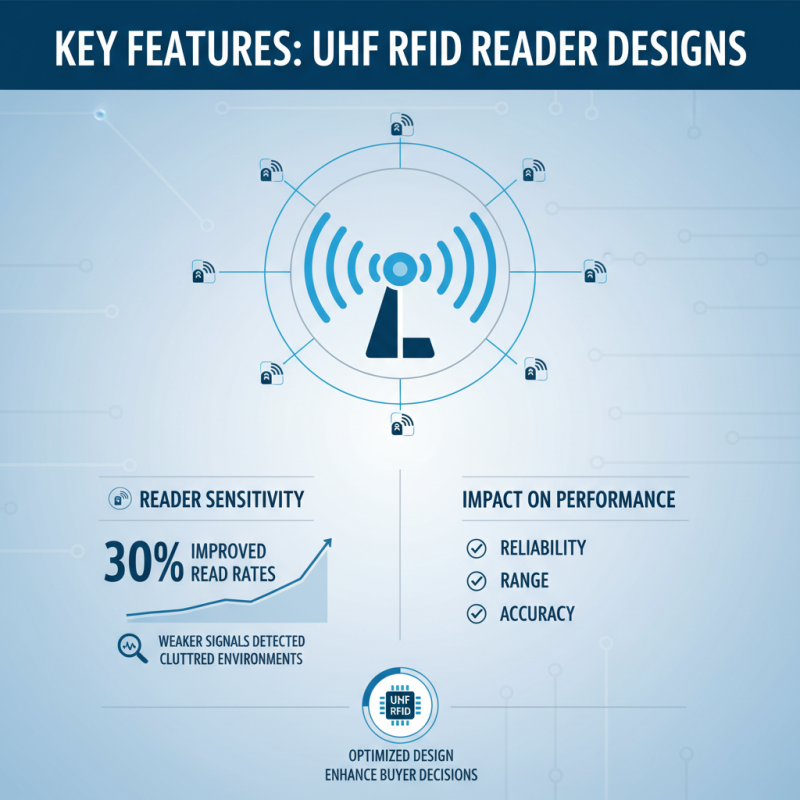
When designing UHF RFID integrated readers, several key features shape their effectiveness. Understanding these features can significantly enhance buyer decision-making. A central aspect is the reader's sensitivity. According to industry studies, reader sensitivity affects tag read rates by up to 30%. This sensitivity determines how well the reader can detect weaker signals, especially in cluttered environments.
Another essential feature is the reading range. Many systems can achieve distances of 10 meters or more, depending on tag type and power output. However, design imperfections can hinder performance. Real-world scenarios often reveal a gap between advertised ranges and actual performance, necessitating comprehensive testing in varied conditions.
Power consumption is also critical. Efficient designs can extend battery life significantly, offering operational advantages. It's important to acknowledge that while higher power often translates to better range, it could lead to overheating issues. Balancing performance with sustainability is vital in UHF RFID designs. Reports suggest that companies with optimized power management can reduce operational costs by up to 20%.
When considering wholesale purchases of Uhf Rfid Integrated Readers, evaluating cost-effectiveness is crucial. Buyers must assess the total cost of ownership. This includes the initial price, installation, and maintenance expenses. Aim for products that balance affordability with quality. Remember, the cheapest option isn't always the best choice.
One tip is to forecast your needs. Understand the scale of your operations to choose the right reader. If you underestimate your requirements, you might face costly upgrades later. Another tip is to investigate suppliers thoroughly. Reliable vendors often provide support that reduces hidden costs.
Additionally, analyze warranty and support policies. A strong warranty can save you money over time. Investing in quality often leads to fewer failures and decreased downtime. Thoroughly researching suppliers can lead to a better overall investment in UHF RFID integrated readers. Mistakes in this area can be costly. It's better to spend time upfront than to deal with issues later.
Building solid relationships with UHF RFID suppliers is crucial for achieving favorable deals. Establishing trust can lead to better pricing, exclusive offers, and priority service. Reach out frequently to open channels of communication. Regular updates on industry trends can also help demonstrate your commitment. This engagement fosters a partnership that benefits both parties.
When you decide to Buy Uhf Rfid Integrated Reader devices, don’t just focus on cost. Consider the value each supplier brings. A lower price might not always mean a better deal. Evaluate their support services and product quality. Look for feedback from other customers. This will give you insights into their reliability. Remember, a partner who invests in your success can provide greater long-term savings.
Effective negotiation is vital. Approach discussions with an open mind and clear goals. Be willing to listen to their propositions. Sometimes, sharing your needs can lead to unexpected solutions. Understand that suppliers have costs too. A little flexibility on both ends can pave the way for a win-win outcome. Maintaining a positive relationship will often lead to better deals down the line.
In the realm of UHF RFID integrated readers, testing and quality assurance are paramount. These readers must perform reliably in various conditions. Industry reports indicate that nearly 30% of RFID implementations fail due to inadequate testing. This highlights the need for rigorous quality measures. When sourcing from Integrated Uhf Rfid Reader Suppliers, ensure they adhere to established testing protocols.
Quality assurance should start early in the design process. Incorporate comprehensive testing methodologies during development. Regular assessments, like environmental stress tests, ensure durability against extreme temperatures or humidity. Keeping a keen eye on product durability can prevent future issues. A survey revealed that 45% of companies reported improved performance by focusing on early testing stages.
Tip: Engage third-party testing services to validate product quality. Independent assessments can provide an unbiased view. Consistent feedback loops during testing help identify flaws early on. Knowing potential pitfalls in design can enhance overall product effectiveness. As the market evolves, staying updated on standards is critical. Innovating around these principles can position your offerings competitively. Testing isn’t just a final step; it is an ongoing process that shapes the future of RFID technology.
Navigating compliance and standards in RFID technology can be challenging. Various regulations govern the use and deployment of UHF RFID systems. Understanding these regulations helps in designing a reliable and compliant Integrated UHF RFID Reader. Compliance issues can lead to costly delays and complications. Therefore, a thorough review of local and international standards is essential. This includes electromagnetic compatibility, safety requirements, and environmental considerations.
Experts suggest regularly consulting with your Integrated Uhf Rfid Reader Factory for the latest compliance updates. Staying informed ensures that your designs align with evolving regulations. Additionally, establishing a checklist for necessary certifications can streamline the development process. Engaging with industry groups can also provide insights into best practices and potential pitfalls.
However, the complexity of compliance can sometimes feel overwhelming. It’s important to recognize that mistakes can happen. Learning from these experiences can strengthen future projects. Balancing innovation with compliance should remain a key focus. By maintaining high standards, businesses can enhance the credibility of their RFID solutions.
The landscape of UHF RFID reader design is evolving rapidly. Wholesale buyers must stay updated on these trends to make informed decisions. According to a report by Mordor Intelligence, the UHF RFID market is expected to grow at a CAGR of 10% from 2022 to 2027. This growth is driven by innovations in reader design and technology integration.
One key trend is the integration of advanced connectivity features such as Bluetooth and Wi-Fi. These enhancements allow seamless data transfer, improving system interoperability. However, not all devices are built equally. Buyers should be cautious about compatibility with existing systems. Some readers may not support multiple protocols, limiting their functionality.
Another significant shift is the incorporation of edge computing capabilities. By processing data locally, RFID readers can reduce latency and improve response times. A study by ResearchAndMarkets indicates that edge computing can lower operational costs by 30%. This makes it attractive for wholesale buyers. However, implementing this technology may require an initial investment in infrastructure. Balancing cost and performance will be crucial for decision-making.
: Evaluate the total cost of ownership, including price, installation, and maintenance.
Understand your operation's scale to select the right reader. Avoid underestimating requirements.
Reliable suppliers provide support that minimizes hidden expenses and ensures better investments.
A strong warranty can save money in the long run by reducing potential repair costs.
Local and international regulations include electromagnetic compatibility, safety, and environmental factors.
Regularly consult with experts and maintain an updated checklist of necessary certifications.
Overlooking regulations can lead to costly delays. A thorough review is crucial.
They offer insights into best practices and help identify potential pitfalls.
Ignoring compliance can harm credibility and lead to project failures. It’s essential to learn from mistakes.
Focus on balancing creative solutions with adherence to established standards for credibility.
In the realm of wholesale buying, understanding UHF RFID integrated readers is crucial for making informed decisions. Key features to prioritize include read range, compatibility with existing systems, and user interface design. Evaluating cost-effectiveness is essential; buyers should consider both upfront costs and long-term savings. Building strong relationships with suppliers can lead to better deals and improved support, while rigorous testing and quality assurance processes ensure that the products meet operational needs.
Furthermore, navigating compliance and standards is critical in the evolving landscape of RFID technology. As the future trends in UHF RFID reader design emerge, wholesale buyers must stay informed about advancements that can enhance their supply chain efficiency. By combining these elements, businesses can optimize their wholesale purchasing strategies for UHF RFID integrated readers, ensuring they remain competitive and compliant in their respective markets.