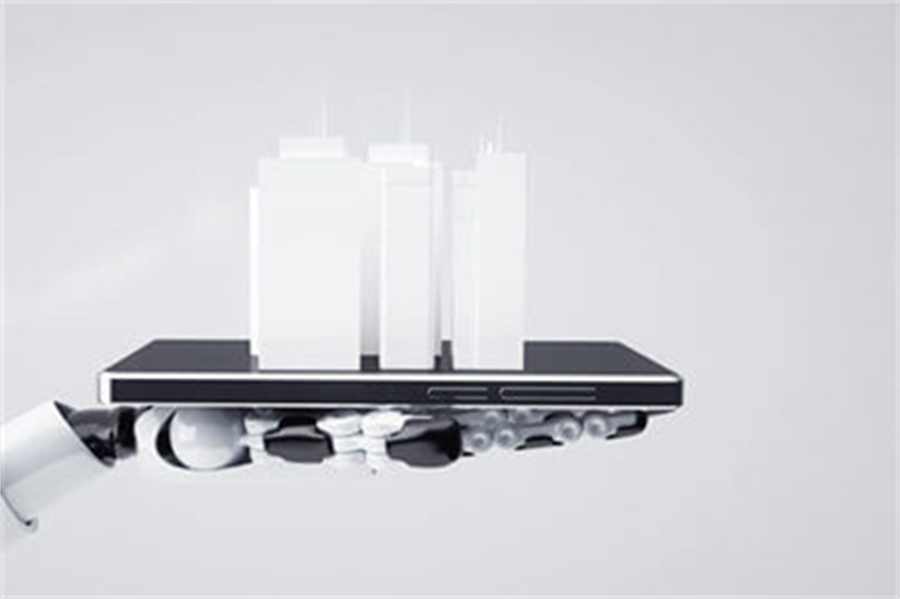
Global 3PL Streamlines High-End Fashion Inventory with MingQ RFID Tunnel Solution
Leading E‑Commerce Platform Accelerates Flash-Sale Fulfillment and Boosts Warehouse Productivity with MingQ RFID Sorting Wall Solution
Global Automaker Elevates Component Kitting Accuracy with MingQ RFID Shelf‑Level Management Solution
Asia’s Largest Logistics Provider Enhances Warehouse Intelligence with RFID Pallet & Container Management Solution
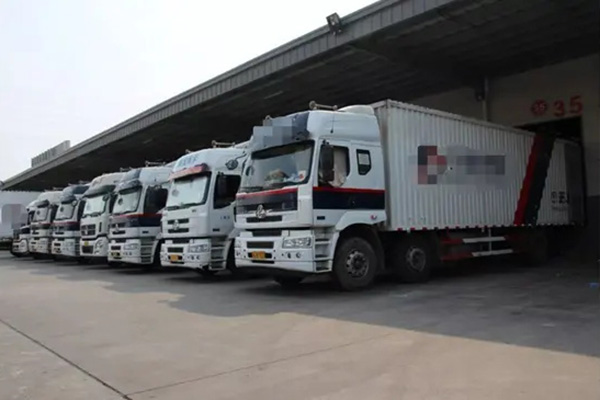
RFID Application in Platform Vehicle Management
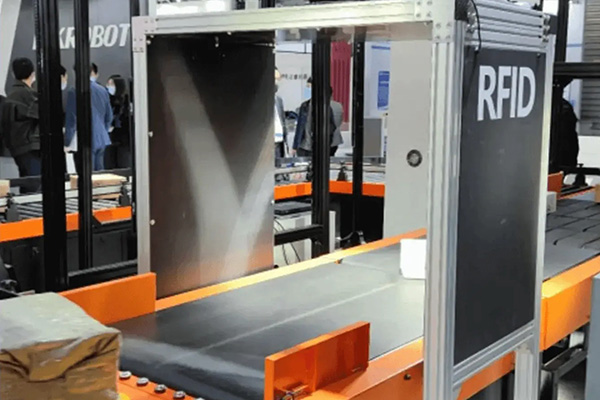
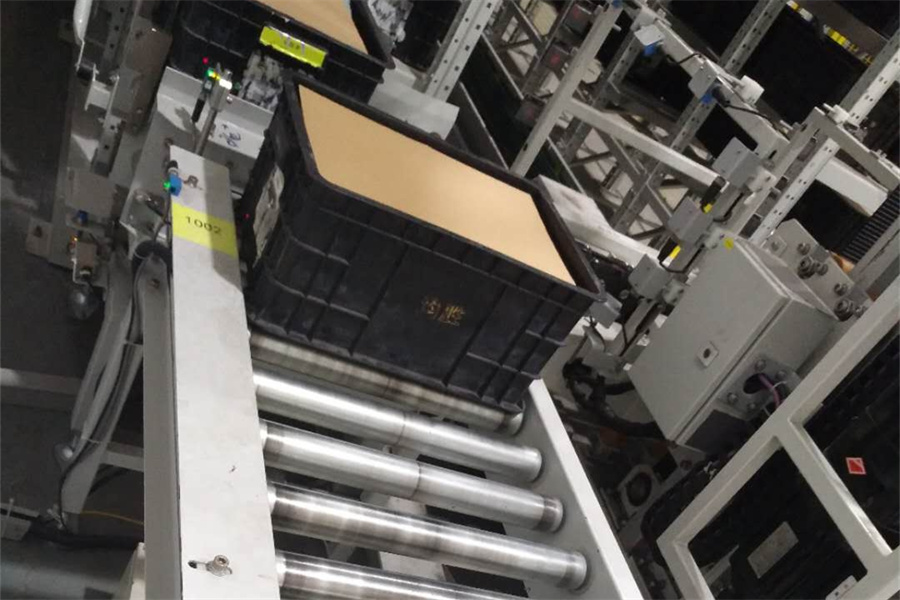
RFID Application in Logistics Sorting
RFID Application in Supply Chain Management
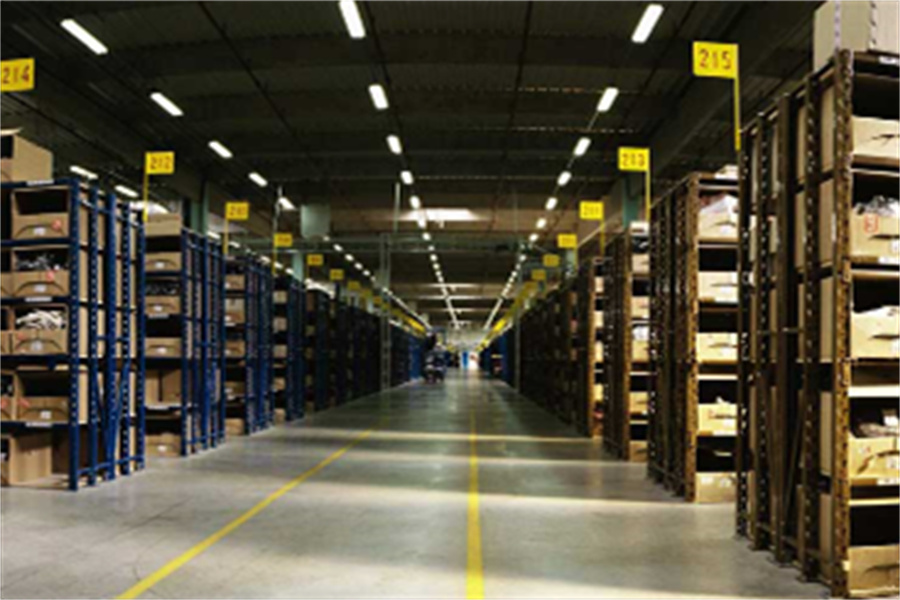
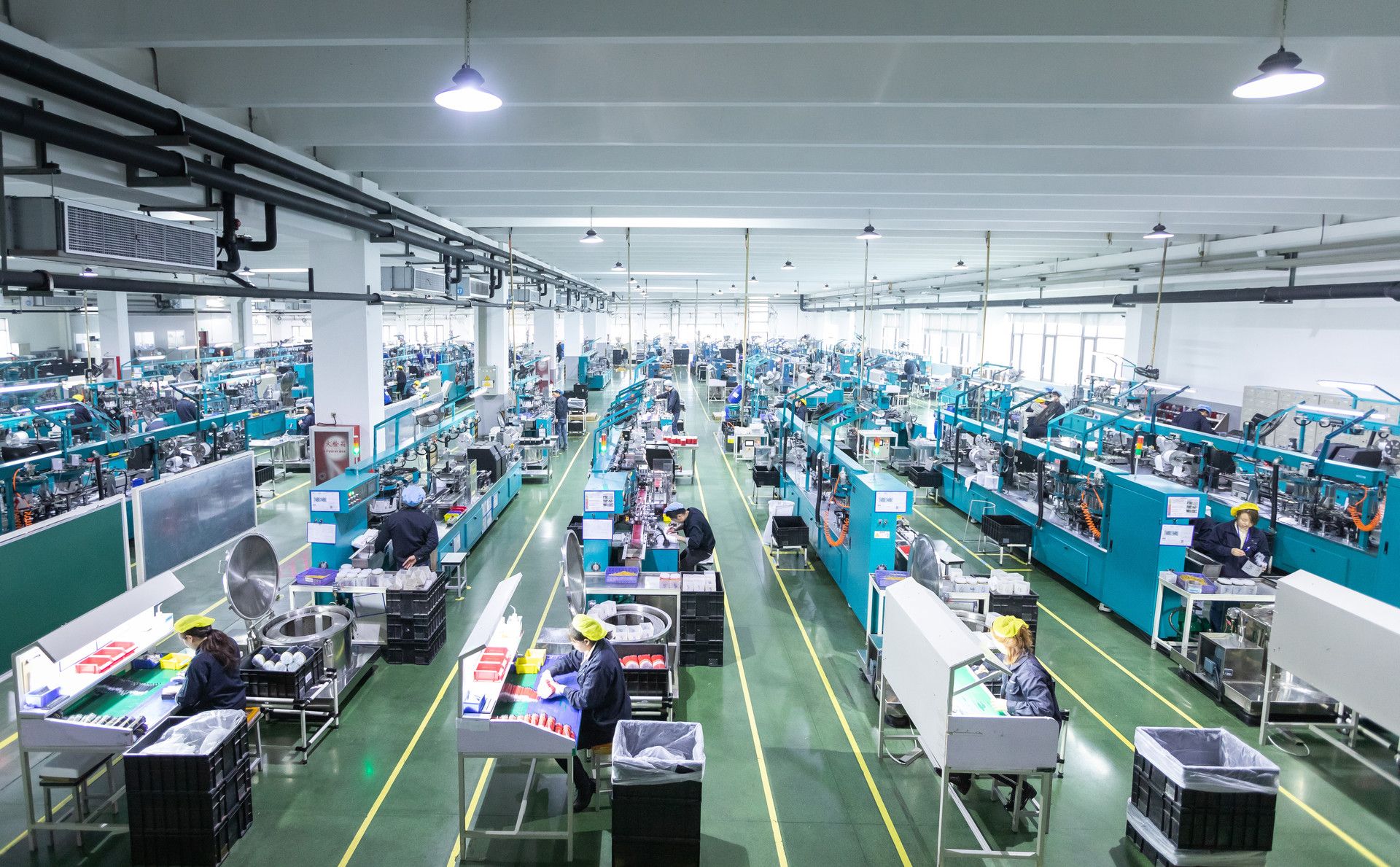
RFID Application for Workshop/Warehouse Tracking
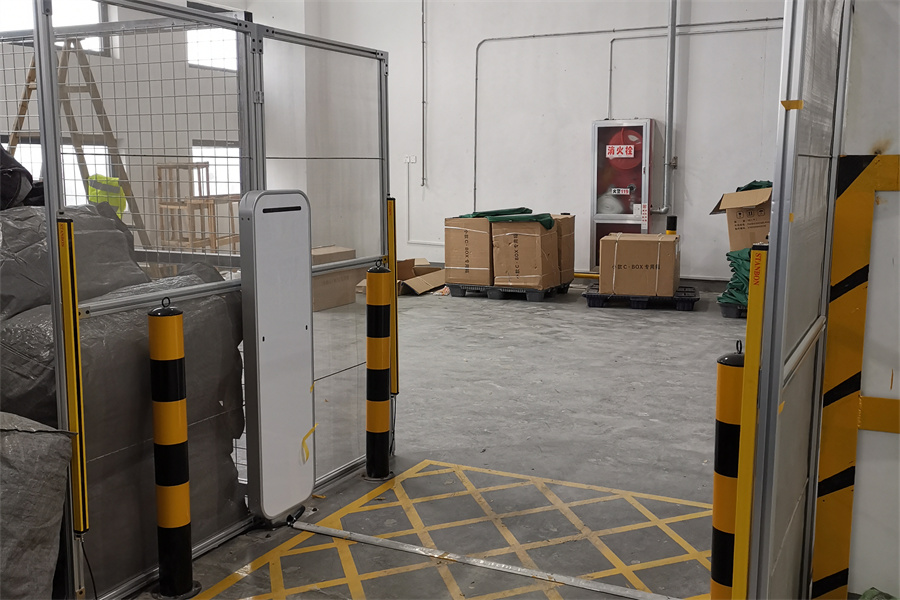
TP‑Link Enhances Warehouse Inbound/Outbound Efficiency with MingQ RFID Dock‑Door Solution
RFID technology empowers port containers: a new direction for future logistics
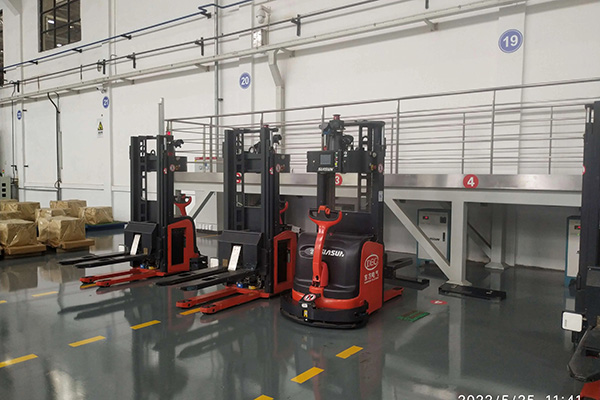
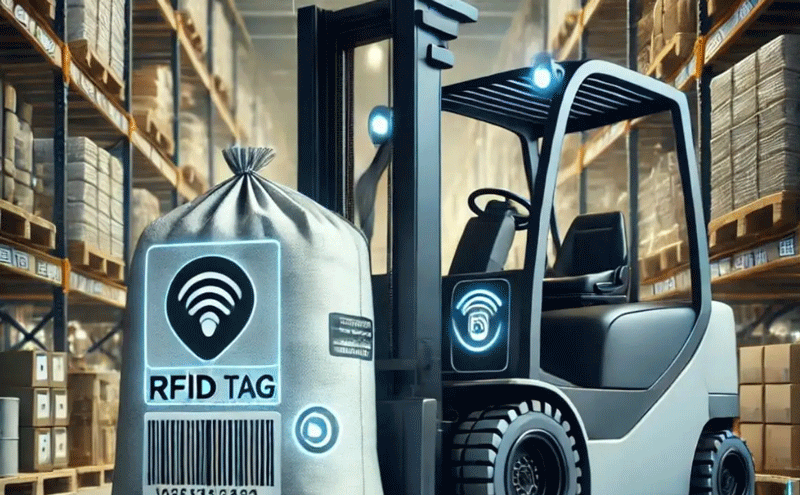
RFID technology in forklift tracking and container bag identification
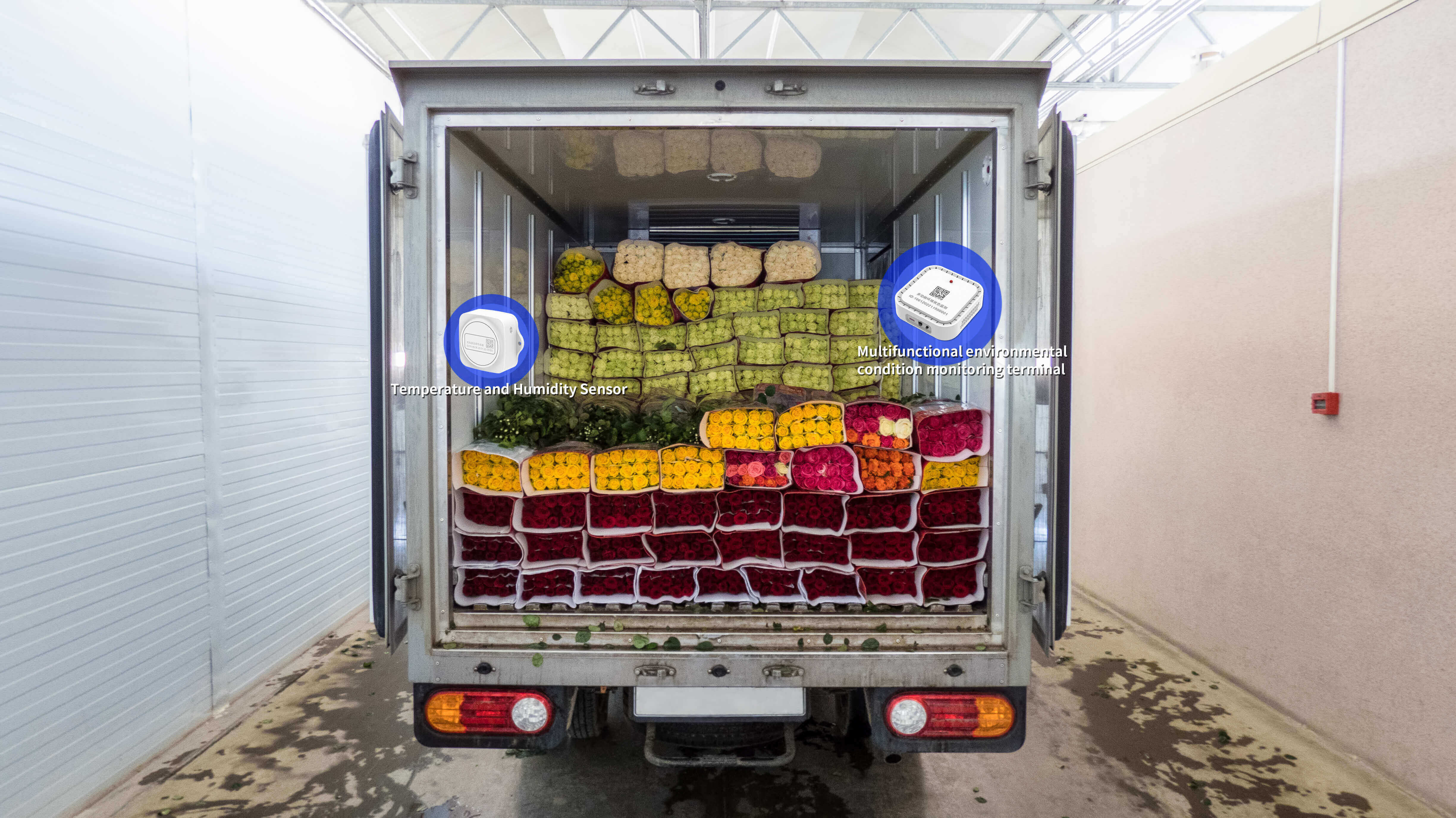
Real-Time Data, Secure Transportation: The Future Trends of Cold Chain Logistics
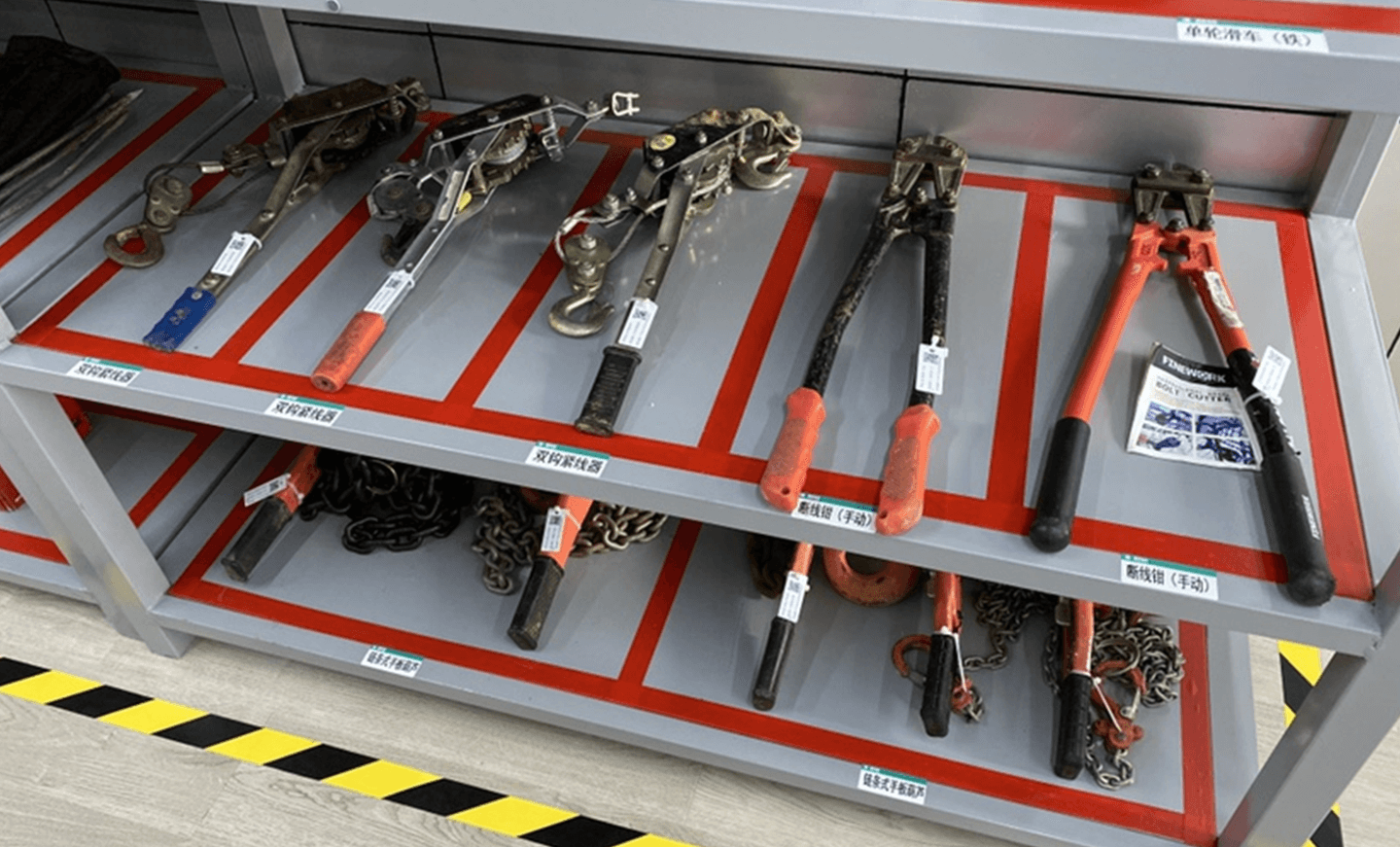
RFID Tool Management
RFID Application in Battery Factory Production
RFID Application in Production Line Rubber Box Management
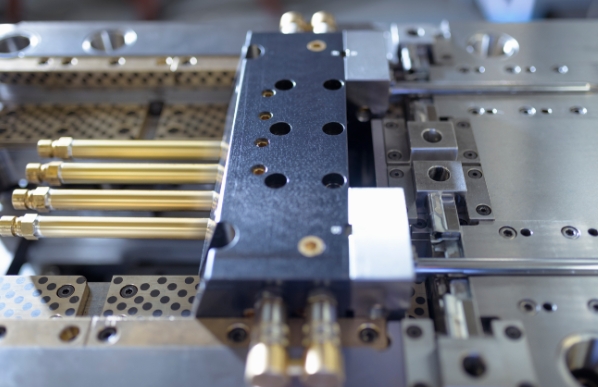
RFID Application in Mold Management on Production Lines
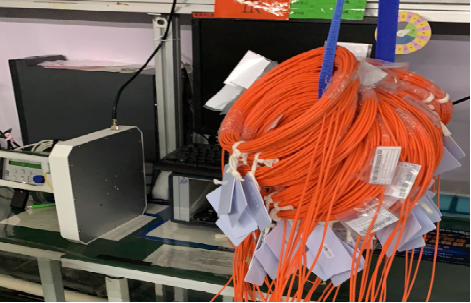
RFID Application in Fiber Optic Cable Manufacturing
Smart Manufacturing
The medical industry uses RFID technology to make drug tracking more accurate
RFID technology helps beverage production and build an efficient supply chain
RFID technology helps car seat production lines: intelligent management improves efficiency and quality
RFID technology in the production of electronic appliances monitoring and tracing application
Use RFID technology to improve appliance management efficiency and security
RFID technology helps precise installation of headrests
Clean‑Energy Equipment Manufacturer Enhances Material Traceability with MingQ RFID Pallet Management Solution
You know, the demand for RFID tech is really taking off worldwide. I came across a report from Grand View Research that says the RFID market could hit around $40 billion by 2027. Crazy, right? This growth really shows just how essential RFID Readers and Writers have become across different industries. They’re pretty much the backbone for smooth data handling, inventory management, and making operations way more efficient.
John Smith, an industry pro over at Tech Innovations, really stresses how crucial it is to go for quality when choosing Rfid Solutions. He mentioned, “Going for top-notch RFID readers and writers can seriously boost how well things run.” With so many options out there, it’s kinda tricky to pick the right one — you wanna be sure you’re making an informed choice.
Picking the right Rfid Reader And Writer isn’t just about grabbing whatever’s available. You need to think carefully about what each product offers because they all come with their own pros and cons. Make sure you understand what your specific needs are before buying. Take a look at the features, compatibility, and support from the manufacturer. Getting the right gear can really make a difference in your overall productivity, so reliability matters quite a bit if you’re in it for the long haul.
RFID, or Radio Frequency Identification, is a technology that uses electromagnetic fields to automatically identify and track tags attached to objects. These tags contain electronically stored information. This system can drastically improve inventory management and Asset Tracking. Companies can reduce errors and streamline operations. However, challenges exist in integration and cost.
Applications of RFID span various industries. Retailers use it for inventory tracking. Hospitals employ RFID for patient monitoring and asset management. Even agriculture benefits from RFID in tracking livestock. While the technology enables efficiency, issues like privacy concerns arise. Some customers worry about data security and unauthorized tracking.
Successful RFID implementation requires careful planning. Organizations must evaluate their specific needs and consider infrastructure costs. The balance between technology and user privacy is crucial. As businesses adopt RFID, ongoing assessment of the system's effectiveness is essential. The journey toward seamless integration is filled with learning opportunities.
When choosing RFID readers and writers, several key features are essential. The reading range plays a significant role in the effectiveness of the device. Some applications require long-range capabilities, while others function well within close distances. Evaluating the range based on your specific needs can save you time and resources.
Another vital feature is the compatibility of the reader or writer with tag types. Different tags have unique frequencies and protocols. Ensure that the selected device can handle multiple formats to maximize usability.
**Tip:** Always verify the tag compatibility to avoid purchasing the wrong device.
Speed is also crucial. Some environments demand quick reading and writing processes, especially in inventory management. A fast reader minimizes downtime, allowing for smoother operations. Choose a model that meets your speed requirements according to your environment.
**Tip:** Consider your workflow. A slower device can hinder efficiency.
Finally, consider user-friendliness. A complex interface can lead to errors during operation. Look for a device that features intuitive controls and clear displays. Ease of use matters, particularly for operators with varying skill levels. Factors such as power options and mobility should also be part of your decision-making process.
The global market for RFID technology is expanding rapidly, with the RFID reader and writer segment gaining significant traction. Recent reports indicate that the market size is expected to reach over $10 billion by 2026. This growth can be attributed to the rising adoption of RFID systems in industries such as retail, logistics, and healthcare. Companies are increasingly investing in these technologies to enhance tracking efficiencies.
Leading manufacturers focus on providing versatile Rfid Tag Reader And Writer options that cater to various applications. For example, the use of handheld and mobile devices allows for real-time inventory management. The flexibility of these systems is crucial for businesses aiming to streamline operations. However, not all options deliver the same level of performance. Some users report challenges in reading tags in high-density environments.
Market research also highlights that firmware and software compatibility are vital factors in the selection process. Users often find it challenging to integrate new readers with existing software solutions. This inconsistency can lead to inefficiencies and increased operational costs. Thorough evaluation and understanding of brand offerings are essential to mitigate these concerns.
When considering RFID readers and writers, performance metrics and cost are critical factors for global buyers. Many products vary widely in both effectiveness and pricing. A device's read and write speed can influence overall productivity. Some models perform exceptionally in dense environments, while others struggle with multiple tags. Buyers should evaluate how well a device meets specific needs.
The cost of RFID devices often correlates with performance capabilities. Higher prices may justify faster read rates and longer range. Yet, more affordable options can still provide adequate functionality for basic tasks. For example, while a basic reader might excel in a small retail environment, a robust system is essential for larger warehouses. In markets like China, RFID readers and writers are not just about features; they also reflect the growing trend in automation and efficiency.
It's important to assess not only the listed features but also real-world applications. Customer reviews often highlight unexpected performance issues. Some users find that their high-end devices do not always outperform budget models in practical scenarios. Careful analysis of both features and cost can empower buyers to make informed decisions. Ultimately, understanding each RFID product’s strengths and limitations is essential for optimal investment.
| Option | Reading Range (meters) | Writing Speed (ms) | Supported Frequency (MHz) | Estimated Cost (USD) |
|---|---|---|---|---|
| Option 1 | 3 - 10 | 100 | 860 - 960 | 150 |
| Option 2 | 5 - 15 | 200 | 920 - 928 | 250 |
| Option 3 | 2 - 8 | 150 | 865 - 867 | 180 |
| Option 4 | 4 - 12 | 120 | 868 - 870 | 200 |
| Option 5 | 6 - 18 | 250 | 902 - 928 | 300 |
| Option 6 | 3 - 9 | 90 | 915 - 920 | 160 |
| Option 7 | 5 - 11 | 180 | 860 - 960 | 220 |
| Option 8 | 4 - 10 | 110 | 917 - 927 | 175 |
| Option 9 | 2 - 5 | 130 | 860 - 868 | 140 |
| Option 10 | 3 - 7 | 160 | 920 - 924 | 210 |
When exploring the realm of RFID technology, feedback from global buyers provides invaluable insights. Many users emphasize the importance of ease of use. The best devices are often those that are intuitive. A user in Europe noted, "I needed a reader that didn't require a manual." Such simplicity can significantly enhance operational efficiency.
Customization options also hold weight. Buyers appreciate OEM Rfid Reader And Writer solutions that can adapt to diverse applications. A buyer from Asia mentioned, “Customization was key for us.” This flexibility allows businesses to optimize their inventory or access control systems. However, some users express frustration about compatibility issues with older systems. This aspect often warrants deeper investigation before making a purchase.
Durability and reliability are essential factors too. Users noted the significance of sturdy hardware, especially in demanding environments. A North American buyer shared, "Our first unit broke down too quickly." This emphasizes the need for reliable products. Overall, the collective experiences of global buyers highlight that investing in quality and functionality pays off significantly in the long term.
The future of RFID reader and writer technology is rapidly evolving. Innovations are making these devices cheaper, faster, and more efficient. Enhanced data processing capabilities are emerging, allowing for real-time tracking and management of assets. Businesses are increasingly interested in Wholesale Rfid Reader And Writer options. They offer scalability and adaptability to meet diverse needs.
Integration with the Internet of Things (IoT) is another key trend. RFID technology is now bridging the gap between physical items and digital data. This creates more seamless interactions within supply chains and inventory management. However, challenges persist. Security concerns over data privacy and unauthorized access remain. Stakeholders need to address these vulnerabilities with robust solutions.
The rise of AI and machine learning will further transform RFID technology. These advancements facilitate better analytics and predictive capabilities. Users can anticipate inventory shortages or overloads. Companies must consider the balance between automation and human oversight. Ultimately, the goal is to optimize operations while maintaining control over the technology. As widespread adoption continues, monitoring evolving trends will be essential for sustained success in this field.
Maintaining and troubleshooting RFID devices can be a complex task. Regular checks are essential to ensure optimal performance. Begin with routine inspections of hardware connections. Loose cables may cause significant interruptions. Paying attention to the power supply is also critical. An inconsistent power source can hinder device functionality.
Tips for maintenance: Clean the reader and writer periodically. Dust can accumulate and affect the device's efficiency. Utilize soft cloths to avoid damaging sensitive components. Ensure firmware is updated frequently. Outdated firmware can lead to bugs and operational issues.
When troubleshooting, start by identifying the problem. Is the device not reading tags? Check the orientation and distance. Tags may be missed if they are too far away. Confirm that the tags are compatible with the reader. Not all RFID technology works seamlessly together. Understanding these nuances can significantly reduce frustration during operation.
In an increasingly data-driven world, temperature monitoring remains critical across numerous industries, ensuring product quality, safety, and regulatory compliance. Recent industry reports indicate that approximately 30% of businesses face challenges related to outdated temperature monitoring methods, resulting in inefficiencies and risks. The integration of RFID technology with passive temperature sensors offers a revolutionary approach to these issues, drastically improving accuracy and reliability in thermal data collection.
The RFID passive temperature measurement system harnesses robust software and sensor technology to deliver real-time tracking and monitoring capabilities. This innovative solution not only allows for continuous temperature readings but also seamlessly integrates into existing asset tracking and inventory management systems. According to recent analyses, companies adopting RFID technology have reported up to a 50% reduction in spoilage and waste rates, significantly enhancing operational efficiency and overall profitability.
As industries navigate the complexities of the digital age, the need for scalable and reliable hardware solutions grows paramount. By leveraging RFID technology, businesses can optimize their temperature management processes, ensuring compliance with safety standards while enhancing the integrity of their products. Investing in such advanced monitoring systems positions firms at the forefront of innovation, driving success and sustainability in a competitive landscape.
: The reading range affects the device's effectiveness. Assess the range needed for your specific applications.
Ensure the reader can handle multiple tag types. This maximizes usability and prevents costly errors.
Fast reading and writing reduce downtime. Choose a device that fits your speed needs for efficiency.
Complicated interfaces lead to errors. Opt for devices with straightforward controls for varied skill levels.
Integrating new readers with existing systems can be hard. Check for compatibility to avoid operational inefficiencies.
Yes, slower devices can hinder efficiency. Evaluate speed carefully to align with your operational demands.
Some RFID readers struggle in crowded areas. Research options that handle high-density tag situations effectively.
Yes, they offer real-time inventory management. Their flexibility is key for improving business operations.
Absolutely, verifying compatibility prevents purchasing mistakes. Always double-check before making a decision.
The power options affect mobility. Consider your needs for portability when choosing a device.
The article titled "Top 10 RFID Reader And Writer Options for Global Buyers" provides a comprehensive overview of Radio Frequency Identification (RFID) technology and its wide-ranging applications across various industries. It emphasizes the key features to consider when selecting RFID readers and writers, such as read range, speed, and compatibility with existing systems. The piece also conducts a comparative analysis of performance and cost among top brands in the global market, supplemented by user reviews that offer insights from buyers worldwide.
Moreover, the article discusses future trends in RFID reader and writer technology, highlighting advancements that may enhance efficiency and functionality. It concludes with essential maintenance tips and troubleshooting advice to ensure optimal performance of RFID devices. Overall, the article serves as a valuable resource for anyone looking to understand and invest in RFID reader and writer solutions.