Global 3PL Streamlines High-End Fashion Inventory with MingQ RFID Tunnel Solution
Leading E‑Commerce Platform Accelerates Flash-Sale Fulfillment and Boosts Warehouse Productivity with MingQ RFID Sorting Wall Solution
Global Automaker Elevates Component Kitting Accuracy with MingQ RFID Shelf‑Level Management Solution
Asia’s Largest Logistics Provider Enhances Warehouse Intelligence with RFID Pallet & Container Management Solution
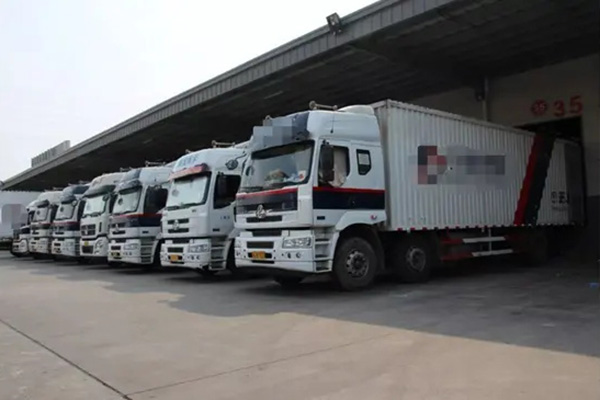
RFID Application in Platform Vehicle Management
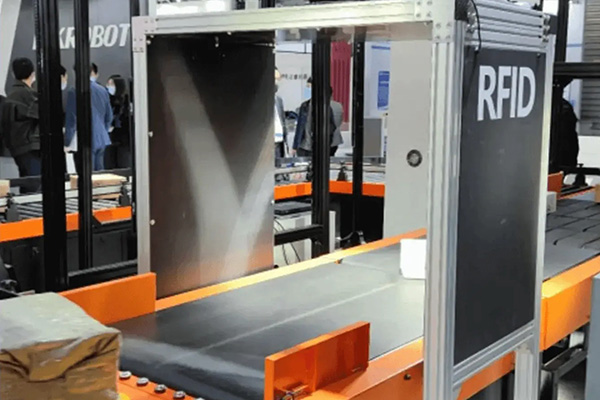
RFID Application in Logistics Sorting
RFID Application in Supply Chain Management
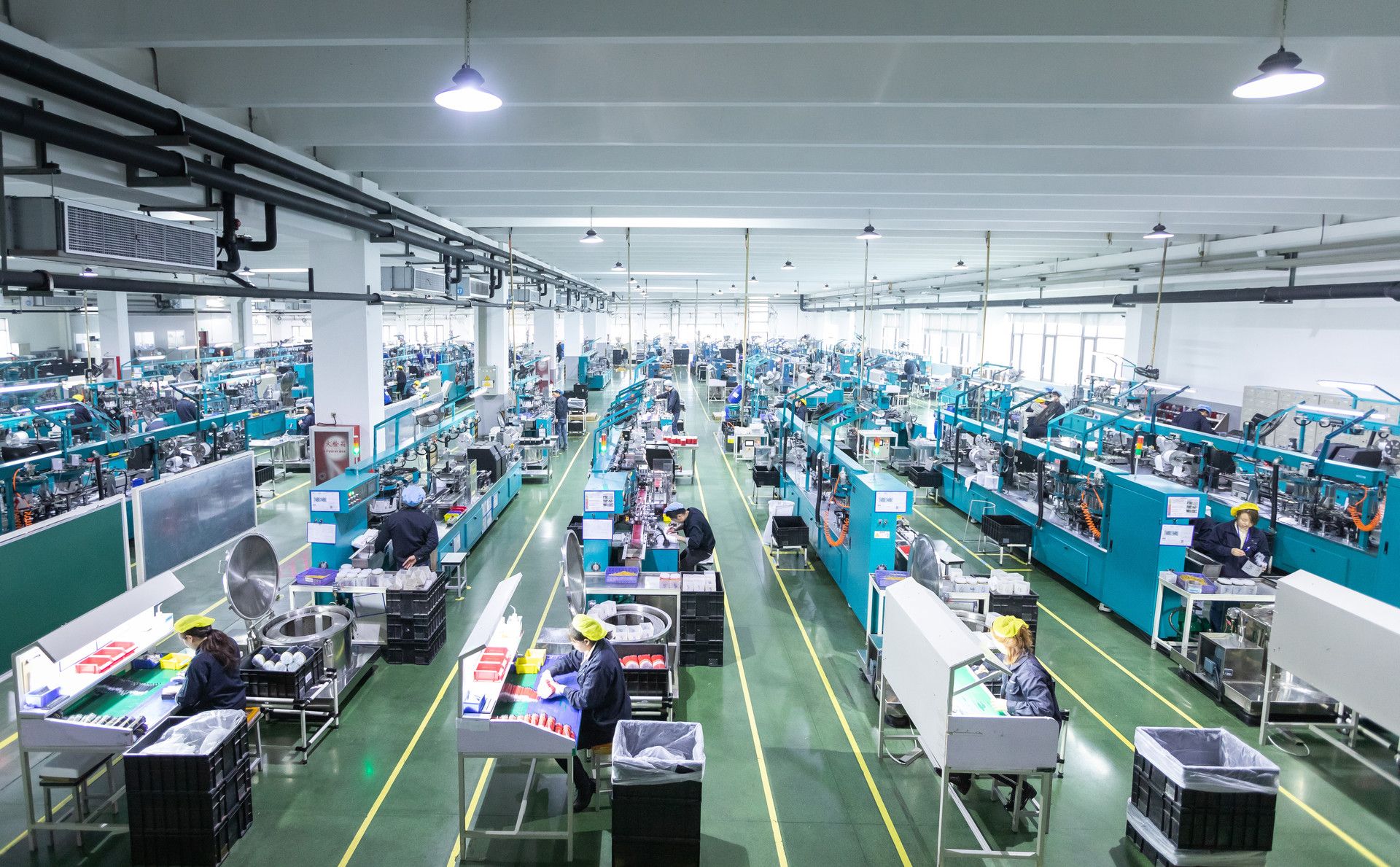
RFID Application for Workshop/Warehouse Tracking
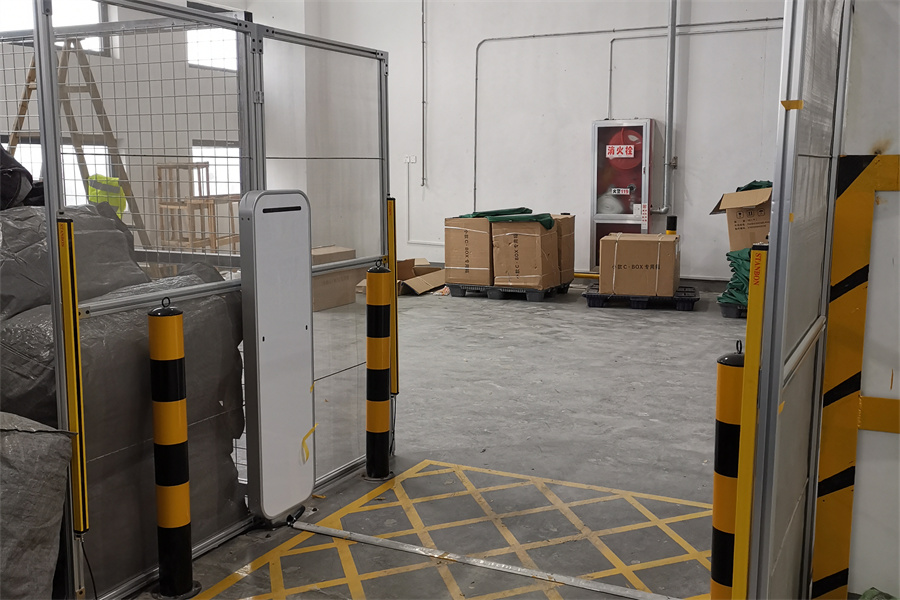
TP‑Link Enhances Warehouse Inbound/Outbound Efficiency with MingQ RFID Dock‑Door Solution
RFID technology empowers port containers: a new direction for future logistics
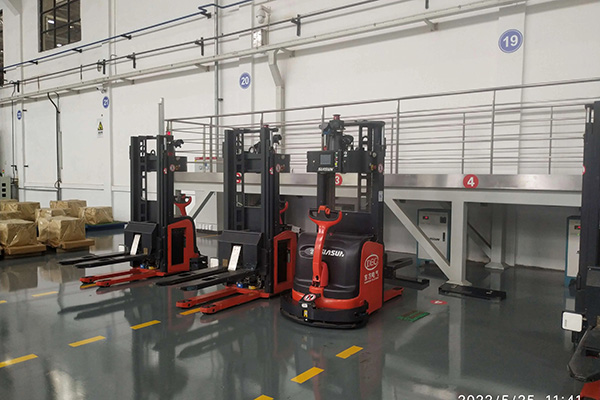
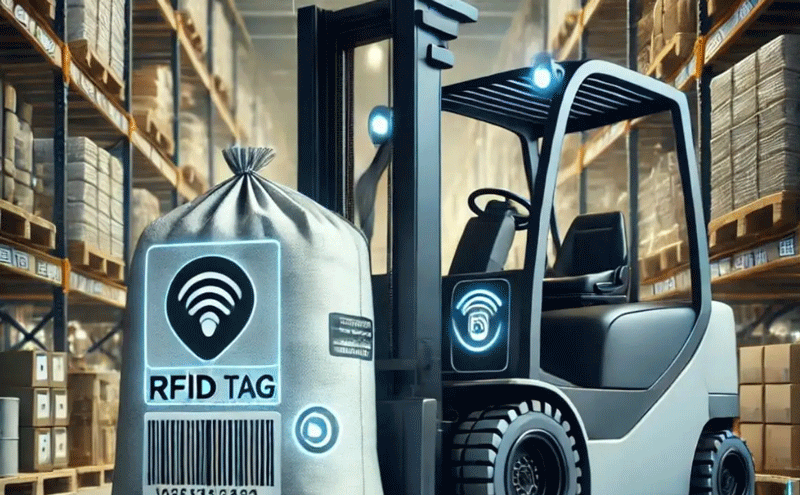
RFID technology in forklift tracking and container bag identification
Real-Time Data, Secure Transportation: The Future Trends of Cold Chain Logistics
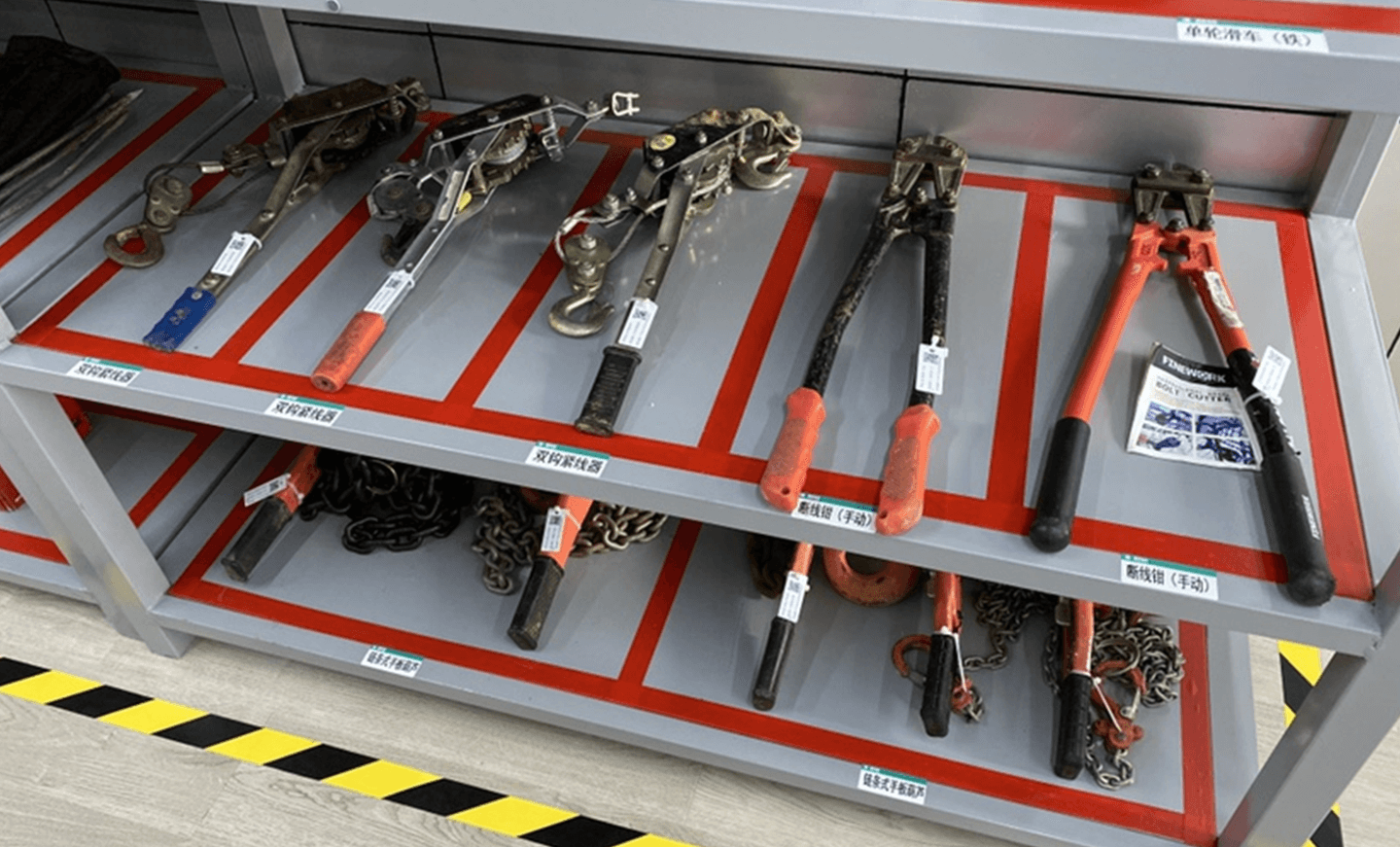
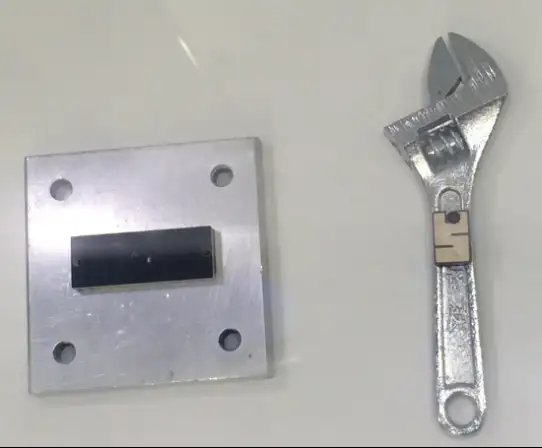
RFID Tool Management
RFID Application in Battery Factory Production
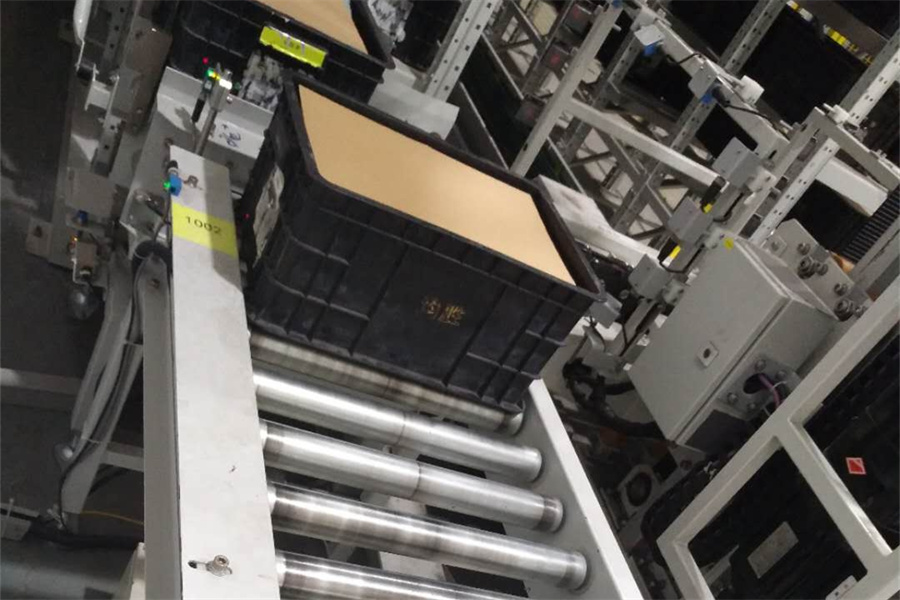
RFID Application in Production Line Rubber Box Management
RFID Application in Mold Management on Production Lines
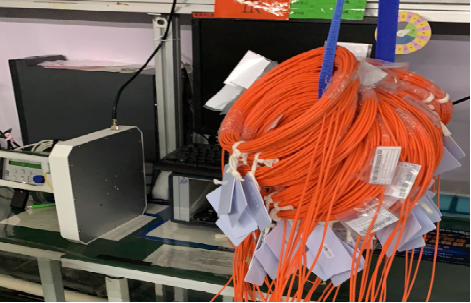
RFID Application in Fiber Optic Cable Manufacturing
Smart Manufacturing
The medical industry uses RFID technology to make drug tracking more accurate
RFID technology helps beverage production and build an efficient supply chain
RFID technology helps car seat production lines: intelligent management improves efficiency and quality
RFID technology in the production of electronic appliances monitoring and tracing application
Use RFID technology to improve appliance management efficiency and security
RFID technology helps precise installation of headrests
Clean‑Energy Equipment Manufacturer Enhances Material Traceability with MingQ RFID Pallet Management Solution
Lately, there's been a pretty noticeable bump in demand for RFID productsacross China. It’s mainly because industries are looking for smarter ways to track and manage their stuff more efficiently. According to a report from RFID Journal, the global RFID market is expected to hit around $30 billion by 2025 – no small feat! This rapid growth really emphasizes how important it is for buyers to understand the different options out there in the Chinese market.
Expert John Smith, who's quite the authority on RFID tech, mentions, “Companies that start investing in Rfid Products now will definitely have an edge over their competitors.” His words really underline the fact that businesses need to jump on these innovative solutions if they want to stay ahead, especially when it comes to streamlining supply chains and keeping inventory straight. That said, navigating this fast-changing landscape isn’t without its challenges—things like product variety and integration can get pretty tricky.
For buyers, it’s super important to do your homework. You gotta know how well these RFID products perform, how reliable they are, and watch out for any potential issues. A ton of suppliers offer all kinds of options, but not every one of them is up to snuff when it comes to quality and performance. So, it’s smart for companies—and even individual consumers—to really figure out what they need and weigh both the short-term perks and the long-term effects of investing in this tech.
RFID technology has revolutionized various industries across China. With applications in logistics, retail, and manufacturing, it enhances efficiency and accuracy. According to a report by the China Electronics Standardization Institute, the RFID market in China is expected to reach $6.1 billion by 2024. This growth reflects the increasing demand for automation and data collection methods in numerous sectors.
Implementing RFID systems is not without challenges. Companies must consider factors like scalability and integration with existing systems. Simple solutions may not suffice for complex operations. A lack of expertise can hinder effective deployment. Organizations should prioritize training and seek clear project objectives to navigate these obstacles.
Tips: Determine whether you need passive or active tags based on your tracking requirements. Assess the infrastructure needed to support RFID systems. Start with a pilot project to understand the technology better before a large-scale rollout. The correct insights can help maximize your investment in China Rfid Products.
When selecting RFID products in China, key features are crucial. Consider the frequency range. Different applications require specific frequencies. The most common are low frequency (LF), high frequency (HF), and ultra-high frequency (UHF). Each has its advantages and potential drawbacks. A clear understanding of your needs is vital before making a purchase.
Another important feature is read range. This defines how far the RFID reader can detect the tag. For warehouse management, a longer range works well for efficiency. However, shorter ranges can enhance security in sensitive environments. Evaluate your application to choose the right range.
When exploring RFID products in China, buyers should understand the diverse options available. Each category of RFID products has unique features, tailored for various industries. Understanding these nuances is crucial for making informed decisions. Look for products that suit your specific needs, whether it’s for inventory management or Asset Tracking.
Tips: Always check for certification. This ensures that the RFID products meet international standards. With various OEM Rfid Products available, comparing specifications can help identify the best fit for your operations. Don’t overlook customer reviews, as they can provide insights into product reliability and performance.
Also, keep an eye on technological advancements. RFID technology rapidly evolves, with new features continuously emerging. Staying updated on these changes can enhance your operations and improve efficiency. Ensure that your chosen products integrate seamlessly with your existing systems.
When exploring RFID products in China, understanding price comparisons and performance metrics is essential for buyers. The market offers various options, and each product comes with its unique specifications. Prices can vary significantly based on features such as read range, durability, and compatibility. Many buyers overlook these details, focusing only on cost.
Performance is a crucial factor. Stronger antennas provide better read distance, but they may also increase the price. For instance, a basic passive RFID tag may cost less upfront, but its limited read range and functionalities could lead to higher costs in the long run. Buyers should weigh both initial investment and overall effectiveness before making decisions.
In the realm of Wholesale Rfid Products, it's vital to assess suppliers carefully. Some may offer lower prices, but the quality could be subpar. This trade-off might affect the efficiency of your operations as you rely on these products for tracking and management. Ultimately, a thorough comparison of different models helps in making informed choices that lead to better long-term results. The balance between cost and performance is often an area needing reflection and adjustment.
User feedback on RFID products in China reveals a variety of experiences. Many users appreciate the efficiency these products bring. They note significant improvements in inventory management and asset tracking. For example, warehouses report reduced errors and faster processing times. However, some users face challenges with compatibility. Not all RFID systems work seamlessly with existing software. This can lead to frustration, especially for businesses that rely heavily on data integration.
Quality is a common theme in user reviews. Those investing in High-Quality Rfid Products often report greater reliability and longer lifespan. In contrast, lower-tier options may result in frequent malfunctions. This inconsistency affects user trust and overall satisfaction. Another concern is the learning curve associated with new devices. Users frequently mention the need for comprehensive training. Without it, the potential benefits may not be realized.
While many users find value in RFID technology, some still feel it falls short of expectations. Issues like signal interference and range limitations are mentioned. These factors can hinder performance in large spaces. User experiences highlight a need for ongoing support from manufacturers. Feedback indicates that improved instruction manuals would be beneficial. Taking these insights into account could enhance the overall user experience.
RFID technology continues to evolve, shaping various industries across China. Its applications extend from retail to healthcare, enhancing efficiency and tracking capabilities. In retail, RFID tags improve inventory management. Real-time data ensures stock accuracy. However, some stores face challenges in integrating systems. Not all employees are trained in new technology, resulting in potential mishaps.
The future of RFID looks promising yet complex. Innovations such as Internet of Things (IoT) integration will drive further adoption. This convergence presents opportunities but also concerns. Security measures need strengthening. Data breaches can occur if not properly managed. Moreover, the cost of implementing advanced RFID systems remains a hurdle for smaller businesses.
As the market matures, collaboration between technology providers and users is vital. Creating standards can help streamline processes and enhance reliability. Companies must also consider environmental impacts. Sustainable materials for RFID tags are a growing concern. The path forward is filled with potential, yet requires careful navigation and strategic planning.
When importing RFID products into China, there are several crucial factors to consider. The RFID market in China is expanding rapidly, projected to reach a value of $6.5 billion by 2025, according to industry reports. This presents significant opportunities but comes with its own set of challenges.
Compliance with local regulations is essential. China's authorities have strict standards for electronic products. Importers must ensure that their RFID devices meet these guidelines to avoid potential penalties. Additionally, language barriers may complicate communication with suppliers. Clear documentation is vital to ensure that all product specifications are understood and adhered to.
Supply chain reliability is another area that requires attention. Many companies overlook the importance of sourcing from reputable manufacturers. Quality issues can arise when partnering with unverified suppliers. Establishing strong relationships with local distributors can mitigate these risks. Continuous assessment of the supply chain can lead to better decision-making and more successful product launches in the competitive Chinese market.
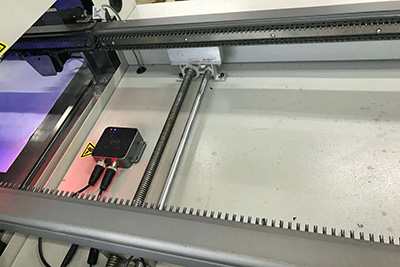
In the quest for optimizing assembly line efficiency, the adoption of advanced technologies such as RFID has become increasingly pivotal. The integration of RFID systems streamlines operations by providing real-time data tracking and inventory management, which helps in minimizing downtime and reducing operational costs. The rotary HF RFID tag reader, designed for versatility, plays a crucial role in this ecosystem, enabling seamless interaction with tagged items across various points in the assembly line.
The GRH-I40 is engineered to enhance workflow with its rotatable design, supporting Modbus-RTU communication for a wide range of applications. Its straightforward installation process allows users to quickly implement the device within their operational framework, whether mounted directly on surfaces or incorporated into pre-existing setups. This adaptability not only facilitates efficient deployment but also ensures that businesses can maximize the benefits of RFID technology without extensive overhauls to their current infrastructure.
Moreover, the GRH-I40 is dedicated to offering high-quality, cost-effective solutions tailored to meet specific operational needs. With a commitment to responsive service, inquiries and orders are handled promptly, providing clients with detailed product quotations and support. This responsiveness is vital in today’s fast-paced manufacturing environments, where agility and efficiency are paramount to maintaining competitive advantages.
: Buyers must understand unique features tailored for various industries. Identify products that meet your specific needs.
Certification ensures that products meet international standards. It helps avoid potential issues related to compliance and quality.
Customer reviews provide insights into product reliability and performance. They help assess if a product fits your operational needs.
Some retailers struggle with system integration and employee training. Unfamiliarity can lead to mistakes in inventory management.
Future trends include IoT integration and innovations that enhance tracking. However, they also raise security concerns that need addressing.
Compliance with local regulations is essential. Understanding product specifications helps avoid penalties and misunderstandings.
Sourcing from reputable manufacturers is crucial. Strong relationships with local distributors can mitigate quality issues.
Sustainable materials for RFID tags are increasingly important. Companies should focus on reducing their environmental impact.
The cost of implementation can be a significant hurdle. Smaller businesses often lack the resources for such investments.
Ignoring the importance of continuous supply chain assessment can lead to challenges. Regular oversight improves decision-making and success.
RFID technology has revolutionized various industries in China by enhancing tracking, inventory management, and data collection processes. Buyers interested in RFID products should consider key features such as read range, compatibility, and durability when making their choices. This article highlights the top 10 RFID products in China, providing a comprehensive review of their performance and pricing, which is essential for informed purchasing decisions.
User experiences and feedback reveal valuable insights into the practical applications of RFID products, showing their importance in modern business operations. Moreover, the article discusses emerging trends in RFID technology and the future market landscape, alongside key considerations for those looking to import these products into China. Understanding these elements can help buyers navigate the evolving RFID market effectively.