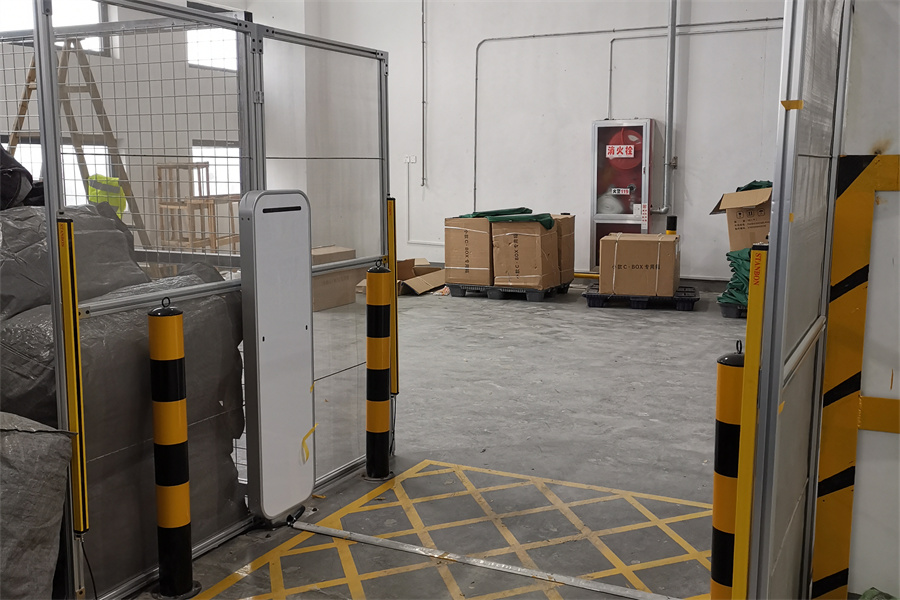
RFID Application in Inbound/Outbound Management
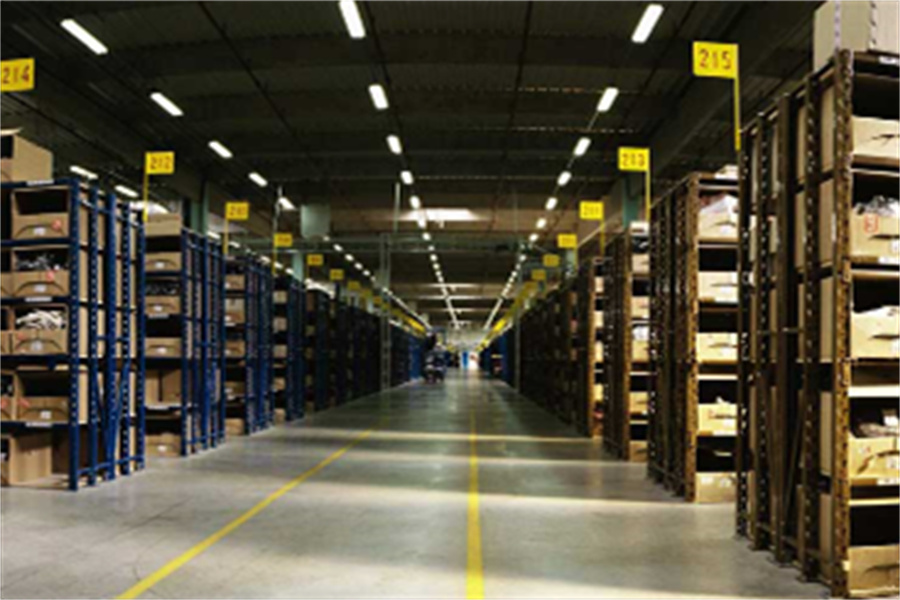
RFID Application in Warehouse Management
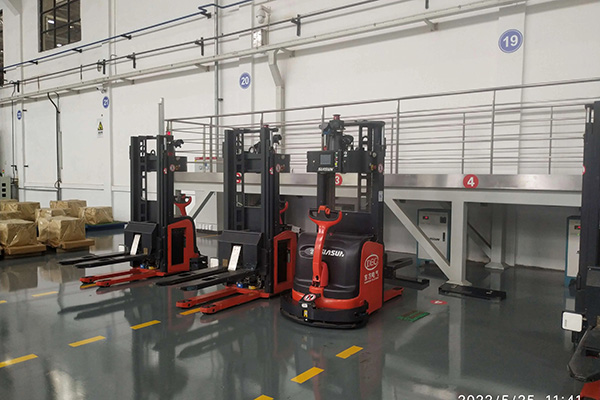
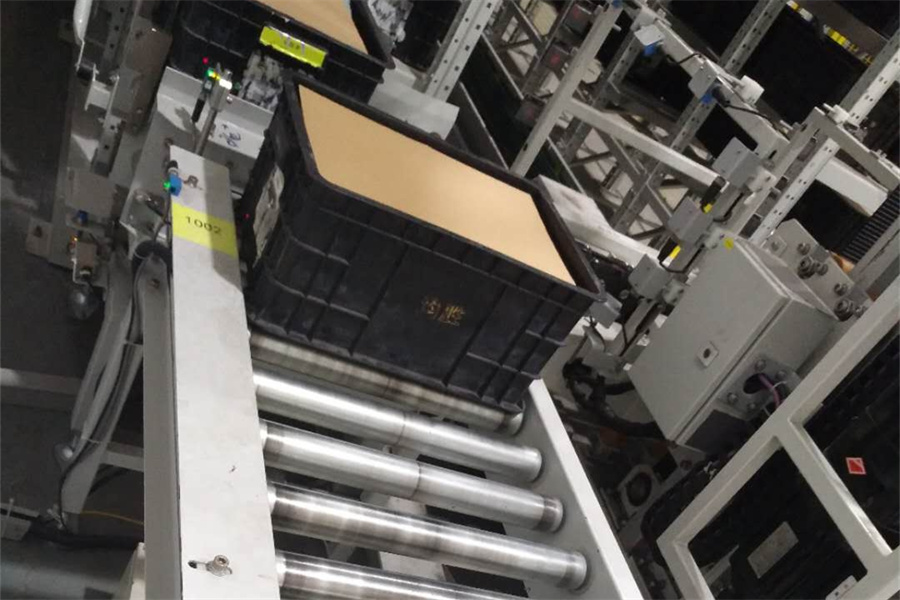
RFID Application in AGV Material Transport Management
RFID Application in Forklift Cargo Identification
RFID Application in Platform Vehicle Management
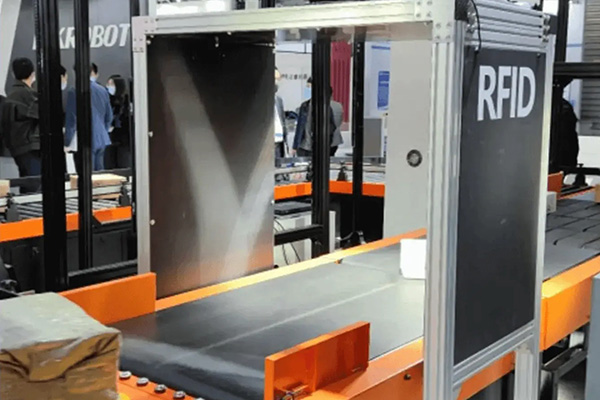
RFID Application in Logistics Sorting
RFID Application in Supply Chain Management
RFID Application for Workshop/Warehouse Tracking
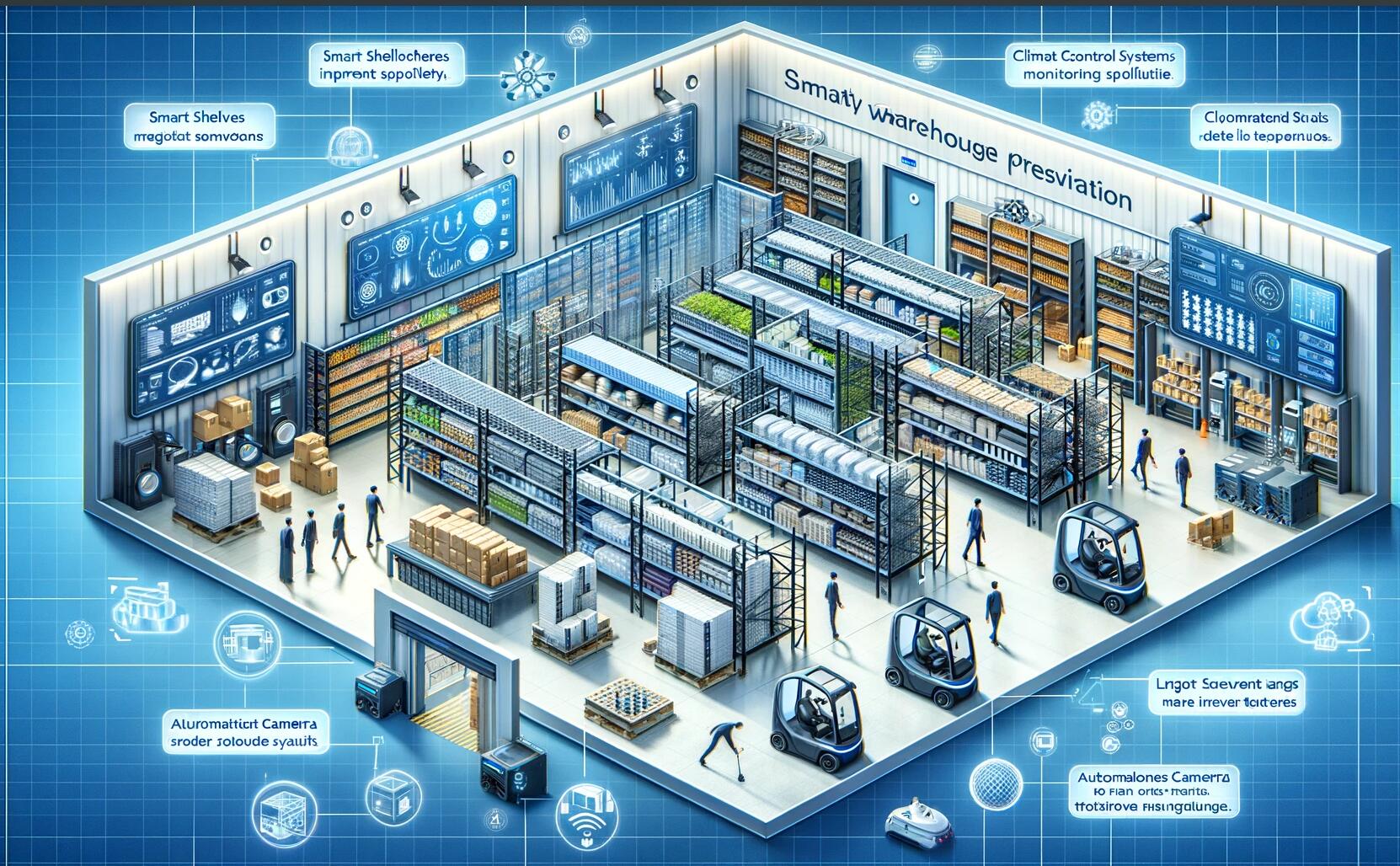
Smart Warehouse Monitoring and Management
RFID technology empowers port containers: a new direction for future logistics
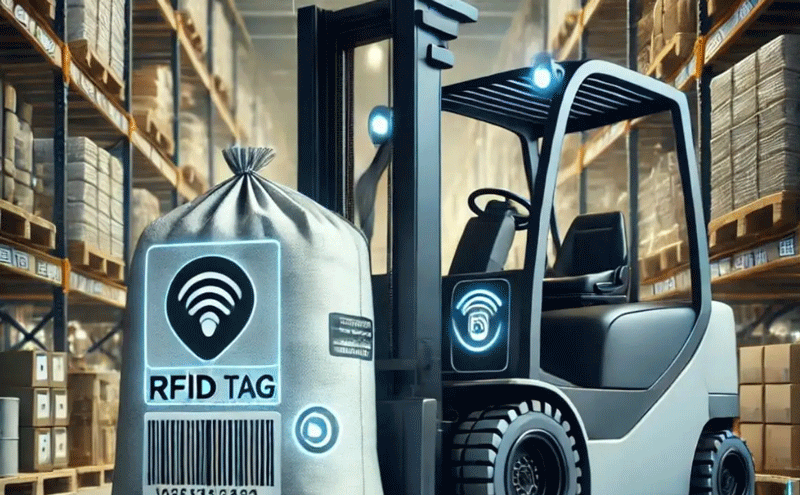
RFID technology in forklift tracking and container bag identification
Real-Time Data, Secure Transportation: The Future Trends of Cold Chain Logistics
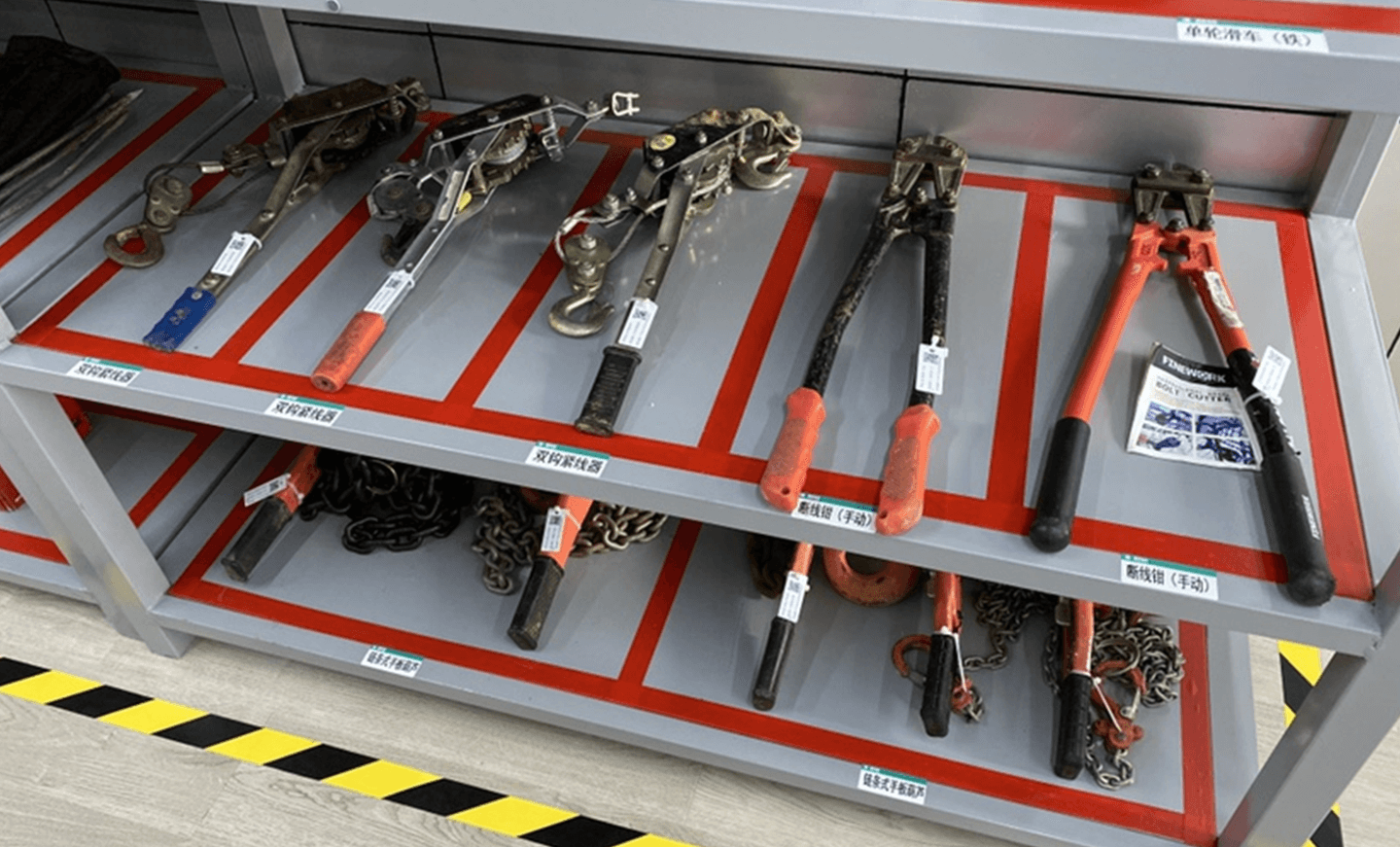
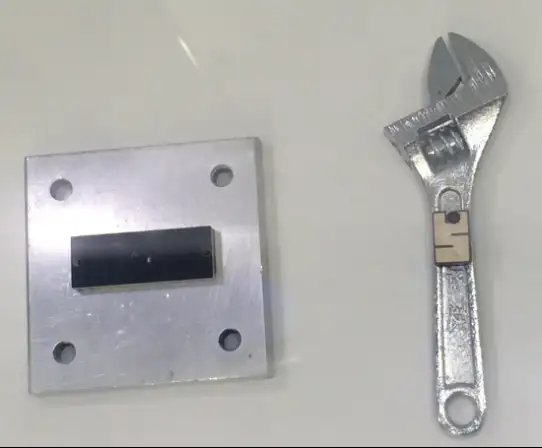
RFID Tool Management
RFID Application in Battery Factory Production
RFID Application in Production Line Rubber Box Management
RFID Application in Mold Management on Production Lines
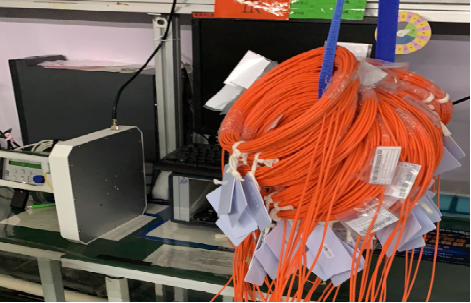
RFID Application in Fiber Optic Cable Manufacturing
Smart Manufacturing
The medical industry uses RFID technology to make drug tracking more accurate
RFID technology helps beverage production and build an efficient supply chain
RFID technology helps car seat production lines: intelligent management improves efficiency and quality
RFID technology in the production of electronic appliances monitoring and tracing application
Use RFID technology to improve appliance management efficiency and security
RFID technology helps precise installation of headrests
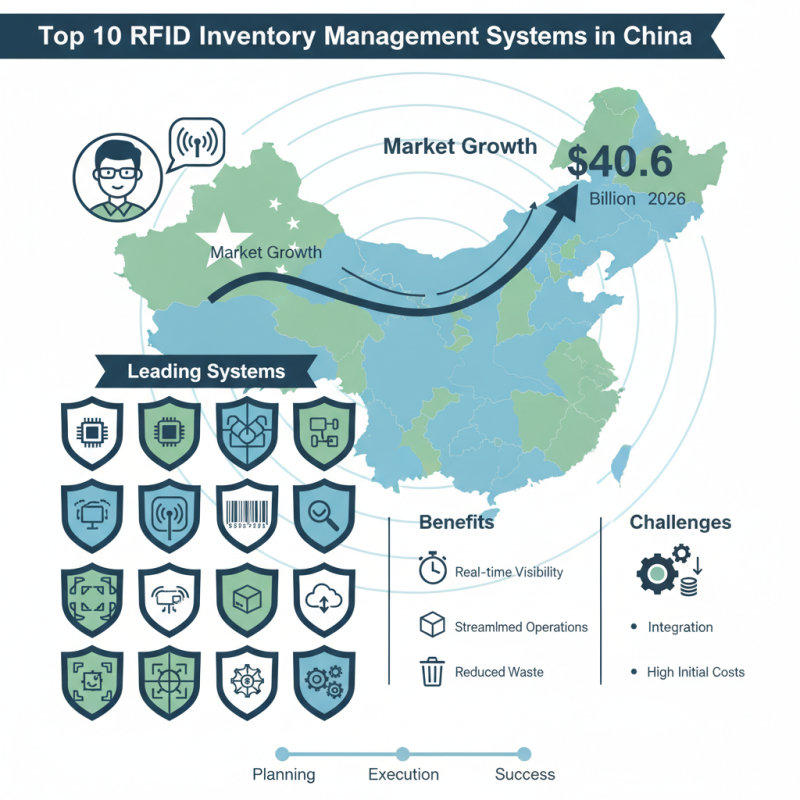
You know, the rise of Rfid Inventory Management Systems in China is really changing the game when it comes to how businesses handle their stock. I mean, according to a report from MarketsandMarkets, the RFID market is projected to hit around $40.6 billion by 2026. That’s pretty huge, and honestly, it highlights just how crucial efficient inventory control has become for modern companies these days.
John Doe, who’s pretty much an expert in supply chain tech, mentions, “RFID technology is really transforming how companies manage their inventory by giving them real-time visibility.” More and more businesses are jumping on the bandwagon to adopt this system to make their operations smoother and cut down on waste. But, of course, it’s not all smooth sailing.
Some companies do find it tricky to integrate RFID into their existing systems, and let’s not forget—it can be pretty costly at the start. Getting an RFID system up and running takes some serious planning and careful execution. Plus, with the industry being pretty competitive, knowing who the major players are is definitely key if you want to succeed.
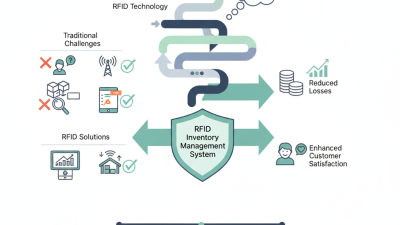
RFID technology has transformed inventory management across various sectors. It offers a precise way to track items in real time. Recent studies reveal that RFID can boost inventory accuracy to over 95%, compared to traditional methods which often fall below 70%. This improvement is crucial for businesses looking to minimize losses and enhance operational efficiency.
Implementing an Rfid Inventory Management System involves several steps. First, companies must choose the right technology and tags. The cost of tags can vary widely, affecting the overall budget. On average, businesses using RFID report a 30% reduction in labor costs for inventory management tasks. Yet, challenges remain. Not all environments are suited for RFID, and interference can occur, leading to data discrepancies. Companies must evaluate their specific needs and operational environments carefully.
Data shows that warehouses utilizing RFID technology can process stock nearly 40% faster than those relying solely on manual methods. However, not every company has successfully integrated RFID. Some face hurdles in training staff or adapting existing processes. Continuous assessment and efforts to refine the system are essential for long-term success. Embracing RFID can yield significant rewards, but it’s not without its complexities.
RFID inventory management systems are transforming how businesses track and manage their assets. These systems use radio-frequency identification to automate data collection. According to a report by Grand View Research, the RFID market is projected to reach $28 billion by 2025. This growth highlights the importance of adopting efficient inventory solutions.
Key features of RFID systems include real-time tracking capabilities. Businesses can locate items instantly within warehouses. This reduces the time spent on manual scanning. Also, seamless integration with existing software plays a crucial role. Companies can synchronize their data effortlessly, boosting operational efficiency. However, the implementation process can be challenging, sometimes leading to unexpected errors. Some users report difficulty in training staff on new technologies.
Another vital aspect is data analytics. RFID systems provide insights into inventory turnover rates and demand forecasting. This helps businesses optimize their stock levels. Nonetheless, reliance on data analytics raises concerns about privacy and data security. It's essential to address these issues proactively. Operational costs can also rise during the initial setup phase. Businesses must balance efficiency and budget constraints carefully.
When evaluating an RFID inventory management system, there are critical factors to consider. One key element is the scalability of the system. A report by MarketsandMarkets indicates that the RFID market is projected to grow from $9.3 billion in 2022 to $14.5 billion by 2027. This growth hints at the importance of flexible systems that can adapt to increasing inventory needs.
Another vital factor is integration capabilities. A system should seamlessly connect with existing software. A study revealed that 60% of businesses face integration challenges with RFID technology. Poor integration can lead to wasted resources and diminished efficiency. Therefore, selecting a China Rfid Inventory Management System that offers robust API support is essential for optimizing operations.
Data security must also be addressed. With RFID systems, sensitive information is at risk. Reports from security analysts show that 45% of firms experience data breaches related to inventory systems. Companies must prioritize strong encryption methods and secure data handling protocols. Ignoring these elements could expose a business to significant vulnerabilities, impacting overall performance.
The RFID inventory management system market in China is rapidly evolving. Various studies indicate that the annual growth rate is expected to reach 15% over the next five years. RFID systems enhance accuracy and efficiency in inventory tracking. They help businesses minimize errors, reducing costs linked to misplaced stock.
Market leaders in this space are continuously innovating. Reports suggest that the integration of IoT with RFID is a key trend influencing this market. Companies are seeking real-time data communication to improve decision-making processes. Surprisingly, many organizations still face challenges in adopting new technology. Resistance to change is prevalent in some sectors.
Moreover, the implementation of these systems can be complex. Businesses must invest in training and infrastructure. According to a recent survey, about 30% of companies struggle with system integration issues. This reflects a broader hesitation towards fully utilizing RFID's potential. Investing in proper training can significantly enhance system effectiveness. Accurate data can lead to smarter inventory decisions. However, the journey to seamless implementation often reveals gaps in current operations.
When examining RFID inventory management systems, understanding pricing models is crucial. Many businesses find it challenging to navigate costs. Reports show that approximately 40%of companies struggle with budgeting for Rfid Solutions, leading to cost overruns. Common pricing models includesubscription-based, pay-per-use, and one-time licensing fees. Each has its pros and cons, making it hard to choose the right one.
For instance, subscription models often provide flexibility, suitable for dynamic environments. However, they may accumulate significant expenses over time. A study indicates that businesses using subscription models may pay up to 30% more annually compared to those opting for a one-time payment. Pay-per-use models can lower initial costs, but they need careful monitoring to avoid unexpected charges.
Some solutions might also include hidden fees. These could be for software updates or additional features. It’s essential to assess all potential costs before committing. Many organizations realize too late that initial pricing did not reflect the total cost of ownership. Transparency in pricing should be a priority when selecting an RFID solution. Being aware of these nuances can help businesses make informed decisions.
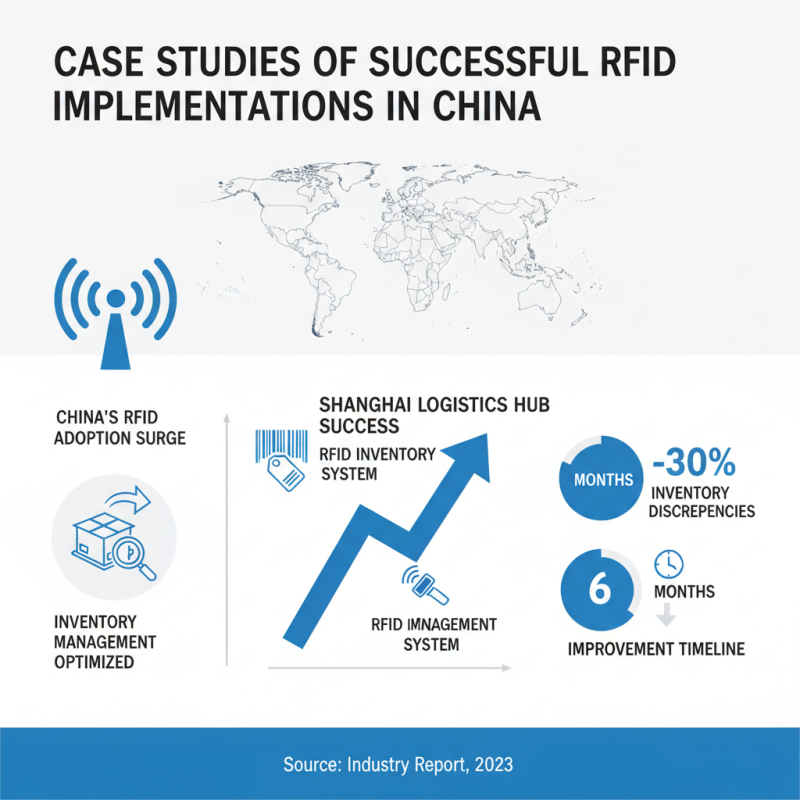
In recent years, China has seen a surge in RFID technology adoption, particularly in inventory management. Successful implementations highlight the effectiveness of RFID in optimizing supply chains. For instance, a logistics hub in Shanghai incorporated an RFID Inventory Management System to enhance tracking of goods. Data shows that inventory discrepancies decreased by 30% within six months.
Another case study from a retail giant revealed that integrating RFID helped streamline operations. The system reduced item retrieval times significantly, increasing overall efficiency. This led to a 25% boost in sales during peak seasons. However, challenges remain. Not all employees adapted quickly to the new technology, causing initial disruptions. Training and adjustments were crucial for a smoother transition.
A report indicated that about 70% of Chinese companies are still hesitant to fully commit to RFID due to costs and implementation complexity. While Rfid Inventory Management System Products offer clear benefits, firms should reflect on resource allocation and workforce readiness. Adopting this technology requires not just investment but a cultural shift within organizations.
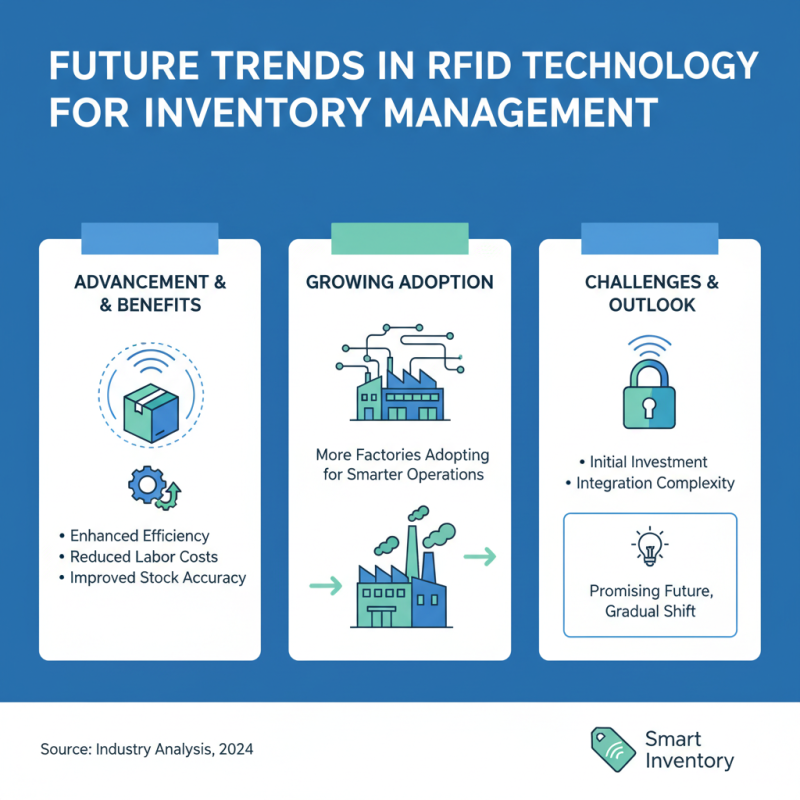
The future of RFID technology in inventory management is promising. Accelerating advancements change how businesses track and manage stock. RFID systems enhance efficiency, reduce labor costs, and improve stock accuracy. More factories adopt these systems for smarter operations. However, challenges persist. Not all companies are ready to make the shift.
Tips: Consider your warehouse layout. An optimized design enhances the effectiveness of RFID systems. Train staff on these new technologies. Adequate training minimizes errors and increases productivity. The goal is to make RFID an integrated part of everyday tasks.
As RFID technology evolves, trends like IoT integration emerge. This allows real-time monitoring of inventory. Data analytics become more robust, leading to smarter decision-making. Yet, managing the initial investment can be daunting for some. Many feel uncertain about the return on investment. Examine the trade-offs carefully. Balancing costs and benefits is crucial in deciding to implement Rfid Inventory Management System Factories.
: RFID technology is used for real-time tracking of inventory. It enhances accuracy and efficiency in inventory management.
RFID boosts inventory accuracy to over 95%. Traditional methods often yield less than 70% accuracy.
Companies report a 30% reduction in labor costs for inventory tasks after adopting RFID systems.
Yes, challenges include environmental suitability and potential data discrepancies due to interference.
RFID warehouses can process stock nearly 40% faster than those using manual methods.
Companies should evaluate their environment, budget, staff training, and warehouse layout for optimal use.
Adequate training minimizes errors and increases productivity when adapting to RFID technologies.
IoT integration allows for real-time inventory monitoring, leading to improved decision-making.
Companies often feel uncertain about the return on investment and managing initial costs.
Struggles may arise from adapting existing processes or difficulties in training staff effectively.
The article "Top 10 RFID Inventory Management Systems in China You Should Know" provides a comprehensive overview of the role of RFID technology in improving inventory management efficiency. It highlights the key features that make RFID inventory management systems effective, such as real-time tracking, accuracy, and integration capabilities. The article also discusses essential factors to consider when selecting an RFID system, ensuring that organizations make informed decisions.
Furthermore, it explores market leaders in RFID inventory management within China, while comparing various pricing models for these solutions. To illustrate the practical benefits, the article includes case studies of successful RFID implementations. Finally, it anticipates future trends in RFID technology, emphasizing the ongoing evolution in the field of inventory management. This insightful discussion underscores the growing importance of RFID inventory management systems in modern business operations.