Leave Your Message
0%

As we head into 2026, the market for RF Card Readersis really changing and evolving. Experts like John Smith, who’s well-known in RFID tech circles, often say, "The need for reliable Rf Card Readers is only going to pick up in the next few years." That’s pretty spot-on, considering how more sectors—from retail stores to access control systems—are craving more security and convenience.

The world of RF Card Readers is pretty diverse, too. Companies are constantly coming out with new innovations to keep up with what’s happening globally. Good quality products are super important for smooth transactions and better security. But, honestly, not all options out there actually live up to the hype or provide the reliability users expect.

So, if you're shopping around, it’s a good idea to really look into your options. Things can get confusing because the industry’s pretty complex. Sure, many RF Card Readers claim to have all sorts of advanced features, but what really matters is what’s practical. Pay attention to responsiveness and whether they’re compatible with different systems—those are the real deal breakers. The goal should be to pick something that meets your current needs but also makes room for what you might need down the road.

Top Rf Card Reader Options for Global Buyers in 2026?

Top RF Card Reader Technologies Transforming Global Markets in 2026

The landscape of RF card reader technologies is evolving rapidly. In 2026, several advancements will significantly impact global markets. These changes will emphasize enhanced security, improved speed, and greater user convenience. Users seek seamless payment experiences in retail and public transport sectors. Instant data transfer is crucial for efficient transactions. Integrating NFC and RFID technologies is becoming a standard practice.

The adoption of advanced encryption methods is a noteworthy trend. Secure user authentication mechanisms have become a priority. Many markets experienced security breaches recently, prompting a demand for more reliable systems. Additionally, the move towards contactless solutions is reshaping consumer expectations. People prefer quick and safe transactions without physical contact.

Integrating artificial intelligence is also a game-changer. AI can help detect fraudulent activities in real time. However, the implementation of these technologies poses challenges. There are concerns regarding privacy and data protection. Buyers must weigh the benefits against potential risks. The future is promising, yet the path to widespread adoption is not without its hurdles.

Top RF Card Reader Options for Global Buyers in 2026

Technology Type Reading Distance (meters) Compatibility Price Range (USD) Market Adoption Rate (%)
NFC Technology 0.1 - 0.5 Smartphones, Access Control 20 - 50 85
RFID (High Frequency) 0.5 - 1.5 Inventory Management, Ticketing 30 - 70 70
RFID (Ultra High Frequency) 1 - 10 Supply Chain, Asset Tracking 50 - 150 65
Magstripe Readers Contact Payment Processing 10 - 25 60
Contactless Smart Card Readers 0.1 - 1 Public Transport, Security 40 - 90 75

Key Features to Consider When Choosing RF Card Readers in 2026

When selecting RF card readers in 2026, several key features are crucial to consider. Firstly, look for compatibility with various card types. A versatile reader can accommodate multiple standards, enhancing usability across different locations. Additionally, ensure that the device supports secure communication protocols. This is paramount for protecting sensitive data during transactions.

Another aspect to reflect on is the reader's interface. A user-friendly interface simplifies operations for both staff and customers. Touchscreen options can enhance efficiency, while physical buttons may provide reliability in tough conditions. Evaluate connectivity options too. Wi-Fi, Bluetooth, or USB connectivity can facilitate seamless integration into existing systems.

Tips for buyers include testing the reader in the intended environment. Ensure it performs reliably under various conditions. Research user reviews to gauge long-term durability and performance. It’s helpful to inquire about customer support as well, as prompt assistance can be invaluable when issues arise. Always weigh your specific needs against available features to make the right choice.

Top RF Card Reader Options for Global Buyers in 2026

Comparison of Leading RF Card Reader Brands for International Buyers

As global buyers consider options for RF card readers in 2026, understanding the landscape is crucial. Many brands focus on reliability and performance. However, not all readers suit every situation. Some long distance rfid card readers provide extended range, ideal for large venues. But, their complexity may deter less experienced consumers. Buyers often seek ease of use alongside advanced features.

Performance can vary significantly across brands. Some units excel in speed, while others focus on durability. Factors like environmental conditions can also affect performance. For instance, readers used in outdoor settings need additional weather resistance. It’s important to compare specifications carefully. Some may overlook crucial details, leading to unexpected issues later.

Price remains a critical consideration. While some models offer advanced features, they may not be cost-effective for every buyer. Striking a balance between quality and price is essential. International buyers should also consider local support and warranty options. This can impact long-term satisfaction and reliability of the investment. Understanding these facets can lead to better purchasing decisions.

Emerging Trends in RF Card Reader Design for Enhanced Security

The demand for enhanced security in RF card readers is on the rise. According to a recent market analysis report, global sales of RF card readers are expected to exceed $10 billion by 2026. As security threats evolve, manufacturers must respond with innovative designs. Emerging trends point towards NFC technology and biometric integration. These advancements boost security, making it harder for unauthorized access.

Another significant trend is the shift towards cloud-based data management. This option allows for real-time data monitoring and anomaly detection. Industry reports highlight that 45% of businesses plan to adopt cloud solutions for their RF card readers. However, this transition poses challenges. Issues such as data privacy and system downtime need addressing. Ultimately, a balance between innovation and reliability is essential.

User experience also plays a crucial role. Devices must be easy to use while maintaining high-security standards. Research shows that 70% of users abandon complex systems. This calls for thoughtful design in RF card reader interfaces. Striking a balance between usability and sophisticated security features remains a critical area for improvement. The journey towards a secure future is ongoing, and adaptability is key for success in the RF card reader market.

Cost Analysis of Top RF Card Readers for Global Consumers

In 2026, global buyers face various options when selecting RF card readers. The cost of these devices varies significantly depending on features and capabilities. A recent industry report highlights that basic models range from $50 to $150, while advanced readers can exceed $500. This price variation reflects the growing demand for enhanced security features and integration capabilities in contactless payment systems.

When considering options, buyers should focus on essential features such as read range, compatibility, and durability. Many consumers overlook these details, leading to mismatched needs and expectations. A deeper understanding of the specifications can save costs and improve user experience. The report pointed out that readers capable of multi-protocol support have a 30% higher user satisfaction rate.

People must avoid sticking strictly to initial impressions. Evaluating not just the price, but the overall value, is crucial. Analysis shows that readers with better integration provide more savings in the long run. For example, while a China Rf Card Reader may have an upfront cost, it can significantly reduce transaction times and enhance customer satisfaction. Invest time in researching to make informed decisions.

User Experience and Customer Reviews of Popular RF Card Readers

When exploring RF card readers, user experience is paramount. Many customers highlight the importance of device reliability. A reader that frequently malfunctions can lead to operational delays. Users often report frustrations with inconsistent reading capabilities, especially in diverse environments. Feedback suggests that durability also plays a critical role in satisfaction. A device that withstands wear and tear garners more positive reviews.

The design and user interface feature prominently in customer feedback. Many prefer card readers that offer intuitive navigation. Users appreciate devices that connect seamlessly with existing systems. However, some reviews point out the learning curve associated with complex features. A balance between functionality and simplicity is crucial. The trend towards mobile connectivity has seen increased attention. Users enjoy the flexibility that wireless capabilities provide, yet some express concerns about security.

Moreover, the cost-effectiveness of an OEM Rf Card Reader impacts purchasing decisions. Buyers are often torn between affordability and quality. Some users have reported that cheaper models lead to long-term dissatisfaction. Investing in a reliable brand can prevent recurring issues. This ongoing dialogue among consumers reflects a strong desire for better performance and enhanced features in the evolving market of RF card readers.

Future Innovations in RF Card Reader Capabilities for Global Markets

Future innovations in RF card reader capabilities are set to transform global markets by enhancing user experiences and security measures. According to recent industry reports, the RF card reader market is projected to grow at a compound annual growth rate (CAGR) of 10% from 2024 to 2030. This growth is fueled by advancements in NFC (Near Field Communication) and RFID (Radio Frequency Identification) technologies. These innovations could lead to faster transaction times and improved access control systems.

Enhanced security features are among the most critical developments anticipated. Data encryption and multi-factor authentication are becoming standard. A report from a leading technological research firm indicates that 68% of consumers prioritize security in payment systems. This trend suggests a pressing need for RF card readers to meet evolving consumer demands. Companies must address potential security vulnerabilities while introducing new features.

Innovation could also improve user interfaces. Intuitive designs enhance usability across various demographics. Voice commands and mobile integration are increasingly expected. However, organizations must continually assess user feedback to refine these features. Optimization is a continual process, essential for staying relevant in a rapidly changing landscape.

Title: Enhancing Card-Issuing Processes with the Desktop HF RFID Scanner GRH-D80-HID: A Comprehensive Guide

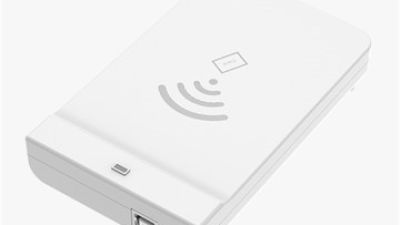
In today's fast-paced world, enhancing card-issuing processes is crucial for businesses and institutions looking to streamline operations and improve security. The Desktop HF RFID Scanner GRH-D80-HID presents an innovative solution for organizations seeking to elevate their card management systems. With its high-frequency capabilities, this reader facilitates quick and accurate identification, making it an ideal choice for a variety of settings, from offices to healthcare facilities.

The GRH-D80-HID is equipped with a USB Type-B interface, ensuring seamless power supply and communication, which simplifies integration into existing systems. Its versatility allows for effective management of access control and data collection, providing a reliable tool for enhancing operational efficiency. Organizations can leverage this technology to create customized solutions tailored to their specific needs, ensuring they can keep pace with the demands of modern workflows.

Committed to quality and cost-effectiveness, the GRH-D80-HID delivers not only performance but also affordability, making it an attractive option for any organization looking to upgrade their card-issuing processes. With prompt responses to inquiries and detailed product quotations, businesses will find the support needed to implement this advanced technology effectively.

FAQS

: What is driving the demand for enhanced security in RF card readers?

: Rising security threats are pushing manufacturers to innovate RF card reader designs.

What is the projected market size for RF card readers by 2026?

Global sales are expected to exceed $10 billion by 2026.

Which technologies are becoming more integrated into RF card readers?

NFC technology and biometric integration are emerging trends in security.

What is a key benefit of cloud-based data management for RF card readers?

It allows for real-time data monitoring and anomaly detection.

What challenges come with transitioning to cloud solutions?

Data privacy and system downtime issues need to be addressed.

Why do many users abandon RF card reader systems?

About 70% of users leave complex systems due to poor usability.

How important is user experience in RF card reader design?

User experience is crucial; it must balance ease of use and security.

What security features are becoming standardized in RF card readers?

Data encryption and multi-factor authentication are increasingly common.

What is the expected growth rate of the RF card reader market from 2024 to 2030?

The market is projected to grow at a CAGR of 10%.

How can companies enhance user interfaces for RF card readers?

Intuitive designs and features like voice commands help improve usability.

Conclusion

The article examines the evolving landscape of RF card readers, highlighting key technologies that are set to transform global markets by 2026. As security remains a paramount concern, the piece outlines essential features to consider when selecting an RF card reader, such as encryption, compatibility, and user-friendliness.

Additionally, it presents a comparative analysis of leading RF card reader options, aiming to guide international buyers through their choices. Emerging design trends for improved security are also discussed, alongside a cost analysis to provide insights for consumers. User experiences and reviews are included to help understand the practicality of popular models, while future innovations are anticipated to enhance RF card reader capabilities, solidifying their role in global transactions.

Ethan

Ethan

Ethan is a dedicated marketing professional at Shenzhen Jinruiming Technology Co., Ltd., where he plays a pivotal role in shaping the company's online presence. With a deep understanding of the company's cutting-edge products, Ethan frequently updates the professional blog on the company website,......
Previous What is an RFID Scanner and How Does it Work?