In today's world driven by technology, getting a handle on Reader Rfid Uhf tech is pretty important. This stuff actually plays a big role across lots of industries. Companies like Impinj and Zebra Technologies? They've really stepped up to offer some pretty advanced solutions.
So, these RFID UHF systems work by using radio waves to send data back and forth. They're great for keeping track of assets and making inventory management way more efficient. That said, they’re not perfect — things like interference from other objects and needing a clear line of sight can sometimes trip you up. Knowing these quirks is key to making sure you get the most out of them.
A lot of businesses skip over the importance of good planning when it comes to RFID UHF — but honestly, taking the time to analyze what you really need can make a world of difference. When you get the integration right, it can seriously boost how smoothly your operations run. Just remember, it’s important to stay flexible and keep checking if your chosen technology still fits your needs. Things change, after all, and staying adaptable is the way to go.
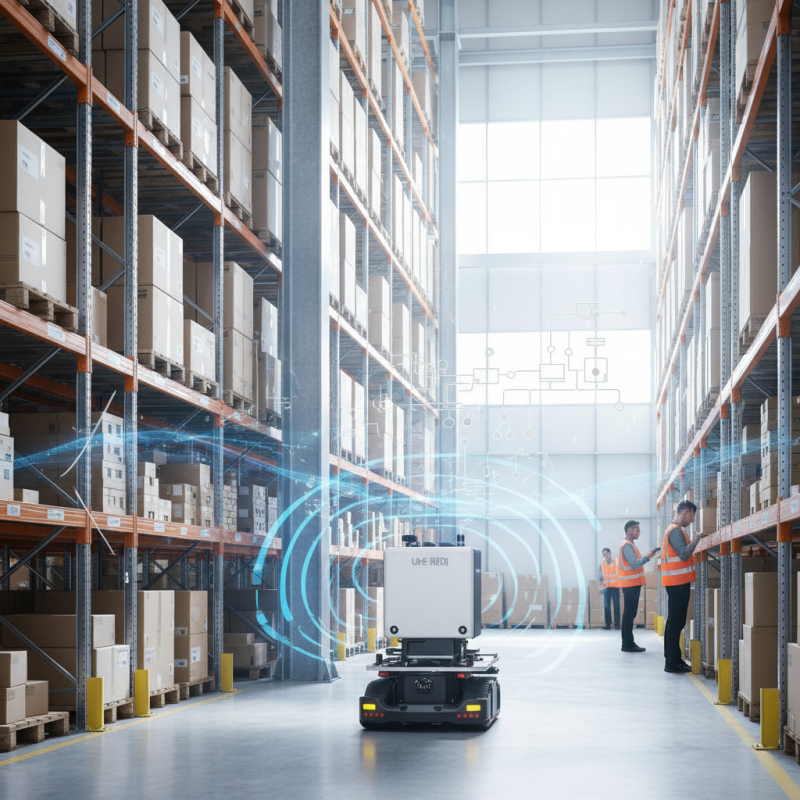
Understanding RFID UHF Technology: Definition and Key Concepts
Radio Frequency Identification (RFID) UHF technology is transforming various industries. This technology uses radio waves to identify items wirelessly. UHF stands for Ultra High Frequency, operating between 300 MHz and 3 GHz. Its range is impressive, often exceeding 10 meters.
Understanding key concepts is essential. Tags contain unique identifiers. Readers send signals to activate tags. Data transfers back to the reader for processing. This method improves tracking efficiency and accuracy. It's widely used in logistics and inventory management.
Tip:Always consider the environment. Metal and Water can interfere with signals. Placement of readers is critical for optimal performance. Avoid areas with heavy interference for best results.
Users often underestimate the complexity of implementation. It’s not just technology; it involves people and processes too. Training is necessary for effective use. Mistakes can lead to significant errors. Seek out real-world examples before making decisions.
Tip: Regularly assess your RFID system. It’s essential to adapt to changes in your operations. Evaluating performance can reveal areas for improvement. Embrace the learning curve; innovation is a journey.
The Evolution of RFID UHF Technology: Historical Milestones and Trends
The evolution of RFID UHF technology has transformed asset tracking, inventory management, and supply chain operations. This technology has advanced from just passive tags to more sophisticated systems capable of real-time data collection. In 2020, the RFID market surpassed $10 billion, reflecting its growing importance. Analysts predict a compound annual growth rate of 15% through 2026.
Historical milestones highlight its progress. The first RFID systems appeared in the 1970s, primarily used for animal tracking. By the 1990s, UHF technology emerged, providing longer read ranges and improved performance. However, some challenges remain. Interference from metal and liquids can hinder effectiveness. Moreover, the integration process with existing systems often poses difficulties.
Current trends show a shift towards IoT integration. Companies are seeking smarter solutions, merging RFID with cloud technologies. Data security is a growing concern, as more systems become interconnected. Reports indicate that about 30% of businesses still struggle with data privacy issues. There’s a clear need for enhanced strategies in protecting sensitive information while utilizing RFID technology efficiently.
Key Components of an RFID UHF System: Tags, Readers, and Middleware
Radio Frequency Identification (RFID) UHF technology enhances supply chain efficiency. At the core are three integral components: tags, readers, and middleware. Each plays a vital role in this technology's functionality.
RFID tags come in various forms. Passive tags require no power source, while active tags contain batteries. According to industry data, passive tags account for over 70% of the market. The choice of tag affects read range and inventory accuracy. Passive tags can read distances of up to 10 meters, making them ideal for large warehouses.
Readers are another crucial part. They capture data from tags using radio signals. The precision of readers can vary widely. A study suggested that improperly configured readers might result in a 20% drop in efficiency. Middleware is necessary for integrating the data captured by readers into existing systems. It ensures accurate data flow and usability. However, the implementation of middleware sometimes faces challenges. Compatibility issues can arise, complicating integration processes. Ultimately, achieving optimal performance in an RFID UHF system hinges on understanding these components.
Top Reader RFID UHF Technology What You Need to Know?
| Component | Description | Frequency Range | Read Range | Common Applications |
| RFID Tags | Small electronic devices that store data and communicate with readers | 860-960 MHz | Up to 12 meters | Inventory management, asset tracking, supply chain |
| RFID Readers | Devices that emit radio waves to communicate with tags | 860-960 MHz | Up to 16 meters (depending on power) | Access control, logistics, parking management |
| Middleware | Software that manages data flow between readers and backend systems | N/A | N/A | Data management, integration with enterprise systems |
How RFID UHF Technology Works: Mechanisms of Data Transmission
RFID UHF technology plays a crucial role in data transmission. It uses radio waves to communicate between tags and readers. An RFID tag contains a microchip and an antenna. When a tag comes into range of a reader, it receives energy from the reader. This energy powers the tag and allows it to send data back.
The reader emits a continuous wave, creating an electromagnetic field. Tags in this field can respond. The data transfer happens quickly, often in milliseconds. However, the distance between the tag and reader can affect performance. Environmental factors also matter. For instance, metal surfaces can interfere with signals. Understanding these mechanisms is key for effective implementation.
While RFID UHF technology is efficient, it isn’t flawless. Accuracy can drop in cluttered environments. Data collisions can occur when multiple tags are read simultaneously. This leads to missed information. Companies need to consider these challenges when integrating RFID systems. Continuous reflection on these aspects will enhance reliability and performance.
Industry Applications of RFID UHF: Key Sectors and Use Cases
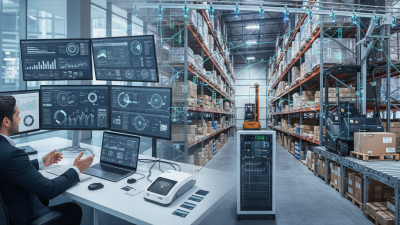
RFID UHF technology has transformed various industries. Its applications span across logistics, retail, healthcare, and manufacturing. In logistics, RFID tags track inventory in real-time. This minimizes errors and enhances efficiency in supply chain management. Retailers use RFID to monitor stock levels. It can reduce theft and improve customer satisfaction.
In healthcare, RFID ensures accurate tracking of medical assets. Hospitals can locate essential equipment quickly, saving time in emergencies. Patients benefit from better management of their records, leading to enhanced care. Manufacturing sectors utilize RFID for quality control. Tracking components throughout production can prevent costly mistakes and delays.
Despite its benefits, challenges remain. Implementing RFID systems can be costly and complex. Not all companies see immediate returns. Some users may struggle with integration into existing systems. Data security is another concern. Organizations must safeguard sensitive information, which requires ongoing investment and attention.
Market Insights: Growth Projections and Statistical Analysis
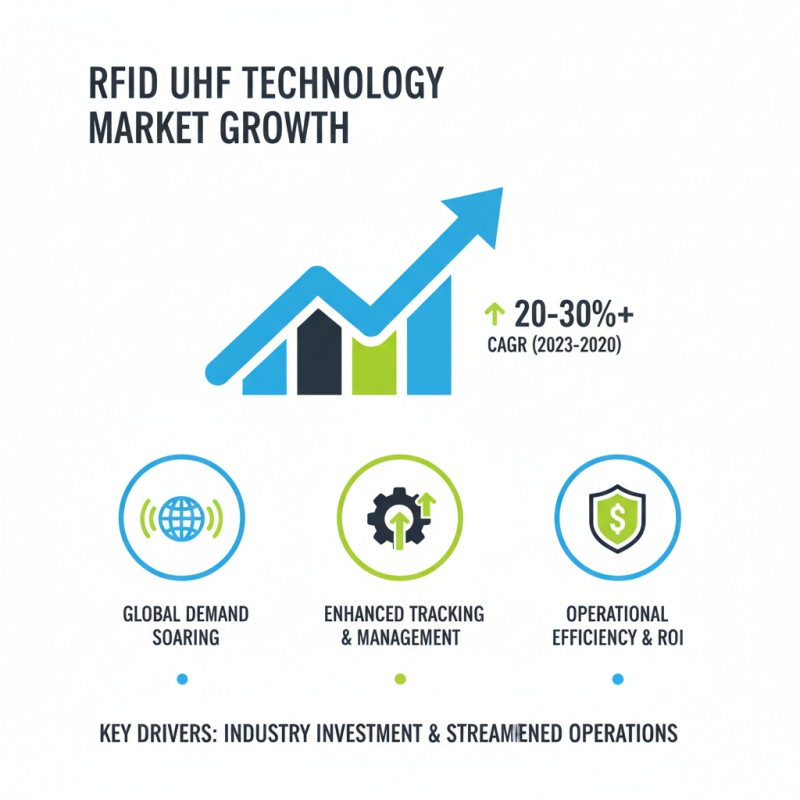
The RFID UHF technology market is experiencing noticeable growth. Analysts predict a robust increase in demand across various industries. This growth is driven by enhanced tracking and management capabilities. Companies are investing in RFID systems to streamline operations. Efficiency is a key benefit seen by many organizations.
Statistical analysis reveals significant trends. The market is estimated to grow at a rapid pace over the next few years. Data from recent studies show a compound annual growth rate (CAGR) that exceeds earlier projections. Retail, logistics, and healthcare sectors are leading the charge. However, the technology adoption faces hurdles. High initial costs and technical challenges remain a barrier for some companies.
As the market evolves, companies must adapt. The technology’s potential often outweighs the difficulties it presents. Businesses that do not embrace innovation risk falling behind. Industry players should consider these factors carefully. The landscape will continue to shift, affecting growth and opportunities for many.
Challenges and Solutions in Implementing RFID UHF Technology
Implementing RFID UHF technology comes with several challenges. One major issue is signal interference. Various materials can distort signals. Metal and liquids often disrupt communication. It's crucial to test environments before deployment. This ensures optimal performance of the system.
Another challenge is cost. Setting up an RFID system requires investment. Businesses must consider hardware, software, and maintenance. These costs can be daunting for small companies. It's essential to evaluate the return on investment before proceeding. Sometimes, alternatives may offer a better fit.
Tips: Engage with other organizations. Learn from their experiences with RFID. Collaborate with experts for tailored solutions. Be open to adjusting strategies as needed. Flexibility can lead to improved outcomes. Keep up with technological advancements. This can help tackle upcoming challenges effectively.
Optimizing Container Turnover Management with RFID Tag Solutions for Enhanced Efficiency and Tracking
Optimizing container turnover management is crucial for enhancing efficiency and tracking in logistics operations. By utilizing RFID tag solutions, companies can streamline the entire container cycle turnover process. These solutions offer a more precise method of visual tracking, ensuring that containers are managed effectively throughout their lifecycle. Moreover, RFID tags significantly reduce manual errors and labor costs, creating a more efficient workflow.
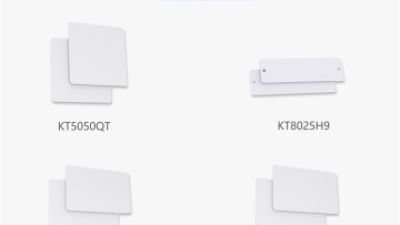
The container turnover tag solutions encompass two primary types: rugged tags and card tags. Rugged tags are designed to withstand harsh conditions, making them ideal for outdoor use, whereas card tags are more suited for situations requiring ease of use and flexibility. Regardless of your specific needs, whether you're looking for tailored solutions or general-purpose products, there is a range of options available to meet various operational requirements. With a focus on high-quality and cost-effective solutions, businesses can expect enhanced tracking capabilities and improved container turnover management.
By investing in RFID technology, organizations can not only improve the accuracy of their container tracking but also achieve greater visibility in their operations. This advancement enables businesses to respond swiftly to changes and challenges, thereby enhancing overall efficiency and productivity in the supply chain.
FAQS
: This product aims to enhance user experience and improve daily tasks.
Follow the instructions closely. Take time to understand each feature.
Regular cleaning is essential. Neglecting this may affect performance.
It is designed for diverse users, though some may find it challenging.
Users may experience minor glitches occasionally. Patience is key.
Lifespan varies based on usage. With care, it can last significantly longer.
Consult customer support for help. They can provide valuable guidance.
Yes, follow safety guidelines closely. Ignoring them can lead to problems.
Basic setup is needed. Ensure every step is followed for optimal performance.
Many products offer some form of warranty. Check details for clarity.
Conclusion
The article "Top Reader RFID UHF Technology: What You Need to Know" provides a comprehensive overview of RFID UHF technology, detailing its definition and key concepts, along with a historical perspective on its evolution. It explores the primary components of an RFID UHF system—including tags, readers, and middleware—while explaining the mechanisms of data transmission that underpin this technology.
Additionally, the article highlights various industry applications, showcasing how sectors such as logistics, retail, and healthcare are leveraging RFID UHF technology for efficiency and accuracy. Market insights reveal growth projections and statistical analyses that emphasize the increasing adoption of Reader RFID UHF systems. Finally, the article addresses common challenges faced in implementation, offering potential solutions to help organizations successfully integrate this technology into their operations.

 Rotary HF RFID Tag Reader GRH-I40 Suitable for Assembly Lines
 Industrial-grade High-frequency Integrated Reader GRH-I65 Suitable for Asset Tracking
 With ESD Protection HF RFID Reader GRH-I68 Suitable for Progress Tracking
 Proximity HF RFID Reader GRH-M30 Suitable for Manufacturing Workshops
 Desktop HF RFID Scanner GRH-D80-HID Suitable for Card-issuing Applications
 High Frequency Medium Distance Reader GRH-I90 Suitable for Logistics Production Line
 UHF RFID Portals and Tunnel Machine RFly-AM3000 for Access Control
 Narrow RFID Portals Series TD-P20040-SS for Single Tag Entry and Exit Identification Scenario
 RFID Transmission Line Simple Identification Tunnel Machine (TD-T3050)
 Vision and RFID Tunnel Machine TD-T7692-RV for Logistics Sorting
 RFID Transmission Line Identification Tunnel Machine TD-T10090
 RFID Mobile Inventory Tunnel Machine TD-T65150 for Conveyor Belts
 High-Performance Far-Field Antennas for Broad Coverage.
 Multi-Purpose Antennas: Flexibility for Diverse Applications
 Near-Field Antennas for Short-Distance Tag Detection.
 Portals & Tunnel Antennas for Integrated RFID Series
 Slimline PCB Antennas for Warehousing and Logistics
 Miniaturized and Thin Antennas can Provide Good Performance in a Smaller Size.
 GPS Tracker for Vehicles, Car, Kids, Assets.
 CO2 Sensors Detect CO2 Gas through Alarms, Suitable for Offices, Planting Tents.
 Door Sensor, Detect Open and Closed Doors or Windows, Sends Alerts, Triggers Siren.
 Wireless Level Sensor Equipped with a 5-Meter Detection Line, Suitable for Water Tanks
 Real Time Monitoring of Air Quality Using PM2.5/PM10 Sensors.
 Smoke Sensor, Fire Alarm Smoke Detector with Test Button and Low Battery Reminder.
 Soil Stress Sensor,Bridge and Tunnel Monitors.
 Vibration Sensor Monitors Equipment, Like Conveyors and Motors, for Operational Status.
 E -Paper Display
 Smart Water Sensor Alarms, 1.2 M Detection Line.
 CO Sensor for Basements Home Office House Bedroom Living Room Car, Light Plug and Play.
 Temperature and Humidity Sensor
 Multi-sensor GD-ME
 Temperature Sensors Monitor the Surface Temperature of Various Heating Equipment.-1
 Signal Enhancement Terminal, Long Range Coverage.
 Multi-Protocol Communication Gateway, App Remote Control.
 Edge Vision Gateway can Access Various Mainstream Cameras, Suitable for Office, Factory.
 GBS-3550 Outdoor Sensor Gateway,LoRa, 2/3/4G Communication.
 Smart WiFi Gateway, Realize Remote Control.
 Ultra-Low-Power Solar-Powered Intelligent Gateway (Outdoor)
 IP67-protected Integrated RFID Reader Writer RFly-I165 for Supply Chain
 Long-range Distance UHF RFID Reader RFly-I195 for Inventory Management
 Small UHF RFID Tag Reader RFly-I300 for Cars
 Two-channel Compact Fixed RFID Reader RFly-F210 for Warehousing
 Four Channels Fixed UHF RFID Reader RFly-R6 for Supply Chain
 8-channel UHF RFID Tag Reader RFly-R8 for File Cabinet Identification
 Bluetooth Portable RFID Reader and Writer GRU-HBT100 for Inventory Management
 Industrial Grade Handheld UHF RFID Reader GRU-HC520 Suitable for Logistics
 RFID Gateway Networking System
 RFID Passive Temperature Measurement System
 RFID Tags for Container Turnover Management
 RFID Tags for Equipment O&M Management
 RFID Tags for Manufacturing Management
 RFID Tags for Tool Management
 A Kits for Equipment Condition Detection
 A Kits for Office Computer Room Environment Monitoring
 A Kits for Reservoir Environmental Monitoring
 A Kits for Storage Space Environment Monitoring
 A Kits for Stress Detection of Underground Tunnel
 A Kits for Urban Environment Monitoring
 Intelligent IoT Monitoring Platform
 Integrating Multiple Functional OTG Demo Software
 HF Demo Software
 UHF Demo Software