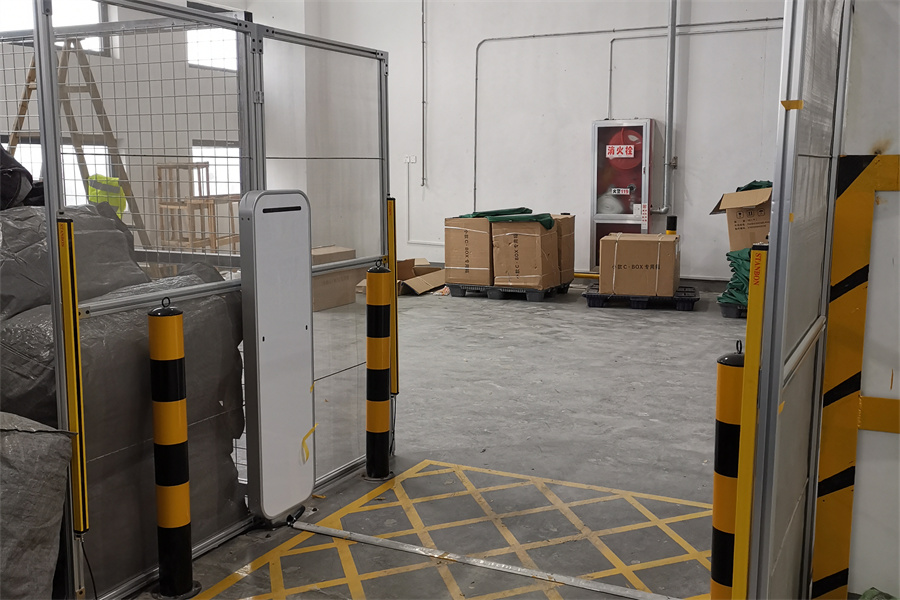
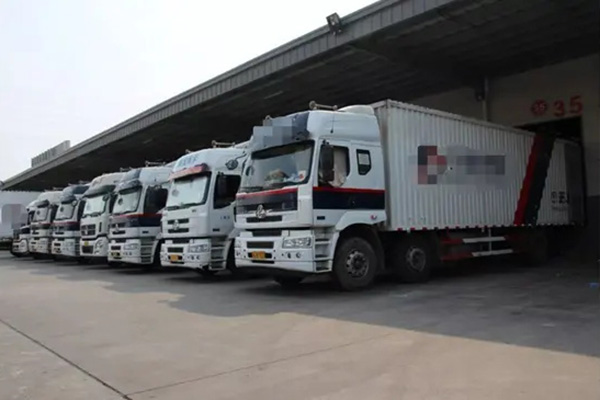
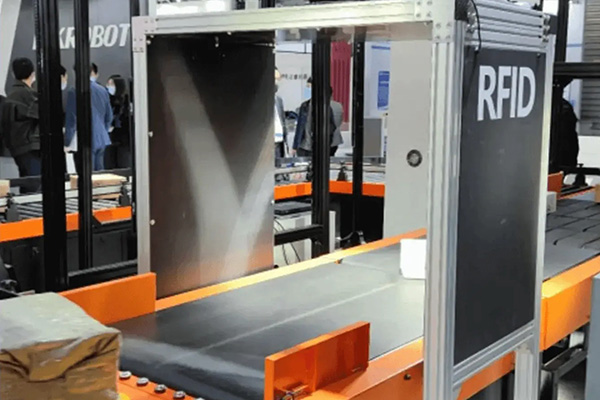
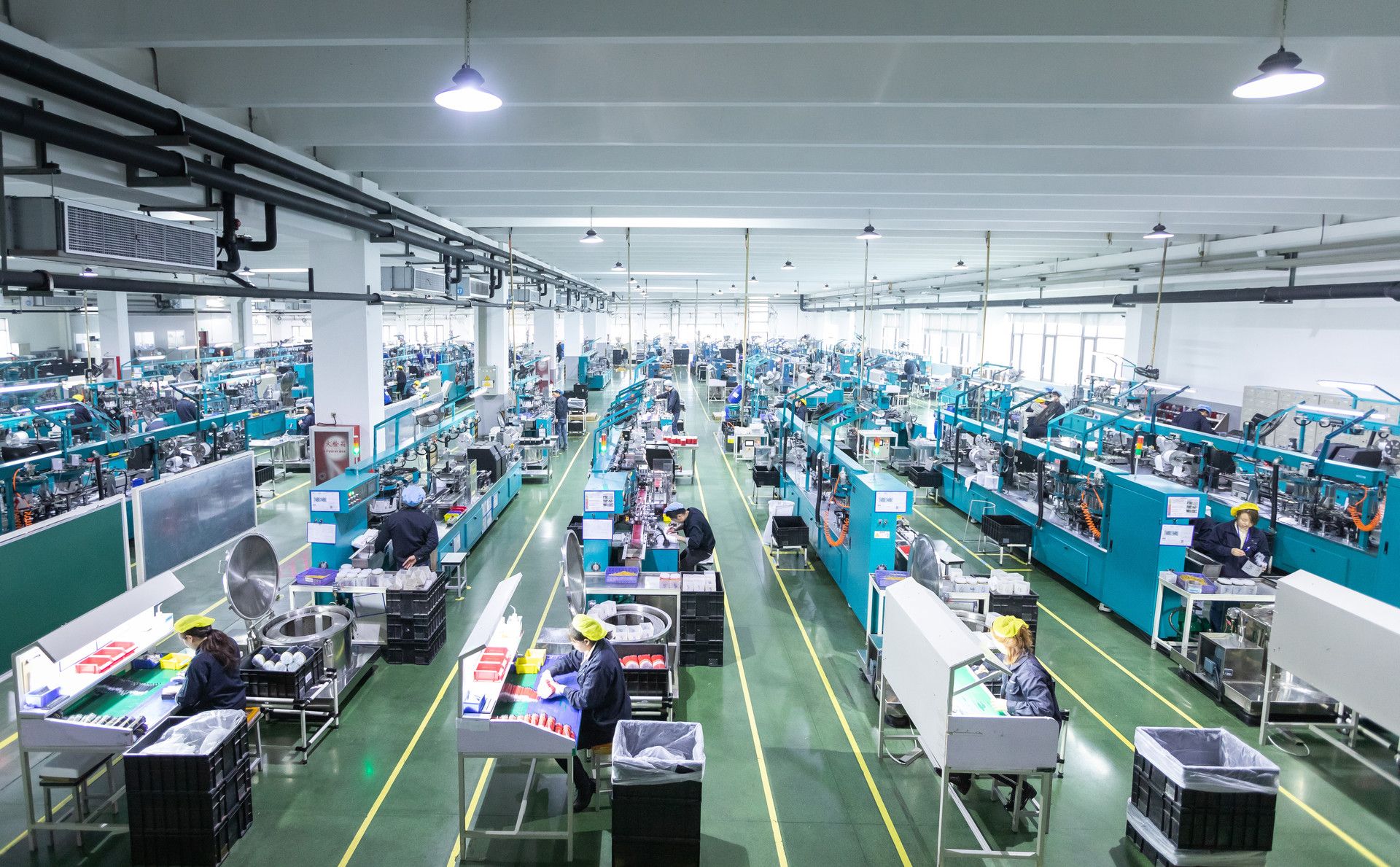
RFID Application in Inbound/Outbound Management
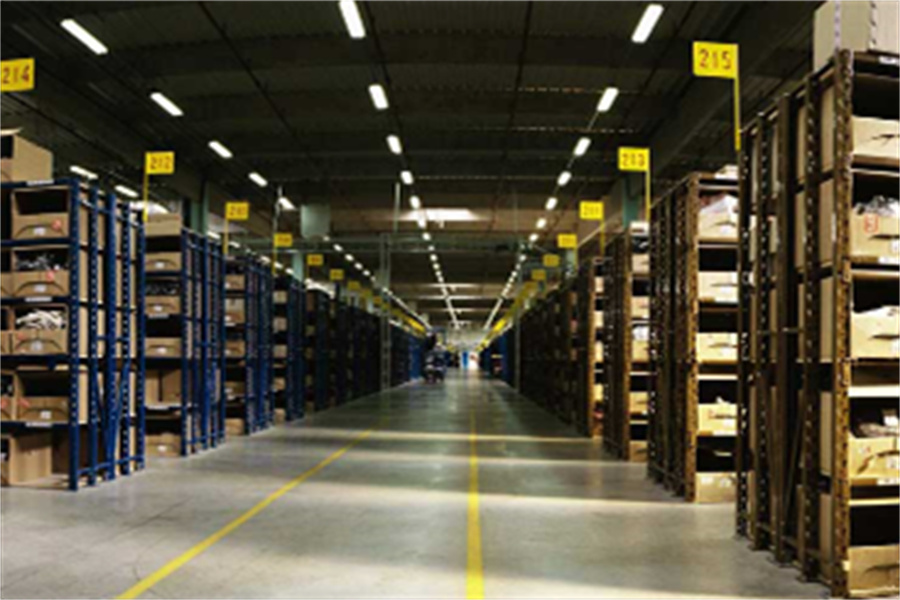
RFID Application in Warehouse Management
RFID Application in AGV Material Transport Management
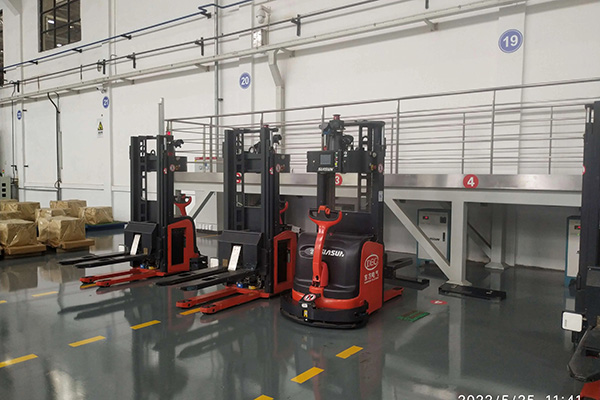
RFID Application in Forklift Cargo Identification
RFID Application in Platform Vehicle Management
RFID Application in Logistics Sorting
RFID Application in Supply Chain Management
RFID Application for Workshop/Warehouse Tracking
Smart Warehouse Monitoring and Management
RFID technology empowers port containers: a new direction for future logistics
RFID technology in forklift tracking and container bag identification
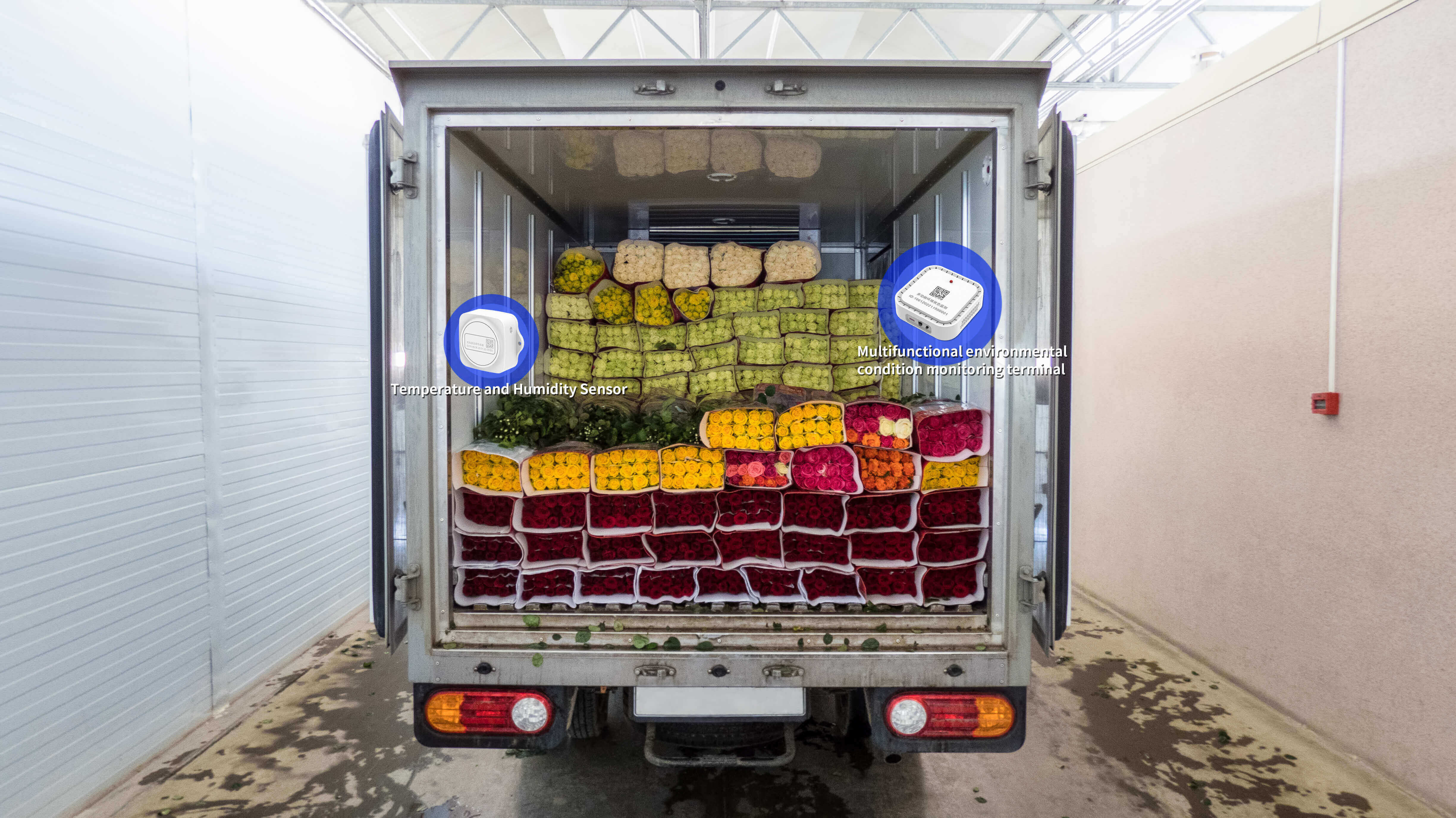
Real-Time Data, Secure Transportation: The Future Trends of Cold Chain Logistics
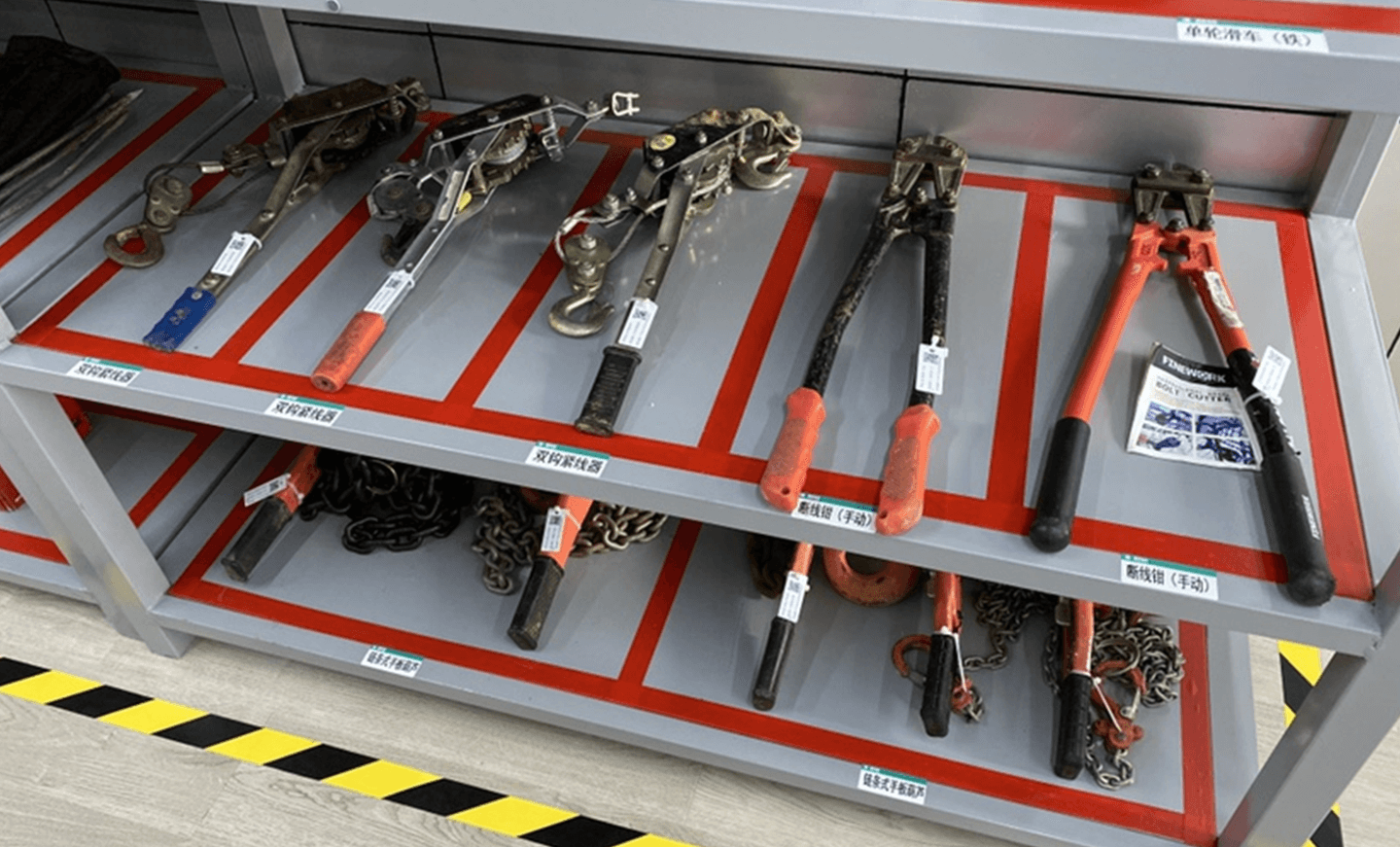
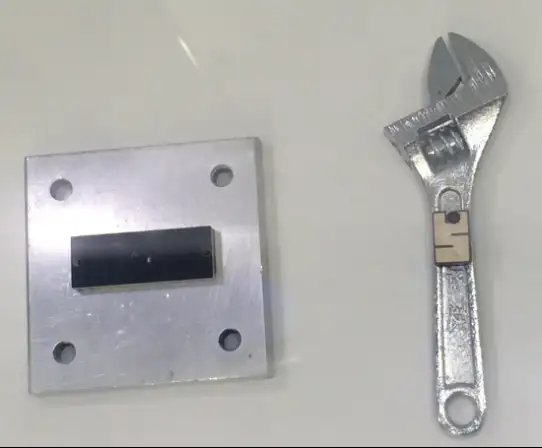
RFID Tool Management
RFID Application in Battery Factory Production
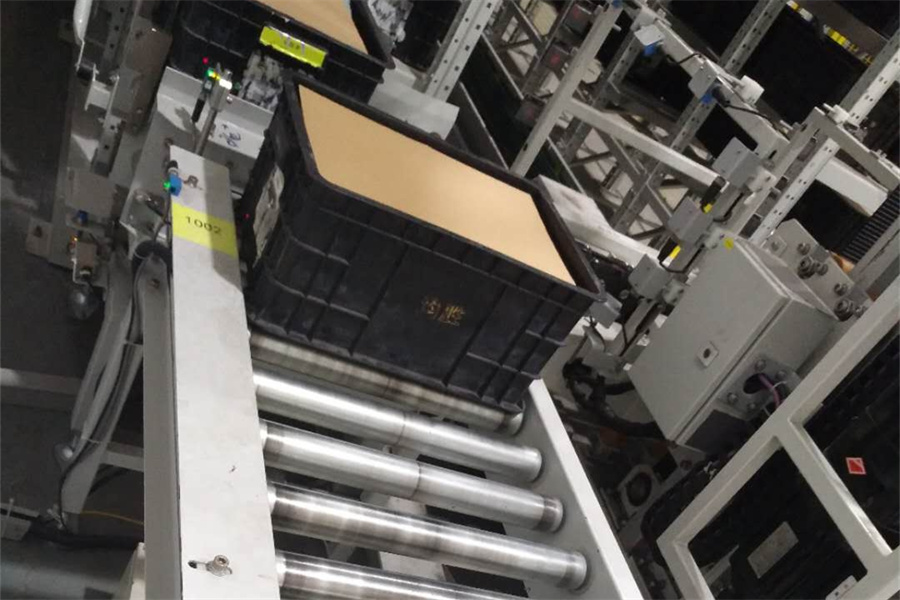
RFID Application in Production Line Rubber Box Management
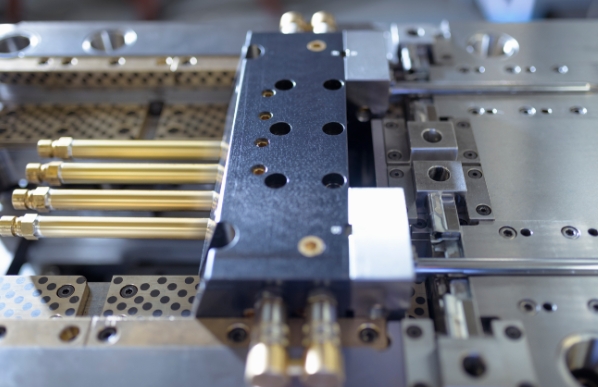
RFID Application in Mold Management on Production Lines
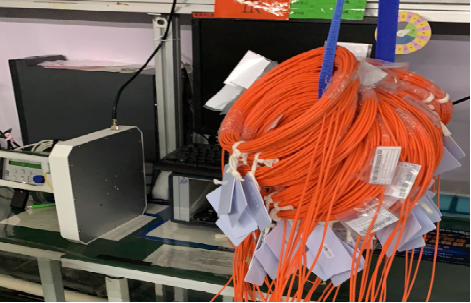
RFID Application in Fiber Optic Cable Manufacturing
Smart Manufacturing
The medical industry uses RFID technology to make drug tracking more accurate
RFID technology helps beverage production and build an efficient supply chain
RFID technology helps car seat production lines: intelligent management improves efficiency and quality
RFID technology in the production of electronic appliances monitoring and tracing application
Use RFID technology to improve appliance management efficiency and security
RFID technology helps precise installation of headrests
With the 2026 Canton Fair coming up soon, making sure you're really visible and making the most of your presence is more important than ever. A good place to start is by focusing on your Reader Antenna strategy—that's what really helps you stand out. In today’s fast-changing world, knowing how to use differentrfid reader antenna types can make a big difference when trying to connect with potential partners.
The fair is happening in three different phases, each highlighting different industries—from high-tech manufacturing to home decor. And here's the cool part: attendees will have AI-powered tools at their fingertips to help find qualified suppliers quickly and easily. It’s like having a smart guide right there with you.
That said, I’ve noticed some exhibitors kind of overlook how important their presentation is. If your Reader Antennas aren’t positioned right, you might end up missing out on opportunities you could have grabbed. Doing a bit of research into the right RFID reader antenna types can really boost your chances of successful communication. Honestly, taking a moment to reflect on your antenna setup could be the game-changer for your success at the fair.
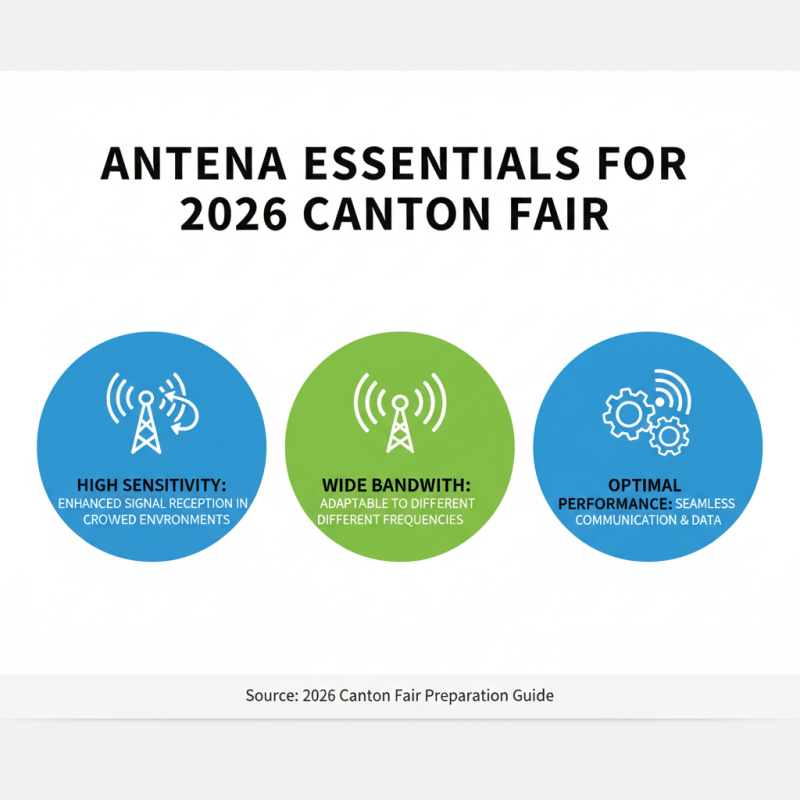
When preparing for the 2026 Canton Fair, understanding antenna features is vital. Antennas play a crucial role in ensuring seamless communication and data transmission. High sensitivity is one essential feature. This allows for better signal reception, especially in crowded environments. A good antenna should also offer a wide bandwidth. This makes it adaptable to different frequencies, improving overall performance.
Another aspect to consider is durability. Antennas must withstand various weather conditions. A robust design prevents damage during transport or setup. Mobility is equally important. Lightweight and portable antennas are easier to manage at large events like the Canton Fair. You might notice that some antennas are more cumbersome. They can hinder quick setups.
Lastly, the antenna's compatibility with diverse devices matters. Not all antennas work with every device type. This can lead to disappointment at critical moments. Testing equipment beforehand helps to avoid mishaps. Reflect on how your current setup can improve. A clear focus on these features may lead to better results at the fair.
Choosing the right antenna type is crucial for success at the 2026 Canton Fair. Selecting an appropriate Rfid Reader Antenna can significantly impact your operational efficiency. According to recent industry reports, using an optimized antenna can enhance read range by up to 30%. This improvement translates into faster product tracking and inventory management.
Tip: Assess your environment before choosing. For indoor settings, a circular polarized antenna may work best. On the other hand, linear polarized antennas can be more effective outdoors. Understanding your specific needs is essential. Distances vary; consider a model that meets your range objectives.
Also worth noting, the design of the RFID reader antenna affects performance. An antenna with a focused beam can improve reading accuracy in crowded areas. Be mindful that using the wrong antenna can lead to decreased performance. Review all available data before making a decision. Engaging with professionals in the field can provide deeper insights into your needs.
Setting up your reader antenna at the Canton Fair is crucial for maximizing exposure. A well-placed antenna can improve signal strength, which is vital for efficient data transmission. According to a professional report, 70% of visitors rely on real-time communication at trade shows. Proper positioning could enhance your connection quality significantly.
Find a strategic location for your antenna. Avoid areas with heavy foot traffic. Positioning near walls or corners may help reduce interference. If possible, test your setup before the event begins. Some exhibitors reported issues when they changed locations last minute. Adapting to the new environment can be challenging.
Ensure your antenna is compatible with the local network frequency bands. According to recent industry data, mismatched frequencies can result in up to 30% data loss. Sometimes, overlooked details can lead to significant setbacks. Regularly check for updates on network requirements, as these may change. Having a backup option ready is also wise. Unforeseen issues can arise, and being prepared is key.
Positioning your antenna effectively can greatly enhance your experience at the Canton Fair. Proper placement can maximize reception and ensure smoother operations with your Rfid Reader And Antenna. Here are some tips to consider.
Start by finding an elevated position. Higher spots can reduce signal obstruction. Avoid placing your antenna near large metal objects. These can interfere with the signal, leading to poor performance. Pay attention to the surrounding environment. If it's crowded, you may face interference from other devices.
Experimenting with angles can also help. Slightly adjusting the tilt of your antenna can make a significant difference in reception quality. Test different orientations to find the most effective angle. Don't forget to account for potential obstructions, like walls or furniture.
Finally, consider the distance between your RFID reader and antenna. Keeping them close can reduce signal loss. However, too close can create interference. Balancing this distance is key. Use your observations to refine your setup continuously. With patience and flexibility, you can enhance your reception and enjoy a successful Canton Fair experience.
Understanding signal strength and quality for antennas is crucial, especially for events like the Canton Fair in 2026. A strong signal means better communication and efficiency. Antennas should be positioned correctly to minimize interference. Sometimes, even the best antennas struggle with environmental factors. You might need to adapt your setup.
One effective tip is to analyze the location before the event. Look for potential obstructions. Buildings, large crowds, or even trees can weaken signals. Take time to adjust the placement of your Rfid Antenna And Reader. Small changes can lead to noticeable improvements. Experiment with different angles to find the best setup.
Testing your equipment is vital. Don’t wait until the last minute. Conduct signal quality tests to identify weak spots in coverage. Some users find that using multiple antennas can enhance performance. This strategy may seem basic, but it can save you headaches during key moments at the fair. Remember, every detail matters.
When attending the Canton Fair in 2026, issues with your antenna can be frustrating. An Antenna Reader is essential for clear communications. If you face problems, here are some troubleshooting tips.
Check your connections. Loose cables affect signals. Ensure all connectors are tight. A simple twist or push can make a big difference. Also, look for physical damage. Inspect your antenna for signs of wear. A frayed wire can lead to poor performance.
Calibration is another crucial step.Make sure your Antenna Reader is set correctly. Sometimes setting adjustments solve many issues. Don't overlook software updates, either. Outdated versions can cause compatibility problems.
Don’t hesitate to seek help. Forums and support groups often have answers. Other users may have faced similar challenges. Learn from their experiences. If all else fails, consider reviewing your entire setup. A fresh perspective can uncover overlooked details.
The advancements in antenna technology are set to reshape the landscape of trade shows by 2026. As companies prepare for the upcoming Canton Fair, understanding these trends is essential. High-frequency antennas are gaining prominence. They ensure reliable communication across exhibits. This will improve real-time data sharing and networking capabilities.
When planning your presence, consider location and design. Position your antenna for maximum coverage. An unobstructed line of sight enhances signal strength. Evaluate your setup frequently. Small changes can make a significant difference. Issues may arise if you overlook these details.
Utilizing innovative materials can elevate your display. Lighter and more durable antennas facilitate easier handling. However, the cost may be higher. Balance between quality and budget is crucial. Constantly reassess your strategy as technologies evolve. Adaptation is key to achieving trade show success.
| Tip | Description | Potential Impact | Technology Trend |
|---|---|---|---|
| Use Smart Antennas | Incorporate smart antennas for better signal quality. | Improved communication and data transfer. | AI integration in antenna technology. |
| Optimize Placement | Analyze booth layout for optimal antenna signal coverage. | Maximized reach and engagement with attendees. | 3D scanning technologies for space optimization. |
| Utilize Multi-band Antennas | Invest in antennas that support multiple frequency bands. | Enhanced connectivity across devices. | Evolution towards universal connectivity solutions. |
| Regular Maintenance | Schedule routine checks on antenna hardware. | Consistent performance and reduced downtime. | Advancements in remote monitoring systems. |
| Feedback Mechanism | Implement systems for attendee feedback on communication quality. | Continuous improvement based on user inputs. | Data analytics for user experience enhancement. |
: Assess your environment. Indoor may require circular polarized, while outdoor needs linear polarized antennas.
It can improve the read range by up to 30%. This means faster tracking and inventory management.
A focused beam design enhances accuracy, especially in crowded areas. Wrong design may lead to poor performance.
Position your antenna for maximum coverage. Ensure an unobstructed line of sight to enhance signal strength.
High-frequency antennas are becoming popular. They enable better communication and real-time data sharing at events.
Balance is vital; higher-quality antennas may cost more. Regularly reassess quality versus budget to make informed choices.
Frequent evaluations help catch small issues before they escalate. Small changes can lead to significant performance differences.
Data is crucial, but consulting professionals can provide deeper insights. Consider other perspectives for better decision-making.
The article "Top 5 Reader Antenna Tips for 2026 Canton Fair Success" provides essential insights into optimizing antenna performance during trade exhibitions. It emphasizes the importance of selecting the right reader antenna type according to specific needs, ensuring optimal setup for effective communication in a bustling environment like the Canton Fair. Key tips include strategically positioning the antenna to maximize reception and understanding the nuances of signal strength and quality, which are vital for seamless operation.
Additionally, the article addresses common troubleshooting techniques for antenna issues to ensure minimal disruptions during the event. Looking ahead, it explores future trends in antenna technology that could enhance trade show experiences, highlighting the importance of staying updated with innovations in the industry. By following these guidelines, attendees can significantly improve their chances of success at major trade fairs.