In today's whirlwind world, staying efficient is pretty much a must for businesses. One gadget that's really making a difference in boosting productivity is the long-range RFID reader. These devices make it super easy to track stuff and manage inventory across huge distances — it’s like having eyes everywhere! Lots of companies are trying to streamline their operations, so long-range RFID tech is more relevant than ever.
There are quite a few players in the game, though. Big names like Impinj and Zebra Technologies are known for their top-notch products. Their long-range RFID readers are built to be reliable and perform well. But, honestly, not every model is perfect for every situation. It’s really about figuring out what your specific needs are.
The market’s packed with options, but that makes it all the more important to choose carefully. Things like range distance, data transfer speed, and compatibility can vary pretty a lot from one model to another. So, taking the time to understand what you really need will help you pick the right Long-range Distance UHF RFID Reader. Investing in quality tech is smart, but you’ve also got to find that sweet spot between what you want and what you’re willing to spend. It’s all about balancing the features with your budget—something a lot of people have to think about!
Understanding Long Range RFID Technology and Its Applications
Long-range RFID technology has transformed inventory management and Asset Tracking. This technology allows for data collection from a distance, improving efficiency in various industries. According to a recent report by IDTechEx, the RFID market is projected to reach $11.75 billion by 2026, displaying significant growth potential.
Understanding how long-range RFID systems work is crucial. These systems typically operate at frequencies of 860 to 960 MHz and can scan tags up to 100 meters away. This range facilitates contactless transactions and improves workflow. As industries adopt these systems, they reduce manual labor and minimize human errors.
Tip: When considering RFID deployment, assess the specific needs of your business. Not every application requires long-range capabilities. Sometimes, short-range solutions can provide adequate coverage without added complexity.
While long-range RFID offers many benefits, challenges exist. Interference from metal objects can disrupt signal transmission. Additionally, security of stored information remains a concern. Companies must adopt robust encryption methods to protect data from unauthorized access.
Tip: Regularly review your RFID system performance. Adjustments might be needed to optimize your infrastructure for the best results. Understanding these nuances helps businesses make informed decisions in their RFID investments.
Criteria for Selecting Long Range RFID Readers
When selecting long-range RFID readers, several criteria should be prioritized to ensure they meet specific operational needs. The read range is a fundamental factor, as it can significantly impact efficiency. A range of 30 meters is often mentioned in industry studies. This is particularly beneficial in large warehouses where inventory tracking is essential.
Another crucial aspect is the frequency band. Readers operating at UHF frequencies generally provide better performance over longer distances. According to market reports, UHF systems deliver the best balance between read distance and power consumption. Cost is also a critical consideration. Data indicates that businesses often overlook the total cost of ownership, which includes maintenance and integration costs.
Compatibility with existing systems cannot be ignored. A seamless integration process can enhance workflow efficiency. Additionally, evaluating environmental resilience is key. Readers exposed to extreme conditions need higher durability ratings. This attention to detail can prevent future operational interruptions. These considerations create a framework for informed decision-making in RFID technology selection.
Top Brands in Long Range RFID Reader Market
The long-range RFID reader market exhibits significant growth, driven by increased demand across various sectors. According to industry reports, the market is expected to grow at a CAGR of 12.4% from 2023 to 2030. Industries are adopting Long Range Rfid Readers to enhance asset tracking and inventory management. Their ability to read tags from over 30 feet away supports operational efficiency.
Market leaders in long-range RFID technology invest heavily in research and development. This is essential to stay competitive, as companies seek innovative features. Enhanced read ranges and improved interoperability are critical for businesses aiming to streamline operations. However, selecting the right Long Range RFID Reader poses challenges. Buyers often face uncertainty regarding specifications and compatibility with existing systems.
Different brands provide options tailored to specific needs. Some devices excel in outdoor environments, while others are better suited for indoor use. Finding the balance between cost and functionality can be tricky. Additionally, while advanced features appeal to buyers, they might not always address basic needs effectively. The complexity can lead to frustration and require additional learning. Understanding these intricacies can help inform purchasing decisions.
Features and Specifications of Leading Long Range RFID Readers
When selecting a long-range RFID reader, buyers should consider specific features and specifications crucial for effective implementation. These readers typically support a range of tags, providing flexibility across various applications. Many devices boast reading distances of up to 30 feet or more, a significant advantage for inventory management in large warehouses.
Another key specification to examine is the communication protocol supported by the Rfid Reader Long Range. Various models might use different protocols, which can affect integration with existing systems. Some units also feature rugged designs, making them suitable for outdoor use in challenging environments. It's important to note that not all long-range RFID readers perform equally in all conditions. Reliability can vary based on environmental factors and tag types being used.
Buyers should also reflect on their specific needs before making a decision. Overlooking key aspects like power consumption or compatibility with software can lead to operational inefficiencies. It’s essential to engage with knowledgeable sources to ensure the selected RFID reader truly fits the intended application. Always verify the claims made by manufacturers, as real-world performance may differ.
Top 10 Long Range RFID Readers for Global Buyers
| Model | Read Range | Frequency | Interface | Features |
| Model A | 15 meters | 900 MHz | USB, Ethernet | Anti-collision, portable |
| Model B | 20 meters | 2.45 GHz | Bluetooth, Wi-Fi | High sensitivity, multi-protocol |
| Model C | 10 meters | 860-960 MHz | Serial, TCP/IP | Weatherproof, long battery life |
| Model D | 12 meters | RFID 13.56 MHz | USB, RS232 | Compact size, plug and play |
| Model E | 25 meters | 920 MHz | Ethernet, RS485 | High capacity, multipoint |
| Model F | 18 meters | UHF 915 MHz | USB, Wi-Fi | Real-time tracking, multi-tag reading |
| Model G | 8 meters | HF 13.56 MHz | Serial, Bluetooth | Secure data encryption, lightweight |
| Model H | 22 meters | 915 MHz | Ethernet, RS232 | High performance, industrial grade |
| Model I | 30 meters | LF 125 kHz | TCP/IP, USB | Durable, high scalability |
| Model J | 14 meters | UHF 900 MHz | USB, Ethernet | Innovative design, user-friendly interface |
Comparative Analysis of Performance and Range
When choosing long-range RFID readers, performance and range are crucial factors. Various models exist, each with unique features that cater to different applications. A strong reader typically boasts an impressive read range and quick response time, allowing for efficient data collection. Users often prioritize ease of integration and durability as they apply these readers in varying environments.
Tips: Consider the environmental conditions where you will use the Portable Rfid Reader Long Range. High interference areas may affect performance. Check specifications carefully to understand the expected range.
Many readers excel in line-of-sight conditions, but performance can decline in crowded spaces. Reflection and refraction may play a role in read accuracy. The latest technology aims to mitigate these challenges, but user experience varies. Some reviews suggest that repeated testing in real-world scenarios is vital for informed choices.
Tips: Always assess battery life when selecting your reader. Long-lasting power ensures uninterrupted operation during critical tasks. Additionally, reading multiple tags at once is essential for efficiency, so evaluate how various models handle this feature.
Top 10 Long Range RFID Readers Performance Comparison
User Feedback and Case Studies on Long Range RFID Readers
User feedback highlights the importance of practical applications for Rfid Long Range Reader technology. Many users report significant benefits in inventory management. Real-time tracking reduces errors, leading to efficiency. Case studies show vast improvements in warehouse operations. One company noted a 40% reduction in time spent locating items after implementing this technology.
Tips for choosing an Rfid Long Range Reader: Consider your environment.Metal surfaces can affect read range. Testing readers in your specific setting before purchase is crucial. Additionally, evaluate the software integrations available. Compatibility with existing systems can enhance functionality. User experiences emphasize the value of adaptability in product selection.
Another point of reflection is the learning curve associated with new technology. Some users initially encounter issues due to unfamiliarity with the systems. Proper training can mitigate these challenges. Engaging with communities or forums can provide insights and support. These discussions often reveal best practices for leveraging Rfid Long Range Reader strengths effectively.
Future Trends in Long Range RFID Technology and Readers
Long-range RFID technology is evolving rapidly, and this trend will shape many industries. The capabilities of these systems are becoming increasingly sophisticated. They provide greater reading distances, improved accuracy, and minimize interference from environmental factors. These advancements are crucial for sectors like logistics and supply chain management.
However, there are challenges that demand attention. As the technology becomes more widespread, security concerns grow. Protecting sensitive data is a significant issue. Additionally, the cost of implementing advanced RFID systems can be prohibitive for some organizations. They must weigh the benefits against the financial investment required.
The future may also see increased integration with IoT devices. This could enhance data collection and tracking capabilities. Collaboration between various stakeholders will be essential. Companies that embrace innovation will have the edge. Yet, it's important for them to remain vigilant about the potential risks associated with these advancements. The journey ahead will require continuous adaptation and learning.
Optimizing Industrial Efficiency with the RFID Transmission Line Simple Identification Tunnel Machine (TD-T3050)
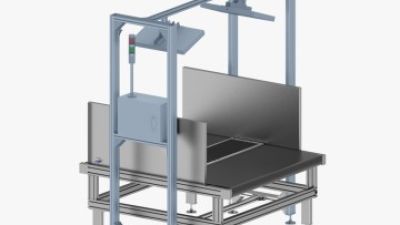
The RFID Transmission Line Simple Identification Tunnel Machine (TD-T3050) represents a significant advancement in industrial efficiency. Equipped with a high-performance, high-sensitivity RFID code reader, this innovative machine exemplifies fast and accurate identification, crucial for modern manufacturing and logistics operations. Its capability to process large volumes of RFID tags at high speeds enables businesses to streamline their workflows, reducing downtime and enhancing productivity.
In addition to its core functionality, the TD-T3050 supports OEM and ODM services, allowing organizations to tailor solutions that meet their unique requirements. This flexibility empowers companies to implement innovative asset tracking, inventory management, and other operational enhancements that are critical in today's digital landscape. By partnering with providers of such reliable and scalable hardware solutions, businesses can ensure they remain competitive while effectively managing resources and optimizing their processes. The integration of RFID technology not only simplifies identification but also contributes to overall operational excellence.
FAQS
: Read range greatly impacts efficiency, especially in large spaces like warehouses. A range of 30 meters is often ideal.
UHF frequency readers typically offer better performance over longer distances compared to other bands.
Total cost of ownership includes maintenance and integration costs, which are often overlooked during selection.
Seamless integration enhances workflow efficiency, ensuring smooth operations and better resource management.
Readers must have high durability ratings to withstand extreme conditions and prevent operational interruptions.
Uncertainty about specifications and compatibility can create confusion during the selection process.
Yes, some devices perform better in outdoor environments while others excel indoors.
Not necessarily; advanced features may not address fundamental requirements effectively, leading to frustration.
Significant investment in research is vital for competitive advantage and innovation in features.
Recognizing the complexities of RFID technology can lead to more informed and satisfying purchasing decisions.
Conclusion
The article "Top 10 Long Range RFID Readers for Global Buyers" explores the advancements and applications of Long Range RFID technology. It begins by outlining the significant aspects and functionalities of RFID Reader Long Range systems, emphasizing their effectiveness in tracking and managing inventory over extensive distances. The criteria for selecting the optimal long range RFID readers are detailed, enabling buyers to make informed decisions based on features and specifications that cater to various industry needs.
Furthermore, the article provides a comparative analysis of the performance and range of leading models, alongside user feedback and case studies, showcasing real-world applications and satisfaction levels. Finally, it discusses future trends in long range RFID technology, hinting at innovations that may enhance capabilities and efficiency in the field. Overall, this synthesis offers valuable insights for global buyers seeking reliable RFID solutions.

 Rotary HF RFID Tag Reader GRH-I40 Suitable for Assembly Lines
 Industrial-grade High-frequency Integrated Reader GRH-I65 Suitable for Asset Tracking
 With ESD Protection HF RFID Reader GRH-I68 Suitable for Progress Tracking
 Proximity HF RFID Reader GRH-M30 Suitable for Manufacturing Workshops
 Desktop HF RFID Scanner GRH-D80-HID Suitable for Card-issuing Applications
 High Frequency Medium Distance Reader GRH-I90 Suitable for Logistics Production Line
 UHF RFID Portals and Tunnel Machine RFly-AM3000 for Access Control
 Narrow RFID Portals Series TD-P20040-SS for Single Tag Entry and Exit Identification Scenario
 RFID Transmission Line Simple Identification Tunnel Machine (TD-T3050)
 Vision and RFID Tunnel Machine TD-T7692-RV for Logistics Sorting
 RFID Transmission Line Identification Tunnel Machine TD-T10090
 RFID Mobile Inventory Tunnel Machine TD-T65150 for Conveyor Belts
 High-Performance Far-Field Antennas for Broad Coverage.
 Multi-Purpose Antennas: Flexibility for Diverse Applications
 Near-Field Antennas for Short-Distance Tag Detection.
 Portals & Tunnel Antennas for Integrated RFID Series
 Slimline PCB Antennas for Warehousing and Logistics
 Miniaturized and Thin Antennas can Provide Good Performance in a Smaller Size.
 GPS Tracker for Vehicles, Car, Kids, Assets.
 CO2 Sensors Detect CO2 Gas through Alarms, Suitable for Offices, Planting Tents.
 Door Sensor, Detect Open and Closed Doors or Windows, Sends Alerts, Triggers Siren.
 Wireless Level Sensor Equipped with a 5-Meter Detection Line, Suitable for Water Tanks
 Real Time Monitoring of Air Quality Using PM2.5/PM10 Sensors.
 Smoke Sensor, Fire Alarm Smoke Detector with Test Button and Low Battery Reminder.
 Soil Stress Sensor,Bridge and Tunnel Monitors.
 Vibration Sensor Monitors Equipment, Like Conveyors and Motors, for Operational Status.
 E -Paper Display
 Smart Water Sensor Alarms, 1.2 M Detection Line.
 CO Sensor for Basements Home Office House Bedroom Living Room Car, Light Plug and Play.
 Temperature and Humidity Sensor
 Multi-sensor GD-ME
 Temperature Sensors Monitor the Surface Temperature of Various Heating Equipment.-1
 Signal Enhancement Terminal, Long Range Coverage.
 Multi-Protocol Communication Gateway, App Remote Control.
 Edge Vision Gateway can Access Various Mainstream Cameras, Suitable for Office, Factory.
 GBS-3550 Outdoor Sensor Gateway,LoRa, 2/3/4G Communication.
 Smart WiFi Gateway, Realize Remote Control.
 Ultra-Low-Power Solar-Powered Intelligent Gateway (Outdoor)
 Global 3PL Streamlines High-End Fashion Inventory with MingQ RFID Tunnel Solution
 Leading E‑Commerce Platform Accelerates Flash-Sale Fulfillment and Boosts Warehouse Productivity with MingQ RFID Sorting Wall Solution
 Global Automaker Elevates Component Kitting Accuracy with MingQ RFID Shelf‑Level Management Solution
 Asia’s Largest Logistics Provider Enhances Warehouse Intelligence with RFID Pallet & Container Management Solution
 RFID Application in Platform Vehicle Management
 RFID Application in Logistics Sorting
 RFID Application in Supply Chain Management
 RFID Application for Workshop/Warehouse Tracking
 TP‑Link Enhances Warehouse Inbound/Outbound Efficiency with MingQ RFID Dock‑Door Solution
 RFID technology empowers port containers: a new direction for future logistics
 RFID technology in forklift tracking and container bag identification
 Real-Time Data, Secure Transportation: The Future Trends of Cold Chain Logistics
 RFID Tool Management
 RFID Application in Battery Factory Production
 RFID Application in Production Line Rubber Box Management
 RFID Application in Mold Management on Production Lines
 RFID Application in Fiber Optic Cable Manufacturing
 Smart Manufacturing
 The medical industry uses RFID technology to make drug tracking more accurate
 RFID technology helps beverage production and build an efficient supply chain
 RFID technology helps car seat production lines: intelligent management improves efficiency and quality
 RFID technology in the production of electronic appliances monitoring and tracing application
 Use RFID technology to improve appliance management efficiency and security
 RFID technology helps precise installation of headrests
 RFID Asset Management Kit
 IP67-protected Integrated RFID Reader Writer RFly-I165 for Supply Chain
 Long-range Distance UHF RFID Reader RFly-I195 for Inventory Management
 Small UHF RFID Tag Reader RFly-I300 for Cars
 Two-channel Compact Fixed RFID Reader RFly-F210 for Warehousing
 Four Channels Fixed UHF RFID Reader RFly-R6 for Supply Chain
 8-channel UHF RFID Tag Reader RFLY-MR8 for File Cabinet Identification-1
 Bluetooth Portable RFID Reader and Writer GRU-HBT100 for Inventory Management
 Industrial Grade Handheld UHF RFID Reader GRU-HC520 Suitable for Logistics
 RFID Gateway Networking System
 RFID Passive Temperature Measurement System
 RFID Tags for Container Turnover Management
 RFID Tags for Equipment O&M Management
 RFID Tags for Manufacturing Management
 RFID Tags for Tool Management
 A Kits for Equipment Condition Detection
 A Kits for Office Computer Room Environment Monitoring
 A Kits for Reservoir Environmental Monitoring
 A Kits for Storage Space Environment Monitoring
 A Kits for Stress Detection of Underground Tunnel
 A Kits for Urban Environment Monitoring
 Intelligent IoT Monitoring Platform
 Integrating Multiple Functional OTG Demo Software
 HF Demo Software
 UHF Demo Software