In the fast-changing world of retail and logistics, Long Distance RFID Readers are really shaking things up. They've become a pretty big deal when it comes to speeding up operations and keeping track of inventory more efficiently. I was reading a recent report from Grand View Research, and it turns out that the global RFID market could hit around $14.77 billion by 2025 — with a large chunk of that driven by demand for those long-range readers. What’s cool about these devices is that they let you track assets and stock from pretty far away, which is a total game-changer in busy environments where quick data is a must.
These Long Distance RFID Readers make supply chain management way smoother. They boost visibility and cut down on human errors. Imagine scanning multiple items at once, even from 100 meters away—that’s a real time-saver! Things like shipping and receiving become way more efficient, which means shorter lead times and happier customers. Industry experts are saying that using this tech can shave operational costs by up to 30% over time, so investing in top-notch RFID gear is really starting to make sense for businesses looking to stay ahead of the competition.
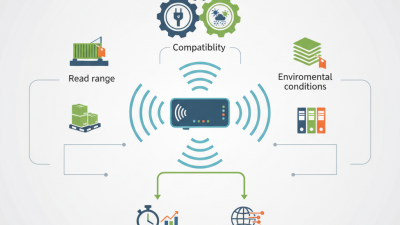
Now, as we check out the top 10 Long Distance RFID Readers, keep in mind factors like how far they can read, sensitivity, and how well they work with the systems you already have. These details really matter when you're trying to get the best bang for your buck and maximize the benefits of RFID technology in your operations.
Overview of Long Distance RFID Technology
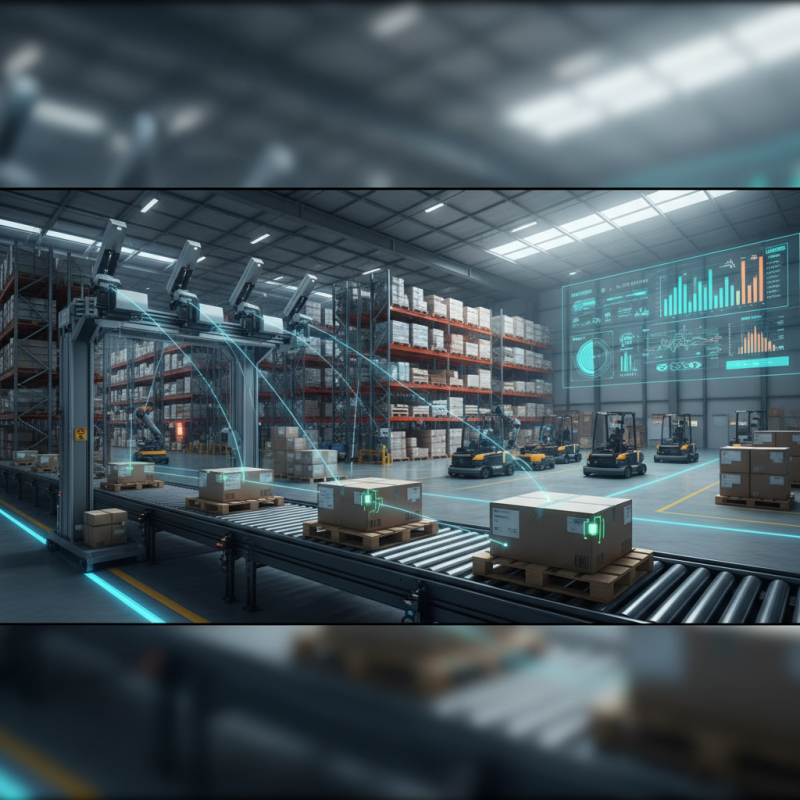
Long distance RFID (Radio Frequency Identification) technology has revolutionized the way businesses manage inventory, track assets, and enhance operational efficiency. This technology utilizes electromagnetic fields to transfer data between a reader and RFID Tags, which can be situated far from the reader, depending on its power output and frequency. Typically, long distance RFID operates using ultra-high frequency (UHF) bands, enabling communication ranges that can extend up to several hundred meters. This capability is particularly useful in environments where traditional barcode scanning is impractical due to distance or obstruction.
The advantages of long distance RFID are particularly evident in supply chain management, logistics, and inventory control. By reducing the need for manual scanning, organizations can streamline processes, minimize errors, and increase visibility of assets in real time. The ability to read multiple tags simultaneously without direct line-of-sight enhances efficiency, allowing for batch processing of items moving through expedited shipping or clearance areas. Furthermore, as RFID technology continues to advance, improvements in reader sensitivity and signal strength are expected to push the boundaries of distance even further, opening new possibilities for tracking and management across various industries.
Key Features to Consider in RFID Readers
When selecting long-distance RFID readers, understanding key features can significantly impact both performance and range. One essential feature is the frequency range. RFID systems typically operate at Low Frequency (LF), High Frequency (HF), or Ultra High Frequency (UHF). Among these, Uhf Readers often provide the longest read distances, with some systems achieving ranges up to 100 meters, as reported in recent industry studies. This makes them ideal for applications such as inventory tracking and asset management.
Another critical consideration is the reader sensitivity, which determines how well it can detect tags from a distance. Higher sensitivity levels allow for more reliable reads, especially in environments with interference. Look for models that specify a minimum sensitivity level, typically measured in dBm, to ensure optimal performance. Additionally, the ability to integrate with various communication protocols, such as Ethernet or Wi-Fi, enhances a reader's utility in diverse operational settings.
Tips: When assessing RFID readers, prioritize those with adjustable power settings. This feature allows for customization based on specific application needs, ensuring resources are used efficiently. Moreover, consider readers that offer a weatherproof design if they will be used outdoors, as environmental factors can affect performance. Finally, keep an eye on user reviews and case studies that highlight real-world usage, as they can provide valuable insights into the reliability and effectiveness of the RFID systems you are considering.
Top Brands in Long Distance RFID Readers
When exploring the realm of long-distance RFID readers, it’s essential to acknowledge the top brands that dominate this specialized market. These brands have carved a niche by focusing fiercely on innovation, product quality, and performance that caters to business needs across various industries. They offer a range of RFID solutions that enhance inventory management, asset tracking, and personnel monitoring. The advancements in their technology have led to enhanced read ranges, reliability, and data accuracy, enabling organizations to optimize their operations and improve productivity.
Additionally, these leading manufacturers invest significantly in research and development to ensure their products stay ahead of industry trends. They provide robust support services and have extensive dealer networks, allowing businesses to seamlessly integrate these advanced RFID systems into their existing frameworks. With an emphasis on durability and versatility, products from these brands can function effectively in demanding environments, thereby reducing operational costs and increasing overall efficiency. This commitment to excellence ensures that users can find tailored solutions that meet specific operational challenges while maintaining optimal performance standards.
Comparison of Performance Metrics in RFID Readers
When evaluating long-distance RFID readers, performance metrics play a critical role in determining their suitability for various applications. Key performance indicators such as read range, accuracy, and data processing speed can significantly impact operational efficiency. According to a recent industry report by the RFID Journal, the average read range for high-performance long-distance RFID readers can reach up to 100 meters, depending on environmental conditions and frequency used. This extensive range allows for effective inventory management and tracking in vast areas, such as warehouses or outdoor environments.
Furthermore, the accuracy of RFID readers is pivotal in minimizing errors during data capture. A well-calibrated RFID reader can achieve read rates exceeding 99%, thus facilitating precise asset management. A technical analysis by ABI Research highlights that systems employing advanced error correction algorithms demonstrate up to 30% improvement in read accuracy over traditional models. Additionally, the speed of data processing is essential for real-time applications. Recent findings indicate that next-gen RFID readers can process thousands of tags per second, enabling businesses to maintain a competitive edge in fast-paced industries. By focusing on these performance metrics, organizations can select RFID solutions that align with their efficiency and operational needs.
Top 10 Long Distance RFID Readers for Optimal Performance and Range - Comparison of Performance Metrics in RFID Readers
| Model | Frequency Range (MHz) | Max Read Range (m) | Data Transfer Rate (Kbps) | Power Output (dBm) |
| Model A | 860 - 960 | 12 | 640 | 30 |
| Model B | 920 - 925 | 15 | 800 | 28 |
| Model C | 840 - 960 | 10 | 320 | 25 |
| Model D | 865 - 868 | 20 | 400 | 33 |
| Model E | 915 | 18 | 500 | 27 |
| Model F | 860 - 928 | 22 | 600 | 31 |
| Model G | 800 - 950 | 25 | 700 | 29 |
| Model H | 865 - 915 | 30 | 800 | 32 |
| Model I | 870 - 930 | 12 | 300 | 24 |
| Model J | 860 - 915 | 19 | 400 | 28 |
Maximizing Range and Efficiency in RFID Systems
Maximizing the range and efficiency of RFID systems is essential for businesses seeking to streamline operations and enhance data accuracy. According to a report by MarketsandMarkets, the global RFID market is projected to grow from $10.05 billion in 2020 to $18.65 billion by 2025, indicating a strong demand for technology that provides optimal performance over long distances. Long-distance RFID readers play a crucial role in this growth, allowing for effective tracking of assets and inventory management across expansive areas. These systems leverage advanced technologies such as passive and active RFID tags to maintain communication over distances that can exceed 100 meters.
A vital component of maximizing efficiency lies in understanding the environmental factors that can affect RFID performance. The presence of metallic surfaces, liquid substances, and physical barriers can significantly reduce read range and accuracy. To combat this, organizations are increasingly adopting antenna diversity and orientation strategies, demonstrating that optimizing tag placement can lead to a potential increase in read ranges of 30% or more. Additionally, the integration of advanced signal processing algorithms has shown to enhance the sensitivity and reliability of long-distance readers, thus maximizing the effectiveness of the RFID system as a whole. By focusing on these aspects, businesses can achieve significant improvements in their RFID deployments, driving operational efficiency and accuracy in data management.
Top 10 Long Distance RFID Readers Performance Comparison
Challenges and Limitations of Long Distance RFID
Long distance RFID technology offers significant advantages in tracking and inventory management, yet it faces several notable challenges and limitations. One primary issue is the environmental interference that affects signal transmission. Factors such as physical barriers, including walls and metallic objects, can disrupt the communication between the reader and tags, leading to decreased performance. Moreover, adverse weather conditions can further complicate the reliability of long-range operations, constraining their effectiveness in certain scenarios.
Another critical challenge lies in power consumption and battery life. Long distance RFID readers often require substantial energy to maintain their operational range, which can be a limitation in terms of deployment and sustainability. The need for robust power sources can complicate installations, especially in remote or inaccessible locations. Additionally, as the distances increase, the risk of signal loss or data corruption rises, necessitating sophisticated error correction mechanisms to ensure accurate data capture. These technical hurdles highlight the ongoing research and development efforts needed to enhance the reliability and efficiency of long distance RFID systems while addressing their inherent limitations.
Future Trends in RFID Reader Technology
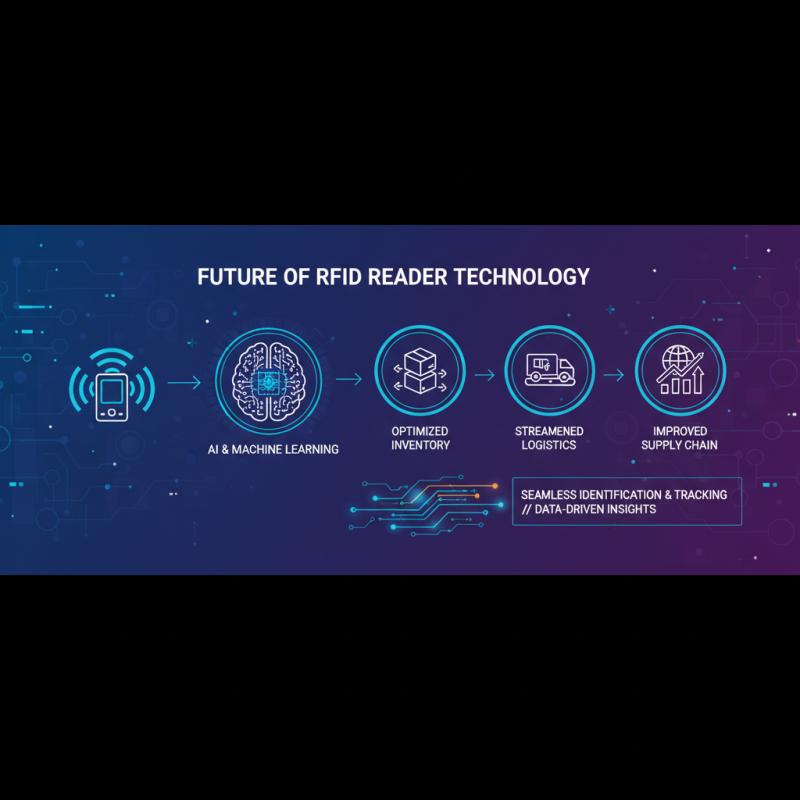
The future of RFID reader technology is poised for significant advancements, driven by increasing demand for seamless identification and tracking solutions across various industries. One major trend is the integration of AI and machine learning, which enhances the ability of RFID systems to analyze vast amounts of data in real-time. This development allows businesses to optimize inventory management, streamline logistics, and improve supply chain efficiency by providing actionable insights based on RFID data.
Another important trend is the adoption of ultra-high frequency (UHF) technology, which offers extended read ranges and improved performance in cluttered environments. As UHF RFID technology continues to evolve, we can expect to see enhancements in tag design that allow for greater sensitivity and reliability. This advancement will enable more effective applications in areas such as smart logistics, asset tracking, and even healthcare, where precise monitoring of equipment and medications is critical.
Additionally, the rise of the Internet of Things (IoT) is likely to influence the development of RFID readers, further integrating them into connected ecosystems. This interoperability facilitates greater data sharing between devices, which enhances overall operational efficiency. As RFID technology continues to advance, we will witness innovations that not only extend reading range and accuracy but also improve user experience, paving the way for novel applications across diverse sectors.
FAQS
: Long distance RFID technology utilizes electromagnetic fields to transfer data between a reader and RFID tags over significant distances, enabling effective inventory management and asset tracking.
The technology reduces manual scanning efforts, minimizes errors, increases asset visibility in real time, and allows for simultaneous reading of multiple tags without needing direct line-of-sight.
Long distance RFID is particularly beneficial in supply chain management, logistics, and inventory control, especially where traditional barcode scanning is impractical due to distance or obstructions.
Key challenges include environmental interference from physical barriers and adverse weather conditions, which can disrupt signal transmission and affect operational reliability.
Long distance RFID readers often require significant energy, which can limit deployment options and sustainability, especially in remote or hard-to-access locations.
As distances increase, the risk of signal loss or data corruption rises, necessitating robust error correction mechanisms to ensure accurate data capture.
Advances in reader sensitivity and signal strength are anticipated to push the boundaries of communication distance even further, enhancing tracking and management capabilities across various industries.
Adverse weather conditions can complicate the reliability of long distance RFID operations, potentially limiting their effectiveness in certain scenarios.
The ability to read multiple tags simultaneously enhances efficiency, allowing for batch processing of items, particularly useful in expedited shipping and clearance areas.
Ongoing research and development efforts are being undertaken to enhance the reliability and efficiency of long distance RFID systems while addressing their inherent limitations.
Conclusion
Long Distance RFID Readers play a crucial role in enhancing the efficiency and range of RFID systems, allowing for seamless communication over extended distances. The article provides an overview of long-distance RFID technology, highlighting key features to consider when selecting RFID readers, such as sensitivity, read rates, and environmental durability. A comparison of performance metrics sheds light on the differences between various models, helping businesses identify the right type for their needs.
Additionally, the article addresses challenges and limitations associated with long-distance RFID, including interference and signal attenuation. It emphasizes the importance of maximizing range and efficiency to improve operational outcomes. Looking ahead, future trends in RFID reader technology promise advancements that will continue to push the boundaries of performance, ensuring that Long Distance RFID Readers remain an integral part of innovative tracking and monitoring solutions across various industries.

 Rotary HF RFID Tag Reader GRH-I40 Suitable for Assembly Lines
 Industrial-grade High-frequency Integrated Reader GRH-I65 Suitable for Asset Tracking
 With ESD Protection HF RFID Reader GRH-I68 Suitable for Progress Tracking
 Proximity HF RFID Reader GRH-M30 Suitable for Manufacturing Workshops
 Desktop HF RFID Scanner GRH-D80-HID Suitable for Card-issuing Applications
 High Frequency Medium Distance Reader GRH-I90 Suitable for Logistics Production Line
 UHF RFID Portals and Tunnel Machine RFly-AM3000 for Access Control
 Narrow RFID Portals Series TD-P20040-SS for Single Tag Entry and Exit Identification Scenario
 RFID Transmission Line Simple Identification Tunnel Machine (TD-T3050)
 Vision and RFID Tunnel Machine TD-T7692-RV for Logistics Sorting
 RFID Transmission Line Identification Tunnel Machine TD-T10090
 RFID Mobile Inventory Tunnel Machine TD-T65150 for Conveyor Belts
 High-Performance Far-Field Antennas for Broad Coverage.
 Multi-Purpose Antennas: Flexibility for Diverse Applications
 Near-Field Antennas for Short-Distance Tag Detection.
 Portals & Tunnel Antennas for Integrated RFID Series
 Slimline PCB Antennas for Warehousing and Logistics
 Miniaturized and Thin Antennas can Provide Good Performance in a Smaller Size.
 GPS Tracker for Vehicles, Car, Kids, Assets.
 CO2 Sensors Detect CO2 Gas through Alarms, Suitable for Offices, Planting Tents.
 Door Sensor, Detect Open and Closed Doors or Windows, Sends Alerts, Triggers Siren.
 Wireless Level Sensor Equipped with a 5-Meter Detection Line, Suitable for Water Tanks
 Real Time Monitoring of Air Quality Using PM2.5/PM10 Sensors.
 Smoke Sensor, Fire Alarm Smoke Detector with Test Button and Low Battery Reminder.
 Soil Stress Sensor,Bridge and Tunnel Monitors.
 Vibration Sensor Monitors Equipment, Like Conveyors and Motors, for Operational Status.
 E -Paper Display
 Smart Water Sensor Alarms, 1.2 M Detection Line.
 CO Sensor for Basements Home Office House Bedroom Living Room Car, Light Plug and Play.
 Temperature and Humidity Sensor
 Multi-sensor GD-ME
 Temperature Sensors Monitor the Surface Temperature of Various Heating Equipment.-1
 Signal Enhancement Terminal, Long Range Coverage.
 Multi-Protocol Communication Gateway, App Remote Control.
 Edge Vision Gateway can Access Various Mainstream Cameras, Suitable for Office, Factory.
 GBS-3550 Outdoor Sensor Gateway,LoRa, 2/3/4G Communication.
 Smart WiFi Gateway, Realize Remote Control.
 Ultra-Low-Power Solar-Powered Intelligent Gateway (Outdoor)
 IP67-protected Integrated RFID Reader Writer RFly-I165 for Supply Chain
 Long-range Distance UHF RFID Reader RFly-I195 for Inventory Management
 Small UHF RFID Tag Reader RFly-I300 for Cars
 Two-channel Compact Fixed RFID Reader RFly-F210 for Warehousing
 Four Channels Fixed UHF RFID Reader RFly-R6 for Supply Chain
 8-channel UHF RFID Tag Reader RFly-R8 for File Cabinet Identification
 Bluetooth Portable RFID Reader and Writer GRU-HBT100 for Inventory Management
 Industrial Grade Handheld UHF RFID Reader GRU-HC520 Suitable for Logistics
 RFID Gateway Networking System
 RFID Passive Temperature Measurement System
 RFID Tags for Container Turnover Management
 RFID Tags for Equipment O&M Management
 RFID Tags for Manufacturing Management
 RFID Tags for Tool Management
 A Kits for Equipment Condition Detection
 A Kits for Office Computer Room Environment Monitoring
 A Kits for Reservoir Environmental Monitoring
 A Kits for Storage Space Environment Monitoring
 A Kits for Stress Detection of Underground Tunnel
 A Kits for Urban Environment Monitoring
 Intelligent IoT Monitoring Platform
 Integrating Multiple Functional OTG Demo Software
 HF Demo Software
 UHF Demo Software