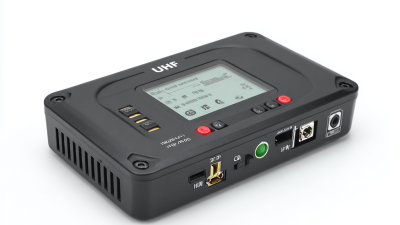
In today’s fast-changing world of wireless tech, it’s pretty clear that having reliable and efficient communication systems is more important than ever. And when it comes to that, Long Distance RFID Readers are really leading the charge. I remember reading something a industry expert, Dr. Amanda Wilson from RFID Innovations, once said—she pointed out that these long-range readers actually allow businesses to track assets with mind-blowing accuracy. That just goes to show how crucial it is to pick the right equipment if you want things to run smoothly.
A lot of companies rely on Long Distance RFID Readers to boost their efficiency — and honestly, these devices can read tags from surprisingly far away. Industries like logistics, healthcare, and retail are really seeing the benefits. But here’s the thing: not all RFID readers are created equally. Some might not perform quite as well as you'd hope, so it’s pretty important for buyers to do their homework and choose wisely.
The whole world of Long Distance RFID Technology can be a bit overwhelming. There are so many factors that influence how well a reader works—things like frequency, antenna design, power levels, you know? It can be tricky to sift through all the options out there. That’s why it’s super important for organizations to really understand what they need first. When they do that, they’re more likely to make smart purchases and get good value in the long run.
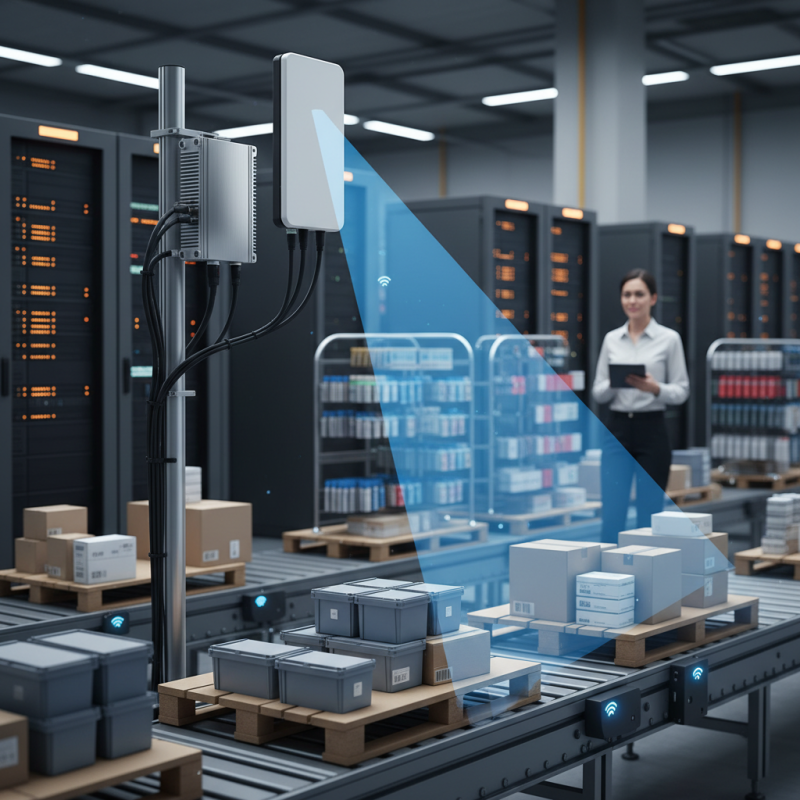
Top 10 Long Distance RFID Readers for Optimal Performance
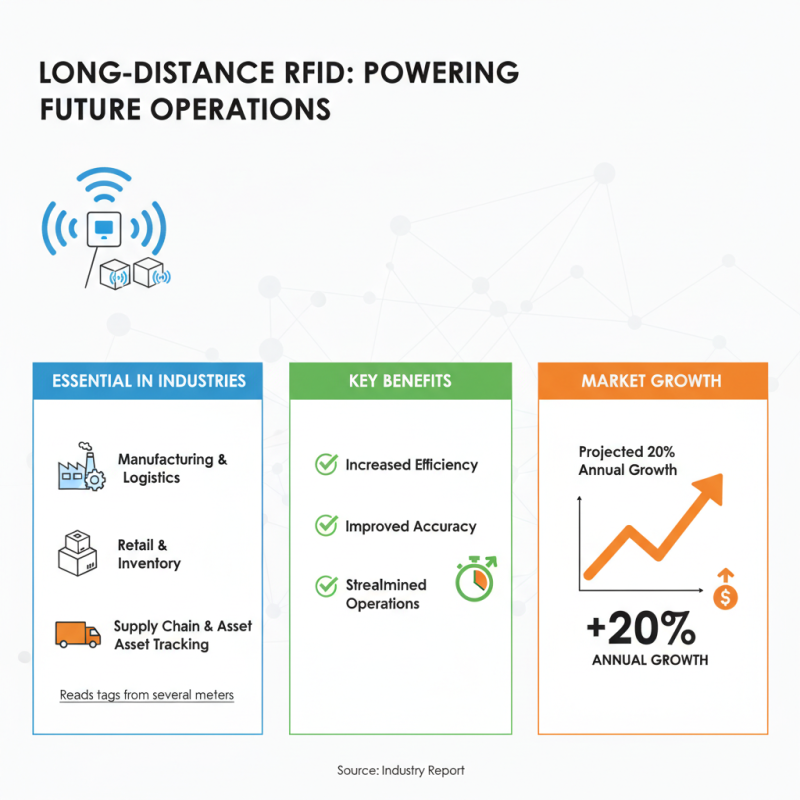
Long distance RFID readers have become essential in various industries. These systems can read tags from several meters away, enhancing efficiency in Asset Tracking and inventory management. According to a recent industry report, the market for long distance RFID technology is projected to grow by 20% annually. This growth reflects a rising demand for streamlined operations.
Performance becomes crucial when selecting an rfid long distance reader. Factors like read range, sensitivity, and interference play vital roles. For instance, readers with high sensitivity can pick up signals in challenging environments. Some may experience issues with signal degradation or limitations in tag compatibility. These factors require careful consideration. Not every solution fits every situation.
Moreover, installation and maintenance can pose challenges. Users often overlook the need for proper orientation and mounting. Incorrect setups lead to reduced performance. Recent surveys indicate that nearly 30% of users report dissatisfaction with their systems. This statistic highlights the need for thorough training. Therefore, organizations must evaluate their long distance RFID reader options critically.
Understanding RFID Technology and Its Applications
RFID technology has become integral in various sectors. Its ability to track and identify items makes it invaluable in logistics, retail, and healthcare. In 2020, the global RFID market was valued at approximately $10.16 billion. It’s expected to grow to $30 billion by 2025, showcasing its rapid adoption across industries.
long distance rfid card reader Long distance RFID card readers play a crucial role in this growth. They enhance efficiency by allowing accurate scanning from a distance, reducing the need for manual intervention.
However, challenges arise. Environmental factors, such as interference from metal or Water, can affect performance.
Data indicates that nearly 20% of RFID implementations face obstacles during deployment due to these issues. Users must consider their environment carefully. Proper positioning and calibration of long distance RFID card readers can significantly improve reliability. Some applications continue to struggle with inconsistent readings. Understanding these variables is key to optimizing performance.
Key Features to Consider in Long Distance RFID Readers
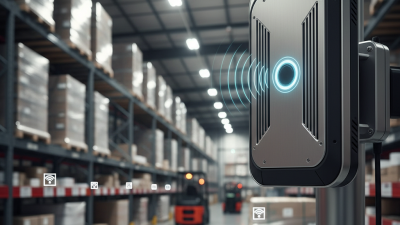
When selecting a Long Distance Rfid Reader, certain features are essential for achieving optimal performance. Reading range is a prime factor. According to industry data, readers with extended ranges can typically read tags up to 30 feet or more. This capability is crucial for applications in warehouses and logistics. However, the actual distance may vary based on environmental conditions and tag specifications. Understanding these variables is important.
Another significant consideration is the frequency of operation. High-frequency RFID systems typically work at 13.56 MHz, while ultra-high frequency systems operate between 865 MHz and 960 MHz. The frequency affects both read speed and tag compatibility. Research indicates that ultra-high frequency readers can process multiple tags in milliseconds. This efficiency is vital in fast-paced environments. Yet, interference from physical barriers and electronic devices can be a hindrance.
Durability is also a key feature. Long Distance RFID Readers must withstand harsh conditions, particularly outdoors. Many models are rated for weather resistance and extreme temperatures. However, not all devices excel in this area, and some may fail during rigorous use. Regular evaluations and real-world testing of equipment are necessary to ensure reliability in diverse settings.
Top Brands and Models for Long Distance RFID Readers
When exploring long-distance RFID readers, the variety of top brands and models stands out. These devices excel in performance and reliability, catering to various industries. Users look for effective range and accuracy. Some models can read tags from over over 30 feet away. This capability significantly enhances tracking logistics and inventory management.
Many leading brands offer unique features. Some come with advanced anti-collision technology. This feature enables multiple tags to be read simultaneously, optimizing workflow efficiency. Compact designs are also available, allowing for easy integration into different environments. Users appreciate lightweight options that maintain strong signal strength.
However, not every model meets expectations. Variability in performance can arise due to environmental factors. Interference from metals and liquids may hinder accuracy. Some users report challenges with firmware updates. Developing a deeper understanding of the chosen technology is essential. Researching user reviews can offer insights into real-world experiences.
Performance Metrics of Long Distance RFID Readers
Long-distance RFID readers offer significant advantages in various industries. They improve efficiency in tracking items over large distances. The performance of these devices varies based on several metrics, including read range, accuracy, and speed. Understanding these metrics is key to selecting the right reader for specific needs.
A good read range is essential. It indicates how far the reader can effectively communicate with tags. Typically, high-quality readers can reach distances of up to 50 meters. However, environmental factors can affect performance. Obstacles like walls or metal surfaces may reduce the effective distance. Optimal placement plays a crucial role in achieving desirable results.
Tips: Always test readers in real-world conditions. Adjust placement based on initial tests. Use multiple antennas to increase coverage.
Accuracy is another important factor. A reader may have a long range but still struggle with precise read rates. Ensuring a high accuracy rate ensures minimal errors. Speed also matters, especially in high-volume settings. Faster read rates allow quicker processing and enhance overall efficiency.
Tips: Regularly calibrate your equipment for best results. Monitor performance metrics over time to identify potential issues. Consider using software to analyze data trends.
Comparative Analysis of Pricing and Value for Long Distance RFID Readers
When evaluating long-distance RFID readers, pricing and value can vary significantly. Many options exist, and understanding their features is essential. Some readers excel in read range but come with high price tags. Others offer decent performance at more accessible prices. However, the cheapest option might not provide durability or reliability over time.
A key factor to consider is installation cost. Some readers may seem affordable, but installation can add up. User-friendliness contributes to overall value as well. If a device is complex to set up, it may lead to higher operational costs. Comparing performance metrics, such as read speed and accuracy, is also crucial. The right balance between cost and functionality can make a difference.
In this rapidly evolving market, it’s vital to remain cautious. Reading user reviews and conducting field tests could reveal limitations. Not every high-priced reader guarantees optimal performance. Similarly, lower-cost devices may exceed expectations. Finding the ideal balance requires thorough research and reflection on your specific needs.
Top 10 Long Distance RFID Readers for Optimal Performance
| Model | Read Range (meters) | Frequency (MHz) | Data Rate (kbps) | Price (USD) | Value Rating (1-10) |
| Model A | 15 | 860-960 | 640 | 450 | 9 |
| Model B | 20 | 860-868 | 400 | 600 | 8 |
| Model C | 10 | 902-928 | 250 | 300 | 7 |
| Model D | 18 | 860-960 | 800 | 500 | 9 |
| Model E | 25 | 920-925 | 1000 | 700 | 10 |
| Model F | 12 | 860-865 | 500 | 400 | 6 |
| Model G | 14 | 902-928 | 300 | 350 | 7 |
| Model H | 22 | 860-960 | 2000 | 800 | 9 |
| Model I | 19 | 850-860 | 1000 | 750 | 8 |
| Model J | 16 | 860-915 | 600 | 500 | 7 |
Future Trends in Long Distance RFID Reader Technology
The future of long distance RFID reader technology looks extremely promising. Reports show that the market is expected to grow significantly, reaching a valuation of $4.5 billion by 2026. This growth is driven by advancements in wireless communication and sensor technology. As industries seek efficient tracking solutions, the demand for Rfid Reader Long Distance capabilities continues to rise.
Technological trends point towards improved accuracy and range. Newer readers can now operate effectively up to 30 meters. This extended range is crucial for logistics in large warehouses. Companies can track shipments without manually scanning each item. However, challenges remain. Environmental factors can disrupt signals, and costs for deploying advanced systems still deter some businesses. Tracking devices need to overcome these hurdles for wider adoption.
Enhanced data analytics are becoming integral to RFID technology, allowing for real-time updates. This ensures better decision-making in supply chain management. However, the complexity of integrating these systems requires careful consideration. Not all firms are ready to make the leap to advanced long distance RFID setups. It’s vital for industries to reflect on their specific needs before embracing these emerging technologies.
Top 10 Long Distance RFID Readers Performance Analysis
This chart displays the performance metrics of the top 10 long distance RFID readers based on read range, data transfer speed, and energy consumption.
FAQS
: The article discusses various aspects of sustainable practices and their impact on the environment.
Sustainable habits reduce waste and conserves natural resources. They help protect ecosystems and promote healthier living.
Individuals can recycle, use less plastic, and support local businesses. Small changes in daily life can make a big difference.
Not every practice yields the same results. Some may require more effort without significant impact. Reflection is key.
Many people think recycling is enough. It’s essential to understand the full scope of sustainable living.
Communities can host educational workshops. They can also create shared spaces for recycling and composting initiatives.
Education raises awareness about sustainability challenges. It empowers individuals to make informed decisions for the environment.
Being completely sustainable is challenging. Every little effort helps. Continuous improvement and adaptation are vital.
Living sustainably can create a sense of purpose. People often feel more connected to their community and the planet.
Many find sustainability practices inconvenient. Others struggle with limited access to resources or information.
Conclusion
In the realm of radio frequency identification (RFID) technology, the demand for long distance RFID readers continues to grow, driven by their diverse applications across various industries. Understanding the fundamental principles of RFID technology is crucial, as it lays the foundation for utilizing these readers effectively. When selecting a long distance RFID reader, it is essential to consider key features such as read range, sensitivity, and environmental durability to ensure optimal performance.
The comparative analysis of top brands and models reveals significant variations in pricing and value, guiding potential buyers in making informed decisions. Additionally, performance metrics play a critical role in evaluating the efficiency of these devices. As technology advances, future trends in long distance RFID readers indicate a shift toward increased integration and enhanced functionalities, promising even greater operational capabilities for businesses leveraging this innovative technology.

 Rotary HF RFID Tag Reader GRH-I40 Suitable for Assembly Lines
 Industrial-grade High-frequency Integrated Reader GRH-I65 Suitable for Asset Tracking
 With ESD Protection HF RFID Reader GRH-I68 Suitable for Progress Tracking
 Proximity HF RFID Reader GRH-M30 Suitable for Manufacturing Workshops
 Desktop HF RFID Scanner GRH-D80-HID Suitable for Card-issuing Applications
 High Frequency Medium Distance Reader GRH-I90 Suitable for Logistics Production Line
 UHF RFID Portals and Tunnel Machine RFly-AM3000 for Access Control
 Narrow RFID Portals Series TD-P20040-SS for Single Tag Entry and Exit Identification Scenario
 RFID Transmission Line Simple Identification Tunnel Machine (TD-T3050)
 Vision and RFID Tunnel Machine TD-T7692-RV for Logistics Sorting
 RFID Transmission Line Identification Tunnel Machine TD-T10090
 RFID Mobile Inventory Tunnel Machine TD-T65150 for Conveyor Belts
 High-Performance Far-Field Antennas for Broad Coverage.
 Multi-Purpose Antennas: Flexibility for Diverse Applications
 Near-Field Antennas for Short-Distance Tag Detection.
 Portals & Tunnel Antennas for Integrated RFID Series
 Slimline PCB Antennas for Warehousing and Logistics
 Miniaturized and Thin Antennas can Provide Good Performance in a Smaller Size.
 GPS Tracker for Vehicles, Car, Kids, Assets.
 CO2 Sensors Detect CO2 Gas through Alarms, Suitable for Offices, Planting Tents.
 Door Sensor, Detect Open and Closed Doors or Windows, Sends Alerts, Triggers Siren.
 Wireless Level Sensor Equipped with a 5-Meter Detection Line, Suitable for Water Tanks
 Real Time Monitoring of Air Quality Using PM2.5/PM10 Sensors.
 Smoke Sensor, Fire Alarm Smoke Detector with Test Button and Low Battery Reminder.
 Soil Stress Sensor,Bridge and Tunnel Monitors.
 Vibration Sensor Monitors Equipment, Like Conveyors and Motors, for Operational Status.
 E -Paper Display
 Smart Water Sensor Alarms, 1.2 M Detection Line.
 CO Sensor for Basements Home Office House Bedroom Living Room Car, Light Plug and Play.
 Temperature and Humidity Sensor
 Multi-sensor GD-ME
 Temperature Sensors Monitor the Surface Temperature of Various Heating Equipment.-1
 Signal Enhancement Terminal, Long Range Coverage.
 Multi-Protocol Communication Gateway, App Remote Control.
 Edge Vision Gateway can Access Various Mainstream Cameras, Suitable for Office, Factory.
 GBS-3550 Outdoor Sensor Gateway,LoRa, 2/3/4G Communication.
 Smart WiFi Gateway, Realize Remote Control.
 Ultra-Low-Power Solar-Powered Intelligent Gateway (Outdoor)
 IP67-protected Integrated RFID Reader Writer RFly-I165 for Supply Chain
 Long-range Distance UHF RFID Reader RFly-I195 for Inventory Management
 Small UHF RFID Tag Reader RFly-I300 for Cars
 Two-channel Compact Fixed RFID Reader RFly-F210 for Warehousing
 Four Channels Fixed UHF RFID Reader RFly-R6 for Supply Chain
 8-channel UHF RFID Tag Reader RFly-R8 for File Cabinet Identification
 Bluetooth Portable RFID Reader and Writer GRU-HBT100 for Inventory Management
 Industrial Grade Handheld UHF RFID Reader GRU-HC520 Suitable for Logistics
 RFID Gateway Networking System
 RFID Passive Temperature Measurement System
 RFID Tags for Container Turnover Management
 RFID Tags for Equipment O&M Management
 RFID Tags for Manufacturing Management
 RFID Tags for Tool Management
 A Kits for Equipment Condition Detection
 A Kits for Office Computer Room Environment Monitoring
 A Kits for Reservoir Environmental Monitoring
 A Kits for Storage Space Environment Monitoring
 A Kits for Stress Detection of Underground Tunnel
 A Kits for Urban Environment Monitoring
 Intelligent IoT Monitoring Platform
 Integrating Multiple Functional OTG Demo Software
 HF Demo Software
 UHF Demo Software