You know, the market for Uhf Rfid Tag Readers is really booming right now. I mean, recent reports are saying it could hit around $9.6 billion by 2027 — that’s pretty impressive. More and more companies are jumping on board with these tech solutions to make their operations smoother and more efficient. UHF RFID Tag Readers are a big help when it comes to inventory management — giving businesses real-time updates, which, honestly, is what modern companies really need these days.
If you look at the big players in the game, Zebra Technologies is definitely one to watch. They’ve got some innovative products that are pretty much staples in retail and logistics sectors. Then there’s Impinj, which is known for their high-performance readers. Their tech is versatile and used in all sorts of ways, from tracking assets to managing entire supply chains.
That said, it’s not all smooth sailing. Not every business finds it easy to implement these readers without a hitch. Cost and complexity can definitely be hurdles to jump over. Companies really need to consider whether the benefits outweigh the initial setup fuss. Still, when you think about the potential for better efficiency and streamlined operations, it’s hard to ignore. Overall, this market is set to grow even more, driven by innovation and increasing demand — it’s an exciting space to watch!

Overview of UHF RFID Technology and Its Importance in Industry
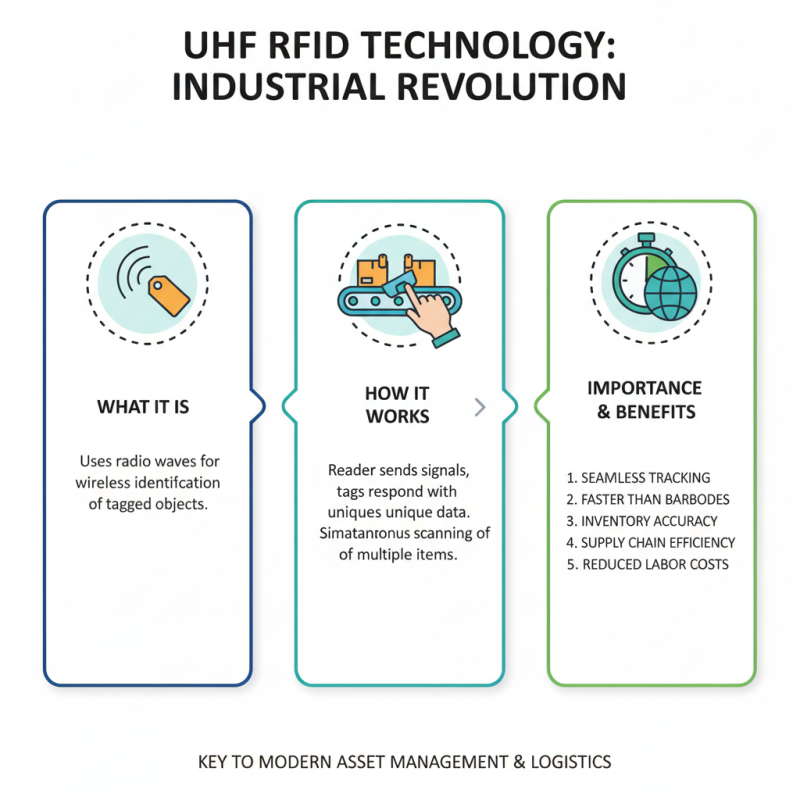
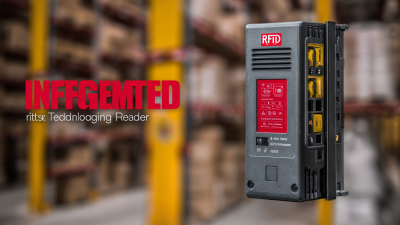
UHF RFID technology plays a crucial role in various industries. It provides seamless tracking of products and assets. This technology uses radio waves to identify tags attached to objects. This identification method is faster and more efficient than traditional barcode scanning.
Implementing UHF RFID systems can lead to substantial efficiency gains. However, the initial setup might pose challenges. Training staff to use the technology effectively is vital. Understanding the specific needs of your business is essential. An 8-channel UHF RFID Tag Reader could significantly enhance reading capabilities in busy environments.
Consider potential obstacles when integrating RFID. Your infrastructure might require updates. Regular maintenance is necessary to keep the system running smoothly. Testing the system frequently is a good tip to ensure reliability. It might not work perfectly at all times, and adjustments may be needed. Always be prepared for these challenges.
Top Features to Look for in Discount UHF RFID Tag Readers
When choosing discount UHF RFID tag readers, certain features stand out. Look for portability. A lightweight design makes these readers easy to use in various settings. They should also be durable. Equipment in warehouses or outdoor locations needs to withstand harsh conditions. Users often find that a rugged casing can significantly enhance longevity.
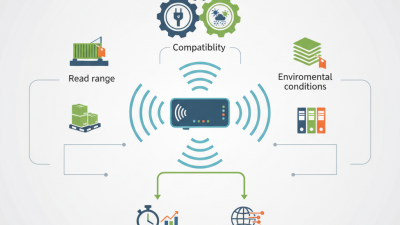
Another crucial feature is read range. Readers can vary widely in how far they can read tags. An ideal reader should capture tags from a significant distance without losing accuracy. Consider speed as well; slow read rates can lead to bottlenecks in operations. Many users report frustration when readers lag behind in fast-paced environments.
Additionally, software compatibility is essential. A good reader should integrate seamlessly with existing systems. This often requires double-checking specific specifications before purchasing. There’s also value in user-friendly interfaces. Complex setups can lead to operational errors. Many consumers appreciate straightforward controls that require minimal training. However, be cautious—sometimes, simpler models may lack advanced functionalities that could be beneficial.
Market Share Analysis of Leading Discount UHF RFID Tag Reader Companies
The UHF RFID tag reader market has seen a notable shift in dynamics, with several companies leading the way. Market share analysis reveals that a few key players dominate, giving insights into their operations. These companies offer various readers, each designed to meet diverse needs. Some focus on affordable options, which drives their popularity. This affordability often comes at the cost of advanced features.
In the competitive landscape, one can notice careful strategies at play. Many focus on cost-effective solutions rather than cutting-edge technology. This approach might attract budget-conscious buyers. Yet, it raises questions about the long-term value of these products. Companies must balance affordability with quality. Consumers may find themselves returning to these brands despite knowing they could find superior options elsewhere.
The growth of China Uhf Rfid Tag Reader offerings highlights this evolution. Chinese companies are making strides, competing closely with global giants. However, quality control remains a concern for many buyers. As the market continues to grow, potential buyers should weigh their options carefully. The most recognized brands provide reliability, though they may be pricier. Striking the right balance will be critical for future consumers in this space.
Company A: Innovative Solutions and Competitive Pricing Strategies
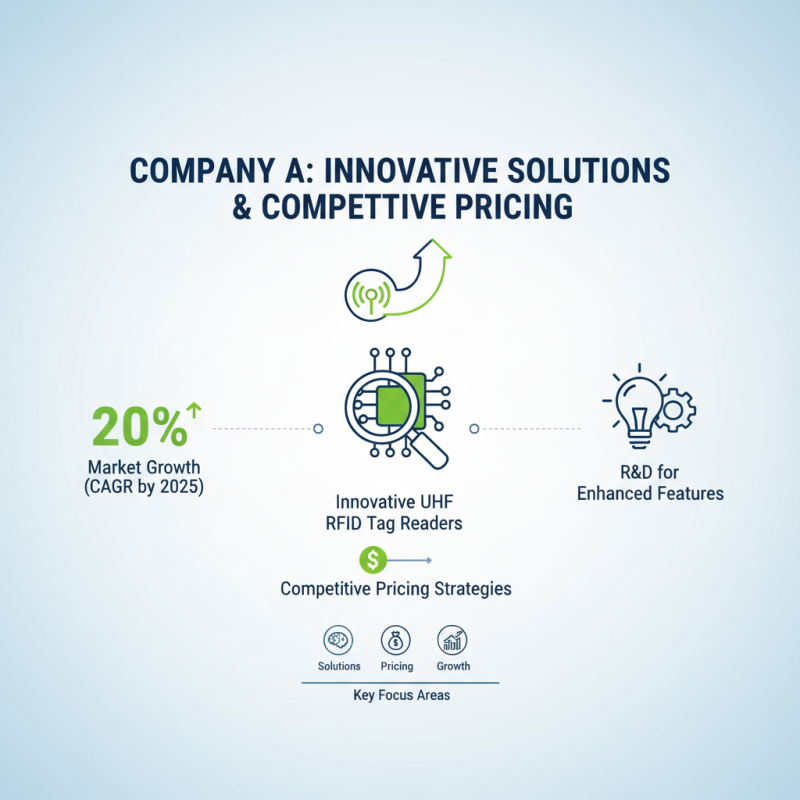
In today's competitive landscape, companies offering UHF RFID tag readers focus on innovative solutions. The market is projected to grow substantially, with a CAGR of around 20% by 2025. Leaders in this space are adopting competitive pricing strategies to attract clients. They also invest in research and development to enhance product features.
One key area impacting pricing is the overall demand for RFID technology across various sectors. Retail, healthcare, and logistics are driving forces behind this growth. Companies often struggle to balance quality with affordability. It’s a challenge to provide top-tier technology while keeping costs low. Some firms have addressed this by streamlining manufacturing processes. However, this approach sometimes sacrifices personalization for price.
Moreover, the demand for diverse applications continues to rise. Many firms are exploring customizable solutions, which can be cost-intensive. As competition increases, maintaining a unique value proposition becomes crucial. Data shows that innovative companies are often favorably positioned in this evolving market. However, the need for adaptability remains a constant challenge. The pursuit of growth sometimes leads to oversights, necessitating ongoing reflection and improvement in strategies.
Company B: Key Products and Industry Applications of UHF RFID Technology
In the fast-evolving world of RFID technology, one company stands out with its impressive range of products. This company focuses on creating OEM Uhf Rfid Tag Readers that serve various industries. Their technology is utilized in inventory management, supply chain processes, and Asset Tracking. Each solution offers unique features tailored to meet specific client needs, enhancing operational efficiency.
When it comes to key products, readers designed for harsh environments deserve attention. These robust devices withstand extreme conditions yet maintain high accuracy. They are particularly useful in manufacturing and logistics. Another notable product line includes handheld RFID readers, which empower workers to easily scan tags without needing complex setups. This flexibility improves work flow, but training may be necessary for effective use.
Despite their advantages, there are challenges. Integration of these devices into existing systems can be tricky. Also, ensuring reliable data capture requires careful planning. While the technology is promising, it’s not foolproof. Businesses must regularly evaluate their RFID strategies to adapt to changing needs and technologies. This reflection is crucial for success in the competitive market of UHF RFID solutions.
Company C: Performance Metrics and Customer Satisfaction Ratings
Company C has made notable strides in the UHF RFID tag reader market. Their performance metrics reveal an impressive accuracy rate of 99%. This high level of accuracy improves operational efficiency for many businesses. However, some users report challenges in using the reader in densely packed environments. While the device excels in open spaces, interference remains an issue at times.
Customer satisfaction ratings for Company C fluctuate. Many clients praise the device's durability and easy integration. Yet, others express frustration regarding customer support. A lack of timely responses can hinder user experience. Despite these concerns, the ongoing development signifies a commitment to improvement.
In the Wholesale Uhf Rfid Tag Reader sector, Company C stands out. They cater to diverse industries, offering tailored solutions. Nevertheless, addressing customer feedback is essential to maintain and enhance service quality. Balancing performance with reliability is key to their ongoing success.
Future Trends: The Evolution of Discount UHF RFID Tag Reader Solutions
The evolution of discount UHF RFID tag reader solutions is an exciting journey. As technology advances, these readers become more affordable and accessible. This has opened doors for various industries, small businesses, and startups. The demand for budget-friendly options is rising. Many organizations seek efficiency without hefty investments.
In recent years, readers have evolved in terms of design and functionality. Compact and lightweight models are now available. Users appreciate ease of use and portability. These innovations lead to better integration with existing systems. However, challenges remain. Not all manufacturers provide reliable support or quality assurance. This inconsistency can lead to frustration, especially for startups.
Looking ahead, the trend is toward greater interoperability. Readers will likely support more protocols and standards. This means users can mix and match with different systems. Alongside this, sustainability becomes crucial. There is a growing desire for eco-friendly solutions in tech products. Reflecting on these trends, one can wonder: will all companies adapt quickly enough? The landscape is changing, and staying relevant will require constant innovation and reflection on current practices.
Optimizing Warehouse Efficiency with the RFID Mobile Inventory Tunnel Machine TD-T65150 for Conveyor Belts
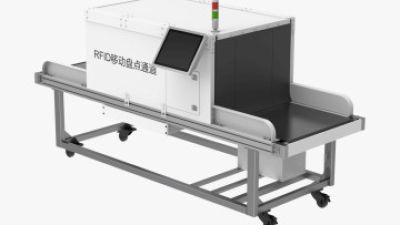
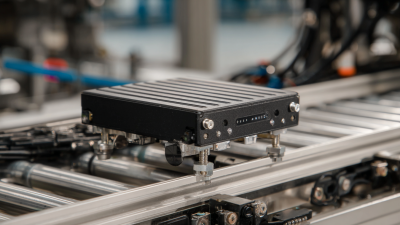
The optimization of warehouse efficiency is critical in today's fast-paced logistics environment, and the RFID Mobile Inventory Tunnel Machine TD-T65150 stands out as a revolutionary solution for conveyor belt systems. This advanced machine is equipped with a state-of-the-art, high-performance RFID reader designed for exceptional sensitivity and precision. The integrated anti-collision algorithm ensures that multiple RFID tags can be read simultaneously, greatly enhancing the speed and accuracy of inventory management processes.
By incorporating the TD-T65150 into your warehouse operations, businesses can experience a significant boost in asset tracking and inventory accuracy. The machine's exceptional multi-label group reading capabilities allow for seamless operations, reducing the chances of human error and downtime typically associated with traditional inventory methods. Collaborating with us for ODM services means that companies can enjoy personalized solutions tailored to their unique needs, harnessing the powerful features of the TD-T65150 for improved operational efficiency and strategic asset management. This partnership not only streamlines inventory but also positions businesses for sustained success in an increasingly competitive market.
FAQS
: Companies focus on cost-effective solutions over advanced technology. This attracts budget-conscious buyers.
Lower prices often come at the expense of advanced features. This raises concerns about long-term value.
Balancing quality with affordability is difficult. Streamlining can sacrifice personalization.
Sectors like retail, healthcare, and logistics are key drivers. Their demand pushes market expansion.
Users struggle in densely packed environments. Interference can occur, impacting performance.
Feedback is crucial for service enhancement. Ignoring it can lead to dissatisfaction among clients.
They adopt competitive pricing strategies and invest in R&D. This helps improve product features.
Customization can be costly but is increasingly demanded. Companies must find a balance.
Some readers achieve high accuracy rates. However, interference issues need resolution.
Companies must be adaptable to remain competitive. This adaptability often requires ongoing reflection and improvement.
Conclusion
The article explores the significance of UHF RFID tag readers in various industrial applications, emphasizing their role in enhancing operational efficiency and inventory management. It discusses essential features to consider when selecting discount UHF RFID tag readers, such as read range, durability, and compatibility with existing systems.
Furthermore, it provides a market share analysis of leading companies in the industry, showcasing their unique solutions, pricing strategies, and customer satisfaction ratings. As the market evolves, the article identifies future trends in UHF RFID tag reader technology, highlighting innovations that could shape the industry landscape. This comprehensive overview serves as a guide for businesses looking to invest in cost-effective UHF RFID tag reader solutions.

 Rotary HF RFID Tag Reader GRH-I40 Suitable for Assembly Lines
 Industrial-grade High-frequency Integrated Reader GRH-I65 Suitable for Asset Tracking
 With ESD Protection HF RFID Reader GRH-I68 Suitable for Progress Tracking
 Proximity HF RFID Reader GRH-M30 Suitable for Manufacturing Workshops
 Desktop HF RFID Scanner GRH-D80-HID Suitable for Card-issuing Applications
 High Frequency Medium Distance Reader GRH-I90 Suitable for Logistics Production Line
 UHF RFID Portals and Tunnel Machine RFly-AM3000 for Access Control
 Narrow RFID Portals Series TD-P20040-SS for Single Tag Entry and Exit Identification Scenario
 RFID Transmission Line Simple Identification Tunnel Machine (TD-T3050)
 Vision and RFID Tunnel Machine TD-T7692-RV for Logistics Sorting
 RFID Transmission Line Identification Tunnel Machine TD-T10090
 RFID Mobile Inventory Tunnel Machine TD-T65150 for Conveyor Belts
 High-Performance Far-Field Antennas for Broad Coverage.
 Multi-Purpose Antennas: Flexibility for Diverse Applications
 Near-Field Antennas for Short-Distance Tag Detection.
 Portals & Tunnel Antennas for Integrated RFID Series
 Slimline PCB Antennas for Warehousing and Logistics
 Miniaturized and Thin Antennas can Provide Good Performance in a Smaller Size.
 GPS Tracker for Vehicles, Car, Kids, Assets.
 CO2 Sensors Detect CO2 Gas through Alarms, Suitable for Offices, Planting Tents.
 Door Sensor, Detect Open and Closed Doors or Windows, Sends Alerts, Triggers Siren.
 Wireless Level Sensor Equipped with a 5-Meter Detection Line, Suitable for Water Tanks
 Real Time Monitoring of Air Quality Using PM2.5/PM10 Sensors.
 Smoke Sensor, Fire Alarm Smoke Detector with Test Button and Low Battery Reminder.
 Soil Stress Sensor,Bridge and Tunnel Monitors.
 Vibration Sensor Monitors Equipment, Like Conveyors and Motors, for Operational Status.
 E -Paper Display
 Smart Water Sensor Alarms, 1.2 M Detection Line.
 CO Sensor for Basements Home Office House Bedroom Living Room Car, Light Plug and Play.
 Temperature and Humidity Sensor
 Multi-sensor GD-ME
 Temperature Sensors Monitor the Surface Temperature of Various Heating Equipment.-1
 Signal Enhancement Terminal, Long Range Coverage.
 Multi-Protocol Communication Gateway, App Remote Control.
 Edge Vision Gateway can Access Various Mainstream Cameras, Suitable for Office, Factory.
 GBS-3550 Outdoor Sensor Gateway,LoRa, 2/3/4G Communication.
 Smart WiFi Gateway, Realize Remote Control.
 Ultra-Low-Power Solar-Powered Intelligent Gateway (Outdoor)
 IP67-protected Integrated RFID Reader Writer RFly-I165 for Supply Chain
 Long-range Distance UHF RFID Reader RFly-I195 for Inventory Management
 Small UHF RFID Tag Reader RFly-I300 for Cars
 Two-channel Compact Fixed RFID Reader RFly-F210 for Warehousing
 Four Channels Fixed UHF RFID Reader RFly-R6 for Supply Chain
 8-channel UHF RFID Tag Reader RFLY-MR8 for File Cabinet Identification-1
 Bluetooth Portable RFID Reader and Writer GRU-HBT100 for Inventory Management
 Industrial Grade Handheld UHF RFID Reader GRU-HC520 Suitable for Logistics
 RFID Gateway Networking System
 RFID Passive Temperature Measurement System
 RFID Tags for Container Turnover Management
 RFID Tags for Equipment O&M Management
 RFID Tags for Manufacturing Management
 RFID Tags for Tool Management
 A Kits for Equipment Condition Detection
 A Kits for Office Computer Room Environment Monitoring
 A Kits for Reservoir Environmental Monitoring
 A Kits for Storage Space Environment Monitoring
 A Kits for Stress Detection of Underground Tunnel
 A Kits for Urban Environment Monitoring
 Intelligent IoT Monitoring Platform
 Integrating Multiple Functional OTG Demo Software
 HF Demo Software
 UHF Demo Software