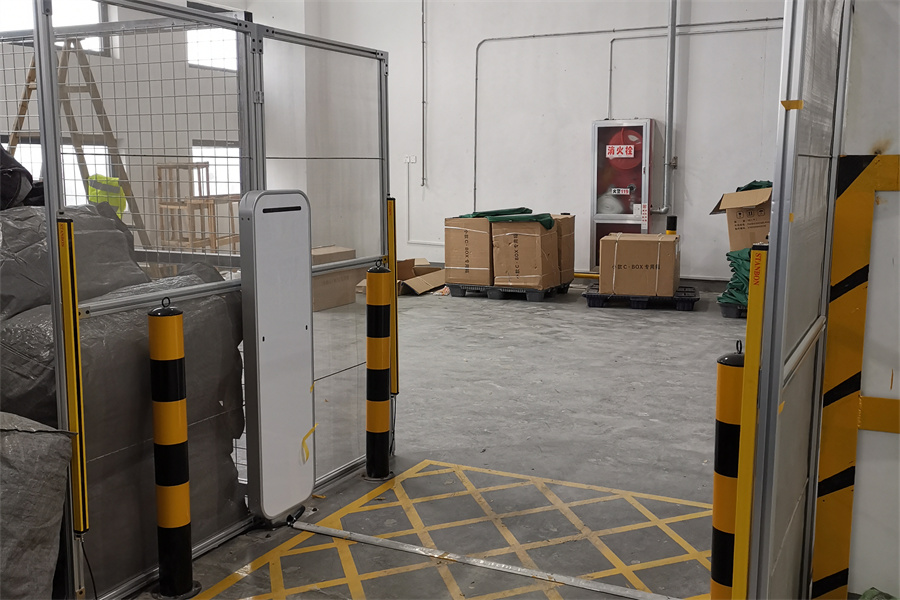
RFID Application in Inbound/Outbound Management
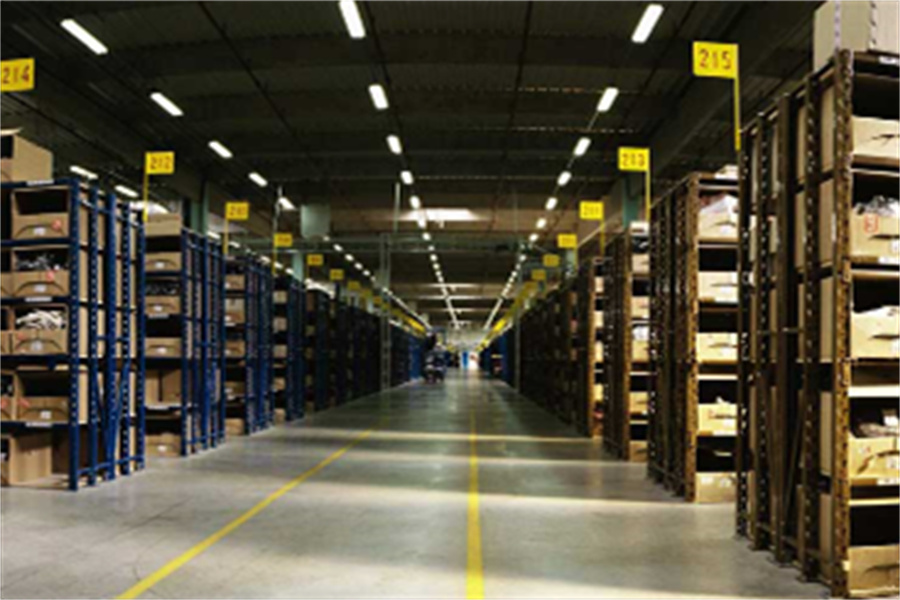
RFID Application in Warehouse Management
RFID Application in AGV Material Transport Management
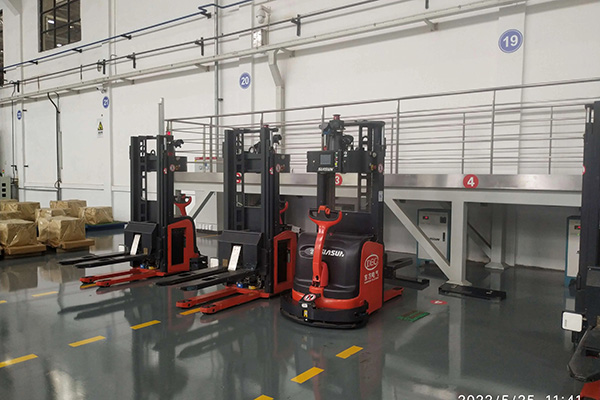
RFID Application in Forklift Cargo Identification
RFID Application in Platform Vehicle Management
RFID Application in Logistics Sorting
RFID Application in Supply Chain Management
RFID Application for Workshop/Warehouse Tracking
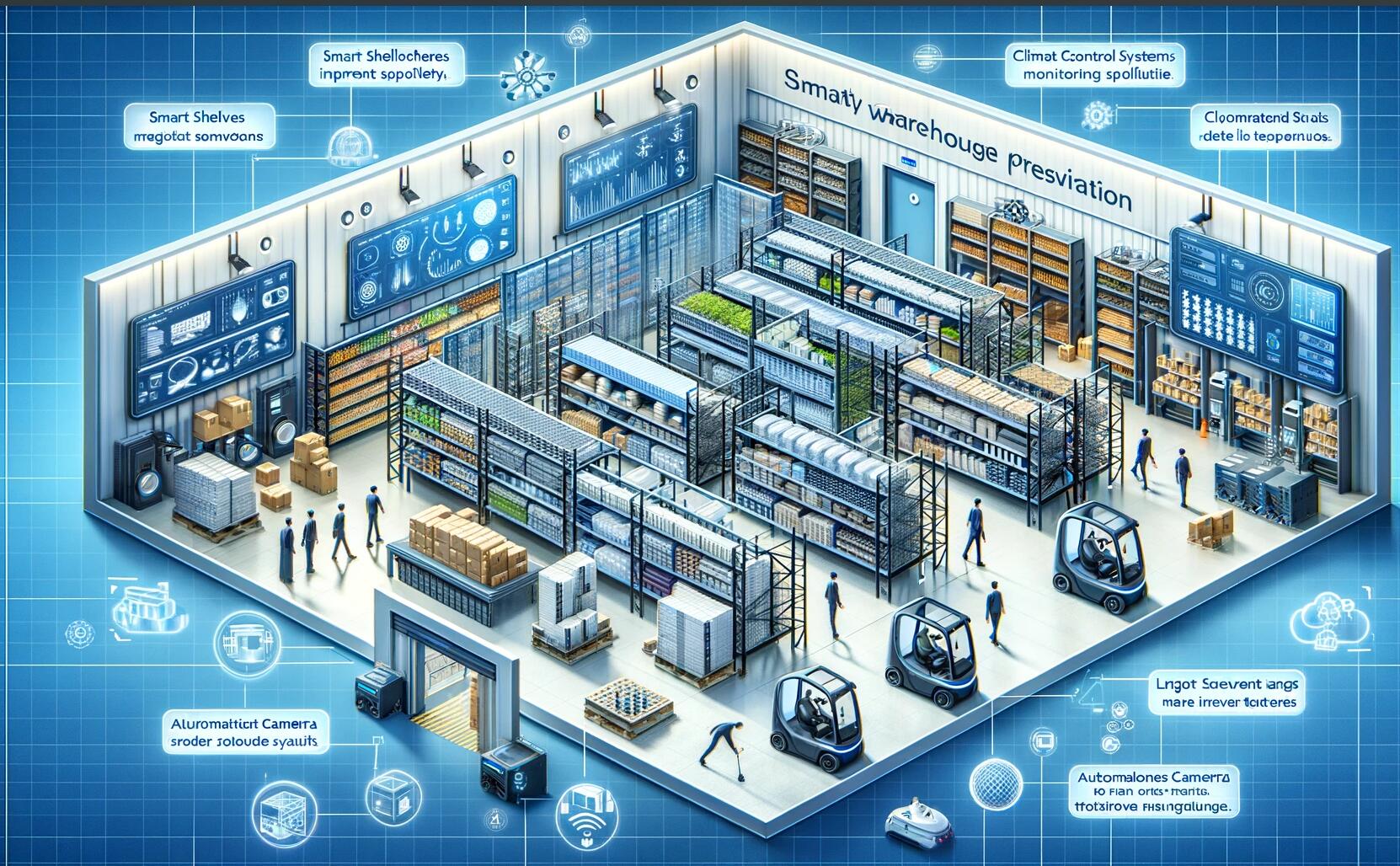
Smart Warehouse Monitoring and Management
RFID technology empowers port containers: a new direction for future logistics
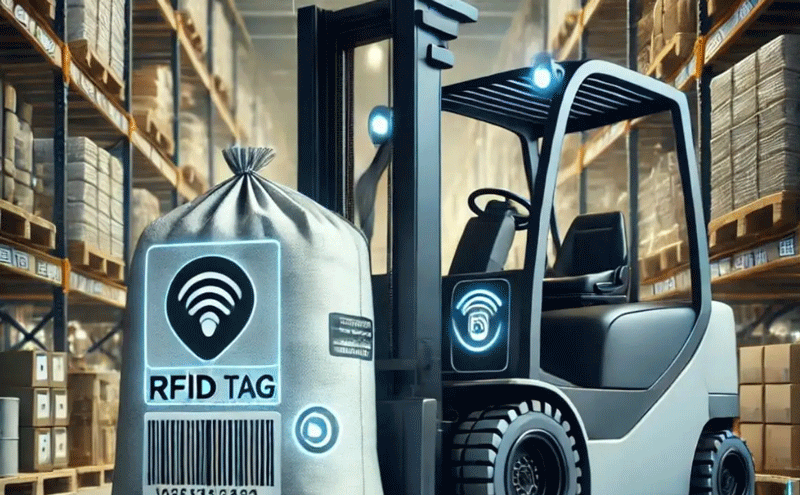
RFID technology in forklift tracking and container bag identification
Real-Time Data, Secure Transportation: The Future Trends of Cold Chain Logistics
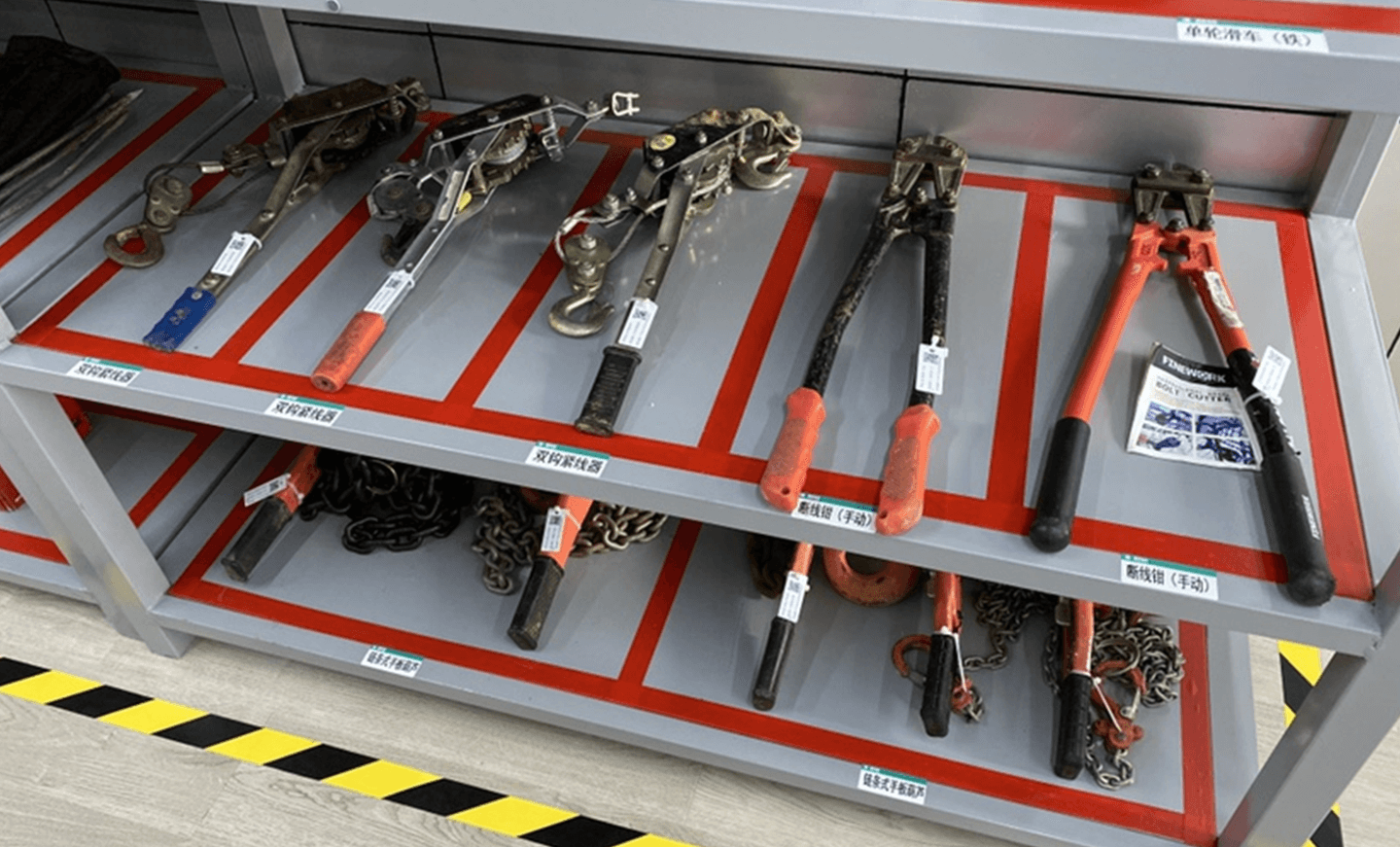
RFID Tool Management
RFID Application in Battery Factory Production
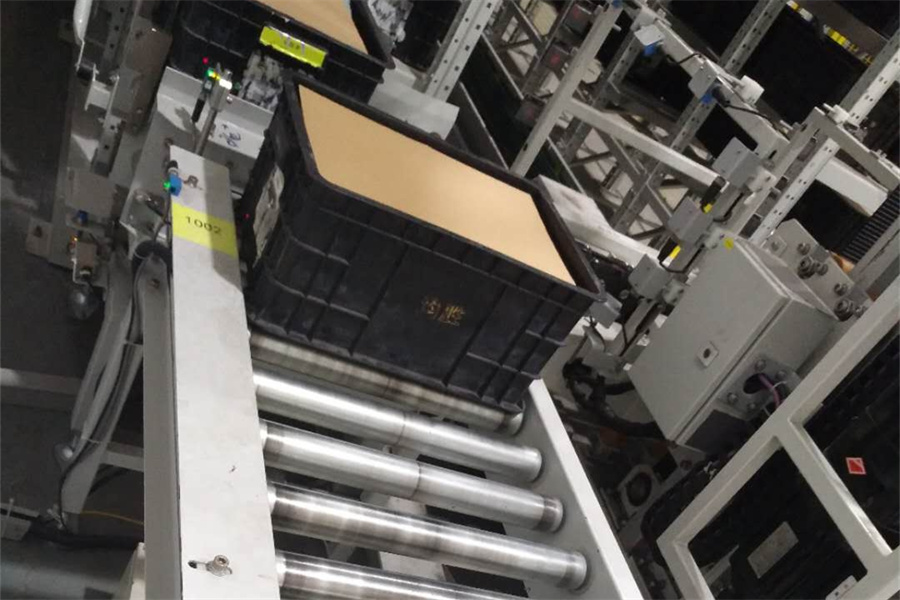
RFID Application in Production Line Rubber Box Management
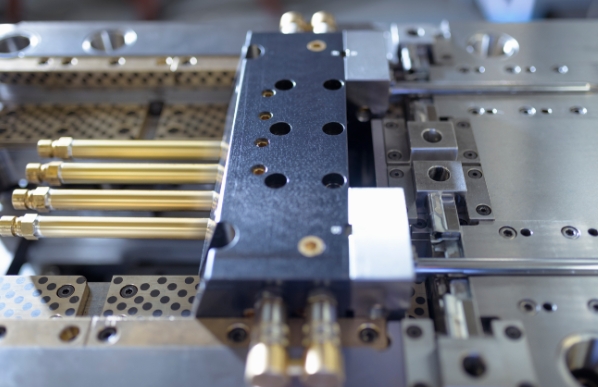
RFID Application in Mold Management on Production Lines
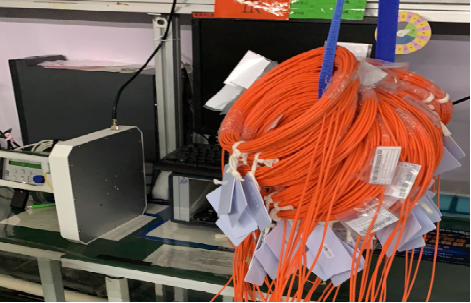
RFID Application in Fiber Optic Cable Manufacturing
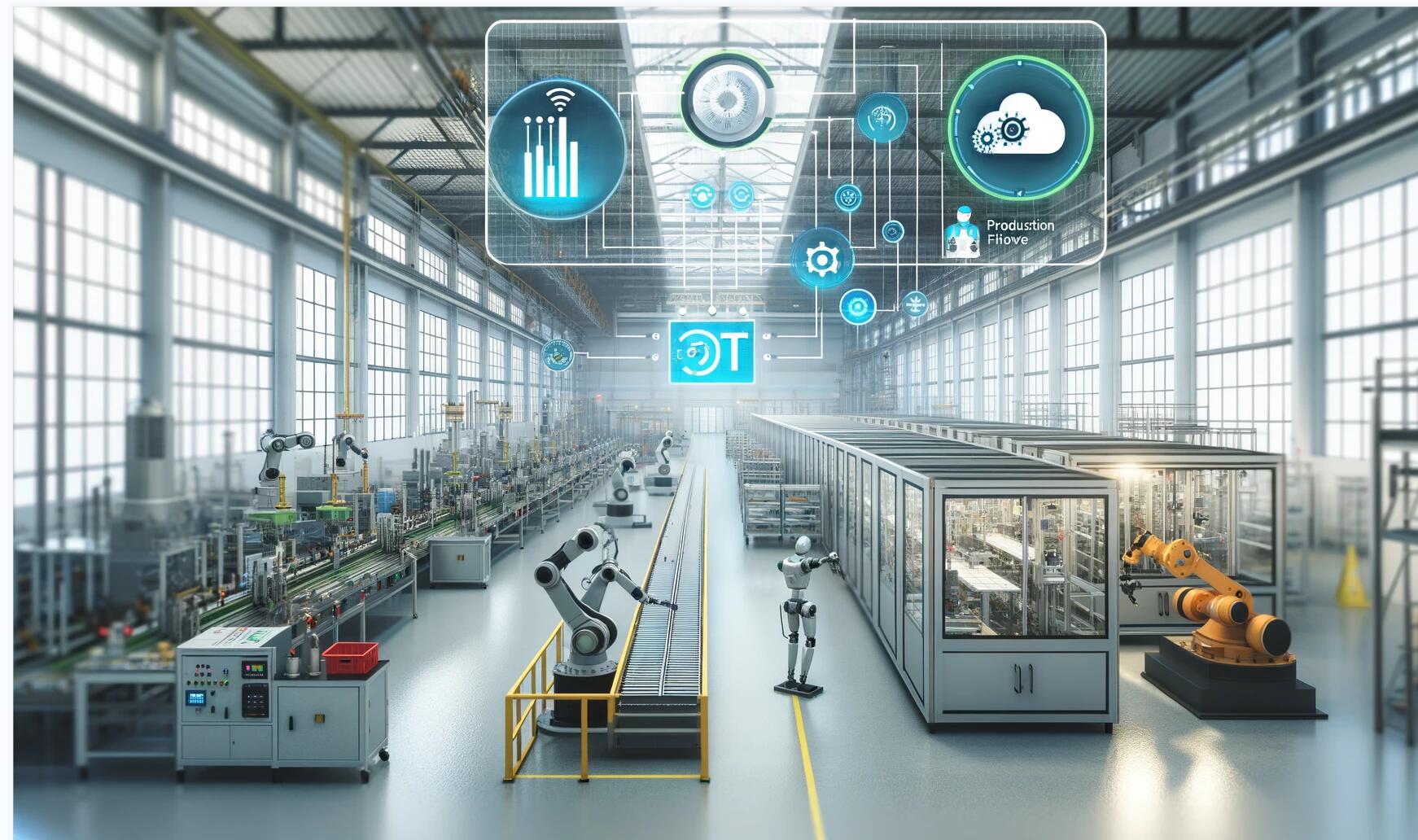
Smart Manufacturing
The medical industry uses RFID technology to make drug tracking more accurate
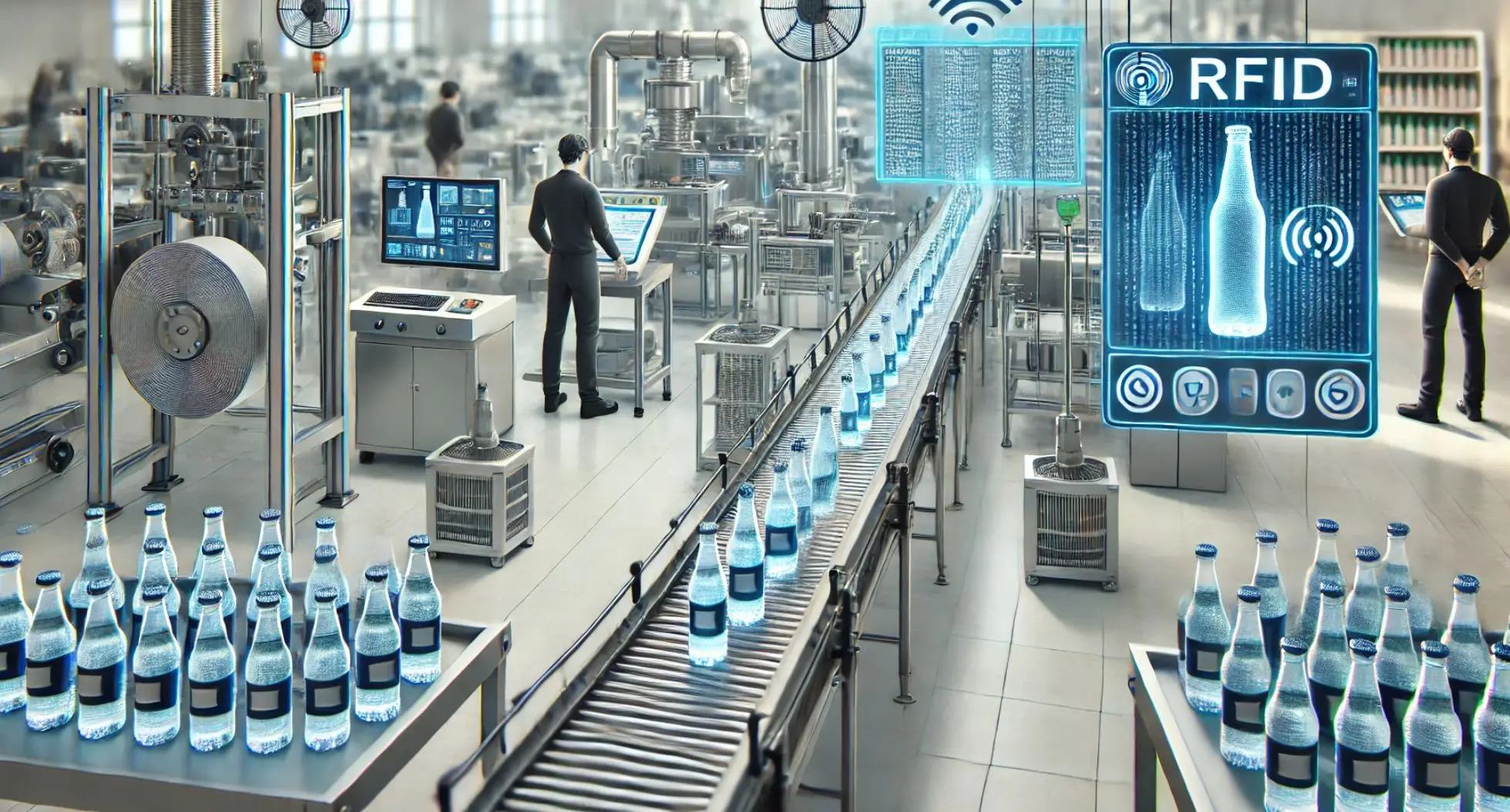
RFID technology helps beverage production and build an efficient supply chain
RFID technology helps car seat production lines: intelligent management improves efficiency and quality
RFID technology in the production of electronic appliances monitoring and tracing application
Use RFID technology to improve appliance management efficiency and security
RFID technology helps precise installation of headrests
In today’s fast-changing tech world, it’s no surprise that more and more businesses are looking for smart ways to identify and track things efficiently. You know, **embedded RFID** (Radio Frequency Identification) really plays a huge part in this shift. I read what Tom Parker, an expert over at Innovative Tracking Systems, said—he mentioned that “Embedded RFID is totally changing how we manage and keep an eye on assets around the globe.” It’s pretty clear that these embedded Rfid Solutions are becoming more and more important across different industries.
Lots of companies are now diving into embedded RFID to make their inventory management smoother and to boost supply chain efficiency. The cool thing? It lets you track products in real-time, which cuts down on losses and thefts. Big names like Zebra Technologies and Impinj are leading the charge, offering some pretty innovative RFID gear that’s tailored for customers worldwide. But, let’s be honest, it’s not all smooth sailing — there are still things like integrating with existing systems and keeping data safe that can slow things down.
Even with all these perks, adopting embedded RFID isn’t exactly a walk in the park. Many organizations feel a little unsure about how to get started or worry about costs and complexity. That’s why it’s super important to spread some awareness and education about how to implement this tech properly. If we can tackle those concerns, I really believe embedded RFID has a lot of potential to change the game for businesses everywhere.
RFID technology has transformed industries by providing seamless data exchange and improved tracking capabilities. According to a 2022 report by Grand View Research, the global RFID market was valued at approximately $11.2 billion and is projected to grow at a CAGR of 10.3% from 2023 to 2030. This growth showcases its increasing relevance, particularly in supply chain management, where it enhances inventory accuracy and reduces operational costs.
Embedded RFID solutions offer numerous applications. These include Asset Tracking, inventory management, and even healthcare monitoring. For instance, hospitals utilize RFID to track medical equipment, improving efficiency and reducing theft. However, the integration of RFID can present challenges. Issues such as interoperability with existing systems and data security must be carefully addressed. Industry professionals often reflect on these hurdles, acknowledging that while RFID technology is powerful, its implementation must be precise and strategic.
This technology’s potential is immense, yet it requires ongoing refinement. Companies need to be aware of user privacy concerns. As RFID adoption increases, so does the need for ethical standards. Continuous education and research are essential to navigate this evolving landscape. Balancing innovation with responsibility will be crucial for the future of embedded RFID solutions.
When exploring embedded RFID solutions, certain key features stand out. One major consideration is the frequency compatibility. Options typically include low, high, and ultra-high frequencies. Each frequency range has distinct advantages depending on application needs. Understanding which frequency suits your inventory tracking, asset management, or supply chain logistics is essential.
Another important feature is the read range. Different RFID tags offer varying read distances, which can significantly impact system performance. A system with a longer read range may enhance efficiency. However, it could also increase the risk of interference. Balancing read range requirements with your operational setup is crucial.
Integration capabilities cannot be overlooked. The ability to seamlessly connect with existing systems can save time and resources. Additionally, the user interface should be intuitive. Complex systems may lead to user frustration, hindering adoption rates. It’s vital to assess how easily staff can adapt to new technologies. This is often an overlooked aspect but can dictate the overall success of the RFID implementation.
Embedded RFID solutions are gaining traction across various industries. The healthcare sector stands out, where these technologies enhance patient tracking and inventory management. A report from MarketsandMarkets indicates that the RFID in healthcare market is expected to reach $3.09 billion by 2025, growing at a CAGR of 25.4%. As hospitals adopt these systems, operational efficiency increases while reducing human errors.
Retail is another prominent industry embracing embedded RFID. In 2022, a survey by the Retail Industry Leaders Association highlighted that 85% of retailers currently utilize RFID technology for inventory management. This technology allows for real-time tracking of products, minimizing stock discrepancies. Despite these advancements, challenges such as integration with legacy systems persist, requiring careful planning and implementation.
Manufacturing is also experiencing significant adoption of RFID solutions. The global manufacturing sector is projected to grow, with RFID expected to play a crucial role. A study by Gartner estimated that by 2024, 50% of manufacturers will implement RFID solutions to streamline operations and monitor assets. However, the initial investment and training can pose obstacles for smaller manufacturers. Addressing these barriers will be key to maximizing the benefits of embedded RFID technology.
| Solution Type | Industry | Key Features | Estimated Cost (USD) | Market Demand |
|---|---|---|---|---|
| Passive RFID Tags | Retail | Cost-effective, No battery needed | 0.10 - 0.50 | High |
| Active RFID Tags | Logistics | Battery-powered, long-range | 20 - 50 | Medium |
| RFID Readers | Manufacturing | Fast data capture, durable | 300 - 1000 | High |
| RFID Middleware | Healthcare | Integration with systems, real-time tracking | 1000 - 5000 | Growing |
| Integrated RFID Systems | Automotive | Complete solution, custom applications | 5000 - 20000 | High |
| Wearable RFID Technology | Sports | Tracking performance, health monitoring | 50 - 300 | Increasing |
| RFID Security Systems | Security | Access control, asset protection | 2000 - 10000 | Medium |
| RFID Inventory Management | Warehousing | Real-time tracking, efficiency | 1000 - 8000 | High |
| RFID Ticketing Solutions | Events | Fast entry, fraud reduction | 1 - 5 | High |
| RFID in Agriculture | Agriculture | Crop monitoring, livestock tracking | 200 - 1000 | Growing |
In recent years, embedded RFID solutions have transformed inventory management across various industries. They enable seamless tracking of assets, enhancing operational efficiency. These systems utilize unique identifiers that communicate information with RFID readers. This technology eliminates human error and streamlines processes.
One key tip when considering embedded RFID technology is to assess your specific needs. Not every solution fits all scenarios. Evaluate the read range, data storage capabilities, and the environment where the system will operate. Choosing the right Embedded Rfid Reader is crucial for achieving optimal performance.
Another aspect to ponder is compatibility. Ensure that new solutions integrate well with existing systems. Look into how well they interact with your software and hardware. Poor integration can lead to data discrepancies and operational hiccups. Investing time upfront in research can save you from headaches later.
Finally, training staff on using these systems is essential. Everyone involved should understand how to operate the embedded RFID reader effectively. This can significantly boost the overall efficiency of the adopted solution. Without proper training, even the best technology can underperform.
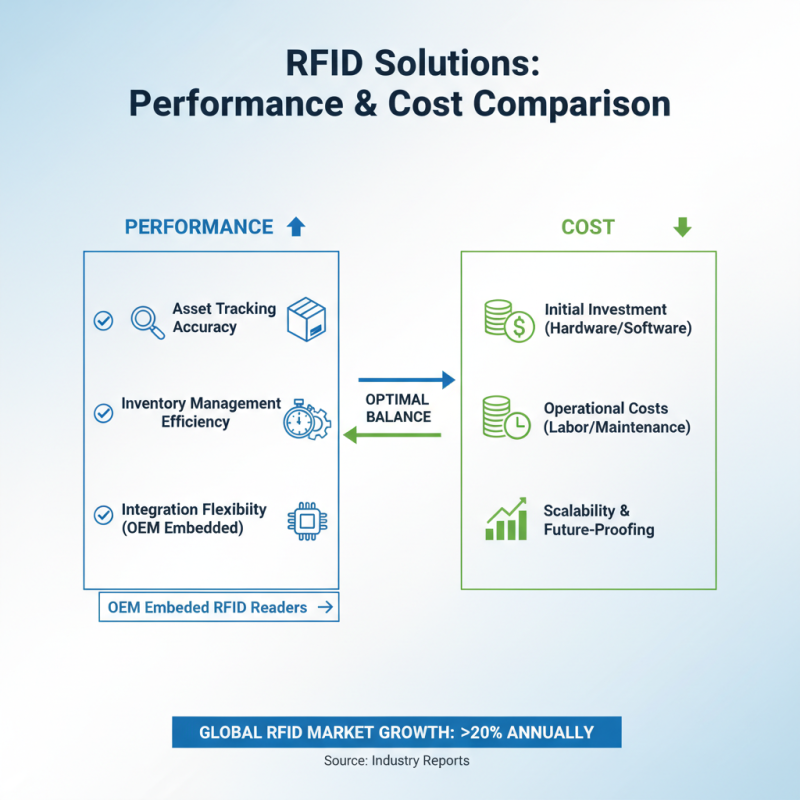
The RFID market continues to expand, driven by the demand for efficient asset tracking and inventory management. According to recent industry reports, the growth rate of the global RFID market is projected at over 20% annually. Embedded RFID solutions, particularly OEM Embedded Rfid Readers, are crucial for various applications, including logistics and supply chain management.
When comparing performance and cost, it's essential to consider factors such as read range, durability, and integration capabilities. Studies show that solutions with higher read accuracy can lead to a 30% reduction in operational costs. However, the initial investment may be a barrier for some businesses. Many options on the market offer different pricing tiers, which can complicate decision-making. It's crucial to weigh long-term savings against upfront costs.
One persistent challenge in the industry is the standardization of RFID technology. Many systems have compatibility issues, leading to additional expenses. Industry experts emphasize the need for reliable vendors who provide robust support and clear guidelines for implementation. Balancing performance with cost remains a complex, yet vital, endeavor for businesses looking to adopt RFID solutions effectively.
Implementing RFID solutions can transform operations across industries. For instance, a retail chain adopted RFID technology to streamline inventory management. By using the Best Embedded Rfid Reader, they significantly reduced stock discrepancies. The integration allowed for real-time tracking of products, improving both inventory accuracy and customer satisfaction.
In manufacturing, a company faced challenges with supply chain visibility. They implemented RFID solutions that enabled automated tracking of parts. This led to a dramatic decrease in production delays. However, challenges arose during the training phase. Employees initially struggled with the new technology. Continuous training and feedback helped overcome these barriers, showcasing the necessity of adaptability in technology deployment.
Healthcare systems have also sought improvements using RFID. One hospital implemented RFID tags on medical equipment to prevent loss. While the initial setup was labor-intensive, the impact was clear. Equipment became instantly locatable, enhancing operational efficiency. Yet, not all RFID projects yield immediate success. Both technical and cultural adjustments are crucial for realizing full benefits.
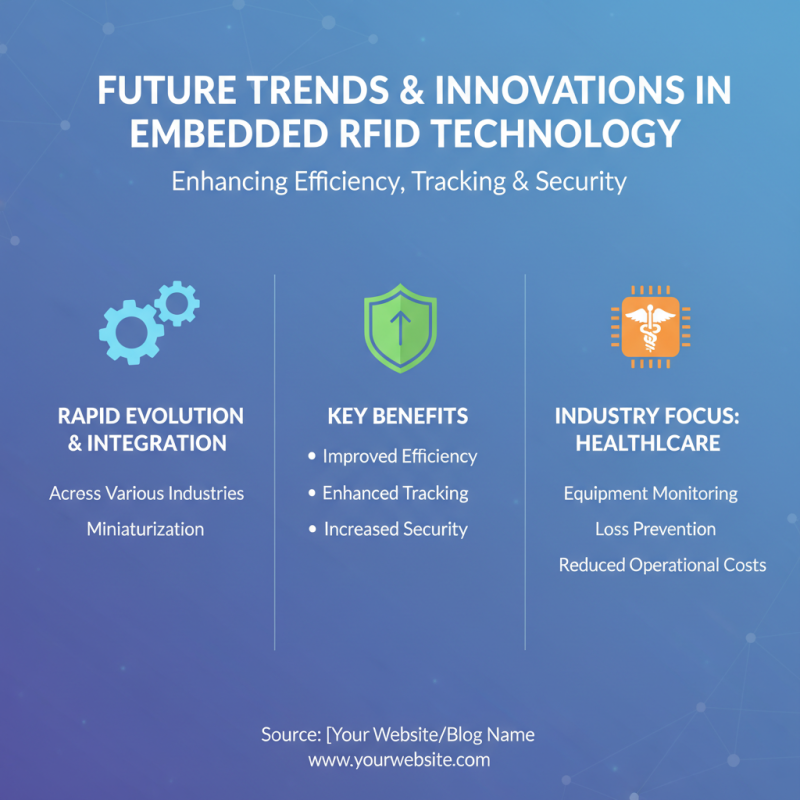
Embedded RFID technology is evolving rapidly. Future trends show increased integration in various industries. This can enhance efficiency, tracking, and security. For instance, healthcare facilities might use RFID to monitor equipment. This technology helps minimize loss and reduces operational costs.
Tips: Consider how your organization can implement RFID solutions. Understand the specific needs in your industry. A strategic approach can lead to better outcomes.
Innovations in embedded RFID will likely focus on miniaturization and cost reduction. Smaller, more affordable RFID tags will become prevalent. This is especially important for supply chain management, where real-time data is crucial. Moreover, the “China Embedded Rfid Reader” showcases excellence in miniaturization. Investing in such technology can address logistical challenges effectively.
Tips: Research various RFID options before making decisions. Look for solutions that match your requirements. Take the time to evaluate both short-term and long-term benefits.
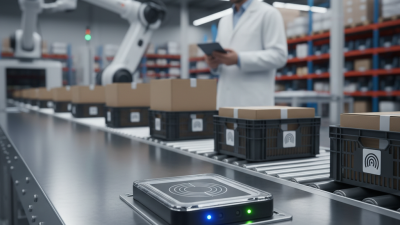
Optimizing container turnover using RFID (Radio Frequency Identification) technology has become a critical strategy for enhancing supply chain efficiency. According to industry reports, companies that implement RFID solutions in their supply chain management can achieve a remarkable 20-30% increase in inventory accuracy, which directly contributes to reducing operational costs and improving logistical workflows. The ability to visually track and manage the entire container cycle turnover process ensures that businesses can minimize downtime and optimize resource allocation.
RFID tags come in two primary types suitable for container turnover applications: rugged tags and card tags. Rugged tags are designed to withstand harsh environments, making them ideal for outdoor use or areas with high wear and tear. On the other hand, card tags offer a versatile solution for various indoor applications. Whether companies require customized tags tailored to their specific needs or prefer general-purpose RFID products, the availability of high-quality, cost-effective solutions is pivotal. Multiple studies indicate that investing in RFID technology yields a return on investment within 12-18 months, reinforcing the importance of this innovation in streamlining operational efficiency.
As businesses continue to face increasing pressure to improve logistics and reduce costs, adopting RFID technology for container turnover will be a transformative step. By integrating these advanced tracking solutions, organizations can ensure timely and accurate deliveries, fostering stronger relationships with partners and customers alike. Inquiries and orders for these innovative RFID tag solutions are welcome, offering companies the opportunity to enhance their supply chain operations and achieve their efficiency goals.
: Consider low, high, and ultra-high frequencies. Each has advantages depending on your application needs.
Longer read ranges enhance efficiency but can increase interference risks. Balance read range with operational setup.
Seamless connection with existing systems saves time. An intuitive user interface reduces frustration and aids adoption.
High initial investments can deter businesses. Balancing long-term savings against upfront costs is tricky.
Higher read accuracy can lead to a 30% reduction in operational costs. It is an essential factor to assess.
Expect miniaturization and cost reduction. Smaller RFID tags will improve effectiveness in supply chain management.
Assess your specific industry needs. Research various options thoroughly to match your requirements effectively.
Standardization issues can cause compatibility problems. Reliable vendors and clear guidelines are necessary for success.
This article delves into the realm of Embedded RFID technology, highlighting its significance and diverse applications across various industries. It offers a comprehensive overview of what Embedded RFID entails, detailing the key features that buyers should consider when evaluating different solutions. The numerous sectors currently adopting Embedded RFID are examined, showcasing its versatility and effectiveness in enhancing operational efficiency.
Moreover, the article compares the performance and cost-effectiveness of leading Embedded RFID solutions on the market, providing readers with an insightful analysis. Through case studies of successful implementations, it illustrates the practical benefits and real-world applications of these solutions. Additionally, the article explores future trends and innovations in Embedded RFID technology, paving the way for exciting advancements that promise to shape the industry's landscape.