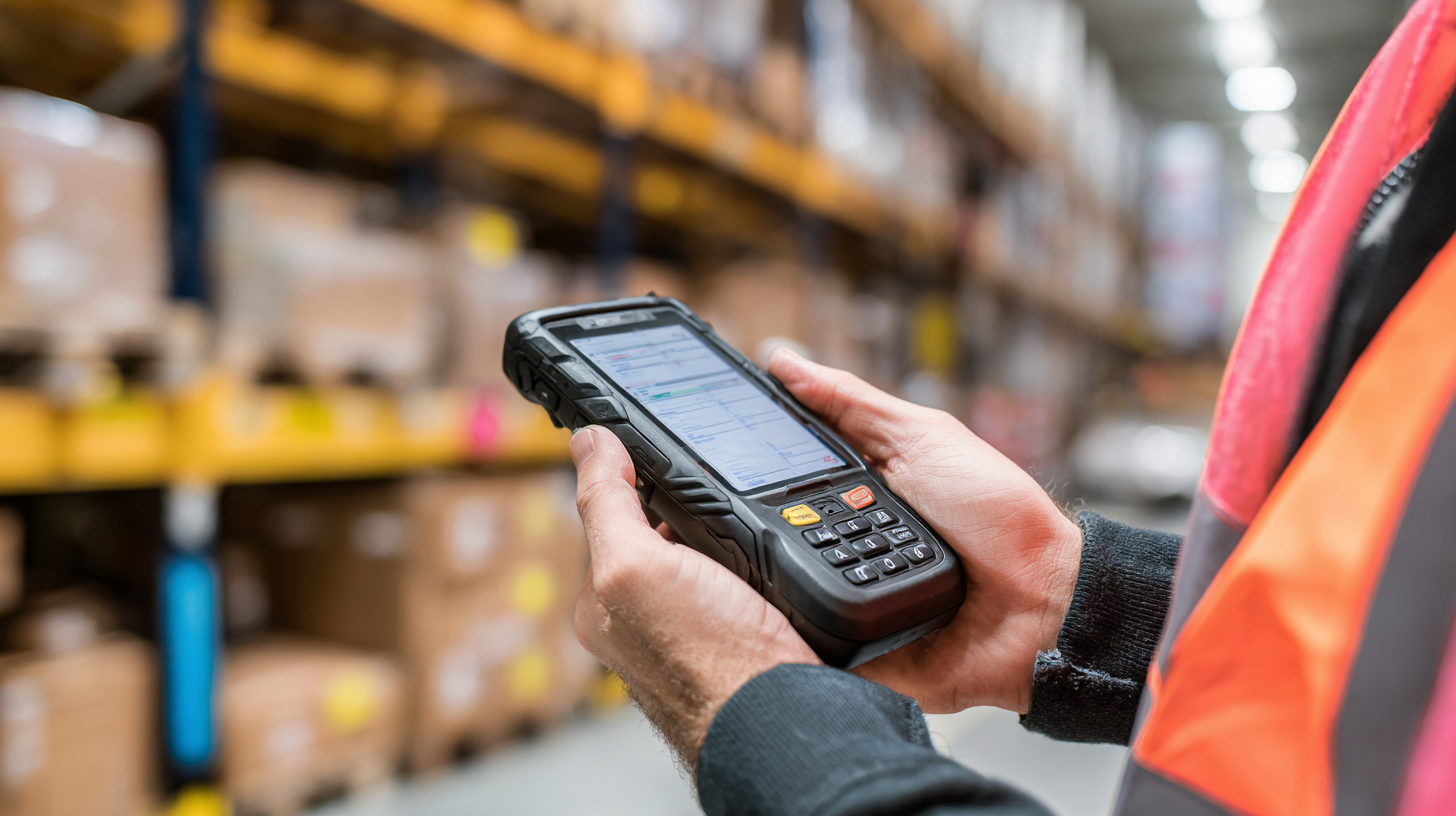
Nowadays, with technology changing at lightning speed, businesses are really feeling the heat to manage their inventory effectively and keep track of data in real-time. This is where tools like the uhf rfid handheld Readercome into play. A recent report from Grand View Research even suggests that the global RFID market could hit about$40.53 billion by 2027, and a big chunk of that is likely to be from handheld devices. Companies like MingQ Technology Limited are doing some cool stuff in the IoT world—they keep rolling out innovative software and hardware.
So, it’s super important to stay on top of what’s happening in the competitive landscape. There are tons of choices out there, but diving into alternatives to the leading UHF RFID handheld readers can really help businesses figure out what works best for them in terms of performance, cost, and the features they actually need. At the end of the day, it’s all about making those smart choices that help leverage the latest tech.
Key Features to Consider in UHF RFID Handheld Readers
So, when you're on the hunt for a UHF RFID handheld reader, it’s super important to get a grip on the key features—trust me, it’ll save you a lot of hassle later. One of the big things to think about is the read range. This basically tells you how far away the reader can pick up signals from the tags. The longer the read range, the easier it becomes to scan big inventories or keep track of assets over larger distances — definitely a win for efficiency! And don’t forget to check if the reader works well with different RFID Tags and protocols. You want everything to mesh together smoothly to avoid any annoying hiccups during your operations.
Another thing to keep in mind is battery life, especially if you’re in an industry where the reader is in constant use. A strong battery means less downtime, which is always a good thing for keeping your workflow on point. And hey, durability is key too! Look for handheld readers that are ruggedized. That way, they won’t freak out on you if they take a tumble or if you're working in tough conditions. Finally, the software interface has to be user-friendly—nobody wants to waste time figuring stuff out. Plus, having advanced features like real-time data processing and cloud integration is huge for better inventory management and getting the most out of your data. By keeping these essential features in mind, you can pick a UHF RFID handheld reader that really fits your needs.
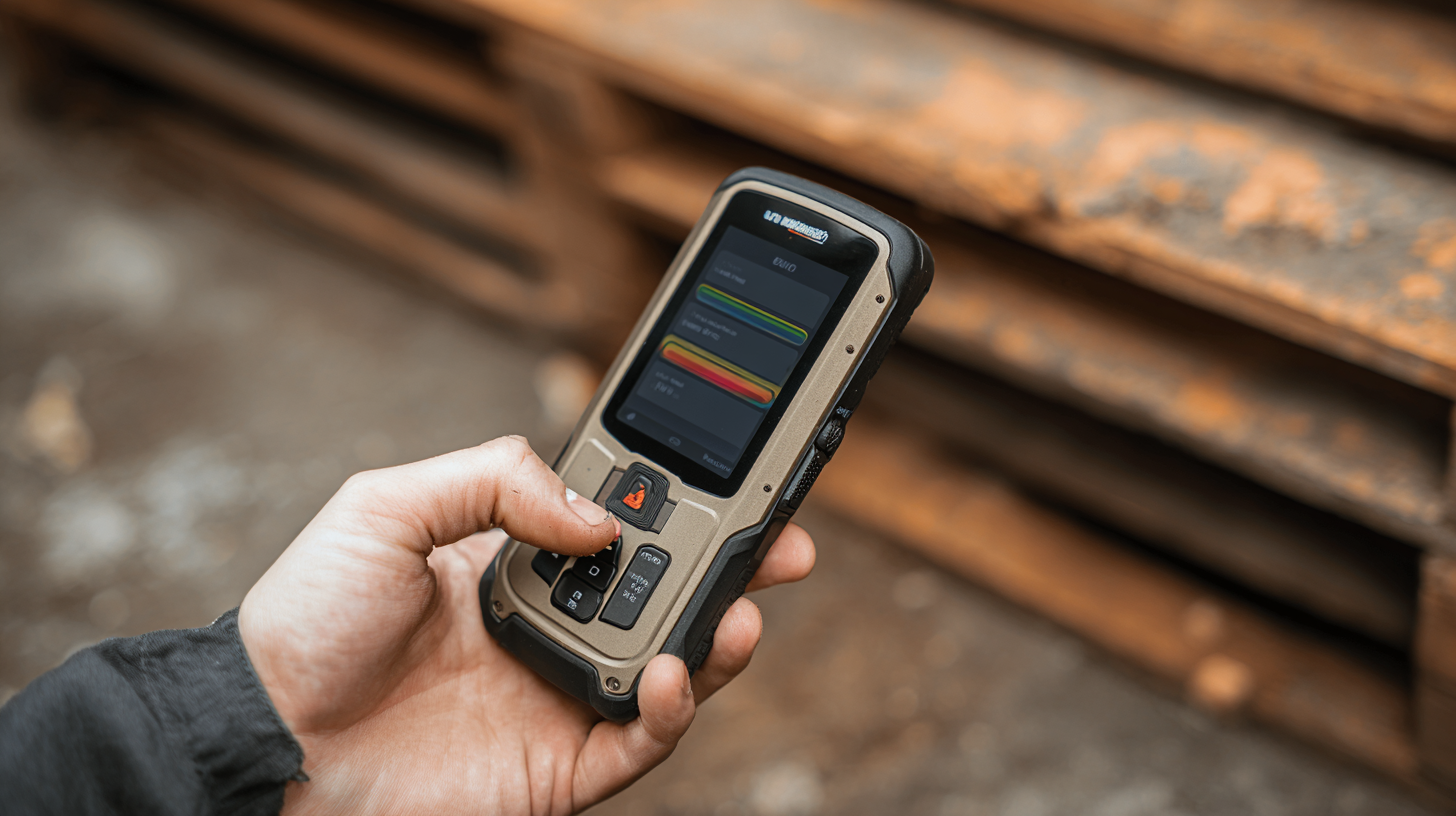
Top Competitors: A Look at Leading Brands in 2023
So, in 2023, the world of UHF RFID handheld readers is pretty competitive, with quite a few brands bubbling up as the front-runners. Each of them is trying to outdo the other with their cool features and fancy tech. You know, a recent study found that companies that really dive into data—especially in tech—are around 23 times more likely to snag new customers, and about 19 times better at keeping their profits flowing compared to those who aren’t so data-driven. It really shows how crucial it is to weave analytics into product design and how you connect with customers. Competitors are grabbing data insights to fine-tune their offerings and make user experiences pop.
As the market gets busier, brands are scrambling to find fresh ways to stand out. Industry reports say that the top players are pouring a ton of cash into research and development, which means they’re turning out devices that are not just faster and tougher but also way smarter—basically blowing customer expectations out of the water! Companies that embrace innovation see a serious boost in their brand value, so it’s pretty clear that investing wisely in tech and top-notch service is the name of the game. In this fast-paced setup, the brands that really listen to what consumers want and use data smartly to innovate are the ones that will snag that competitive edge.
Comparing Performance: Speed, Range, and Accuracy
When you're looking at UHF RFID handheld readers, you really can’t overlook three key factors: speed, range, and accuracy. These elements play a huge role in how smoothly operations run across different industries. You might be surprised, but recent findings from industry reports show that the top UHF RFID handheld readers can actually read up to 1,000 tags a second! That’s way faster than a lot of other options out there. As a study from ABI Research points out, this speed is especially crucial in fields like retail and logistics, where being able to manage inventory quickly and track things in real time is super important.
And let’s talk about range for a sec—some of the best models out there can read tags from over 30 feet away. Now, that’s a big deal if you need to scan items in large spaces or crowded areas. A report from GS1 backs this up, saying that systems designed for maximum range while still keeping accuracy high can lower labor costs by as much as 30%. That really highlights why it's worth it to invest in top-notch tech. Plus, the best handheld readers boast accuracy rates around 99%, which is vital for keeping data collection errors and inventory mix-ups to a minimum. All these performance stats really drive home the point: choosing a UHF RFID handheld reader that not only meets but exceeds today’s operational needs is key.
Cost-Effectiveness: Budget-Friendly Options for Businesses
You know, in today’s fast-changing world of inventory management and asset tracking, those UHF RFID handheld readers have become pretty essential for businesses that want to boost their efficiency and accuracy. Sure, a lot of companies tend to lean toward the top-tier models, but taking a look at some of the more budget-friendly options can totally surprise you with great results, and you won’t have to skimp on quality. For many small to medium-sized businesses, investing in affordable UHF RFID readers can provide all the functionality they need to really streamline operations without breaking the bank.
At MingQ Technology Limited, we get how important it is to roll out Internet of Things (IoT) solutions that work well and fit your budget. Our lineup includes a variety of IoT software and hardware products, plus we offer customized technical services too. By choosing our competitively priced UHF RFID handheld readers, businesses can boost their operational capabilities and keep their spending under control. This way, they’re not just improving their asset tracking but also freeing up resources for other crucial areas of growth and innovation. That’s what we’re all about at MingQ — making cutting-edge tech accessible and effective for everyone.
User Experience: Ergonomics and Interface Usability
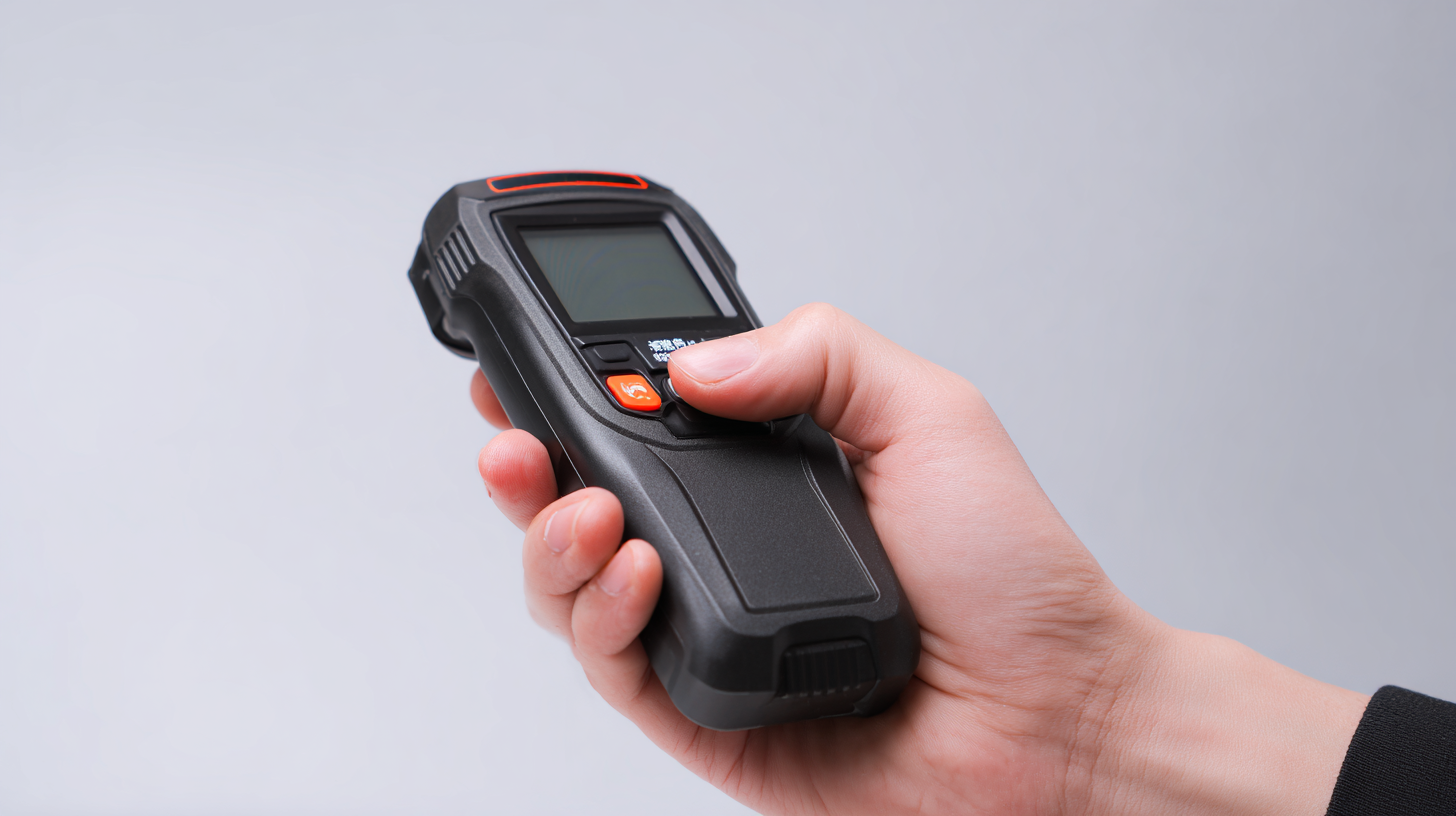
Choosing the right UHF RFID handheld reader? Well, let’s talk about what really matters: user experience. Comfort is a big deal, especially if folks are using these devices for long stretches. Believe it or not, around 70% of users actually say that comfort is their top priority (RFID Journal, 2022). When readers are designed with ergonomics in mind, it not only makes users happier but also helps them avoid that dreaded fatigue, which ultimately boosts productivity. Take, for example, readers that balance out the weight nicely and have soft-touch grips—these can really make a difference. It’s no wonder they’re must-haves in places like warehouses and retail shops, where people are on their feet all day.
And here’s the thing: the way these RFID readers are set up matters a ton, too. A study from ABI Research found that having intuitive interfaces can cut down training time for newbies by a whopping 50% (2023). Features like touchscreens and customizable settings really make it easier for everyone, no matter what their tech skills are. Plus, some of the big players in the market are stepping it up with cool features like voice commands and visual error guidance. Not only do these make the readers super user-friendly, but they also help keep things accurate. It’s clear that when you put ergonomics and thoughtful design first, you end up with a way better experience for the user and more efficient operations overall in RFID applications.
Exploring Alternatives: User Experience in UHF RFID Handheld Readers
Innovation Trends: Future Developments in RFID Technology
Let’s take a moment to talk about where RFID technology is heading, particularly with those UHF RFID handheld readers. You know, over the last few years, we’ve seen some really cool advancements in semiconductor tech that have made RFID chips much smaller and more powerful. These little guys aren’t just boosting reading distances and accuracy; they’re also way more efficient, which means those handheld devices can last longer on a single charge. It’s exciting to see how this hardware evolution is making it easier for different industries—like retail and logistics—to hop on board.
And get this: when RFID tech teams up with the Internet of Things (IoT), it really shakes things up! We’re talking about much better ways to collect and interpret data. With RFID systems getting more interconnected, they’re giving us real-time insights that help businesses run smoother. Plus, when you throw artificial intelligence into the mix to process RFID data, companies can start predicting trends and really fine-tuning their inventory management. It’s fascinating stuff! As all these innovative trends keep rolling out, it’s crucial for stakeholders to stay on their toes and explore various options to make sure they’re using the best tools for what they need.
FAQS
: The read range is crucial, as it determines how far the reader can capture signals from tags, which enhances efficiency in scanning inventories or tracking assets over distances.
A robust battery minimizes downtime and improves workflow efficiency, particularly for industries requiring prolonged usage.
Look for ruggedized handheld readers that can withstand harsh environments and accidental drops to ensure longevity and reliability.
A user-friendly software interface with advanced functionality like real-time data processing and cloud integration is important for better inventory management and data analytics.
Leading brands are heavily investing in research and development to create faster, stronger, and smarter devices, focusing on innovation to differentiate themselves in a competitive market.
Yes, exploring cost-effective alternatives allows small and medium-sized enterprises to obtain necessary functionality for streamlining operations without compromising on quality.
They enable businesses to enhance their operational capabilities while keeping expenditures in check, allowing for resource allocation to other growth areas.
Data-driven companies are significantly more likely to excel in customer acquisition and maintain profitability, underscoring the importance of data insights in product development and customer interaction.
Companies that adapt to consumer needs through strategic data usage and innovation are more likely to gain a competitive edge and bolster their brand equity.
MingQ provides a range of competitively priced UHF RFID handheld readers along with IoT solutions and technical services to help businesses enhance their asset tracking processes affordably.

 Rotary HF RFID Tag Reader GRH-I40 Suitable for Assembly Lines
 Industrial-grade High-frequency Integrated Reader GRH-I65 Suitable for Asset Tracking
 With ESD Protection HF RFID Reader GRH-I68 Suitable for Progress Tracking
 Proximity HF RFID Reader GRH-M30 Suitable for Manufacturing Workshops
 Desktop HF RFID Scanner GRH-D80-HID Suitable for Card-issuing Applications
 High Frequency Medium Distance Reader GRH-I90 Suitable for Logistics Production Line
 UHF RFID Portals and Tunnel Machine RFly-AM3000 for Access Control
 Narrow RFID Portals Series TD-P20040-SS for Single Tag Entry and Exit Identification Scenario
 RFID Transmission Line Simple Identification Tunnel Machine (TD-T3050)
 Vision and RFID Tunnel Machine TD-T7692-RV for Logistics Sorting
 RFID Transmission Line Identification Tunnel Machine TD-T10090
 RFID Mobile Inventory Tunnel Machine TD-T65150 for Conveyor Belts
 High-Performance Far-Field Antennas for Broad Coverage.
 Multi-Purpose Antennas: Flexibility for Diverse Applications
 Near-Field Antennas for Short-Distance Tag Detection.
 Portals & Tunnel Antennas for Integrated RFID Series
 Slimline PCB Antennas for Warehousing and Logistics
 Miniaturized and Thin Antennas can Provide Good Performance in a Smaller Size.
 GPS Tracker for Vehicles, Car, Kids, Assets.
 CO2 Sensors Detect CO2 Gas through Alarms, Suitable for Offices, Planting Tents.
 Door Sensor, Detect Open and Closed Doors or Windows, Sends Alerts, Triggers Siren.
 Wireless Level Sensor Equipped with a 5-Meter Detection Line, Suitable for Water Tanks
 Real Time Monitoring of Air Quality Using PM2.5/PM10 Sensors.
 Smoke Sensor, Fire Alarm Smoke Detector with Test Button and Low Battery Reminder.
 Soil Stress Sensor,Bridge and Tunnel Monitors.
 Vibration Sensor Monitors Equipment, Like Conveyors and Motors, for Operational Status.
 E -Paper Display
 Smart Water Sensor Alarms, 1.2 M Detection Line.
 CO Sensor for Basements Home Office House Bedroom Living Room Car, Light Plug and Play.
 Temperature and Humidity Sensor
 Multi-sensor GD-ME
 Temperature Sensors Monitor the Surface Temperature of Various Heating Equipment.-1
 Signal Enhancement Terminal, Long Range Coverage.
 Multi-Protocol Communication Gateway, App Remote Control.
 Edge Vision Gateway can Access Various Mainstream Cameras, Suitable for Office, Factory.
 GBS-3550 Outdoor Sensor Gateway,LoRa, 2/3/4G Communication.
 Smart WiFi Gateway, Realize Remote Control.
 Ultra-Low-Power Solar-Powered Intelligent Gateway (Outdoor)
 IP67-protected Integrated RFID Reader Writer RFly-I165 for Supply Chain
 Long-range Distance UHF RFID Reader RFly-I195 for Inventory Management
 Small UHF RFID Tag Reader RFly-I300 for Cars
 Two-channel Compact Fixed RFID Reader RFly-F210 for Warehousing
 Four Channels Fixed UHF RFID Reader RFly-R6 for Supply Chain
 8-channel UHF RFID Tag Reader RFly-R8 for File Cabinet Identification
 Bluetooth Portable RFID Reader and Writer GRU-HBT100 for Inventory Management
 Industrial Grade Handheld UHF RFID Reader GRU-HC520 Suitable for Logistics
 RFID Gateway Networking System
 RFID Passive Temperature Measurement System
 RFID Tags for Container Turnover Management
 RFID Tags for Equipment O&M Management
 RFID Tags for Manufacturing Management
 RFID Tags for Tool Management
 A Kits for Equipment Condition Detection
 A Kits for Office Computer Room Environment Monitoring
 A Kits for Reservoir Environmental Monitoring
 A Kits for Storage Space Environment Monitoring
 A Kits for Stress Detection of Underground Tunnel
 A Kits for Urban Environment Monitoring
 Intelligent IoT Monitoring Platform
 Integrating Multiple Functional OTG Demo Software
 HF Demo Software
 UHF Demo Software