Picking China’s top UHF RFID Antennasuppliers? It’s not just about lining up catalog prices. If you’re buying globally, you need antennas that actually perform, production that stays consistent, and tech support that answers when something goes wrong. A warehouse antenna can look great on a product page, but stick it next to metal racks, conveyor motors, or big liquid containers and it may not work at all. That’s why real-world testing matters.
Dr. Klaus Finkenzeller, who wrote the RFID Handbook, put it simply: “The antenna is the interface between the reader and the tag.” That’s still a good way to think about Chinese manufacturers. Check the operating frequency, gain, polarization, impedance matching, read-zone consistency, and how tough the enclosure is. Also ask for test reports, sample units, install drawings, and references from actual production runs. Little things matter. Connector quality matters, too.
Good suppliers tend to explain why they designed something a certain way—not just promise endless read distance. They can talk about tuning changes for different environments. They should also be clear about quality controls: cable inspection, return-loss testing, final performance checks. Ask how samples are tested before mass production. Ask who will help if installation runs into problems.
No supplier is perfect. Worth saying, really. Some factories have solid hardware but weak documentation. Others have attractive prices but batches that vary. So compare communication speed, engineering experience, customization options, packaging protection, and after-sales response. This guide looks at leading China-based Uhf Rfid Antenna suppliers using those practical standards. The point isn’t to cheerlead every manufacturer. It’s to help buyers pick gear that works reliably on site, under real conditions.

Understanding UHF RFID Antennas and Their Global Applications
Understanding UHF RFID antennas begins with frequency, geometry, and environment. These antennas operate across regional bands from 860 to 960 MHz. China commonly uses 920–925 MHz, while Europe and North America use different allocations. A suitable Antenna Rfid Uhf must match the reader, tag orientation, and local frequency rules. Circular polarization handles mixed tag angles better. Linear polarization can deliver stronger reads when tags face one direction. Warehouse aisles, retail shelves, and conveyor gates therefore need different antenna designs.
Industry data shows why this technology keeps expanding. The RAIN Alliance 2024 market report places annual RAIN tag volumes above 40 billion units. Auburn University RFID Lab benchmarking has reported inventory accuracy near 95% in mature retail deployments, compared with roughly 65% without RFID. These figures describe strong projects, not automatic results. Metal racks, liquid products, cable losses, and reader power can reduce performance. A perfect installation rarely exists. Testing remains essential.
Tips: Ask suppliers for chamber or field test results, radiation patterns, gain, polarization, connector type, and operating temperature. Test cartons with real products, not empty samples. Mark a three-meter reading zone on the floor. Then check missed reads, false reads, and tag movement. A lower-cost antenna may become expensive after repeated site adjustments. Regional certification documents should also be reviewed before international deployment.
UHF RFID antennas are designed around the regional frequency bands approved for RFID use. These operating ranges show why globally distributed deployments often require region-specific antenna tuning, reader configuration, and compliance testing.
Key Features of China’s UHF RFID Antenna Industry
China’s UHF RFID antenna industryhas grown through practical engineering, flexible production, and export experience. Suppliers commonly offer Reader Antennas for warehouses, retail gates, vehicle tracking, and industrial containers. Their key technical focus includesfrequency stability, circular polarization, impedance matching, gain, and reading distance. A strong supplier explains these values under defined test conditions. The detail matters.
Manufacturers often combine simulation with chamber testing, then adjust patch geometry, connectors, or protective housing. This process supports custom sizes for shelves, portals, and compact handheld equipment. Outdoor models may use sealed enclosures, UV-resistant materials, and reinforced cable exits. For global buyers, traceability is equally important. Batch records, incoming-material checks, and final inspection can reduce inconsistent field performance. Still, documents vary in depth.
A careful purchasing review should compare samples, test reports, production capacity, minimum order quantities, and delivery schedules. Ask whether reported read range uses the intended tag type, reader power, and mounting surface. Metal, liquid, nearby wiring, and antenna spacing can change results quickly. Suppliers with engineering support can recommend tuning after installation trials. However, customization may increase tooling costs or extend lead times. That trade-off deserves clear written confirmation. Some suppliers may promise more than real sites deliver. Independent verification remains wise.
Main Types of UHF RFID Antennas Available from Chinese Suppliers
China Top UHF RFID Antenna Suppliers for Global Buyers?
Chinese suppliers commonly offer four main UHF RFID antenna types: linear-polarized, circular-polarized, near-field, and far-field models. UHF systems usually operate between 860 and 960 MHz.
Linear antennas work well when tags face a predictable direction, such as cartons moving along a conveyor.
Circular antennas handle rotating or poorly aligned tags better. They suit warehouse portals, retail shelves, and pallet gates.
Near-field antennas create a controlled reading zone for item-level tracking. Far-field antennas provide wider coverage for dock doors and vehicle lanes.
Practical specifications matter more than impressive range claims.
Buyers should compare gain, beamwidth, connector position, polarization, enclosure material, and IP rating. Many Chinese manufacturers provide panel antennas from roughly 6 to 12 dBi gain. Outdoor versions often use sealed plastic or coated metal housings.
In my technical reviews, antenna placement caused more failures than advertised sensitivity. Small errors can create missed reads.
USD 17.4 billion
MarketsandMarkets estimated the global RFID market at USD 17.4 billion in 2023, with projected growth to USD 35.6 billion by 2028.
USD 35.6 billion
Its report also identifies UHF as a major growth segment. The RAIN RFID Alliance reports that UHF deployments increasingly support inventory and supply-chain visibility.
These figures show demand, not guaranteed performance. A 12 dBi antenna may perform poorly beside metal racks or liquid products. Testing with real tags remains essential.
Sometimes, the less powerful antenna works better.
Technical Standards for Selecting RFID Antenna Products
China Top UHF RFID Antenna Suppliers for Global Buyers
Technical Standards for Selecting RFID Antenna Products
Selecting an RFID antenna requires more than comparing advertised read distance. Start with the operating band, usually 860–960 MHz, and confirm regional compatibility. EPC Gen2 and ISO/IEC 18000-63 support reliable UHF RFID communication. Regional limits, such as ETSI or FCC requirements, still need verification before deployment.
Check gain, beamwidth, polarization, impedance, and voltage standing wave ratio. A typical Uhf Rfid Reader Antenna uses 50-ohm impedance and should provide stable performance across its working band. Circular polarization suits changing tag orientations, while linear polarization can deliver stronger results in controlled portals. The floor matters. Metal racks, liquids, and moving forklifts can change the field dramatically.
Ask suppliers for measured test reports, antenna patterns, connector specifications, and batch consistency records. An IP-rated enclosure, such as IP65 or higher, may be necessary for dusty warehouses or outdoor loading areas. Temperature range and cable loss also deserve attention. A long cable can quietly reduce system performance.
Do not accept one perfect sample as proof. Request samples from different production batches and test them beside the intended reader. A claimed 20-meter range may shrink near dense cartons. That is normal. The mistake is ignoring it. Suppliers with traceable inspection records, clear calibration methods, and responsive technical support provide stronger evidence of reliability. Some specifications remain incomplete, so buyers should document installation conditions before approving volume orders.
How to Evaluate China-Based RFID Antenna Manufacturers
Evaluating China-based RFID antenna manufacturers requires more than comparing catalog prices. Start with technical evidence. Ask for radiation patterns, gain data, impedance details, polarization options, and tested frequency ranges. A reliable supplier should explain how measurements were taken, not merely send attractive charts. Request samples for your actual reader, tag type, mounting surface, and operating distance. Small changes in metal shelving or liquid-filled containers can affect performance.
Factory experience becomes visible during testing. Can the engineering team adjust cable length, enclosure materials, or connector types without weakening consistency? Check production records, incoming material controls, calibration procedures, and batch inspection reports. It is also useful to inspect sample labels, packaging, and weatherproofing details. These physical signs often reveal more than a polished presentation.
Ask about compliance documents for your target market, including radio requirements and product safety records. Clear technical drawings, stable communication, and traceable revisions support dependable cooperation. A manufacturer should also explain warranty limits and replacement procedures in plain language. However, no factory is perfect. I would record unanswered questions instead of ignoring them, because early uncertainty can become installation downtime. One practical test may expose weaknesses that a long factory tour misses. Then compare results across several samples, not just the best-performing unit.
Quality Control, Certifications, and Customization Options
For global buyers, UHF RFID antenna quality starts with measurable production control. A qualified supplier should test impedance, VSWR, gain, polarization, and read performance on every production batch. Vector network analyzers and anechoic chambers provide useful evidence. However, laboratory results can still disappoint inside metal racks or near liquids. Real-site testing remains essential.
The RAIN Alliance reported 44.8 billion RAIN RFID tags sold in 2023, showing the scale of demand for stable reader infrastructure. Buyers should request compliance evidence for ISO/IEC 18000-63, regional radio rules, and applicable environmental requirements. Reports should include test conditions, sample numbers, and revision dates. Certifications alone do not prove consistent manufacturing. I have seen attractive reports with weak traceability. That deserves careful review. Custom options may include frequency bands, connector position, enclosure material, mounting holes, cable length, and IP protection. Suppliers should explain how each change affects gain and read range.
Tips: Ask for three samples from separate batches. Test them at the intended installation height. Record performance with empty and loaded shelves. Request material certificates and a corrective-action process. A supplier that documents failures honestly may be more reliable than one promising perfect results. Intertek’s 2024 RFID testing guidance also emphasizes repeatability, environmental simulation, and application-based validation. Small details matter.
Global Purchasing and Supplier Comparison Considerations
Global buyers should compare UHF RFID antenna suppliers through measurable performance, not catalog claims. MarketsandMarkets’ 2024 RFID report projected the global RFID market to grow from about USD 14.5 billion in 2023 to over USD 35 billion by 2030. This growth increases supplier choice, but also creates uneven specifications. Check operating frequency, gain, polarization, beamwidth, VSWR, connector type, and tested read distance. An OEM Uhf Rfid Antenna should match the reader, mounting height, tag orientation, and local frequency allocation.
Samples reveal more than spreadsheets. Place antennas beside metal shelving, liquid containers, and moving cartons. Record missed reads at different heights. RAIN Alliance industry reporting has projected annual RAIN RFID tag shipments above 50 billion units, so stable performance matters across high-volume operations. Ask suppliers for chamber-test results, production tolerances, IP ratings, material certificates, and quality records from recent batches. Compare tooling fees, minimum order quantities, packaging, lead times, replacement policies, and technical support across regions. A low unit price may hide expensive molds, retesting, or freight.
Regional purchasing also needs careful verification. Request compliance documents for the destination market, not generic certificates. Confirm whether samples use the same substrate and cable as mass production. One weakness remains easy to miss: warehouse reflections can change results dramatically. Supplier data may look precise, yet real installations are less obedient. A short pilot with fixed tags and measured read zones can expose that gap.
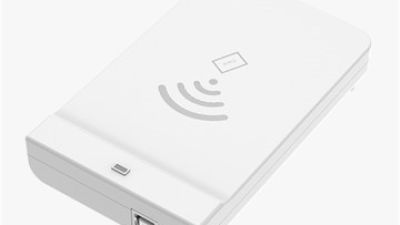
USB Compact Desktop RFID Scanner GRU-D100: A Practical Guide to Efficient Card Management
Efficient card management begins with a reliable reader that fits easily into the workplace. The GRU-D100 is a compact desktop RFID scanner designed for offices, reception desks, service counters, and other areas where cards need to be identified quickly. Its small footprint helps keep the workspace organized, while its USB interface makes connection simple. Users can plug the scanner into an available USB port and begin working without additional drivers or complicated setup procedures.
For daily operations, place the reader in a convenient position and present each RFID card within its reading area. The device can support practical tasks such as card registration, identity verification, access record entry, and inventory-related workflows, depending on the connected management software. This straightforward operation can reduce manual data entry, improve consistency, and help staff process cards more efficiently. Its desktop format is also suitable for repeated use during customer service or administrative routines.
Whether you need a general-purpose RFID solution or a customized configuration, this compact USB reader offers a cost-effective option for streamlined card handling. Product specifications, application requirements, and order quantities can be discussed in advance so that the recommended configuration matches your workflow. Detailed quotations and responsive assistance are available for inquiries and purchase planning.
FAQS
UHF RFID antennas typically operate from 860 to 960 MHz. Regional allocations differ. China commonly uses 920–925 MHz, while other regions use different bands. Check local requirements before deployment.
Circular polarization handles tags placed at different angles more reliably. Linear polarization can perform better when tags face one direction. The choice depends on the reading area.
Warehouses may use aisles, gates, or conveyor points. Retail shelves often contain metal and liquid products. These surfaces can reflect or absorb radio signals. One antenna design may not fit every location.
Test the antenna with the actual reader and tag type. Use cartons containing real products, not empty boxes. Mark a three-meter reading zone on the floor. Check missed reads, false reads, and moving tags.
Yes. Metal racks, liquids, cable losses, and reader power can affect results. A tag may read well in open air but fail beside a metal shelf. Real installation conditions matter more than ideal demonstrations.
Request radiation patterns, gain, impedance, polarization, and frequency-range data. Ask how the measurements were taken. Confirm connector types and operating temperatures. Attractive charts alone are not enough.
Request samples for your reader, tags, mounting surface, and working distance. Review calibration procedures, material controls, and batch inspection records. Check cable options, enclosure quality, weatherproofing, and packaging. A factory tour may not reveal every weakness.
Review radio requirements and product safety documents for each target market. Confirm connector details and technical drawings. Ask about warranty limits and replacement procedures. Unclear answers deserve written records.
No. Some mature projects report accuracy near 95%, compared with roughly 65% without RFID. Those figures reflect successful deployments. They do not guarantee every site. Testing remains essential.
A low-cost antenna may require repeated site adjustments. Those changes can increase labor and downtime. Compare several samples, not only the best-performing unit. I would record unanswered questions.
Conclusion
China has become an important sourcing base for UHF RFID antenna products, serving applications such as inventory management, logistics, retail, manufacturing, healthcare, and asset tracking. Chinese suppliers commonly offer linear-polarized, circular-polarized, near-field, long-range, indoor, outdoor, fixed, and integrated antenna solutions. Their industry strengths often include flexible production, competitive pricing, short customization cycles, and the ability to develop products for different operating environments and system requirements.
When selecting a Chinese Uhf Rfid Antenna supplier, global buyers should review frequency compatibility, gain, polarization, read range, impedance, connector design, durability, and environmental protection ratings. It is also important to assess manufacturing capacity, testing procedures, quality consistency, certifications, sample performance, customization services, packaging, lead times, and communication efficiency. A structured comparison of technical specifications, total purchasing costs, after-sales support, and delivery reliability can help buyers choose a suitable supplier for stable and scalable RFID deployments.

 Rotary HF RFID Tag Reader GRH-I40 Suitable for Assembly Lines
 Industrial-grade High-frequency Integrated Reader GRH-I65 Suitable for Asset Tracking
 With ESD Protection HF RFID Reader GRH-I68 Suitable for Progress Tracking
 Proximity HF RFID Reader GRH-M30 Suitable for Manufacturing Workshops
 Desktop HF RFID Scanner GRH-D80-HID Suitable for Card-issuing Applications
 High Frequency Medium Distance Reader GRH-I90 Suitable for Logistics Production Line
 UHF RFID Portals and Tunnel Machine RFly-AM3000 for Access Control
 Narrow RFID Portals Series TD-P20040-SS for Single Tag Entry and Exit Identification Scenario
 RFID Transmission Line Simple Identification Tunnel Machine (TD-T3050)
 Vision and RFID Tunnel Machine TD-T7692-RV for Logistics Sorting
 RFID Transmission Line Identification Tunnel Machine TD-T10090
 RFID Mobile Inventory Tunnel Machine TD-T65150 for Conveyor Belts
 High-Performance Far-Field Antennas for Broad Coverage.
 Multi-Purpose Antennas: Flexibility for Diverse Applications
 Near-Field Antennas for Short-Distance Tag Detection.
 Portals & Tunnel Antennas for Integrated RFID Series
 Slimline PCB Antennas for Warehousing and Logistics
 Miniaturized and Thin Antennas can Provide Good Performance in a Smaller Size.
 GPS Tracker for Vehicles, Car, Kids, Assets.
 CO2 Sensors Detect CO2 Gas through Alarms, Suitable for Offices, Planting Tents.
 Door Sensor, Detect Open and Closed Doors or Windows, Sends Alerts, Triggers Siren.
 Wireless Level Sensor Equipped with a 5-Meter Detection Line, Suitable for Water Tanks
 Real Time Monitoring of Air Quality Using PM2.5/PM10 Sensors.
 Smoke Sensor, Fire Alarm Smoke Detector with Test Button and Low Battery Reminder.
 Soil Stress Sensor,Bridge and Tunnel Monitors.
 Vibration Sensor Monitors Equipment, Like Conveyors and Motors, for Operational Status.
 E -Paper Display
 Smart Water Sensor Alarms, 1.2 M Detection Line.
 CO Sensor for Basements Home Office House Bedroom Living Room Car, Light Plug and Play.
 Temperature and Humidity Sensor
 Multi-sensor GD-ME
 Temperature Sensors Monitor the Surface Temperature of Various Heating Equipment.-1
 Signal Enhancement Terminal, Long Range Coverage.
 Multi-Protocol Communication Gateway, App Remote Control.
 Edge Vision Gateway can Access Various Mainstream Cameras, Suitable for Office, Factory.
 GBS-3550 Outdoor Sensor Gateway,LoRa, 2/3/4G Communication.
 Smart WiFi Gateway, Realize Remote Control.
 Ultra-Low-Power Solar-Powered Intelligent Gateway (Outdoor)
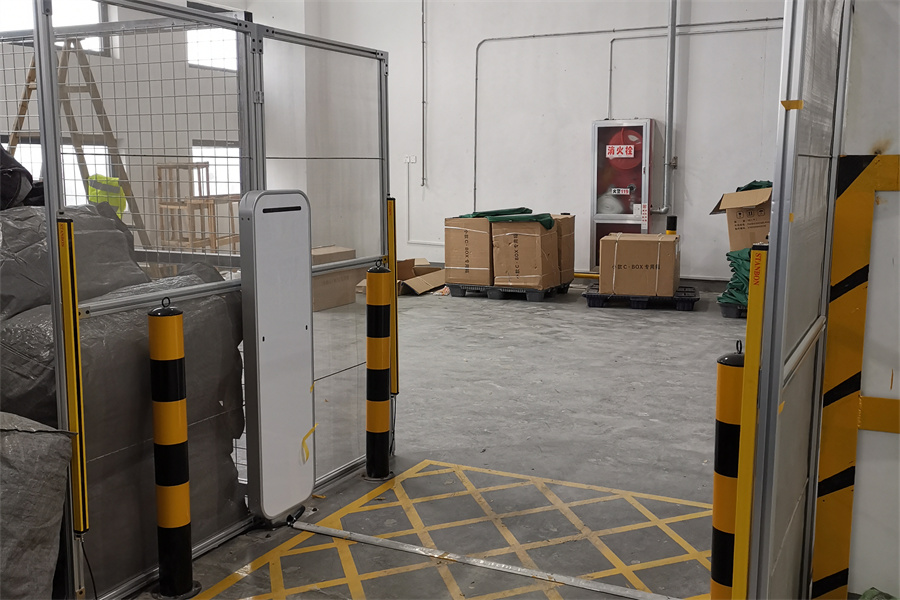 Global 3PL Streamlines High-End Fashion Inventory with MingQ RFID Tunnel Solution
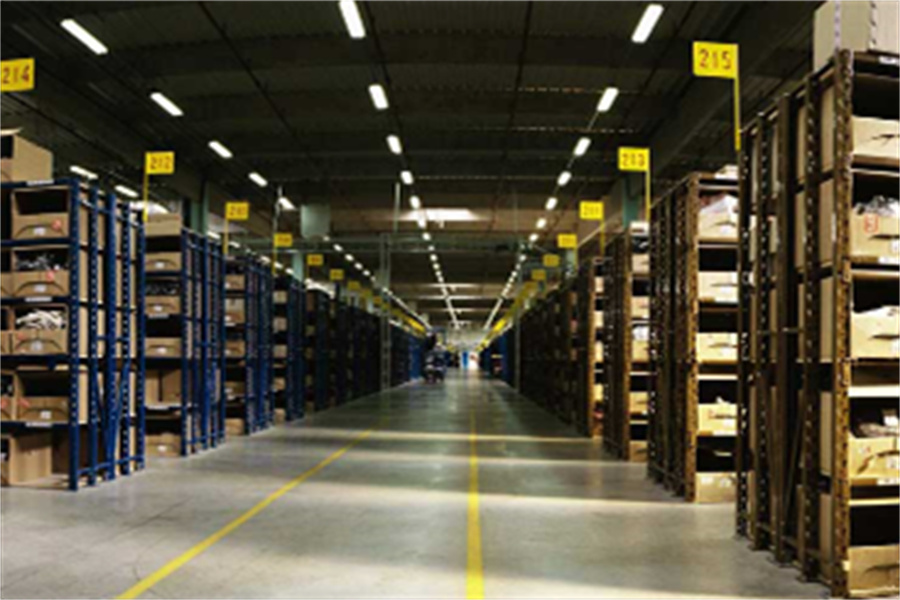 Leading E‑Commerce Platform Accelerates Flash-Sale Fulfillment and Boosts Warehouse Productivity with MingQ RFID Sorting Wall Solution
 Global Automaker Elevates Component Kitting Accuracy with MingQ RFID Shelf‑Level Management Solution
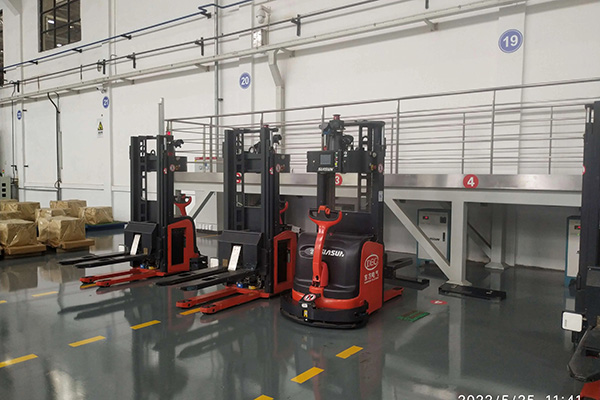 Asia’s Largest Logistics Provider Enhances Warehouse Intelligence with RFID Pallet & Container Management Solution
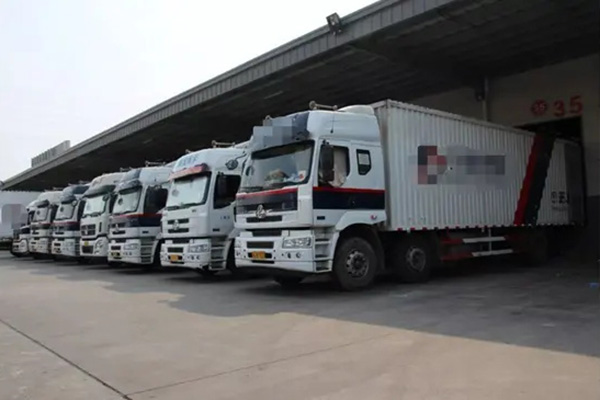 RFID Application in Platform Vehicle Management
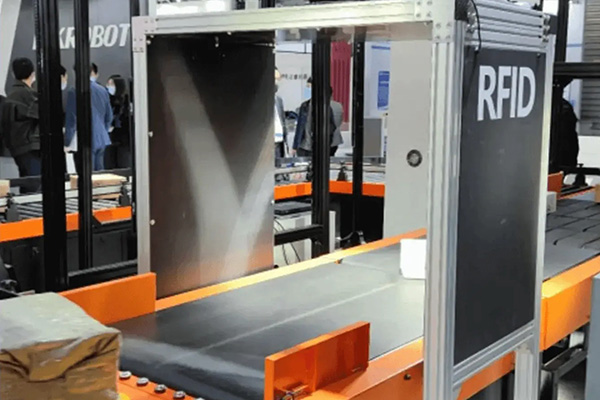 RFID Application in Logistics Sorting
 RFID Application in Supply Chain Management
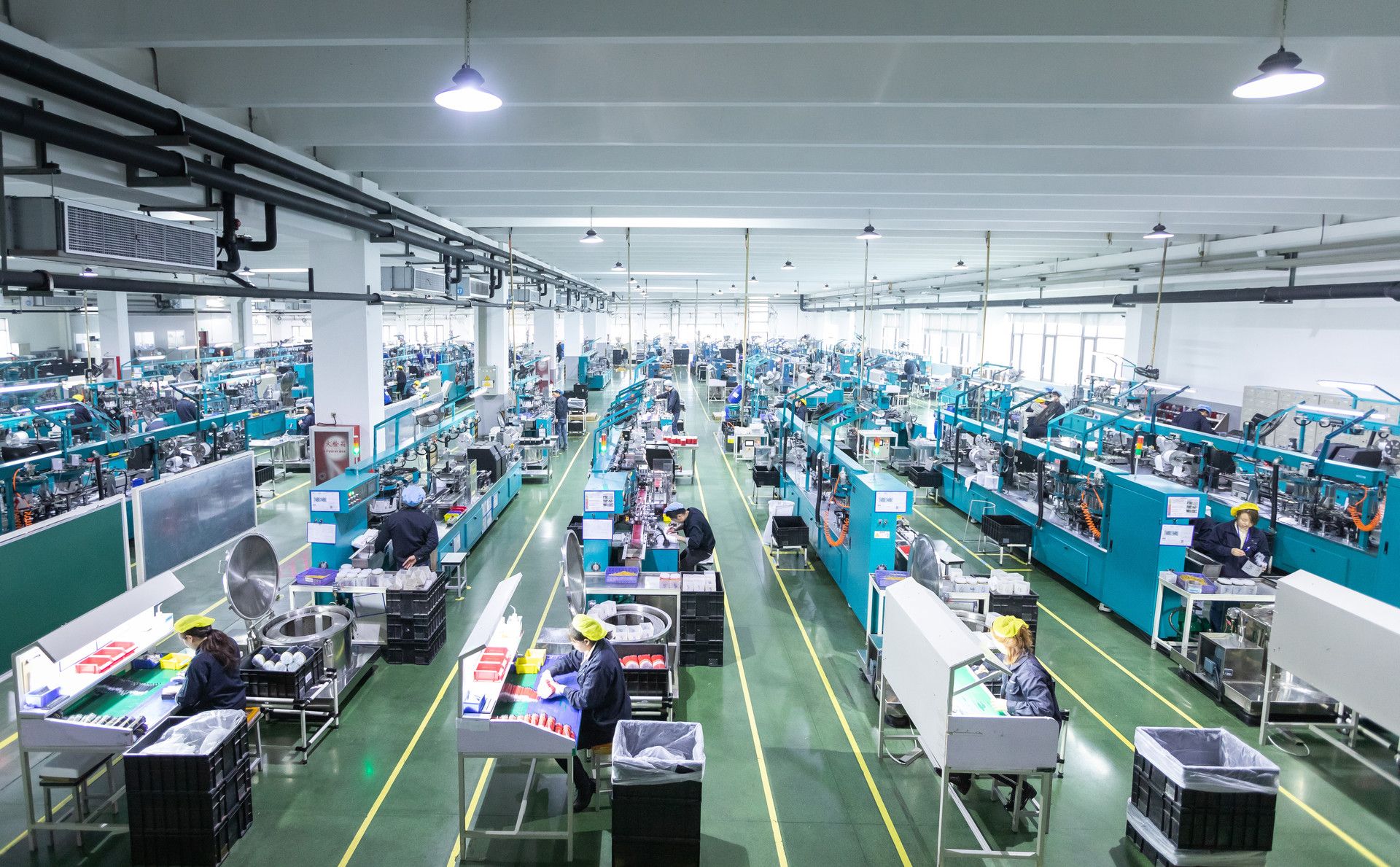 RFID Application for Workshop/Warehouse Tracking
 TP‑Link Enhances Warehouse Inbound/Outbound Efficiency with MingQ RFID Dock‑Door Solution
 RFID technology empowers port containers: a new direction for future logistics
 RFID technology in forklift tracking and container bag identification
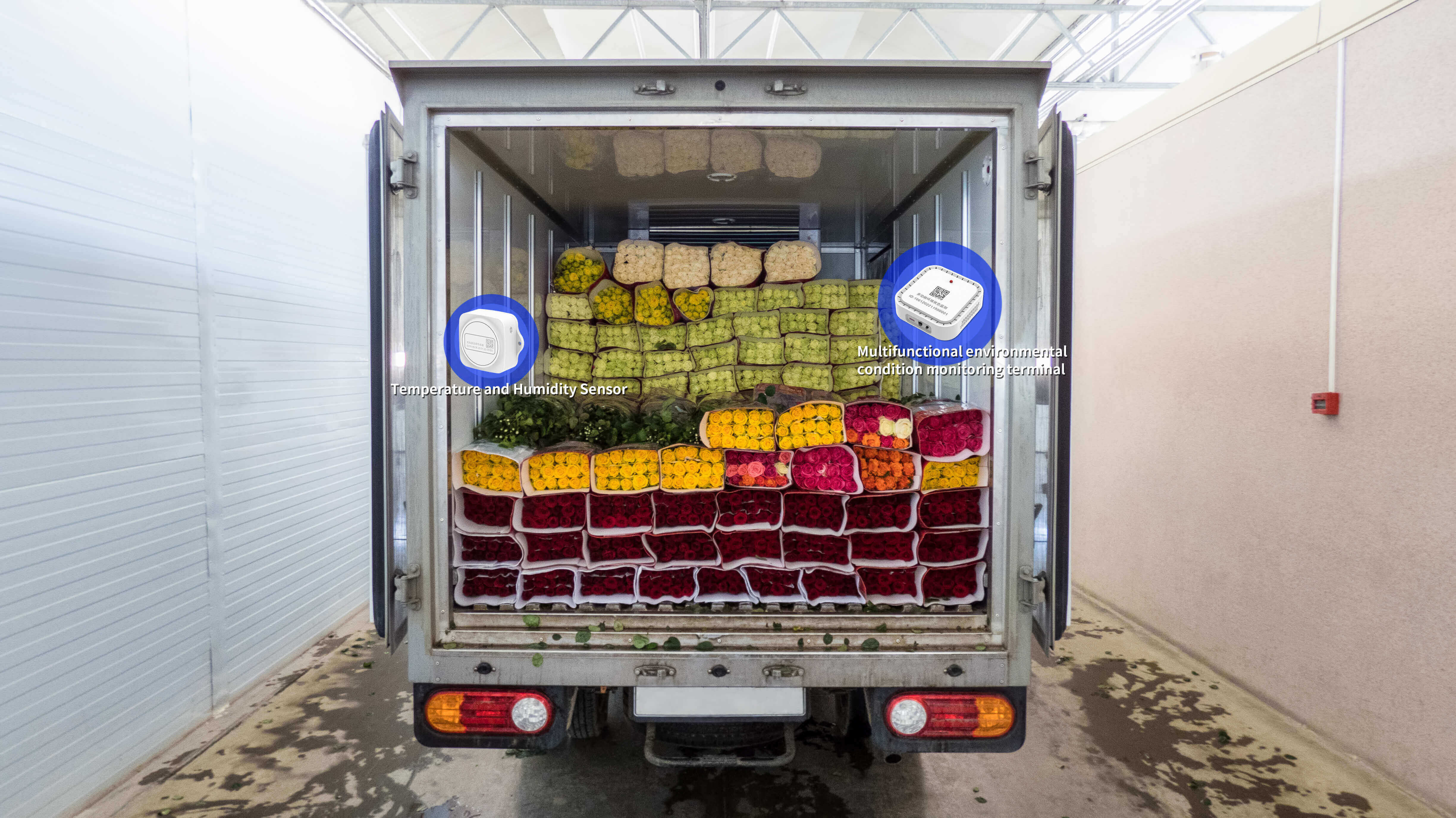 Real-Time Data, Secure Transportation: The Future Trends of Cold Chain Logistics
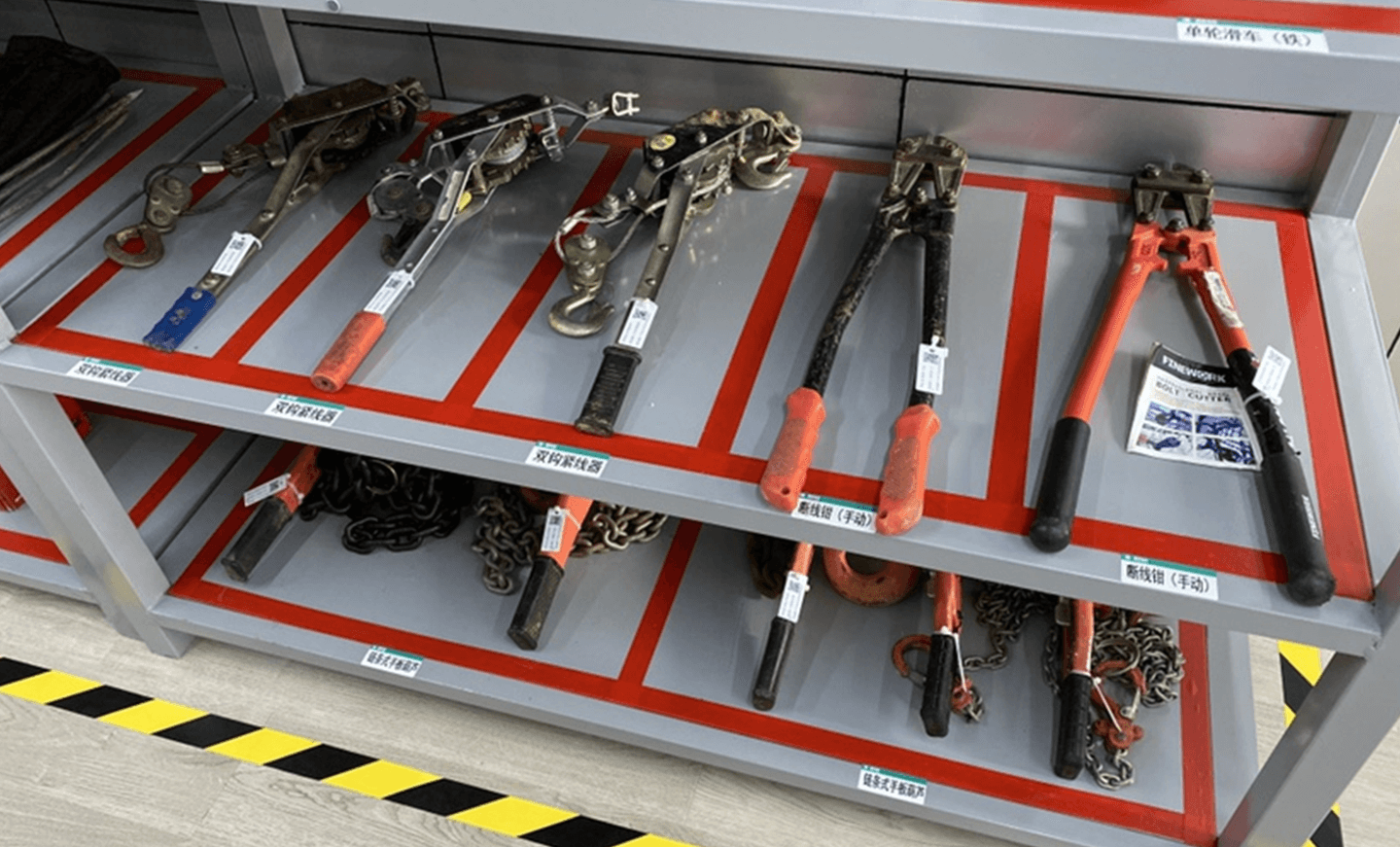 RFID Tool Management
 RFID Application in Battery Factory Production
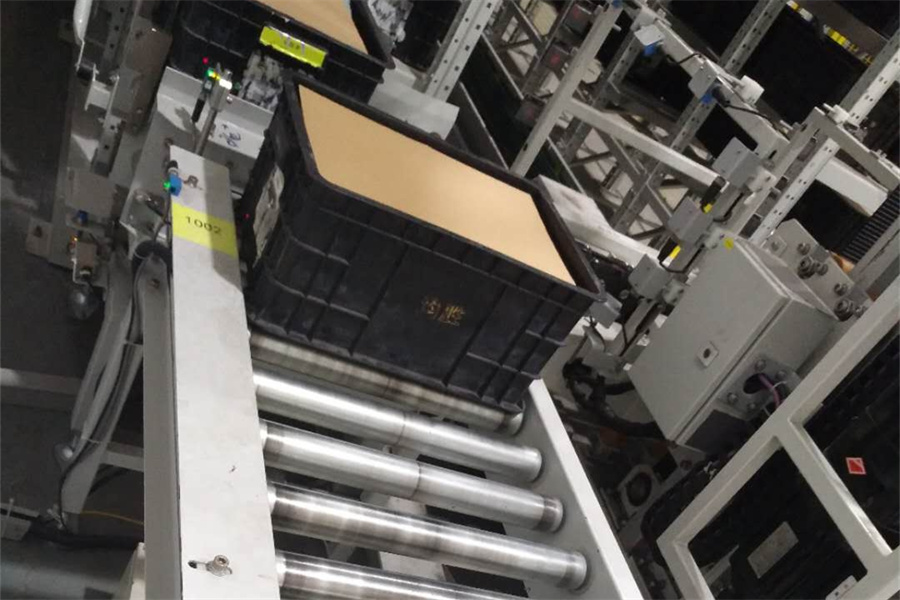 RFID Application in Production Line Rubber Box Management
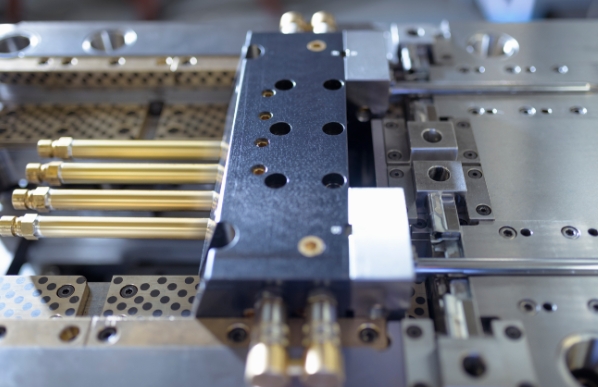 RFID Application in Mold Management on Production Lines
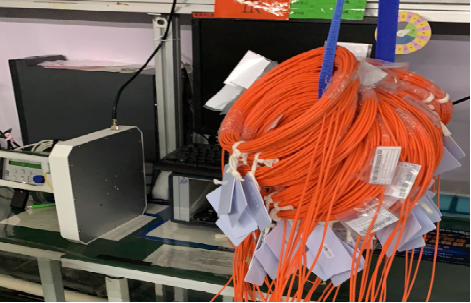 RFID Application in Fiber Optic Cable Manufacturing
 Smart Manufacturing
 The medical industry uses RFID technology to make drug tracking more accurate
 RFID technology helps beverage production and build an efficient supply chain
 RFID technology helps car seat production lines: intelligent management improves efficiency and quality
 RFID technology in the production of electronic appliances monitoring and tracing application
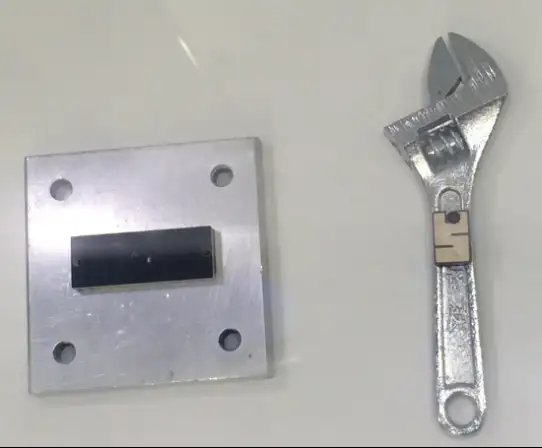 Use RFID technology to improve appliance management efficiency and security
 RFID technology helps precise installation of headrests
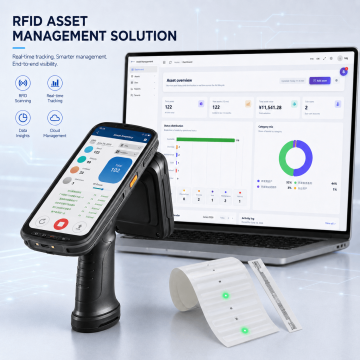 RFID Asset Management Kit
 IP67-protected Integrated RFID Reader Writer RFly-I165 for Supply Chain
 Long-range Distance UHF RFID Reader RFly-I195 for Inventory Management
 Small UHF RFID Tag Reader RFly-I300 for Cars
 Two-channel Compact Fixed RFID Reader RFly-F210 for Warehousing
 Four Channels Fixed UHF RFID Reader RFly-R6 for Supply Chain
 8-channel UHF RFID Tag Reader RFLY-MR8 for File Cabinet Identification-1
 Bluetooth Portable RFID Reader and Writer GRU-HBT100 for Inventory Management
 Industrial Grade Handheld UHF RFID Reader GRU-HC520 Suitable for Logistics
 RFID Tags for Container Turnover Management
 RFID Tags for Equipment O&M Management
 RFID Tags for Manufacturing Management
 RFID Tags for Tool Management
 A Kits for Equipment Condition Detection
 A Kits for Office Computer Room Environment Monitoring
 A Kits for Reservoir Environmental Monitoring
 A Kits for Storage Space Environment Monitoring
 A Kits for Stress Detection of Underground Tunnel
 A Kits for Urban Environment Monitoring
 Intelligent IoT Monitoring Platform