Hey, in today’s world that never really slows down, picking the right RFID Reader And Writer is pretty much a big deal for businesses wanting to run smoother and stay ahead. I recently listened to John Smith from Tech Innovations, and he put it nicely—saying, "Getting the right RFID gear can really make or break your inventory management." That’s so true; making the right choice here can save you a lot of headaches down the line.
Now, the RFID scene is quite a mixed bag—tons of different tech and uses out there. Every business has its own needs, and figuring out what works best can be tricky. It’s kinda like shopping for the perfect fit—you wanna understand the different types of RFID systems out there because, honestly, sometimes it feels like finding the right match isn’t straightforward. Picking the wrong one can lead to wasted time, extra costs, and frustration.
And let’s be real, this isn’t a simple decision. Things like compatibility issues or how far a reader can reliably scan—those often get overlooked but are super important. As the market keeps evolving, staying curious and learning more about your options becomes a must. Remember, each RFID Reader and Writer has its strengths and flaws. Looking back at past choices can help steer you in the right direction next time, so your system actually supports your goals without a hitch.

Understanding RFID Technology Basics
RFID technology, or Radio Frequency Identification, has revolutionized how businesses manage inventory and track assets. According to a report by ABI Research, the global RFID market is projected to reach $14 billion by 2025. This growth highlights the importance of choosing the right Rfid Tag Reader And Writer to maximize efficiency and effectiveness. Understanding the basics of RFID technology is essential to making informed choices.
RFID systems typically consist of three components: tags, readers, and writers. Tags contain unique identifiers and store information. Readers capture data from the tags, while writers can modify or store data to the tags. The communication between these elements relies on radio waves. It is essential to remember that not all readers and writers are compatible with every type of RFID tag. Factors like frequency and protocol can significantly impact performance.
When selecting an Rfid Tag Reader and writer, consider the specific needs of your application. Are you focused on long-range scanning or requiring high-speed data processing? According to the International Data Corporation (IDC), businesses report a30% increase in efficiency with the right RFID implementation. While the benefits are substantial, organizations must also acknowledge the potential pitfalls.
Challenges such as environmental interference and data security concerns require careful planning and ongoing evaluation. Embracing RFID technology can lead to significant advancements, but it's crucial to approach the selection process thoughtfully.
Identifying Your Specific Application Needs
When choosing an RFID reader and writer, understanding your specific application needs is crucial. Every application has unique requirements regarding range, speed, and frequency. For instance, if tracking inventory in a warehouse, a long-range reader may be necessary. Alternatively, a short-range device could suffice for access control systems. Your choice should align with the operational goals you have in mind.
It’s essential to assess environmental conditionsas well. Rfid Devices can be affected by physical obstacles or electromagnetic interference. Testing in real-world settings often reveals insights that specs don't cover. A unit that works well in controlled environments might underperform in a bustling factory. What happens when you face unexpected data read failures? It’s vital to consider such scenarios.
Manufacturers often showcase high-performance features, but the perfect fit isn’t always about numbers. Look into how the RFID technology integrates with existing systems. Collaborating with a knowledgeable partner can enhance your decision-making process. Reflect on the areas where your current setup falls short. As you dig deeper into the options available, consider that robust and reliable solutions like China Rfid Reader And Writer can strategically improve efficiency.
Evaluating Reader and Writer Features
When choosing an RFID reader and writer, it's essential to evaluate their features carefully. First, consider the reading range. Different applications require different distances. For instance, in inventory management, a short range might suffice, while long-range capabilities are crucial in access control systems.
Battery life is another critical factor. Some devices may need frequent recharging, disrupting operations. You also need to assess the ease of use. An intuitive interface can save time and reduce training requirements. Look for devices with comprehensive user manuals and support.
When selecting an OEM Rfid Reader And Writer, think about compatibility. Ensure that the chosen device suits your existing tags and software systems. Different technologies might not work seamlessly together. Also, pay attention to the data storage capacity. More complex applications may require devices capable of handling larger datasets.
Lastly, check for durability. RFID readers and writers often face harsh environments. Dust, moisture, and impacts can affect functionality. Investing in robust devices will pay off in the long run. Balancing these features might take time, but careful consideration leads to the right choice.
Considering Compatibility with RFID Tags
When selecting an RFID reader and writer, compatibility with RFID tags is crucial. Data from industry reports indicate that over 70% of RFID deployment failures stem from mismatched hardware and tag technology. This mismatch can lead to significant costs and delays in operational efficiency. Each RFID tag type, whether passive or active, operates using specific frequencies and protocols. Hence, verifying that your reader supports the correct tag type is essential for a seamless integration.
Consider the frequency range used by your tags. Common frequencies include low-frequency (LF), high-frequency (HF), and ultra-high frequency (UHF). Each has unique characteristics impacting read range and speed. For example, UHF tags can be read from several meters away, making them ideal for inventory management. Yet, they may not work well in environments with heavy interference. Additionally, environmental factors can influence performance. A reader that performs well in one situation might struggle in another.
Avoid underestimating the importance of firmware compatibility. Regular updates are necessary for optimal performance. Many users find themselves stuck with outdated software, resulting in diminished functionality. This can adversely affect the overall effectiveness of RFID systems. Continual reflection and assessment of the setup ensure that the chosen reader and writer remain compatible with evolving RFID technologies.
Analyzing Range and Performance Requirements
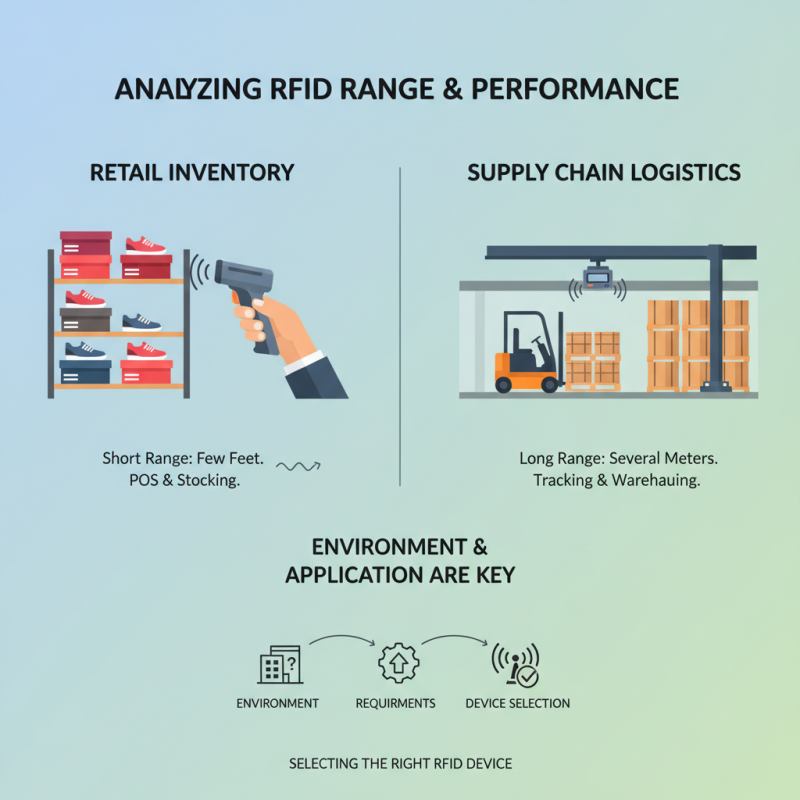
When analyzing range and performance requirements for RFID readers and writers, consider the environment where the devices will be used. Different applications may require varying read distances. For instance, retail inventory management may need a range of just a few feet, while supply chain logistics could require several meters. Understanding the specific needs can help in selecting the appropriate device.
One important tip is to assess the materials surrounding the RFID tags. Metal surfaces and liquids can interfere with signal transmission. Therefore, you may need specialized readers for such environments. Another factor is the reader's sensitivity. A more sensitive reader can pick up weaker signals, beneficial in complex settings.
Lastly, think about the power source and portability. Battery-operated readers offer flexibility, but their life span should meet your operational needs. Regular analysis of performance metrics will ensure the chosen reader remains suitable as requirements evolve.
Assessing Connectivity and Integration Options
When choosing the right RFID reader and writer, assessing connectivity and integration options is crucial. Studies show that around 40% of RFID implementations fail due to poor integration with existing systems. A seamless connection with your network is essential for real-time data processing. This means considering Wi-Fi, Ethernet, or Bluetooth capabilities based on the intended application. For example, industrial settings may benefit from Ethernet, while retail environments might prefer Bluetooth for its flexibility.
Proper integration can enhance operational efficiency significantly. According to data from industry reports, companies that optimize their RFID systems see a productivity increase of 30%. This can only be achieved if the devices can communicate with other elements of the supply chain effectively. It's important to assess how well the RFID system can integrate with inventory management software or enterprise resource planning (ERP) systems. Inadequate compatibility could lead to data silos, making it difficult to leverage RFID technology fully.
Moreover, consider the range and environment where the RFID devices will operate. Factors like distance and material can affect connectivity. Your choice might impact how data is captured and utilized. In some cases, the complexity of integration requires dedicated IT resources, which could strain budgets. Reflecting on these details will enable better decision-making and ultimately lead to a more effective RFID deployment.
Budgeting for Cost and Future Scalability
When budget constraints are a key factor, choosing the right RFID reader and writer becomes critical. Recent industry trends indicate that businesses are increasingly moving towards systems that offer both affordability and future scalability. According to research by RFID Journal, 62% of companies prioritize total cost of ownership over initial purchase price. This shift reflects a long-term view on technology investment.
Understanding the financial implications of both current and future usage is essential. For example, companies should evaluate their anticipated growth. If a business expects to expand its operations, opting for a Wholesale Rfid Reader And Writer could offer better pricing structures in the long run. Investing in adaptable technology can save significant costs later, especially when hardware upgrades or additional features are required.
Moreover, it's crucial to consider the long-term reliability of the chosen equipment. A study by Venture Insights revealed that around 40% of businesses faced downtime due to inadequate planning for future compatibility. This highlights the importance of selecting solutions that not only fit today’s needs but can also grow with the business demands. Planning for scalability ensures that investments remain effective, avoiding unnecessary expenditures in the near future.
Top Tips for Choosing the Right RFID Reader and Writer - Budgeting for Cost and Future Scalability
| Criteria | Description | Cost Range (USD) | Scalability Potential |
| Read Range | Distance from which RFID tags can be read effectively. | 100 - 500 | High - Flexible configurations. |
| Connection Type | Communication method (wired/wireless). | 50 - 300 | Moderate - Compatible with various networks. |
| Frequency | Operating frequency (LF, HF, UHF). | 200 - 600 | High - Supports multiple frequency tags. |
| Software Integration | Compatibility with existing software systems. | 100 - 400 | High - API available for multiple platforms. |
| Durability | Resistance to environmental factors (water, dust). | 150 - 500 | Moderate - Industrial options available. |
Maximizing Efficiency in Logistics with the Industrial Grade Handheld UHF RFID Reader GRU-HC520
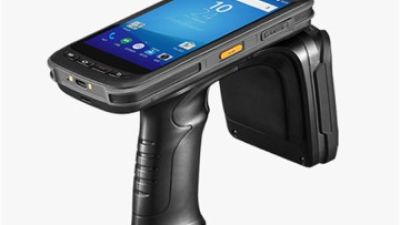
In the rapidly evolving world of logistics, maximizing efficiency is a top priority. The industrial-grade handheld UHF RFID reader, designed with versatility in mind, offers a myriad of functionalities that can significantly enhance operational workflows. Equipped with advanced data storage and processing capabilities, this device is particularly well-suited for diverse applications across various industries. Its configurable settings allow businesses to tailor the device to their specific needs, promoting seamless integration into existing systems.
Adopting such a high-quality handheld UHF RFID reader not only streamlines inventory management but also considerably reduces the time spent on manual tracking. By automating data collection processes, organizations can minimize human errors and boost productivity. Whether seeking a general-purpose solution or a more customized approach, this RFID reader stands out for its adaptability, ensuring it meets the unique demands of each operation. Companies are encouraged to explore these advanced solutions to realize significant efficiencies in their logistics processes.
FAQS
: RFID stands for Radio Frequency Identification. It helps businesses manage inventory and track assets efficiently.
RFID systems consist of tags, readers, and writers. Tags store information, readers capture data, and writers can modify it.
Communication relies on radio waves. However, not all readers and writers work with every RFID tag type.
Over 70% of RFID failures result from hardware and tag mismatches. Compatibility ensures better operational efficiency.
Different frequencies include low, high, and ultra-high frequency. Each affects read range and performance in various environments.
Potential issues include environmental interference and data security concerns. Careful planning and evaluation are required to manage them.
Yes, regular firmware updates are vital for performance. Outdated software can hinder the effectiveness of RFID setups.
Assess the specific needs of your application carefully. This will guide the selection of appropriate hardware and setup.
Absolutely. A reader may work well in one environment but struggle in another due to factors like interference.
Reflect on your setup. Regular assessments help identify issues with hardware compatibility or outdated software functionality.
Conclusion
When selecting the right RFID reader and writer, it is crucial to understand the fundamentals of RFID technology and how it applies to your specific needs. Begin by identifying your application requirements, which will guide your decision on features, compatibility with RFID tags, and performance specifications. Evaluating the range and connectivity options is also essential to ensure seamless integration with existing systems.
Additionally, consider the budget not only for the initial purchase but also for future scalability. Ensuring that your RFID reader and writer can adapt to growing needs will save resources in the long run. By following these guidelines, you can make a well-informed decision that enhances operational efficiency and meets your organization's objectives.

 Rotary HF RFID Tag Reader GRH-I40 Suitable for Assembly Lines
 Industrial-grade High-frequency Integrated Reader GRH-I65 Suitable for Asset Tracking
 With ESD Protection HF RFID Reader GRH-I68 Suitable for Progress Tracking
 Proximity HF RFID Reader GRH-M30 Suitable for Manufacturing Workshops
 Desktop HF RFID Scanner GRH-D80-HID Suitable for Card-issuing Applications
 High Frequency Medium Distance Reader GRH-I90 Suitable for Logistics Production Line
 UHF RFID Portals and Tunnel Machine RFly-AM3000 for Access Control
 Narrow RFID Portals Series TD-P20040-SS for Single Tag Entry and Exit Identification Scenario
 RFID Transmission Line Simple Identification Tunnel Machine (TD-T3050)
 Vision and RFID Tunnel Machine TD-T7692-RV for Logistics Sorting
 RFID Transmission Line Identification Tunnel Machine TD-T10090
 RFID Mobile Inventory Tunnel Machine TD-T65150 for Conveyor Belts
 High-Performance Far-Field Antennas for Broad Coverage.
 Multi-Purpose Antennas: Flexibility for Diverse Applications
 Near-Field Antennas for Short-Distance Tag Detection.
 Portals & Tunnel Antennas for Integrated RFID Series
 Slimline PCB Antennas for Warehousing and Logistics
 Miniaturized and Thin Antennas can Provide Good Performance in a Smaller Size.
 GPS Tracker for Vehicles, Car, Kids, Assets.
 CO2 Sensors Detect CO2 Gas through Alarms, Suitable for Offices, Planting Tents.
 Door Sensor, Detect Open and Closed Doors or Windows, Sends Alerts, Triggers Siren.
 Wireless Level Sensor Equipped with a 5-Meter Detection Line, Suitable for Water Tanks
 Real Time Monitoring of Air Quality Using PM2.5/PM10 Sensors.
 Smoke Sensor, Fire Alarm Smoke Detector with Test Button and Low Battery Reminder.
 Soil Stress Sensor,Bridge and Tunnel Monitors.
 Vibration Sensor Monitors Equipment, Like Conveyors and Motors, for Operational Status.
 E -Paper Display
 Smart Water Sensor Alarms, 1.2 M Detection Line.
 CO Sensor for Basements Home Office House Bedroom Living Room Car, Light Plug and Play.
 Temperature and Humidity Sensor
 Multi-sensor GD-ME
 Temperature Sensors Monitor the Surface Temperature of Various Heating Equipment.-1
 Signal Enhancement Terminal, Long Range Coverage.
 Multi-Protocol Communication Gateway, App Remote Control.
 Edge Vision Gateway can Access Various Mainstream Cameras, Suitable for Office, Factory.
 GBS-3550 Outdoor Sensor Gateway,LoRa, 2/3/4G Communication.
 Smart WiFi Gateway, Realize Remote Control.
 Ultra-Low-Power Solar-Powered Intelligent Gateway (Outdoor)
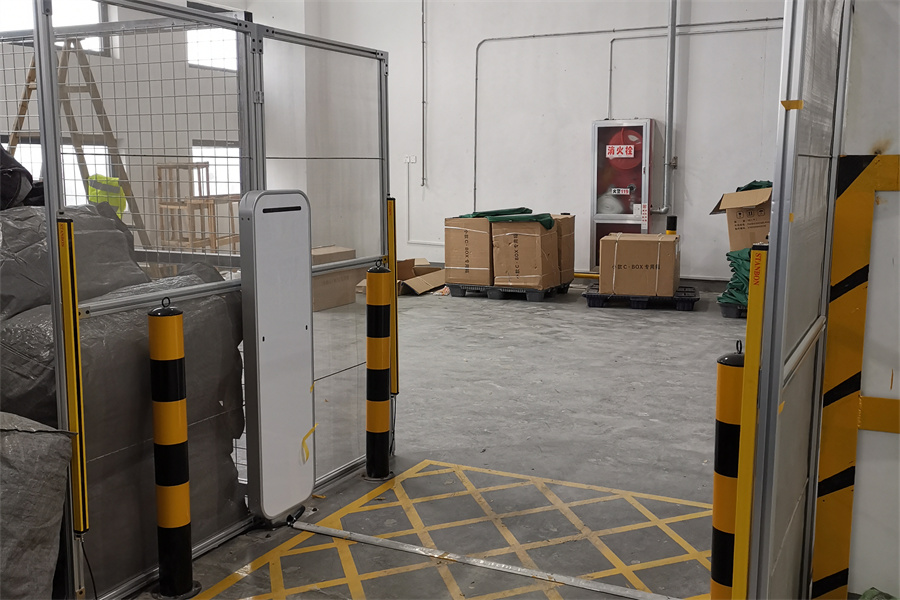 RFID Application in Inbound/Outbound Management
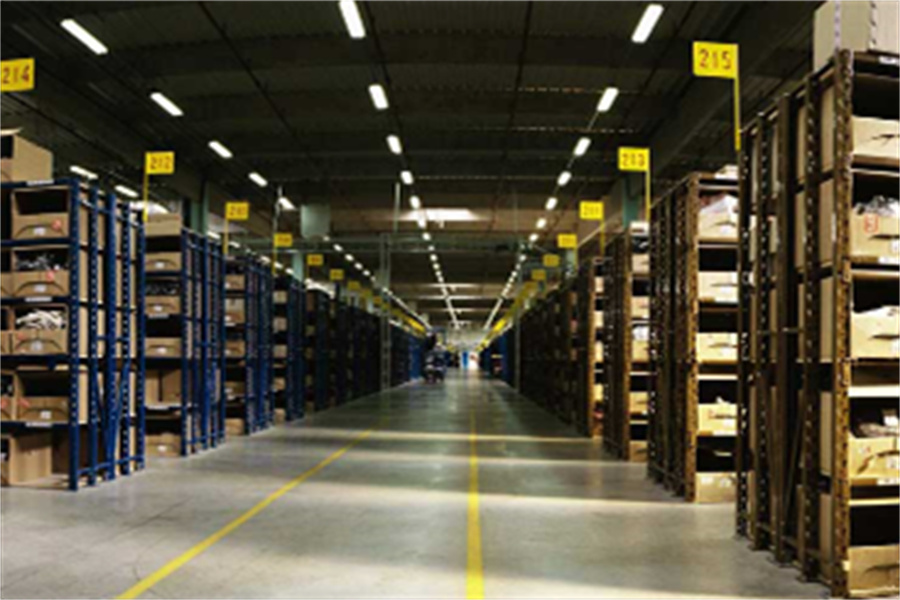 RFID Application in Warehouse Management
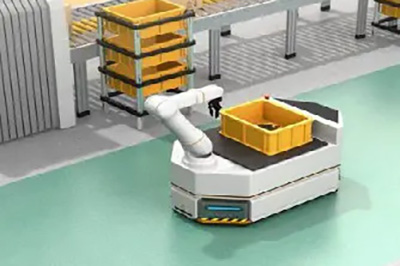 RFID Application in AGV Material Transport Management
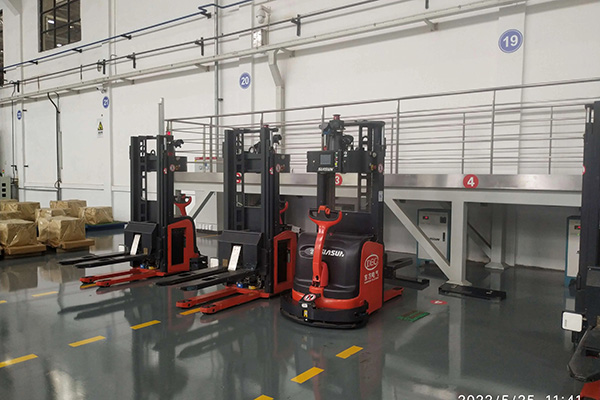 RFID Application in Forklift Cargo Identification
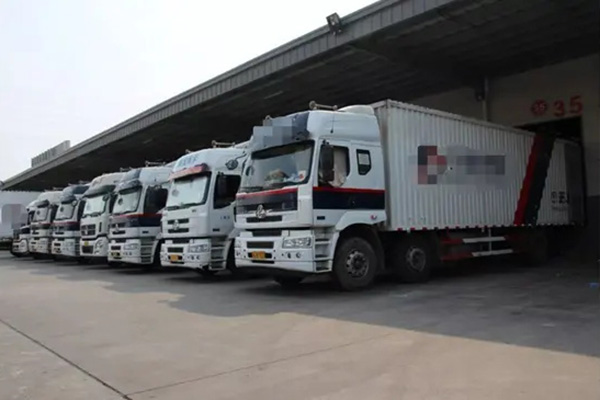 RFID Application in Platform Vehicle Management
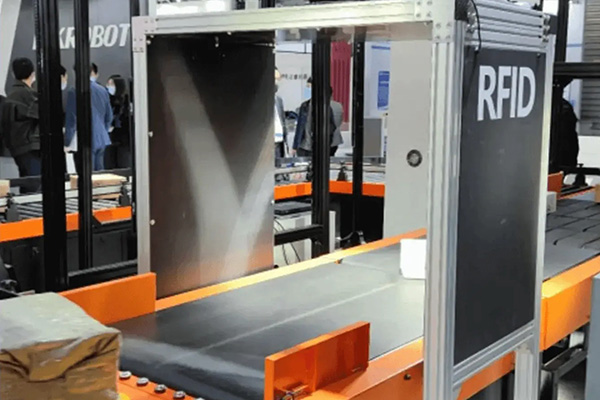 RFID Application in Logistics Sorting
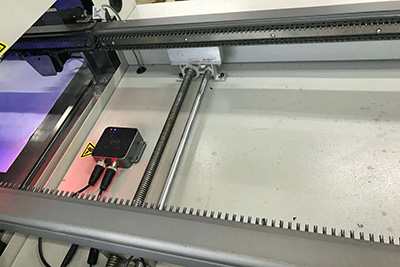 RFID Application in Supply Chain Management
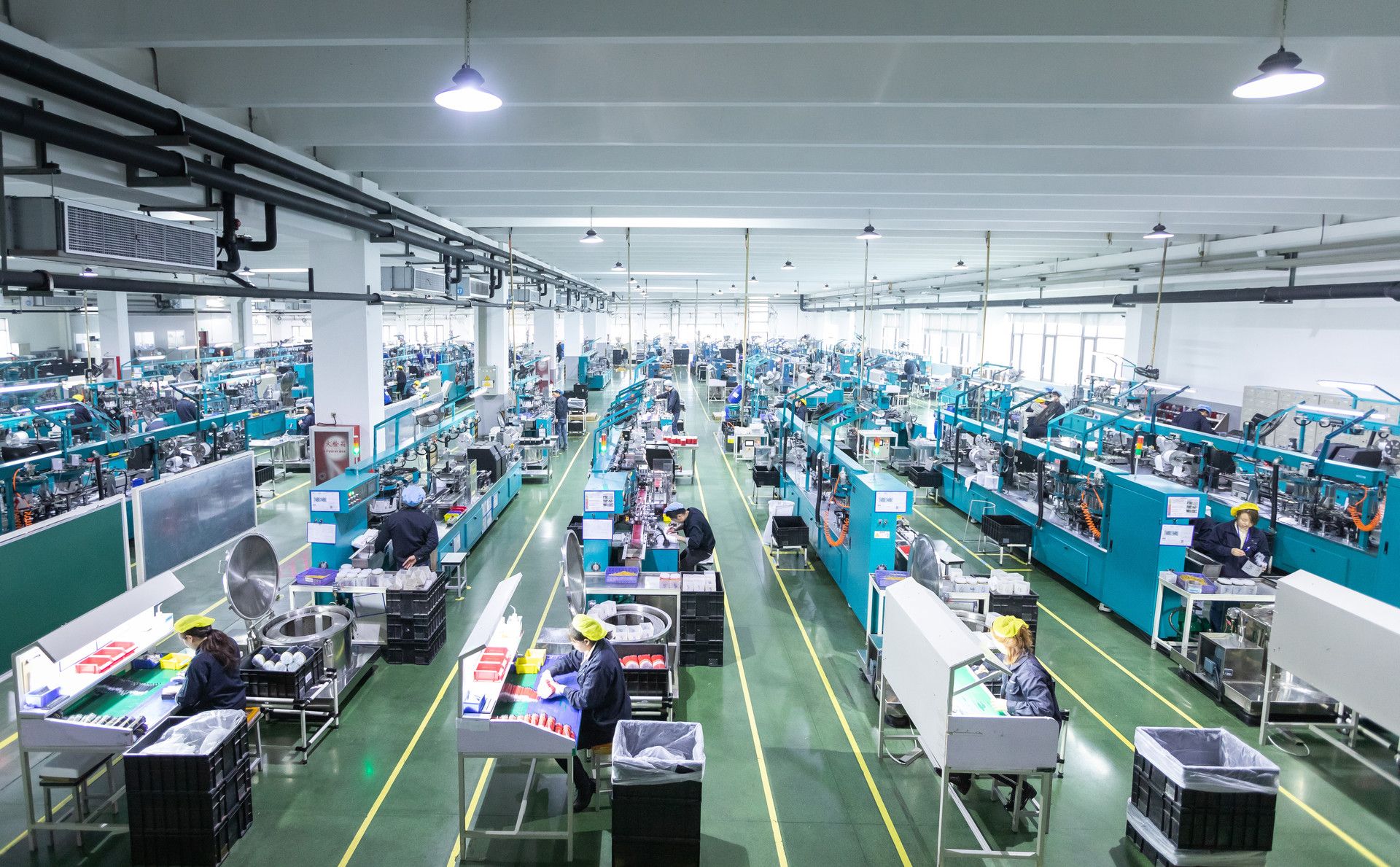 RFID Application for Workshop/Warehouse Tracking
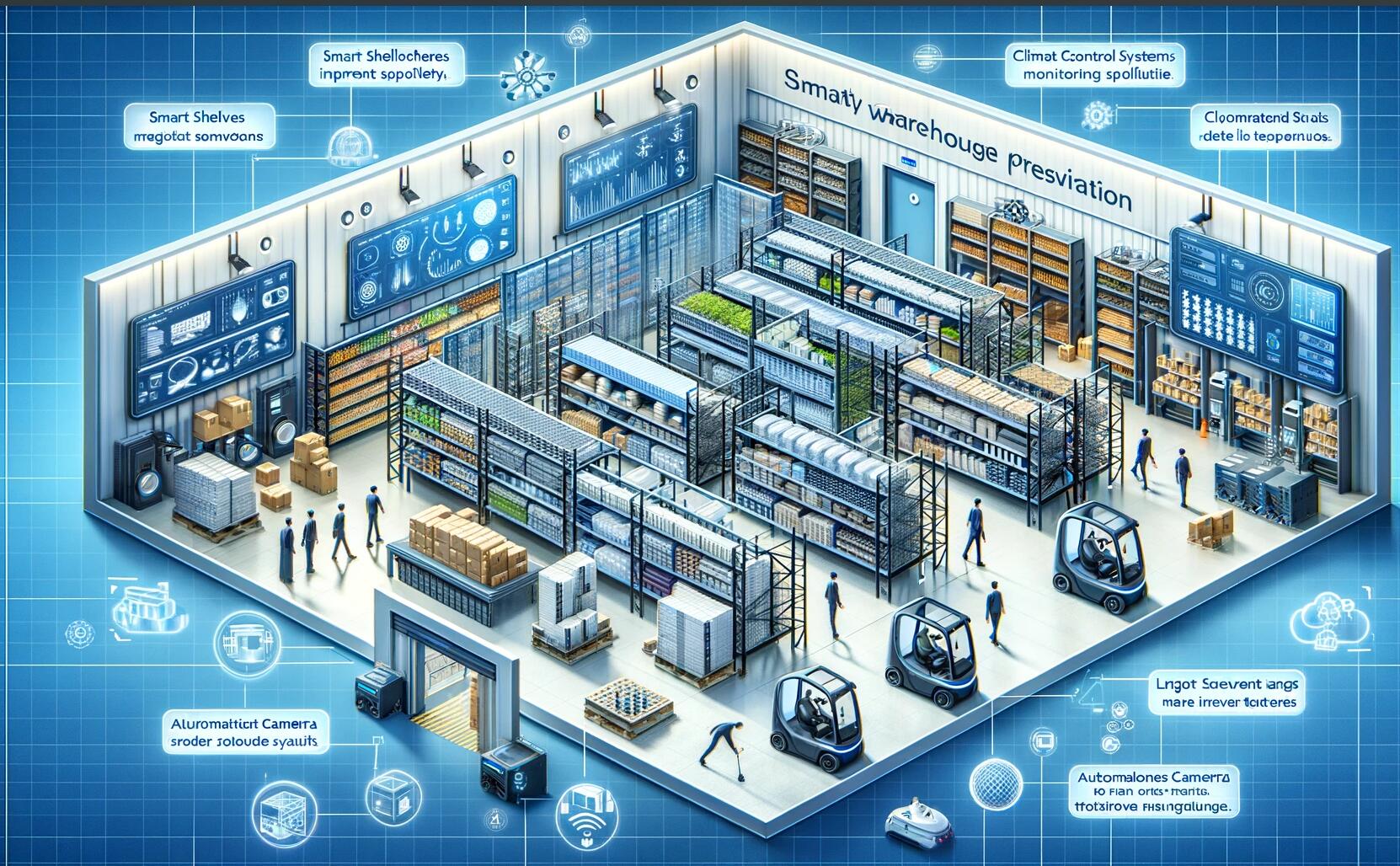 Smart Warehouse Monitoring and Management
 RFID technology empowers port containers: a new direction for future logistics
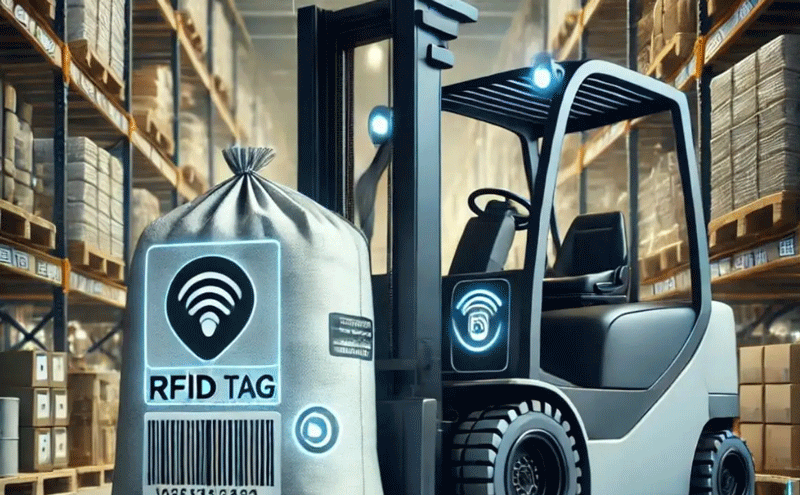 RFID technology in forklift tracking and container bag identification
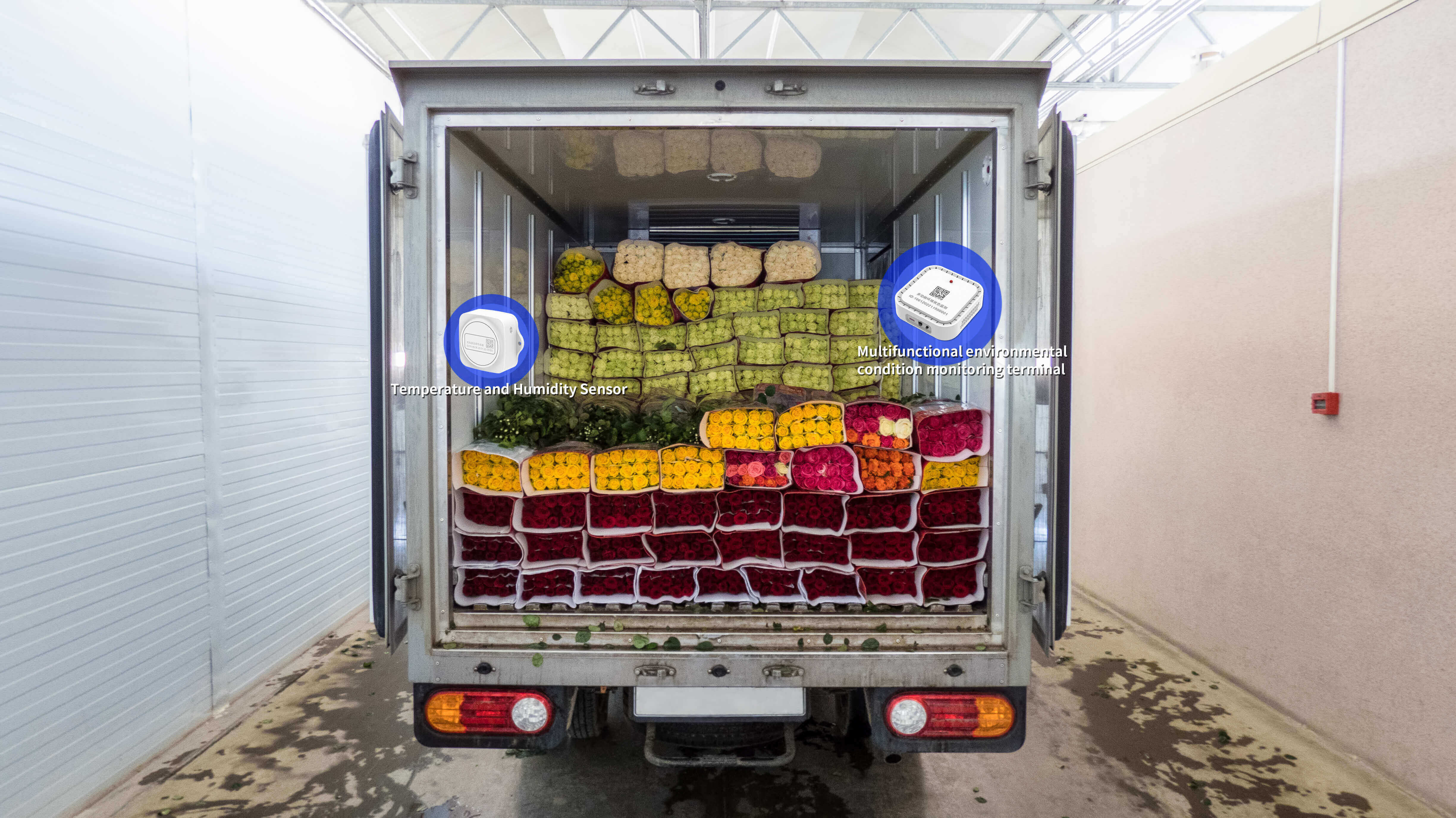 Real-Time Data, Secure Transportation: The Future Trends of Cold Chain Logistics
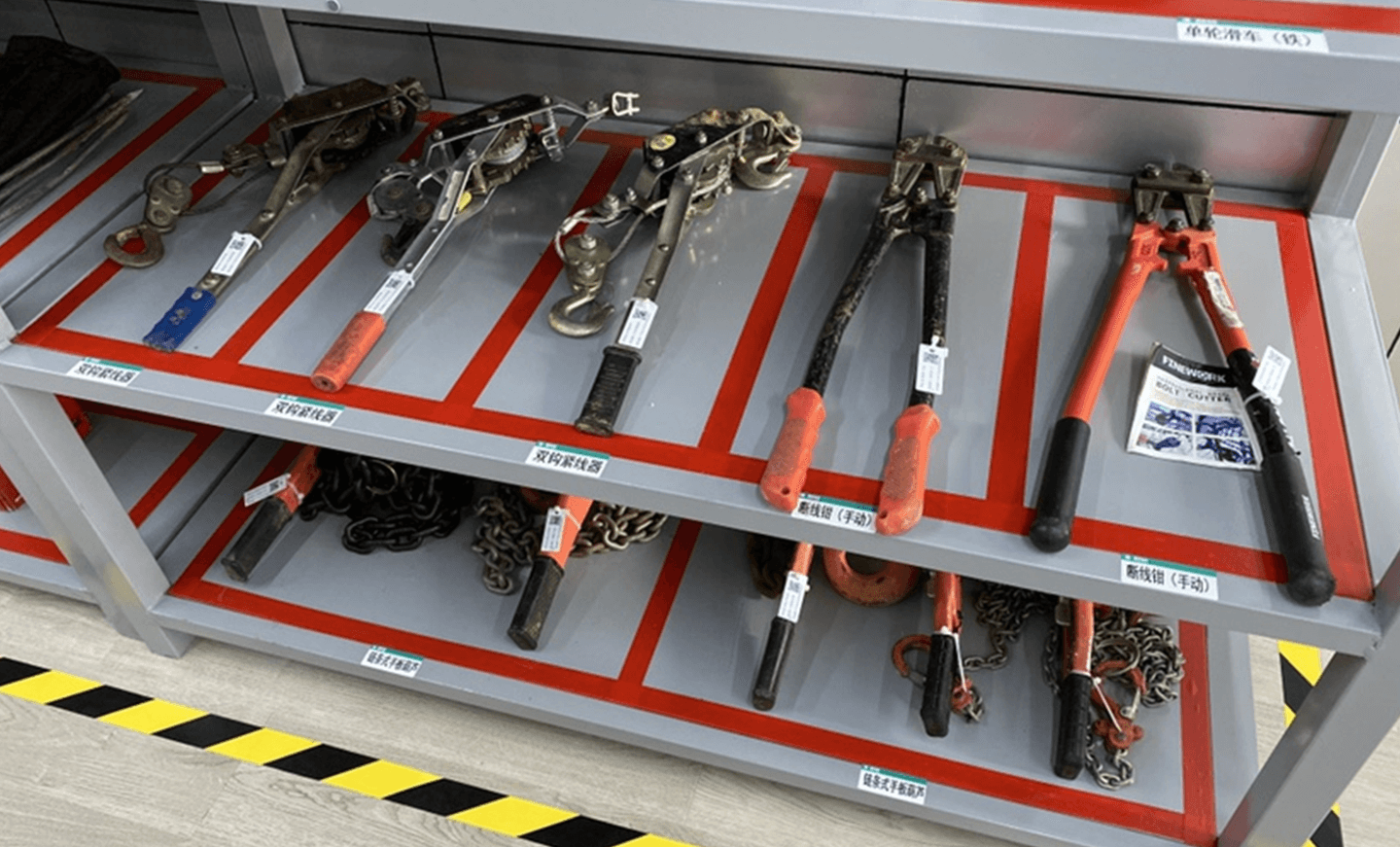 RFID Tool Management
 RFID Application in Battery Factory Production
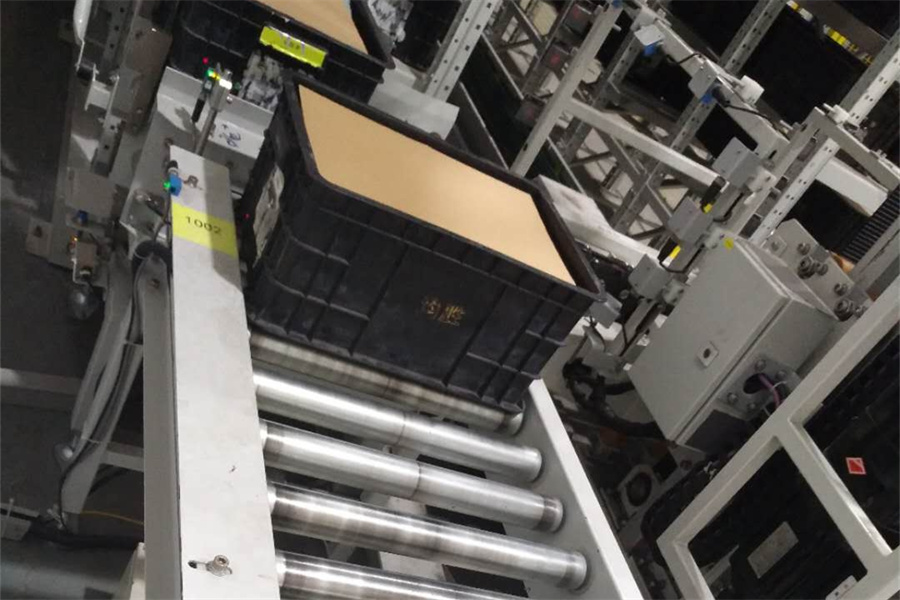 RFID Application in Production Line Rubber Box Management
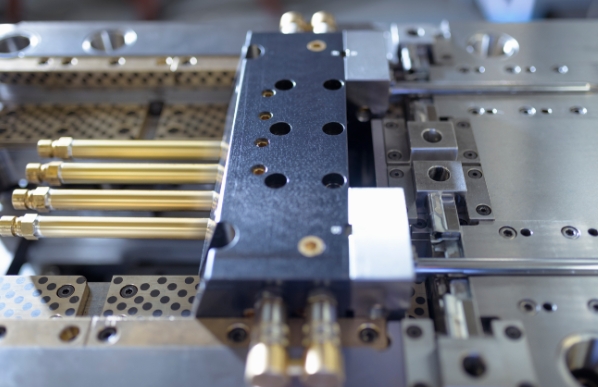 RFID Application in Mold Management on Production Lines
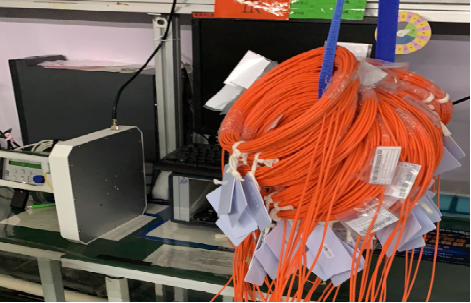 RFID Application in Fiber Optic Cable Manufacturing
 Smart Manufacturing
 The medical industry uses RFID technology to make drug tracking more accurate
 RFID technology helps beverage production and build an efficient supply chain
 RFID technology helps car seat production lines: intelligent management improves efficiency and quality
 RFID technology in the production of electronic appliances monitoring and tracing application
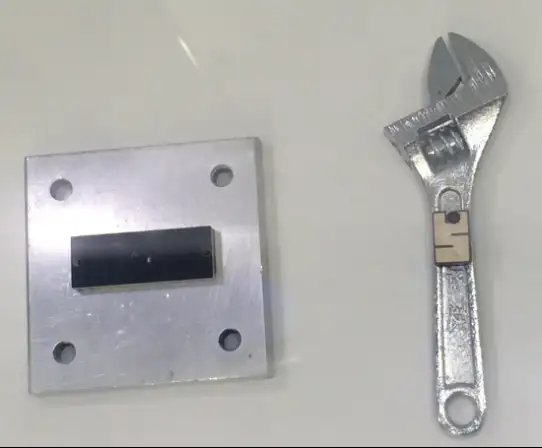 Use RFID technology to improve appliance management efficiency and security
 RFID technology helps precise installation of headrests
 IP67-protected Integrated RFID Reader Writer RFly-I165 for Supply Chain
 Long-range Distance UHF RFID Reader RFly-I195 for Inventory Management
 Small UHF RFID Tag Reader RFly-I300 for Cars
 Two-channel Compact Fixed RFID Reader RFly-F210 for Warehousing
 Four Channels Fixed UHF RFID Reader RFly-R6 for Supply Chain
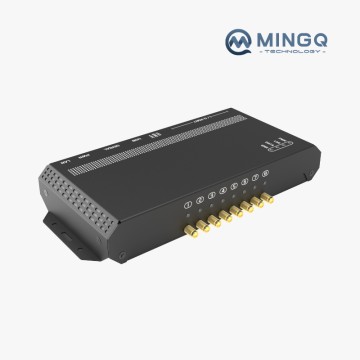 8-channel UHF RFID Tag Reader RFLY-MR8 for File Cabinet Identification-1
 Bluetooth Portable RFID Reader and Writer GRU-HBT100 for Inventory Management
 Industrial Grade Handheld UHF RFID Reader GRU-HC520 Suitable for Logistics
 RFID Gateway Networking System
 RFID Passive Temperature Measurement System
 RFID Tags for Container Turnover Management
 RFID Tags for Equipment O&M Management
 RFID Tags for Manufacturing Management
 RFID Tags for Tool Management
 A Kits for Equipment Condition Detection
 A Kits for Office Computer Room Environment Monitoring
 A Kits for Reservoir Environmental Monitoring
 A Kits for Storage Space Environment Monitoring
 A Kits for Stress Detection of Underground Tunnel
 A Kits for Urban Environment Monitoring
 Intelligent IoT Monitoring Platform
 Integrating Multiple Functional OTG Demo Software
 HF Demo Software
 UHF Demo Software