These days, technology has really stepped up its game, and one cool tool that’s making waves is the RFID Writer. If you’re not familiar, RFID (which stands for Radio-Frequency Identification) is a way to automatically identify and keep track of stuff using electromagnetic waves. Basically, RFID Tags are attached to objects, and the RFID Writer is what programs those tags with important info—stuff that RFID readers can then easily pick up. It’s honestly a game-changer because it makes operations way smoother and more efficient across different fields, like logistics, retail, and healthcare.
Getting what an RFID Writer does and where it’s used really helps you appreciate how much it’s changing the game—especially for automating inventory and tracking assets. When you can write data directly onto RFID tags, you get real-time updates on products or equipment, cutting down on mistakes and saving money. Whether it’s managing supply chains or making sure hospital patients are correctly identified, this little device proves to be pretty versatile. As more companies jump on the bandwagon and start using it, the RFID Writer becomes pretty much essential for making things run better and safer. Honestly, it’s one of those tech tools that’s here to stay—making our work lives easier without a doubt.

What is an RFID Writer?
An RFID writer is a device that enables the programming and data writing onto RFID (Radio Frequency Identification) tags. RFID technology uses electromagnetic fields to automatically identify and track tags attached to objects. While RFID readers can retrieve information from tags, RFID writers go a step further by allowing users to store or modify data on the tags. This capability makes RFID writers essential tools in a variety of industries.
The working mechanism of an RFID writer involves sending radio waves to an RFID tag. When the tag receives the signal, it activates and communicates with the writer by sending back its stored data. The writer then transmits new data or modifications to the tag. This interaction generally occurs within a short range, depending on the type of RFID technology used, such as low-frequency, high-frequency, or ultra-high-frequency systems. By utilizing an RFID writer, businesses can efficiently update inventory information, track assets, or personalize customer experiences through data storage.
RFID writers find applications across diverse sectors, including retail, logistics, and healthcare. In retail, they are used to manage inventory and streamline supply chains by updating stock data in real-time. In healthcare, RFID writers help maintain accurate patient records and track medical equipment, ensuring safety and efficiency. As industries continue to adopt automation and data-driven strategies, the role of RFID writers will become increasingly pivotal in enhancing operational efficiency and data reliability.
RFID Writer Applications and Usage Statistics
Understanding the Components of RFID Writers
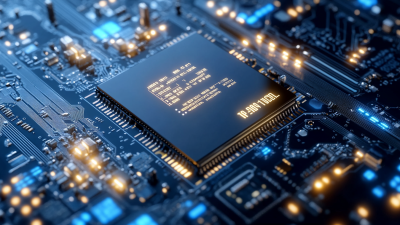
RFID writers are specialized devices designed to communicate with RFID tags, enabling the writing of data to these tags. Understanding the components of RFID writers is crucial for grasping how they operate. The primary components of an RFID writer include the reader module, an antenna, and a microcontroller or processing unit. The reader module is responsible for emitting radio frequency signals that activate the RFID tags. The antenna facilitates the transmission and reception of these signals, while the microcontroller processes data, managing the interaction between the RFID writer and the tag.
In addition to these core components, most RFID writers incorporate a user interface, typically in the form of software or a physical control panel. This interface allows users to input data that will be written onto the RFID tags. Some RFID writers may also feature an integrated database to store and manage the information associated with the tags being programmed. Finally, power supply components are vital, as they provide the necessary energy for the operation of the writer and its components, ensuring smooth and reliable functionality in various applications.
How RFID Writers Function: A Step-by-Step Explanation
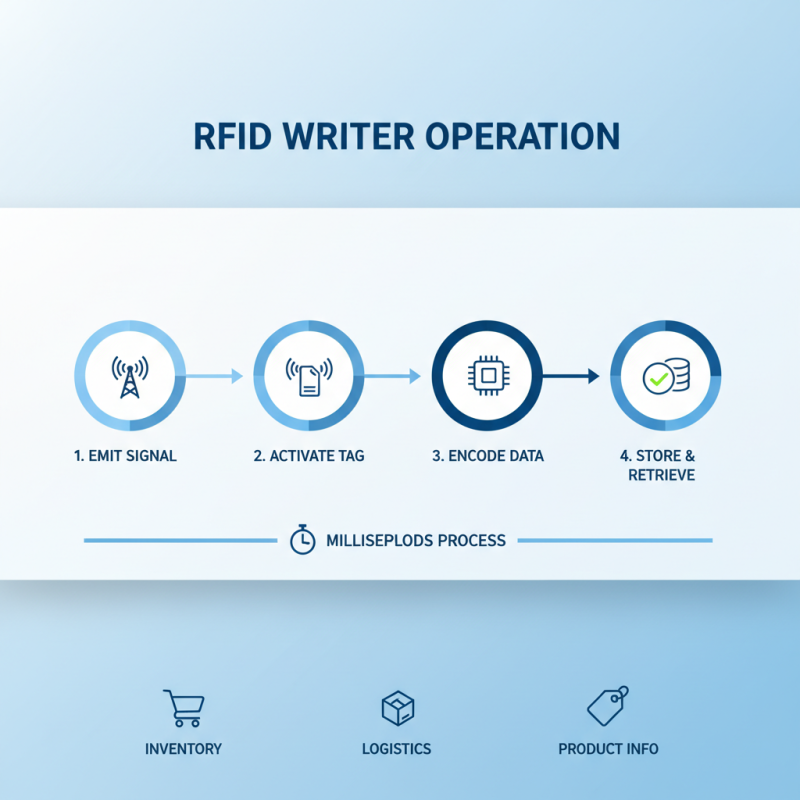
RFID writers are essential tools in the realm of Radio Frequency Identification (RFID) technology, allowing users to encode data onto RFID tags. The operation of an RFID writer involves several key steps. Initially, the writer emits a radio frequency signal that activates the RFID tag within its proximity. When the tag is powered up, it begins to communicate with the writer. The writer then sends encoded information, which might include identification codes, inventory details, or product data, that the tag stores for future retrieval. This process generally takes milliseconds, showcasing the efficiency of RFID technology in various industries.
The applications of RFID writers span across numerous sectors, including retail, logistics, and healthcare. According to a report by IDTechEx, the global RFID market is projected to reach $9.3 billion by 2026, significantly driven by advancements in hardware such as RFID writers. In logistics, for instance, businesses utilize RFID writers to streamline inventory management and enhance tracking capabilities, ultimately reducing operational costs and improving supply chain accuracy. Furthermore, in healthcare, RFID writers facilitate patient management by allowing real-time data encoding, which supports better patient care and efficient asset management. The integration of RFID technology, particularly through writers, is transforming how industries operate, ensuring they remain competitive in a rapidly evolving landscape.
Different Types of RFID Writers Available in the Market
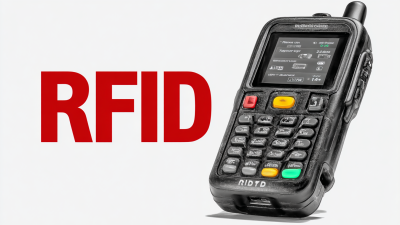
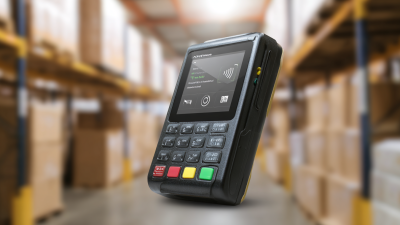
RFID writers are essential tools in various industries, and they come in different types to suit specific needs. One of the most common types is the handheld RFID writer, which provides portability and ease of use. These devices are particularly useful for field applications where items need to be encoded or updated on-site, such as in inventory management or asset tracking. Handheld writers typically communicate with the RFID tags over a short range, allowing users to quickly scan and write data without the need for extensive setups.
Another type of RFID writer is the fixed RFID writer, designed for environments where large volumes of items need to be processed efficiently. These devices are often integrated into conveyor systems or workstations and can handle multiple tags simultaneously. They are ideal for manufacturing or logistics settings where speed and accuracy are critical. Fixed RFID writers usually feature higher power output and can cover a wider reading range, making them suitable for high-throughput applications.
Lastly, there are desktop RFID writers, which resemble standard printers and are used for producing RFID-enabled cards or labels. These devices are commonly found in offices and are utilized for creating employee badges, access control cards, or inventory tags. Desktop writers offer user-friendly interfaces, allowing users to customize their designs before writing data onto the RFID chips embedded in the cards or labels. Each type of RFID writer serves distinct purposes, catering to a broad spectrum of applications across various industries.
Common Applications of RFID Writers in Various Industries
RFID (Radio Frequency Identification) technology is increasingly penetrating various sectors due to its efficiency in tracking and managing assets. RFID writers play a crucial role in this ecosystem by encoding data onto RFID tags. In the logistics industry, for instance, RFID writers are employed to streamline inventory management. According to a report by Allied Market Research, the global RFID market in logistics is expected to reach $11.26 billion by 2026, highlighting the rapid adoption of such technologies to enhance operational efficiency.
In retail, RFID writers facilitate real-time inventory tracking, which minimizes loss and improves customer satisfaction. A study by Gartnerindicates that retailers implementing Rfid Solutions have observed inventory accuracy rates exceeding97%, significantly reducing the instances of stockouts and overstock situations. Furthermore, in healthcare, RFID writers are utilized for patient tracking and medication management, ensuring that patients receive the correct treatments at the right time. The RFID Healthcare Market is projected to grow to $3.7 billion by 2025, reflecting the technology's critical role in enhancing operational workflows and patient safety.
Across these industries, RFID writers are central to the transformation brought by automation. They enable seamless data transfer, thus reducing human error and increasing the speed of logistics and inventory processes. With the continuous advancements in RFID technology, the potential applications will likely expand, further solidifying its significance in modern industrial operations.
Advantages of Using RFID Writers for Data Management
RFID (Radio-Frequency Identification) writers offer a multitude of advantages for data management across various industries. One of the primary benefits is the ability to efficiently encode and update information on RFID tags in real time. This capability allows businesses to streamline their operations by reducing manual data entry errors, minimizing labor costs, and enhancing overall productivity. By automating the data capture process, RFID writers ensure that information is consistently accurate and up to date, which is crucial for inventory management, asset tracking, and supply chain operations.
Another significant advantage of RFID writers is their capacity to facilitate large-scale data handling. Unlike traditional barcode systems, RFID technology allows for simultaneous reading and writing of multiple tags without the need for direct line-of-sight. This makes it easier to manage extensive inventories or large sets of assets, enabling organizations to gather and process data quickly. Consequently, organizations can respond to operational demands more swiftly, making informed decisions that drive efficiency and reduce waste. The integration of RFID writers into data management systems ultimately supports businesses in achieving improved accuracy and efficiency in their processes.
What is an RFID Writer? How Does It Work and Its Applications? - Advantages of Using RFID Writers for Data Management
| Feature | Description | Applications | Benefits |
| Data Writing | RFID writers can encode data onto RFID tags. | Inventory management, asset tracking, event management. | Improves data accuracy and speed in data entry. |
| Read/Write Capability | Allows both reading and writing of data. | Logistics, supply chain, retail. | Flexibility in updating and managing data dynamically. |
| Integration | Can be integrated with existing systems. | Healthcare, warehouse management. | Seamless data flow across platforms. |
| User Friendly | Typically easy to operate with a simple interface. | Retail product labeling, access control. | Reduces operational training time and increases efficiency. |
| Cost-Effectiveness | Long-term savings with increased accuracy and efficiency. | Battery management, waste tracking. | Lowers labor costs and reduces the risk of loss. |
Challenges and Limitations of RFID Writers in Practice
RFID writers play a crucial role in the utilization of Radio Frequency Identification technology by allowing users to encode information onto RFID tags. However, despite their benefits, these devices face several challenges and limitations in practice. One significant issue is the interference caused by environmental factors, such as metal surfaces and electronic devices. These can impede signal transmission, resulting in incomplete data writing or failure to read the tags altogether.
Furthermore, the distance and orientation between the writer and the tag can affect the writing process, necessitating precise positioning for optimal performance.
Another challenge is the complexity of the data management associated with RFID systems. Users must maintain an organized database to ensure that the written data remains accurate and readily accessible. This can be particularly difficult in settings with a large volume of tags and frequent updates, as outdated or incorrect data can lead to inefficiencies or errors in inventory tracking.
Additionally, the cost of implementing RFID systems, including the expenses related to training personnel and maintaining the hardware, can be a barrier for smaller organizations. These limitations underline the need for ongoing advancements in RFID technology and user education to maximize its effectiveness in various applications.
Maximizing Efficiency in Logistics: Insights from the 2023 RFID Market Report on the Industrial Grade Handheld UHF RFID Reader GRU-HC520
In the ever-evolving landscape of logistics, maximizing efficiency is crucial for businesses aiming to stay competitive. The insights from the 2023 RFID Market Report highlight significant advancements in the capabilities of handheld UHF RFID readers, such as the industrial-grade models that are reshaping inventory management and supply chain processes. These devices are not just tools; they are integral components that facilitate real-time tracking, improving operational accuracy and reducing human error in inventory data entry.
The adaptability of modern RFID readers like the advanced handheld devices allows for various functionalities, including data storage, data processing, and customizable settings tailored to specific industry needs. As reported in industry analyses, RFID technology adoption has rapidly accelerated, with projections indicating that the market is set to grow by approximately 14.5% annually, underscoring a critical shift in logistics operations. This surge is largely driven by the demand for more efficient tracking systems that enhance productivity across sectors.
Businesses seeking to leverage this technology can benefit immensely from versatile RFID solutions that meet their operational requirements. With high-quality, cost-effective products available in the market, organizations can streamline their processes and ensure better resource allocation. As the report suggests, these innovative tools not only optimize workflow but also provide actionable insights that contribute to strategic decision-making and operational excellence in logistics.
FAQS
: The main components of an RFID writer include a reader module, an antenna, and a microcontroller or processing unit. The reader module emits signals to activate RFID tags, the antenna transmits and receives these signals, and the microcontroller processes data for interaction with the tag.
RFID writers operate by emitting a radio frequency signal that activates nearby RFID tags. Once the tag is powered, it communicates with the writer, which encodes and sends data to the tag for storage.
RFID writers are beneficial in various industries, including logistics, retail, and healthcare. They streamlining inventory management, enhance customer satisfaction, and support patient management, respectively.
User interfaces, either as software or physical control panels, allow users to input data that will be written onto RFID tags, making it easier to manage the data encoding process.
RFID technology improves logistics by enabling better inventory management and tracking capabilities, which can lead to reduced operational costs and improved supply chain accuracy.
In retail, RFID writers facilitate real-time inventory tracking, which minimizes loss and improves customer satisfaction by ensuring high inventory accuracy rates and reducing stockouts.
Power supply components are crucial as they provide the necessary energy for the operation of the RFID writer and its components, ensuring reliable functionality in various applications.
In healthcare, RFID writers are used for patient tracking and medication management, ensuring patients receive the correct treatments and improving overall patient care and asset management.
With continuous advancements in RFID technology, the potential applications are likely to expand, further enhancing its significance across multiple industries and improving automation processes.
The global RFID market is projected to reach approximately $9.3 billion by 2026, driven by advancements in hardware such as RFID writers and their increasing adoption across various sectors.
Conclusion
An RFID writer is a device used to program and write data into RFID tags, which are essential components in various data management systems. Understanding the components of RFID writers, such as antennas and microcontrollers, is crucial for grasping their functionality. The operation of an RFID writer involves specific steps to transfer information to RFID tags, enabling seamless data storage and retrieval.
Different types of RFID writers cater to diverse needs across industries, each offering unique features and capabilities. The applications of RFID writers range from inventory management and asset tracking to access control systems, highlighting their versatility. While RFID writers provide significant advantages in efficiency and accuracy, they also face challenges, including interoperability and security concerns. Overall, RFID writers play a pivotal role in modern data management solutions, streamlining processes and enhancing productivity across various sectors.

 Rotary HF RFID Tag Reader GRH-I40 Suitable for Assembly Lines
 Industrial-grade High-frequency Integrated Reader GRH-I65 Suitable for Asset Tracking
 With ESD Protection HF RFID Reader GRH-I68 Suitable for Progress Tracking
 Proximity HF RFID Reader GRH-M30 Suitable for Manufacturing Workshops
 Desktop HF RFID Scanner GRH-D80-HID Suitable for Card-issuing Applications
 High Frequency Medium Distance Reader GRH-I90 Suitable for Logistics Production Line
 UHF RFID Portals and Tunnel Machine RFly-AM3000 for Access Control
 Narrow RFID Portals Series TD-P20040-SS for Single Tag Entry and Exit Identification Scenario
 RFID Transmission Line Simple Identification Tunnel Machine (TD-T3050)
 Vision and RFID Tunnel Machine TD-T7692-RV for Logistics Sorting
 RFID Transmission Line Identification Tunnel Machine TD-T10090
 RFID Mobile Inventory Tunnel Machine TD-T65150 for Conveyor Belts
 High-Performance Far-Field Antennas for Broad Coverage.
 Multi-Purpose Antennas: Flexibility for Diverse Applications
 Near-Field Antennas for Short-Distance Tag Detection.
 Portals & Tunnel Antennas for Integrated RFID Series
 Slimline PCB Antennas for Warehousing and Logistics
 Miniaturized and Thin Antennas can Provide Good Performance in a Smaller Size.
 GPS Tracker for Vehicles, Car, Kids, Assets.
 CO2 Sensors Detect CO2 Gas through Alarms, Suitable for Offices, Planting Tents.
 Door Sensor, Detect Open and Closed Doors or Windows, Sends Alerts, Triggers Siren.
 Wireless Level Sensor Equipped with a 5-Meter Detection Line, Suitable for Water Tanks
 Real Time Monitoring of Air Quality Using PM2.5/PM10 Sensors.
 Smoke Sensor, Fire Alarm Smoke Detector with Test Button and Low Battery Reminder.
 Soil Stress Sensor,Bridge and Tunnel Monitors.
 Vibration Sensor Monitors Equipment, Like Conveyors and Motors, for Operational Status.
 E -Paper Display
 Smart Water Sensor Alarms, 1.2 M Detection Line.
 CO Sensor for Basements Home Office House Bedroom Living Room Car, Light Plug and Play.
 Temperature and Humidity Sensor
 Multi-sensor GD-ME
 Temperature Sensors Monitor the Surface Temperature of Various Heating Equipment.-1
 Signal Enhancement Terminal, Long Range Coverage.
 Multi-Protocol Communication Gateway, App Remote Control.
 Edge Vision Gateway can Access Various Mainstream Cameras, Suitable for Office, Factory.
 GBS-3550 Outdoor Sensor Gateway,LoRa, 2/3/4G Communication.
 Smart WiFi Gateway, Realize Remote Control.
 Ultra-Low-Power Solar-Powered Intelligent Gateway (Outdoor)
 IP67-protected Integrated RFID Reader Writer RFly-I165 for Supply Chain
 Long-range Distance UHF RFID Reader RFly-I195 for Inventory Management
 Small UHF RFID Tag Reader RFly-I300 for Cars
 Two-channel Compact Fixed RFID Reader RFly-F210 for Warehousing
 Four Channels Fixed UHF RFID Reader RFly-R6 for Supply Chain
 8-channel UHF RFID Tag Reader RFly-R8 for File Cabinet Identification
 Bluetooth Portable RFID Reader and Writer GRU-HBT100 for Inventory Management
 Industrial Grade Handheld UHF RFID Reader GRU-HC520 Suitable for Logistics
 RFID Gateway Networking System
 RFID Passive Temperature Measurement System
 RFID Tags for Container Turnover Management
 RFID Tags for Equipment O&M Management
 RFID Tags for Manufacturing Management
 RFID Tags for Tool Management
 A Kits for Equipment Condition Detection
 A Kits for Office Computer Room Environment Monitoring
 A Kits for Reservoir Environmental Monitoring
 A Kits for Storage Space Environment Monitoring
 A Kits for Stress Detection of Underground Tunnel
 A Kits for Urban Environment Monitoring
 Intelligent IoT Monitoring Platform
 Integrating Multiple Functional OTG Demo Software
 HF Demo Software
 UHF Demo Software