In today’s fast-moving business world, being efficient and precise when it comes to supply chain management really makes all the difference. One cool solution that can seriously boost how smoothly things run is an Rfid Scanner. If you’re not familiar, RFID (Radio Frequency Identification) technology has totally changed the game—helping companies keep better track of their inventory with real-time updates and more accurate data. By bringing an RFID scanner into the mix, businesses can cut down on manual mistakes, make their processes smoother, and get a lot more done in less time.
You’ll especially notice the benefits in industries where inventory turnover is high and accuracy is key. Since RFID scanners can read multiple items at once, they make quick inventory checks a breeze—saving time and cutting down on labor costs. Plus, they help companies respond faster to market changes, which is a huge advantage. As supply chains get more complex, using RFID technology gives organizations the edge they need to meet customer expectations and stay competitive.
Swapping in an RFID scanner isn’t just about trying out some new tech—it’s a strategic move towards better operational performance in your supply chain. When you’ve got the right tools, it’s easier to tackle challenges head-on, gather useful insights, and keep improving your way of working. So, understanding what RFID scanners can do and how they fit into your business plan is pretty much essential if you want to succeed in today’s ever-changing marketplace.
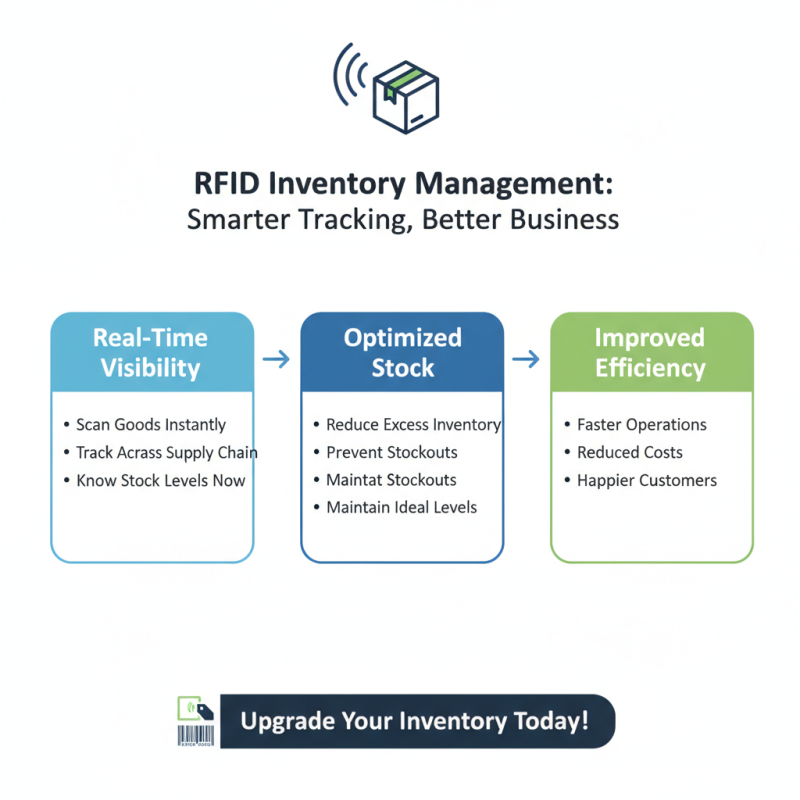
RFID (Radio Frequency Identification) technology has become a game-changer for businesses and supply chain management. Implementing RFID scanners can significantly enhance operational efficiency and accuracy. One of the primary benefits is improved inventory management. With RFID scanners, businesses can track their products in real time, reducing the likelihood of stockouts or overstock. This leads to better decision-making and optimized stock levels, ultimately resulting in cost savings.
Moreover, RFID technology streamlines the process of tracking shipments throughout the supply chain. By automating the data collection processes, businesses minimize human error and increase the speed of operations. This increased visibility not only enhances customer satisfaction but also strengthens supplier relationships, as all stakeholders have access to the same timely information.
Tips:
RFID technology has revolutionized supply chain management, offering unparalleled efficiency and accuracy in tracking goods. By utilizing RFID scanners, businesses can automate inventory management, significantly reducing manual counting errors and enhancing real-time visibility. This technology enables companies to track products throughout the supply chain, from manufacturing to distribution, ensuring that they are always aware of their inventory status. As a result, businesses can respond swiftly to market demands, avoid stockouts, and optimize storage space.
Tips for implementing RFID technology effectively include conducting a thorough analysis of your current inventory processes to identify areas that can benefit from automation. Additionally, invest in employee training to ensure that your team is well-equipped to handle the new technology and understand its advantages. Furthermore, consider integrating RFID systems with your existing software to facilitate seamless communication and data management across your supply chain.
Another significant benefit of RFID technology is the reduction in operational costs over time. By minimizing losses associated with inventory inaccuracies and enhancing order fulfillment speed, businesses can enjoy improved customer satisfaction and loyalty. When implementing RFID, prioritize selective deployment - focus on high-value items first, allowing for a smoother transition and a clear demonstration of ROI before scaling up across the entire inventory.
Implementing RFID (Radio Frequency Identification) technology can significantly enhance inventory management for businesses across various sectors. RFID scanners streamline the tracking of goods throughout the supply chain, enabling real-time visibility of inventory levels. This visibility ensures that businesses can maintain optimal stock levels, reduce excess inventory, and prevent stockouts, ultimately leading to improved operational efficiency.
Additionally, RFID scanners automate the data collection process, minimizing human error associated with manual inventory tracking methods. By using RFID technology, businesses can conduct rapid stock counts and update inventory records instantly, saving time and labor costs. This accurate tracking allows companies to respond swiftly to changes in demand and enhances overall customer satisfaction by ensuring products are available when needed. By integrating RFID scanners into inventory management practices, businesses can not only bolster their efficiency but also gain a competitive edge in today's fast-paced market.
Implementing RFID systems in your business can lead to significant cost savings and increased return on investment (ROI). The technology streamlines supply chain management by automating inventory tracking and reducing the need for manual processes. This not only saves labor costs but also minimizes human error, ensuring that the inventory data is accurate and up-to-date. Businesses can also benefit from faster order fulfillment and reduced stockouts, leading to higher customer satisfaction and repeat sales.
Tip: When considering an RFID system, assess your current inventory management processes to identify the areas that could be improved. Look for tasks that are time-consuming or prone to errors, as these will provide the greatest opportunities for cost savings.
Moreover, the data captured by RFID systems offers valuable insights into inventory turnover and supply chain efficiency. By analyzing this data, businesses can make informed decisions regarding purchasing and stocking, ultimately optimizing their operations. The initial investment in RFID technology can be quickly recouped through improved efficiency and reduced waste.
Tip: Collaborate with your team to establish clear goals for implementing RFID technology. Having a defined purpose will help maximize the benefits and ensure that all staff members are on board with the transition.
Integrating RFID scanners into existing business processes can significantly enhance the efficiency and accuracy of supply chain management. According to a report by the RFID Journal, companies that implement RFID technology have experienced inventory accuracy rates exceeding 95%, compared to the typical 70% reported by businesses without this technology. This dramatic improvement not only reduces loss and misplacement of products but also allows businesses to respond more agilely to customer demands, thus enhancing service delivery.
Moreover, RFID scanners streamline the tracking process throughout the supply chain. A study from Aberdeen Group indicates that organizations utilizing RFID have reduced their average order fulfillment time by 30%. This integration facilitates real-time monitoring of inventory levels and movements, leading to better decision-making and more efficient operations. The ability to gather precise data eliminates manual errors and provides insights into operational bottlenecks, enabling businesses to refine their processes. By aligning RFID technology with established workflows, companies can ensure their operations remain competitive and responsive in a rapidly shifting marketplace.
The adoption of RFID (Radio Frequency Identification) technology presents several challenges for businesses and supply chain management. One primary obstacle is the initial investment required for RFID hardware and software systems. Small and medium-sized enterprises may find it particularly daunting to allocate budget for these technologies, especially when traditional inventory management methods seem sufficiently functional. This challenge necessitates a thorough evaluation of return on investment, ensuring that businesses understand the long-term benefits of improved efficiency and accuracy that RFID can provide.
Another significant challenge is the integration of RFID systems into existing operations. Companies often struggle with aligning new technologies with their current processes. Transitioning from manual to automated tracking means that staff need comprehensive training to effectively use RFID systems. Furthermore, ensuring compatibility with existing inventory management software can be complex.
To address these issues, businesses should consider a phased approach to implementation, starting with pilot projects that allow for gradual adaptation. By leveraging expert guidance and investing in employee training, organizations can successfully navigate the initial hurdles of RFID adoption, ultimately enhancing operational efficiency and accuracy across their supply chains.
The future of RFID (Radio Frequency Identification) technology in business and supply chain management is poised for transformative growth. According to a report by MarketsandMarkets, the global RFID market is expected to reach $57.2 billion by 2025, growing at a CAGR of 14.5% from 2020. This rapid expansion highlights the increasing adoption of RFID systems across various industries, driven by the need for improved inventory accuracy and enhanced operational efficiency. Companies are leveraging RFID to streamline their supply chain processes, reduce costs, and improve customer satisfaction, marking a significant shift towards automation and data-driven decision-making.
In addition to inventory management, the integration of RFID technology with IoT (Internet of Things) is another key trend shaping the future landscape of supply chain management. The combination enables real-time tracking and data analysis, allowing businesses to gain actionable insights into their operations. A study from Gartner indicates that organizations employing RFID with IoT capabilities experience a 30% increase in visibilityacross their supply chain. Moreover, as businesses continue to embrace sustainability, RFID can play a crucial role in reducing waste and optimizing resource utilization, aligning with global efforts to foster more responsible and eco-friendly practices in supply chain operations. As these trends evolve, companies that adopt Rfid Solutions will be better positioned to navigate the complexities of modern supply chains.
: RFID (Radio Frequency Identification) technology improves operational efficiency and accuracy by allowing businesses to track products in real time, enhancing inventory management and reducing stockouts or overstock situations.
RFID scanners provide real-time tracking of products, leading to better decision-making and optimized stock levels, which ultimately results in cost savings and reduced risk of stock issues.
RFID automates data collection processes, minimizes human error, and increases operational speed, enhancing shipment tracking and overall supply chain visibility for all stakeholders.
RFID systems can lead to significant cost savings by automating inventory tracking, reducing labor costs, and minimizing errors, which contributes to faster order fulfillment and improved customer satisfaction.
To maximize benefits, businesses should invest in team training, regularly audit their RFID systems for improvements, and establish clear goals for implementation that align with their current inventory management practices.
The future of RFID includes growth in market adoption, integration with IoT for enhanced visibility, and a focus on sustainability to reduce waste and optimize resource utilization in supply chain operations.
Combining RFID with IoT enables real-time tracking and data analysis, providing businesses with actionable insights that enhance visibility and decision-making across their supply chains.
Businesses should assess current inventory management processes to identify improvement areas, engage their teams in goal-setting, and ensure everyone is aligned with the transition to RFID technology.
The article "Why You Need an RFID Scanner for Your Business or Supply Chain Management" outlines the numerous advantages of incorporating RFID technology into business operations. It highlights how RFID scanners enhance supply chain efficiency by providing real-time tracking and data collection, which leads to improved inventory management and reduced errors. The financial benefits are significant, as businesses can achieve cost savings and a strong return on investment (ROI) through streamlined processes.
Additionally, the article addresses the integration of RFID scanners into existing business frameworks, as well as the challenges companies may face during adoption. Solutions are provided to overcome these barriers, ensuring a smoother transition. Looking ahead, the future trends of RFID technology promise to further revolutionize business and supply chain management, making it an essential tool for modern enterprises.