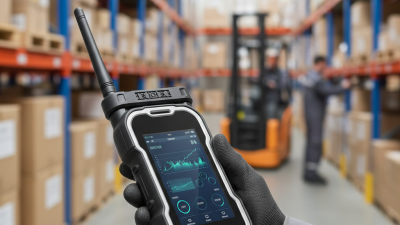
You know, RFID technology—short for Radio Frequency Identification—has really been making waves across all sorts of industries lately. It's honestly changed the game when it comes to managing inventory, tracking assets, and making supply chains way more efficient. If you look at what Grand View Research reports, the global RFID market is expected to hit about $40 billion by 2026. That just shows how much people are relying on RFID solutions these days. At the heart of all this is the Rfid Scanner—a nifty device that uses electromagnetic fields to automatically identify and keep tabs on different tags.
A bunch of companies, like Zebra Technologies, are coming up with innovative RFID handheld scanners that really boost operational efficiency. These gadgets help speed up processes, cut down on human errors, and save quite a bit of time. But, of course, as more and more organizations jump on the bandwagon, they might face some hurdles—like integrating the tech smoothly or dealing with costs. For example, some studies show that about a quarter of companies struggle with those initial setup costs, so it’s really important to weigh the long-term benefits carefully before diving in.
In an age where keeping data accurate is more important than ever, the right Rfid Handheld Scanner can be a total game changer for operations. That said, it’s also worth remembering that becoming overly dependent on these automated systems could be a double-edged sword. It kind of highlights the need for ongoing training and continuous adaptation if you really want to get the most out of RFID tech without running into trouble down the line.
What is RFID Technology?
RFID technology uses radio waves for data transmission. RFID stands for Radio-Frequency Identification. This system consists of tags, readers, and antennas. Tags contain information and can be passive or active. Passive tags draw power from the reader, while active tags have their own power source.
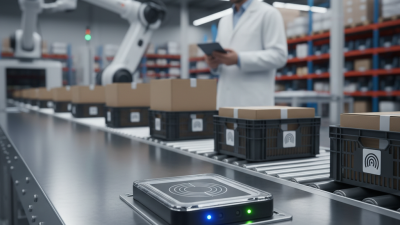
RFID readers emit radio signals that activate the tags. Once activated, the tags send back their stored data. This interaction is quick and efficient. It allows for tracking of items in real-time without direct contact. RFID is widely used in inventory management, access control, and supply chain tracking.
When considering RFID, ensure proper installation of readers and antennas. Coverage can be affected by environmental factors. Some materials can block radio signals. Testing different placements may enhance performance. Additionally, understanding the types of tags you need is crucial. Not all tags work in the same conditions.
Educating your team about RFID technology can lead to better implementation. This leads to fewer errors and enhances productivity. Engaging with professionals who specialize in this technology is beneficial. Their expertise can guide you in choosing the right system. Keeping updated with advancements in RFID will help maintain efficiency. Identify areas for improvement in your current processes.
RFID Technology Usage by Industry
Components of an RFID System
RFID systems consist of several key components that work together seamlessly. The most important part is the RFID tag. These tags can be passive or active. Passive tags do not need a power source. They draw energy from the RFID scanner's signal. Active tags have their own battery and broadcast signals continuously.
Next, we have the RFID reader or scanner. This device emits a radio frequency signal to activate the tags within its range. The reader captures data from the tags and sends it to a computer system. This allows for real-time tracking and inventory management. The data received is often employed in logistics and retail settings. Understanding how to interpret this information can be tricky for newcomers.
Lastly, there is the backend system that manages the data. This consists of software that logs data, performs analysis, and generates reports. It enhances decision-making and improves operational efficiency. Designing a user-friendly interface is crucial. However, challenges often arise in ensuring data accuracy and system integration. Addressing these issues requires ongoing evaluation and adjustment.
How RFID Scanners Function
RFID scanners are fascinating devices that operate based on radio frequency identification technology. They utilize electromagnetic fields to read data stored on RFID tags. These tags are equipped with unique identifiers, enabling the scanner to collect information quickly and efficiently without direct line-of-sight. The scanning process often occurs in milliseconds, making it highly suitable for various applications like inventory management and asset tracking.
How do RFID scanners function? The scanner emits radio waves, energizing the RFID tag. Once activated, the tag transmits its data back to the scanner. This interaction can occur over a range of distances, depending on the type of RFID system in use. For example, passive RFID tags require close proximity, while active tags can be read from several meters away. However, misunderstandings can arise; not all materials allow for effective scanning. Metals and liquids often interfere with radio signals, leading to failed reads.
This technology is not without its challenges. Infrastructure costs can be a barrier for some businesses. Additionally, privacy concerns arise since RFID scanners can potentially read tags without the owner's knowledge. Continuous improvement in scanner technology aims to address these concerns and enhance performance. The emerging applications are promising, yet we must stay aware of ethical considerations. A balance is essential in harnessing the full potential of Rfid Scanner Handheld systems.
Types of RFID Scanners
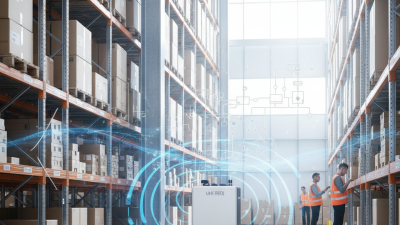
RFID scanners are essential tools in various industries. They come in different types, each serving unique functions. Fixed RFID scanners, for instance, are mounted at specific points, such as entry and exit doors. These scanners provide continuous monitoring of tagged assets. According to industry reports, fixed scanners can track items with up to 99% accuracy. This is crucial for inventory management.
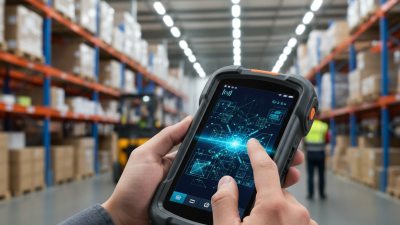
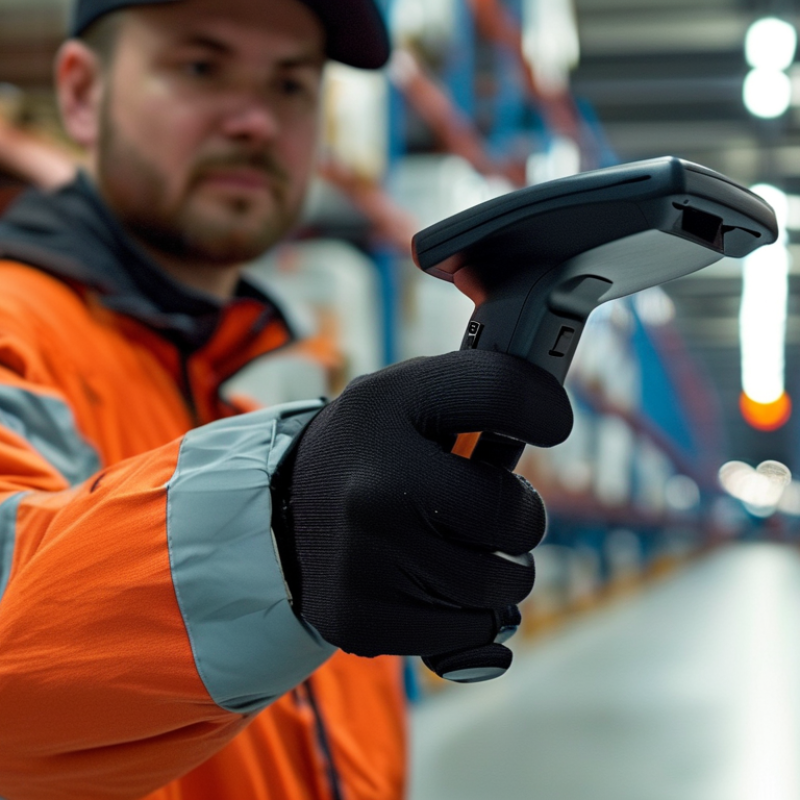
Handheld RFID scanners, like the rfid portable scanner, offer flexibility. Employees can easily carry these devices to scan items manually. These scanners are particularly useful in warehouses and retail environments. The portability allows for quick checks of inventory without disrupting workflow. Recent studies show that using handheld scanners reduces time spent on inventory tasks by nearly 30%.
Then, there are integrated RFID scanners. These devices work with existing systems for data entry. Their efficiency helps improve the accuracy of data collection. However, integrating new scanners into current setups can be challenging. Companies may face obstacles such as software compatibility and training needs. Still, the benefits often outweigh these challenges, promoting long-term efficiency.
What is an RFID Scanner and How Does it Work? - Types of RFID Scanners
| Type of RFID Scanner | Operating Frequency | Typical Range | Applications |
| Handheld RFID Scanner | Low Frequency (LF), High Frequency (HF), Ultra High Frequency (UHF) | 1 cm to 100 m | Inventory management, Asset tracking |
| Fixed RFID Reader | UHF | 1 m to 20 m | Supply chain management, Door access control |
| Mobile RFID Reader | HF, UHF | 10 cm to 15 m | Field data collection, Logistics |
| Embedded RFID Reader | LF, HF, UHF | Varied based on application | Smart devices, Industrial automation |
Applications of RFID Scanners
RFID scanners are becoming essential tools across various industries. They utilize radio waves to read information stored in RFID tags. This technology streamlines processes in inventory management, tracking, and security. Many businesses depend on RFID to enhance operational efficiency. However, their implementation can present challenges.
Retail is seeing significant benefits from RFID scanners. They enable quick inventory counts and help reduce stock discrepancies. Employees can scan items without direct line-of-sight. This efficiency means products can be located swiftly. However, not all items are compatible with RFID tags. Some materials can hinder signal transmission, complicating the scanning process.
In healthcare, RFID scanners ensure that critical supplies are monitored closely. They allow tracking of medication and equipment. This helps prevent errors and enhances patient safety. Nonetheless, reliance on technology might overshadow human oversight. Regular training is needed to maximize the advantages of RFID systems while minimizing risks.
Advantages of Using RFID Scanners
Rfid Scanners have transformed various industries by enhancing efficiency and accuracy. One significant advantage is their ability to automate data collection. Traditional barcodes require a direct line of sight, while RFID technology works at a distance. This allows for quick scans of multiple items without manual handling. Supply chains have benefited immensely, reducing labor costs and minimizing errors during inventory management.
Another key benefit of using RFID scanners is improved inventory tracking. Businesses can easily monitor stock levels in real time. This reduces the chances of overstocking or running out of essential items. In retail, RFID technology even aids in loss prevention. By tracking assets more meticulously, retailers can identify discrepancies faster.
However, the implementation of RFID scanners is not without challenges. Initial setup costs can be high. Companies must weigh the investment against the long-term benefits. Training staff to use the technology effectively is crucial as well. As with any system, potential glitches can occur, necessitating regular maintenance and updates. Addressing these issues proactively ensures that organizations fully harness the power of RFID scanners.
Challenges and Limitations of RFID Technology
RFID technology has transformed inventory management. However, it comes with challenges that need addressing. First, interference can disrupt signal strength. Items made of metal or liquids can weaken performance, leading to inaccuracies. Consequently, environment analysis is crucial before implementation.
Data security is another vital issue. RFID systems can be susceptible to hacking. Unauthorized scanning can lead to data breaches, jeopardizing privacy. Organizations must invest in robust encryption measures to protect sensitive information. A security audit of existing systems is always recommended.
Tips for effective RFID usage include regularly testing scanners. This ensures they function optimally in various conditions. Also, consider using a Bluetooth Rfid Scanner Usb for better data handling. Regular staff training can also help in mitigating errors. Always keep reviewing your RFID setup to adapt to new challenges.
Optimizing Inventory Management with the Long-range Distance UHF RFID Reader RFly-I195: A Comprehensive Guide
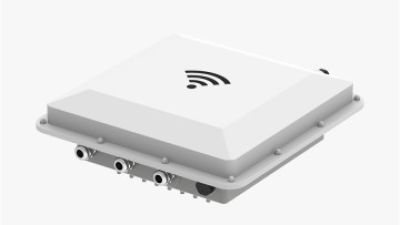
In the realm of modern inventory management, leveraging advanced technology is crucial for optimizing efficiency and accuracy. The Long-range Distance UHF RFID Reader RFly-I195 stands out as a transformative tool in this domain. With its integrated high-gain circularly polarized antenna, it allows for extended reading distances, fine-tuning the process of asset tracking and inventory oversight. This sophisticated solution not only reads RFID tags efficiently but also enables seamless integration with IoT devices, transforming how businesses manage their inventory systems.
Employing the RFly-I195 in your operations can significantly streamline your inventory management processes. By utilizing cutting-edge technology, organizations can create a robust system that provides real-time data insights and enhances decision-making capabilities. The customizable design ensures that the reader can be tailored to meet the unique requirements of different businesses, making inventory tracking more reliable and scalable. Through innovative OEM/ODM services, companies are able to fulfill their specific needs, gaining an edge in the competitive digital landscape.
The integration of the RFly-I195 into your inventory management strategy represents a step toward modernization and efficiency. With its ability to facilitate accurate data capture and improve operational workflows, this powerful tool positions businesses to achieve their goals in the ever-evolving marketplace. By adopting such advanced hardware solutions, organizations can navigate the complexities of asset tracking and inventory management with confidence and precision.
FAQS
: The RFID system includes tags, readers, and a backend system for data management. Tags can be passive or active.
Passive tags draw power from the reader’s signal. Active tags have their own battery and broadcast continuously.
The RFID reader emits a radio signal to activate tags and captures their data for tracking and management.
Fixed RFID scanners monitor tagged assets at specific locations, like entry and exit points, with high accuracy.
Handheld scanners provide flexibility, allowing quick manual scanning of inventory without disrupting workflow.
Initial setup costs can be high. Companies must also train staff and ensure software compatibility with existing systems.
RFID technology allows real-time monitoring of stock, reducing overstocking and enhancing loss prevention in retail.
Challenges include high initial costs, the need for staff training, and possible glitches requiring ongoing maintenance.
A user-friendly system enhances data management and decision-making, although ensuring data accuracy can be challenging.
By addressing integration issues and providing regular staff training, companies can maximize the efficiency of RFID technology.
Conclusion
RFID (Radio-Frequency Identification) technology utilizes electromagnetic fields to automatically identify and track tags attached to objects. An RFID system consists of components such as tags, readers, and antennas that work together to facilitate data exchange. RFID scanners play a crucial role in this system by emitting radio waves to communicate with the tags, retrieving stored data, and transferring it to a host system.
There are various types of RFID scanners, each designed for specific applications ranging from inventory management to security tracking. The advantages of using RFID scanners include enhanced efficiency, improved accuracy in data capture, and the ability to scan multiple items simultaneously. However, challenges such as high implementation costs and technical limitations remain. Overall, RFID scanners represent a significant advancement in tracking and identification technology, offering numerous benefits while also facing certain constraints.

 Rotary HF RFID Tag Reader GRH-I40 Suitable for Assembly Lines
 Industrial-grade High-frequency Integrated Reader GRH-I65 Suitable for Asset Tracking
 With ESD Protection HF RFID Reader GRH-I68 Suitable for Progress Tracking
 Proximity HF RFID Reader GRH-M30 Suitable for Manufacturing Workshops
 Desktop HF RFID Scanner GRH-D80-HID Suitable for Card-issuing Applications
 High Frequency Medium Distance Reader GRH-I90 Suitable for Logistics Production Line
 UHF RFID Portals and Tunnel Machine RFly-AM3000 for Access Control
 Narrow RFID Portals Series TD-P20040-SS for Single Tag Entry and Exit Identification Scenario
 RFID Transmission Line Simple Identification Tunnel Machine (TD-T3050)
 Vision and RFID Tunnel Machine TD-T7692-RV for Logistics Sorting
 RFID Transmission Line Identification Tunnel Machine TD-T10090
 RFID Mobile Inventory Tunnel Machine TD-T65150 for Conveyor Belts
 High-Performance Far-Field Antennas for Broad Coverage.
 Multi-Purpose Antennas: Flexibility for Diverse Applications
 Near-Field Antennas for Short-Distance Tag Detection.
 Portals & Tunnel Antennas for Integrated RFID Series
 Slimline PCB Antennas for Warehousing and Logistics
 Miniaturized and Thin Antennas can Provide Good Performance in a Smaller Size.
 GPS Tracker for Vehicles, Car, Kids, Assets.
 CO2 Sensors Detect CO2 Gas through Alarms, Suitable for Offices, Planting Tents.
 Door Sensor, Detect Open and Closed Doors or Windows, Sends Alerts, Triggers Siren.
 Wireless Level Sensor Equipped with a 5-Meter Detection Line, Suitable for Water Tanks
 Real Time Monitoring of Air Quality Using PM2.5/PM10 Sensors.
 Smoke Sensor, Fire Alarm Smoke Detector with Test Button and Low Battery Reminder.
 Soil Stress Sensor,Bridge and Tunnel Monitors.
 Vibration Sensor Monitors Equipment, Like Conveyors and Motors, for Operational Status.
 E -Paper Display
 Smart Water Sensor Alarms, 1.2 M Detection Line.
 CO Sensor for Basements Home Office House Bedroom Living Room Car, Light Plug and Play.
 Temperature and Humidity Sensor
 Multi-sensor GD-ME
 Temperature Sensors Monitor the Surface Temperature of Various Heating Equipment.-1
 Signal Enhancement Terminal, Long Range Coverage.
 Multi-Protocol Communication Gateway, App Remote Control.
 Edge Vision Gateway can Access Various Mainstream Cameras, Suitable for Office, Factory.
 GBS-3550 Outdoor Sensor Gateway,LoRa, 2/3/4G Communication.
 Smart WiFi Gateway, Realize Remote Control.
 Ultra-Low-Power Solar-Powered Intelligent Gateway (Outdoor)
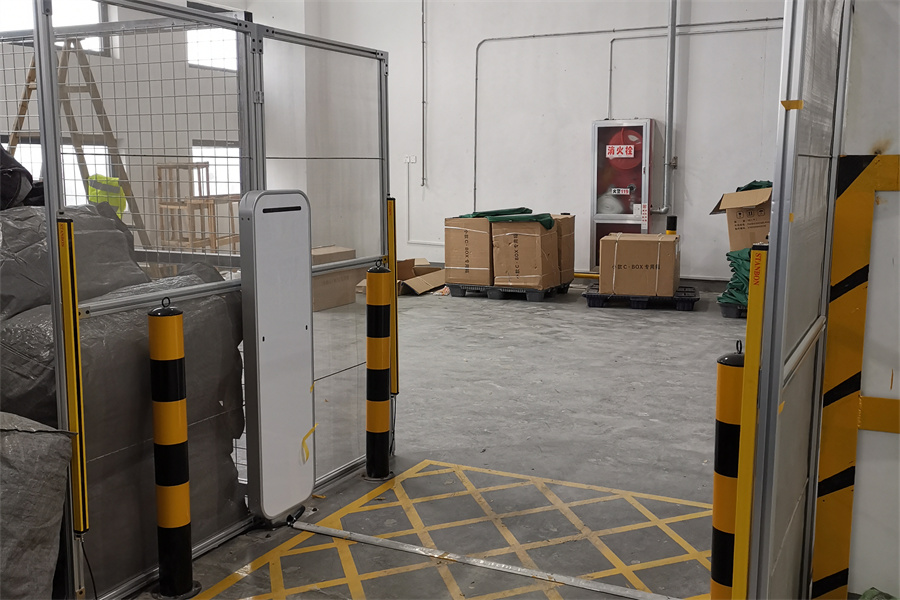 Global 3PL Streamlines High-End Fashion Inventory with MingQ RFID Tunnel Solution
 Leading E‑Commerce Platform Accelerates Flash-Sale Fulfillment and Boosts Warehouse Productivity with MingQ RFID Sorting Wall Solution
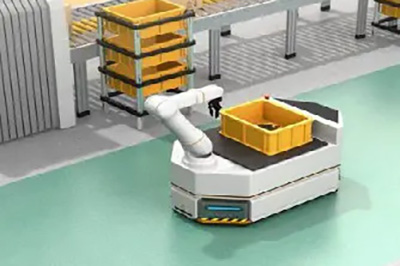 Global Automaker Elevates Component Kitting Accuracy with MingQ RFID Shelf‑Level Management Solution
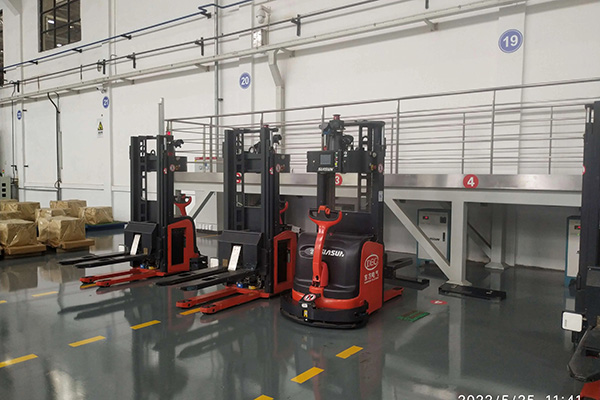 Asia’s Largest Logistics Provider Enhances Warehouse Intelligence with RFID Pallet & Container Management Solution
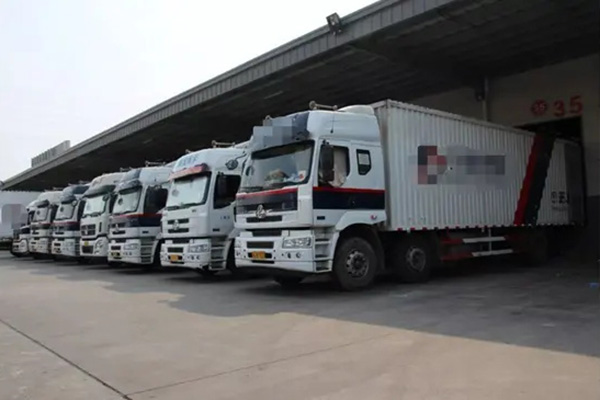 RFID Application in Platform Vehicle Management
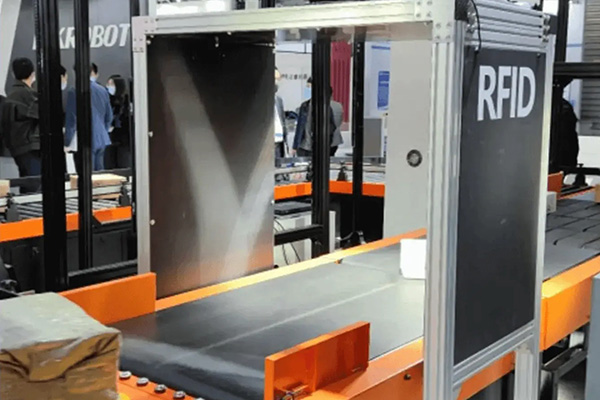 RFID Application in Logistics Sorting
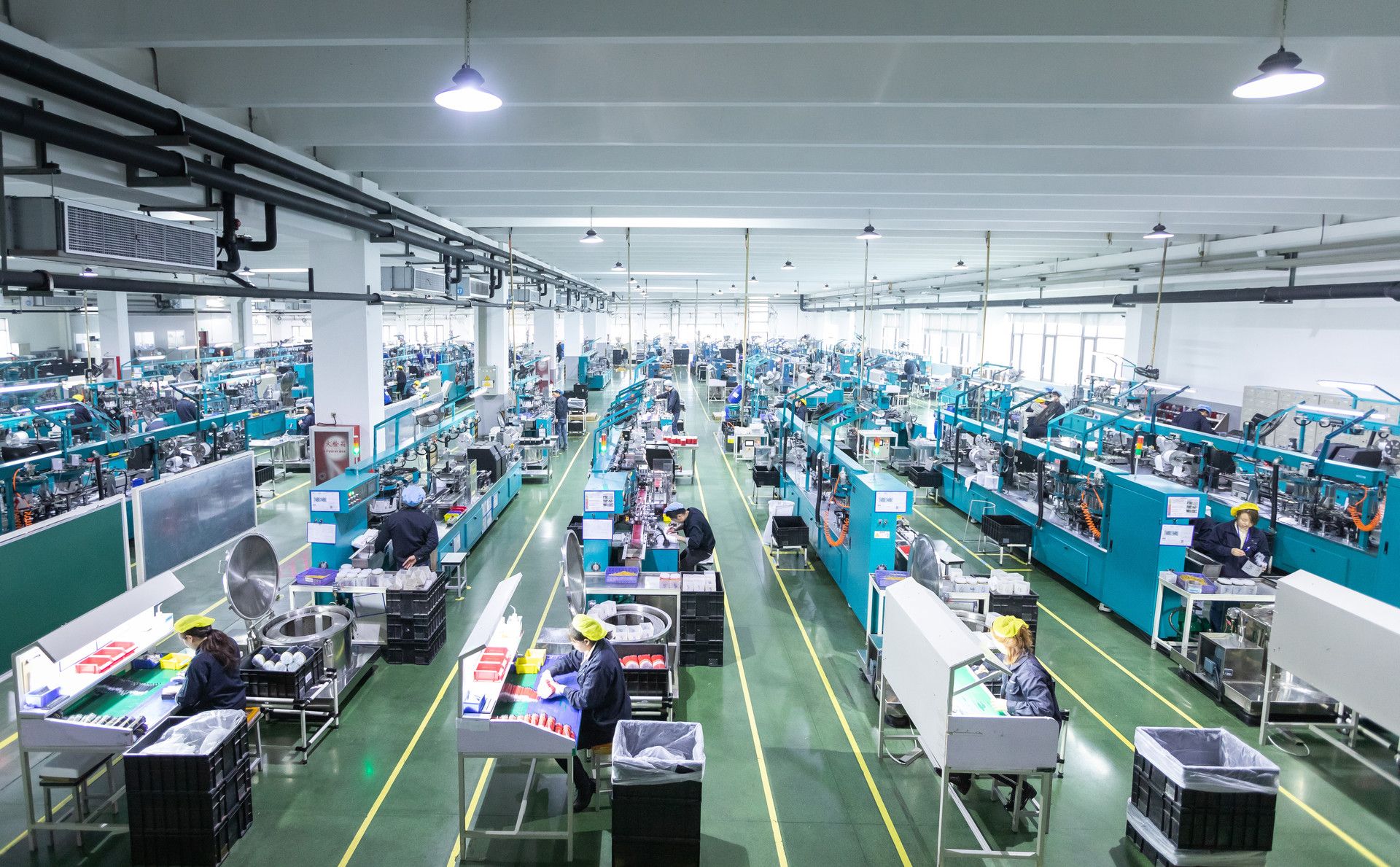
 RFID Application in Supply Chain Management
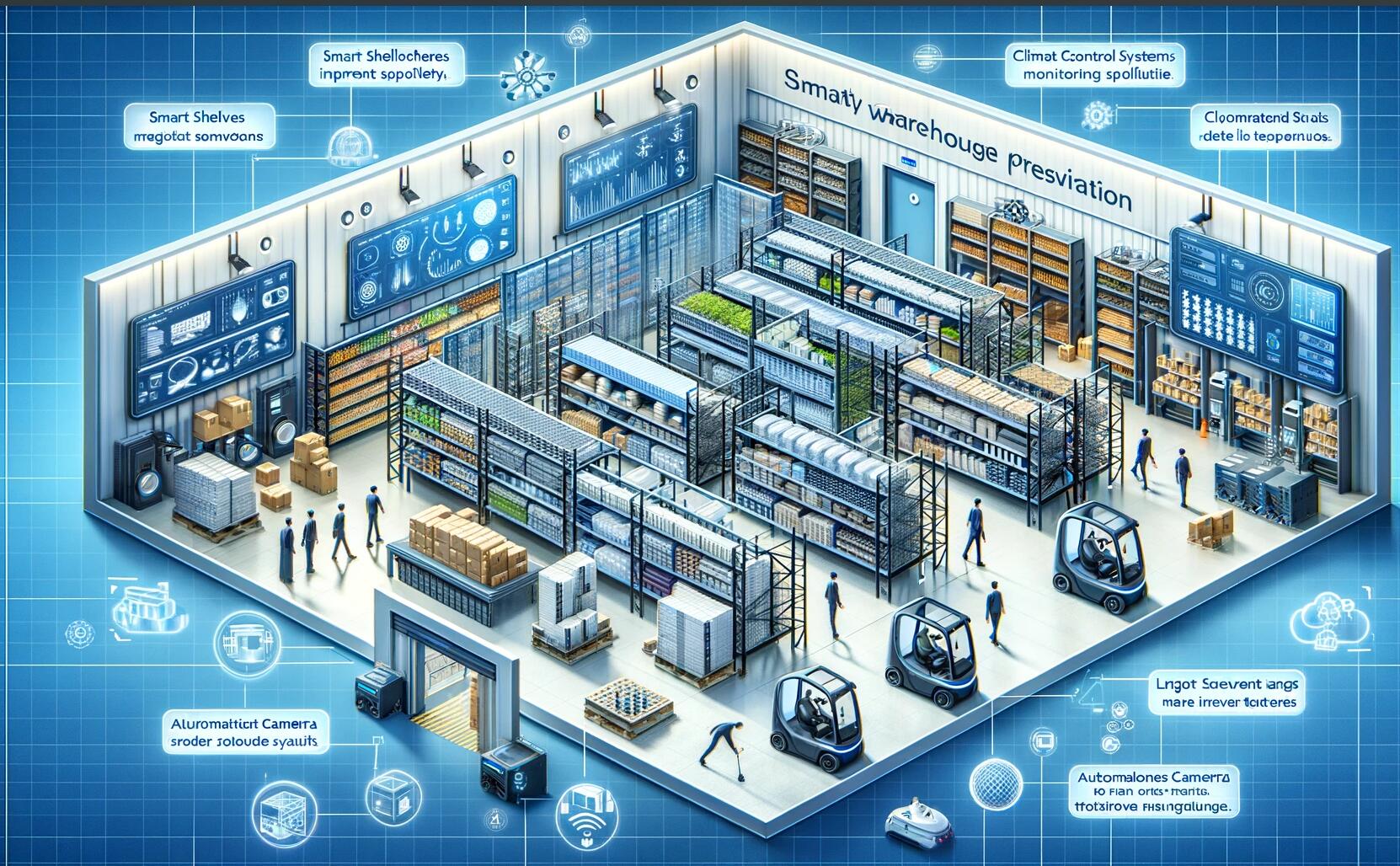
 RFID Application for Workshop/Warehouse Tracking
 TP‑Link Enhances Warehouse Inbound/Outbound Efficiency with MingQ RFID Dock‑Door Solution
 RFID technology empowers port containers: a new direction for future logistics
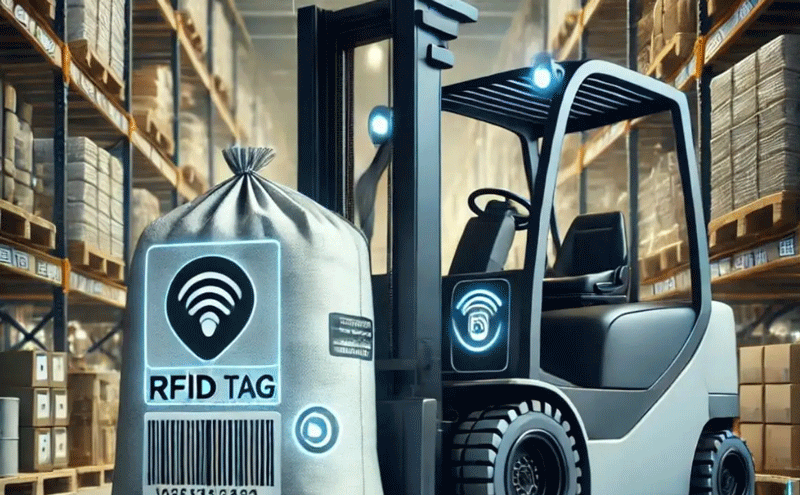 RFID technology in forklift tracking and container bag identification
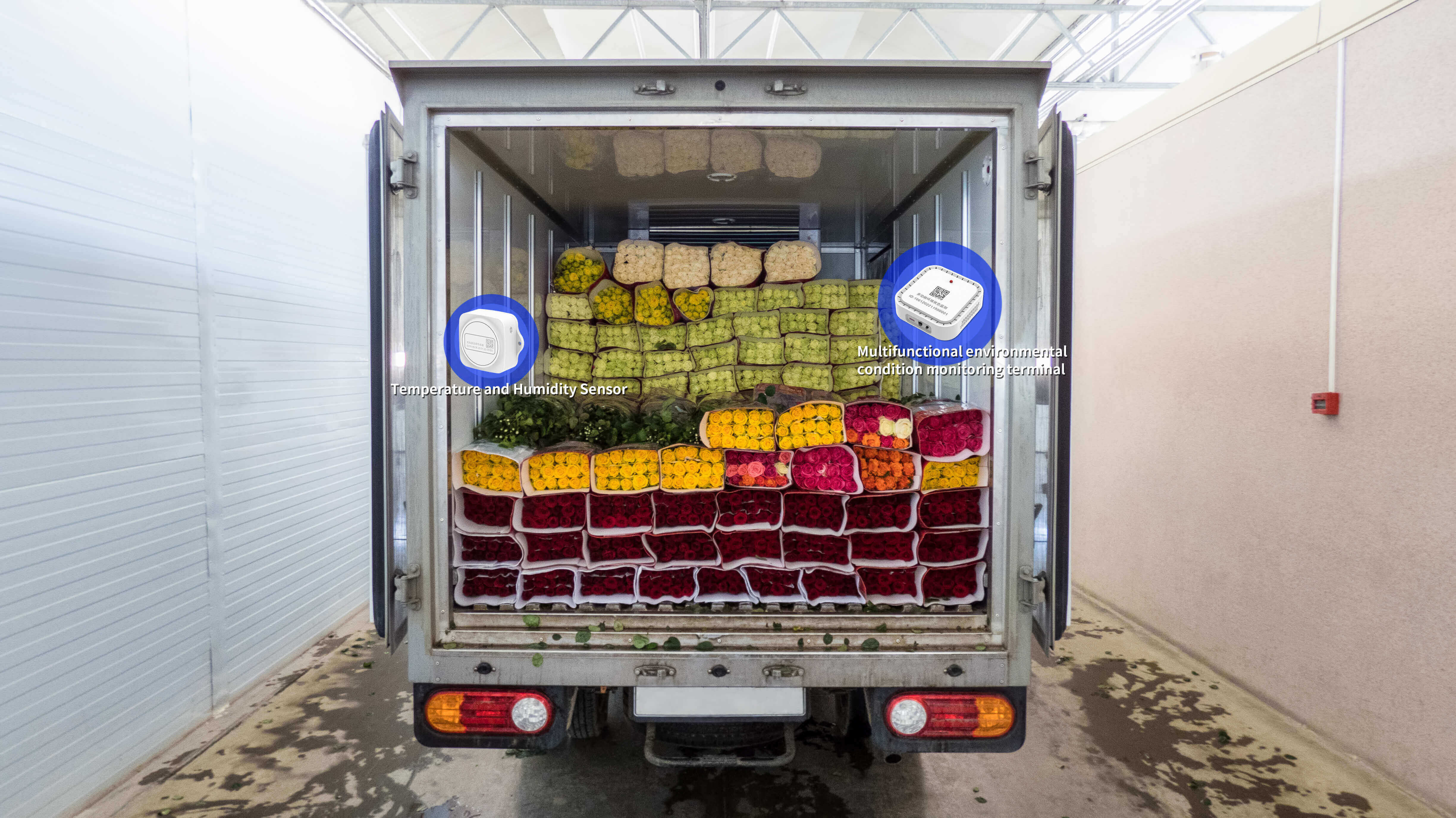 Real-Time Data, Secure Transportation: The Future Trends of Cold Chain Logistics
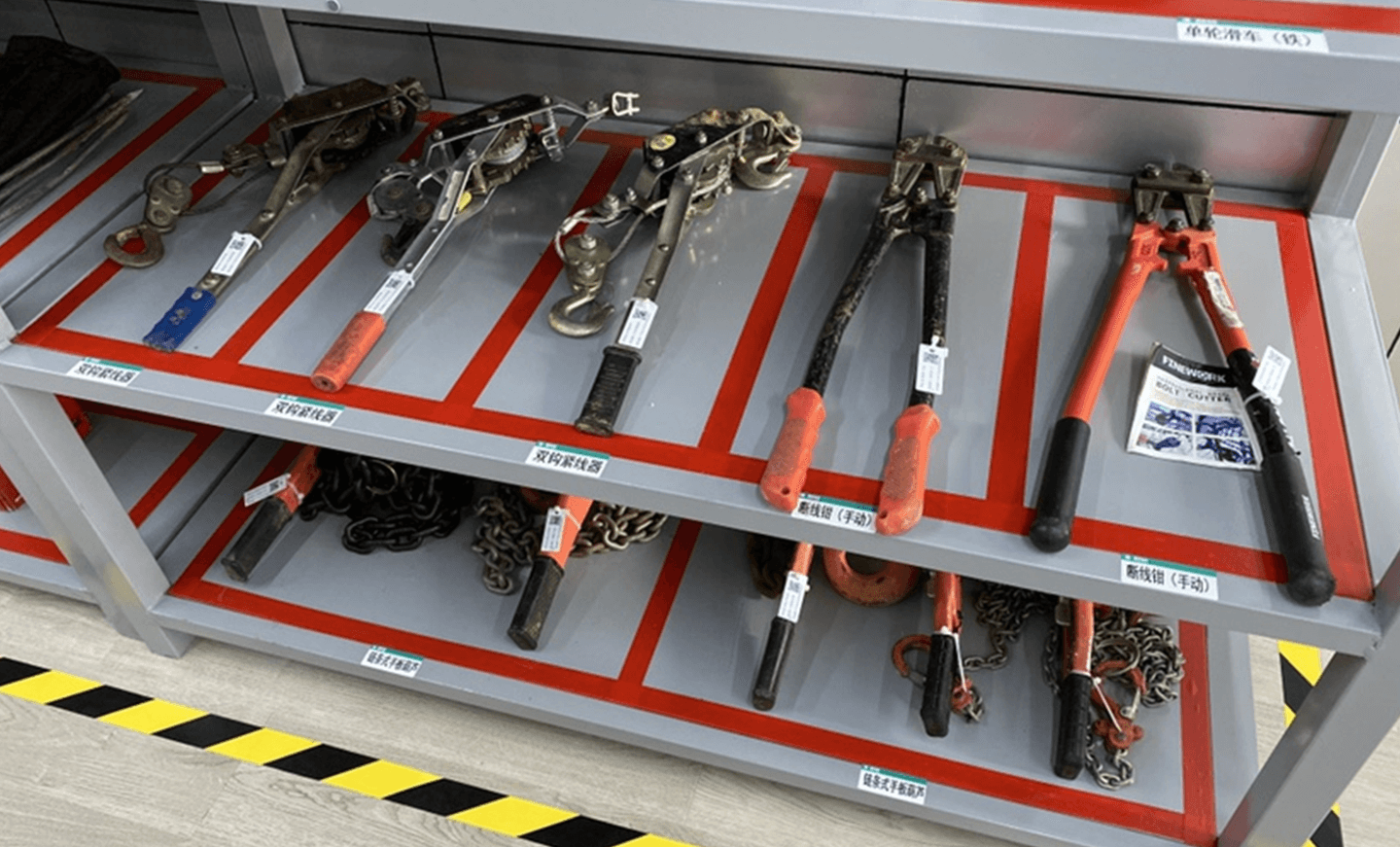 RFID Tool Management
 RFID Application in Battery Factory Production
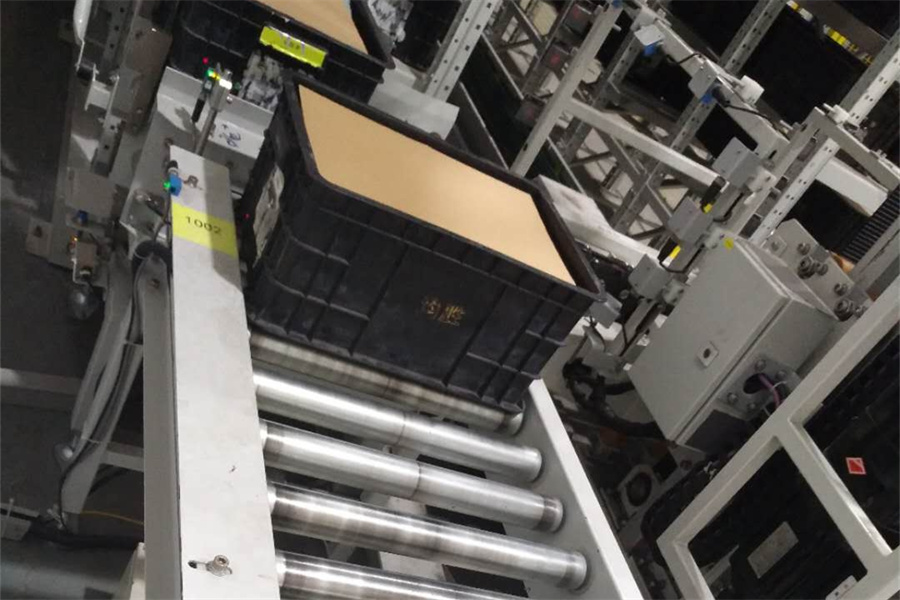 RFID Application in Production Line Rubber Box Management
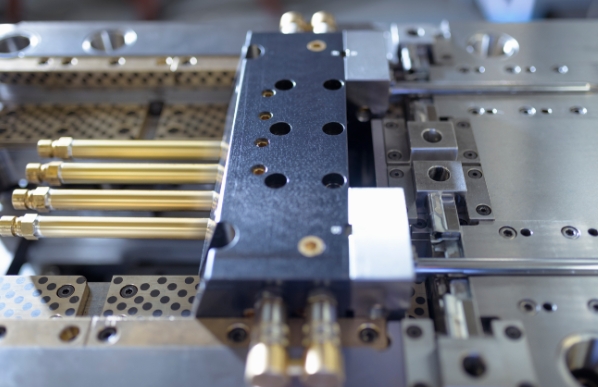 RFID Application in Mold Management on Production Lines
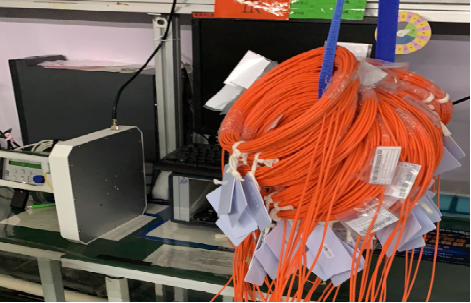 RFID Application in Fiber Optic Cable Manufacturing
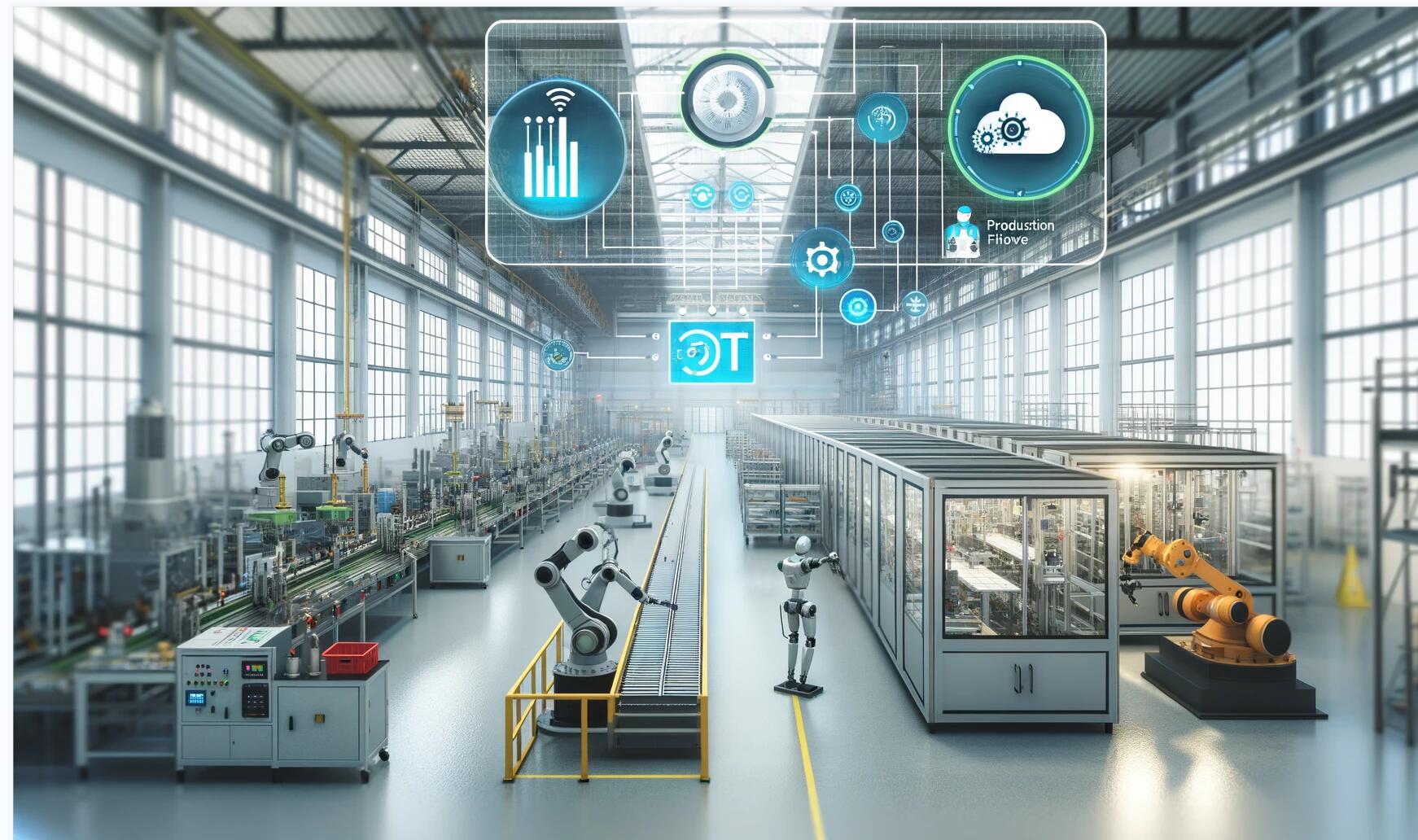 Smart Manufacturing
 The medical industry uses RFID technology to make drug tracking more accurate
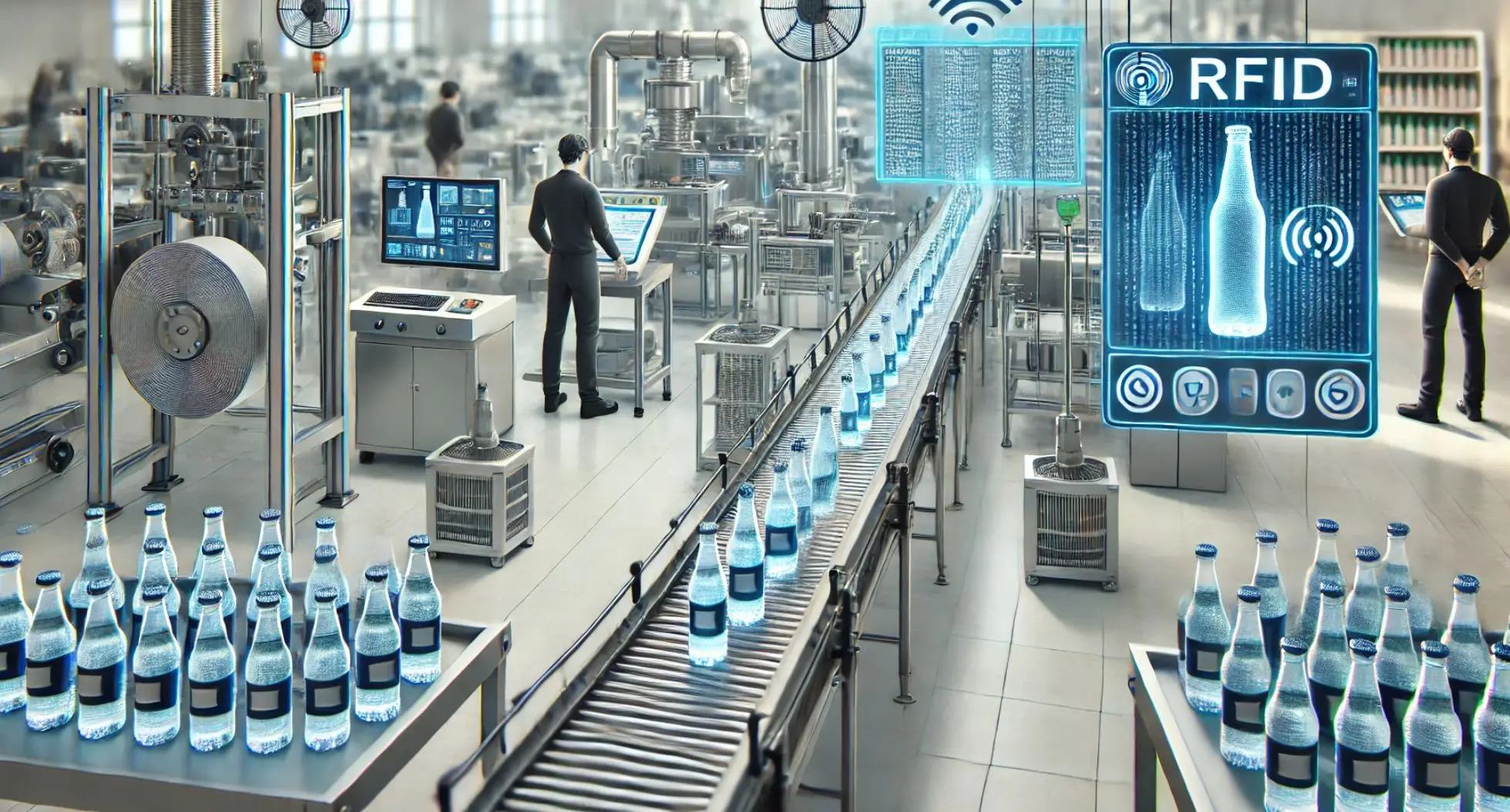 RFID technology helps beverage production and build an efficient supply chain
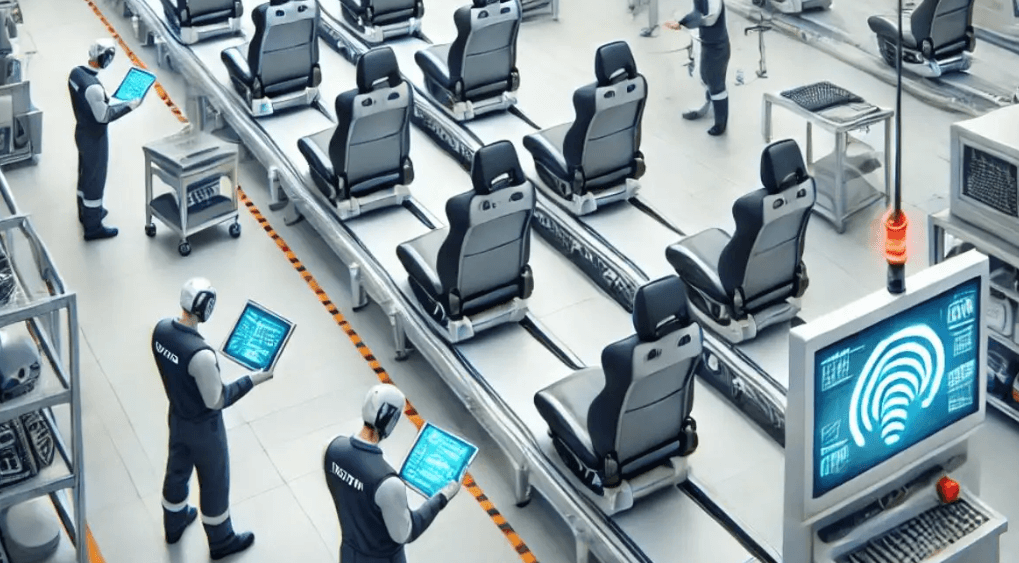 RFID technology helps car seat production lines: intelligent management improves efficiency and quality
 RFID technology in the production of electronic appliances monitoring and tracing application
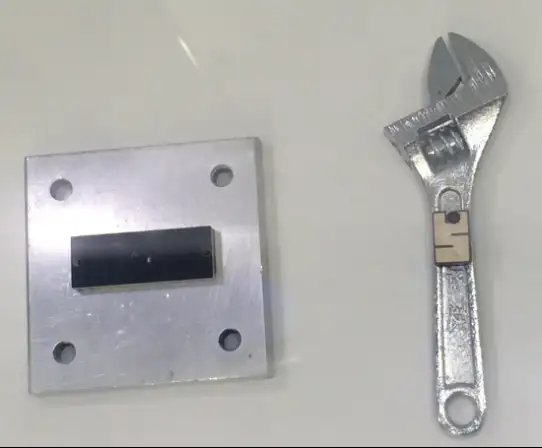 Use RFID technology to improve appliance management efficiency and security
 RFID technology helps precise installation of headrests
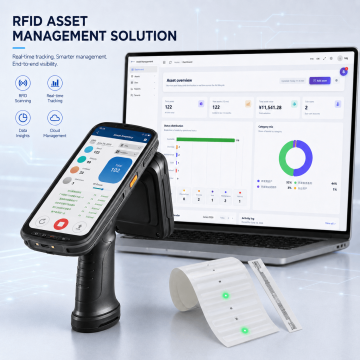 RFID Asset Management Kit
 IP67-protected Integrated RFID Reader Writer RFly-I165 for Supply Chain
 Long-range Distance UHF RFID Reader RFly-I195 for Inventory Management
 Small UHF RFID Tag Reader RFly-I300 for Cars
 Two-channel Compact Fixed RFID Reader RFly-F210 for Warehousing
 Four Channels Fixed UHF RFID Reader RFly-R6 for Supply Chain
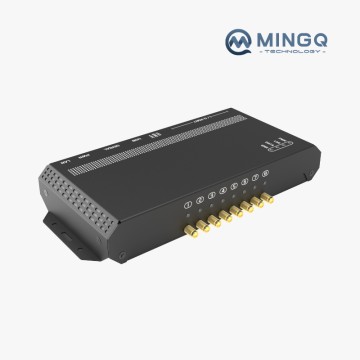 8-channel UHF RFID Tag Reader RFLY-MR8 for File Cabinet Identification-1
 Bluetooth Portable RFID Reader and Writer GRU-HBT100 for Inventory Management
 Industrial Grade Handheld UHF RFID Reader GRU-HC520 Suitable for Logistics
 RFID Tags for Container Turnover Management
 RFID Tags for Equipment O&M Management
 RFID Tags for Manufacturing Management
 RFID Tags for Tool Management
 A Kits for Equipment Condition Detection
 A Kits for Office Computer Room Environment Monitoring
 A Kits for Reservoir Environmental Monitoring
 A Kits for Storage Space Environment Monitoring
 A Kits for Stress Detection of Underground Tunnel
 A Kits for Urban Environment Monitoring
 Intelligent IoT Monitoring Platform