As more and more people get onboard with the Internet of Things (or IoT, as it's often called), we're actually seeing a pretty big jump in the demand for RFID readers and writers. I mean, a recent market analysis predicts that the RFID industry will hit around $40 billion by 2025. That’s mainly because of all the cool innovations in data handling and better tracking systems being adopted across different sectors. Leading the charge in this space is MingQ Technology Limited— they're really good at providing IoT hardware and software, specializing in info communication, AI, and industrial IoT solutions. They’re making the most of China’s manufacturing capabilities to produce top-notch RFID gear that meets the needs of customers worldwide. If you're out there trying to figure out what to look for when buying RFID stuff, it’s super important to understand the key features and what those devices can actually do. That way, you can make smarter, more confident choices in this rapidly changing landscape.
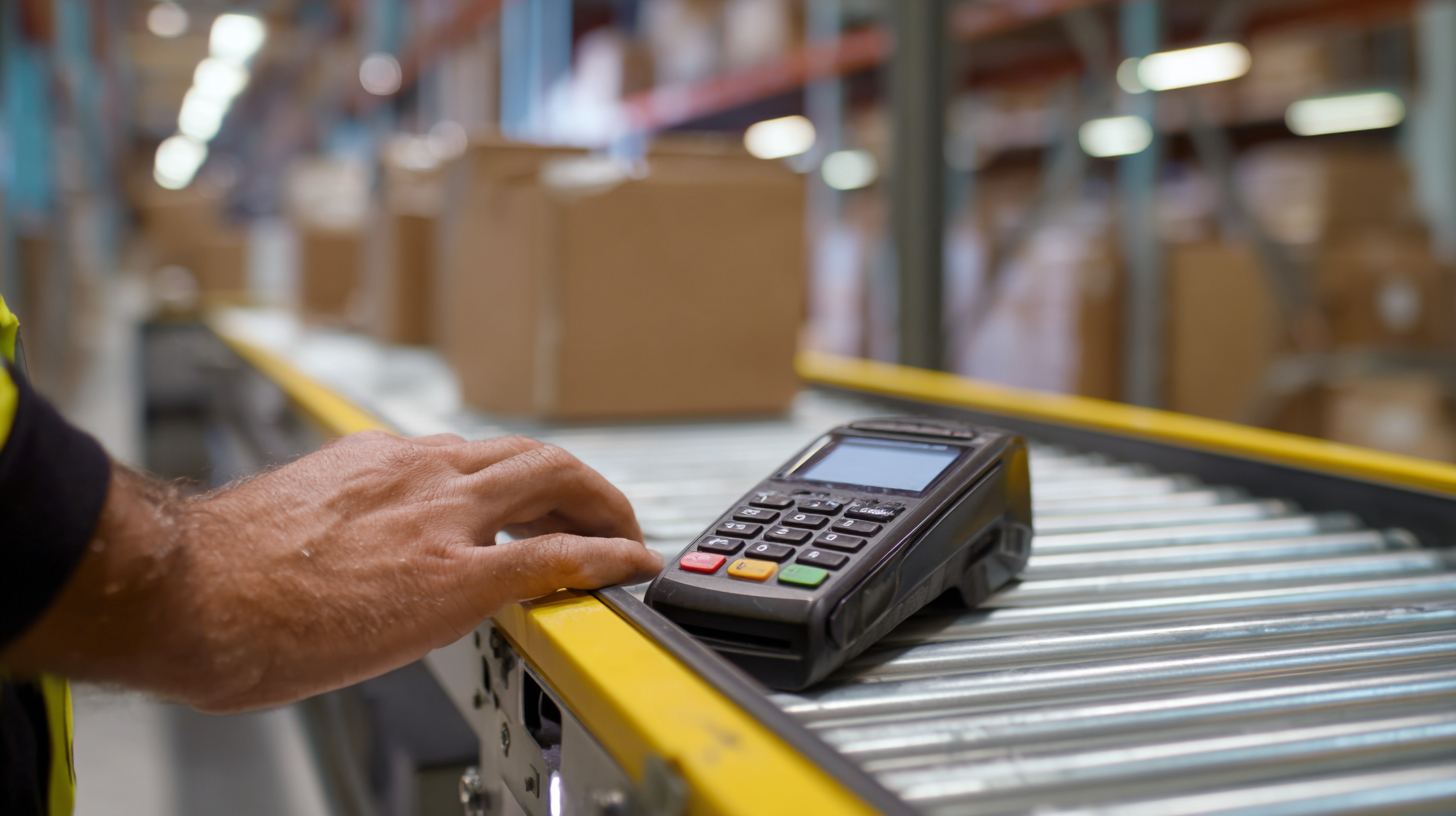
When you're diving into the world of RFID readers, it's pretty important to get a feel for the differences between fixed, mobile, and handheld models. Fixed RFID readers are usually installed in one spot—think entryways or conveyor belts—and they're great for handling big jobs like keeping tabs on inventory or managing supply chains. On the flip side, Mobile Rfid readers give you the freedom to move around and scan tags from different locations—super handy if you're working in a warehouse or retail store where things shift quickly.
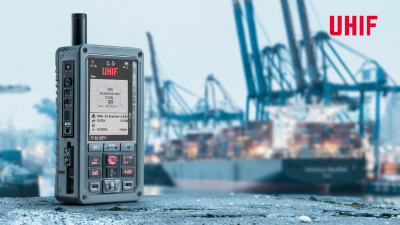
Then there are handheld RFID readers—these are like the Swiss Army knives of the bunch. They let you manually scan items within a certain area, which is perfect for stock-taking or managing assets, especially when space is tight or you’re in a crowded environment. When choosing which type of RFID reader to go for, it’s a good idea to think about exactly what your operation needs.
Here are a couple of quick tips:
By understanding these different types of Rfid Devices, you’ll be better equipped to pick the right one for your business, and make smarter, more informed decisions about your operations.
So, when you're getting into RFID tech, it's pretty important to get a good handle on the difference between RFID readers and writers — they each have their own roles, depending on what you’re trying to do. RFID readers basically send out radio signals to pick up RFID tags; it’s like a quick, smooth way to identify stuff on the fly. You'll find them in places like inventory checks or security gates, where fast scans make everything run smoother. On the flip side, RFID writers are all about encoding info onto those tags. They’re super handy when you need to label assets accurately or manage supplies seamlessly.
And if you're looking to jump into RFID tech from a global buyer's perspective, a few things are worth keeping in mind. First off, think about what your business really needs — do you just need a reader, or do you also need to write data onto tags? Figuring that out early will seriously help with your decision. And hey, don’t forget to check if your new gear will play nice with your current systems — nobody wants integration headaches. Lastly, staying up-to-date on the latest RFID trends and tech developments can really pay off, so you’re investing in stuff that’ll keep your business ahead of the game down the road.
Let's face it, the world of RFID tech is moving pretty fast these days. When you're picking out RFID readers and writers, folks are really paying attention to a couple of key things—mainly speed and accuracy. Today’s systems need to handle multiple tags at once without messing up, which really helps things run smoothly—be it keeping tabs on inventory or controlling who gets in. So, if you're on the hunt, aim for devices that can capture data quickly and work well no matter the environment.
Another big deal is how these devices connect to other tech. As more industries jump on the IoT train, making sure your RFID gear plays nice with Wi-Fi, Bluetooth, and NFC is super important. That way, everything fits together perfectly without headaches. Plus, don’t overlook how the device feels and looks—especially for mobile setups. Lightweight, easy-to-use options make a huge difference out in the field, helping businesses stay efficient and not get bogged down by complicated gear.
In a marketplace that’s always getting more competitive, understanding these features isn’t just about making a smart choice; it’s about shaping the future of how your team works. With the right tech in place, you can really unlock the full potential of RFID—saving time, boosting accuracy, and making everything run more smoothly overall.
More and more businesses are realizing just how valuable data-driven decision-making is, and that’s really bringing RFID (Radio Frequency Identification) solutions into the spotlight across a bunch of different industries. Did you know? A recent report from MarketsandMarkets predicts the global RFID market could hit around $40.4 billion by 2025. The main drivers here are sectors like healthcare, retail, and manufacturing—places where RFID can make a real difference. When you're thinking about implementing RFID tech, it’s super important to dig into your specific needs so you can pick the right solution. For example, a hospital might need high-frequency RFID systems to keep tabs on equipment and inventory in real time—so critical items are always where they're supposed to be.
In the retail world, RFID is really shaking things up — especially when it comes to managing stock and boosting the customer experience. A report from Zebra Technologies says stores using RFID can hit about 99% accuracy when keeping track of inventory—that’s a big deal, helping cut down on stockouts and making shoppers happier. Plus, these systems can speed up checkout lines, reduce wait times, and even boost sales. So, finding the right RFID setup is pretty crucial. Businesses should look closely at their workflows and pain points to get the most out of RFID tech, making sure they see a solid return on their investment and improve overall efficiency.
Looking ahead to 2025, it’s pretty clear that RFID tech is about to undergo some serious changes—something buyers really need to keep an eye on. One of the biggest game-changers? The merging of AI with RFID systems. That combo is opening up new doors for better data analysis and smarter decision-making. Basically, it means real-time inventory updates and smoother supply chains, so businesses that want to stay ahead really need to start thinking about these innovations. If you're in the market for RFID solutions, I’d suggest looking for those with built-in AI features. It’s the best way to get the most bang for your buck.
And then there’s security—definitely a hot topic as the tech evolves. With more worries about data breaches and privacy issues, manufacturers are stepping up their game with stronger encryption and authentication tech. Buyers, it’s super important to make sure the systems you're considering have the latest security upgrades to keep your info safe. Plus, with the rise of IoT linking everything together, there are loads of new opportunities for automation and tracking across all kinds of industries. As we inch closer to 2025, staying on top of these trends isn’t just smart—it’s almost essential if you’re looking to make good strategic buys.
| Dimension | 2023 Value | 2025 Forecast | Growth Rate (%) |
|---|---|---|---|
| Market Size (USD Billion) | 10.5 | 15.2 | 44.76 |
| Number of Units Shipped (Million) | 75 | 110 | 46.67 |
| Adoption Rate in Retail (%) | 25 | 40 | 60.00 |
| Key Application Areas | Inventory Management, Supply Chain, Asset Tracking, IoT Integration | ||
| Emerging Technologies Impact | AI & Machine Learning, Blockchain, Enhanced Data Security | ||
As the global RFID market keeps growing—it's actually forecasted to hit around $38.95 billion by 2025—buyers really need to navigate through a pretty complicated landscape if they want to make smart purchasing choices. Understanding what their operations actually need is super important because RFID tech isn’t just one thing anymore; it covers everything from managing inventory to tracking assets. A report from Research and Markets mentions that the retail side of things is growing wildly fast, mainly because companies want to deliver better customer experiences and run things more smoothly. This rising demand really highlights how important it is to pick RFID readers and writers that can handle different protocols and work well with what you already have in place.
For global buyers, it’s also worth thinking about rules and regulations, the latest tech advancements, and how reliable your suppliers are. Upgrading to newer RFID tech can help improve the accuracy of your data and cut down on operational costs. The folks at GS1 say that companies using RFID can usually get inventory accuracy rates above 95%, which really helps cut down on stock discrepancies. Plus, teaming up with well-established suppliers who offer solid support and customizable options makes it easier to tweak your RFID setup as your business grows or changes. Doing thorough market research and checking out industry reports can really give you that edge, helping you make smarter, more strategic decisions that set your business up for success in this pretty competitive RFID world.
The advent of miniaturized and thin antennas has revolutionized the design of modern electronic devices. These compact antennas, typically made from microstrip lines, deliver excellent performance while allowing for a reduction in size. This innovation is particularly advantageous for small devices like mobile phones and RFID tags, where space is at a premium. The ability to integrate high-performing antennas into smaller footprint designs means that manufacturers can create sleeker, more portable devices without compromising functionality.
One of the standout benefits of these antennas is their versatility. They can be tailored to meet specific application requirements, making them suitable for various use cases—from consumer electronics to industrial applications. Whether you are looking for customized solutions or off-the-shelf options, our commitment to delivering high-quality, cost-effective products ensures that you find what you need. Our team is dedicated to addressing your inquiries and processing orders promptly, providing you with detailed product quotations that meet your specifications.
As the demand for compact devices continues to rise, the role of miniaturized and thin antennas becomes increasingly critical. Investing in these advanced antenna solutions not only enhances performance but also promotes innovative designs that push the boundaries of what is possible in electronic technology. Reach out to us today to explore the array of options available for enhancing your product's capabilities.
: RFID readers emit radio waves to detect RFID tags for identification, while RFID writers encode data onto RFID tags, making them essential for tasks like asset tracking.
RFID readers are often used in inventory management and access control, where quick scans enhance operational efficiency.
Buyers should evaluate their specific business needs, determine whether they need a reader, writer, or both, and consider compatibility with existing systems.
RFID technology enhances inventory management and customer experience by achieving a 99% inventory accuracy rate, which reduces stockouts and improves customer satisfaction.
Buyers should prioritize RFID solutions that integrate artificial intelligence, which can enhance data analytics and real-time inventory management capabilities.
With growing concerns about data breaches and privacy, manufacturers are focusing on implementing robust encryption protocols and authentication mechanisms to protect sensitive information.
By integrating AI with RFID systems, businesses can achieve improved data analytics and facilitate real-time inventory management, leading to enhanced supply chain operations.
The integration of IoT with RFID technology will create new opportunities for automation and improved tracking across various industries.
By evaluating their operational workflows and challenges and selecting the optimal RFID application that suits their specific requirements and operations.
The global RFID market is projected to reach $40.4 billion by 2025, driven by industries such as healthcare, retail, and manufacturing.