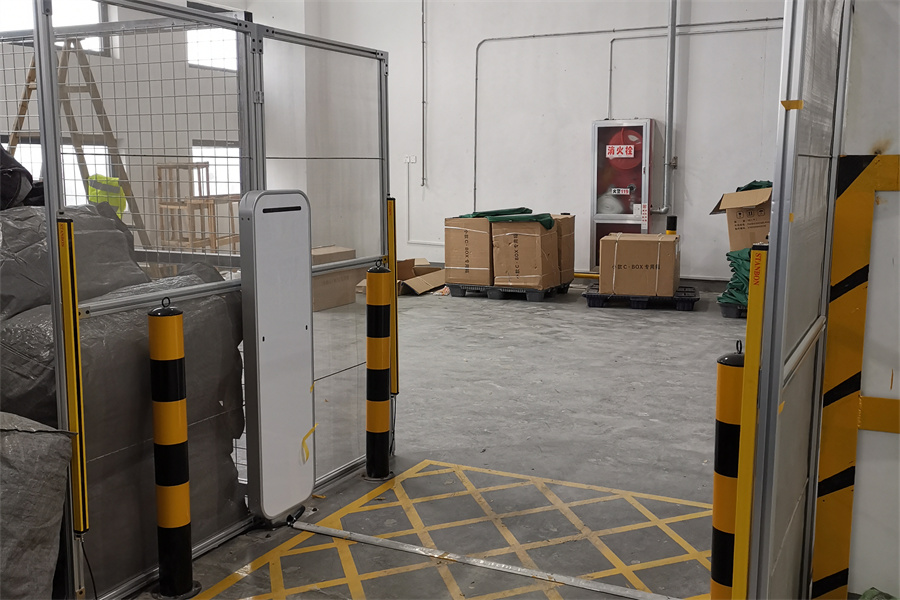
RFID Application in Inbound/Outbound Management
RFID Application in Warehouse Management
RFID Application in AGV Material Transport Management
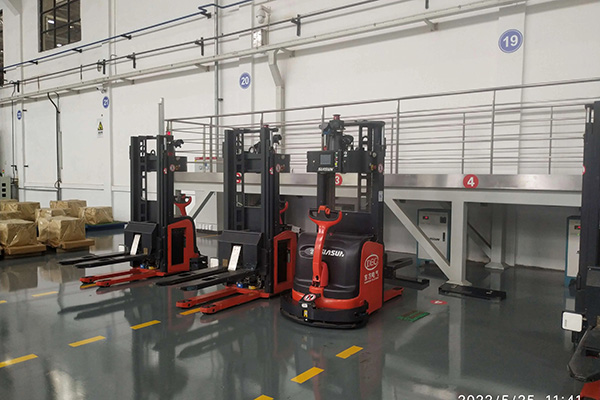
RFID Application in Forklift Cargo Identification
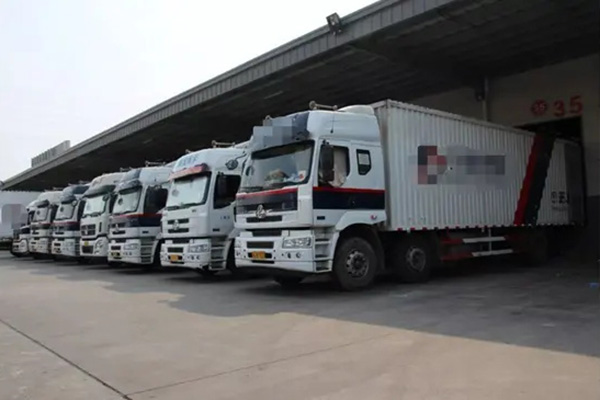
RFID Application in Platform Vehicle Management
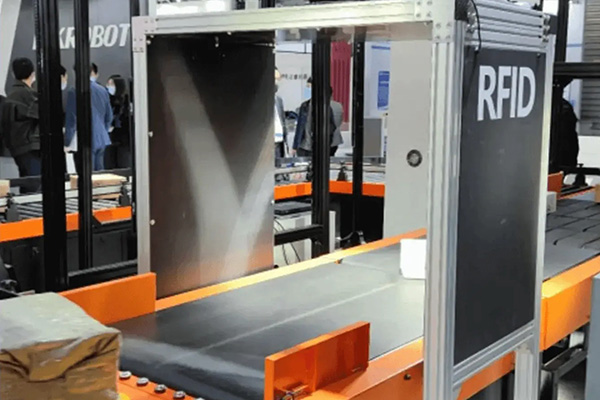
RFID Application in Logistics Sorting
RFID Application in Supply Chain Management
RFID Application for Workshop/Warehouse Tracking
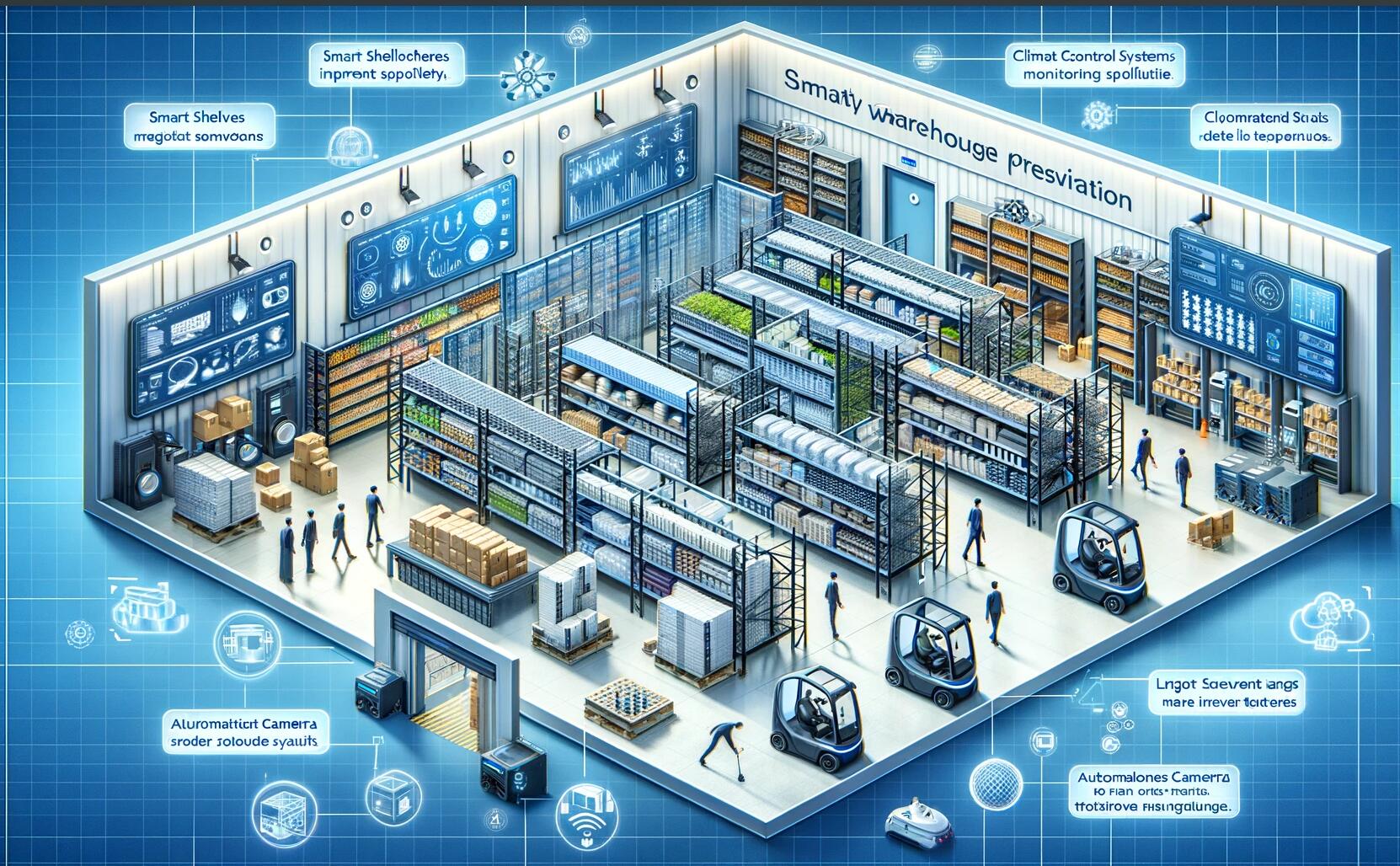
Smart Warehouse Monitoring and Management
RFID technology empowers port containers: a new direction for future logistics
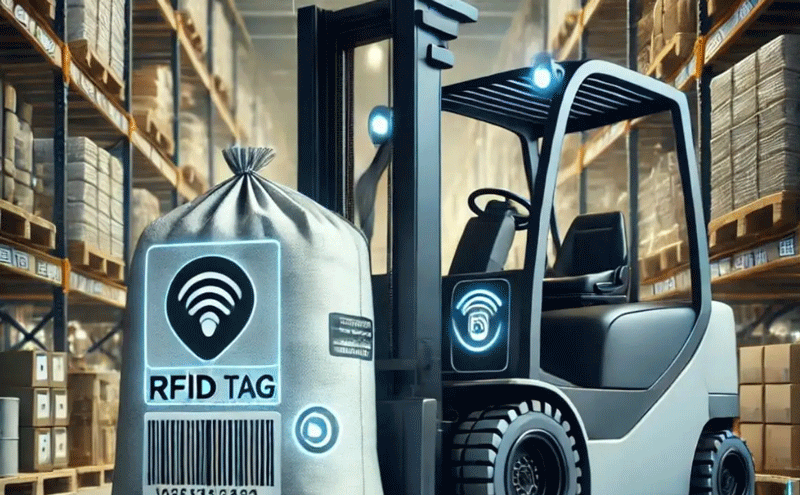
RFID technology in forklift tracking and container bag identification
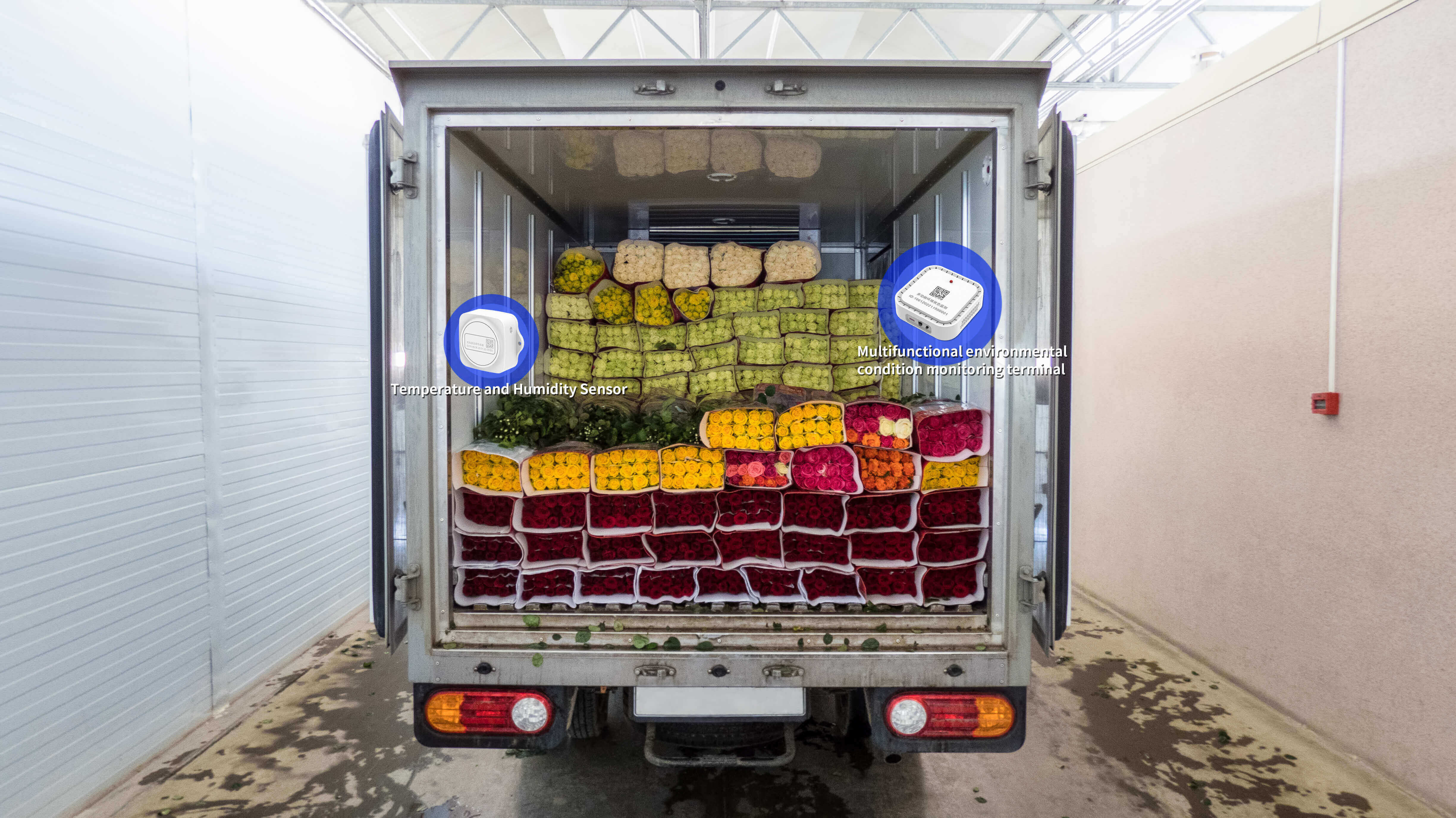
Real-Time Data, Secure Transportation: The Future Trends of Cold Chain Logistics
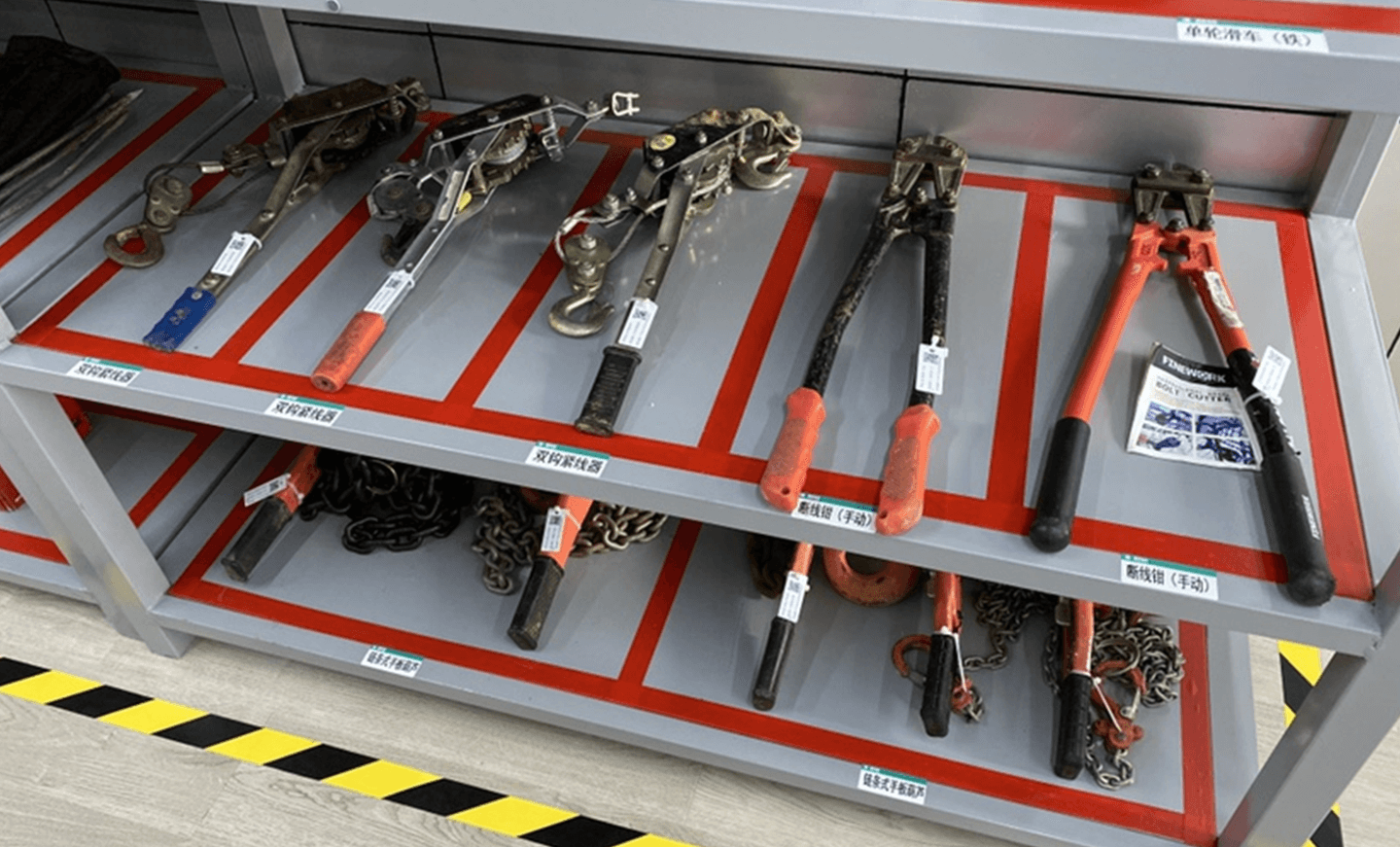
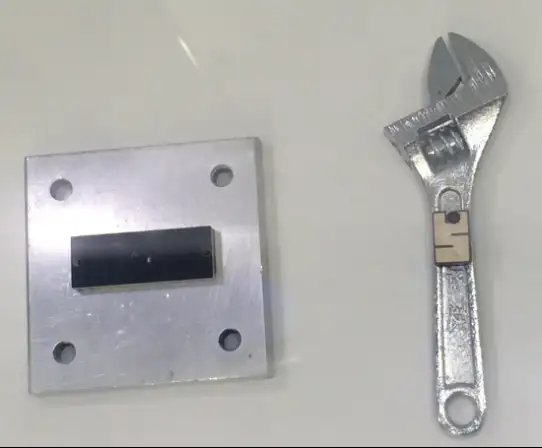
RFID Tool Management
RFID Application in Battery Factory Production
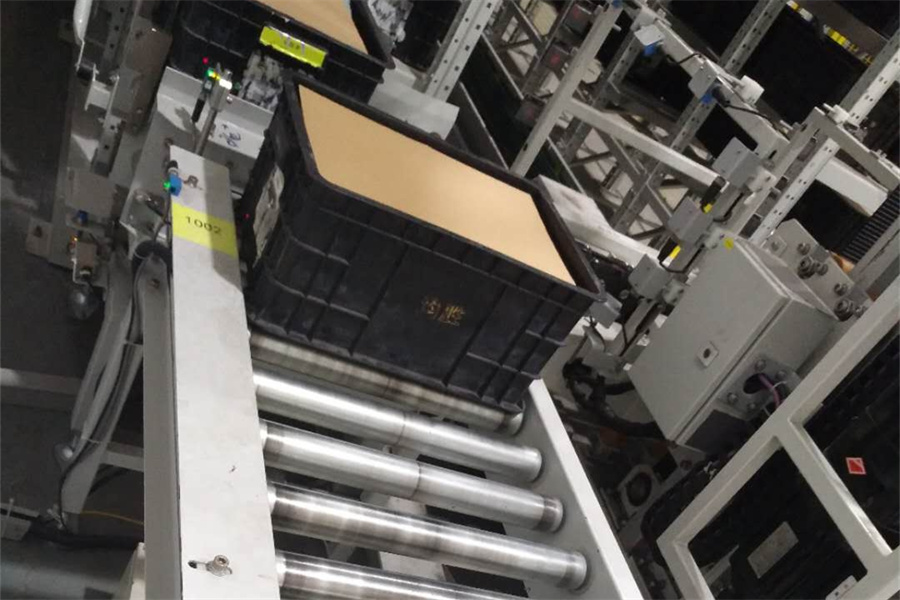
RFID Application in Production Line Rubber Box Management
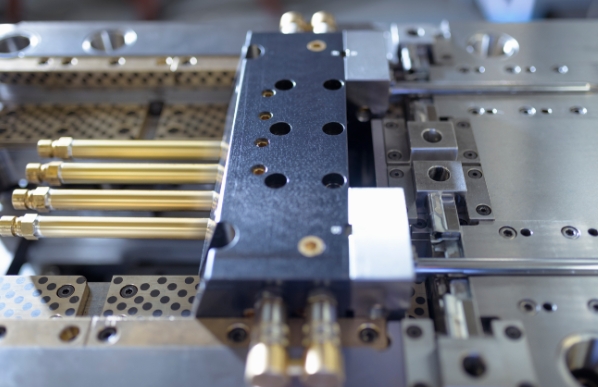
RFID Application in Mold Management on Production Lines
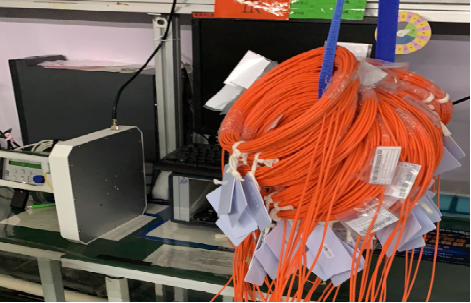
RFID Application in Fiber Optic Cable Manufacturing
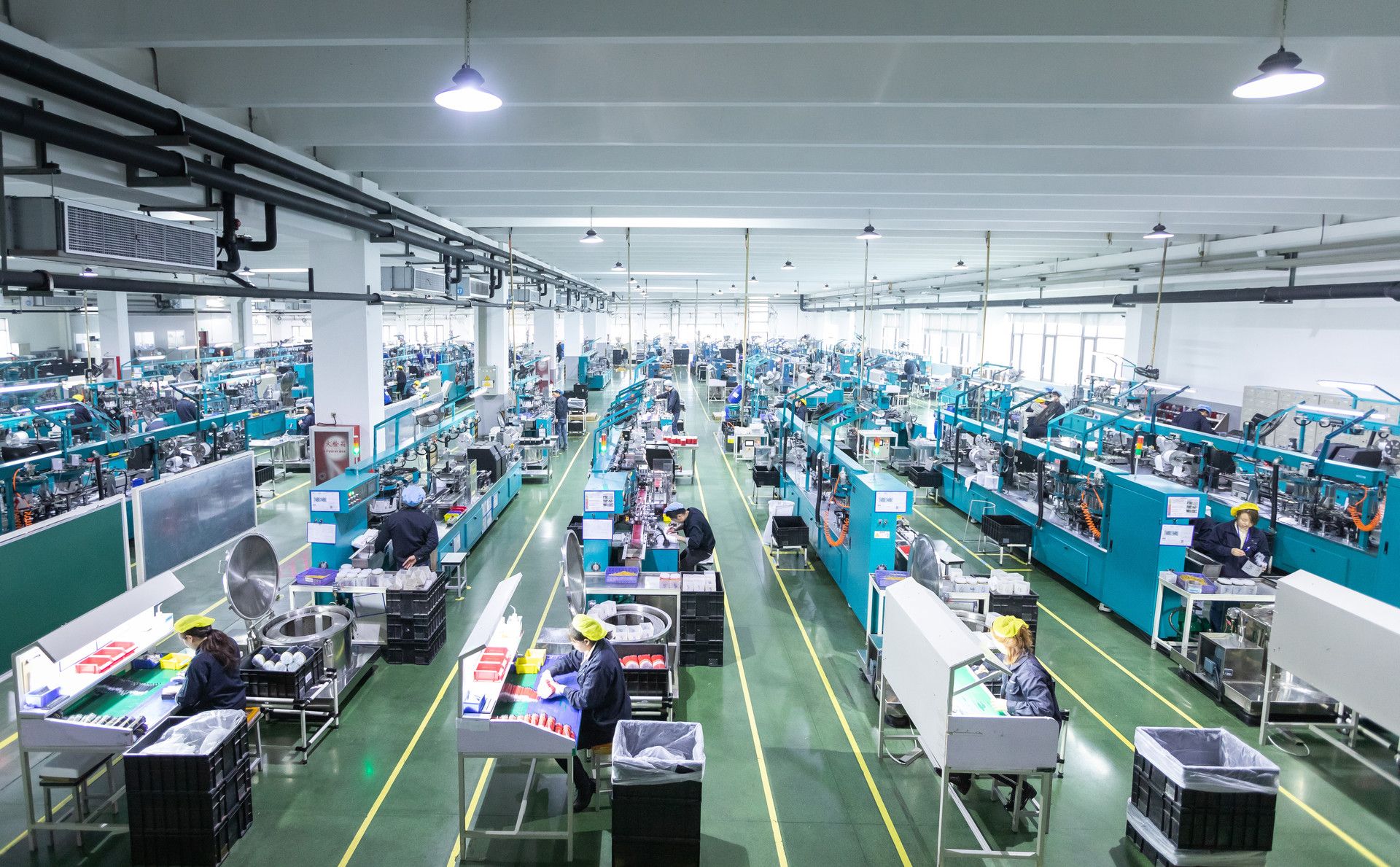
Smart Manufacturing
The medical industry uses RFID technology to make drug tracking more accurate
RFID technology helps beverage production and build an efficient supply chain
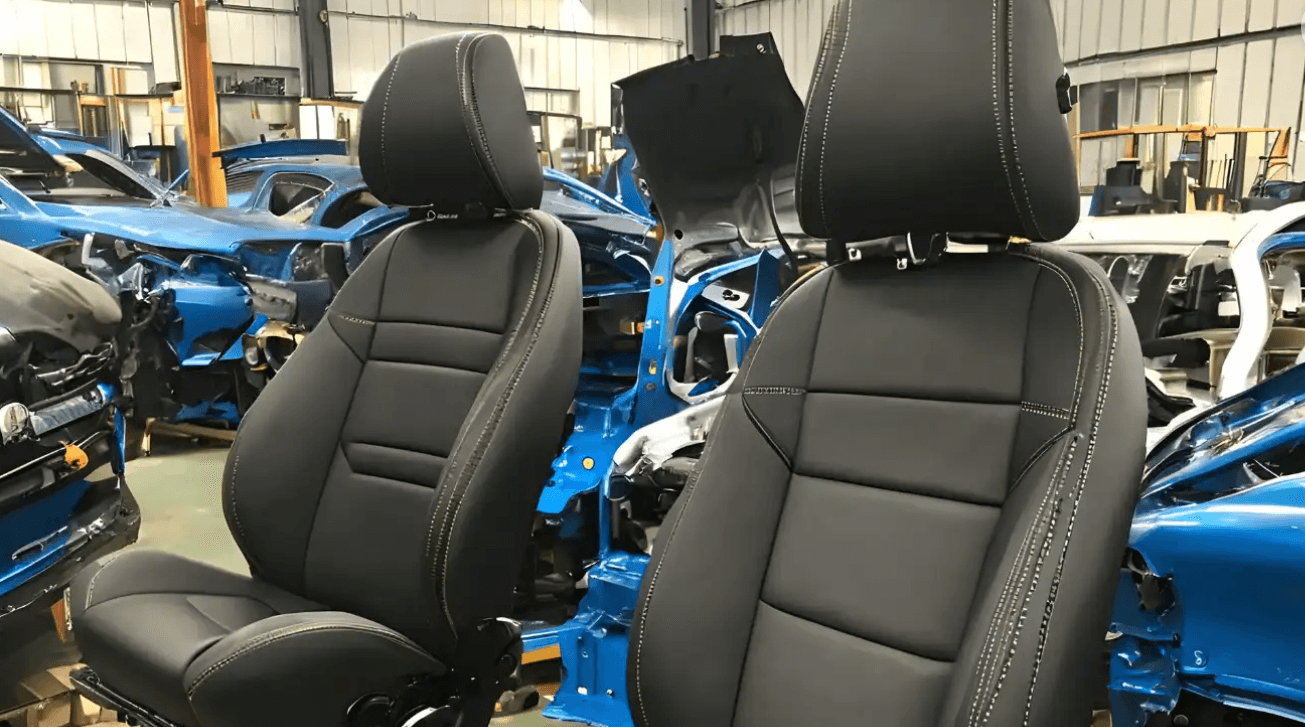
RFID technology helps car seat production lines: intelligent management improves efficiency and quality
RFID technology in the production of electronic appliances monitoring and tracing application
Use RFID technology to improve appliance management efficiency and security
RFID technology helps precise installation of headrests
So, at the Canton Fair 2026, one of the key highlights is definitely going to be the spotlight on tech innovations, especially the RFID Reader And Writer. Honestly, this tech is a game changer—it makes inventory management way more efficient and helps smooth out supply chains. I recently read a report by Technavio, and guess what? The global RFID market is expected to grow over 15% each year, which clearly shows how much demand there is for these devices.
Industry experts are all in agreement about how important these tools are. John Smith, who’s a big name at Rfid Solutions, mentioned, “RFID Reader And Writer technologies are really transforming how businesses keep track of inventory.” That basically means these systems are shaking things up big time, especially in manufacturing and logistics.
And with new stuff like AI-powered navigation showing up at this year's fair, things look pretty promising. companies could really streamline their operations. But, of course, it’s not all smooth sailing. Lots of companies still struggle with integrating these new systems into their old setups. Not everyone’s ready or able to make the most of this technology just yet. So, tackling these hurdles will be super important if we want to get the full benefits of RFID in the future trade scene.
RFID technology has transformed modern industries significantly. It stands for Radio-Frequency Identification. This system uses electromagnetic fields to automatically identify and track tags attached to objects. Each RFID tag contains a unique identifier. Scanning these tags in real-time can streamline operations. It saves time and enhances accuracy in inventory management.
In industries like retail, RFID improves the supply chain. Retailers can track items through various stages. This reduces losses and enhances the shopping experience. However, the implementation of RFID can be challenging. Costs may be high for small businesses. Ensuring compatibility with existing systems requires careful planning. These hurdles highlight the need for a strategic approach.
Moreover, RFID technology isn't just about tracking. It addresses issues like counterfeit products. By providing verifiable product information, RFID builds trust. However, privacy concerns arise. Data protection becomes crucial. Balancing efficiency and safety is a continuous challenge for businesses. As RFID evolves, industries must adapt to utilize its full potential.
RFID technology is revolutionizing various industries. At the Canton Fair 2026, RFID readers and writers will showcase their significant roles. These devices are categorized into different types based on their frequency: low-frequency (LF), high-frequency (HF), and ultra-high-frequency (UHF). Each type has unique applications ranging from inventory management to access control.
The Rfid Tag Reader And Writer allow swift data transfer. They automate inventory processes and improve accuracy. According to a report by MarketsandMarkets, the RFID market is projected to grow to $30 billion by 2026. This growth is driven by the technology's versatility in logistics, retail, and manufacturing sectors.
Tips: Consider the distance requirements when choosing RFID types. UHF tags can read over 30 feet, while LF tags are limited to a few inches. Integration with existing systems can be challenging. Investing in training for staff is essential to maximize efficiency. As industries adopt RFID, companies must evaluate their specific needs to avoid costly mistakes.
| Type of Rfid Device | Function | Application | Frequency Range | Read Range | Speed |
|---|---|---|---|---|---|
| Handheld RFID Reader | Portable scanning of RFID tags | Inventory management | Low Frequency (125-134 kHz) | Up to 1 meter | Up to 100 tags/sec |
| Fixed RFID Reader | Stationary scanning and monitoring | Asset tracking | High Frequency (13.56 MHz) | Up to 3 meters | Up to 200 tags/sec |
| RFID Writer | Programming RFID tags | Tag personalization | Ultra High Frequency (860-960 MHz) | Up to 10 meters | Up to 500 tags/sec |
| Mobile RFID Reader | RFID scanning through mobile devices | Retail management | Low Frequency (125-134 kHz) | Up to 1.5 meters | Up to 50 tags/sec |
| Integrated RFID System | Complete solution with readers, writers, and software | Comprehensive inventory systems | Ultra High Frequency (860-960 MHz) | Up to 15 meters | Up to 1000 tags/sec |
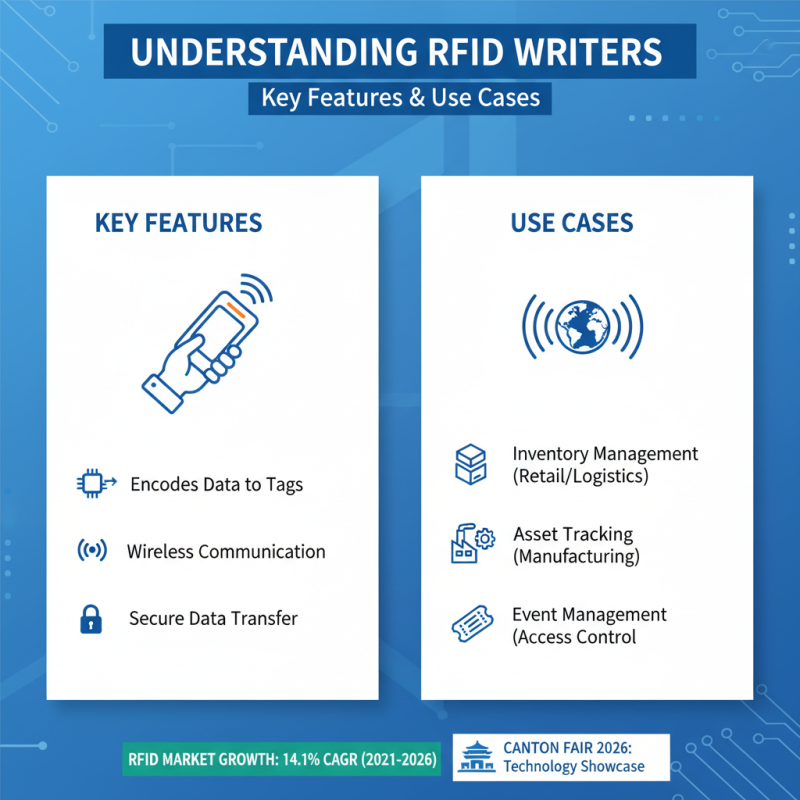
RFID writers are essential tools in many industries. They allow users to encode information onto RFID tags. These tags can then be read by RFID readers, making data transfer seamless. The RFID market is booming, projected to grow at a CAGR of 14.1% from 2021 to 2026, driven by industries seeking efficiency. In events like the Canton Fair 2026, the spotlight will be on this technology.
Understanding the key features of RFID writers is crucial. They often include user-friendly interfaces and support various data formats. However, many users struggle with setup and integration. Studies show that up to 30% of users report issues during installation. The adaptability of RFID writers in sectors such as logistics and retail showcases their versatility. A report by IDTechEx highlights how inventory management using RFID can reduce errors by 50%.
Use cases are vast. In retail, RFID writers help manage stock levels efficiently. In logistics, they streamline the tracking process. Yet, challenges remain, especially in adapting existing systems. As China Rfid Reader And Writer technology continues to evolve, businesses must invest time in training. Ignoring this can lead to poor implementation and wasted resources. Understanding these dynamics is vital for success at the Canton Fair and beyond.
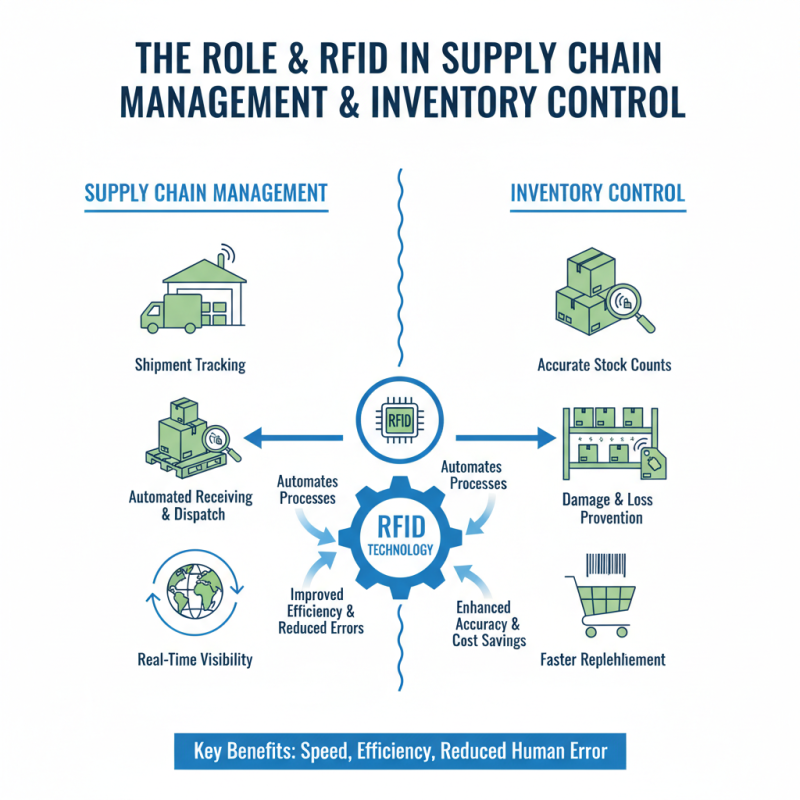
RFID technology plays a crucial role in supply chain management and inventory control. It automates processes and enhances accuracy. RFID readers and writers scan items and update records quickly. This speed reduces human error and increases efficiency.
Understanding the data flow is vital. When an RFID tag passes through a reader, the system logs the movement. This real-time visibility can prevent overstocking or stockouts. Companies gain insights into what products are available. Yet, it is essential to remind ourselves that not all systems work perfectly. Technical glitches can occur.
**Tip:** Regularly test your RFID system to ensure accuracy. This practice can help identify issues before they become major problems.
Inventory audits can still be challenging, even with RFID. Mistakes can happen during implementation or data entry. Pay attention to training staff on how to use the technology. Proper training can mitigate errors and improve results dramatically.
**Tip:** Encourage staff to share feedback after using RFID. Their insights may reveal areas needing improvement.
The RFID technology landscape is changing rapidly. Market trends indicate a significant growth trajectory for RFID by 2026. Increased demand for efficiency in sectors like retail and logistics fuels this expansion. RFID readers and writers will play vital roles in inventory management and tracking systems.
Industry analysts predict a compound annual growth rate (CAGR) of about 20%. This growth reflects rising awareness of RFID benefits. Many companies are integrating these solutions for better asset visibility. However, challenges remain. Implementation costs and technology integration can hinder adoption. Organizations must weigh potential savings against initial investments.
As the Canton Fair 2026 approaches, we see heightened interest in RFID displays. Exhibitors showcase innovative applications, drawing attention from various industries. However, it's essential to reflect on the scalability of such solutions. Not all businesses may leverage RFID effectively. Transitioning to this technology requires planning and expertise.
RFID technology is taking the spotlight at trade fairs, especially at the Canton Fair 2026. Many exhibitors are exploring the use of RFID readers and writers. These devices enable the automatic identification of products, improving efficiency significantly. Case studies show various successful implementations.
One notable example involved a fashion brand that used RFID to track inventory. They attached RFID tags to each garment. With RFID readers, they could scan multiple items at once. This streamlined their inventory process and reduced human error. Another exhibition utilized RFID for visitor management. Attendees received RFID badges, enabling quick check-ins. However, they encountered challenges with signal interference in crowded areas.
Tips for success include ensuring proper training for staff on using the RFID systems. Regular maintenance checks of RFID readers and writers are crucial. Also, consider the layout of your booth. A well-organized space improves scanning efficiency. Feedback from attendees is valuable; it helps in refining the process. Remember, exploring OEM Rfid Reader And Writer options can offer tailored solutions. Engage with users to find what's working and what isn’t.
The 2026 Canton Fair spotlights RFID technology, promising innovations that could revolutionize industries. Emerging RFID technologies enhance data tracking and inventory management. These advancements make it easier for businesses to optimize operations. Wholesale Rfid Reader And Writer devices are pivotal in this evolution. They facilitate seamless communication between devices and systems.
Despite these promising innovations, challenges remain. Compatibility issues may arise between different RFID systems. Not all organizations are ready to implement these technologies. Training and adaptation can slow down their adoption.
There is also the question of privacy. As data collection increases, consumer concern grows. Balancing innovation with ethics is crucial. The impact of emerging RFID technologies requires careful consideration, both for businesses and consumers. Potential benefits must not overshadow the need for responsible usage.
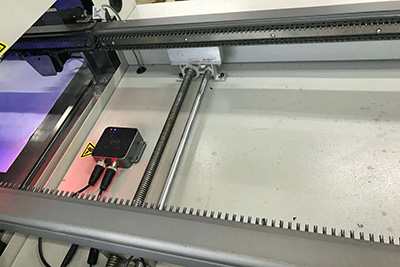
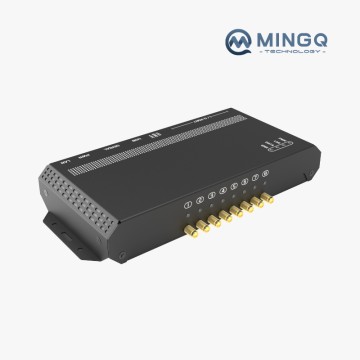
The evaluation of productivity on assembly lines reveals the significant role that advanced technology plays in optimizing operations. The rotary HF RFID tag reader, known for its efficient design, exemplifies the integral equipment that can be utilized in these environments. This device not only facilitates the swift identification and tracking of components but also aligns seamlessly with existing workflows. By implementing such innovative solutions, manufacturers can enhance their operational efficiency, thereby reducing downtime and improving overall output.
Designed with user-friendliness in mind, the rotary HF reader supports Modbus-RTU communication and ensures easy installation. Whether integrated into an assembly line or mounted on a surface, the deployment process is straightforward and hassle-free. This ease of setup encourages quick adaptation to evolving production needs, allowing businesses to customize solutions tailored to their specific requirements. With a commitment to delivering high-quality, cost-effective products, the focus remains on bolstering productivity effectively, empowering teams to focus on value-added tasks rather than on cumbersome technical challenges.
: RFID automates processes and improves accuracy. It quickly scans items and updates records.
RFID provides real-time tracking of inventory. This helps prevent overstocking and stockouts.
Technical glitches may arise. Not all systems operate perfectly, which requires careful monitoring.
Regularly test the RFID system. This helps identify and resolve issues before they escalate.
Mistakes can happen in implementation or data entry. Proper staff training is vital to minimize errors.
Encourage feedback from staff after RFID use. Their insights can highlight areas needing enhancement.
Consider signal interference in crowded areas. A well-organized layout of your space enhances scanning efficiency.
They tagged each garment with RFID and could scan multiple items simultaneously, boosting inventory accuracy.
Regular maintenance checks are essential to ensure the RFID readers and writers function effectively.
Feedback helps refine RFID usage and improve the overall experience for attendees.
The article "What is an RFID Reader and Writer at Canton Fair 2026?" explores the significance of RFID technology in modern industries and outlines key components such as RFID readers and writers. RFID technology utilizes electromagnetic fields to automatically identify and track tags attached to objects, enhancing operational efficiency and accuracy in various sectors. The article categorizes RFID readers by their types and functions, highlighting their critical applications in inventory control and supply chain management.
Moreover, it delves into the features and use cases of RFID writers, emphasizing how these devices complement readers in managing data. The growth projections for RFID technology through 2026 are discussed, alongside case studies demonstrating successful RFID implementation at trade fairs. Finally, the article anticipates future innovations in RFID technologies and their potential impact on various industries, making it clear that RFID readers and writers are pivotal in shaping the future of efficient data management and logistics.