Leave Your Message
0%

You know, in today’s fast-changing global supply chain world, managing inventory efficiently is absolutely crucial for businesses that want to keep their edge. One really interesting solution that’s getting a lot of buzz is the RFID Inventory Management System. This cool tech uses radio frequency identification to track and manage inventory in real-time—super handy, right? Companies like MingQ Technology Limited are leading the charge when it comes to offering innovative IoT software and hardware products, and they’re really making a difference by implementing these advanced systems to boost operational efficiency. They concentrate on stuff like information communication, artificial intelligence, and industrial IoT, which puts them in a great spot to provide tailored Rfid Solutions. These solutions don’t just make things run smoother; they play a big role in optimizing the whole supply chain. In this blog, we’ll dive into some of the innovative options out there for RFID inventory management systems, and how they could totally impact global supply chains. We’ll also chat about how companies can harness these technologies to really nail operational excellence.

Exploring Innovative Choices for Rfid Inventory Management Systems in Global Supply Chain Optimization

Understanding the Basics of RFID Technology and Its Role in Inventory Management

You know, RFID technology is really shaking things up when it comes to managing inventory in the global supply chain. It's seriously changing the game with some pretty innovative ways to keep track of assets. For instance, when parcels have those nifty RFID Tags on them, it makes identifying and keeping an eye on them during shipping super quick and easy. Recent news has pointed out how these RFID readers can provide real-time tracking, which just amps up the intelligence of logistics operations. Not only does this streamline the workflow, but it cuts down on the mistakes that happen when people are trying to track things manually, making inventory management way more accurate and efficient.

And it’s not just one industry getting in on the action! Companies like SML Group are leading the charge by mixing semiconductor tech right into clothing tags. These little RFID tags are just so crucial for keeping tabs on inventory levels and ensuring that products are traceable all the way through the supply chain. Since so many businesses are looking for smarter, more dependable inventory systems, it’s definitely becoming a must to understand RFID technology if you want to optimize your supply chain. Given the chance for better efficiency and lower costs, it’s no wonder companies are jumping on the RFID bandwagon to gain that competitive edge.

RFID Inventory Management Impact on Supply Chain Efficiency

This bar chart illustrates the impact of RFID technology on various aspects of inventory management within a global supply chain. The data highlights improvements in efficiency, accuracy, and cost savings attributed to the implementation of RFID systems.

Evaluating the Benefits of RFID in Global Supply Chain Optimization

You know, bringing Radio Frequency Identification (RFID) technology into global supply chain management has really changed the game. It’s made a huge difference in how companies operate, boosting their efficiency in a big way. With RFID, businesses can actually see inventory levels in real-time, which means they can track products every step of the way—from when they're made to when they hit the shelves. This real-time info helps them avoid those dreaded stockouts or overstock issues and keeps inventory moving smoothly. It’s all about improving cash flow while cutting down those holding costs, which is pretty crucial these days.

And get this, RFID also ramps up the accuracy when it comes to fulfilling orders. Since it automates scanning items, it pretty much wipes out mistakes in inventory counts, leading to fewer errors and happier customers. Plus, when you implement RFID, you're streamlining logistics operations too. You get really precise info about where items are, which helps teams make quicker decisions. As global supply chains keep changing, using this cutting-edge tech for managing inventory is becoming more and more vital for businesses that want to stay ahead in today’s fast-paced market.

Exploring Innovative Choices for RFID Inventory Management Systems in Global Supply Chain Optimization

Dimension Description Benefits Challenges
Real-time Tracking Utilizing RFID tags for real-time visibility of inventory Improved inventory accuracy and reduced stockouts Initial investment costs and technology integration
Automated Data Capture Automatic logging of inventory data using RFID scanners Enhanced efficiency and reduced labor costs Need for staff training and system upkeep
Data Analytics Analyzing inventory data to forecast demand Improved decision-making and demand planning Complexity in data interpretation and analytics tools
Supply Chain Visibility Viewer access to real-time inventory across the supply chain Increased transparency and collaboration among partners Data sharing concerns and privacy regulations

Innovative RFID Solutions: Use Cases from Different Industries

You know, Radio Frequency Identification, or RFID for short, is really changing the game when it comes to managing inventory in all sorts of industries. It's turning out to be an amazing tool for optimizing supply chains. A recent study by IDTechEx found that the global RFID market hit an impressive $13.2 billion in 2022, and it's expected to grow at a pretty solid annual rate of 14.7% through 2027. So, what's behind this growth? Well, it seems like there’s a ton of different applications, from retail and healthcare right through to manufacturing and logistics.

Take the retail sector, for example. Big players like Walmart are using RFID systems to keep track of their inventory in real-time. This has led to about a 30% decrease in those frustrating out-of-stock situations. Plus, the accuracy of inventory counts has really shot up; some reports even say that better visibility can boost sales by as much as 16%! Over in the healthcare world, RFID is being used to track everything from surgical instruments to medications, which helps cut down on mistakes and makes things safer for patients. There was even a case study from the RFID Journal that pointed out how hospitals using RFID could lower their inventory costs by 25% and cut the rates of surgical site infections by 50%.

And it's not just retail and healthcare; manufacturers are getting in on the action too! By hooking RFID up with their existing enterprise resource planning (ERP) systems, they can get real-time insights into their production processes. Research from McKinsey shows that by diving into these innovative RFID solutions, manufacturers can ramp up supply chain efficiency by around 15%, leading to big cost savings and faster delivery times. These examples really highlight how RFID technology is making a massive difference in inventory management and supply chain optimization across various industries.

Exploring Innovative Choices for Rfid Inventory Management Systems in Global Supply Chain Optimization

Challenges and Considerations in Implementing RFID Inventory Systems

So, diving into RFID inventory management systems comes with its own set of challenges that businesses really need to figure out if they want to make their supply chains work better. A recent study showed that going digital—especially with tech like RFID—can totally boost how accurate your inventory is, which can save some cash and make things run smoother. But let’s be real; companies hit some bumps along the way, like making sure everything fits well with their current systems, training up the staff, and dealing with the whole mess of data management. It’s not just a plug-and-play thing; they’ve got to have a solid game plan to keep everything compatible and effective, especially when rolling it out in different locations.

Plus, you've probably noticed that RFID is popping up in various industries lately. For instance, hospitals using RFID to keep tabs on valuable stuff like medications have seen some serious perks. One children's hospital even shared how they saved a ton of time tracking meds, which is a great example of how these systems can really shake things up for the better. And it's not just about inventory; throwing RFID into the mix for workforce management can boost productivity too. It helps keep track of where employees are at and manage attendance all, like, in real-time. But as companies look to embrace these fancy new tools, it's crucial for them to take a step back and really think about what they need operationally and whether they're ready to jump on this tech train.

Exploring Innovative Choices for Rfid Inventory Management Systems in Global Supply Chain Optimization

Future Trends in RFID Technology for Supply Chain Efficiency

You know, the future of RFID technology is really looking bright and could make a huge difference in how we manage supply chains. These days, businesses are under a lot of pressure to tighten up their operations and cut costs, and that's where RFID (Radio Frequency Identification) comes in as a game changer. A recent study by Gartner suggests that we could see RFID adoption in supply chain management jump by over 25% in just the next five years, thanks to some pretty neat advancements in both hardware and software. This trend doesn't just mean better inventory accuracy—it also allows for tracking assets in real-time throughout the supply chain, which is pretty cool if you think about it!

On top of that, the way RFID is being integrated with Internet of Things (IoT) tech is really paving the way for a whole new level of data analytics and automation. According to a report from IDTechEx, global spending on IoT-enabled RFID systems might hit around $12 billion by 2026. This combination helps businesses gather tons of data on things like inventory levels and movement patterns, leading to smarter decision-making and cutting down on lead times. As supply chains get more interconnected, having efficient tracking and management systems is absolutely essential. That’s why RFID is becoming a key player for companies that want to stay ahead of the game in today’s global market.

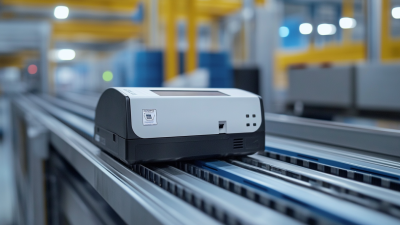
Maximizing Efficiency with the RFID Transmission Line Simple Identification Tunnel Machine (TD-T3050)

Maximizing Efficiency with the RFID Transmission Line Simple Identification Tunnel Machine (TD-T3050)

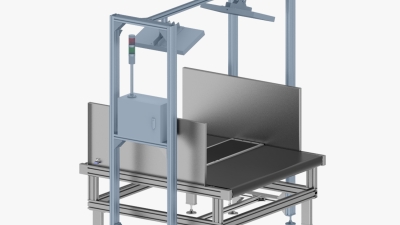
In today's fast-paced business environment, the demand for efficient asset tracking and inventory management solutions has never been greater. The RFID transmission line simple identification tunnel machine, equipped with a high-performance and high-sensitivity RFID code reader, delivers exceptional high-speed identification capabilities. According to a report by the RFID Journal, companies that implement RFID technologies can see a 30% increase in inventory accuracy, significantly reducing costly errors that often arise from manual tracking methods.

The TD-T3050 is designed to streamline operations seamlessly, allowing businesses to integrate RFID technology into their existing workflows. This integration not only enhances efficiency but also facilitates real-time data collection, which is critical for making informed decisions in supply chain management. With OEM and ODM services, businesses have the opportunity to customize solutions that cater to their specific needs, ensuring a scalable and reliable implementation that can evolve as their operations grow.

Moreover, the importance of embracing innovative hardware solutions cannot be overstated. According to a study by the MIT Center for Transportation & Logistics, companies using RFID have reported up to a 50% reduction in labor costs associated with inventory counting. The TD-T3050 not only helps in reducing operational costs but also positions businesses at the forefront of the digital transformation journey, creating a robust infrastructure for the future.

FAQS

: What is RFID technology and how is it used in inventory management?

: RFID (Radio Frequency Identification) technology involves using tags attached to items that allow for automatic tracking and identification of those items throughout the supply chain, thus improving inventory accuracy and efficiency.

How does RFID enhance operational efficiency in supply chain management?

RFID provides real-time visibility into inventory levels, minimizes risks of stockouts or overstock, and optimizes inventory turnover rates, contributing to improved cash flow and reduced holding costs.

Can RFID technology reduce human error in inventory management?

Yes, RFID automates the scanning of items, thereby virtually eliminating discrepancies in inventory counts and enhancing order fulfillment accuracy, which in turn boosts customer satisfaction.

What are some specific benefits of RFID for retail businesses?

In retail, RFID helps reduce out-of-stock items by around 30% and can enhance sales by up to 16% due to improved inventory visibility and accuracy.

How is RFID applied in the healthcare industry?

RFID is used to track surgical instruments and medications, significantly reducing errors and improving patient safety, with reports of up to a 25% reduction in inventory costs.

What are the projected growth trends for the global RFID market?

The global RFID market, valued at approximately $13.2 billion in 2022, is projected to grow at a compound annual growth rate (CAGR) of 14.7% through 2027.

How can manufacturers benefit from implementing RFID technology?

Manufacturers can gain real-time visibility into production processes and improve supply chain efficiency by up to 15% through the integration of RFID with existing ERP systems, leading to significant cost savings and faster delivery times.

What industries are adopting RFID technology?

RFID technology is gaining traction in various industries, including retail, healthcare, manufacturing, and logistics, due to its versatile applications in optimizing supply chains.

Ethan

Ethan

Ethan is a dedicated marketing professional at Shenzhen Jinruiming Technology Co., Ltd., where he plays a pivotal role in shaping the company's online presence. With a deep understanding of the company's cutting-edge products, Ethan frequently updates the professional blog on the company website, sh......
Previous Exploring the Key Specifications of Advanced Rfid Writer Technology