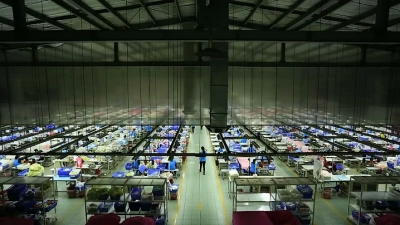
The modern-day global marketplace starts with fast-paced evolution, wherein businesses are engaged continuously in the supply chain domain to discover novel remedies. One of the foremost is undoubtedly RFID technology, especially advanced Rfid Reader Writer solutions. A recent report published by Research and Markets predicted the global RFID market to reach an astonishing USD 9.5 billion by 2025, driven by the growing need for enhanced tracking, inventory management, and operational efficiency in varied industries. As soon as companies started to see the potential of RFID, the demand for reliable and sophisticated RFID reader writer devices skyrocketed.
MingQ Technology Limited is a pioneer in this technology revolution, providing state-of-the-art IoT software and hardware products to help businesses convert their supply chains. With a firm grip on the Information Communication arena, Artificial Intelligence, and IoT, we provide customized solutions that suit the diverse needs of our clients. Thus, with the help of RFID reader writer technology, the industries will now gain enhanced visibility and accuracy over their supply chain processes, leading to increased productivity and profits. To keep up with the changes in the industry, organizations will have to keep their curtains open and embrace this fast-paced change so that they can remain competitive and resilient in an ever-interconnected world.
Impact of RFID Technology on Supply Chain Efficiency: Key Statistics
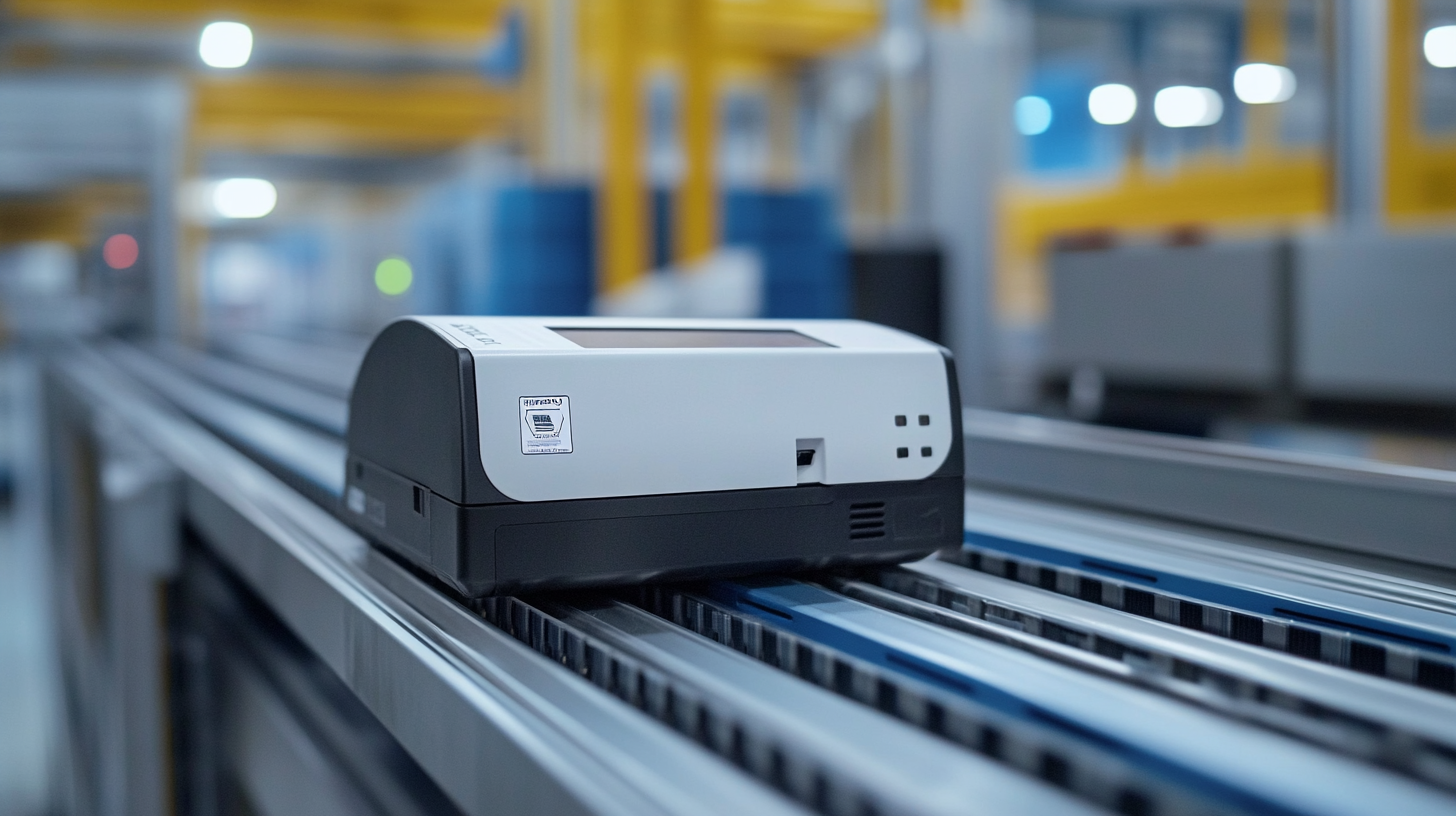
RFID technology is impacting the supply chain processes across multiple industries with the promise of achieving efficiency. As Gartner recently reported, RFID application has hugely boosted inventory accuracy, going as high as 99% in some firms. This precision directly corresponds to stock discrepancies being lowered, ensuring that fewer lost sales are reported and thus enhancing customer satisfaction. The RFID Journal states that RFID users can cut shrinkage by up to 50%. This reduction in loss improves the bottom line and allows for better resource allocation decisions and profits. Reduced labor costs are another benefit, which companies will often cite ranging upwards of 30% in labor time savings by streamlining their operations and automatic tracking processes. The short time spent on inventory management directly translates into faster response times throughout the supply chain. In a survey by Zebra Technologies, 73% of supply chain executives believed that RFID techniques helped them with tracking and inventory management. This will help in better visibility, which enables companies to quickly react to changing market demands and modify logistics on the fly. With time, as RFID keeps evolving, its efficiency-driving role in the supply chain will continue to strengthen.
Understanding RFID Reader Writer Solutions: Types and Functions
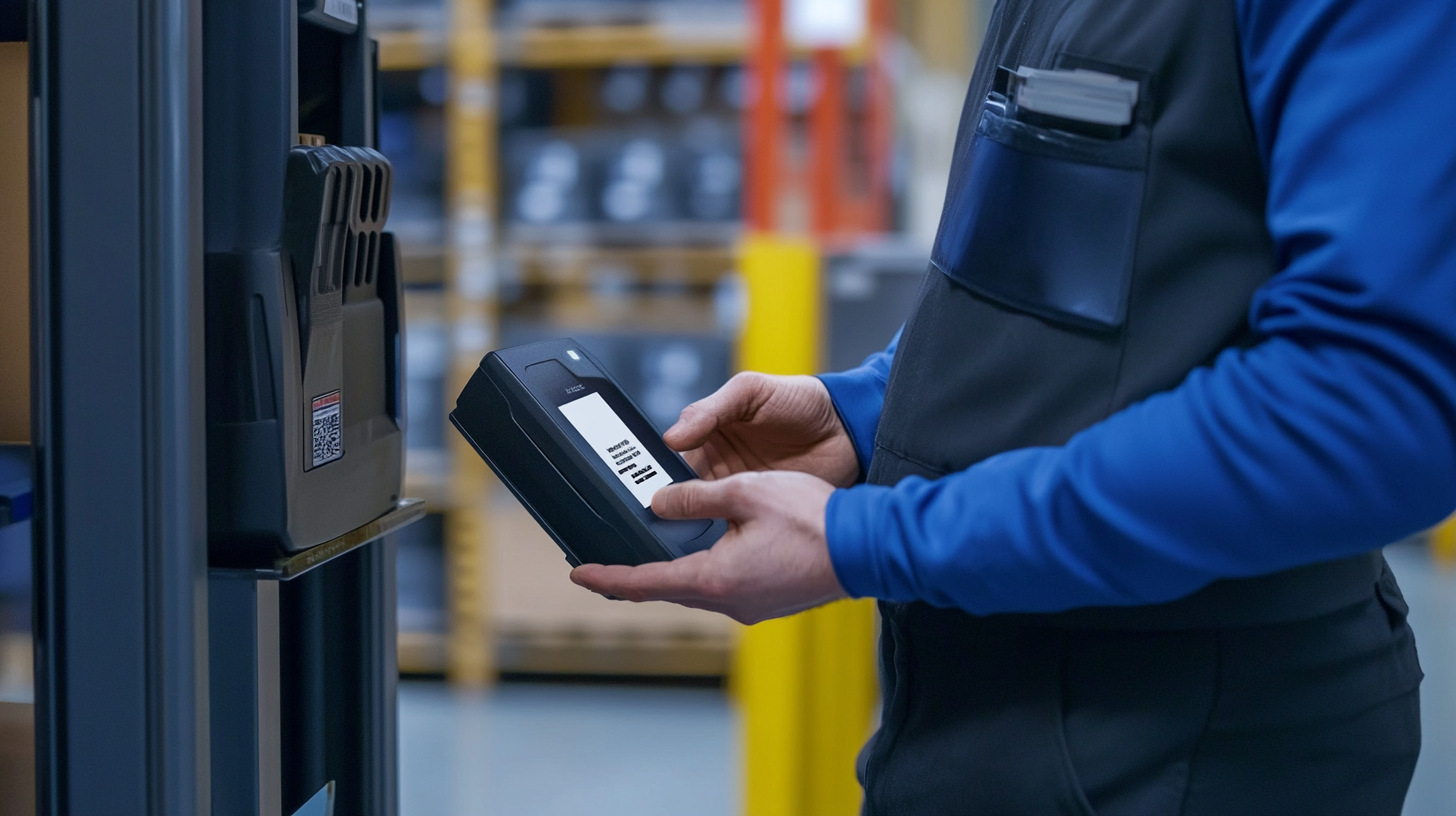
RFID technology is the heart of modern supply chain management, offering novel reader-writer solutions to enhance inventory accuracy and tracking efficiency. Different types and functions of RFID reader-writer systems should be well understood by any business intending to change its operations. Generally speaking, RFID systems consist of three components: tags, readers, and writers. Tags are attached to the products and contain the unique identification information, whereas readers scan the tags and retrieve data from them. Writers extend that function by allowing tags to be updated with new data, enabling new dynamic information to be written onto products.
There are different kinds of RFID readers and writers, namely handheld, fixed, and mobile, each designed to meet different operational requirements. Handheld readers are intended for small or localized inventories and allow for portability and immediate data retrieval. Fixed readers are usually installed at critical points in the supply chain so that they can continuously scan tags attached to moving objects. Mobile Rfid solutions allow for data collection in the field as employees can then manage inventory without being tied to a work station. This empowers the businesses to refine their logistics processes, reduce operational costs, and enhance overall productivity.
Furthermore, the influence of RFID technology does not end with tracking, as it also enhances analytics. Businesses can leverage precise and real-time data collection to analyze supply chain trends, optimize their inventory levels, and shift rapidly in response to changing consumer demand. As business institutions continue to widen the scope of RFID innovations, taking on advanced reader-writer solutions will become imperative to support the creation of resilient and responsive supply chains in a turf becoming ever more competitive.
Cost-Benefit Analysis: ROI of Implementing RFID in Supply Chain
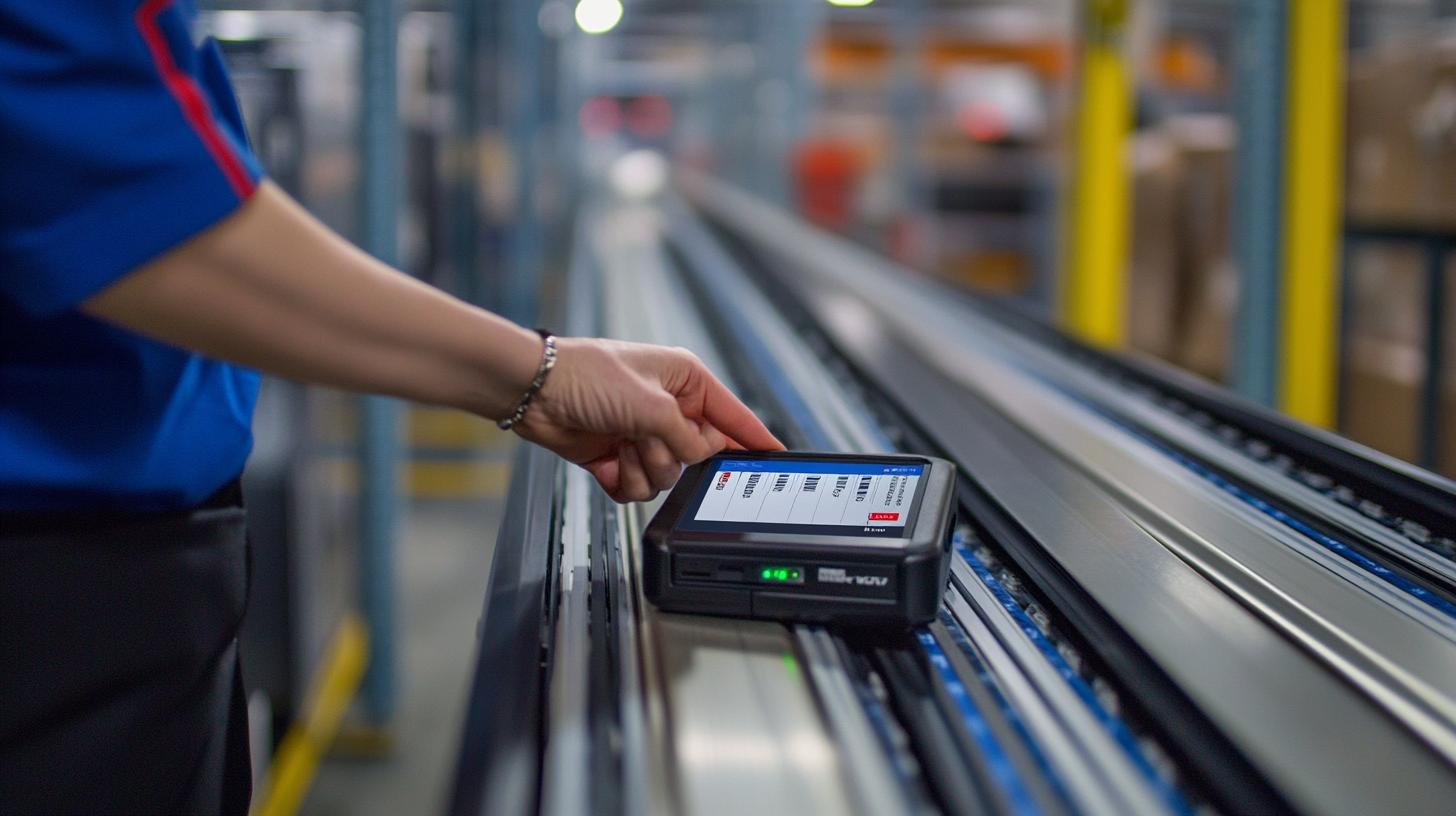
Supplying chains of implementing RFID do look like a great paradox or mystery at first for many, but cost-benefit analysis does show that it is worthwhile after all. While companies will take a hit for RFID tags, readers, and integration into systems, they will enjoy much more improved returns on investment in the long term. RFID systems were more likely the only answer to increased visibility in the supply chains associated with minimizing errors and costly stockouts, making them ready for inventory management.
This includes the use of RFID technology to rejuvenate operational efficiency within companies. In practical terms, an automated inventory tracking will record the loss of labor costs in manual counting and data entry. Even worse, it is possible to write-down the shrinkage when real-time accurate proper evidence in the state is put in line towards loss prevention. In the end, these prove to be justified capital expenses since they result in more significant revenue.
Nonetheless, the ROI of RFID is not only limited to money-saving, but also involves having satisfied customers. With an improvement in tracking and faster delivery of orders, businesses may have a better response time to customer demand. This capacity in the supply chain will improve customer loyalty, flexibility, and maneuver domination to leverage changing market conditions. In the final analysis, supply chain tactics derived from adopting RFID systems could take businesses ahead of others in the competitive fray.
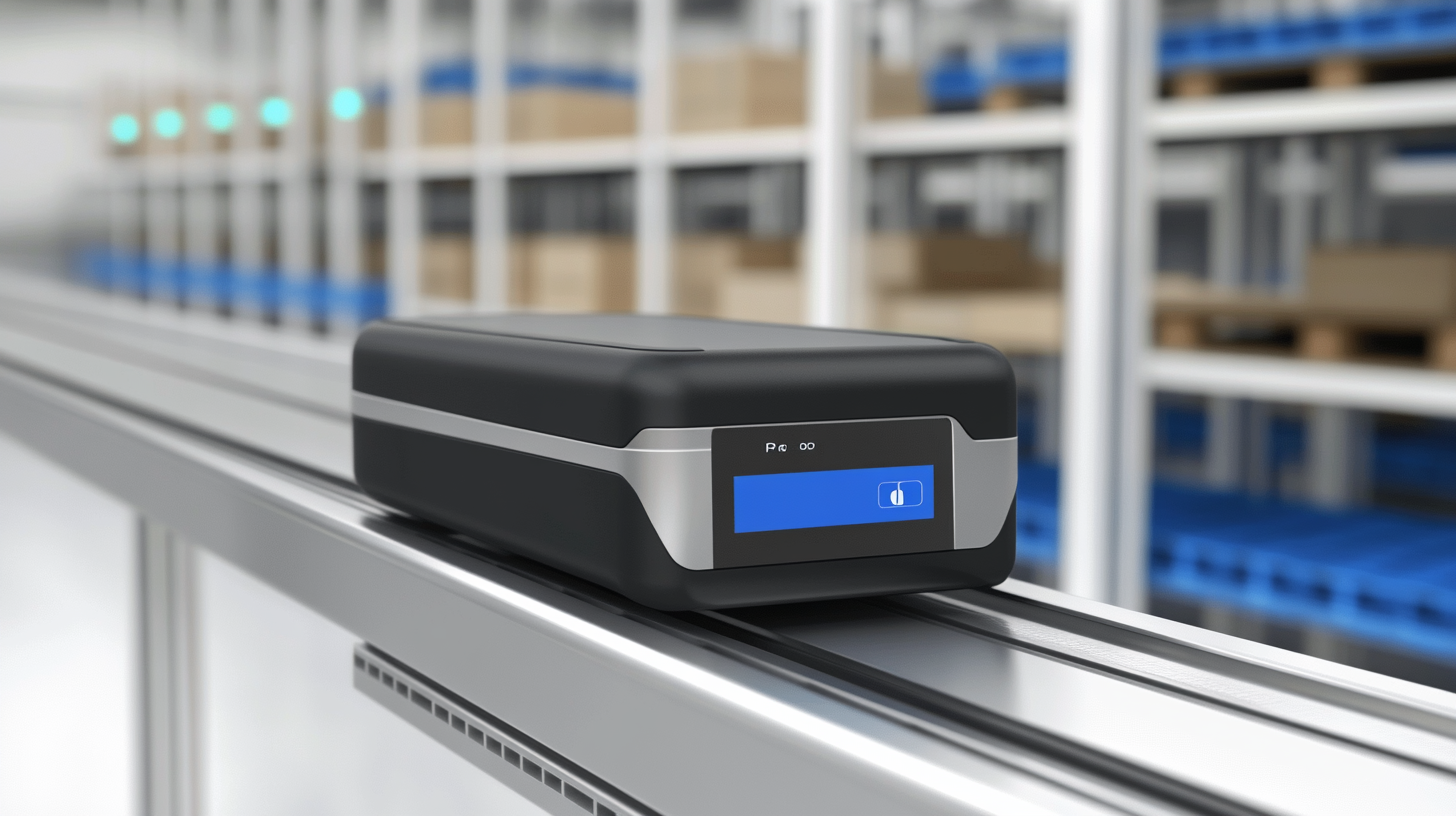
Real-World Case Studies: Successful RFID Adoption in Retail and Logistics
In the fast-evolving cosmos of retail and logistics, adoption of RFID has indeed changed the game, through efficiency and an improved consumer experience. Practical cases highlight the impact of RFID solutions in inventory management and personalized shopping. For instance, research from the suffocated RFID Journal has shown that RFID increased inventory accuracy by 99 %, helping to minimize out-of-stock situations and allowing the retailer to be more responsive to market demand.
One such instance is that a well-known retailing chain with the incorporation of RFID tags into the inventory system had a profound effect. Besides greatly enhancing the supply chain, it added value to consumer shopping by enabling fast and precise -and therefore remained error-less check-out. Furthermore, the RFID method contributes to sustainability, with the latest eco-friendly PureLine tags as another innovation. At 44% lesser weight than regular plastic tags, these biodegradable solutions thus reduce raw materials and help in decreasing waste creation.
What is more, increased market volatility means more attention to the strategic role of RFID by many supply chain houses. For instance, though Tongcheng Health saw a fall of net profit by nearly 60%, the company's leader is often quoted promising to keep expanding the use of RFID technologies to enhance business resilience. Right now, with the technology stepping in to nurture RFID applications, the industry is busy with acquisitions and partnerships, as seen by the Yingnei-Tageos collaboration to maximally exploit RFID potentials and think up fresh, workable solutions suited to the ecological supply chains of the present time.
Challenges in Integrating RFID Solutions: Data Accuracy and Security Concerns
The integration of RFID (Radio Frequency Identification) solutions in supply chain operations provides significant opportunities and challenges, particularly regarding data accuracy and security. This scenario is a challenge as organizations, including leading Chinese securities firms, embark upon the digital transformation and are ill-prepared to track information and manage physical assets in hand. The growing asset volume, diverse equipment types, and dispersed locations present major complications when it comes to the swift identification and assessment of inventory in real-time. These challenges underscore the significance of robust RFID systems - the systems should not only ensure data accuracy but also provide security throughout the process.
Advancements in RFID technology have only broadened the horizon of the potential gains in terms of operational efficiency. The defense systems are using RFID tags to boost precision tracking and smart navigation in warehousing. Whereas the introduction of RFID is meant to provide real-time information collection, accurate localization, quick movement of assets, and enhance operational performance greatly, recent market reports suggest the automatic identification and data capture markets are expected to reach $54.1 billion by 2023, witnessing a compound annual growth rate [CAGR] of about 12.6% till 2032. This sudden increase is largely commensurate with the rise in demand for e-commerce and retail process simplification.
The tough environments in which RFID solutions are applied have demonstrated their ability to be robust and flexible to manage supply chain and inventory systems across different sectors. Organizations may have to think about data accuracy and security issues up front if they hope to have a successful integration of RFID systems-not availing themselves of data safety against potential threats-while only improving efficiency. This thinking would end up driving the next innovation surge toward RFID in managing supply chains.
Future Trends in RFID Technology: What to Expect in Supply Chain Management
The supply chain management arena is about to witness a new and unprecedented change, with the emphasis being put on this major change brought about by RFID technology. The demand for RFID reader and writer solutions places increasing pressure on industries attempting, especially right now, to maximize their efficiency, accuracy, and visibility levels. Another nice trend in this arena is the emerging UHF RFID systems with improved ranges and speeds compared to their predecessors. With the advancement of RFID, inventory management processes are fast-tracked, which in turn reduces errors and gives businesses access to real-time data that can support decision-making.
Speed and accuracy aside, the development of smart RFID tags completely changes the game when it comes to asset tracking. Smart RFID tags are capable of storing much information and have the ability to interact with IoT devices, thus enabling smooth information flow across the supply chain. These enable businesses to track environmental conditions for perishables, ensuring quality and compliance as well as providing enhanced traceability. With this forward glance that we find ourselves taking, the fusion of AI with RFID technology promises to provide even more insights, which would be in the form of predictive analytics to forecast demand and, therefore, maximize inventory levels.
The application of blockchain along with RFID technology is poised to revolutionize transparency in the supply chain. By registering every transaction securely and in an immutable ledger, all stakeholders are able to trace the movement of goods from manufacture to delivery. This encourages trust among partners while protecting against fraud and counterfeit. Supply Chain Managers ready and adopting these future trends will be well-fit to maneuver the challenges in logistics today and create a more resilient and responsive supply chain of operations.
Best Practices for Choosing the Right RFID Solutions for Your Business
Supply Chain Efficiency: Choose the Righ RFID Solution for Your Organization
The first step is to determine the requirements specific to your organization size as well as the complexity of your inventories and the extent of automation you require. That is an important consideration in deciding whether a simple RFID system will do the trick or whether a more complex solution is needed to accomplish your objectives.
Next, you would need to look into the technology used by various RFID reader and writer solutions. Different systems have different characteristics: under read ranges, data storage capabilities, and connectivity types. Look for adaptable and scalable solutions that suit your future growth. Besides that, find about the compatibility of the RFID system with existing software or other inventory management tools. Since it will ease integrations, it will cause as few disruptions as possible for maximum efficiency.
The importance of vendor backing and service shouldn't be underestimated. Selecting a supplier that can offer good customer support, training, and maintenance services can be an asset to your RFID implementation. Inquire about their track record and customer testimonials to gauge their reliability. These best practices will ensure that you choose that best RFID solutions not only for fine-tuning the supply chain but also for securing your organization from far-flung future technological shifts.
Measuring Success: Key Performance Indicators for RFID Implementation
With many organizations putting RFID (Radio Frequency Identification) to use in streamlining operations and thereby boosting productivity, measuring the success of these implementations becomes essential. According to an IDTechEx report, the RFID market is expected to reach $11.3 billion by 2026, propelled by its ability to enhance supply chain visibility. Key Performance Indicators (KPIs) are particularly important in determining the success of RFID systems; in turn, this ensures that the RFID implementations are of a positive contribution to the overall business objectives.
The foremost KPI to be considered in the implementation of RFID is inventory accuracy. Some studies have shown that traditional inventory counts can be off by as much as 30 percent. On the other hand, organizations making use of RFID technology often report accuracy levels in excess of 98 percent. Such accuracy reduces the occurrence of stockouts and overstocks and guarantees significant customer satisfaction through improved order fulfillment rates.
Another significant indicator is ROI. The 2022 RFID Trends Report states that companies adopting RFID solutions have experienced an average ROI of 300 percent in just one year after implementing their RFID systems. The many returns are primarily attributed to less labor, improved utilization of assets, and faster inventory turnover rate. Continuous monitoring of these KPIs enables businesses to reinforce their hypotheses about investment in RFID and to foster ongoing enhancement of supply chain processes.
Other than inventory and ROI, time spent on inventory audits and shrinkage reduction are KPIs that can significantly assess the efficacy of RFID systems. By emphasizing these key performance indicators, organizations can drive the transformation of their supply chains, hence ensuring efficiency and profitability in the end.
FAQS
RFID (Radio Frequency Identification) technology is essential in modern supply chain management as it enhances inventory accuracy and tracking efficiency through innovative reader-writer solutions.
An RFID system generally consists of tags, readers, and writers. Tags are attached to products and contain unique identification information, readers scan and retrieve data from these tags, and writers allow for the modification of the data stored in the tags.
There are several types of RFID readers and writers, including handheld, fixed, and mobile versions, each designed for different operational needs, such as localized inventories or continuous scanning along the supply chain.
Implementing RFID can improve inventory accuracy by up to 99%, significantly reducing out-of-stock scenarios and allowing retailers to respond quickly to consumer demands.
Yes, recent developments like biodegradable RFID tags demonstrate how RFID can pivot towards more eco-conscious methods, reducing raw material usage and minimizing waste production.
RFID technology facilitates precise and real-time data collection, enabling businesses to analyze supply chain trends, optimize inventory levels, and adapt swiftly to changing consumer demands.
RFID integration has streamlined supply chain operations and enriched the shopping experience by enabling swift and accurate checkout processes.
Some companies, like Tongcheng Health, have faced significant financial challenges yet remain committed to expanding RFID applications to enhance operational resilience.
Mobile RFID solutions allow workers to collect data on the go, enabling them to manage inventory without being tied to a specific workstation, which increases efficiency.
As RFID technology continues to evolve, there will likely be a focus on mergers and partnerships aimed at harnessing RFID's full potential in creating innovative solutions for supply chains.

 Rotary HF RFID Tag Reader GRH-I40 Suitable for Assembly Lines
 Industrial-grade High-frequency Integrated Reader GRH-I65 Suitable for Asset Tracking
 With ESD Protection HF RFID Reader GRH-I68 Suitable for Progress Tracking
 Proximity HF RFID Reader GRH-M30 Suitable for Manufacturing Workshops
 Desktop HF RFID Scanner GRH-D80-HID Suitable for Card-issuing Applications
 High Frequency Medium Distance Reader GRH-I90 Suitable for Logistics Production Line
 UHF RFID Portals and Tunnel Machine RFly-AM3000 for Access Control
 Narrow RFID Portals Series TD-P20040-SS for Single Tag Entry and Exit Identification Scenario
 RFID Transmission Line Simple Identification Tunnel Machine (TD-T3050)
 Vision and RFID Tunnel Machine TD-T7692-RV for Logistics Sorting
 RFID Transmission Line Identification Tunnel Machine TD-T10090
 RFID Mobile Inventory Tunnel Machine TD-T65150 for Conveyor Belts
 High-Performance Far-Field Antennas for Broad Coverage.
 Multi-Purpose Antennas: Flexibility for Diverse Applications
 Near-Field Antennas for Short-Distance Tag Detection.
 Portals & Tunnel Antennas for Integrated RFID Series
 Slimline PCB Antennas for Warehousing and Logistics
 Miniaturized and Thin Antennas can Provide Good Performance in a Smaller Size.
 GPS Tracker for Vehicles, Car, Kids, Assets.
 CO2 Sensors Detect CO2 Gas through Alarms, Suitable for Offices, Planting Tents.
 Door Sensor, Detect Open and Closed Doors or Windows, Sends Alerts, Triggers Siren.
 Wireless Level Sensor Equipped with a 5-Meter Detection Line, Suitable for Water Tanks
 Real Time Monitoring of Air Quality Using PM2.5/PM10 Sensors.
 Smoke Sensor, Fire Alarm Smoke Detector with Test Button and Low Battery Reminder.
 Soil Stress Sensor,Bridge and Tunnel Monitors.
 Vibration Sensor Monitors Equipment, Like Conveyors and Motors, for Operational Status.
 E -Paper Display
 Smart Water Sensor Alarms, 1.2 M Detection Line.
 CO Sensor for Basements Home Office House Bedroom Living Room Car, Light Plug and Play.
 Temperature and Humidity Sensor
 Multi-sensor GD-ME
 Temperature Sensors Monitor the Surface Temperature of Various Heating Equipment.-1
 Signal Enhancement Terminal, Long Range Coverage.
 Multi-Protocol Communication Gateway, App Remote Control.
 Edge Vision Gateway can Access Various Mainstream Cameras, Suitable for Office, Factory.
 GBS-3550 Outdoor Sensor Gateway,LoRa, 2/3/4G Communication.
 Smart WiFi Gateway, Realize Remote Control.
 Ultra-Low-Power Solar-Powered Intelligent Gateway (Outdoor)
 IP67-protected Integrated RFID Reader Writer RFly-I165 for Supply Chain
 Long-range Distance UHF RFID Reader RFly-I195 for Inventory Management
 Small UHF RFID Tag Reader RFly-I300 for Cars
 Two-channel Compact Fixed RFID Reader RFly-F210 for Warehousing
 Four Channels Fixed UHF RFID Reader RFly-R6 for Supply Chain
 8-channel UHF RFID Tag Reader RFly-R8 for File Cabinet Identification
 Bluetooth Portable RFID Reader and Writer GRU-HBT100 for Inventory Management
 Industrial Grade Handheld UHF RFID Reader GRU-HC520 Suitable for Logistics
 RFID Gateway Networking System
 RFID Passive Temperature Measurement System
 RFID Tags for Container Turnover Management
 RFID Tags for Equipment O&M Management
 RFID Tags for Manufacturing Management
 RFID Tags for Tool Management
 A Kits for Equipment Condition Detection
 A Kits for Office Computer Room Environment Monitoring
 A Kits for Reservoir Environmental Monitoring
 A Kits for Storage Space Environment Monitoring
 A Kits for Stress Detection of Underground Tunnel
 A Kits for Urban Environment Monitoring
 Intelligent IoT Monitoring Platform
 Integrating Multiple Functional OTG Demo Software
 HF Demo Software
 UHF Demo Software