Leave Your Message
0%

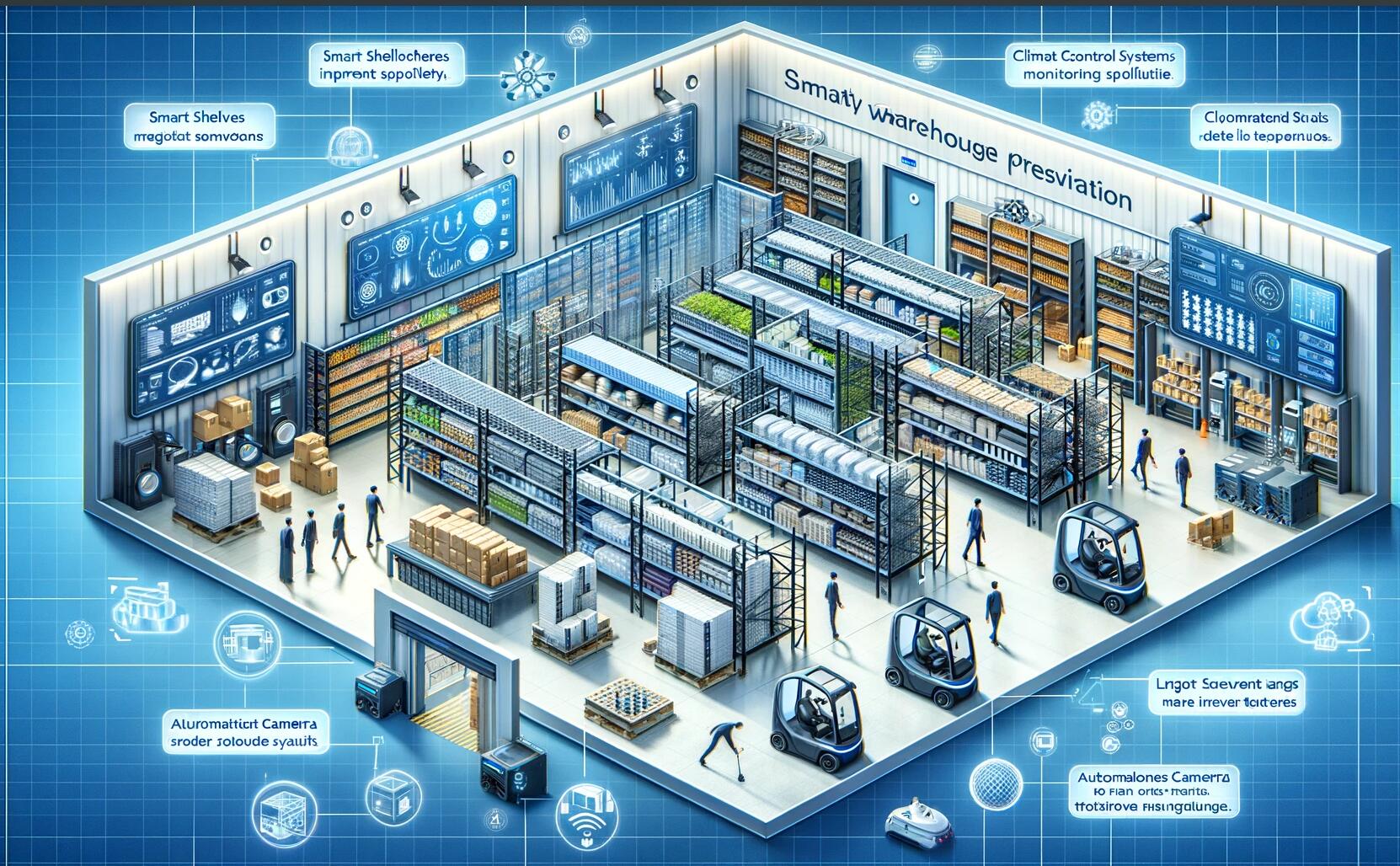
Nowadays, in this super connected world of ours, getting your Rfid Inventory System just right really can make all the difference. Companies need to stay ahead by tapping into the latest tech to manage their global supply chains smoothly. A streamlined RFID setup for keeping track of inventory? Honestly, the perks are huge, but surprisingly, a lot of businesses still find it tricky to get it right.

Getting a good grip on RFID tech isn’t just about knowing the basics; it’s about understanding the little nuances that can trip you up—like how poor connectivity can mess with data accuracy. And let’s not forget, skipping out on proper training for staff? That’s a big no-no. The whole thing is really a work in progress—learning and tweaking as you go.

Plus, companies like Global Tech Solutions have really nailed it when it comes to upgrading RFID systems. Their experience shows they’re serious about keeping inventory tracking reliable. But at the same time, it’s worth honestly reviewing your existing processes—be open to tweaks and improvements. Facing these challenges head-on with thoughtful solutions is truly the secret to unlocking the full potential of your RFID inventory system.

How to Optimize Your RFID Inventory System for Global Supply Chain?

Understanding RFID Technology and Its Role in Supply Chain Management

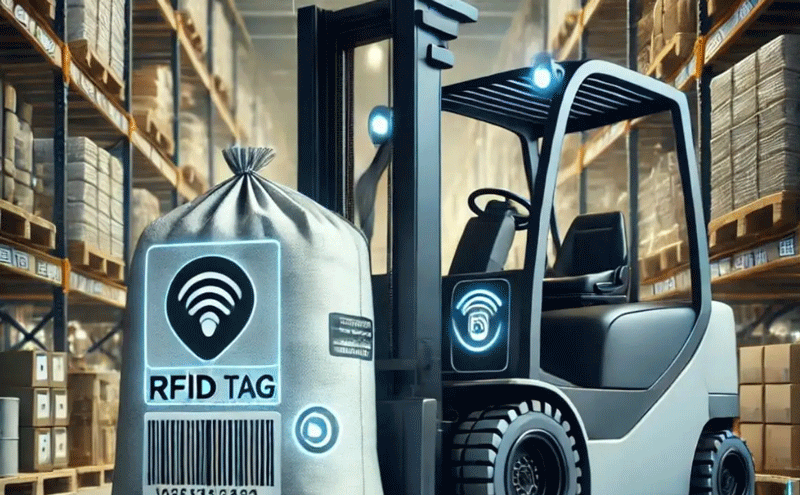
RFID technology has transformed supply chain management. It offers accurate real-time data on inventory levels. Radio Frequency Identification (RFID) systems utilize tags that can be scanned remotely. This eliminates manual checks and reduces errors, boosting efficiency. An effective rfid system for inventory control allows businesses to track products anywhere in the supply chain.

Understanding RFID’s role is key. It helps with better visibility of stock and reduces theft. However, implementing RFID systems can be challenging. Companies may struggle with integration into existing processes. Training staff is necessary to ensure smooth operation. Without proper knowledge, the system won't reach its full potential.

Data accuracy is critical when using RFID. Inaccurate data can lead to stock shortages or excesses. Regular audits are essential to maintain integrity. Feedback from users can highlight areas for improvement. A well-optimized RFID inventory system can significantly enhance operational efficiency. However, continuous assessment is necessary for sustained success.

Current Global Supply Chain Challenges Addressed by RFID Solutions

Current global supply chain challenges have made efficient tracking increasingly critical. Delays, inaccuracies, and miscommunications often lead to inventory shortages or overstock. An Rfid Inventory System can directly address these issues by providing real-time visibility. This technology enables businesses to track items accurately, which is essential in a fast-paced global market.

Through automation, Rfid Solutions minimize human error. Workers can scan multiple items simultaneously, reducing time spent on manual counts. This efficiency leads to better stock alignment with demand. However, there are challenges in initial setup. Acomprehensive strategy and proper staff training are essential to ensure smooth integration.

Moreover, not all data collected is useful. Companies must analyze their inventory data effectively to derive actionable insights. It's important to question how data management fits into the operational framework. The right approach can transform challenges into opportunities, enhancing overall supply chain reliability.

Key Benefits of RFID Systems: Efficiency, Accuracy, and Real-Time Data Tracking

RFID systems revolutionize inventory management. They enhance efficiency by automating tracking processes. This leads to faster operations. Real-time data tracking enables immediate insights into stock levels. Accuracy improves as human errors decrease significantly. Employees can focus on value-added tasks rather than manual counting.

A tip for optimizing your Rfid Inventory Management System is to ensure proper training for staff. They should understand how to utilize the technology fully. Regular audits can help identify discrepancies. Adjusting settings based on feedback can also enhance system performance.

Implementing RFID technology is not just about installation. It's a continuous improvement journey. Organizations should be open to refining their processes. Gathering insights from team members may uncover potential issues. This feedback loop can drive efficiency further.

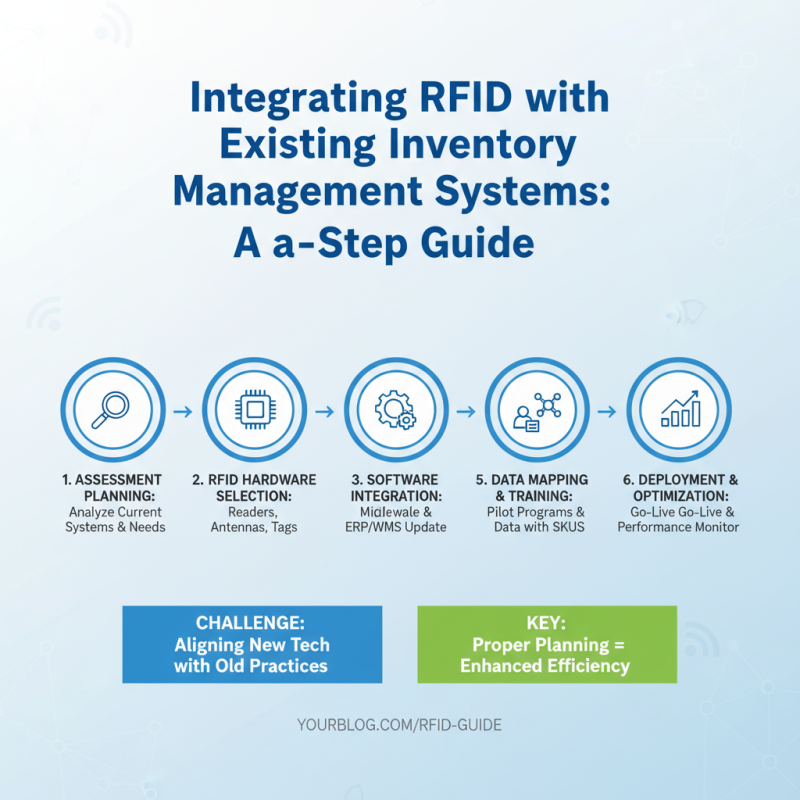
Integrating RFID with Existing Inventory Management Systems: A Step-by-Step Guide

How to Optimize Your RFID Inventory System for Global Supply Chain?

Integrating RFID technology into existing inventory management systems can enhance efficiency. Many organizations face challenges during this process. Proper planning is essential to align RFID functionality with current operational practices.

Begin by assessing your current inventory system. Identify the limitations and areas for improvement. Consult with your team to determine what features are most needed. Often, outdated systems struggle to accommodate new technologies. Document these findings clearly for the next steps.

Next, focus on data synchronization. Integrating RFID involves ensuring that all data sources communicate effectively. Training staff to handle RFID data is crucial. Miscommunication can lead to errors, impacting inventory accuracy. Regularly review staff feedback and be ready to make adjustments. In many cases, ongoing training sessions can provide solutions to unforeseen hiccups.

Best Practices for Implementing RFID in Global Supply Chain Operations

How to Optimize Your RFID Inventory System for Global Supply Chain?

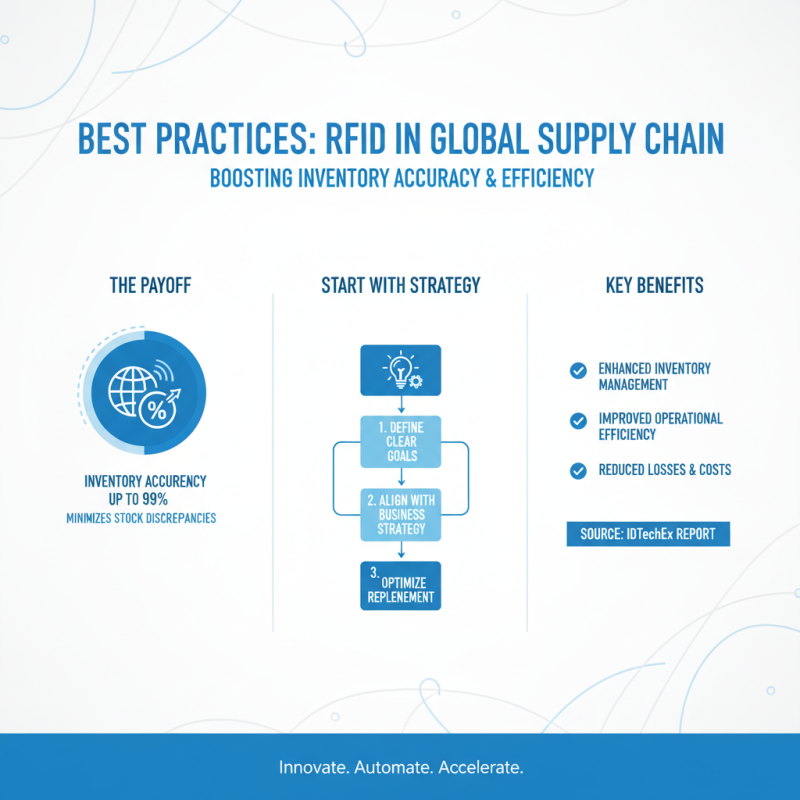
Implementing RFID technology in global supply chains can significantly enhance inventory management. According to a report by IDTechEx, companies that adopted RFID saw inventory accuracy improvements of up to 99%. This level of precision minimizes stock discrepancies and optimizes replenishment processes. An efficient system starts with establishing clear goals. Clearly defined objectives ensure that the implementation aligns with overall business strategies.

Training staffs on RFID usage is crucial. Proper training can reduce implementation errors and increase user confidence. A case study from a major logistics provider highlighted that extensive training cut operational errors by 30%. It's essential to engage team members early and gather their feedback. Employee insights can shed light on potential challenges and create a sense of ownership.

Choosing the right hardware is also vital. Compatibility with existing systems must be assessed. Incompatible technologies can lead to data silos and reduced visibility. Diverse environments often require tailored solutions, underscoring the need for flexibility. Industry reports suggest that 50% of organizations faced integration issues during RFID rollout. Learning from these challenges can guide future improvements and drive successful outcomes in global supply chain operations.

Case Studies: Successful RFID Deployment in Leading Global Companies

In recent years, leading global companies have successfully adopted RFID technology to enhance their inventory systems. Case studies reveal that these deployments often target specific pain points in supply chain management. One major company faced challenges with tracking inventory across multiple locations. By implementing an Rfid Inventory Tracking System, they drastically improved their accuracy. They reported near real-time visibility of stock levels, which reduced overstock and stockouts.

Another example involves a logistics giant that streamlined operations with RFID. Initially, they struggled with misplaced items. Implementing their RFID inventory tracking system led to a 30% reduction in processing time. However, they realized the importance of training employees on the new technology. Without proper training, errors still occurred during data entry, leading to frustrations. It emphasized the need for a robust onboarding process.

The implementation of RFID does shine a light on various challenges. Compatibility with existing systems can be daunting. Some companies found themselves with equipment that didn’t integrate seamlessly. This raised costs and delayed benefits. Reflecting on these experiences, companies recognize the ongoing need for a holistic approach to maximize the potential of RFID in their supply chains.

Future Trends in RFID Technology and Its Impact on Supply Chain Optimization

Radio Frequency Identification (RFID) technology is transforming supply chains worldwide. Future trends indicate a shift toward increased automation and AI integration. This could enhance accuracy in inventory management. As companies adopt these technologies, real-time data access will become standard. Such access provides vital insights into stock levels, minimizing shortages and overstock scenarios.

A growing focus on sustainability is also emerging. The demand for eco-friendly RFID tags is rising. These innovations can track products through various stages, reducing waste in the supply chain. Nevertheless, challenges remain. High initial costs and compatibility issues with existing systems can deter some businesses. Moreover, ensuring data security against potential breaches is vital. Organizations must continually assess these risks.

Collaboration between suppliers and technology providers will be crucial. Sharing best practices can ease the transition to more advanced RFID systems. Companies should remain open to adapting strategies based on evolving technology. The fluid nature of these trends invites constant reflection and modification in approaches. This mindset will ensure that firms keep pace with rapid advancements.

Optimizing Inventory Management Efficiency with the Long-range Distance UHF RFID Reader RFly-I195

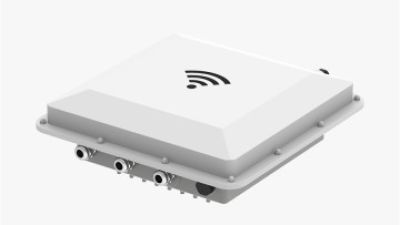
In today's fast-paced business environment, optimizing inventory management efficiency is crucial for organizations looking to maintain a competitive edge. The Long-range Distance UHF RFID Reader, specifically the RFly-I195, revolutionizes how businesses approach asset tracking and inventory management. With its integrated high-gain circularly polarized antenna, this advanced reader offers exceptional performance in reading RFID tags across considerable distances, significantly improving the speed and accuracy of inventory processes.

Recent studies indicate that organizations that have implemented RFID technology have witnessed a reduction in inventory discrepancies by up to 30% and an increase in inventory accuracy to over 95%. This not only translates into significant cost savings but also enhances overall operational efficiency. By seamlessly integrating RFID readers like the RFly-I195 into existing systems, businesses can better track their assets in real-time, allowing for proactive decision-making and improved resource allocation.

Moreover, the adaptability of the RFly-I195 supports a wide range of applications, from traditional inventory management to innovative IoT solutions. With the growing trend of digital transformation, businesses are increasingly seeking reliable and scalable hardware solutions. Through customized designs and OEM/ODM services, organizations can leverage cutting-edge technology tailored to their unique needs, ultimately driving success in an ever-evolving market landscape.

FAQS

: What are the main challenges in global supply chains?

: Delays and miscommunications often lead to inventory shortages or overstock. These issues impact efficiency.

How can RFID technology help address these challenges?

RFID provides real-time visibility, allowing businesses to track items accurately. This leads to better inventory management.

What is the benefit of automating inventory processes?

Automation reduces human error and saves time. Workers can scan multiple items at once.

What should companies consider when integrating RFID technology?

Assess your current inventory system. Identify limitations and areas for improvement. Planning is essential.

Why is staff training important in RFID integration?

Proper training ensures staff can handle RFID data effectively. Miscommunication can lead to inventory errors.

How can businesses derive actionable insights from inventory data?

Analyze data effectively to understand trends. Question how data fits into the operational framework.

Are there challenges in the initial setup of RFID systems?

Yes, a comprehensive strategy is needed for smooth integration. Proper training is crucial during this phase.

What should ongoing training sessions focus on?

They should address staff feedback and unforeseen challenges. This helps maintain inventory accuracy.

What happens if a company uses outdated systems with RFID?

Outdated systems may struggle with integration, leading to potential inefficiencies and errors.

How can companies transform challenges into opportunities?

The right approach to data management can enhance supply chain reliability. Continual adaptation is necessary.

Conclusion

In the pursuit of optimizing global supply chains, the adoption of an RFID inventory system emerges as a transformative solution. RFID technology plays a pivotal role in enhancing supply chain management by addressing current challenges such as visibility, inventory accuracy, and operational efficiency. Implementing RFID systems offers key benefits, including real-time data tracking and improved accuracy, which significantly streamline inventory management processes.

To successfully integrate RFID with existing systems, organizations can follow a step-by-step guide that emphasizes best practices in deployment. Case studies showcase the successful application of RFID across leading global companies, illustrating its effectiveness in tackling supply chain complexities. As future trends in RFID technology continue to evolve, its impact on supply chain optimization will likely expand, further solidifying the importance of robust RFID inventory systems in managing global logistics.

Sophia

Sophia

Sophia is a dedicated marketing professional at Shenzhen Jinruiming Technology Co., Ltd., where her expertise contributes significantly to the company’s vision and success. With a deep understanding of the company’s innovative product line, she effectively communicates their features and advantages......
Previous China Best RFID Inventory Tracking System for Global Buyers?