Leave Your Message
0%

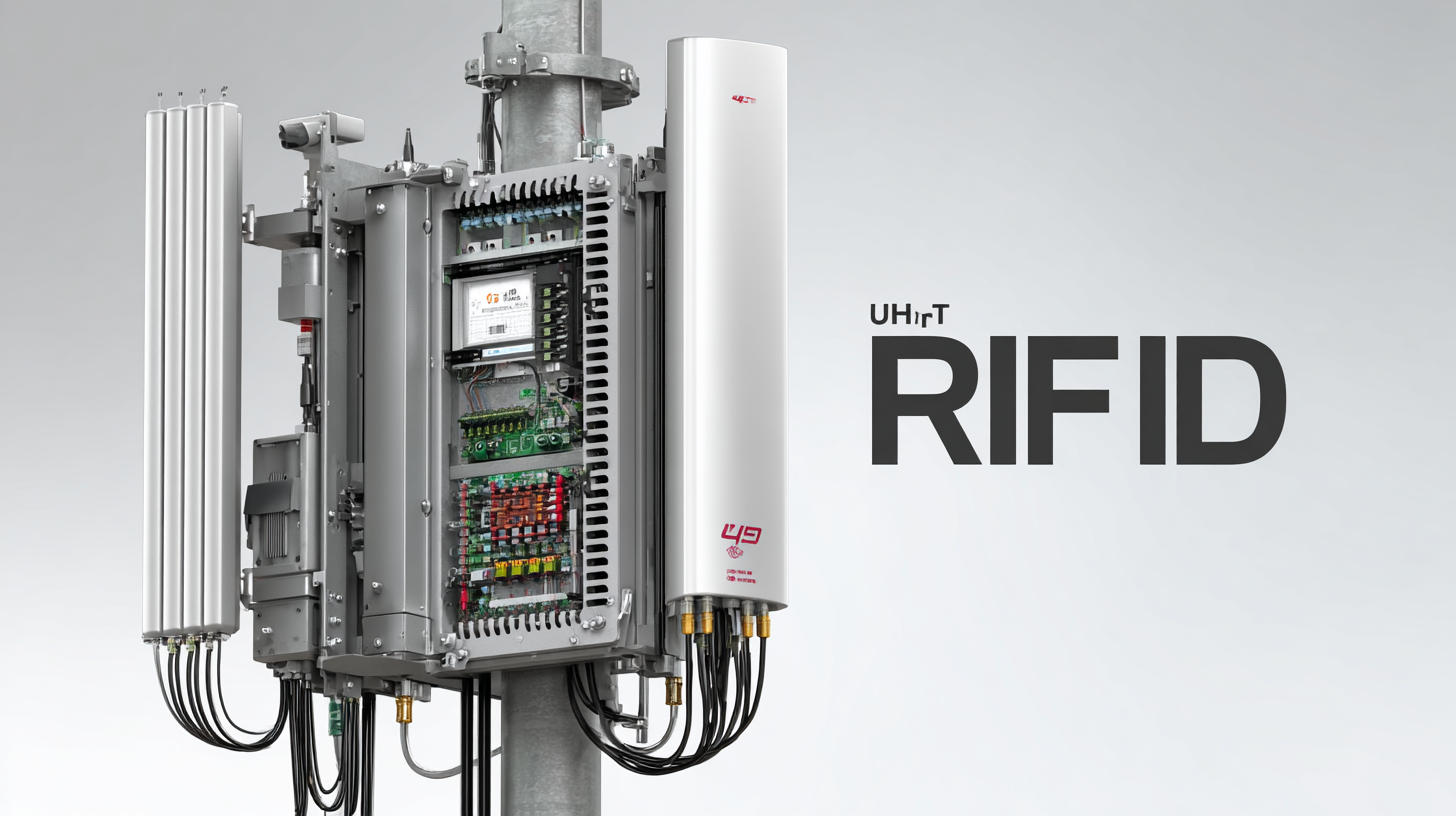
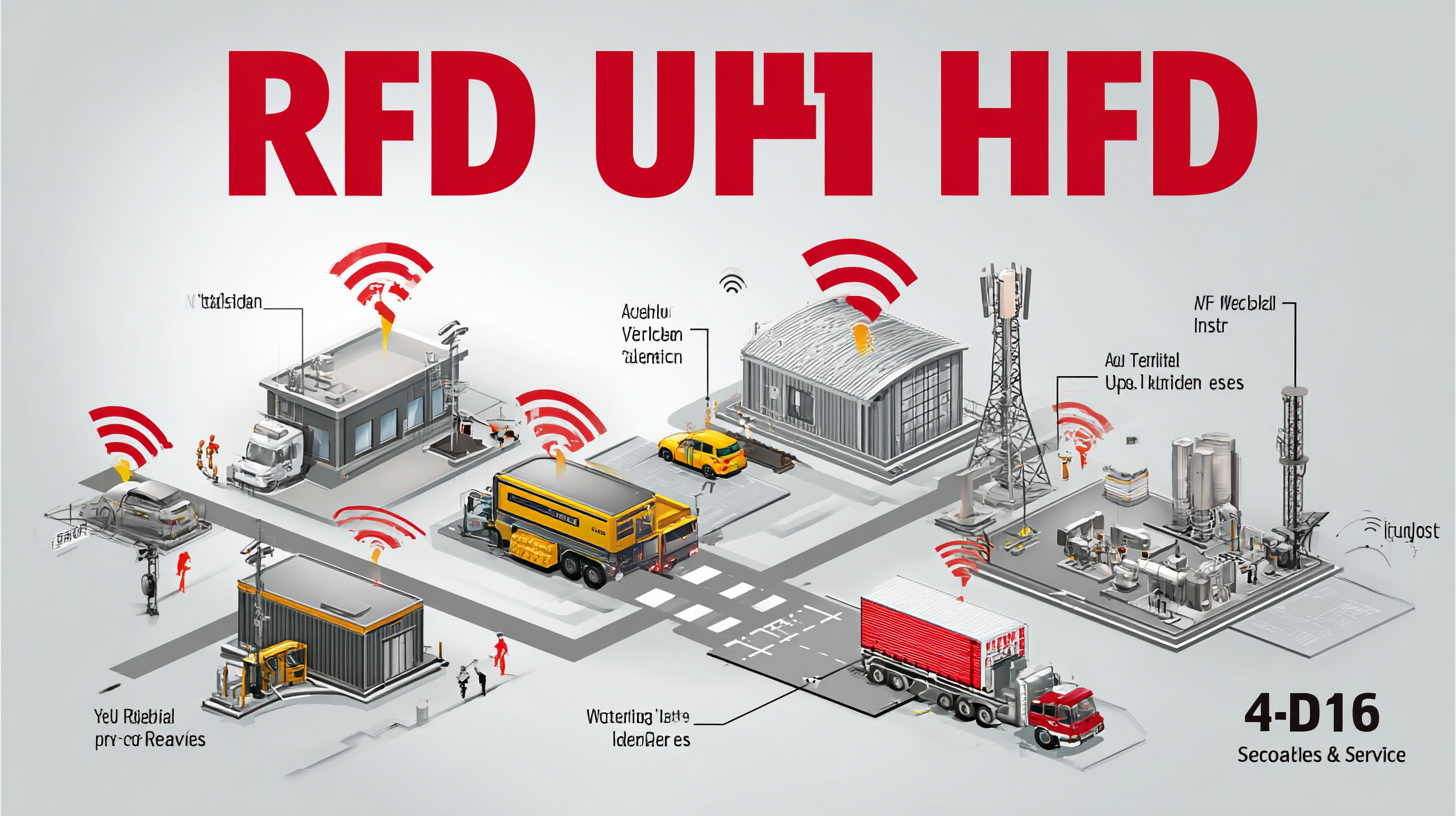
You know, with all the rapid changes in technology these days, keeping an eye on maintenance costs is super important for businesses that want to boost their efficiency and make their operations smoother. One great way to do this is by tapping into Antenna Rfid Uhf technology. It’s a game-changer for tracking and managing assets in real-time! How to Optimize Maintenance Costs with Best Antenna RFID UHF and Exceptional After-Sales Service At MingQ Technology Limited, we’re all about IoT innovation, offering top-notch software and hardware that can cater to various industrial needs. Plus, we really believe in providing legendary after-sales support, ensuring our clients get all the help they need to make the most of their systems. By integrating Antenna RFID UHF solutions, businesses can slash maintenance costs, gain better visibility over their assets, and really push for operational excellence. Honestly, it’s one of those transformative approaches that can redefine how modern enterprises operate.
Understanding the Significance of UHF RFID in Cost-Efficient Maintenance Strategies

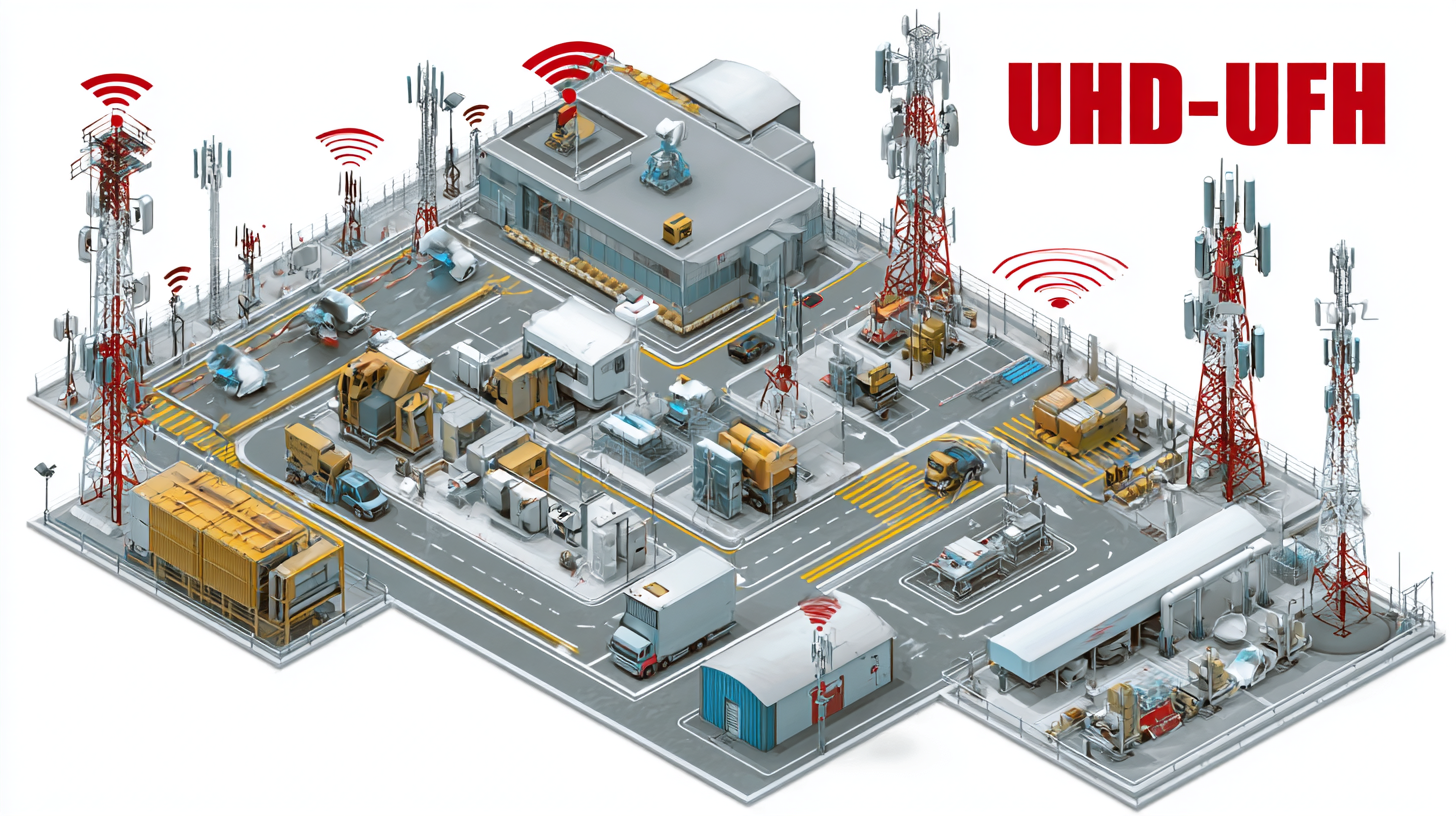
Understanding the significance of UHF RFID in cost-efficient maintenance strategies is crucial for organizations looking to optimize operational expenses. Recent industry studies suggest that implementing UHF RFID technology can reduce maintenance costs by up to 30%. This is largely attributed to improved asset tracking and inventory management, which minimizes downtime and enhances the efficiency of maintenance operations. With the ability to read multiple tags simultaneously over a longer range, UHF RFID systems streamline processes significantly compared to traditional methods.

To maximize the benefits of UHF RFID, organizations should consider these tips: First, invest in high-quality RFID antennas that offer robust read ranges and reliability. This ensures seamless data capture, reducing the risk of lost or misplaced assets. Second, complement your RFID system with exceptional after-sales service. Reliable support not only enhances system performance but also prolongs the life of the equipment, resulting in further cost savings. By aligning technology with superior service, businesses can cultivate a responsive maintenance strategy that adapts to changing demands and optimizes resource efficiency.

Key Performance Indicators for Assessing RFID Antenna Efficiency in Industrial Applications

You know, when it comes to industrial applications, getting those RFID antennas to work efficiently is super important for keeping costs down and operations running smoothly. One thing that’s really key here are the performance indicators, or KPIs, that we use to track how well UHF antennas are doing. You've got to look at things like signal strength, read range, and how reliable those connections are. They all tell us how the antennas are holding up in different situations. Take signal integrity, for example. Checking it out under various industrial conditions can give us some really useful insights about what upgrades might be necessary to reduce interference. This stuff can all affect maintenance costs, too.

And it's not just a one-time thing—keeping an eye on how the antennas perform over time is essential. It helps businesses spot patterns and figure out where they can improve. By diving into data analytics, companies can really drill down on those KPIs to boost system reliability and longevity. This isn’t just about making solid decisions on maintenance or replacements; it also highlights how crucial it is to pick antennas that come with great after-sales support. I mean, having reliable assistance means any hiccups can be sorted out quickly, which cuts down on downtime and helps keep everything running efficiently.

So, focusing on those KPIs really does more than just streamline maintenance costs—it also bumps up the return on investment for RFID systems in industrial environments, making a big difference overall!

Cost-Benefit Analysis: Comparing RFID Solutions for Optimal Maintenance Expense Control

In today’s fast-paced and super competitive market, companies are really on the lookout for ways to cut maintenance costs without losing sight of quality or performance, right? I mean, who doesn’t want that? A solid cost-benefit analysis helps businesses compare different Rfid Solutions and figure out which systems are the best fit for their needs. By taking a close look at both the upfront costs and those long-term expenses tied to various RFID technologies, companies can make smart decisions that drive efficiency while keeping their wallets happy.

Now, here’s where it gets interesting: one big factor in this whole decision-making game is making sure there’s top-notch after-sales service with those RFID systems. Having dependable support from service providers means they can tackle any technical hiccups that pop up quickly, which cuts down on downtime and maintenance expenses—score! Companies that blend seamless service with an effective RFID solution can really strike a great balance between cost and performance, leading to some serious savings in the long run. Plus, by jumping on advanced digital waste management solutions along with these strategies, businesses can dive deeper into understanding how they utilize their assets better, leading to smarter resource allocation and cutting down on waste.

How to Optimize Maintenance Costs with Best Antenna RFID UHF and Exceptional After-Sales Service - Cost-Benefit Analysis: Comparing RFID Solutions for Optimal Maintenance Expense Control

RFID Solution Initial Cost ($) Annual Maintenance Cost ($) Support Quality (1-5) Reliability (%) Total Cost Over 5 Years ($)
RFID Solution A 5000 800 4 98 9400
RFID Solution B 7000 600 5 95 9600
RFID Solution C 6000 700 3 96 9500
RFID Solution D 8000 500 5 97 10500

Enhancing Service Quality through Exceptional After-Sales Support in RFID Systems

You know, in the world of RFID systems, keeping customers happy and coming back really hinges on how well we support them after the sale. It’s super important. In fact, a report from MarketsandMarkets back in 2021 showed that the global RFID market is set to hit a whopping $40 billion by 2025, with UHF RFID solutions taking a big chunk of that pie. This growth really highlights how crucial it is to have solid support services in place to make sure these systems run smoothly and efficiently.

But effective after-sales support isn’t just about fixing tech problems. It actually plays a key role in how well RFID systems hold up over time. A study by the Aberdeen Group found that companies with strong after-sales service frameworks see a 12% boost in customer retention compared to those who don’t prioritize this kind of support. By pouring resources into skilled technicians and having a customer service team that’s ready to help, businesses can really cut down on downtime and maintenance costs. That means things run smoother overall. Making these smart investments isn’t just a nice-to-have; it’s essential for making the most out of RFID systems and stepping up service quality in such a competitive space.

Industry Case Studies: Successful Implementation of UHF RFID for Maintenance Cost Reduction

You know, using UHF RFID technology has really changed the game when it comes to maintenance operations in so many industries, leading to some serious cuts in maintenance costs. Take the manufacturing sector, for instance. Companies are now using UHF RFID systems to keep tabs on how their equipment is being used and to manage maintenance schedules way more efficiently. They just slap RFID tags on machines, and boom—automated inventory management and proactive maintenance scheduling! This means less downtime and fewer expensive repairs overall. There was this one auto manufacturer that managed to slash their maintenance costs by 30% right in the first year after rolling out their UHF RFID solutions. Pretty impressive, right?

How to Optimize Maintenance Costs with Best Antenna RFID UHF and Exceptional After-Sales Service

In the healthcare field, UHF RFID has become a real lifesaver for keeping track of equipment and supplies. Hospitals that have jumped on this bandwagon are experiencing some amazing boosts in how easily they can see and use their assets. There was a case study about a hospital that started tagging their medical devices with RFID, which helped cut down on equipment loss and sped up their maintenance routines. So not only did they save money on operations, but they also made patient care so much better by always having the right gear on hand and in tip-top shape. These stories really show how powerful UHF RFID technology is when it comes to trimming down maintenance costs while also making things run smoother across different sectors.

Future Trends in RFID Technology and Their Impact on Maintenance Operations Cost Management

You know, as RFID technology keeps moving forward, we're really starting to see how future trends might shake up maintenance operations and help with cost management. There's this report from IDTechEx that says the RFID market could hit a whopping $14 billion by 2026! Pretty wild, huh? Most of that growth is coming from improvements in UHF technology. With all this happening, it makes sense that companies are leaning more into RFID systems for keeping track of inventory in real time and managing assets better. That means smoother maintenance operations all around. By adopting top-notch UHF antennas, businesses can really boost their accuracy, which cuts down the need for manual check-ins and helps reduce downtime. In the end, this all adds up to lower maintenance costs.

But that’s not all! When you throw AI and IoT into the mix with RFID, we're looking at even bigger upgrades in how maintenance is tackled. A study from McKinsey found that companies using AI in their maintenance routines could slash their operational costs by as much as 30%! Isn’t that something? This integration streamlines maintenance tasks and gives businesses the power of predictive analytics—so they can actually spot potential equipment failures before they happen. Talk about being proactive instead of reactive! As these trends take off, it’s going to be super important for companies to blend RFID tech with stellar after-sales services. That synergy will really help them unlock those long-term cost-saving benefits in their maintenance operations.

How to Optimize Maintenance Costs with Best Antenna RFID UHF and Exceptional After-Sales Service

FAQS

: What is the primary goal of conducting a cost-benefit analysis for RFID solutions?

: The primary goal is to compare various RFID solutions to determine which systems best suit operational needs while optimizing maintenance costs without sacrificing quality or performance.

How does after-sales service relate to RFID systems?

Exceptional after-sales service is crucial as it ensures that any technical issues can be swiftly addressed, reducing downtime and maintenance costs associated with RFID systems.

What role do advanced digital waste management solutions play in maintenance expense control?

These solutions provide deeper insights into asset utilization, leading to better resource allocation and waste reduction practices, which ultimately help optimize maintenance costs.

What is the projected growth of the RFID market by 2026?

The RFID market is projected to reach $14 billion by 2026, driven primarily by advancements in UHF technology.

How can companies improve operational accuracy in their maintenance processes?

By using best-in-class UHF antennas, companies can enhance operational accuracy, reduce manual check-ins, and minimize downtime, which decreases overall maintenance costs.

What impact does the integration of AI and IoT have on maintenance operations?

The integration allows for predictive analytics, enabling companies to foresee equipment failures before they occur, and can lead to reductions in operational costs by up to 30%.

Why is it important for organizations to embrace future trends in RFID technology?

Embracing these trends is crucial for achieving better maintenance strategies, streamlining operations, and reaping long-term benefits of cost optimization.

What is the benefit of combining RFID technology with exceptional service?

The synergy between RFID technology and reliable after-sales service is key to achieving substantial savings and enhancing efficiency in maintenance operations.

How does RFID technology contribute to real-time inventory management?

RFID technology enhances real-time inventory management and asset tracking, which leads to more efficient maintenance operations by minimizing manual processes.

What are the potential savings associated with implementing AI in maintenance processes?

Companies that implement AI can achieve reductions in operational costs by up to 30%, which greatly enhances maintenance efficiency.

Clara

Clara

Clara is a dedicated marketing professional at Shenzhen Jinruiming Technology Co., Ltd., where she excels in promoting the company's innovative products and services. With a deep understanding of the technology industry, Clara regularly updates the company’s professional blog, sharing insightful......
Previous Exploring the Key Specifications of Advanced Rfid Writer Technology