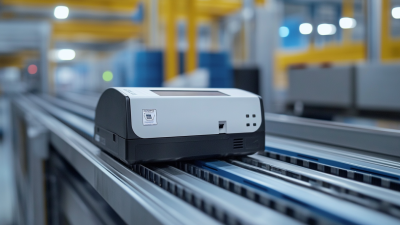
In today's fast-paced technological landscape, the adoption of RFID technology is crucial for businesses striving to enhance operational efficiency and streamline inventory management. A recent report by Research and Markets highlights that the global RFID market is expected to grow from $11 billion in 2021 to over $19 billion by 2026, driven by increasing demand for improved tracking solutions across various industries. Among the various Rfid Solutions, the USB RFID Reader stands out for its versatility and ease of integration with existing systems. As a professional provider of IoT software and hardware products, MingQ Technology Limited specializes in delivering advanced RFID solutions alongside their expertise in information communication and industrial IoT. This article will explore the challenges companies face when navigating industry standards and how the best USB RFID Reader solutions can help overcome these obstacles, ensuring a seamless operational flow and enhanced data accuracy.
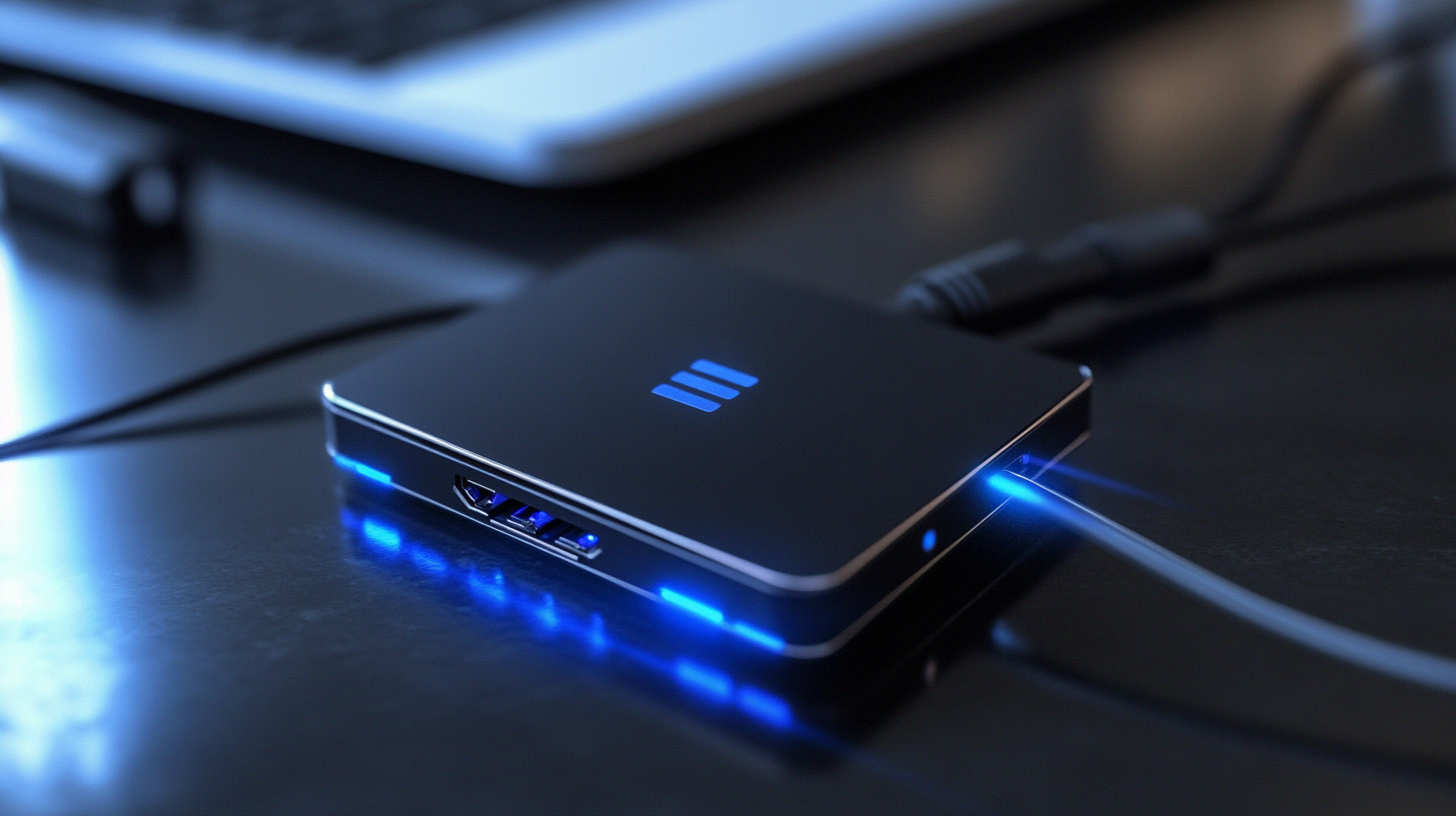
The Importance of USB RFID Readers in Modern Industry Standards
In today's rapidly evolving industrial landscape, USB RFID readers have emerged as pivotal tools for enhancing efficiency and compliance with industry standards. According to a recent report by MarketsandMarkets, the global RFID market is projected to reach $40.0 billion by 2027, reflecting a compounded annual growth rate (CAGR) of 14.2%. This growth underscores the significance of integrating advanced RFID technologies within operational frameworks to optimize inventory management, Asset Tracking, and data accuracy.
For businesses aiming to navigate the challenges posed by industry standards, selecting the right USB RFID reader is essential. A reliable USB RFID reader not only streamlines data collection but also ensures adherence to regulatory requirements, enhancing traceability and accountability. Tips for selecting the best USB RFID reader include looking for devices that offer versatility in reading multiple tag protocols and have robust software support for integration with existing systems. Ensuring compatibility with various operating systems can also facilitate easier implementation across diverse platforms.
Moreover, leveraging USB RFID readers can lead to significant operational efficiencies. A case study from the American Journal of Industrial Technology indicates that companies using RFID solutions experienced up to a 30% reduction in labor costs associated with inventory management. Therefore, investing in high-quality USB RFID readers is not just a technical upgrade; it is a strategic enhancement that can drive business success in a competitive market.
Key Challenges in Adopting USB RFID Technology
 Implementing USB RFID technology can present various challenges, particularly when it comes to aligning with industry standards. One of the primary hurdles is ensuring compatibility between different RFID devices and systems. With numerous manufacturers producing diverse RFID readers and tags, companies often struggle with integration. It’s crucial to select a USB RFID reader that adheres to the latest standards to avoid obsolescence and ensure seamless communication across all devices.
Tip: When considering a USB RFID reader, prioritize models that offer universal compatibility and are endorsed by recognized industry standards. This can save time and resources in the long run.
Another challenge lies in the learning curve associated with new technology. Transitioning to a
USB RFID system requires staff training and the adjustment of existing workflows, which can lead to resistance. Businesses should focus on providing comprehensive training and resources to facilitate smooth adoption.
Tip: Create a gradual implementation plan and involve team members in the transition process to foster a collaborative environment that encourages learning and innovation. By addressing these challenges head-on, companies can leverage USB RFID technology effectively.
Top Features to Look for in 2025's USB RFID Reader Solutions
When it comes to selecting a USB RFID reader solution in 2025, certain features stand out as essential for meeting industry standards and user needs. One of the most critical aspects is read range and accuracy. The best RFID readers should demonstrate superior performance in capturing data from tags, even when positioned far apart, ensuring minimal error rates. A reader that supports multiple frequency bands will also add flexibility, enabling seamless integration into various systems.
Another pivotal feature to prioritize is connectivity options. As businesses increasingly rely on diverse technology ecosystems, having a USB RFID reader that offers versatile connectivity—such as Bluetooth and Wi-Fi—can significantly enhance operational efficiency. Additionally, compatibility with various devices and platforms ensures not only ease of implementation but also maximizes the utility of existing equipment. More intelligent readers are now equipped with advanced software solutions that facilitate real-time data processing and analytics, enabling businesses to make informed decisions promptly.
Lastly, user-friendly design and robust security features cannot be overlooked. An ergonomic design improves user experience, vital for frequent scanning environments, while built-in security measures protect sensitive data from breaches. As 2025 approaches, selecting USB RFID readers that incorporate these features will be key to navigating the challenges posed by evolving industry standards effectively.
Navigating Industry Standards Challenges with the Best USB RFID Reader Solutions - Top Features to Look for in 2025's USB RFID Reader Solutions
| Feature | Description | Importance | Industry Standard |
| Read Range | Distance at which RFID tags can be read effectively. | High | ISO/IEC 18000-6 |
| Speed | Rate at which the reader can process RFID tags. | Medium | ISO 14443 |
| Connectivity | Available interfaces for connecting to other devices. | High | USB 2.0 / USB 3.0 |
| Form Factor | Physical size and shape of the RFID reader. | Medium | N/A |
| Compatibility | Ability to read various RFID tag types. | High | EPCglobal |
How to Choose the Right USB RFID Reader for Your Business Needs
When selecting the right USB RFID reader for your business needs, several key factors come into play. First and foremost, consider the specific applications you intend to use the RFID reader for. Different industries may require various features; for instance, a retail business might prioritize speed and accuracy in scanning, while a warehouse may need a reader that can handle multiple tags at once. Make a list of your primary objectives, as this will narrow down your options and help you focus on models specifically designed for your use case.
Another critical factor is the compatibility of the RFID reader with your existing systems. Ensure that the USB RFID reader you choose seamlessly integrates with your current inventory management or point-of-sale systems. Compatibility not only streamlines operations but also reduces implementation time and costs. Additionally, consider the reader's range and sensitivity, as this affects performance in environments crowded with other electronic signals. By aligning your selection with both operational needs and technical compatibility, you can effectively enhance the efficiency of your processes while navigating the challenges of industry standards.
Future Trends in USB RFID Technology and Industry Standards
As the demand for efficient and secure data management continues to rise, USB RFID technology is evolving to meet industry standards and address the challenges that come with it. According to a recent report by MarketsandMarkets, the global RFID market is expected to grow from USD 11.14 billion in 2021 to USD 25.21 billion by 2026, highlighting the industry's rapid expansion. Innovations in USB RFID readers are paving the way for enhanced interoperability, enabling seamless integration with various IoT and industrial applications.
In navigating the future trends in USB RFID technology, businesses must stay informed about evolving standards, such as the incorporation of AES encryption for enhanced data security. With MingQ Technology Limited's expertise in IoT software and hardware solutions, companies can leverage cutting-edge RFID technology to streamline operations and ensure compliance with industry standards.
Tip: When selecting a USB RFID reader, prioritize models that support both passive and active RFID tags for increased versatility across your applications.
Another critical consideration is the reader’s compatibility with existing systems. This ensures a smoother integration process, minimizing downtime and operational disruptions. Investing in adaptable technology will position your organization at the forefront of industry advancements.
Tip: Regularly track developments in RFID standards from organizations like ISO and EPCglobal to stay ahead of compliance requirements.
Best Practices for Integrating USB RFID Readers into Existing Systems
Integrating USB RFID readers into existing systems requires careful consideration of several best practices to ensure a seamless implementation. First, it is crucial to assess the compatibility of the RFID reader with your current hardware and software infrastructure. As seen with the recent developments in RFID technology, such as the introduction of cutting-edge edge readers, ensuring that your systems can effectively communicate with new devices is paramount. This includes verifying any required drivers and middleware, which can facilitate better data handling and integrate effectively with your existing setup.
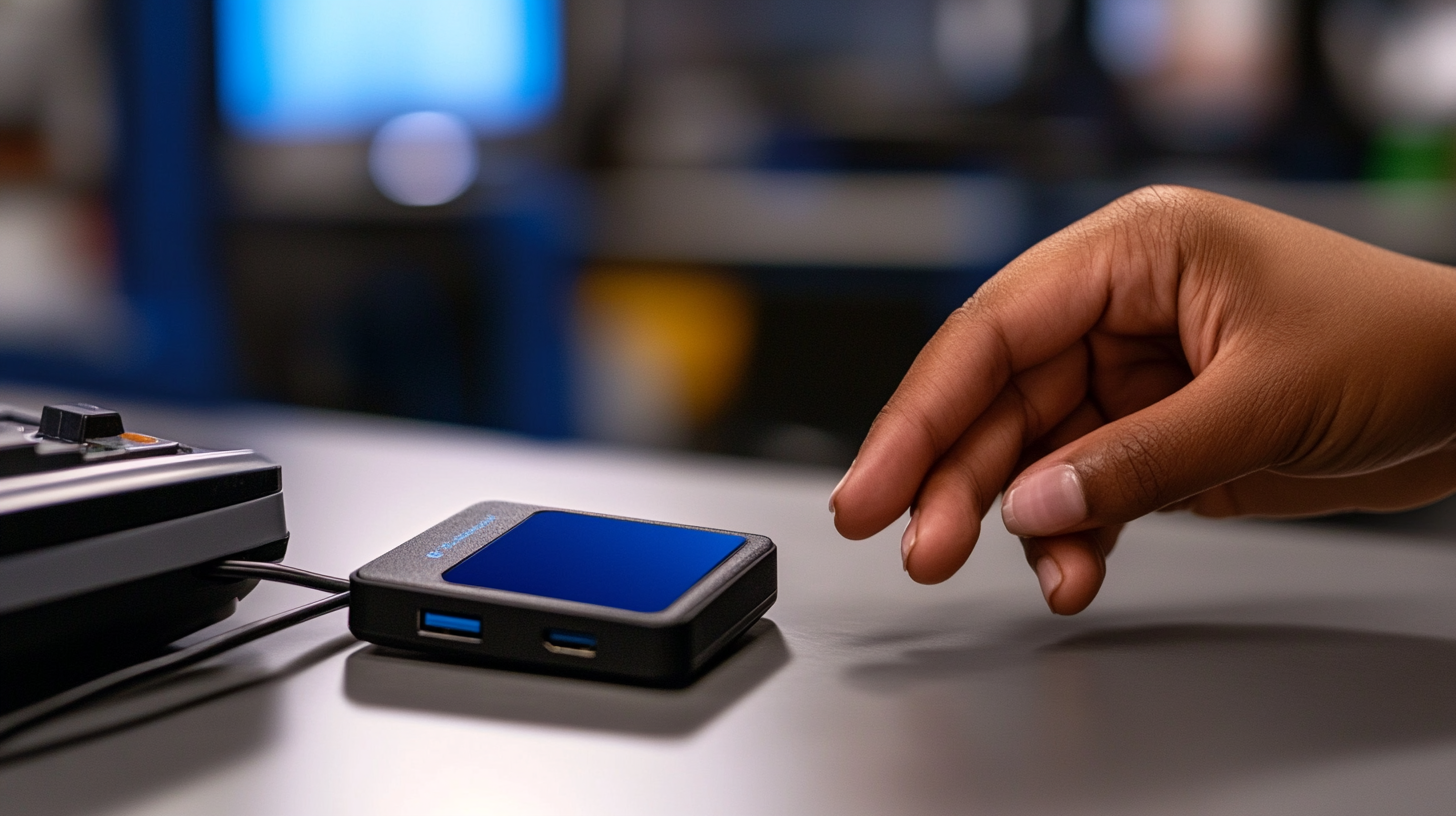
Another significant aspect for successful integration is to conduct thorough testing in a controlled environment before full deployment. This process allows organizations to troubleshoot any connectivity or functionality issues that may arise. Furthermore, user training becomes essential; as operators become familiar with the nuances of the USB RFID readers, overall efficiency increases, and error rates decrease. Leveraging the growing capabilities of RFID technology, companies can benefit from enhanced tracking and analytics, optimizing operations and paving the way for smarter business practices in various industries.
Remember, effective integration not only boosts productivity but also enhances data management and operational efficiency.
FAQS
: The global RFID market is projected to reach $40.0 billion by 2027, reflecting a compounded annual growth rate (CAGR) of 14.2%.
USB RFID readers enhance efficiency and compliance with industry standards, streamline data collection, and ensure adherence to regulatory requirements, improving traceability and accountability.
Businesses should consider their specific applications, compatibility with existing systems, the reader's range and sensitivity, as well as its ability to read multiple tag protocols.
Companies using RFID solutions can experience up to a 30% reduction in labor costs associated with inventory management.
Key practices include assessing compatibility with current hardware and software, conducting thorough testing in a controlled environment, and providing user training to improve efficiency.
Choosing the right USB RFID reader that aligns with operational needs can significantly enhance process efficiency and help businesses navigate industry standards effectively.
Robust software support is crucial for integration with existing systems, which can streamline operations and reduce implementation time and costs.
User training helps operators become familiar with the device's functionalities, leading to increased overall efficiency and a decrease in error rates.
Businesses should list their primary objectives based on their industry requirements, allowing them to focus on models that are specifically suited for their use cases.
Testing in a controlled environment allows organizations to identify and troubleshoot connectivity or functionality issues, ensuring smoother implementation and operation.

 Rotary HF RFID Tag Reader GRH-I40 Suitable for Assembly Lines
 Industrial-grade High-frequency Integrated Reader GRH-I65 Suitable for Asset Tracking
 With ESD Protection HF RFID Reader GRH-I68 Suitable for Progress Tracking
 Proximity HF RFID Reader GRH-M30 Suitable for Manufacturing Workshops
 Desktop HF RFID Scanner GRH-D80-HID Suitable for Card-issuing Applications
 High Frequency Medium Distance Reader GRH-I90 Suitable for Logistics Production Line
 UHF RFID Portals and Tunnel Machine RFly-AM3000 for Access Control
 Narrow RFID Portals Series TD-P20040-SS for Single Tag Entry and Exit Identification Scenario
 RFID Transmission Line Simple Identification Tunnel Machine (TD-T3050)
 Vision and RFID Tunnel Machine TD-T7692-RV for Logistics Sorting
 RFID Transmission Line Identification Tunnel Machine TD-T10090
 RFID Mobile Inventory Tunnel Machine TD-T65150 for Conveyor Belts
 High-Performance Far-Field Antennas for Broad Coverage.
 Multi-Purpose Antennas: Flexibility for Diverse Applications
 Near-Field Antennas for Short-Distance Tag Detection.
 Portals & Tunnel Antennas for Integrated RFID Series
 Slimline PCB Antennas for Warehousing and Logistics
 Miniaturized and Thin Antennas can Provide Good Performance in a Smaller Size.
 GPS Tracker for Vehicles, Car, Kids, Assets.
 CO2 Sensors Detect CO2 Gas through Alarms, Suitable for Offices, Planting Tents.
 Door Sensor, Detect Open and Closed Doors or Windows, Sends Alerts, Triggers Siren.
 Wireless Level Sensor Equipped with a 5-Meter Detection Line, Suitable for Water Tanks
 Real Time Monitoring of Air Quality Using PM2.5/PM10 Sensors.
 Smoke Sensor, Fire Alarm Smoke Detector with Test Button and Low Battery Reminder.
 Soil Stress Sensor,Bridge and Tunnel Monitors.
 Vibration Sensor Monitors Equipment, Like Conveyors and Motors, for Operational Status.
 E -Paper Display
 Smart Water Sensor Alarms, 1.2 M Detection Line.
 CO Sensor for Basements Home Office House Bedroom Living Room Car, Light Plug and Play.
 Temperature and Humidity Sensor
 Multi-sensor GD-ME
 Temperature Sensors Monitor the Surface Temperature of Various Heating Equipment.-1
 Signal Enhancement Terminal, Long Range Coverage.
 Multi-Protocol Communication Gateway, App Remote Control.
 Edge Vision Gateway can Access Various Mainstream Cameras, Suitable for Office, Factory.
 GBS-3550 Outdoor Sensor Gateway,LoRa, 2/3/4G Communication.
 Smart WiFi Gateway, Realize Remote Control.
 Ultra-Low-Power Solar-Powered Intelligent Gateway (Outdoor)
 IP67-protected Integrated RFID Reader Writer RFly-I165 for Supply Chain
 Long-range Distance UHF RFID Reader RFly-I195 for Inventory Management
 Small UHF RFID Tag Reader RFly-I300 for Cars
 Two-channel Compact Fixed RFID Reader RFly-F210 for Warehousing
 Four Channels Fixed UHF RFID Reader RFly-R6 for Supply Chain
 8-channel UHF RFID Tag Reader RFly-R8 for File Cabinet Identification
 Bluetooth Portable RFID Reader and Writer GRU-HBT100 for Inventory Management
 Industrial Grade Handheld UHF RFID Reader GRU-HC520 Suitable for Logistics
 RFID Gateway Networking System
 RFID Passive Temperature Measurement System
 RFID Tags for Container Turnover Management
 RFID Tags for Equipment O&M Management
 RFID Tags for Manufacturing Management
 RFID Tags for Tool Management
 A Kits for Equipment Condition Detection
 A Kits for Office Computer Room Environment Monitoring
 A Kits for Reservoir Environmental Monitoring
 A Kits for Storage Space Environment Monitoring
 A Kits for Stress Detection of Underground Tunnel
 A Kits for Urban Environment Monitoring
 Intelligent IoT Monitoring Platform
 Integrating Multiple Functional OTG Demo Software
 HF Demo Software
 UHF Demo Software