These days, with retail and inventory managementevolving so fast, it’s more important than ever to stay on top of the latest tech. One of the coolest innovations right now isMobile Rfid — it’s actually changing the game when it comes to tracking and managing stock in real time. I read somewhere that the global RFID market is set to hit around $37 billion by 2024, and mobile RFID is definitely a huge part of that boom. Companies like MingQ Technology Limited are really leading the charge here, offering smart IoT hardware and software that boost what mobile RFID can do.
When you mix in AI and IoT solutions, businesses can get way more precise and efficient with their inventory — which means better operations and fewer costs. As we look at some of the top strategies for mastering mobile RFID, it’s clear that these tech advancements aren’t just cool — they’re a game changer for how companies manage their stock and move into the future of innovation.
Understanding the Basics of Mobile RFID Technology for Inventory Management
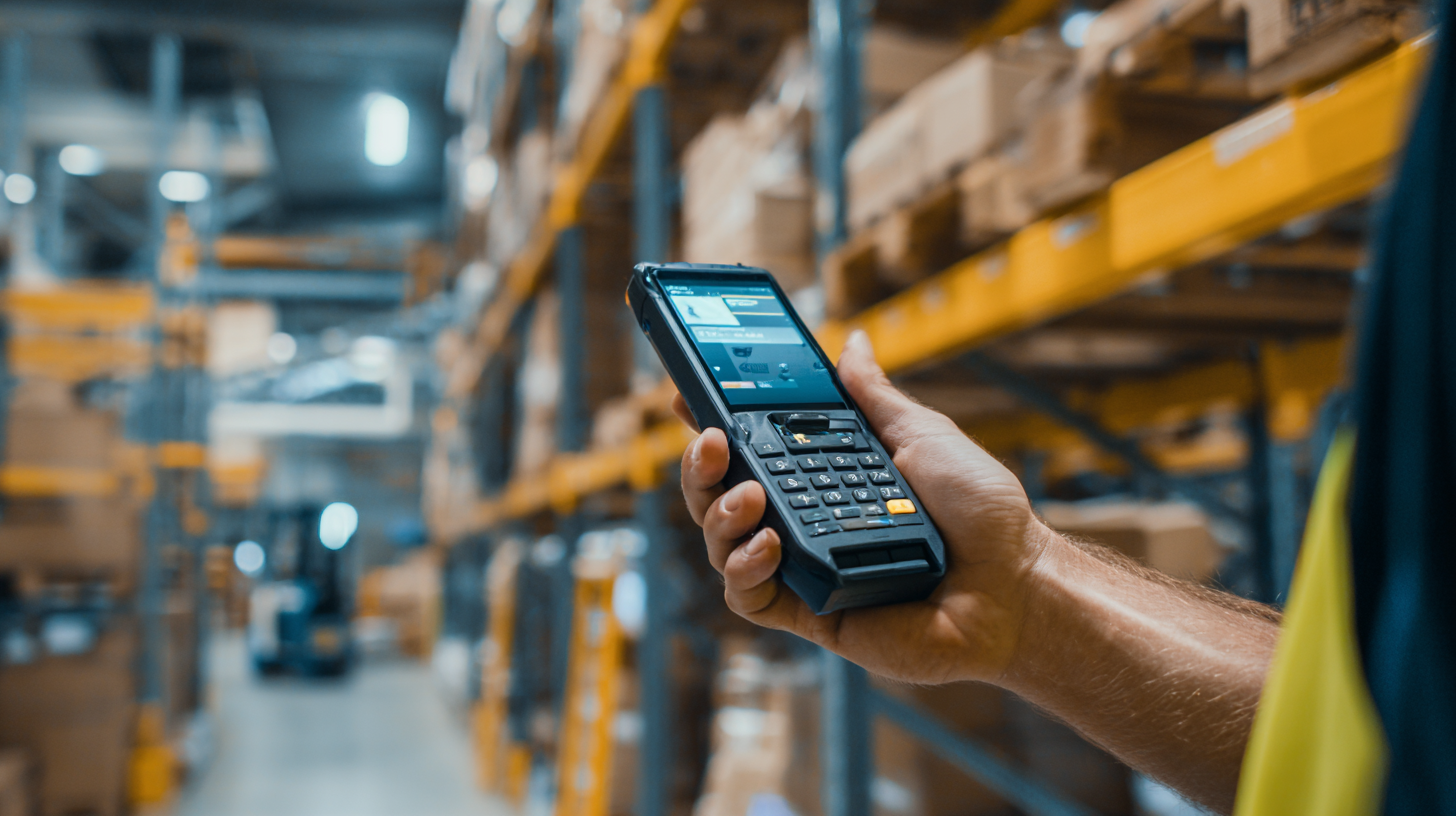
Mobile RFID tech has really shaken things up when it comes to managing inventories. I mean, with radio frequency identification systems, businesses can automate and improve how they keep track of their stock — and it’s pretty impressive how accurate it is. Basically, mobile RFID involves using handheld devices with built-in RFID readers; these gadgets can quickly scan tags attached to items, making the whole process way more efficient. Not only does this make inventory management smoother, but it also cuts down on human errors, so companies can keep their stock levels spot-on.
Getting a handle on what mobile RFID is all about is super important if your business wants to boost its inventory game. The coolest part? It gives you real-time data, so managers can make smarter decisions on the fly. Once you start using mobile RFID, you'll see better visibility into your supply chain — which means faster order fulfillment and a lower chance of overstocking or running out of items. As more businesses catch onto how awesome this tech is, mastering mobile RFID becomes pretty much essential to stay competitive in today’s fast-moving retail world.

Exploring Cost-Effective Alternatives to Traditional RFID Solutions
In today’s fast-moving retail world, keeping track of inventory is more important than ever. Sure, traditional RFID systems work pretty well, but let’s be honest—they can be pretty pricey too. Luckily, there are some smarter, budget-friendly options out there that can help you keep on top of inventory without draining your wallet. Things like barcode scanning with smartphones or lightweight RFID Tags give businesses the flexibility to stay organized and save money at the same time.

Using mobile RFID tech can really make life easier. Imagine just grabbing your phone or a tablet with RFID capabilities to do quick, real-time inventory checks—this cuts down on labor time and boosts accuracy. Plus, if you hook it up to cloud-based inventory software, you can access your data anywhere, whether you’re in-store or at a different location. This hybrid setup keeps the perks of RFID but uses tools you might already have, meaning you won’t need to spend a ton on new hardware. Overall, it’s a pretty smart way for companies to upgrade their inventory game without going all out on expensive tech.
Comparing Mobile RFID with Other Inventory Management Techniques
So, mobile RFID (you know, Radio-Frequency Identification) is really changing the game when it comes to managing inventory. It’s way more precise and faster than the old-school methods. For example, unlike barcodes—where you have to scan each item one by one and need a clear line of sight—mobile RFID can read multiple items all at once and from a little distance. That’s a huge time-saver! It makes stock-taking way easier and helps keep everything accurate, which is a big win for businesses wanting to simplify their inventory stuff.
When you compare this to manual counting or even barcode scanning, mobile RFID definitely stands out. Manual counts are not only slow but also prone to human errors, and barcodes still mean you have to scan each item individually. But with mobile RFID, you can handle large inventories without breaking a sweat. It’s great for keeping your data reliable and gives you instant info about what’s in stock. By jumping on the RFID bandwagon, companies can boost their efficiency, get smarter insights into their inventory, and end up saving some bucks in the long run.
Mastering Mobile RFID Techniques for Enhanced Inventory Management
| Inventory Management Technique | Accuracy (%) | Speed (Items/Minute) | Cost (USD) | Ease of Use (1-5) |
| Mobile RFID | 99 | 200 | 1500 | 4 |
| Barcode Scanning | 95 | 150 | 500 | 3 |
| Manual Counting | 85 | 50 | 0 | 2 |
| Inventory Management Software | 90 | 100 | 1200 | 5 |
| QR Code Scanning | 90 | 80 | 300 | 3 |
Evaluating the Benefits of Integrating Mobile RFID with Existing Systems
You know, adding mobile RFID tech into your current inventory systems can really give your operations a big boost—making everything more efficient and accurate. And with real-time locating systems (RTLS), it’s like having a superpower for tracking assets with incredible precision. I recently read a report that said companies using mobile RFID can cut down their inventory mistakes by up to 30%. That’s a pretty big deal because fewer errors mean fewer stockouts and less overstocking, which hits your bottom line in a good way.
But honestly, it’s not just about getting things right. Mobile RFID also helps gather data on the fly—so you get real-time info to make smarter decisions. One study mentioned that businesses using mobile RFID manage their inventory about 25% faster. Plus, that means your team isn’t stuck doing tedious manual counts or data entry all day—they can focus on stuff that really adds value. Looking at all these benefits, it’s clear that adopting this tech can really tidy up inventory processes, improve customer experience, and make sure the right products are in the right place at the right time. So, all in all, it’s a win all around.
Case Studies: Successful Implementations of Mobile RFID Alternatives
Lately, you’ve probably heard that more and more companies are getting on board with mobile RFID tech to spoil their inventory game — and honestly, it’s paying off big time. Take this one big retail chain, for example. They hopped on with handheld RFID scanners to make checking stock on the shelves way faster and less of a hassle. And guess what? They cut down a ton of time during audits, which meant happier staff and more accurate stock counts. Best part? Customers always found what they were looking for, so overall shopping experience got way better.
And it’s not just retail — the logistics world is catching on, too. One huge warehouse company started using mobile RFID devices to keep tabs on shipments as they move from one point to another, in real time. Workers just scan items at different checkpoints, and boom — their inventory updates immediately. That’s a game changer because it slashed mistakes and made shipments go out quicker. All in all, mobile RFID is really shaking up the old-school ways of managing inventory, making everything smoother, faster, and way more reliable.
Future Trends: Innovations in Mobile RFID for Inventory Management
You know, the rapid pace at which mobile RFID tech is evolving is pretty remarkable. It’s honestly starting to change the game when it comes to managing inventory across all kinds of industries. As companies look for ways to be more efficient and accurate, these mobile RFID solutions are becoming absolutely essential. If you look at the numbers, the global RFID market is expected to jump from about $17 billion in 2025 to over $37 billion by 2032 — that’s a solid growth rate of around 11.9% per year! It really shows how much folks are starting to realize just how much RFID can help streamline inventory processes.
Looking ahead, the trends in mobile RFID seem to be all about pushing boundaries—improving how we track items and gather data. Imagine real-time inventory tracking, automatic alerts for restocking, and smoother integration with supply chain systems that are already in place. Plus, with technologies like AI and the Internet of Things coming into play, things are about to get even smarter. These upgrades mean businesses can predict demand better, allocate resources more efficiently, and basically run a tighter ship. As all this tech gets better and more widespread, companies will find it easier to cut down on human errors and boost their overall efficiency. Honestly, mobile RFID is shaping up to be a total game-changer in how we handle inventory today.
Mastering Mobile RFID Techniques for Enhanced Inventory Management
This chart illustrates the trend of improved inventory accuracy achieved through advanced mobile RFID techniques over four quarters. As mobile RFID technologies evolve, a noticeable increase in accuracy is recorded, highlighting the positive impact on inventory management efficiency.
Harnessing the Power of RFID Technology: Optimizing Card Management with the USB Compact Desktop RFID Scanner GRU-D100
Harnessing the Power of RFID Technology: Optimizing Card Management with the USB Compact Desktop RFID Scanner GRU-D100
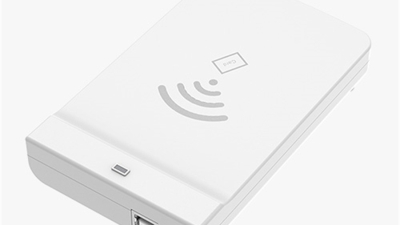
In the fast-paced world of modern business, efficient card management is crucial for security and operational effectiveness. The GRU-D100 USB Compact Desktop RFID Scanner offers a seamless solution for managing RFID cards, facilitating quick and reliable data capture. With its plug-and-play functionality, this compact device connects effortlessly to any USB port, eliminating the frustration of complex installation processes. Users can simply plug the scanner in, and within moments, start optimizing their card management with ease.
The GRU-D100 is designed not only for ease of use but also for versatility. Its robust capabilities make it suitable for a wide range of applications, from access control to asset tracking. Whether you require customized solutions tailored to your specific needs or are on the lookout for a general-purpose product, our commitment to quality ensures that you receive value-driven solutions. Reach out with your inquiries and orders to get prompt responses and detailed product quotations that emphasize our dedication to providing high-quality, cost-effective services. Experience the transformative power of RFID technology with the GRU-D100 and enhance your card management processes today.
FAQS
: Mobile RFID technology involves using handheld devices with RFID readers to scan and process RFID tags on inventory items, allowing for accurate and automated inventory tracking.
It provides real-time data, enhances visibility into the supply chain, reduces human error, and helps in better order fulfillment and resource allocation.
Unlike barcodes that require line-of-sight scanning, mobile RFID allows simultaneous reading from a distance, greatly improving efficiency and accuracy.
Mobile RFID automates operations, reduces human error, handles large volumes of inventory quickly, and provides real-time visibility, leading to improved data integrity and decision-making.
Innovations will focus on advanced tracking capabilities, automated restocking alerts, and better integration with supply chain systems, along with the use of AI and IoT for improved inventory management.
The global RFID market is projected to grow from $17.12 billion in 2025 to $37.71 billion by 2032, indicating a compound annual growth rate of 11.9%.
These advancements will help businesses reduce human error, enhance operational performance, predict demand more accurately, and allocate resources efficiently.
Mastering mobile RFID techniques is essential for improving inventory management practices and staying competitive in the fast-paced retail environment.
Future mobile RFID solutions are expected to include real-time inventory visibility, automated alerts for restocking, and improved integration with existing systems.
Conclusion
In today’s ever-changing world of inventory management, it’s pretty clear that getting the hang of mobile RFID tech is a must for businesses that want to run smoother and smarter. I mean, this blog dives into the basics of mobile RFID — and trust me, it’s a much more budget-friendly option compared to those traditional RFID setups. When you look at what mobile RFID can do versus other inventory methods, it’s easier to see which practices can really boost your inventory game.
And here's the best part — integrating mobile RFID with the systems you've already got in place makes everything flow better and works more efficiently. Plus, there are real-world stories of companies that have nailed it with mobile RFID, showing just how game-changing this technology can be. Looking ahead, innovations in mobile RFID are only going to accelerate, and for companies wanting to stay ahead in the race, it’s definitely something worth paying attention to. Honestly, it’s an exciting time for inventory management — and mobile RFID is a big part of that future.

 Rotary HF RFID Tag Reader GRH-I40 Suitable for Assembly Lines
 Industrial-grade High-frequency Integrated Reader GRH-I65 Suitable for Asset Tracking
 With ESD Protection HF RFID Reader GRH-I68 Suitable for Progress Tracking
 Proximity HF RFID Reader GRH-M30 Suitable for Manufacturing Workshops
 Desktop HF RFID Scanner GRH-D80-HID Suitable for Card-issuing Applications
 High Frequency Medium Distance Reader GRH-I90 Suitable for Logistics Production Line
 UHF RFID Portals and Tunnel Machine RFly-AM3000 for Access Control
 Narrow RFID Portals Series TD-P20040-SS for Single Tag Entry and Exit Identification Scenario
 RFID Transmission Line Simple Identification Tunnel Machine (TD-T3050)
 Vision and RFID Tunnel Machine TD-T7692-RV for Logistics Sorting
 RFID Transmission Line Identification Tunnel Machine TD-T10090
 RFID Mobile Inventory Tunnel Machine TD-T65150 for Conveyor Belts
 High-Performance Far-Field Antennas for Broad Coverage.
 Multi-Purpose Antennas: Flexibility for Diverse Applications
 Near-Field Antennas for Short-Distance Tag Detection.
 Portals & Tunnel Antennas for Integrated RFID Series
 Slimline PCB Antennas for Warehousing and Logistics
 Miniaturized and Thin Antennas can Provide Good Performance in a Smaller Size.
 GPS Tracker for Vehicles, Car, Kids, Assets.
 CO2 Sensors Detect CO2 Gas through Alarms, Suitable for Offices, Planting Tents.
 Door Sensor, Detect Open and Closed Doors or Windows, Sends Alerts, Triggers Siren.
 Wireless Level Sensor Equipped with a 5-Meter Detection Line, Suitable for Water Tanks
 Real Time Monitoring of Air Quality Using PM2.5/PM10 Sensors.
 Smoke Sensor, Fire Alarm Smoke Detector with Test Button and Low Battery Reminder.
 Soil Stress Sensor,Bridge and Tunnel Monitors.
 Vibration Sensor Monitors Equipment, Like Conveyors and Motors, for Operational Status.
 E -Paper Display
 Smart Water Sensor Alarms, 1.2 M Detection Line.
 CO Sensor for Basements Home Office House Bedroom Living Room Car, Light Plug and Play.
 Temperature and Humidity Sensor
 Multi-sensor GD-ME
 Temperature Sensors Monitor the Surface Temperature of Various Heating Equipment.-1
 Signal Enhancement Terminal, Long Range Coverage.
 Multi-Protocol Communication Gateway, App Remote Control.
 Edge Vision Gateway can Access Various Mainstream Cameras, Suitable for Office, Factory.
 GBS-3550 Outdoor Sensor Gateway,LoRa, 2/3/4G Communication.
 Smart WiFi Gateway, Realize Remote Control.
 Ultra-Low-Power Solar-Powered Intelligent Gateway (Outdoor)
 IP67-protected Integrated RFID Reader Writer RFly-I165 for Supply Chain
 Long-range Distance UHF RFID Reader RFly-I195 for Inventory Management
 Small UHF RFID Tag Reader RFly-I300 for Cars
 Two-channel Compact Fixed RFID Reader RFly-F210 for Warehousing
 Four Channels Fixed UHF RFID Reader RFly-R6 for Supply Chain
 8-channel UHF RFID Tag Reader RFly-R8 for File Cabinet Identification
 Bluetooth Portable RFID Reader and Writer GRU-HBT100 for Inventory Management
 Industrial Grade Handheld UHF RFID Reader GRU-HC520 Suitable for Logistics
 RFID Gateway Networking System
 RFID Passive Temperature Measurement System
 RFID Tags for Container Turnover Management
 RFID Tags for Equipment O&M Management
 RFID Tags for Manufacturing Management
 RFID Tags for Tool Management
 A Kits for Equipment Condition Detection
 A Kits for Office Computer Room Environment Monitoring
 A Kits for Reservoir Environmental Monitoring
 A Kits for Storage Space Environment Monitoring
 A Kits for Stress Detection of Underground Tunnel
 A Kits for Urban Environment Monitoring
 Intelligent IoT Monitoring Platform
 Integrating Multiple Functional OTG Demo Software
 HF Demo Software
 UHF Demo Software