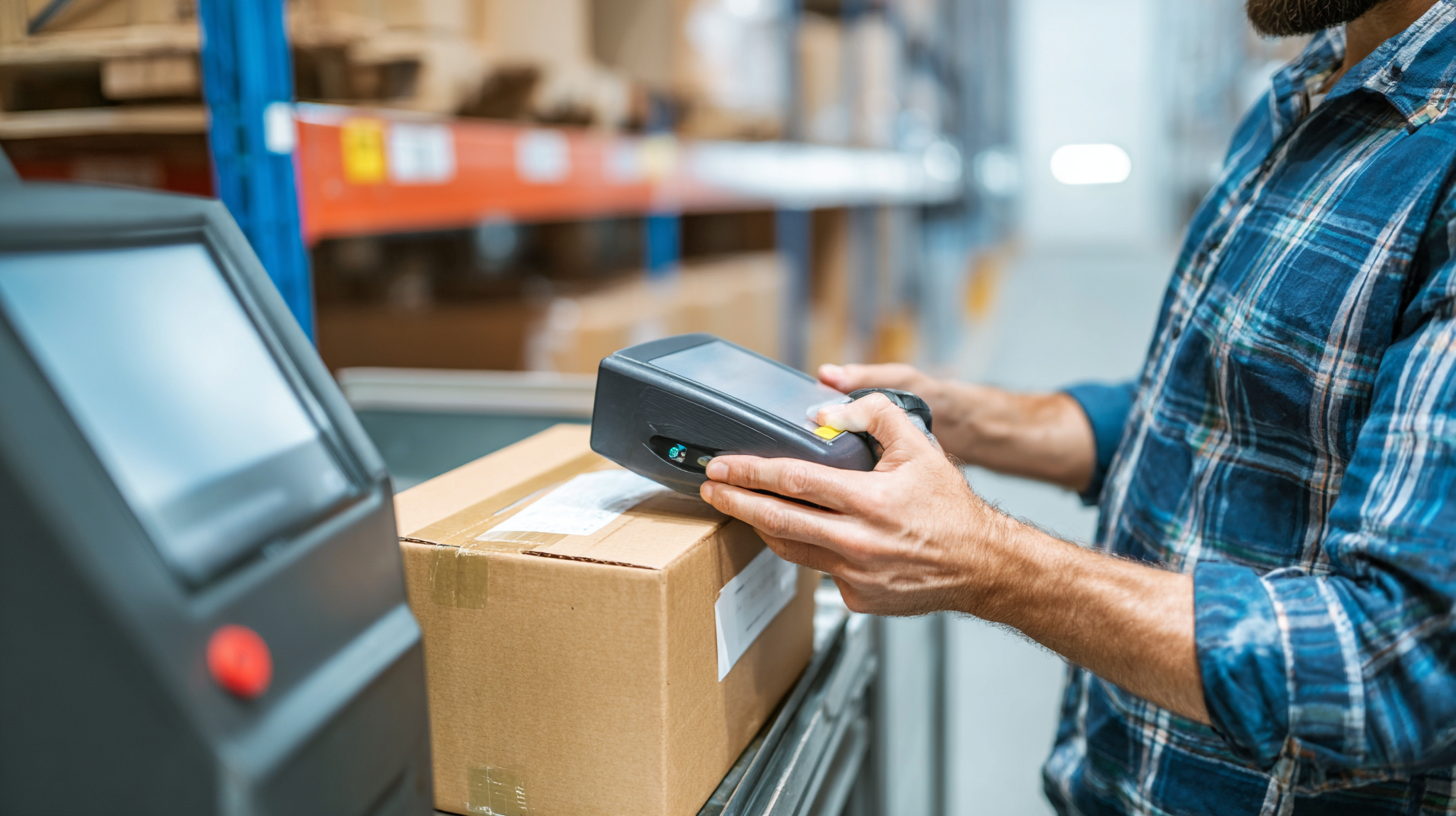
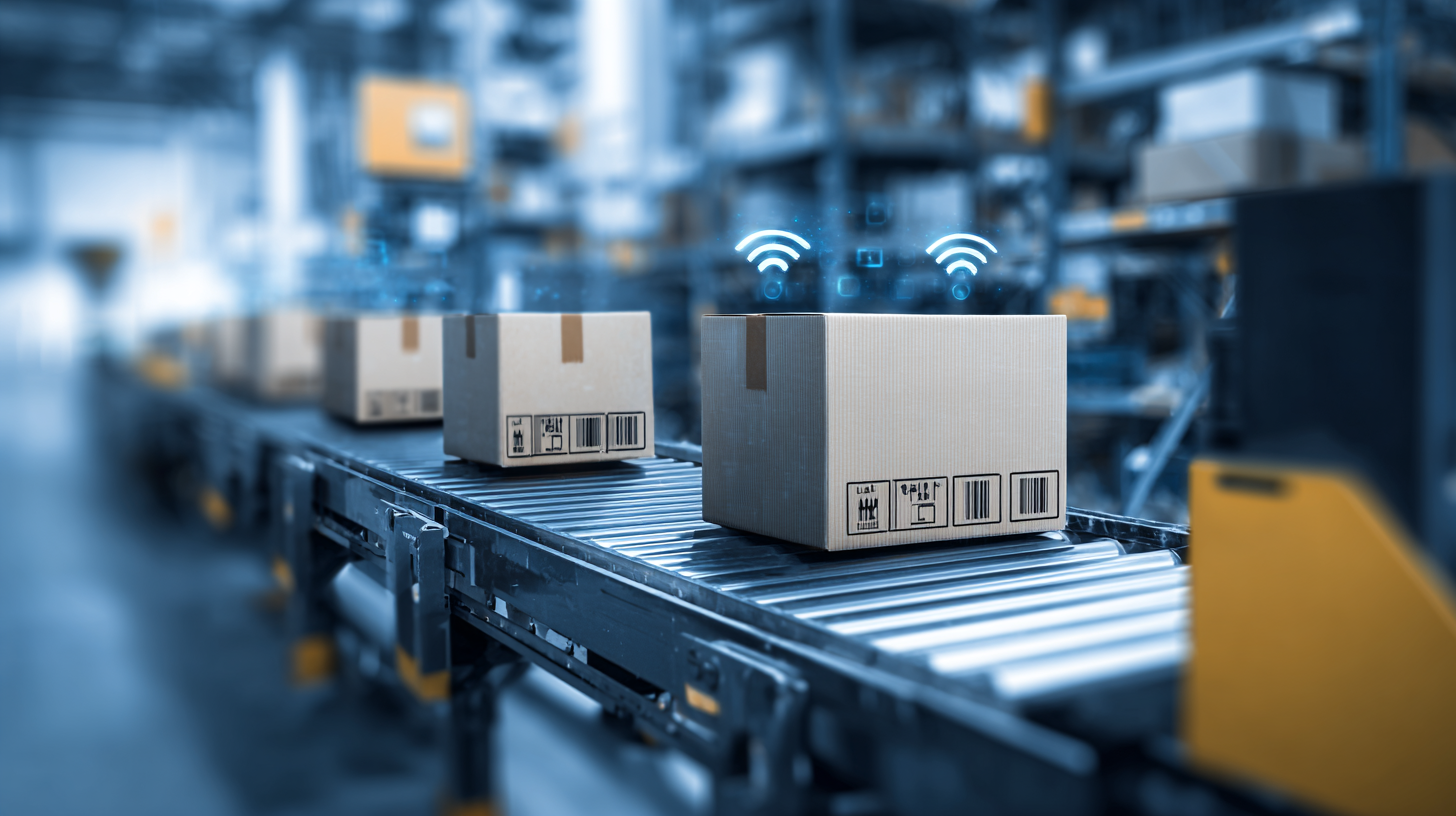
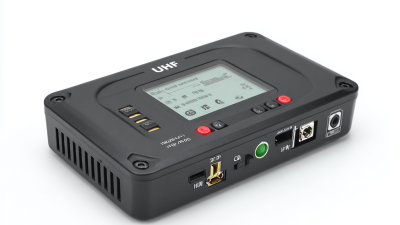
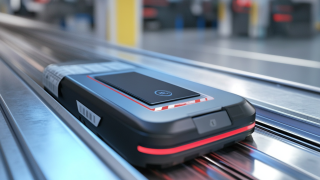
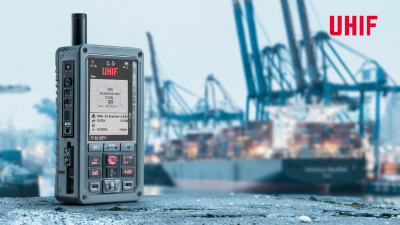
In today's fast-changing world of global supply chains, cutting through the noise to boost efficiency is more important than ever for businesses trying to stay ahead. One tech that's really making a difference here is the Uhf Rfid Tag Reader. It helps companies streamline their operations—think better inventory accuracy and lower labor costs—making everything run smoother. I came across a recent report from Research and Markets, and it says the worldwide RFID market is expected to hit around $40.5 billion by 2026. That growth is mostly fueled by more companies adopting UHF RFID tech for their supply chain management. MingQ Technology Limited, a company focused on IoT hardware and software, really sees the huge potential in these UHF RFID Tag Readers. By using cutting-edge tools like AI, IoT solutions, and advanced info communication, MingQ is helping businesses fine-tune their supply chain processes, tackle problems head-on, and ultimately work more efficiently than ever before.
You know, UHF RFID technology has really become a game-changer when it comes to making supply chain operations run smoother. Basically, by using ultra-high frequency radio waves, these RFID tag readers help track and manage inventory better than ever before, even across the globe. It’s pretty cool because it allows businesses to gather data in real time, giving them a super clear picture of their assets — kind of like having eyes all over your inventory. With this kind of info at their fingertips, companies can streamline their processes, cut costs, and react faster to market changes. Plus, when UHF RFID systems are integrated smoothly, managing logistics becomes way more efficient — making sure goods arrive on time and in perfect shape is no longer a big headache.
At MingQ Technology Limited, we totally get how crucial this technology is in today’s supply chains. We've poured a lot into developing smart hardware and software that tap into the power of RFID. By merging artificial intelligence with solid communication protocols, we offer solutions that really boost how efficiently businesses can operate. Our products don’t just give better visibility and control over inventory — they also support making smarter decisions based on data, which ultimately helps create a more agile, effective supply chain.
As companies work hard to make their global supply chains run more smoothly, it’s getting pretty clear that they need to look beyond the usual RFID tag readers. That’s where these new fancy UHF RFID readers come into play—they really seem to provide a much better way to handle big chunks of data compared to the old-school systems. If you’ve been keeping an eye on the market, you probably noticed that the RFID industry is expected to blow up, hitting close to $30 billion by 2025. This huge jump is mainly thanks to all the tech upgrades—like fixed, handheld, and even wearable Rfid Devices—that are making these systems smarter and more adaptable, which is exactly what today’s complex supply chains need.
On top of that, adding artificial intelligence into RFID tech takes things to a whole new level of efficiency. These smart RFID readers can use machine learning to better manage inventory, predict when demand might change, and make logistics way more streamlined. For example, AI-powered data triage systems used in emergency situations have shown they can save precious time and allocate resources way faster during disasters. By jumping on these cutting-edge solutions, companies get real-time tracking and insights that help cut down losses and Boost performance. It’s pretty clear—adopting innovative RFID tech isn’t just a nice-to-have anymore; it's becoming a must for any organization serious about staying competitive and efficient in today’s fast-paced world.
Adding in middleware solutions really makes a big difference when it comes to integrating UHF RFID systems into global supply chains. Think of these solutions as a kind of translator or bridge between your RFID hardware and your enterprise resource planning (ERP) software. They make sure the data collected from RFID readers gets communicated and processed smoothly, without hiccups. When you use middleware, it creates a continuous flow of information—so, you get real-time updates on inventory, which helps boost operational efficiency. That means your supply chain becomes more flexible and responsive, so you can quickly adapt to changing market demands.
On top of that, middleware is great at making different RFID technologies and your existing IT systems work nicely together. It can translate data formats, manage various communication protocols, and ensure all parts of your supply chain are talking the same language. This is especially useful if you’re running operations across multiple countries, where standardization can be pretty tricky. By smoothing out these processes, businesses can cut down on mistakes, reduce manual data entry, and get more done—all of which adds up to better productivity. Putting in good middleware isn’t just about efficiency, though; it also sets the stage for more advanced analytics and smarter decision-making down the line.
This chart illustrates the implementation stages of middleware solutions for UHF RFID systems within global supply chains. The data represents the time (in hours) spent on each stage, showcasing how streamlined processes can enhance overall efficiency.
As global supply chains keep evolving, using UHF RFID tag readers can really help streamline operations and make tracking a whole lot easier. If you're trying to figure out what's best for your business, it's pretty important to do a thorough cost-benefit check on the different RFID systems out there. This means looking beyond just the initial price of the readers—think about ongoing costs, maintenance, and how well the tech can grow with your supply chain down the line.
Now, not all UHF RFID reader tech is created equal. For example, passive RFID readers tend to be cheaper upfront and don’t require much maintenance, so they’re often a good fit for many situations. On the flip side, active RFID systems can cost more initially, but they offer better tracking features—especially useful in bigger, more complicated supply chains. The key is to weigh the total costs over time—considering things like labor savings, better inventory accuracy, and less loss or theft—so you can pick the RFID solution that really matches your goals and makes sense for your operations.
| Technology Type | Read Range (meters) | Cost per Unit ($) | Data Transfer Rate (kbps) | Deployment Time (hours) | Annual Maintenance Cost ($) | ROI Factor |
|---|---|---|---|---|---|---|
| Fixed Reader | 8 | 150 | 640 | 5 | 500 | 3.5 |
| Handheld Reader | 5 | 250 | 300 | 2 | 300 | 2.0 |
| Mobile Reader | 6 | 300 | 400 | 4 | 400 | 2.5 |
| Integrated Reader | 10 | 400 | 800 | 6 | 600 | 4.0 |
As UHF RFID tech keeps getting better and more advanced, it’s really important for folks working in supply chains to stay on top of what's coming next. From what I’ve seen lately, the market’s expected to grow at around 20.1% CAGR from 2023 through 2030 — that’s pretty impressive! A lot of this growth is thanks to updates in reader technology and a bigger focus on keeping inventory counts accurate. It all points to a shift towards smarter, integrated solutions that can handle real-time tracking around the world, which means lower costs and better service for everyone.
And here’s the exciting part — trends like mixing AI and the Internet of Things (IoT) with UHF RFID are going to totally change how supply chains operate. A recent study from Allied Market Research shows that combining IoT with RFID can potentially boost inventory visibility by up to 90%, which is huge when you think about reducing stock errors and discrepancies. Plus, the upcoming next-gen RFID protocols are expected to improve data speeds and stretch read ranges even further. That means companies will find it way easier to manage massive inventories without breaking a sweat. All in all, these innovations are set to make supply chains way more efficient, smoother, and profit-friendly — it’s an exciting time to be in this space!
: UHF RFID technology utilizes ultra-high frequency radio waves to enhance the tracking and management of inventory across global supply chains, allowing for real-time data collection and monitoring of assets.
UHF RFID technology streamlines operations, reduces costs, improves responsiveness to market demands, and ensures timely delivery of goods in the right condition through efficient logistics.
MingQ Technology Limited provides advanced hardware and software that leverage RFID technology, combining it with artificial intelligence and robust communication protocols to enhance inventory visibility and control.
Businesses should consider the initial investment, ongoing operational costs, maintenance, and scalability of the technology as their supply chain grows, along with long-term benefits such as labor savings and improved inventory accuracy.
Passive RFID readers typically have lower upfront costs and require less maintenance, making them suitable for many applications, while active RFID systems involve higher initial expenses but offer enhanced tracking capabilities in large and complex environments.
Data-driven decision-making enables businesses to make informed choices based on accurate inventory tracking and operational insights, ultimately leading to smarter and more efficient supply chain management.
Hey, in today’s really fast-moving global supply chains, using UHF RFID tag readers is pretty much essential if you want to keep things running smoothly. Getting a good grip on how UHF RFID technology works can actually help businesses cut down on delays and better keep track of their inventory in real time. And hey, exploring different options beyond the usual RFID readers—especially when you add middleware solutions into the mix—can make your whole system much more integrated and flexible.
MingQ Technology Limited really stresses the importance of weighing the costs and benefits of different UHF RFID reader options before jumping in so you can make smart investment choices. As this tech keeps evolving, it’s super important for businesses to stay on top of new trends in UHF RFID. That’s the way to stay ahead, improve supply chain efficiency, and be ready for whatever the future holds.