Leave Your Message
0%

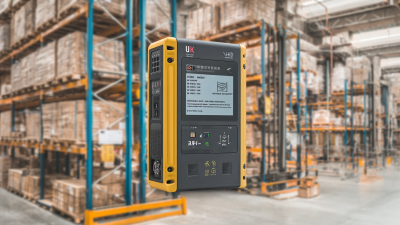
In today’s fast-changing digital world, more and more businesses are turning to integrated UHf Rfid Readers to boost efficiency and get the best bang for their buck. As someone who's been working with IoT hardware and software at MingQ Technology Limited, I can tell you—embracing this kind of advanced RFID tech can really save costs, especially when it comes to after-sales support and maintenance.A report from RFID Journalmentioned that companies using UHF Rfid Solutions can see inventory accuracy jump up to99%. That’s huge because it means less hassle, fewer errors, and better asset tracking, all of which help cut operational costs. Plus, the global RFID market is expected to hit around $40.5 billion by 2025, which just goes to show how widely this tech is being adopted across different industries. So, investing in top-notch integrated UHF RFID readers isn’t just about keeping up; it’s about making your business more efficient and saving money in the long run. Honestly, it’s a smart move if you want to stay competitive in today’s really crowded market.

How to Maximize ROI with Best Integrated UHF RFID Reader: After-Sales Support and Maintenance Cost Benefits

Understanding UHF RFID Technology and Its Advantages for ROI

How to Maximize ROI with Best Integrated UHF RFID Reader: After-Sales Support and Maintenance Cost Benefits Getting to grips with UHF RFID tech (that’s Ultra High Frequency Radio Frequency Identification, by the way) is a smart move for any business wanting to make the most of their investment. Basically, UHF RFID offers some pretty big perks over old-school tracking methods. In fact, a report from ABI Research found that companies using RFID boost their inventory accuracy to over 99%. That’s a game-changer—it cuts down on stock losses and makes managing inventory way easier. Plus, when things are more accurate, customers generally leave happier because products are in stock when they want them.

If you're looking to really maximize your ROI with UHF RFID, a couple of tips can make a big difference. For one, focus on seamless integration and pick the right reader for your needs. Go for an integrated UHF RFID reader if you can—these often cost less to maintain because they’re easier to use and need less tech support. Also, investing in good training for your staff can make everything run a lot smoother from day one, helping you get the most out of your RFID system right away.

And don’t forget, it’s a good idea to keep checking in on your RFID setup regularly. According to the International Journal of Production Economics, businesses that do ongoing evaluations save up to 30% on operational costs over time. By fine-tuning your system and processes, you’ll boost efficiency and, in the end, see a nice boost in your overall ROI.

Key Features to Look for in Integrated UHF RFID Readers

When you're choosing integrated UHF RFID readers, there are a few key features you really want to pay attention to—these can make a big difference in how well the system works and what kind of return on investment you’ll get. Did you know that the market for UHF RFID tags is expected to grow from around $2.4 billion in 2024 to a whopping $6.5 billion by 2033? That’s quite a leap, signaling steady, solid growth each year. It really highlights the importance for businesses to adopt more advanced RFID tech to help streamline processes and save costs.

One thing that’s super important is the reader’s read range and accuracy—these directly affect how efficiently you can manage inventory and keep track of your assets. There are some pretty cool innovations out there, like spider web-shaped antennas inspired by nature, which are designed to boost performance especially in IoT and healthcare settings. It’s pretty impressive how flexible and adaptable UHF RFID technology is becoming. Plus, integrating stuff like blockchain into supply chain systems not only beefs up data security but also helps optimize day-to-day operations. All these tech advancements basically mean that adding top-notch features to your RFID setup can slash maintenance costs while ensuring you get great support down the line. Long story short: staying ahead with these latest features is a smart move for any business looking to get the most bang for their buck.

Cost-Benefit Analysis of After-Sales Support for UHF RFID Solutions

You know, adding UHF RFID tech into business operations can really boost how smoothly things run—especially when it comes to managing inventory. But, here’s the thing—they say if you want to get the most bang for your buck, don’t forget about the after-sales support and maintenance. I read that by 2025, the UHF RFID market might hit around $8.19 billion, according to IDTechEx, which shows just how crucial ongoing support is if you want to truly benefit from such investments. When you have solid after-sales service in place, you can cut down on downtime and see your system performing better—sometimes by as much as 20 to 30%. That makes a pretty big difference in overall efficiency, right?

Looking closer at the numbers, doing a cost-benefit check on support and maintenance actually shows you can save quite a bit over time. A study from the Aberdeen Group found that companies with strong support strategies tend to have about 30% lower maintenance costs. Plus, when you keep up with proper support, RFID systems tend to last longer—some users even mention up to 25% more lifespan with the right care. That’s a win because it means fewer replacements and staying ahead in this fast-changing market. Bottom line: if your business is investing in UHF RFID solutions, you really should focus on a solid after-sales system to get the most out of your tech investment—that’s what makes all the difference.

How to Maximize ROI with Best Integrated UHF RFID Reader: After-Sales Support and Maintenance Cost Benefits - Cost-Benefit Analysis of After-Sales Support for UHF RFID Solutions

Dimension Value Description
Initial Investment $15,000 Cost of purchasing UHF RFID reader and software
Annual Maintenance Cost $1,200 Ongoing support and maintenance fees
Support Response Time 4 hours Average time taken to respond to support requests
Downtime Per Year 12 hours Estimated total system downtime due to issues
Annual ROI 20% Return on Investment calculated based on savings
Customer Satisfaction Rate 90% Percentage of customers satisfied with support services
System Lifespan 5 years Expected period before needing replacement

Best Practices for Maintaining UHF RFID Readers to Reduce Downtime

Keeping your UHF RFID readers in good shape is super important if you want to avoid unexpected downtime and get the most out of your investment. I mean, doing regular check-ups can really make a difference—like cleaning the antennas and making sure all the connections are tight and free of dust or dirt. Tackling these tiny issues early on can save you from bigger, more expensive repairs later on. Trust me, it’s worth the little effort.

And don’t forget about updates! Keeping your firmware and software up to date is a total game-changer. Manufacturers often roll out updates that boost performance and fix bugs, so staying on top of those means your system runs smoothly all the time. Plus, training your team on how to use the tech correctly can really cut down on mistakes and reduce overall maintenance costs. It also helps everyone be more productive and get the most out of the system without frustration.

Future Trends in UHF RFID Technology: What's Coming by 2025

Hey, so it looks like UHF RFID tech is really headed for some exciting growth! The global RFID market is expected to jump from around $17.1 billion in 2025 to a hefty $37.7 billion by 2032, which is pretty impressive—growing at an annual rate of about 11.9%. This surge is mainly because more industries are craving smarter inventory and tracking systems these days. As more companies jump on the RFID bandwagon, the benefits for efficiency and saving money are pretty obvious—think about how much smoother supply chain logistics and retail operations could become.

On top of that, the market for just UHF RFID chips is projected to skyrocket too—going from roughly $9.7 billion in 2024 to nearly $29 billion by 2033. It really shows how RFID stuff is becoming a staple in everyday applications, making things more transparent and accurate. And don’t forget the UHF RFID (RAIN) market—it's forecasted to reach around $14.7 billion, fueled by constant innovation and new use cases popping up all the time. For businesses investing in this tech, the payoff looks pretty sweet—lower operational costs and better ROI, making it an attractive choice for the future, especially as we head towards 2025 and beyond.

How to Maximize ROI with Best Integrated UHF RFID Reader: After-Sales Support and Maintenance Cost Benefits

Real-World Case Studies: Successful ROI from UHF RFID Implementations

Lately, more and more businesses are jumping on the UHF RFID bandwagon to make their operations smoother and get a better bang for their buck. According to a report from IDTechEx, the RFID market’s expected to hit around $13 billion by 2026 — which just shows how widely these systems are being adopted across different industries. One of the biggest perks of UHF RFID? It can seriously cut down on after-sales support and maintenance costs. Take a retail chain, for example — they implemented UHF RFID and saw their inventory accuracy shoot past 98%. That meant fewer losses from theft or mistakes, and they managed to cut labor costs related to inventory management by nearly 40%. Talk about saving some serious cash on operational expenses.

And then there’s the healthcare side of things. One hospital that put UHF RFID in place reported slashing the time it took staff to find equipment by half — a huge deal when you're trying to care for patients quickly. Before, staff members could spend hours just hunting down the right tools, which wasn’t ideal. After they adopted RFID, things got a lot more efficient, freeing up resources and improving overall service. These real-world stories really highlight how embracing UHF RFID can boost a company's bottom line. As more industries evolve, these examples set a pretty clear benchmark for businesses looking to stay competitive with the latest tech upgrades.

Enhancing Logistics Efficiency: The Role of High Frequency Medium Distance Reader GRH-I90 in Production Lines

In today's fast-paced manufacturing environment, enhancing logistics efficiency is essential for maintaining a competitive edge. One technology making significant strides in this area is the high-frequency medium distance reader, notably the GRH-I90. This innovative device optimizes production line operations by providing rapid and reliable data capture, which is crucial for inventory management and supply chain optimization. According to recent industry reports, companies leveraging advanced RFID technologies have reported a 30% reduction in logistics costs and a 50% improvement in inventory accuracy.

Complementing the capabilities of the GRH-I90, the GRH-I68 reader stands out with its robust design tailored for environments plagued by high electrostatic discharge (ESD). Its effective ESD protection ensures operational reliability and longevity, which is vital in preventing costly downtimes associated with equipment failure. By utilizing high-frequency integration, the GRH-I68 not only delivers exceptional performance but also supports manufacturers in achieving their sustainability goals by minimizing waste and prolonging the lifespan of their RFID systems.

As the industry continues to evolve, the demand for customized and general-purpose RFID solutions remains strong. Companies looking for high-quality and cost-effective products should consider the GRH-I series as they are committed to enhancing overall logistics efficiency. With a proactive approach to customer service, inquiries and orders are met with prompt responses, providing businesses with the tools they need to excel in today’s competitive landscape.

FAQS

: What is UHF RFID technology?

: UHF RFID stands for Ultra High Frequency Radio Frequency Identification, a technology that allows for improved tracking of inventory with high accuracy.

How does UHF RFID improve inventory management?

Industries that implement UHF RFID can achieve inventory accuracy improvements of over 99%, reducing shrinkage and improving stock management.

What are some tips for maximizing ROI with UHF RFID?

Tips include focusing on system integration, selecting the right reader, investing in quality staff training, and regularly assessing UHF RFID systems for optimization.

What is the importance of after-sales support for UHF RFID solutions?

Effective after-sales support can reduce downtime and improve system performance, leading to a 20-30% increase in operational efficiency.

How can after-sales support impact maintenance costs?

Organizations with strong after-sales strategies can experience 30% lower maintenance costs, as timely support helps maintain system performance.

What best practices exist for maintaining UHF RFID readers?

Regular maintenance checks, cleaning antennas, securing connections, and keeping firmware updated are crucial practices to reduce downtime.

How does staff training affect the use of UHF RFID technology?

Proper training leads to better use of technology, reducing user errors and overall maintenance costs, while enhancing productivity.

What is the projected market growth for UHF RFID technology?

The UHF RFID market is expected to reach $8.19 billion by 2025, highlighting the growing importance of the technology in business operations.

How can ongoing evaluations of UHF RFID systems benefit businesses?

Continuous assessments can lead to operational cost savings of up to 30% over time and improved efficiency through refined processes and technologies.

What is the potential impact of after-sales support on the longevity of RFID hardware?

Providing proper care and support can lead to a 25% increase in hardware longevity, reducing the need for frequent replacements.

Sophia

Sophia

Sophia is a dedicated marketing professional at Shenzhen Jinruiming Technology Co., Ltd., where her expertise contributes significantly to the company’s vision and success. With a deep understanding of the company’s innovative product line, she effectively communicates their features and advantages......
Previous Exploring the Key Specifications of Advanced Rfid Writer Technology