In today’s super competitive market, managing inventory effectively is more important than ever if a business wants to run smoothly and keep customers happy. Using RFID tech really can be a game-changer when it comes to making inventory processes more efficient. According to a report from Gartner, companies that adopt Rfid Solutions can cut down inventory errors by around30% and even lower overall operating costs by up to 20%.
MingQ Technology Limited, who specializes in IoT hardware and software, highlights just how powerful Rfid Products can be for communication tech and industrial IoT. By weaving RFID into their existing systems, businesses can getreal-time insights into inventory levels, minimize manual mistakes, and streamline stock management. As demand for smarter, more connected inventory solutions keeps growing, understanding how to make the most of RFID will be key for any organization wanting to stay ahead in this digital age.
Understanding RFID Technology and Its Applications in Inventory Management
Using RFID tech in your inventory management? Honestly, it’s a game-changer when it comes to making shopping feel more personal. When you tap into real-time data from IoT devices, businesses can really get to know what customers like and prefer. It’s like having a little chat with your customer every step of the way, so they get product suggestions and deals that actually matter to them. No wonder folks feel more appreciated—they leave feeling understood, which totally boosts their loyalty.

Plus, RFID helps keep your inventory in check—no more guesswork or surprise stockouts. Everything becomes smoother and more accurate, which means costs go down and shoppers aren’t disappointed because something’s out of stock. At recent RFID events, I’ve seen companies pushing the boundaries—thinking up new ways to use this tech to improve how they manage stock. With the ability to track products instantly and streamline supply chains, businesses can react fast to what their customers want, making them more competitive and opening up new growth opportunities.
Identifying Key Benefits of Implementing RFID in Your Business Operations
Switching over to RFID tech for inventory management can totally change the way your business runs. I mean, a study from UC Berkeley found that companies using RFID saw up to 30% cut in labor costs just for managing inventory, and they also experienced about a 50% drop in stock discrepancies. Pretty impressive, right? The magic here is that RFID lets you track your inventory in real-time — all through a network of tags and readers. It makes managing stock way simpler and gives you way better visibility into what’s happening on the ground.
At MingQ Technology Limited, we’re all about IoT solutions that make integrating RFID systems into different industries smooth and hassle-free. We’ve got some pretty advanced hardware and smart software designed for info communication and industrial IoT.
What’s cool is that RFID isn’t just for tracking anymore — it’s also a powerful tool for digging into data and gaining insights. According to Frost & Sullivan, companies that jump on the RFID bandwagon can see a return on investment of up to 300% within just two years, thanks to more accurate data and more streamlined operations.
All in all, adopting RFID is a smart move — it’s a big step toward making your inventory management more efficient and your overall operations better.
Steps to Assess Your Business's Readiness for RFID Integration
Figuring out if your business is ready to jump into RFID technology is a pretty important step if you want things to go smoothly. First off, take a good look at how you're currently managing your inventory. Are there any headaches like stock mismatches happening all the time or maybe manual counts that just eat up your time? Those are exactly the kinds of issues RFID can help fix. Don't forget to chat with your team too—getting their insights can really shed light on what's working and what’s not when it comes to your daily operations.
Here’s a little tip: try running a small pilot program in one department first. This way, you can see how RFID performs in real life and tweak your approach without overhauling everything all at once.
Next up, look into your existing tech setup. Make sure your current systems can handle RFID hardware and software. Compatibility matters a lot — the smoother the integration, the better your data will be, and the more efficient everything becomes. Also, don’t forget to crunch the numbers and consider the costs involved. Make sure the investment makes sense and that you’re actually getting a decent return.
And, a quick tip — do some research on different vendors, compare what they’re offering, and see which one fits your needs best. If you’re feeling a bit overwhelmed, it’s totally worth reaching out to an expert. They can help you navigate the tech details and make sure you’re really getting the most out of RFID.

Best Practices for Selecting the Right RFID Products for Your Inventory Needs
When you're trying to pick out the right RFID products for your inventory, it’s really about understanding what your specific needs are. Start by taking a good look at the types of items you’re going to track. Think about things like size, shape, and packaging—these details can actually influence what kind of RFID tags will work best for you. For instance, if you’re dealing with perishable goods, you’ll want tags that can handle temperature swings. On the flip side, if you have high-value items, it’s worth investing in tougher tags to keep them safe from tampering.
Another big factor is making sure everything plays nicely with your current setup. You want RFID readers, software, and tags that can smoothly connect with your existing inventory system. That way, you avoid chaos and keep things running smoothly. Don’t forget to also think ahead—scalability is key. Picking solutions that can grow with your business means you won’t be stuck trying to upgrade everything later on. When you weigh all these factors carefully, you’ll be in a much better position to choose RFID products that not only boost your inventory accuracy but also help make your whole operation run more efficiently.
Implementing RFID Systems: Strategies for a Smooth Transition
Getting RFID systems up and running in your business can really make managing your inventory a lot easier—and maybe even a bit less stressful. But before you dive in, it’s smart to take a good, honest look at how you’re currently handling things. Pinpoint where things get tricky—like tracking stock levels, avoiding those annoying human errors, or just getting a clearer view of your supply chain. Doing this initial check will help you put together a plan that's tailored specifically to what your business actually needs.
Once you’ve got that down, don’t forget to invest some time in training your team. You want everyone on the same page, feeling confident about the new tech. Think workshops, demos, hands-on sessions—whatever gets them comfortable with RFID readers, tagging, and managing the data. Also, it’s a good idea to roll out RFID step-by-step, gradually introducing the system rather than going all-in at once. This way, your staff can adapt without feeling overwhelmed, and you’ll start seeing the real benefits of better inventory control firsthand. Plus, it helps foster a bit of that innovative spirit, you know?
How to Leverage RFID Products for Enhanced Inventory Management in Your Business
| RFID Product | Functionality | Benefits | Implementation Cost | Integration Time |
| Fixed RFID Reader | Real-time inventory tracking | Increased accuracy, reduced shrinkage | $2,000 - $4,000 | 1-2 weeks |
| Handheld RFID Scanner | Mobile inventory audits | Flexibility, ease of use | $500 - $1,500 | 1 week |
| RFID Tags | Item identification | Unique tracking, loss prevention | $0.10 - $5 per tag | 1-2 days |
| RFID Software | Data management and reporting | Improved decision making | $2,000 - $10,000 | 2-4 weeks |
Measuring Success: Key Performance Indicators for RFID-Enhanced Inventory Management
When it comes to managing inventory with RFID, tracking key performance indicators (or KPIs) is a game-changer. One of the biggest ones is inventory accuracy—basically, how close your recorded stock levels are to what's actually on the shelves. Thanks to RFID tags, companies are seeing a huge boost in accuracy, often surpassing 99%. That kind of precision really helps cut down on stock discrepancies and keeps the entire supply chain running smoothly.
Another vital KPI to keep an eye on is how quickly you can fulfill orders. RFID tech makes it easier to automate tracking and gather data in real-time, which speeds up the pick-and-pack process. This not only means faster order fulfillment but also happier customers—who appreciates getting their orders promptly. Tracking how long it takes from receiving an order to dispatch can give you a good sense of how efficient your operations are.
And don’t forget about the ROI—return on investment. You want to see whether the money you’re investing in RFID is paying off. This includes looking at benefits like faster inventory turnover and lower labor costs since manual stock counts become less necessary. By keeping an eye on these numbers, businesses can figure out if RFID is truly making a difference in their profits and decide whether to scale up or tweak their approach.
Optimizing Container Turnover Management with RFID Tag Solutions: Enhancing Efficiency and Accuracy in Logistics
In today's fast-paced logistics environment, optimizing container turnover management has become a critical factor for businesses looking to enhance operational efficiency and accuracy. With the increasing demand for real-time tracking and improved process visibility, RFID tag solutions have emerged as a game-changer. These solutions not only streamline the container cycle turnover process but also provide reliable data for better decision-making. According to a report by the Gartner Group, companies that implement RFID technology can achieve a 20% reduction in inventory costs and a 50% decrease in order processing time, making the investment in such technologies increasingly appealing.
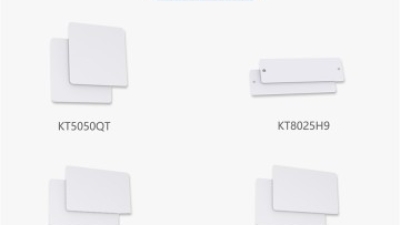
The container turnover tag solutions we offer primarily include two robust types: rugged tags designed to withstand harsh environments and card tags suitable for various applications. Each of these solutions facilitates the visual tracking necessary to manage the container lifecycle effectively. A study by the RFID Journal has noted that companies utilizing RFID systems can see up to a 30% improvement in asset utilization, emphasizing the significant advantages of integrating these tags into logistics operations. Whether you require tailored solutions for specific challenges or general-purpose RFID products, our commitment remains firm: to provide high-quality, cost-effective products and services that cater to your needs.
We understand the importance of prompt communication and responsiveness in logistics management. Hence, we encourage businesses to reach out with inquiries and orders, ensuring that you receive detailed product quotations in a timely manner. Engaging with our RFID tag solutions will not only elevate your container management processes but also contribute to the overall efficiency of your logistics operations.
FAQS
: When selecting RFID products, you should assess the types of items you'll be tracking, including their size, shape, and packaging. Additionally, consider the environmental conditions, such as temperature for perishable goods, and the need for robust tags for high-value items.
Compatibility is crucial because it ensures that the RFID readers, software, and tags can seamlessly integrate with your existing inventory management system. This minimizes disruption and maximizes efficiency in your operations.
Opting for scalable RFID solutions allows your business to adapt to future growth in inventory needs without significant additional investments. This flexibility can be essential for managing changing demands effectively.
Begin by conducting a thorough assessment of your current inventory processes to identify pain points. This analysis can help you create a tailored implementation plan that aligns with your operational needs.
Staff training is crucial for maximizing the benefits of RFID technology. By providing workshops and hands-on sessions, employees can become familiar with RFID readers, tagging processes, and data management.
It is recommended to begin the integration of RFID in phases. This gradual approach allows your team to adapt to the changes and can reduce confusion as they experience the benefits of enhanced inventory management.
Implementing RFID systems can enhance inventory management efficiency by improving tracking of stock levels, reducing human error, and increasing visibility across the supply chain.
Organizations should tailor their RFID implementation plan based on the initial analysis of their inventory processes, focusing on specific areas where RFID can add value to operations.
RFID systems can help address challenges such as inefficient tracking, lack of transparency in stock levels, and high rates of human error in inventory management processes.
Analyzing current inventory processes helps identify pain points and opportunities for improvement, ensuring that the RFID system effectively meets the business's specific operational needs.
Conclusion
So, I came across this article called "How to Leverage RFID Products for Better Inventory Management in Your Business" — and honestly, it’s pretty eye-opening. It dives into how RFID tech can totally change the game when it comes to managing inventory smoothly. The article kicks things off by breaking down what RFID actually is and why it’s become such a big deal in modern inventory systems. It also points out some pretty compelling perks — like how it can boost accuracy, make processes more efficient, and even give you real-time updates on your stock. Definitely enough to make any business seriously consider adopting this tech.
On top of that, the piece walks you through the key steps for figuring out if your business’s ready for RFID. It also shares some handy tips on how to pick the right RFID products to match your specific needs. Plus, there’s advice on how best to roll out the new system without a hitch. And they don’t forget to talk about how to measure if all this effort is actually paying off — with some good performance indicators.
If you’re running a company like MingQ Technology Limited — especially if you're into IoT solutions — these insights could be a game-changer. Staying ahead of the curve when it comes to inventory management? Definitely worth considering.

 Rotary HF RFID Tag Reader GRH-I40 Suitable for Assembly Lines
 Industrial-grade High-frequency Integrated Reader GRH-I65 Suitable for Asset Tracking
 With ESD Protection HF RFID Reader GRH-I68 Suitable for Progress Tracking
 Proximity HF RFID Reader GRH-M30 Suitable for Manufacturing Workshops
 Desktop HF RFID Scanner GRH-D80-HID Suitable for Card-issuing Applications
 High Frequency Medium Distance Reader GRH-I90 Suitable for Logistics Production Line
 UHF RFID Portals and Tunnel Machine RFly-AM3000 for Access Control
 Narrow RFID Portals Series TD-P20040-SS for Single Tag Entry and Exit Identification Scenario
 RFID Transmission Line Simple Identification Tunnel Machine (TD-T3050)
 Vision and RFID Tunnel Machine TD-T7692-RV for Logistics Sorting
 RFID Transmission Line Identification Tunnel Machine TD-T10090
 RFID Mobile Inventory Tunnel Machine TD-T65150 for Conveyor Belts
 High-Performance Far-Field Antennas for Broad Coverage.
 Multi-Purpose Antennas: Flexibility for Diverse Applications
 Near-Field Antennas for Short-Distance Tag Detection.
 Portals & Tunnel Antennas for Integrated RFID Series
 Slimline PCB Antennas for Warehousing and Logistics
 Miniaturized and Thin Antennas can Provide Good Performance in a Smaller Size.
 GPS Tracker for Vehicles, Car, Kids, Assets.
 CO2 Sensors Detect CO2 Gas through Alarms, Suitable for Offices, Planting Tents.
 Door Sensor, Detect Open and Closed Doors or Windows, Sends Alerts, Triggers Siren.
 Wireless Level Sensor Equipped with a 5-Meter Detection Line, Suitable for Water Tanks
 Real Time Monitoring of Air Quality Using PM2.5/PM10 Sensors.
 Smoke Sensor, Fire Alarm Smoke Detector with Test Button and Low Battery Reminder.
 Soil Stress Sensor,Bridge and Tunnel Monitors.
 Vibration Sensor Monitors Equipment, Like Conveyors and Motors, for Operational Status.
 E -Paper Display
 Smart Water Sensor Alarms, 1.2 M Detection Line.
 CO Sensor for Basements Home Office House Bedroom Living Room Car, Light Plug and Play.
 Temperature and Humidity Sensor
 Multi-sensor GD-ME
 Temperature Sensors Monitor the Surface Temperature of Various Heating Equipment.-1
 Signal Enhancement Terminal, Long Range Coverage.
 Multi-Protocol Communication Gateway, App Remote Control.
 Edge Vision Gateway can Access Various Mainstream Cameras, Suitable for Office, Factory.
 GBS-3550 Outdoor Sensor Gateway,LoRa, 2/3/4G Communication.
 Smart WiFi Gateway, Realize Remote Control.
 Ultra-Low-Power Solar-Powered Intelligent Gateway (Outdoor)
 IP67-protected Integrated RFID Reader Writer RFly-I165 for Supply Chain
 Long-range Distance UHF RFID Reader RFly-I195 for Inventory Management
 Small UHF RFID Tag Reader RFly-I300 for Cars
 Two-channel Compact Fixed RFID Reader RFly-F210 for Warehousing
 Four Channels Fixed UHF RFID Reader RFly-R6 for Supply Chain
 8-channel UHF RFID Tag Reader RFly-R8 for File Cabinet Identification
 Bluetooth Portable RFID Reader and Writer GRU-HBT100 for Inventory Management
 Industrial Grade Handheld UHF RFID Reader GRU-HC520 Suitable for Logistics
 RFID Gateway Networking System
 RFID Passive Temperature Measurement System
 RFID Tags for Container Turnover Management
 RFID Tags for Equipment O&M Management
 RFID Tags for Manufacturing Management
 RFID Tags for Tool Management
 A Kits for Equipment Condition Detection
 A Kits for Office Computer Room Environment Monitoring
 A Kits for Reservoir Environmental Monitoring
 A Kits for Storage Space Environment Monitoring
 A Kits for Stress Detection of Underground Tunnel
 A Kits for Urban Environment Monitoring
 Intelligent IoT Monitoring Platform
 Integrating Multiple Functional OTG Demo Software
 HF Demo Software
 UHF Demo Software