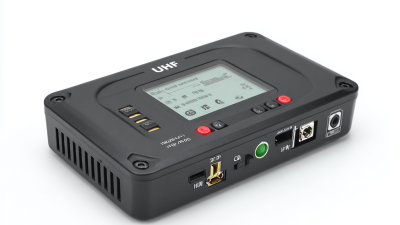
These days, technology really reshaped how we manage inventory, making everything way more efficient and accurate across different industries. One of the big game-changers is the Integrated UHf Rfid Reader—this nifty device allows for smooth, real-time tracking and managing of stock. It’s a true symbol of innovation, helping businesses cut down on losses, keep stock levels just right, and streamline their operations. MingQ Technology Limited is leading the charge here. They specialize in IoT hardware and software, and they’re all about using smart systems to turn old-school inventory practices on their heads. With their skills in info communication, AI, and industrial IoT, they’re committed to providing top-notch solutions that help companies make smarter decisions and stay ahead of the curve. Adopting the Integrated UHF RFID Reader isn’t just about upgrading tech—it’s a smart move towards creating a more responsive, intelligent, and efficient inventory management system that really works for you.

Benefits of Integrated UHF RFID Readers in Modern Inventory Systems
Integrating UHF RFID readers into inventory management systems is a game changer, honestly. It brings so many perks that can really boost how smoothly things run. One of the biggest wins is that it automates data collection — which means fewer mistakes compared to manually checking stock all the time. With RFID tech, businesses can keep an eye on inventory levels in real-time, making sure counts are spot-on and updated quickly. It’s not just about saving time; it helps with smarter decisions when it comes to restocking and ordering supplies.

Plus, having these RFID readers in the mix gives companies much better visibility into their supply chain. You can see how products move and how often they turn over, all without breaking a sweat. This kind of ongoing insight helps prevent overstocking or running out of stuff — you know, those frustrating stockouts or excess inventory moments. And the data collected isn’t just for show; it can be analyzed to spot trends and patterns. That way, businesses can tweak their inventory strategies on the fly. Honestly, adding integrated UHF RFID readers makes inventory management not just more efficient but smarter overall — paving the way for a more responsive and effective supply chain.
Key Features of Advanced UHF RFID Technology for Inventory Management
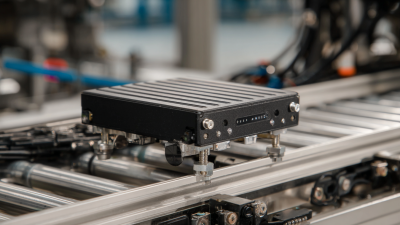
You know, the evolution of integrated UHF RFID readers has really changed the game when it comes to managing inventories. They now provide super impressive efficiency and accuracy in keeping track of assets. With cool features like real-time data capture, being able to read multiple tags at once, and longer read ranges, businesses are able to streamline their operations and cut down on those pesky human errors. These readers are also designed to play nicely with existing inventory systems, so companies can keep an eye on stock levels and movements instantly without much fuss.
Oh, and a quick tip—when you’re setting up UHF RFID tech, make sure the readers are compatible with your current inventory software. That smooths out the whole process and keeps data flowing nicely, which actually boosts productivity. Also, it’s a good idea to do some regular staff training—that way everyone gets the most out of the RFID system.
One more thing—modern UHF RFID readers are built tough. They’re weatherproof and pretty rugged, so they can handle different environments like warehouses, factories, or even outdoor setups. Using RFID not only helps with tracking but also gives managers some pretty valuable insights into inventory trends and patterns through data analysis.
And here’s another tip—before you set up, take a good look at your environment. Knowing about potential issues like signal interference or space constraints will help you pick the right RFID reader for the job, ensuring everything works smoothly.
Streamlining Inventory Processes: How RFID Enhances Efficiency
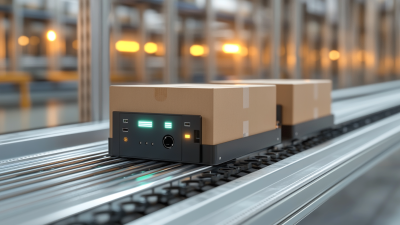
Integrated UHF RFID readers are really changing the game when it comes to inventory management. They help streamline the whole process and boost efficiency across the board. These techy devices allow for real-time tracking of products, so you’re not stuck with manual counts that can sometimes go wrong. Automating data collection means businesses can see exactly what’s in stock, cut down on running out of items, and get orders right more often. It’s especially a huge plus for industries where time is of the essence—being able to respond quickly to market needs can make all the difference.
At MingQ Technology Limited, we’re all about IoT solutions that fit right in with RFID tech. Our team knows how to develop solid hardware and software products designed to make inventory management smoother and smarter. With our cutting-edge IoT platforms, companies can tap into artificial intelligence and real-time data analytics—giving them valuable insights into inventory trends to help them make better decisions. By using our integrated UHF RFID readers, businesses can enjoy a more efficient, transparent, and responsive inventory process, which ultimately helps them stay competitive and thrive in today’s fast-paced market.
Unleashing the Power of Integrated UHF RFID Readers for Smart Inventory Management - Streamlining Inventory Processes: How RFID Enhances Efficiency
| Item ID | Item Name | Quantity in Stock | Location | Last Updated |
| 001 | Wireless Mouse | 150 | Aisle 3, Shelf B | 2023-10-15 |
| 002 | Bluetooth Keyboard | 90 | Aisle 1, Shelf A | 2023-10-12 |
| 003 | USB-C Hub | 120 | Aisle 4, Shelf C | 2023-10-16 |
| 004 | HDMI Cable | 200 | Aisle 2, Shelf D | 2023-10-14 |
| 005 | Wireless Headphones | 75 | Aisle 5, Shelf E | 2023-10-11 |
Real-World Applications of UHF RFID in Various Industries
In today’s super busy business world, using UHF RFID tech is really shaking things up when it comes to managing inventory across all kinds of industries. For example, retailers are now using UHF RFID readers to make their supply chains smoother, which means they get real-time updates on stock levels and can avoid those pesky out-of-stock situations. On the other hand, in healthcare, UHF RFID helps keep track of medical supplies—making sure everything’s in the right place at the right time. This not only helps improve patient care but also makes operations run more efficiently.
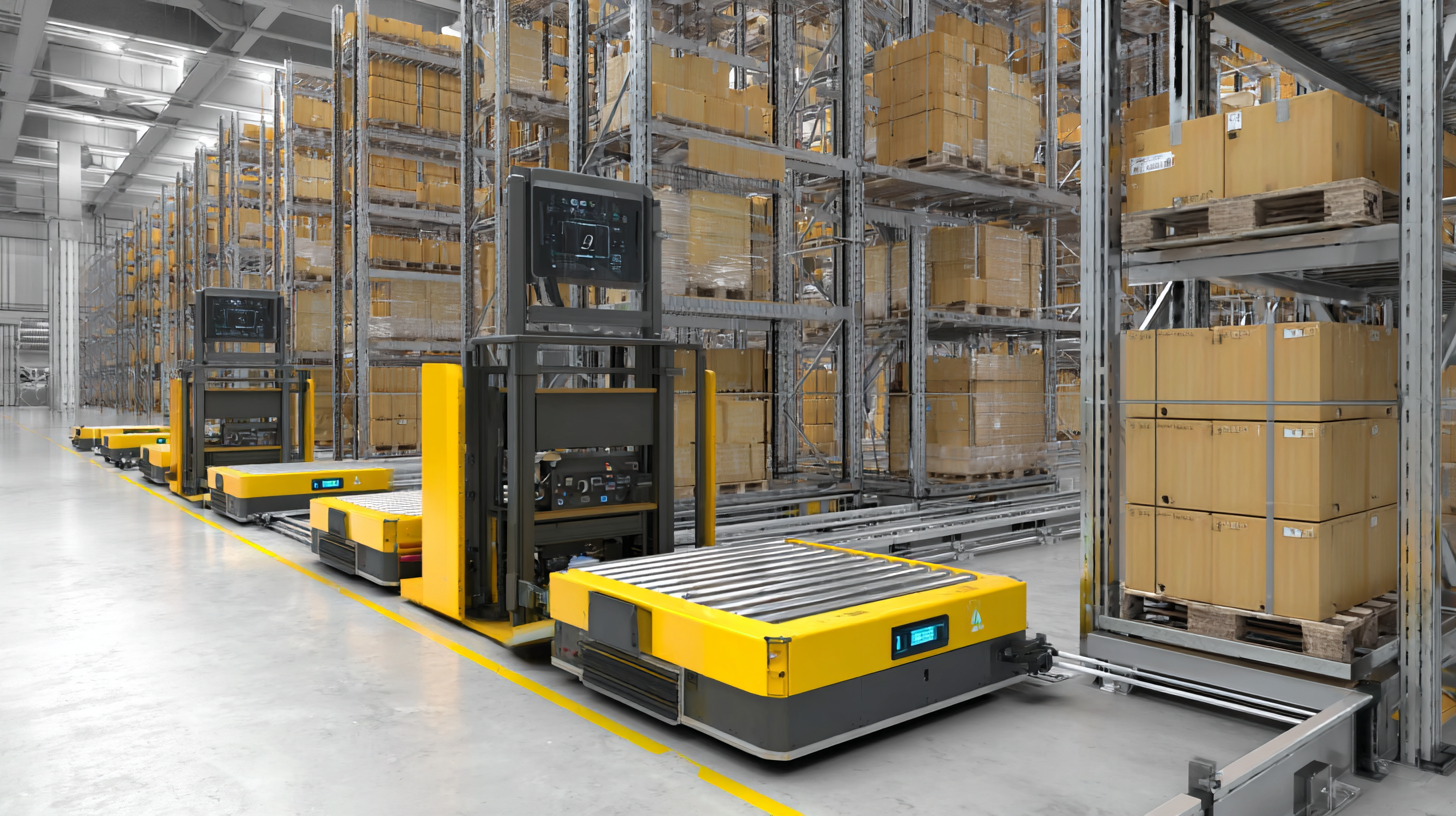
MingQ Technology Limited is right there on the front lines of this tech revolution. They offer some pretty advanced IoT software and hardware solutions designed specifically for businesses wanting to tap into the benefits of integrated UHF RFID systems. By focusing on smarter communication and AI, MingQ helps industries like logistics, manufacturing, and retail fine-tune their inventory management. Basically, by adopting these state-of-the-art solutions, companies can cut down costs, boost productivity, and stay competitive in an ever-changing marketplace. It’s all about making business life easier and more efficient.
Future Trends in UHF RFID Technology for Smart Inventory Solutions
The future of UHF RFID tech is pretty exciting—it’s really going to shake up how we handle smart inventory management. For instance, the market value of RFID smart cabinets is expected to grow from around $587 million in 2024 all the way to over $1.5 billion by 2032. That’s a solid compound annual growth rate of about 12.5%. What does this actually mean? Well, it shows how much more efficient and accurate RFID systems are becoming, especially when it comes to managing inventory in complex manufacturing setups.
As supply chains in manufacturing keep changing, traditional ways of tracking stuff are starting to struggle with keeping data fresh and controlling costs. That’s where UHF RFID really shines. It lets businesses track assets in real time and smooth out their operations. You see, industries like automotive and electronics are already jumping on this bandwagon—adding RFID to their warehouse management to cut down on errors and boost efficiency.
Tip: If you're thinking about adopting UHF RFID, I’d suggest starting with a small pilot project first. It’s a good way to see what challenges you might face and how well it works in your setup before going full blast. And don’t forget—make sure your team is trained properly so everyone knows how to get the most out of the system. Building this kind of tech-savvy, innovative mindset can really pay off. Embracing these trends isn’t just about keeping up; it’s about setting your company up for growth and opening doors to even smarter inventory solutions down the line.
Optimizing Equipment Management with RFID Tags: Enhancing O&M Efficiency and Tracking
In today's fast-paced industry, optimizing equipment management through advanced technologies like RFID Tags is proving to be a game changer for operational efficiency. According to a recent industry report by Grand View Research, the RFID market is projected to reach $40 billion by 2026, driven by increasing demands for automated work processes and improved tracking capabilities. By implementing RFID systems, organizations can ensure dynamic management of equipment, providing real-time updates and enhancing the accuracy of operational information recorded.
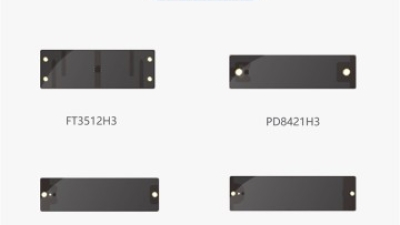
The equipment operation and maintenance (O&M) tag solutions available today, which include printable tags, PCB tags, rugged tags, and high-temperature tags, cater to diverse industrial needs. These solutions not only improve the level of management automation but also contribute significantly to reductions in manual labor and potential human errors. For instance, the introduction of RFID systems can reduce equipment loss by up to 30%, according to data from the Treadway Commission, showcasing the profound impact these technologies can have on logistics and inventory management.
Furthermore, whether businesses are searching for customized solutions or reliable general-purpose products, the commitment to high-quality and cost-effective offerings remains paramount. By leveraging RFID technology, organizations can streamline their operations, ensuring timely responses and facilitating thorough tracking of equipment throughout its lifecycle. This not only fortifies operational integrity but also drives sustained improvements in efficiency, thereby reinforcing the critical role of RFID in contemporary equipment management.
FAQS
: Integrated UHF RFID readers enhance operational efficiency by enabling real-time tracking of products, reducing errors in manual inventory counts, and automating data collection.
RFID technology allows businesses to quickly assess stock levels, minimize out-of-stock occurrences, and improve order accuracy, particularly in time-sensitive environments.
Industries such as automotive and electronics are increasingly integrating UHF RFID systems into their warehousing management practices to enhance operational efficiency.
The market value of RFID smart cabinets is expected to grow from $587.1 million in 2024 to $1.5044 billion by 2032, indicating a compound annual growth rate of 12.48%.
Traditional inventory management methods struggle with data timeliness and cost control, making them less effective compared to UHF RFID technology.
It is advisable to start with a pilot program to identify challenges and assess effectiveness, and to ensure that the team is adequately trained to use the technology effectively.
Businesses can use artificial intelligence and real-time data analytics provided by IoT platforms to gain insights into inventory trends, leading to better decision-making.
RFID technology leads to a more efficient, transparent, and responsive inventory process, driving success in a competitive marketplace.
Companies should focus on training their teams to effectively leverage RFID technology, creating a culture of innovation within their organization.
Conclusion
Integrated UHF RFID Readers are really changing the game when it comes to managing inventory these days. They offer some pretty awesome perks like much better accuracy, real-time tracking, and cutting down on labor costs. These high-tech readers use the latest features of UHF RFID to make inventory stuff way easier and more dependable. By automating data collection and cutting down human errors, companies can run their supply chains much smoother.
You’ll find these readers popping up in all kinds of industries — from retail shops to manufacturing plants — which just shows how versatile and effective they really are. Looking ahead, new trends in UHF RFID tech are only gonna make smart inventory management even better, helping businesses stay competitive in a world that’s getting more digital by the day. At MingQ Technology Limited, we’re all about pushing innovation — whether it’s IoT hardware or software solutions — including top-notch UHF RFID tech, so companies can really unlock the full potential of their inventory systems.

 Rotary HF RFID Tag Reader GRH-I40 Suitable for Assembly Lines
 Industrial-grade High-frequency Integrated Reader GRH-I65 Suitable for Asset Tracking
 With ESD Protection HF RFID Reader GRH-I68 Suitable for Progress Tracking
 Proximity HF RFID Reader GRH-M30 Suitable for Manufacturing Workshops
 Desktop HF RFID Scanner GRH-D80-HID Suitable for Card-issuing Applications
 High Frequency Medium Distance Reader GRH-I90 Suitable for Logistics Production Line
 UHF RFID Portals and Tunnel Machine RFly-AM3000 for Access Control
 Narrow RFID Portals Series TD-P20040-SS for Single Tag Entry and Exit Identification Scenario
 RFID Transmission Line Simple Identification Tunnel Machine (TD-T3050)
 Vision and RFID Tunnel Machine TD-T7692-RV for Logistics Sorting
 RFID Transmission Line Identification Tunnel Machine TD-T10090
 RFID Mobile Inventory Tunnel Machine TD-T65150 for Conveyor Belts
 High-Performance Far-Field Antennas for Broad Coverage.
 Multi-Purpose Antennas: Flexibility for Diverse Applications
 Near-Field Antennas for Short-Distance Tag Detection.
 Portals & Tunnel Antennas for Integrated RFID Series
 Slimline PCB Antennas for Warehousing and Logistics
 Miniaturized and Thin Antennas can Provide Good Performance in a Smaller Size.
 GPS Tracker for Vehicles, Car, Kids, Assets.
 CO2 Sensors Detect CO2 Gas through Alarms, Suitable for Offices, Planting Tents.
 Door Sensor, Detect Open and Closed Doors or Windows, Sends Alerts, Triggers Siren.
 Wireless Level Sensor Equipped with a 5-Meter Detection Line, Suitable for Water Tanks
 Real Time Monitoring of Air Quality Using PM2.5/PM10 Sensors.
 Smoke Sensor, Fire Alarm Smoke Detector with Test Button and Low Battery Reminder.
 Soil Stress Sensor,Bridge and Tunnel Monitors.
 Vibration Sensor Monitors Equipment, Like Conveyors and Motors, for Operational Status.
 E -Paper Display
 Smart Water Sensor Alarms, 1.2 M Detection Line.
 CO Sensor for Basements Home Office House Bedroom Living Room Car, Light Plug and Play.
 Temperature and Humidity Sensor
 Multi-sensor GD-ME
 Temperature Sensors Monitor the Surface Temperature of Various Heating Equipment.-1
 Signal Enhancement Terminal, Long Range Coverage.
 Multi-Protocol Communication Gateway, App Remote Control.
 Edge Vision Gateway can Access Various Mainstream Cameras, Suitable for Office, Factory.
 GBS-3550 Outdoor Sensor Gateway,LoRa, 2/3/4G Communication.
 Smart WiFi Gateway, Realize Remote Control.
 Ultra-Low-Power Solar-Powered Intelligent Gateway (Outdoor)
 IP67-protected Integrated RFID Reader Writer RFly-I165 for Supply Chain
 Long-range Distance UHF RFID Reader RFly-I195 for Inventory Management
 Small UHF RFID Tag Reader RFly-I300 for Cars
 Two-channel Compact Fixed RFID Reader RFly-F210 for Warehousing
 Four Channels Fixed UHF RFID Reader RFly-R6 for Supply Chain
 8-channel UHF RFID Tag Reader RFly-R8 for File Cabinet Identification
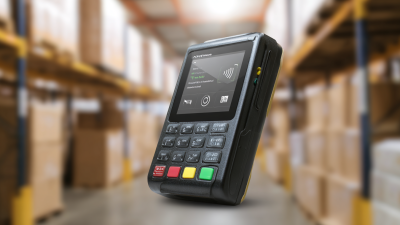
 Bluetooth Portable RFID Reader and Writer GRU-HBT100 for Inventory Management
 Industrial Grade Handheld UHF RFID Reader GRU-HC520 Suitable for Logistics
 RFID Gateway Networking System
 RFID Passive Temperature Measurement System
 RFID Tags for Container Turnover Management
 RFID Tags for Equipment O&M Management
 RFID Tags for Manufacturing Management
 RFID Tags for Tool Management
 A Kits for Equipment Condition Detection
 A Kits for Office Computer Room Environment Monitoring
 A Kits for Reservoir Environmental Monitoring
 A Kits for Storage Space Environment Monitoring
 A Kits for Stress Detection of Underground Tunnel
 A Kits for Urban Environment Monitoring
 Intelligent IoT Monitoring Platform
 Integrating Multiple Functional OTG Demo Software
 HF Demo Software
 UHF Demo Software