Leave Your Message
0%

Switching over to an Rfid Inventory tracking system can really boost how smoothly your operations run. Take companies like TechWave, for example—they've jumped on this tech to keep track of stock levels more effectively. The cool thing about RFID is that it gives you real-time data, which means fewer mistakes from manual input. Who doesn't want that, right?

That said, every business is a little different, and there are some hurdles along the way. Some teams might find it tricky to train staff properly, so the system doesn’t get used to its full potential. Others could run into compatibility issues when trying to fit RFID into their current software setup. It’s super important to think about these things early on before going all-in.

Getting it right means really understanding what your inventory needs are. It helps to chat with experts—they can give you personalized advice based on your specific situation. And don’t forget, doing regular check-ins can reveal what’s working and what needs a tweak. Remember, an RFID system isn’t just tech; it’s about making your processes smoother and building more reliability into your supply chain overall.

How to Implement an RFID Inventory Tracking System Effectively?

Understanding RFID Technology for Inventory Tracking

RFID technology has become a valuable tool for inventory tracking. It enables businesses to manage assets efficiently and minimize human error. According to a recent industry report, companies implementing RFID see inventory accuracy rates of over 90%, significantly reducing losses. This technology uses electromagnetic fields to automatically identify and track tags attached to items. Each tag contains unique data, offering real-time insights into inventory levels.

Tips: Regularly update your RFID reader software to improve data accuracy. This can help prevent discrepancies.

While RFID systems bring much efficiency, they aren't foolproof. Challenges exist, such as high initial costs and the need for proper installation. Some businesses struggle with integration into existing systems. Furthermore, there's a learning curve for staff. Industry surveys suggest that 30% of companies report issues during the initial roll-out phase.

Tips: Provide thorough training for employees on RFID operation to enhance adoption and reduce errors.

Overall, understanding RFID technology is crucial for any business considering adoption. The investment can pay off, but preparedness is key. Ensure your team is ready to adapt and learn.

Benefits of Implementing an RFID Inventory System

Implementing an Rfid Inventory System offers numerous benefits that can transform how businesses manage their stock. One significant advantage is enhanced accuracy. With RFID technology, items can be tracked in real-time, reducing human error. This leads to better stock management. Improved data accuracy positively impacts inventory forecasting, allowing for informed decision-making.

Another noteworthy benefit is increased efficiency in operations. An Rfid Inventory Tracking System enables quick scanning of multiple items simultaneously. This speed reduces the time spent on inventory checks and minimizes labor costs. Employees can focus more on other tasks, increasing overall productivity.

Cost savings also play a vital role. Although the initial setup may require investment, long-term gains are substantial. Reduced stock discrepancies mean fewer write-offs. Enhanced inventory turns can significantly boost cash flow. However, companies must reflect on the ongoing maintenance of the system. They need to ensure staff are trained to use the technology effectively. Ultimately, the successful adoption of an RFID inventory system involves careful planning and continuous assessment of outcomes.

Selecting the Right RFID Components for Your Needs

How to Implement an RFID Inventory Tracking System Effectively?

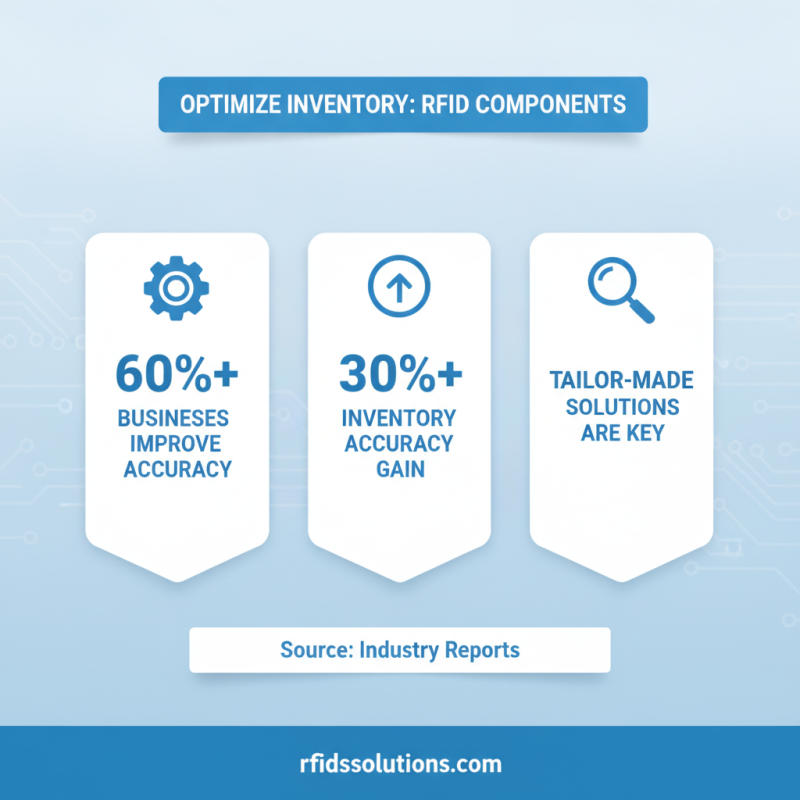
Selecting the right components for your RFID inventory tracking system is crucial. According to industry reports, over 60% of businesses that effectively implement RFID experience inventory accuracy improvements of more than 30%. This highlights the importance of choosing components tailored to your specific needs.

When selecting RFID components, consider the application environment. For example, if your inventory is in a cold storage facility, you will need RFID tags that withstand low temperatures. Additionally, consider the read range required for your operations. Passive RFID tags might suffice for short distances, while active tags are better for long-range needs.

Tip: Always conduct a thorough compatibility assessment between RFID hardware and software. This step minimizes integration issues down the line.

Another vital component is the type of RFID reader. Handheld readers provide flexibility, while fixed readers offer a broader coverage area. According to recent studies, nearly 73% of companies saw increased productivity by integrating the right readers. Reflect on how each component aligns with your operational goals.

Tip: Don’t overlook the importance of training staff on Rfid Inventory Tracking System Products. Effective training improves data accuracy and operational efficiency.

Planning the Implementation Process for RFID Tracking

Implementing an RFID tracking system requires careful planning. Start with defining your goals. What do you want to achieve? Improved accuracy, reduced labor costs, or increased visibility? Knowing your objectives helps guide the process.

Creating a project timeline is essential. Identify key milestones. For example, it might include selecting equipment, testing systems, and full deployment. Allocate resources wisely. Ensure your team understands their roles. This clarity can diminish confusion.

Training is another crucial aspect. Staff must be well-versed in the new technology. Provide hands-on sessions and accessible manuals. Not all employees may adapt easily. Be prepared for challenges. Monitor progress and be ready to adjust your plan as necessary. This flexibility can enhance the overall success of your RFID implementation.

Training Staff on RFID System Operations and Maintenance

Training staff on RFID system operations and maintenance is crucial for effective implementation. A well-trained team can enhance productivity and ensure the system functions seamlessly. According to a study by the RFID Journal, companies that invest in employee training see a 40% improvement in inventory accuracy. This data highlights the importance of staff engagement in the successful use of RFID technology.

To begin training, outline clear operational procedures. Employees should understand how to handle RFID readers and interpret data efficiently. Conduct hands-on workshops to familiarize your team with the technology. These sessions should include real-life scenarios that employees might encounter. Practical exposure builds confidence and reduces hesitation when using the system.

Tip: Encourage feedback during training. Employees may have questions or suggestions that trainers haven’t considered. This can lead to better training material and improved system performance. Employees often learn more from discussing real-world applications rather than only theoretical lessons.

Maintenance training is equally essential. Staff should know how to troubleshoot common issues, such as malfunctioning tags or readers. This knowledge can prevent costly downtimes. An internal report suggests that organizations with proactive maintenance training save up to 20% on unforeseen repair costs.

Tip: Schedule regular refreshers and updates. As technology evolves, staff must stay informed about new features or upgrades in the RFID system. Keeping knowledge fresh ensures ongoing efficient operations and optimal system performance.

Integrating RFID Inventory Tracking with Existing Systems

Integrating an RFID inventory tracking system requires careful planning. Many businesses face challenges while merging this technology with existing systems. A study by the MIT Center for Transportation and Logistics found that integrating RFID can enhance inventory accuracy by up to 95%. However, the implementation process isn't always straightforward. Companies often encounter issues such as data incompatibility and employee resistance. Addressing these hurdles is essential for a successful transition.

Effective integration involves a few critical steps. First, assess the current inventory system's architecture. Identify potential gaps where RFID could add value. Training staff is crucial. Employees must understand how to use the new technology and its benefits. A report from Gartner highlights that organizations that invest in proper training see a 30% increase in efficiency. Regular feedback sessions can help adapt the system to user needs, improving overall functionality.

Another factor to consider is system compatibility. Not all existing systems will work seamlessly with an Rfid Inventory Tracking System Factory. It’s important to conduct thorough testing. This can help pinpoint weaknesses. Adjustments may be necessary before full deployment. Acknowledging potential flaws in your approach ensures a smoother operation as you integrate RFID into your workflow. Each challenge presents an opportunity for improvement.

Monitoring and Evaluating the RFID System's Performance

Monitoring and evaluating the performance of your RFID inventory tracking system is crucial for long-term success. According to a report by the International Journal of RFID and Wireless Sensor Networks, companies that implement RFID report, on average, a 30% reduction in inventory management costs. This statistic highlights the potential savings and efficiency of an effective system.

For practical monitoring, establish key performance indicators (KPIs). These should measure accuracy, speed, and inventory turnover rates. Tracking these elements allows for timely adjustments. If accuracy falls below 95%, it may indicate issues with tag placements or signal interference. Regular audits and software updates can help identify and correct these problems early.

Tips for enhancing system performance include training staff on RFID best practices. Staff play a significant role in the accuracy of an Rfid Inventory Tracking System Product. A well-trained team can reduce human errors. Furthermore, consider investing in quality tags and readers. Poor-quality equipment may lead to unreliable data, impacting your inventory management decisions. Regularly assess equipment performance to ensure optimal functionality.

Optimizing Inventory Management with the Bluetooth Portable RFID Reader and Writer GRU-HBT100

In the rapidly evolving landscape of inventory management, the utilization of Bluetooth portable RFID readers, such as the GRU-HBT100, signifies a substantial advancement in operational efficiency. This compact and portable device enhances connectivity options by supporting Bluetooth technology, allowing users to seamlessly integrate with various Bluetooth-enabled devices, including smartphones, tablets, and computers. According to recent industry reports, companies that adopt advanced RFID systems can increase inventory accuracy by up to 30%, which directly translates to reduced operational costs and improved stock management.

Moreover, the GRU-HBT100's flexibility in data transfer plays a crucial role in optimizing supply chain processes. With the capability to carry out real-time data updates and communicate effortlessly with central management systems, businesses can maintain a continual flow of information. Industry analysts suggest that businesses utilizing RFID technology can see a return on investment (ROI) of more than 200% within the first year as they witness significant reductions in labor costs and inventory losses attributed to human error.

As organizations seek to enhance their inventory management strategies, adopting innovative technologies like the Bluetooth portable RFID reader addresses both customization needs and general-purpose applications. Firms committed to delivering high-quality and cost-effective solutions empower their clients to inquire and place orders for the latest technologies, ensuring that businesses remain competitive and responsive in a dynamic market environment.

FAQS

: What is RFID technology used for?

: RFID technology is used for efficient inventory tracking and asset management, reducing human error.

How does RFID improve inventory accuracy?

RFID systems can achieve inventory accuracy rates over 90%, minimizing losses and improving management.

What are challenges of implementing RFID?

High costs, installation issues, and staff training are common challenges when implementing RFID systems.

Why is staff training important for RFID?

Proper training helps employees understand RFID operations, enhancing adoption and reducing errors during usage.

How can I select the right RFID components?

Choose components based on environment and operational needs, like temperature resistance and read range requirements.

What should I consider when choosing RFID readers?

Consider flexibility with handheld readers versus the broad coverage of fixed readers to match your goals.

How do you plan for RFID implementation?

Define goals, create a timeline, and allocate resources effectively while preparing for potential challenges.

Why is a compatibility assessment important?

Performing a compatibility assessment minimizes future integration issues between RFID hardware and software.

What happens if staff do not adapt well to RFID?

Monitoring staff progress and providing additional support is essential if adaptation challenges arise.

What should I focus on during RFID implementation?

Key focus areas include defining objectives, training staff, and being flexible to adjust plans as needed.

Conclusion

Implementing an RFID Inventory Tracking System effectively involves a comprehensive understanding of RFID technology and its applications in inventory management. This system offers numerous benefits, including increased accuracy, reduced labor costs, and enhanced visibility within supply chains. To achieve successful implementation, it is crucial to select the appropriate RFID components tailored to the organization's specific needs and to meticulously plan the deployment process.

Training staff is also vital for ensuring efficient operations and maintenance of the RFID system. Moreover, integrating the RFID inventory tracking system with existing processes can streamline workflows and elevate productivity. Lastly, consistently monitoring and evaluating the system's performance will facilitate continuous improvement, maximizing the advantages of this innovative technology in inventory management.

Sophia

Sophia

Sophia is a dedicated marketing professional at Shenzhen Jinruiming Technology Co., Ltd., where her expertise contributes significantly to the company’s vision and success. With a deep understanding of the company’s innovative product line, she effectively communicates their features and advantages......
Previous How to Choose the Right Embedded RFID Reader for Your Needs?