These days, with global manufacturing changing so fast, it’s pretty much essential to bring technology into the mix if you want things to run smoothly and accurately. Embedded Rfid tech has really shaken things up — it’s making it way easier to track and manage assets in real-time. I came across a recent report from Markets and Markets, and it’s pretty eye-opening: the worldwide RFID market was sitting at around $10.2 billion back in 2021, and they’re expecting it to hit approximately $13.8 billionby 2026. That’s a clear sign that more and more companies are looking to adopt smarter manufacturing solutions. As everyone tries to get better at transparency in their supply chains and streamline production, using embedded RFID is becoming a crucial piece of the puzzle.

At MingQ Technology Limited, we’re all about offering the latest IoT hardware and software — helping our clients not just meet their manufacturing goals, but also tap into the power of AI and industrial IoT. This guide’s here to help you navigate the often tricky world of sourcing embedded Rfid Solutions, so you can make smarter choices and keep pushing your operations forward.
Understanding RFID Technology: A Key Component in Global Manufacturing
You know, RFID technology—short for Radio Frequency Identification—has really become a game-changer in today’s manufacturing world. It’s the kind of tool that automatically spots and captures data about products and assets, which helps streamline operations, cut down on human mistakes, and make inventory management way easier. Honestly, if you're in manufacturing and want to stay ahead, understanding RFID is pretty much essential to smooth out your production lines.
**Quick tip**: When you're picking RFID solutions, try to choose ones that play nicely with what you already have in place. That way, it’s easier to integrate and saves you some cash on setup. Also, pick the right tags and readers suited for your environment—especially if you’re dealing with tough industrial settings—because that’ll help your system last longer and stay reliable.
What’s cool is that tracking assets in real-time means you get a live snapshot of what’s happening on the ground. This lets manufacturers make smarter decisions based on solid data. With RFID, you can keep a close eye on inventory levels and supply chain activities, cutting down on delays and boosting overall efficiency.
**Another tip**: Think about scalability from the start. As your manufacturing operation grows, your tech should grow with it. Investing in a flexible system that’s easy to upgrade means you stay competitive and ready for whatever comes next in this fast-changing market.
Ultimate Guide to Sourcing Embedded RFID Solutions for Global Manufacturing Needs
| Application Area | RFID Technology Type | Frequency Band | Read Range | Key Benefits |
| Supply Chain Management | Passive RFID | UHF (860-960 MHz) | 3-10 meters | Cost-effective tracking |
| Inventory Management | Active RFID | 2.4 GHz | 50-100 meters | Real-time location tracking |
| Manufacturing Process Control | Semi-passive RFID | HF (13.56 MHz) | 1-2 meters | Enhanced data storage |
| Quality Control | Passive RFID | UHF (860-960 MHz) | 3-10 meters | Improved traceability |
| Asset Tracking | Active RFID | 2.4 GHz | 50-100 meters | Enhanced security |
Identifying Your Manufacturing Requirements for RFID Solutions
So, if you're thinking about jumping into RFID solutions for your manufacturing setup, the first thing you really want to do is figure out what your specific needs are and how they line up with what your organization is all about. Looks like, according to a recent report from IDTechEx, the global RFID market could hit around $14.4 billion by 2025—crazy, right? That just shows how big a role this tech is starting to play in making supply chains smoother and keeping track of inventory easier. But here’s the thing: understanding your unique manufacturing situation—like how much you produce, the kind of workflows you have, and so on—can make a huge difference in how well RFID works for you.
Manufacturers should really think about things like what materials they’re tracking, the environment where their operations are happening, and how RFID needs to fit in with their current systems. A study from GS1 found that about 78% of companies using RFID actually saw better accuracy in their inventory—pretty impressive, huh? So, the key is to get clear on what you actually need—things like real-time tracking or syncing up with automation. When you do that, you can boost efficiency and cut down on some of the risks around implementing new tech. With a customized RFID setup, you’re not just improving operations—you actually stand to gain a real edge in this increasingly data-focused manufacturing world.
Evaluating Suppliers: What to Look for in Embedded RFID Solutions
When you’re looking into suppliers for embedded RFID solutions in global manufacturing, there are a few key things you really shouldn’t overlook — they can make a huge difference in how smooth and reliable everything runs. For example, a recent report from IDTechEx predicts the worldwide RFID market could hit $14 billion by 2026, which just shows how much more companies are adopting RFID tech across all sorts of industries. So, it’s smart for manufacturers to choose suppliers who aren’t just about the latest gadgets but are also heavily investing in research and development. That kind of focus usually pays off with smarter, more integrated RFID solutions that work seamlessly with existing systems and pack in new features.

Another thing to keep in mind is how much experience the supplier has, especially in your specific industry. According to Research and Markets, sectors like automotive and pharmaceuticals are leading the charge when it comes to using embedded RFID tech — mostly because they need better tracking and more accurate data. Picking a supplier with a solid track record in these areas means they probably really understand the unique challenges you’re facing and can offer solutions that are tailored to your needs. And don’t forget about customer support — you want a team that’s easy to get hold of, responsive, and helpful throughout the whole process, especially when things get tricky.
All in all, finding the right RFID supplier isn’t just about the tech — it’s about partnering with someone who understands your industry, invests in innovation, and is there for you when you need them most.
Integrating RFID Systems into Existing Manufacturing Processes
As manufacturing continues to evolve, incorporating RFID systems into existing workflows is becoming pretty much essential if you wanna stay efficient and keep track of everything smoothly. The market for RFID tech without chips—yeah, those unchipped RFID solutions—is expected to see some serious growth. Estimates are talking about a whopping $1.49 billion in 2023 alone, and from 2024 onward, it’s projected to grow at a solid annual rate of about 17.39% through 2031. All this just shows how crucial RFID technology is becoming for making operations run more seamlessly and for better inventory management across many industries.

Plus, recent breakthroughs in ultra-high frequency (UHF) RFID tech have really opened up new possibilities for manufacturers. These days, smarter RFID tags and reader chips aren’t just about real-time inventory tracking—they’re also super helpful in making data collection way more accurate. Industry folks keep highlighting how integrating these kinds of RFID systems can actually cut down operating costs while boosting transparency and responsiveness in supply chains. Basically, by jumping on these advanced RFID solutions, manufacturers can create a more connected, efficient, and agile production environment — it’s like upgrading the entire system to a smarter, faster mode.
Overcoming Common Challenges in Implementing RFID Solutions
Implementing RFID solutions across global manufacturing setups isn’t without its challenges, that's for sure. One of the biggest headaches is often trying to get it to play nicely with existing systems. Many factories still rely on older, legacy systems that might not jive well with the shiny new RFID tech. So, before jumping in, it’s a smart move to really evaluate what your current infrastructure looks like. Working closely with tech providers who know these tricky details can make the whole process a lot smoother and less of a headache.
And then, of course, there’s the human side of things. Not everyone is quick to jump on board with change—especially folks used to doing things a certain way. That’s why training and managing change properly are so important. Showing staff how RFID can actually make their lives easier—think better inventory counts and clearer supply chain insights—can help calm their worries. Plus, involving employees early on in the process helps them feel part of it, which often leads to better adoption and less resistance.
Last but not least, dealing with all the different rules and regs around the world can be a real puzzle. Different countries have their own versions of rules for data privacy and security related to RFID. Keeping up with these regulations is crucial—if you slip up, you could end up facing legal issues or losing trust among your partners. So, staying informed and making sure your RFID deployments are compliant isn’t just smart—it’s essential.
Future Trends in RFID Technology for Global Manufacturing Needs
As the world of manufacturing keeps evolving, one thing that's really catching everyone's attention is the rise of RFID technology. You know, those little chips that help keep track of stuff? Well, according to a recent report from Grand View Research, the RFID market is expected to hit nearly 50 billion bucks by 2028, growing at a pretty solid rate of about 14.7% annually. So, why all the fuss? It's mainly because companies really need better visibility into their supply chains and want to make their operations smoother and more efficient. Manufacturers are more and more turning to embedded RFID solutions—they’re using them to make inventory management easier, cut down on labor costs, and reduce errors, which is especially important if they want to stay competitive in today's fast-paced market.
And there's more coming down the pipeline — like the push toward IoT-connected RFID systems. Research from Mordor Intelligence suggests that this part of the market could grow over 25% by 2026. That’s pretty exciting because these smart RFID systems don’t just help track stuff in real-time; they also give manufacturers valuable data insights. With this info, they can make smarter decisions, improve their production processes, and boost the quality of their products. Basically, if manufacturers want to keep up and be flexible in this ever-changing global landscape, jumping on these RFID trends is going to be a must.
Future Trends in RFID Technology for Global Manufacturing Needs
Enhancing Card-Issuing Applications: Insights from the Latest RFID Technology Market Trends and the GRH-D80-HID Scanner
The recent trends in RFID technology have significantly reshaped card-issuing applications, presenting opportunities for enhanced security and efficiency in various sectors. According to a market report by Allied Market Research, the global RFID market was valued at approximately $10.2 billion in 2021 and is projected to reach $31.2 billion by 2030, growing at a CAGR of 13.9% from 2022 to 2030. This surge in the adoption of RFID technologies is primarily driven by the increasing demand for automated solutions for identification and data collection processes.
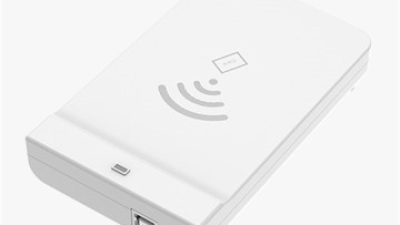
Central to this transformation is the RH-D80-HID scanner, a state-of-the-art high-frequency desktop reader designed to facilitate diverse applications. With its USB Type-B interface, this device ensures seamless power supply and communication, making it a versatile choice for environments such as offices, educational institutions, and healthcare facilities. Its high-frequency capabilities not only enhance the speed of operations but also improve the accuracy of data transactions, crucial elements for any modern card-issuing system.
Organizations looking to implement or upgrade their card-issuing applications can greatly benefit from integrating the RH-D80-HID scanner into their infrastructure. As a commitment to providing high-quality, cost-effective solutions, we cater to both customized and general-purpose product needs. Interested parties are encouraged to reach out for detailed product quotations, ensuring they stay ahead in the evolving landscape of RFID technology.
FAQS
: RFID (Radio Frequency Identification) technology enables automatic identification and data capture, streamlining operations, reducing human error, and enhancing inventory management in global manufacturing processes.
Prioritizing compatibility with existing systems ensures seamless integration and reduces implementation costs, allowing for a smoother transition to RFID technology.
Choosing RFID tags and readers that are tailored to specific environments, particularly harsh industrial settings, can significantly improve the longevity and reliability of the solution.
Real-time asset tracking empowers manufacturers to make informed decisions based on accurate data, effectively monitor inventory levels, and improve overall productivity by reducing wait times.
Manufacturers should invest in scalable RFID systems that allow for easier upgrades and adjustments as their business grows, ensuring competitiveness in a rapidly changing market.
Manufacturers should look for suppliers that demonstrate innovation, have a strong emphasis on research and development, possess industry-specific expertise, and offer reliable customer support.
Industries such as automotive and pharmaceuticals are among the highest adopters of embedded RFID technology, primarily due to their need for improved tracking and data accuracy.
Suppliers with a proven track record in specific industries are more likely to understand unique challenges faced by manufacturers and provide tailored RFID solutions that meet their needs.
Advanced RFID technologies that offer better integration with existing systems improve the overall efficiency and accuracy of manufacturing processes.
Reliable communication and assistance from suppliers are vital for manufacturers throughout the implementation process, ensuring that any challenges can be addressed promptly.
Conclusion
In our 'Ultimate Guide to Sourcing Embedded RFID Solutions for Global Manufacturing Needs,' we really dive into how crucial RFID tech has become in today’s manufacturing world. Honestly, getting a good handle on the ins and outs of embedded RFID can make a huge difference—think smoother operations and better inventory control. It’s all about understanding what your specific manufacturing needs are and then checking out potential suppliers so you can find RFID systems that fit right into your current setup without any hassle.
MingQ Technology Limited is definitely a standout partner in this space. They provide some of the most innovative IoT solutions that keep up with the fast-changing demands of industry. As we talk about common challenges and peek into what’s next for RFID tech, it’s pretty clear that embedded RFID isn’t just a nice-to-have anymore—it’s going to be absolutely essential for manufacturers who want to stay ahead of the game in a global marketplace.

 Rotary HF RFID Tag Reader GRH-I40 Suitable for Assembly Lines
 Industrial-grade High-frequency Integrated Reader GRH-I65 Suitable for Asset Tracking
 With ESD Protection HF RFID Reader GRH-I68 Suitable for Progress Tracking
 Proximity HF RFID Reader GRH-M30 Suitable for Manufacturing Workshops
 Desktop HF RFID Scanner GRH-D80-HID Suitable for Card-issuing Applications
 High Frequency Medium Distance Reader GRH-I90 Suitable for Logistics Production Line
 UHF RFID Portals and Tunnel Machine RFly-AM3000 for Access Control
 Narrow RFID Portals Series TD-P20040-SS for Single Tag Entry and Exit Identification Scenario
 RFID Transmission Line Simple Identification Tunnel Machine (TD-T3050)
 Vision and RFID Tunnel Machine TD-T7692-RV for Logistics Sorting
 RFID Transmission Line Identification Tunnel Machine TD-T10090
 RFID Mobile Inventory Tunnel Machine TD-T65150 for Conveyor Belts
 High-Performance Far-Field Antennas for Broad Coverage.
 Multi-Purpose Antennas: Flexibility for Diverse Applications
 Near-Field Antennas for Short-Distance Tag Detection.
 Portals & Tunnel Antennas for Integrated RFID Series
 Slimline PCB Antennas for Warehousing and Logistics
 Miniaturized and Thin Antennas can Provide Good Performance in a Smaller Size.
 GPS Tracker for Vehicles, Car, Kids, Assets.
 CO2 Sensors Detect CO2 Gas through Alarms, Suitable for Offices, Planting Tents.
 Door Sensor, Detect Open and Closed Doors or Windows, Sends Alerts, Triggers Siren.
 Wireless Level Sensor Equipped with a 5-Meter Detection Line, Suitable for Water Tanks
 Real Time Monitoring of Air Quality Using PM2.5/PM10 Sensors.
 Smoke Sensor, Fire Alarm Smoke Detector with Test Button and Low Battery Reminder.
 Soil Stress Sensor,Bridge and Tunnel Monitors.
 Vibration Sensor Monitors Equipment, Like Conveyors and Motors, for Operational Status.
 E -Paper Display
 Smart Water Sensor Alarms, 1.2 M Detection Line.
 CO Sensor for Basements Home Office House Bedroom Living Room Car, Light Plug and Play.
 Temperature and Humidity Sensor
 Multi-sensor GD-ME
 Temperature Sensors Monitor the Surface Temperature of Various Heating Equipment.-1
 Signal Enhancement Terminal, Long Range Coverage.
 Multi-Protocol Communication Gateway, App Remote Control.
 Edge Vision Gateway can Access Various Mainstream Cameras, Suitable for Office, Factory.
 GBS-3550 Outdoor Sensor Gateway,LoRa, 2/3/4G Communication.
 Smart WiFi Gateway, Realize Remote Control.
 Ultra-Low-Power Solar-Powered Intelligent Gateway (Outdoor)
 IP67-protected Integrated RFID Reader Writer RFly-I165 for Supply Chain
 Long-range Distance UHF RFID Reader RFly-I195 for Inventory Management
 Small UHF RFID Tag Reader RFly-I300 for Cars
 Two-channel Compact Fixed RFID Reader RFly-F210 for Warehousing
 Four Channels Fixed UHF RFID Reader RFly-R6 for Supply Chain
 8-channel UHF RFID Tag Reader RFly-R8 for File Cabinet Identification
 Bluetooth Portable RFID Reader and Writer GRU-HBT100 for Inventory Management
 Industrial Grade Handheld UHF RFID Reader GRU-HC520 Suitable for Logistics
 RFID Gateway Networking System
 RFID Passive Temperature Measurement System
 RFID Tags for Container Turnover Management
 RFID Tags for Equipment O&M Management
 RFID Tags for Manufacturing Management
 RFID Tags for Tool Management
 A Kits for Equipment Condition Detection
 A Kits for Office Computer Room Environment Monitoring
 A Kits for Reservoir Environmental Monitoring
 A Kits for Storage Space Environment Monitoring
 A Kits for Stress Detection of Underground Tunnel
 A Kits for Urban Environment Monitoring
 Intelligent IoT Monitoring Platform
 Integrating Multiple Functional OTG Demo Software
 HF Demo Software
 UHF Demo Software