Hey there! In today’s fast-paced global market, figuring out the ins and outs of importing top-notch products is super important for businesses that want to run smoother and more efficiently. One technology that’s really making waves in various industries is the Uhf Rfid Reader. It’s got an amazing ability to improve inventory management and really speed up logistics. At MingQ Technology Limited, we get how vital it is for companies to have innovative solutions that fit just right with what they need, so that’s what we’re all about. In this blog, we’re diving deep into a step-by-step guide on how to import the bestUHF RFID Reader. Plus, we’ll cover some must-know certification details to keep you compliant. Whether you’re a pro at importing or just starting out, these insights will totally help you make the most of this awesome technology in your business.
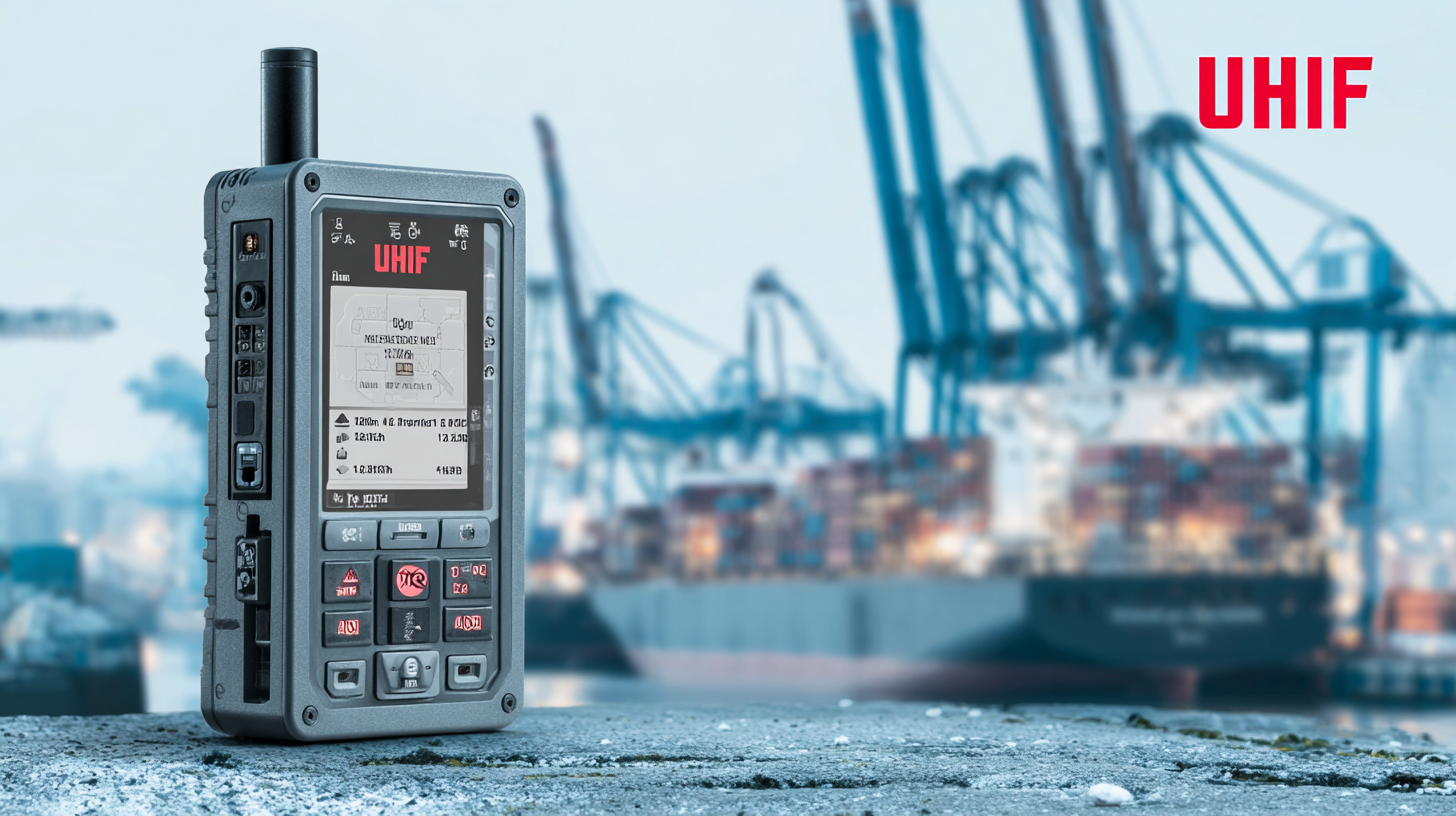
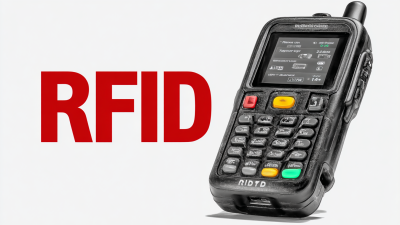
Getting a handle on UHF RFID readers is super important for any business wanting to up its game in inventory management and tracking. These nifty devices use ultra-high frequency tech to swap data quickly and identify items accurately, even from a distance. You’ve got a few types of UHF RFID readers to choose from—like handheld, fixed, and mobile ones, each designed for different uses. Handheld readers are perfect when you need to scan stuff on the go, while fixed readers are great for those static setups, letting you keep an eye on inventory nonstop. And then there are mobile readers, which blend portability with functionality, making them ideal for all sorts of fieldwork.
When you're on the hunt for the best UHF RFID reader for your needs, it’s pretty key to think about factors like read range, data processing speed, and whether it’ll play nice with your current systems. Plus, you’ll want to make sure it meets the relevant certification standards so you can count on it for solid performance and good interoperability.
**Quick Tip:** Always check how well the UHF RFID reader can integrate with your IoT ecosystem. MingQ Technology Limited points out that the best solutions mix hardware with smart software analytics, which helps devices communicate seamlessly. And don’t forget to consider how you’ll be using it—whether it’s for tracking assets in a warehouse or keeping tabs on inventory at multiple spots. Picking the right reader for your specific situation is key to boosting both efficiency and keeping costs down.
| Type | Frequency Range | Read Range | Key Features | Typical Applications | Certification |
|---|---|---|---|---|---|
| Fixed UHF RFID Reader | 860-960 MHz | Up to 12 meters | High read rate, multiple tag reads | Inventory management, retail | ISO 18000-63 |
| Handheld UHF RFID Reader | 860-960 MHz | Up to 7 meters | Portable, user-friendly interface | Field data collection, inspections | ISO 18000-63, CE |
| Mobile UHF RFID Reader | 860-960 MHz | Up to 5 meters | Integrated with smartphones, lightweight | Logistics, warehouse management | ISO 18000-63, FCC |
| UHF RFID Module | 920-925 MHz | Up to 15 meters | Customizable, easy integration | Embedded systems, IoT solutions | CE, RoHS |
UHF RFID readers are really shaking things up in all sorts of industries by making it so much easier to track and manage assets. Take retail, for example; these readers not only speed up inventory control, but they also make the whole shopping experience a breeze by cutting down on those pesky checkout lines.
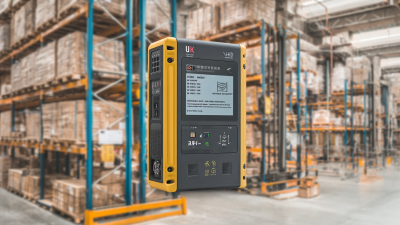
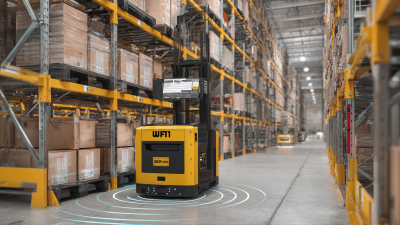
And when it comes to supply chain management, UHF RFID tech is a game-changer, allowing for real-time tracking of assets that helps prevent losses and boosts logistical efficiency. Plus, places like warehouses and manufacturing facilities are seeing huge benefits too, thanks to the accuracy of these readers, which lead to smoother operations and lower labor costs.
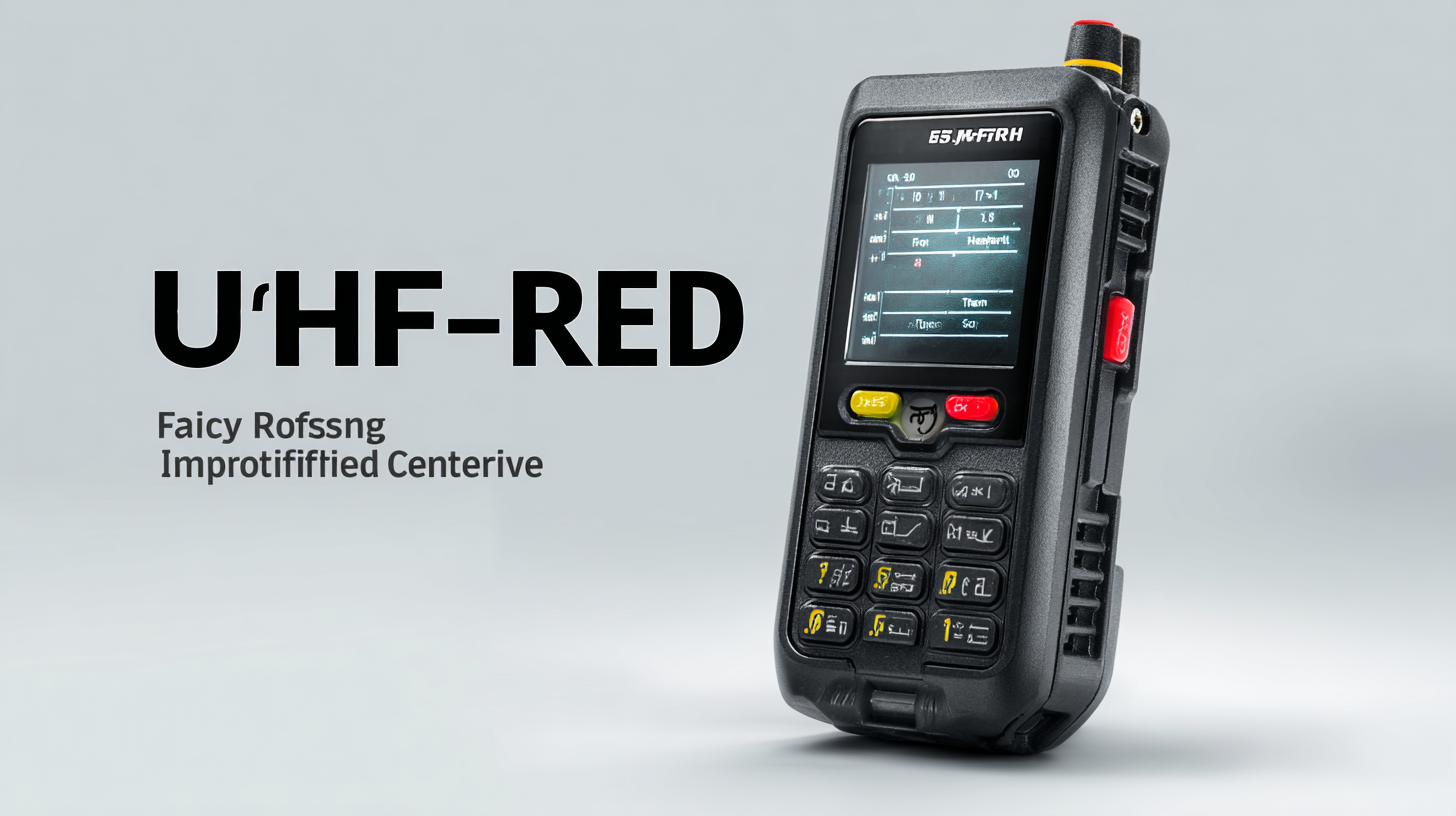
Now, if you're thinking about picking a UHF RFID reader, it’s super important to think about what you actually need. For instance, if you’re working in a retail setting, you’ll want a reader that can process tags quickly, especially when it’s busy. On the flip side, if your focus is warehouse management, consider grabbing some rugged devices that can handle tough conditions.
Don’t forget, you'll also want to make sure that the UHF RFID readers you choose have the right industry standards and certifications. This isn't just a box to tick—it really guarantees their performance and makes sure they play nicely with your existing systems. Making smart choices about certification can really boost how effective your RFID setup is, making the whole integration into your business a lot smoother. It’s all about keeping things running effortlessly!
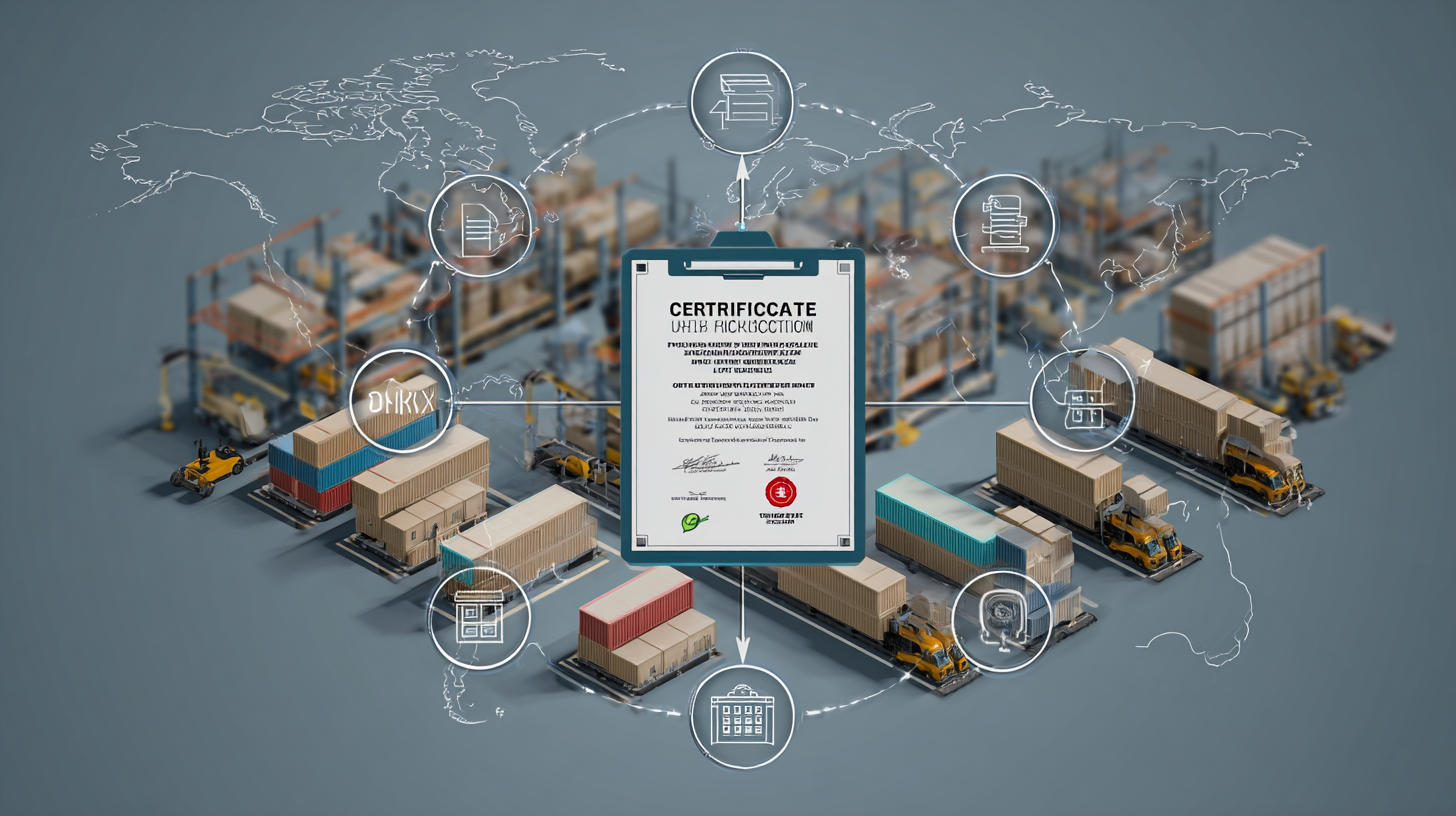
So, when you're diving into the world of importing UHF RFID readers, getting a grip on certification requirements is super important for making sure you're in compliance and ready for the market. I mean, there’s a recent report from MarketsandMarkets that says the global RFID market is set to hit a whopping $28.94 billion by 2025! That really shows there’s a big push for certified devices out there. This booming market only highlights how crucial it is to navigate those tangled certification protocols to boost the credibility and performance of the RFID tech you're bringing in.
You've got these standards like ISO/IEC 18000 that lay out what’s required for RFID systems, and they really are key to making sure everything works together and is reliable. And let's not forget, different places have their own rules—like the European Union has the CE marking, and North America has the FCC compliance stuff. If you don’t stick to these standards, you could be looking at some serious delays and fines. That’s why it’s essential for importers to dig in, do their homework, and grab those necessary certifications up front. By keeping certification insights at the forefront, businesses can really smooth out their importing processes and even snag a competitive advantage in this fast-paced market.
Finding reliable UHF RFID suppliers can be quite the challenge, right? It really pays off to do your homework and dig a little deeper to ensure you’re dealing with authentic and trustworthy sources. One great way to start is by tapping into industry-specific directories or trade platforms where you’ll find suppliers that have been vetted. It’s super important to check out supplier ratings and reviews as well; you want to stick with ones that have a solid track record and glowing feedback from past customers.
Also, don’t underestimate the power of social media and your professional circles! Asking colleagues for recommendations can give you valuable insights about who to trust in the industry.
Oh, and here's a tip: definitely ask for product samples before you seal the deal! Getting your hands on those UHF RFID readers lets you see firsthand if they actually meet your needs and quality standards.
And don't forget to inquire about their certifications and whether they comply with international standards. Suppliers who stick to safety and technical regulations are usually a safer bet for quality products. Just to be sure, you can always check those certifications with the organizations that issued them. It’s a simple step that can save you a lot of headaches later on.
Lastly, make sure you keep an open line of communication with potential suppliers. Taking the time to chat about their manufacturing processes and quality control practices can really help build your confidence in their ability to deliver top-notch products consistently.
So, if you’re thinking about importing UHF RFID products from one country to another, there are some important things to keep in mind. First off, getting a good grip on the regulations and best practices is essential if you want everything to go smoothly. One major thing you can't overlook is making sure you comply with local safety and industry standards. Each country has its own set of rules regarding certifications for electronic devices, so you'll want to check that the UHF RFID readers you plan to import meet those requirements. This little step can save you a ton of time and help you dodge any annoying delays at customs.
Here’s a tip: take some time to really research what certifications are needed in your target market. And don't forget to choose suppliers who’ve done their homework and have a solid track record with international safety standards. It can also be super helpful to team up with experts or consultants who know the ins and outs of import regulations—they can make everything smoother for you.
And while you’re at it, make sure you’re clued in about any tariffs and import duties tied to UHF RFID products. Understanding how these fees impact your budget is a big deal and can really influence your bottom line. Plus, developing a good relationship with a reliable logistics partner can take a lot of the hassle out of shipping and handling.
Oh, and by the way, keep an eye on trade agreements that could work in your favor when it comes to importing UHF RFID products—they might help cut down on those tariffs. And don’t forget to regularly check out industry resources for any updates on changing regulations. You definitely want to avoid those unexpected costs!
In the fast-paced world of logistics and inventory management, the TD-T65150 RFID Mobile Inventory Tunnel Machine stands out as a revolutionary solution that maximizes efficiency for conveyor belt systems. This advanced machine is equipped with a high-performance, high-sensitivity RFID reader that ensures accurate tracking of multiple labels simultaneously. The integrated anti-collision algorithm is a game changer, allowing businesses to process inventory data seamlessly without the common challenges of interference and misreads.
The TD-T65150 not only enhances the speed and accuracy of inventory management but also opens new avenues for operational efficiency. By incorporating this cutting-edge technology, businesses can significantly reduce manual labor and errors, leading to improved accuracy in asset tracking. Our ODM services further extend the capabilities of the TD-T65150, offering customized solutions that align with your specific business needs. Whether you are looking to streamline inventory processes, track assets more effectively, or enhance overall productivity, partnering with us ensures you have the tools necessary for success in a competitive landscape.
: The main types of UHF RFID readers include handheld readers, fixed readers, and mobile readers. Handheld readers are flexible for on-the-go scanning, fixed readers are designed for stationary setups for continuous inventory monitoring, and mobile readers combine portability with functionality for field applications.
Important features to consider include read range, data processing speed, compatibility with existing systems, and compliance with certification standards to ensure optimal performance and interoperability.
Certification is crucial for ensuring compliance and market readiness. It enhances credibility and performance, and adherence to standards like ISO/IEC 18000, CE marking, and FCC compliance is necessary to avoid costly delays and fines.
Businesses can streamline their processes by prioritizing certification research and ensuring they obtain necessary certifications upfront, which can also provide a competitive edge in the market.
When sourcing suppliers, conduct thorough research using industry-specific directories, consider supplier ratings and reviews, and gather insights from professional networks.
Yes, requesting product samples is essential to evaluate the quality and performance of UHF RFID readers beforehand, ensuring they meet your specific needs and standards.
Businesses can verify the authenticity of certifications by checking with the issuing organizations to prevent potential issues with product quality in the future.
Establishing open communication allows businesses to discuss suppliers' manufacturing processes and quality control measures, which helps in building confidence in their commitment to delivering high-quality products.