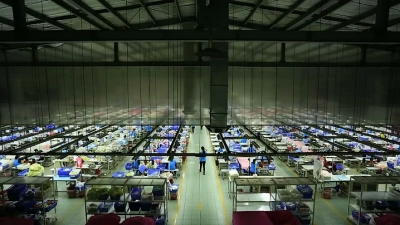
In today’s busy world of retail, being efficient is more important than ever if you want to stay ahead and really meet your customers’ expectations. As businesses look for new ways to simplify and improve their operations, Rfid Handheld Scanners have quickly become a real game-changer. These devices, powered by the Internet of Things (IoT), help with real-time inventory tracking, make things more accurate, and cut down on costs. MingQ Technology Limited is right there at the forefront of this retail shift, focusing on integrating the latest tech. They’re a major player in IoT software and hardware, offering all kinds of solutions—from communication to artificial intelligence and industrial IoT services. In this post, I want to dive into how RFID handheld scanners are set to shake up retail efficiency—looking at how they’re used, the perks, and what the future might hold for this exciting tech.
Understanding RFID Technology and Its Role in Retail
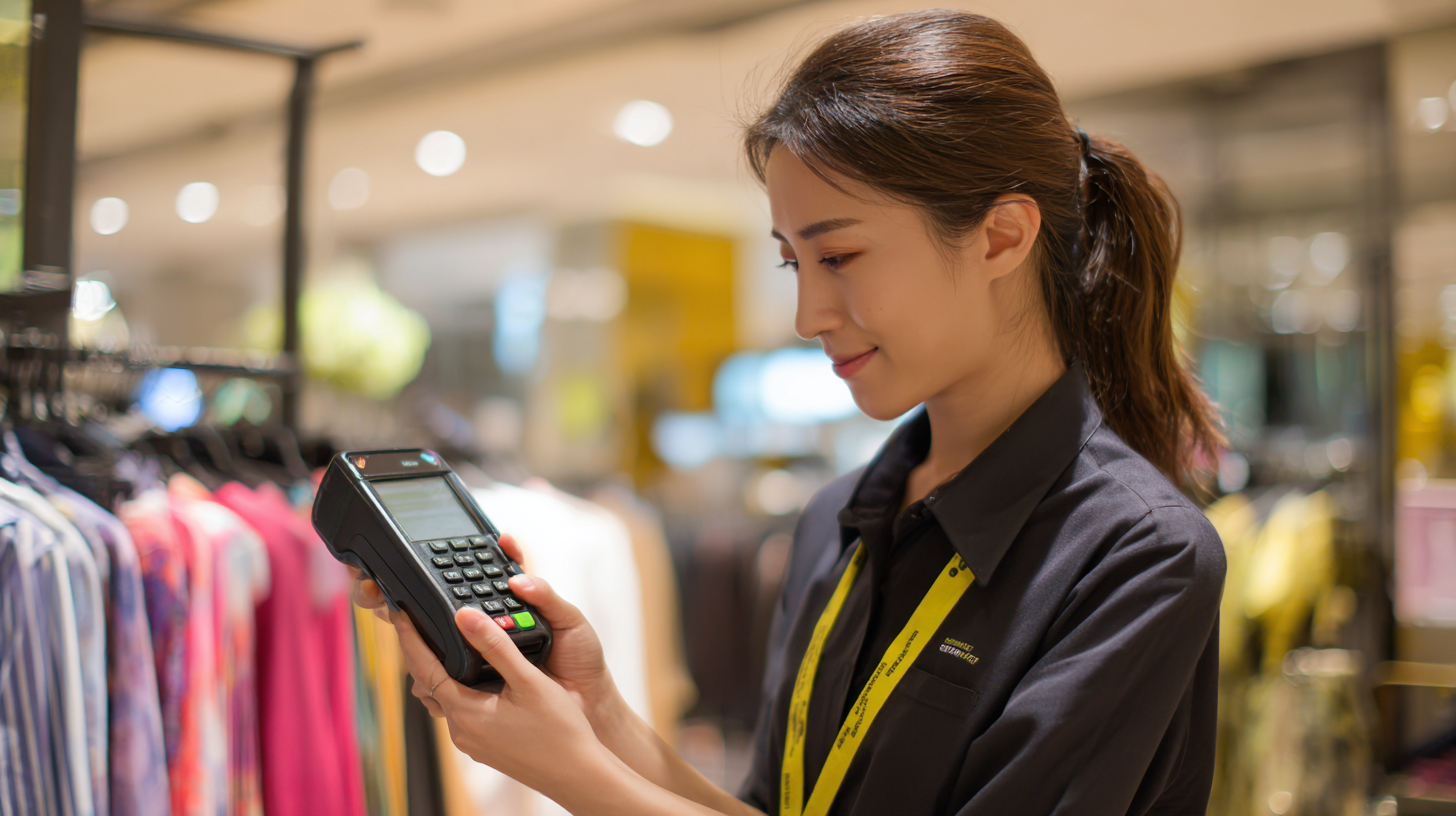
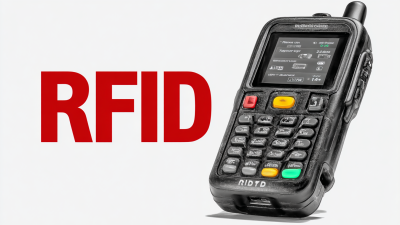
So, RFID technology—also known as Radio Frequency Identification—has really become a game-changer in the retail world. It’s all about making things run smoother and keeping better tabs on inventory. Retailers are now using RFID handheld scanners, which means they can speed up their processes quite a bit. Instead of manual checks, employees can scan multiple items at once, saving time and cutting down on mistakes. It’s pretty awesome how quick and efficient it is.
But RFID isn’t just about tracking stock. It also gives retailers tons of useful data—like what customers are buying and how inventory flows through the store. That kind of info helps them tweak their supply chain, predict what’s going to be popular, and make shoppers happier overall. As more stores start to bring in these handheld scanners, they’re not just becoming more efficient—they’re also better equipped to stay competitive and quickly adapt to changing market trends. It’s all about staying one step ahead in this fast-changing retail game.
The Benefits of Implementing RFID Handheld Scanners in Retail Operations
In the world of retail that's always changing, more and more stores are turning to RFID handheld scanners — and honestly, it’s a game-changer. I read in the RFID Journal that companies using RFID tech are seeing their inventory accuracy shoot up to around 99%. That's a huge jump compared to the average of about 63%, and it really makes a difference. Not only does this help cut down on stock mistakes, but it also makes shopping smoother and more reliable for customers. When retailers have a clearer picture of what's in stock, they can restock smarter — avoiding both overstocking and running out of popular items.
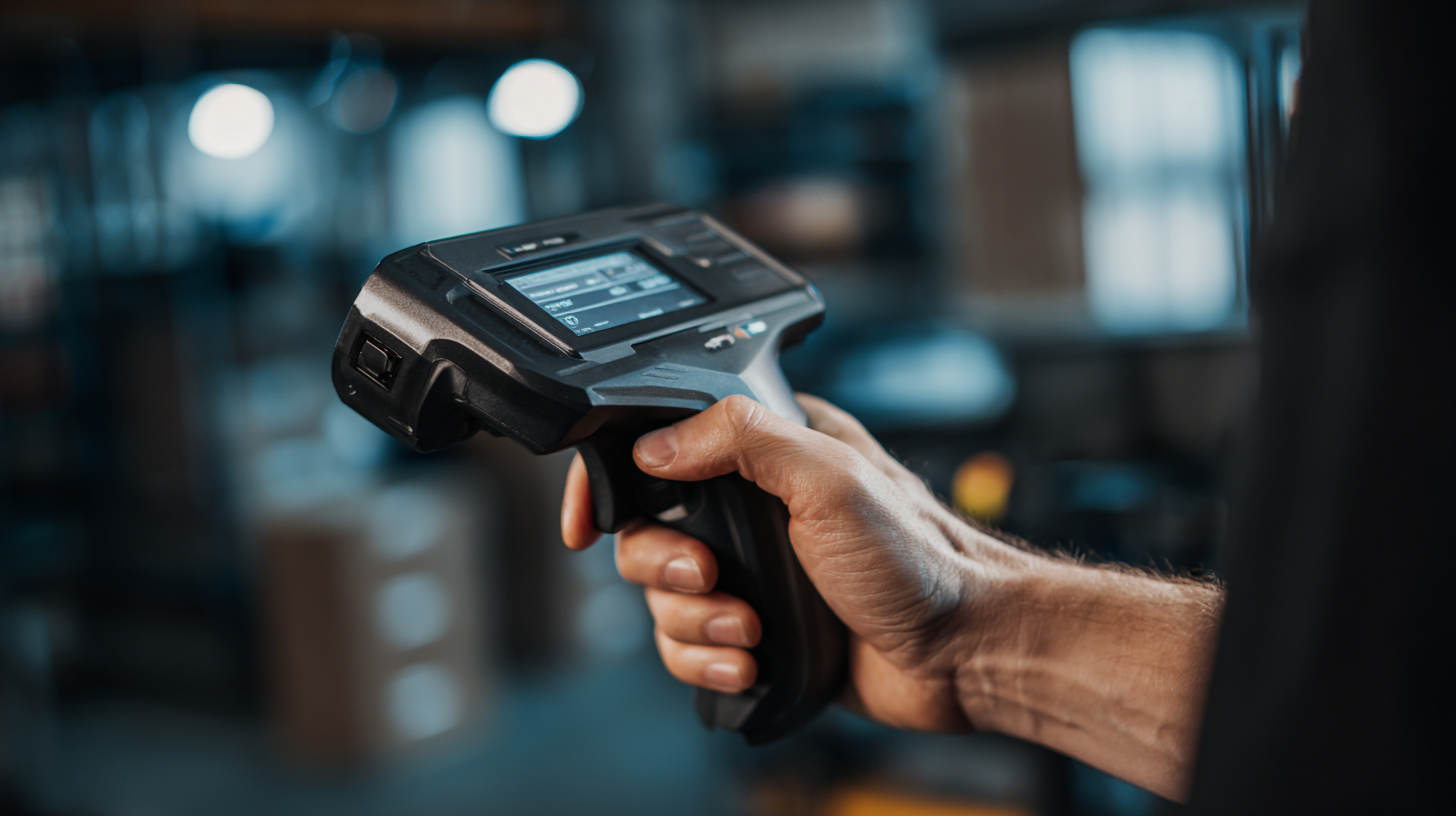
On top of that, the time saved with these handheld scanners is pretty impressive. One study by AMR Research pointed out that using RFID can cut inventory counting time by up to 90%. Imagine how much more staff can do when they’re not stuck doing these boring manual counts all day. They can spend more time helping customers or focusing on other important tasks. Plus, tracking products along the entire supply chain makes it easier to prevent theft and fraud. Considering the National Association for Shoplifting Prevention estimates that U.S. retailers lose nearly $13 billionevery year to theft and fraud, that’s a huge win. By bringing Rfid Scanners into their operations, retailers aren’t just making things more efficient — they’re also protecting theirprofits and bottom line, big time.
How RFID Scanners Improve Inventory Accuracy and Management
In today’s fast-changing world of retail, RFID handheld scanners are really shaking things up when it comes to managing inventory. They’re making things way more accurate and helping stores run smoother and faster. As more retailers want real-time updates on stock levels, more of them are turning to RFID tech to make tracking and managing everything a lot simpler. These scanners let staff do quick, accurate stock checks, which means fewer mistakes and discrepancies. And honestly, that makes customers happier because they can find what they want in stock more often.
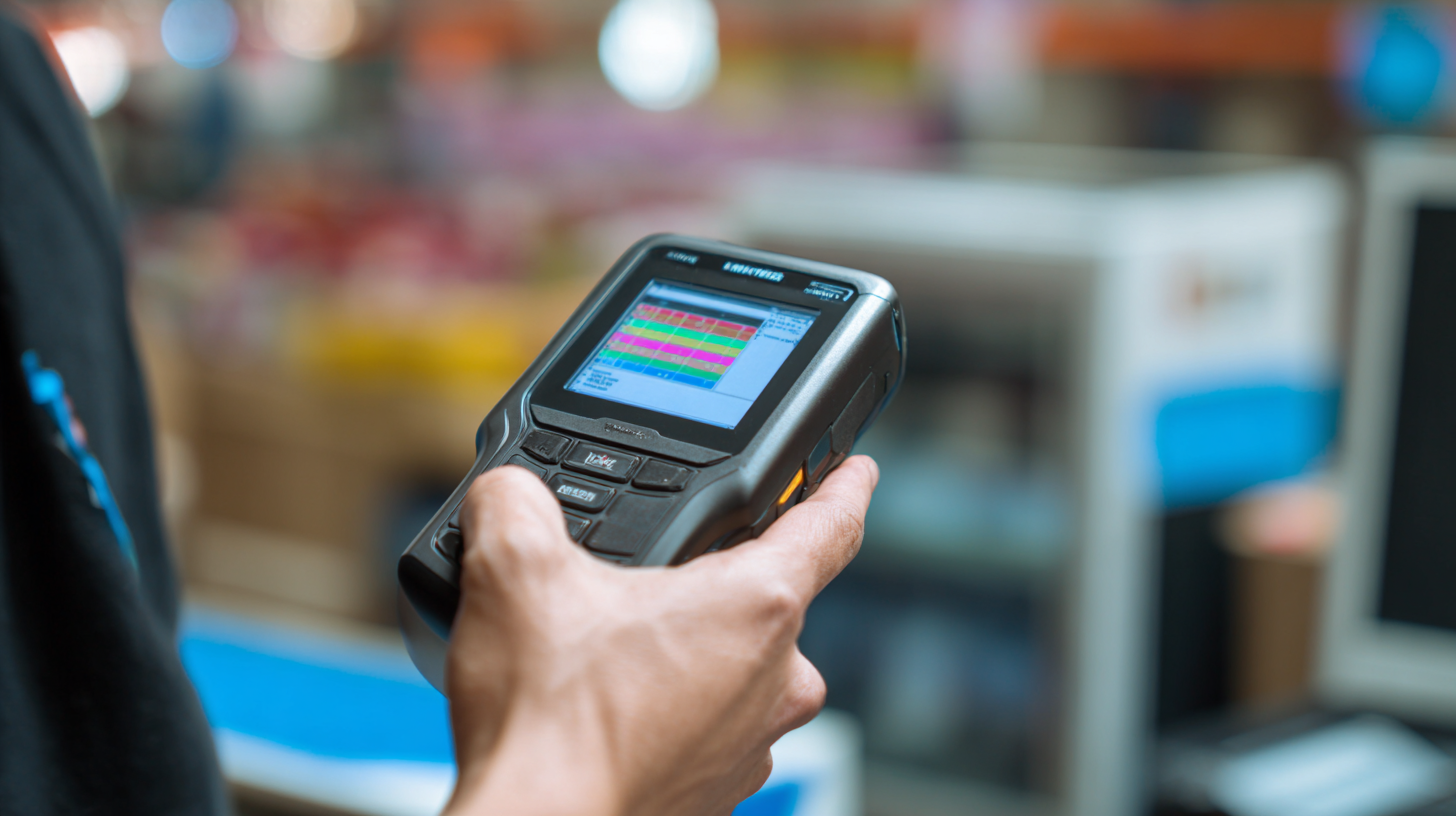
A Few Tips for Getting Started with RFID Handheld Scanners:
- Start Small: Test things out in just one section of your store first. That way, you can see how it works, fix any issues, and be ready before going all in.
- Invest in Training: Make sure your team knows how to use the new tech properly. Good training helps everyone be more productive and keeps things running smoothly.
- Make it Work with What You Have: Pick solutions that play nicely with your existing inventory systems so everything works together, no headaches.
This RFID shift is especially important now, with IoT making everything more connected. Having the right tools and data at hand helps retailers make smarter decisions, boost their inventory game, and stay ahead in a tough, digital-driven marketplace.
Enhancing Customer Experience with RFID Technology in Retail
You know, the way RFID tech is being rolled out in retail just might totally change how shoppers experience stores. As the retail world keeps booming—especially with kiosks, which are expected to jump from around $22.7 billion in 2021 to over $51 billion by 2028 at a pretty solid growth rate—that’s no surprise. Retailers are definitely on the lookout for smarter solutions to make their operations smoother and to connect better with customers. Same goes for RFID; it’s growing fast, expected to go from about $17 billion in 2025 all the way up to nearly $38 billion by 2032, with an annual growth of around 12%. This clearly shows more retailers are jumping on the RFID bandwagon, mainly because it helps them manage inventory better and personalizes the shopping experience for each person.
By integrating RFID tech, stores can tap into real-time data from IoT gadgets, meaning they can craft a shopping trip that feels more personal and special for each shopper. Some companies are even combining RFID with QR codes—talk about transparency!—so customers can trace products easily and trust what they’re buying. Industry folks say that as shopping gets more interactive and tailored, RFID isn’t just about efficiency anymore; it’s about making those real human connections, building loyalty, and encouraging folks to come back. All of this makes shopping more engaging and keeps brands competitive in today’s busy market.
Future Trends: The Evolution of RFID in Retail Environments
You know, as retailers try to step up their game—making things run smoother and keeping customers happy—the way RFID tech is evolving in stores is honestly pretty exciting. Those new handheld RFID scanners? They're really changing the game when it comes to managing inventory. What used to be a tedious process full of errors is now so much easier and quicker. Plus, these gadgets let stores track products in real-time, giving them valuable insights into what customers want and behave—that’s huge for making smarter decisions. Not to mention, RFID makes checkout lines faster and cuts down on stock mismatches. All in all, it's really improving the shopping experience for everyone.
Looking ahead, I think we’re going to see even more cool ways RFID gets used in retail. For example, combining RFID with AI and machine learning will probably bring predictive analytics into play—so stores can not only see what’s happening now but also predict what customers will want soon. On top of that, RFID can boost supply chain transparency, letting retailers keep an eye on products from the factory all the way to the shelves. That means they can react quickly if something goes wrong and better meet customer needs. Overall, RFID’s future in retail looks bright and pretty exciting, don’t you think?
Maximizing Efficiency in Manufacturing Workshops with the Proximity HF RFID Reader GRH-M30
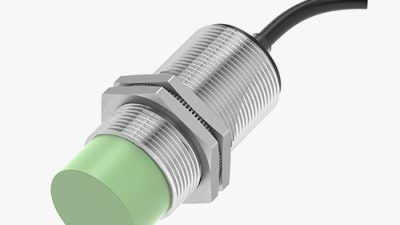
In today's fast-paced manufacturing environment, optimizing efficiency is crucial for staying competitive. The Proximity HF RFID Reader GRH-M30 exemplifies a breakthrough in industrial automation, specifically designed to streamline operations within manufacturing workshops. With its impressive Modbus-RTU communication support, the GRH-M30 enables seamless integration into existing systems, allowing for real-time data collection and management. This advanced technology not only enhances workflow but also helps in making informed decisions quickly.
The robust design of the GRH-M30 ensures durability in demanding industrial settings, making it a reliable choice for manufacturers seeking long-term solutions. Its versatility caters to various applications, from inventory management to asset tracking, addressing the diverse needs of modern workshops. By choosing the GRH-M30, businesses can leverage high-quality, cost-effective technology to maximize efficiency and maintain a competitive edge in the market. Whether you require tailored solutions or general-purpose products, our commitment to providing exceptional service ensures prompt responses to all inquiries and orders, facilitating a smoother operational process.
FAQS
: RFID technology, or Radio Frequency Identification, is a system that uses radio waves to identify and track objects, which has become transformative in the retail sector for operational efficiency and inventory management.
RFID handheld scanners enhance inventory management by allowing retailers to quickly scan multiple items simultaneously, reducing the time spent on manual checks, minimizing human error, and providing real-time inventory visibility.
Retailers gain invaluable data insights on customer purchasing behaviors and inventory flow patterns, enabling them to optimize supply chains, anticipate demand, and improve overall customer satisfaction.
Start with a pilot program in one section of the store, invest in training staff on the technology, and ensure the RFID solutions integrate seamlessly with existing inventory management systems.
RFID technology is crucial in the IoT era as it supports data-driven decision-making, allowing retailers to enhance their inventory processes and strengthen their competitive edge in a digital marketplace.
RFID technology minimizes human error by enabling accurate and quick inventory audits through automated scanning processes, leading to enhanced inventory accuracy.
Yes, it is advisable to choose RFID solutions that can integrate seamlessly with current inventory management systems for a more cohesive workflow.
By improving stock availability and reducing inaccuracies, RFID technology increases customer satisfaction, ensuring that products are readily available when needed.
RFID technology provides real-time data insights, allowing retailers to adjust operations, manage inventory levels, and respond swiftly to changing market conditions.
Starting with a pilot program allows retailers to evaluate the benefits of RFID technology and address any operational issues before committing to a full-scale implementation.
Conclusion
The future of retail is really changing thanks to RFID handheld scanners—these gadgets are making things way smoother and helping stores manage their inventory more efficiently. If you’re a retailer, it’s pretty important to get a good handle on how RFID tech works. By using these handheld scanners, businesses can see some pretty big perks, like more accurate stock counts and easier inventory processes. Plus, they’re not just about tracking what’s in stock; they also help ensure customers find what they’re looking for, which makes the whole shopping experience better.
As retail keeps evolving, jumping on board with RFID tech is a smart move that can spark some cool new ways to operate. Experts say that down the line, RFID in retail will get even smarter—think IoT and AI coming into play, areas where MingQ Technology Limited really shines. By layering in these advanced technologies, retailers can stay ahead of the game and meet what customers are expecting these days—more convenience, better service, and a seamless shopping vibe.

 Rotary HF RFID Tag Reader GRH-I40 Suitable for Assembly Lines
 Industrial-grade High-frequency Integrated Reader GRH-I65 Suitable for Asset Tracking
 With ESD Protection HF RFID Reader GRH-I68 Suitable for Progress Tracking
 Proximity HF RFID Reader GRH-M30 Suitable for Manufacturing Workshops
 Desktop HF RFID Scanner GRH-D80-HID Suitable for Card-issuing Applications
 High Frequency Medium Distance Reader GRH-I90 Suitable for Logistics Production Line
 UHF RFID Portals and Tunnel Machine RFly-AM3000 for Access Control
 Narrow RFID Portals Series TD-P20040-SS for Single Tag Entry and Exit Identification Scenario
 RFID Transmission Line Simple Identification Tunnel Machine (TD-T3050)
 Vision and RFID Tunnel Machine TD-T7692-RV for Logistics Sorting
 RFID Transmission Line Identification Tunnel Machine TD-T10090
 RFID Mobile Inventory Tunnel Machine TD-T65150 for Conveyor Belts
 High-Performance Far-Field Antennas for Broad Coverage.
 Multi-Purpose Antennas: Flexibility for Diverse Applications
 Near-Field Antennas for Short-Distance Tag Detection.
 Portals & Tunnel Antennas for Integrated RFID Series
 Slimline PCB Antennas for Warehousing and Logistics
 Miniaturized and Thin Antennas can Provide Good Performance in a Smaller Size.
 GPS Tracker for Vehicles, Car, Kids, Assets.
 CO2 Sensors Detect CO2 Gas through Alarms, Suitable for Offices, Planting Tents.
 Door Sensor, Detect Open and Closed Doors or Windows, Sends Alerts, Triggers Siren.
 Wireless Level Sensor Equipped with a 5-Meter Detection Line, Suitable for Water Tanks
 Real Time Monitoring of Air Quality Using PM2.5/PM10 Sensors.
 Smoke Sensor, Fire Alarm Smoke Detector with Test Button and Low Battery Reminder.
 Soil Stress Sensor,Bridge and Tunnel Monitors.
 Vibration Sensor Monitors Equipment, Like Conveyors and Motors, for Operational Status.
 E -Paper Display
 Smart Water Sensor Alarms, 1.2 M Detection Line.
 CO Sensor for Basements Home Office House Bedroom Living Room Car, Light Plug and Play.
 Temperature and Humidity Sensor
 Multi-sensor GD-ME
 Temperature Sensors Monitor the Surface Temperature of Various Heating Equipment.-1
 Signal Enhancement Terminal, Long Range Coverage.
 Multi-Protocol Communication Gateway, App Remote Control.
 Edge Vision Gateway can Access Various Mainstream Cameras, Suitable for Office, Factory.
 GBS-3550 Outdoor Sensor Gateway,LoRa, 2/3/4G Communication.
 Smart WiFi Gateway, Realize Remote Control.
 Ultra-Low-Power Solar-Powered Intelligent Gateway (Outdoor)
 IP67-protected Integrated RFID Reader Writer RFly-I165 for Supply Chain
 Long-range Distance UHF RFID Reader RFly-I195 for Inventory Management
 Small UHF RFID Tag Reader RFly-I300 for Cars
 Two-channel Compact Fixed RFID Reader RFly-F210 for Warehousing
 Four Channels Fixed UHF RFID Reader RFly-R6 for Supply Chain
 8-channel UHF RFID Tag Reader RFly-R8 for File Cabinet Identification
 Bluetooth Portable RFID Reader and Writer GRU-HBT100 for Inventory Management
 Industrial Grade Handheld UHF RFID Reader GRU-HC520 Suitable for Logistics
 RFID Gateway Networking System
 RFID Passive Temperature Measurement System
 RFID Tags for Container Turnover Management
 RFID Tags for Equipment O&M Management
 RFID Tags for Manufacturing Management
 RFID Tags for Tool Management
 A Kits for Equipment Condition Detection
 A Kits for Office Computer Room Environment Monitoring
 A Kits for Reservoir Environmental Monitoring
 A Kits for Storage Space Environment Monitoring
 A Kits for Stress Detection of Underground Tunnel
 A Kits for Urban Environment Monitoring
 Intelligent IoT Monitoring Platform
 Integrating Multiple Functional OTG Demo Software
 HF Demo Software
 UHF Demo Software