You know, the rapid pace at which Internet of Things (IoT)tech is evolving is really changing how we connect and communicate. Something exciting that's been making waves isTag Antenna technology — it’s becoming a pretty key player in boosting connectivity. I was just reading a recent report from MarketsandMarkets, and it said the global IoT market is expected to jump from around $385 billion in 2022 to over $1.9 trillion by 2030 — that’s a compound annual growth rate of nearly 25%. Crazy, right? This kind of growth shows just how much more people are looking for IoT solutions that can improve operational efficiency and speed up data transmission. Over here at MingQ Technology Limited, we’re really excited about how Tag Antenna tech can make a real difference in creating smooth, reliable connections across all sorts of applications. By bringing in these advanced Tag Antenna solutions, businesses can really get the most out of their IoT setups, tapping into AI and industrial IoT capabilities to stay ahead and innovate in today’s fast-changing digital world.
The Evolution of Tag Antenna Technology in Modern Connectivity
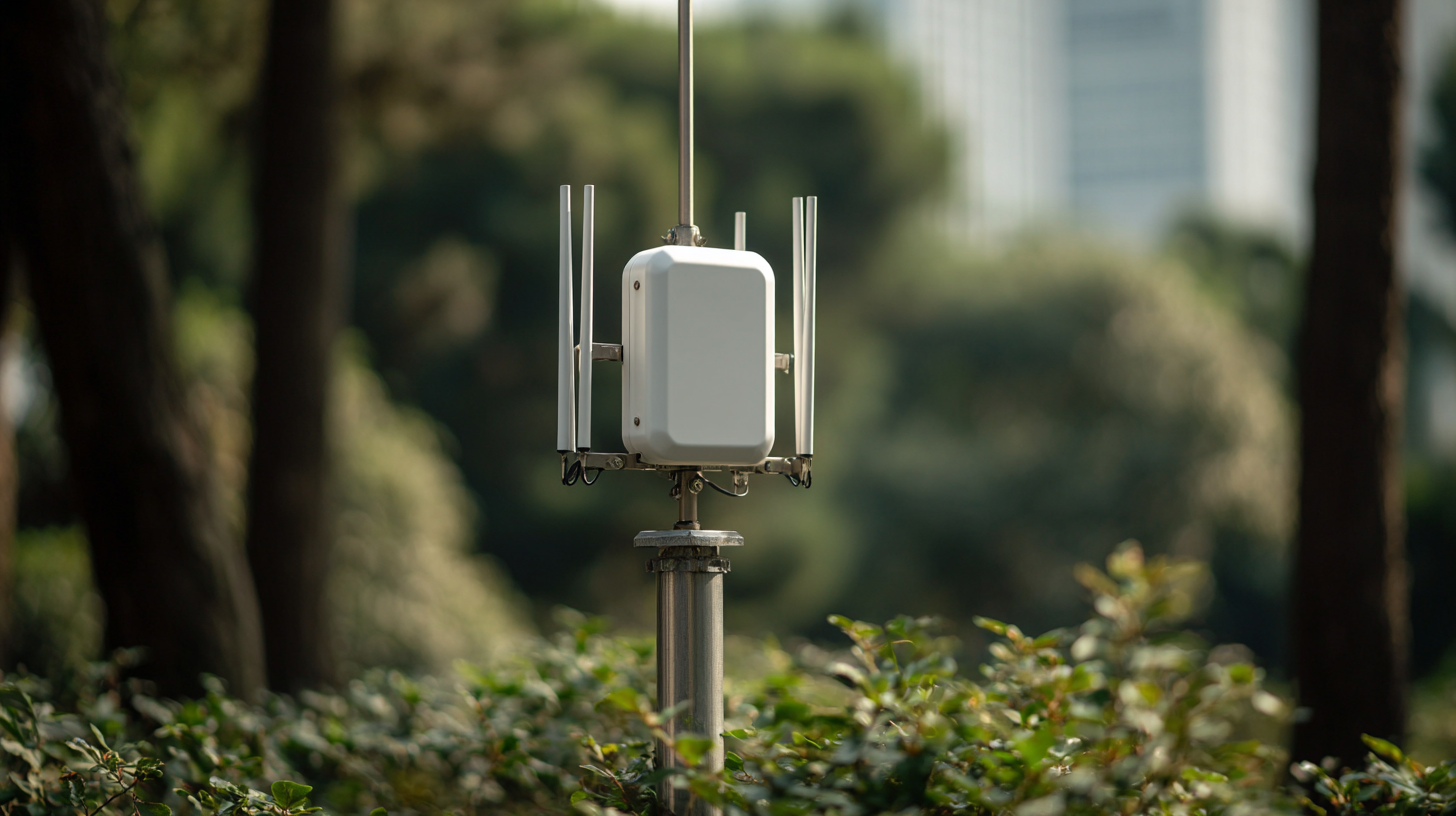
The way tag antenna technology has evolved really has a big impact on how we stay connected these days, especially when it comes to the Internet of Things (or IoT for short). If you look at the latest market research, it’s pretty wild—by 2026, the global IoT market is expected to hit around $1.1 trillion! A huge chunk of that growth is thanks to breakthroughs in RFID and tag antennas. These techs make it super easy for devices to share data smoothly, which is why industries are keen on adopting better and faster connectivity solutions.

At MingQ Technology Limited, they’re really pushing the envelope by combining their know-how in both IoT software and hardware to stay ahead with new innovations in tag antennas. As more industries jump on the IoT bandwagon, the need for top-notch tag antennas that can work well in all kinds of environments is just going up. Some industry reports even suggest that smarter connectivitythrough these antennas can boost supply chain efficiency and peg Asset Tracking accuracy up by as much as30%. That’s a big deal, especially for industrial IoT setups where having real-time data can mean the difference between a decision that’s just okay and one that’s actually smart.
By focusing on the latest in tag antenna tech, MingQ is really leading the way toward a more connected world. The combo of AI and IoT is also set to open up new doors, making our systems more responsive and adaptable across many fields. As this tech keeps improving, its potential to change how we connect and share data will only grow, fueling more efficiency and innovation everywhere. It’s an exciting time for this industry, no doubt.
Key Benefits of Enhanced Connectivity Through Tag Antennas
Lately, tag antenna technology has really been shaking things up in how industries are approaching better connectivity — especially in the no-chip RFID market, which is just exploding right now. I mean, it’s expected to hit around $1.49 billion by 2023! And from 2024 to 2031, they’re forecasting a steady growth rate of about 17.4%, which is pretty impressive. All this just shows how much folks are looking for smarter, cheaper ways to stay connected, making businesses run smoother and manage their resources more effectively.
Now, the advantages of better connectivity through these tag antennas? There are quite a few — first off, they let devices chat seamlessly no matter where they are, which is a game-changer for things like managing inventory or tracking assets. Plus, they enable real-time data gathering, giving companies some real juicy insights that can actually influence their decisions. As this tech keeps advancing, it’s clear that tag antennas are becoming a vital piece of the digital puzzle—helping build smarter, more connected systems that boost efficiency all around.
Challenges in Implementing Tag Antenna Technology
Implementing Tag Antenna Technology isn’t without its hurdles—there are quite a few challenges industry folks need to work through if they really want to unlock its full potential. The RFID market is expected to grow pretty rapidly, mainly because there's a big push for better supply chain management and anti-counterfeiting measures. That said, one of the key issues we still face is dealing with counterfeit RFID tags. Luckily, new cognitive risk control techniques that use distance-based tech can help improve how we spot fake tags, making our RFID systems much more secure.
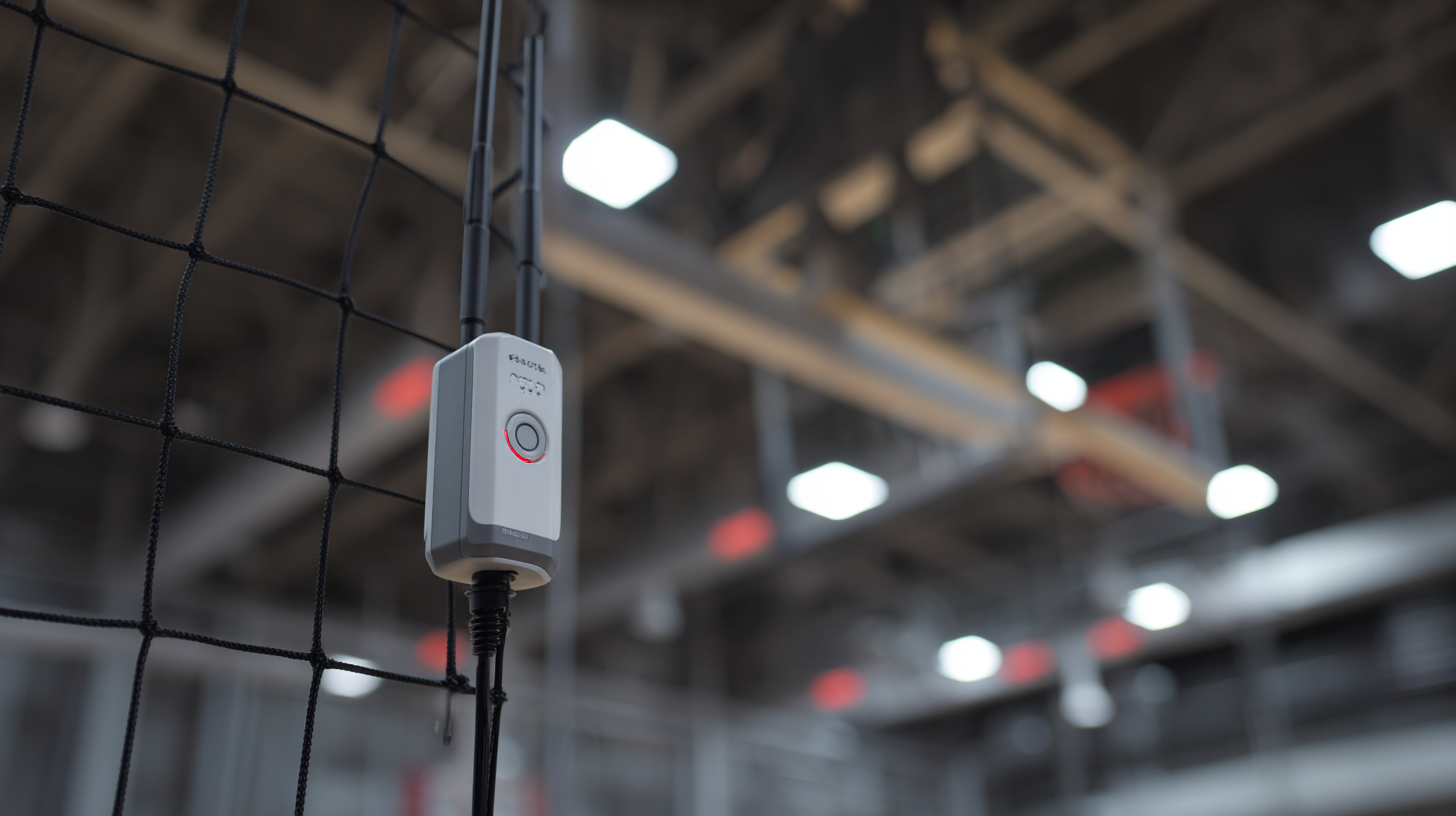
On top of that, the game is changing with AI coming into the picture, especially in RF and antenna design. You know, studies show that AI can really speed up important parts of the design process, making it easier to develop RFID systems that are both efficient and reliable. Plus, the rise of multi-band antennas offers some pretty handy solutions for IoT applications—these things help overcome size limitations and improve connectivity, which is a big win. All in all, taking this kind of a holistic approach not only boosts performance but also opens up exciting new opportunities in wireless communication, paving the way for future innovations in Tag Antenna Technology.
Real-World Applications of Tag Antenna Innovations
In today’s world, where everything’s more connected than ever, tag antenna technology is really starting to play a key role in shaping the future of the Internet of Things (IoT). These clever antennas help devices communicate smoothly with each other, making real-time data sharing a breeze and boosting efficiency across the board. At MingQ Technology Limited, we’re all about using tag antenna tech to boost our IoT solutions — making sure industries can tap into the power of connectivity to innovate and stay ahead of the game.
You’ll find these tag antennas making a difference in all sorts of fields — from managing supply chains to smart farming. Take logistics, for example — these antennas can track shipments on the fly, so companies can fine-tune routes and cut down on delays. Or in farming, they help connect IoT gadgets that keep an eye on crop health, soil quality, and weather patterns, giving farmers useful insights. By integrating advanced tag antenna tech into our hardware and software, MingQ is committed to delivering solutions that not only boost connectivity but also help businesses succeed in this fast-changing digital world.
The Future of Enhanced Connectivity with Tag Antenna Technology
This chart illustrates the projected growth in wireless connectivity solutions leveraging tag antenna technology from 2020 to 2024. The significant increase highlights the advancements in technology and its applications in real-world scenarios.
The Future Landscape of Connectivity: Trends and Predictions
The world of connectivity is changing pretty fast these days, thanks to new tech breakthroughs and what consumers are demanding. If you look at recent market predictions, the global market for predictive automotive tech is expected to jump from around $64 billion in 2023 to over $118 billion by 2030—that’s a solid growth rate of about 9.1% per year. A lot of this boom is driven by the rising use of in-vehicle Wi-Fi solutions, which are becoming more common. And as the market gets more diverse, we’re seeing different types of connectivity pop up—stuff like Wi-Fi hotspots and embedded systems—designed for all kinds of vehicles, from regular passenger cars to commercial trucks.
Plus, the eSIM market is also set for some serious growth, especially from 2026 through 2033. North America’s actually leading the charge here, expected to generate over 40% of the world's revenue by 2024. That’s mainly because they jumped on the 5G bandwagon early and have a pretty strong telecom infrastructure to back it up. This progress is making connected devices way more capable, especially in sectors like automotive and consumer electronics, which means everyone’s experience with connectivity is only getting better. As these trends keep unfolding, folks in the industry really need to stay flexible and strategic, so they can make the most of these new technologies and stay ahead of the game in this constantly changing landscape.
Integrating Tag Antennas with IoT for Smarter Solutions
You know, the way tag antennas are being integrated with the Internet of Things (IoT) is really opening up a whole new world of smarter solutions across different industries. It’s pretty crazy to think that the smart label market might hit around USD 17.33 billion by 2029. Companies are waking up to just how powerful tag antenna technology can be for boosting connectivity and data sharing. These advances are making real-time monitoring and tracking a lot easier, which means improved efficiency and better decision-making—whether it’s in managing a supply chain or in smart farming.

Lately, there’s been some pretty exciting research on chipless RFID-inspired sensors, especially in agriculture. Basically, these techs can detect things like humidity, temperature, and gas levels—stuff that’s super important for keeping crops healthy and growing well. By taking advantage of improved connectivity through tag antennas, farmers can get these insights right when they need them, helping them make smarter choices and, in turn, boost yields and sustainability.
That mix of IoT and tag antenna tech? It’s really set to change the game when it comes to how we gather and use data. It’s a big step forward for innovation, for sure.
Exploring the Advantages of the Rotary HF RFID Tag Reader GRH-I40 for Streamlining Assembly Line Operations
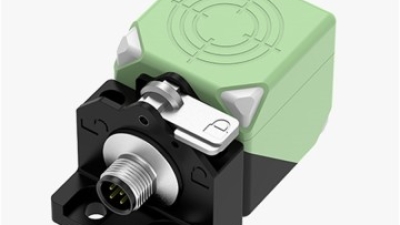
The GRH-I40 Rotary HF RFID Tag Reader is revolutionizing assembly line operations by providing an efficient and seamless method for tracking materials and components throughout the manufacturing process. One of the standout features of the GRH-I40 is its rotatable design, which allows for optimal positioning to capture RFID signals, ensuring that every tagged item is easily identified and logged. This capability not only enhances the accuracy of inventory management but also minimizes the time spent on manual tracking.
Installation and setup of the GRH-I40 are designed to be user-friendly, making it an ideal choice for businesses looking to integrate RFID technology into their operations without extensive downtime or resource allocation. Whether mounted on a production surface or incorporated into existing systems, the GRH-I40 offers a hassle-free experience. Its support for Modbus-RTU communication further allows smooth integration with various control systems, making it a versatile solution for diverse manufacturing environments.
Moreover, the commitment to providing high-quality and cost-effective products means that users can expect reliable performance from the GRH-I40. Whether you require customized solutions tailored to specific needs or general-purpose products, the GRH-I40 stands out as a dependable choice for organizations aiming to enhance their assembly line efficiency. If you have any inquiries or wish to place an order, you can expect prompt responses and detailed quotations to facilitate your decision-making process.
FAQS
: Tag antennas are advanced communication devices that facilitate seamless data exchange between connected devices, enabling real-time monitoring, tracking, and operational efficiency across various industries.
The no-chip RFID market is projected to reach approximately $1.4912 billion by 2023, with an expected compound annual growth rate (CAGR) of 17.39% from 2024 to 2031.
Tag antennas enable real-time communication which is essential for inventory management, allowing businesses to effectively track assets and streamline their operations.
In agriculture, tag antennas are integrated into IoT devices to monitor crop health, soil conditions, and weather patterns, providing farmers with valuable insights to enhance yields and sustainability.
The integration of tag antennas with IoT fosters smarter solutions that enable real-time data exchange and monitoring, thus improving decision-making and operational efficiency in various sectors.
In logistics, tag antennas are utilized for real-time shipment tracking, helping companies to optimize delivery routes and minimize delays.
The smart label market is projected to reach USD 17.33 billion by 2029, indicating significant growth in the usage of tag antenna technology for better connectivity.
Farmers can benefit from tag antenna technology by using it to gather data on environmental conditions that affect crop growth, allowing them to make informed decisions for improved agricultural practices.
Recent advancements in chipless RFID technology include its application in sensing environmental parameters like humidity, temperature, and gas concentrations, which are vital for optimizing agricultural outcomes.
Enhanced connectivity through technologies like tag antennas is critical for digital transformation as it allows for the development of smarter systems that improve operational efficiency and resource management.
Conclusion
The future of better connectivity is really going to be shaped a lot by Tag Antenna technology. As we watch how this tech is evolving, it’s clear it plays a huge role in modern communication solutions—making it easier for devices to talk to each other smoothly. Tag antennas bring a bunch of perks, like stronger signals, less interference, and faster data transfer speeds. All of that is super important, especially with the Internet of Things (IoT) growing like crazy these days.
That said, rolling out Tag Antenna tech isn’t always a walk in the park. It can run into some tricky stuff—like integrating it into existing systems and the costs involved. But, even with those hurdles, there are some pretty exciting uses popping up across different fields—from smart farming to healthcare—that show just how transformative Tag Antennas can be. Looking ahead, it seems like we’re heading towards smarter solutions, where Tag Antennas are really embedded into IoT networks, making everything more connected and efficient. At MingQ Technology Limited, we’re right there at the forefront of these exciting changes, offering cutting-edge IoT hardware and software that use Tag Antenna tech to boost connectivity and make life easier.

 Rotary HF RFID Tag Reader GRH-I40 Suitable for Assembly Lines
 Industrial-grade High-frequency Integrated Reader GRH-I65 Suitable for Asset Tracking
 With ESD Protection HF RFID Reader GRH-I68 Suitable for Progress Tracking
 Proximity HF RFID Reader GRH-M30 Suitable for Manufacturing Workshops
 Desktop HF RFID Scanner GRH-D80-HID Suitable for Card-issuing Applications
 High Frequency Medium Distance Reader GRH-I90 Suitable for Logistics Production Line
 UHF RFID Portals and Tunnel Machine RFly-AM3000 for Access Control
 Narrow RFID Portals Series TD-P20040-SS for Single Tag Entry and Exit Identification Scenario
 RFID Transmission Line Simple Identification Tunnel Machine (TD-T3050)
 Vision and RFID Tunnel Machine TD-T7692-RV for Logistics Sorting
 RFID Transmission Line Identification Tunnel Machine TD-T10090
 RFID Mobile Inventory Tunnel Machine TD-T65150 for Conveyor Belts
 High-Performance Far-Field Antennas for Broad Coverage.
 Multi-Purpose Antennas: Flexibility for Diverse Applications
 Near-Field Antennas for Short-Distance Tag Detection.
 Portals & Tunnel Antennas for Integrated RFID Series
 Slimline PCB Antennas for Warehousing and Logistics
 Miniaturized and Thin Antennas can Provide Good Performance in a Smaller Size.
 GPS Tracker for Vehicles, Car, Kids, Assets.
 CO2 Sensors Detect CO2 Gas through Alarms, Suitable for Offices, Planting Tents.
 Door Sensor, Detect Open and Closed Doors or Windows, Sends Alerts, Triggers Siren.
 Wireless Level Sensor Equipped with a 5-Meter Detection Line, Suitable for Water Tanks
 Real Time Monitoring of Air Quality Using PM2.5/PM10 Sensors.
 Smoke Sensor, Fire Alarm Smoke Detector with Test Button and Low Battery Reminder.
 Soil Stress Sensor,Bridge and Tunnel Monitors.
 Vibration Sensor Monitors Equipment, Like Conveyors and Motors, for Operational Status.
 E -Paper Display
 Smart Water Sensor Alarms, 1.2 M Detection Line.
 CO Sensor for Basements Home Office House Bedroom Living Room Car, Light Plug and Play.
 Temperature and Humidity Sensor
 Multi-sensor GD-ME
 Temperature Sensors Monitor the Surface Temperature of Various Heating Equipment.-1
 Signal Enhancement Terminal, Long Range Coverage.
 Multi-Protocol Communication Gateway, App Remote Control.
 Edge Vision Gateway can Access Various Mainstream Cameras, Suitable for Office, Factory.
 GBS-3550 Outdoor Sensor Gateway,LoRa, 2/3/4G Communication.
 Smart WiFi Gateway, Realize Remote Control.
 Ultra-Low-Power Solar-Powered Intelligent Gateway (Outdoor)
 IP67-protected Integrated RFID Reader Writer RFly-I165 for Supply Chain
 Long-range Distance UHF RFID Reader RFly-I195 for Inventory Management
 Small UHF RFID Tag Reader RFly-I300 for Cars
 Two-channel Compact Fixed RFID Reader RFly-F210 for Warehousing
 Four Channels Fixed UHF RFID Reader RFly-R6 for Supply Chain
 8-channel UHF RFID Tag Reader RFly-R8 for File Cabinet Identification
 Bluetooth Portable RFID Reader and Writer GRU-HBT100 for Inventory Management
 Industrial Grade Handheld UHF RFID Reader GRU-HC520 Suitable for Logistics
 RFID Gateway Networking System
 RFID Passive Temperature Measurement System
 RFID Tags for Container Turnover Management
 RFID Tags for Equipment O&M Management
 RFID Tags for Manufacturing Management
 RFID Tags for Tool Management
 A Kits for Equipment Condition Detection
 A Kits for Office Computer Room Environment Monitoring
 A Kits for Reservoir Environmental Monitoring
 A Kits for Storage Space Environment Monitoring
 A Kits for Stress Detection of Underground Tunnel
 A Kits for Urban Environment Monitoring
 Intelligent IoT Monitoring Platform
 Integrating Multiple Functional OTG Demo Software
 HF Demo Software
 UHF Demo Software