In today’s fast-changing worldof IoT tech, picking the right Rfid Writer is pretty important if you’re serious about optimizing your business and managing data better. AtMingQ Technology Limited, we totally get that different industries have their own unique needs, which is why we focus on providing truly up-to-date hardware and software solutions tailored just for you. This blog is here to give you seven key tips to help you choose the perfect RFID writer for your situation. Whether you’re looking to get better at tracking inventory, smooth out your supply chain, or improve how your customers experience your brand, making the right choice can really make a difference in how smoothly your operations run and how well your tech all works together. So, stick with us as we explore what really matters when picking your RFID writer—by the end, you’ll know how to tap into the full potential of this awesome technology.
Understanding RFID Technology and Its Applications
You know, RFID (Radio Frequency Identification) technology has really shaken things up across so many industries. It’s basically a game-changer when it comes to tracking and managing assets more efficiently. Funny thing is, this tech actually started back in the 1970s for commercial stuff, using radio waves to identify objects without needing power. Today, it’s a huge part of things like inventory management—where combining IoT and RFID systems makes everything smoother and more accurate. More and more companies are jumping on board with RFID to simplify their processes and get better visibility into their supply chains, which is pretty much what Industry 4.0 is all about.
But RFID isn’t just for warehouses and factories. It’s making waves in agriculture and food safety too. People are experimenting with combining RFID and blockchaintech to create super secure, transparent traceability systems. It’s a smart move—not only does it boost transparency, but it also helps tackle some big sustainability issues in how we track and handle food products. Plus, with the latest in smart packaging, RFID Tags now come with sensors that keep tabs on environmental conditions—like temperature or humidity—to make sure products stay safe and intact.
As RFID continues to grow and evolve, understanding what it can do is pretty much a must for any business wanting to stay ahead of the game in today’s competitive world.
Key Features to Look for in an RFID Writer
When you're trying to pick out the best RFID writer for what you need, really getting a handle on the key features is super important. First off, you want to think about the range it can write to and what frequencies it supports. Make sure it matches the kind of RFID tags you're using—whether that's low, high, or ultra-high frequency. Also, a model with adjustable power settings can be a lifesaver because you can tweak the range depending on your setup, making sure everything reads and writes smoothly at different distances.
Another stuff to consider is how easy it is to use, especially the user interface and whether it plays nicely with your existing software. A clean, intuitive setup will save you tons of headaches and make your life way easier. Look for RFID writers that come with straightforward software, ideally with handy features like batch processing and solid data management options. And don’t forget to double-check if it’s compatible with your current systems—that way, everything will work together without a hitch.
Last but not least, think about how tough the device is and what kind of support is available. If you’re planning to use it in tough environments, go for something rugged that can handle the wear and tear. Also, having reliable customer support and good warranty options can really save your — well, day — if something goes wrong later. Keep these points in mind, and you'll be in a much better spot to choose the right RFID writer that suits your needs perfectly.

Evaluating Compatibility with Your Existing System
When you're trying to pick out the best RFID writer for your needs, one of the most important things to check is how well it plays with your current system. With IoT tech advancing so fast these days, companies are really leaning on integrated setups that make operations smoother and data more accurate. I read in a market research report by MarketsandMarkets that the RFID market's expected to hit around $40 billion by 2026 — that really highlights why it's crucial to pick a writer that can seamlessly slot into what you already have going on.
A good starting point is to look at the frequency range of the RFID writer. Different jobs call for different frequencies—like low, high, or ultra-high. This can make a big difference in how far and how well the system reads tags. So, making sure that the writer's frequency matches what your current setup uses can save you a lot of headaches down the line. Another thing to keep in mind is whether the software of the RFID writer plays nice with your existing IoT solutions. It’s a no-brainer to go for a device that easily integrates, especially from trusted providers like MingQ Technology Limited — they've got a solid reputation for their work in industrial IoT and AI.
And don’t forget to check out what kind of support the manufacturer offers. Since IoT solutions are pretty complex these days, having reliable tech support can really make a difference in keeping your RFID system running smoothly and efficiently over time. Picking a writer with strong support means you’re better equipped to make the most of what RFID tech can do for your business.
Assessing Write Speed and Range for Optimal Performance
When you're trying to pick the best RFID writer for your needs, it's pretty important to get a good handle on how fast it writes and how far it can reach. The write speed really determines how quickly you can encode multiple tags—something that's a total game-changer if you're working in busy places like warehouses or retail stores. Honestly, a faster writer can cut down your processing time a lot, helping you keep things running smoothly and more efficiently. Oh, and don’t forget to look for devices that let you tweak the write speed. That way, you can adapt it to different tasks or tag types without any hassle.
Another big thing to think about is the range of the RFID writer. Depending on what you’re using it for—like close-up stuff such as inventory or longer distances for tracking assets—you’ll want a device that actually matches those needs. It’s a good idea to test it out with some tags to see if it really works well at the distances you need. Also, see if it has features like adjustable power output; that can really boost its range and ability to read or write tags, no matter the environment you’re in.
Cost Considerations: Balancing Budget with Quality
When you're on the hunt for the perfect RFID writer for your specific needs, it’s really about finding that sweet spot between price and quality. A lot of folks assume that going for the cheapest option will save them money in the long run, but honestly, that’s often not the case. Sometimes, those bargain models underperform or lack important features, which can end up costing you more down the line. So, a smart move is to set your budget upfront and then compare your options within that range, making sure you’re not just chasing the lowest price.

One key tip I’d give is to really check out what the RFID writer can do. Don’t just buy something that meets your current needs—think ahead and look for a device that can grow with you. Investing a little extra in a more flexible, versatile model might seem like a pain now, but it’ll save you time and money later, since you won’t have to keep replacing it. Oh, and don’t forget to peek at the support and warranty options from different brands. A good quality product usually comes with solid customer support, which is super helpful if you hit any snags or need updates.
And finally, it’s worth doing a bit of digging into reviews and the overall reputation of the product and brand. Reading what other users have to say can give you a much better idea of how reliable and effective a certain RFID writer really is. Aim for products with consistent good reviews from folks with similar needs—this way, you’re more likely to avoid wasting money on something that ends up being a headache. All in all, taking these steps can help you make a smarter, more informed choice, without the stress of regret later on.
User-Friendliness: The Importance of an Intuitive Interface
In the fast-moving world of RFID tech, making things user-friendly has really become a key factor when it comes to picking out the best RFID writer for you. I mean, according to a study by Grand View Research, the global RFID market is expected to hit around $40.47 billion by 2026, so it’s clear we're relying on these tools more and more. This rise in demand just stresses how important it is to choose devices that not only boost efficiency but also come with an easy-to-use interface—something that helps make all those different applications a breeze.
When you're shopping for RFID writers, my advice is to go for a model that has a simple, intuitive interface. It really can make a huge difference, especially when you’re just starting out—it helps you get the hang of things faster and keeps mistakes to a minimum. Here’s a little tip: look for options that let you customize dashboards, so you can set things up exactly how you like. Also, it’s super helpful if the device offers detailed tutorials or guided setups—that way, you get some hands-on help right from the get-go.
And honestly, having a straightforward interface isn’t just a luxury. Studies show that companies see about a 30% drop in training time when users are working with easy-to-navigate devices. One more thing to keep in mind: pick a writer that comes with solid customer support. Knowing help’s just a call or click away can really boost your confidence in handling the tech and make the whole experience way more satisfying.
Digital Insights: 7 Essential Tips for Choosing the Best RFID Writer for Your Needs
| Feature | Importance | User-Friendliness Rating (1-5) | Notes |
| Intuitive Interface | High | 5 | Users should easily understand how to navigate the software. |
| Mobile Compatibility | Medium | 4 | Being able to write tags using mobile devices can enhance flexibility. |
| Documentation and Support | High | 5 | Comprehensive guides and responsive support are crucial for troubleshooting. |
| Software Updates | Medium | 3 | Regular updates ensure the software remains secure and efficient. |
| Customizability | Low | 2 | Limited customizations can restrict user experience. |
| Security Features | High | 4 | Ensuring data security is vital for user trust. |
| Speed of Writing | High | 5 | A fast writing process enhances productivity. |
Leveraging Two-Channel RFID Technology: Boosting Warehousing Efficiency by 30% According to Recent Industry Reports
In recent industry reports, it has been revealed that leveraging advanced technologies such as Two-Channel RFID can significantly boost warehousing efficiency by up to 30%. This remarkable enhancement is primarily attributed to the improved accuracy and speed in inventory management and tracking. The integration of RFID technology streamlines operations, reducing manual errors and optimizing resource allocation, ultimately leading to a more agile supply chain.
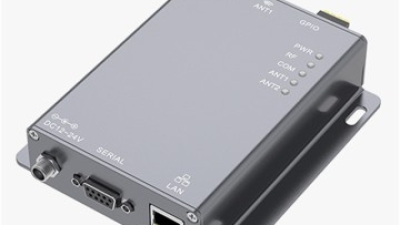
One standout solution in this field is the RFly-F210, a compact-design two-channel UHF RFID reader. With its exceptional performance and small size, the RFly-F210 caters to the growing demands of modern warehousing environments. Additionally, our extensive OEM/ODM customization options allow businesses to tailor the device to their unique operational needs. Whether it's modifying communication protocols, adding specialized functionalities, or even implementing custom branding, the RFly-F210 can be adapted to ensure it perfectly aligns with specific application requirements.
The flexibility and high performance of the RFly-F210 make it a vital asset for companies looking to enhance their warehousing efficiency. As the industry shifts towards more innovative solutions, adopting technology like the RFly-F210 could be the game-changer that helps businesses achieve operational excellence and significant productivity gains.
FAQS
: Compatibility ensures that the RFID writer integrates seamlessly into your current infrastructure, which is essential for streamlining operations and enhancing data accuracy.
It's vital to assess the frequency range of the RFID writer, as different applications may require low, high, or ultra-high frequency, impacting read ranges and performance.
Choosing an RFID writer that can easily integrate with your current IoT software solutions is crucial for ensuring smooth operations and compatibility, reducing potential bottlenecks.
Reliable technical support from the manufacturer can maximize the efficiency and longevity of your RFID system, making it an essential factor to consider during selection.
It’s important to define your budget while assessing options, recognizing that the lowest price may lead to higher long-term costs due to underperformance or lack of features.
A versatile model that reduces the need for frequent replacements can ultimately save money in the long run, even if it requires a higher initial investment.
A quality RFID writer usually comes with robust customer support, which is invaluable for troubleshooting and updates, making this an important consideration when choosing a product.
Researching user experiences provides insights into the reliability and performance of an RFID writer, guiding you towards quality options and preventing expenditures on subpar products.
Conclusion
In today's fast-changing digital world, picking the right RFID writer is more important than ever for businesses looking to boost their efficiency. Honestly, understanding how RFID works and the different ways you can use it really helps you make smarter choices. Things like whether it plays well with your existing systems, how fast it can write data, and its range—those are all big factors in figuring out which RFID writer is best for you.
Also, you’ve gotta think about the cost, but not just in terms of price—it's about finding that sweet spot where quality and affordability meet. And let’s not forget, a user-friendly design makes life so much easier. A simple, intuitive interface can really take the headache out of setting everything up.
Here at MingQ Technology Limited, we’re all about delivering high-quality IoT hardware and software solutions. Our goal? Helping you get the most out of RFID tech to make your operations smoother and tap into the full potential of IoT. We’re in this to help you succeed and make tech work for you, not the other way around.

 Rotary HF RFID Tag Reader GRH-I40 Suitable for Assembly Lines
 Industrial-grade High-frequency Integrated Reader GRH-I65 Suitable for Asset Tracking
 With ESD Protection HF RFID Reader GRH-I68 Suitable for Progress Tracking
 Proximity HF RFID Reader GRH-M30 Suitable for Manufacturing Workshops
 Desktop HF RFID Scanner GRH-D80-HID Suitable for Card-issuing Applications
 High Frequency Medium Distance Reader GRH-I90 Suitable for Logistics Production Line
 UHF RFID Portals and Tunnel Machine RFly-AM3000 for Access Control
 Narrow RFID Portals Series TD-P20040-SS for Single Tag Entry and Exit Identification Scenario
 RFID Transmission Line Simple Identification Tunnel Machine (TD-T3050)
 Vision and RFID Tunnel Machine TD-T7692-RV for Logistics Sorting
 RFID Transmission Line Identification Tunnel Machine TD-T10090
 RFID Mobile Inventory Tunnel Machine TD-T65150 for Conveyor Belts
 High-Performance Far-Field Antennas for Broad Coverage.
 Multi-Purpose Antennas: Flexibility for Diverse Applications
 Near-Field Antennas for Short-Distance Tag Detection.
 Portals & Tunnel Antennas for Integrated RFID Series
 Slimline PCB Antennas for Warehousing and Logistics
 Miniaturized and Thin Antennas can Provide Good Performance in a Smaller Size.
 GPS Tracker for Vehicles, Car, Kids, Assets.
 CO2 Sensors Detect CO2 Gas through Alarms, Suitable for Offices, Planting Tents.
 Door Sensor, Detect Open and Closed Doors or Windows, Sends Alerts, Triggers Siren.
 Wireless Level Sensor Equipped with a 5-Meter Detection Line, Suitable for Water Tanks
 Real Time Monitoring of Air Quality Using PM2.5/PM10 Sensors.
 Smoke Sensor, Fire Alarm Smoke Detector with Test Button and Low Battery Reminder.
 Soil Stress Sensor,Bridge and Tunnel Monitors.
 Vibration Sensor Monitors Equipment, Like Conveyors and Motors, for Operational Status.
 E -Paper Display
 Smart Water Sensor Alarms, 1.2 M Detection Line.
 CO Sensor for Basements Home Office House Bedroom Living Room Car, Light Plug and Play.
 Temperature and Humidity Sensor
 Multi-sensor GD-ME
 Temperature Sensors Monitor the Surface Temperature of Various Heating Equipment.-1
 Signal Enhancement Terminal, Long Range Coverage.
 Multi-Protocol Communication Gateway, App Remote Control.
 Edge Vision Gateway can Access Various Mainstream Cameras, Suitable for Office, Factory.
 GBS-3550 Outdoor Sensor Gateway,LoRa, 2/3/4G Communication.
 Smart WiFi Gateway, Realize Remote Control.
 Ultra-Low-Power Solar-Powered Intelligent Gateway (Outdoor)
 IP67-protected Integrated RFID Reader Writer RFly-I165 for Supply Chain
 Long-range Distance UHF RFID Reader RFly-I195 for Inventory Management
 Small UHF RFID Tag Reader RFly-I300 for Cars
 Two-channel Compact Fixed RFID Reader RFly-F210 for Warehousing
 Four Channels Fixed UHF RFID Reader RFly-R6 for Supply Chain
 8-channel UHF RFID Tag Reader RFly-R8 for File Cabinet Identification
 Bluetooth Portable RFID Reader and Writer GRU-HBT100 for Inventory Management
 Industrial Grade Handheld UHF RFID Reader GRU-HC520 Suitable for Logistics
 RFID Gateway Networking System
 RFID Passive Temperature Measurement System
 RFID Tags for Container Turnover Management
 RFID Tags for Equipment O&M Management
 RFID Tags for Manufacturing Management
 RFID Tags for Tool Management
 A Kits for Equipment Condition Detection
 A Kits for Office Computer Room Environment Monitoring
 A Kits for Reservoir Environmental Monitoring
 A Kits for Storage Space Environment Monitoring
 A Kits for Stress Detection of Underground Tunnel
 A Kits for Urban Environment Monitoring
 Intelligent IoT Monitoring Platform
 Integrating Multiple Functional OTG Demo Software
 HF Demo Software
 UHF Demo Software