Hey there! You know, in today’s super-fast business world, keeping track of your inventory and managing it efficiently is more crucial than ever. A recent report from Grand View Research even forecasted that the global RFID market is going to skyrocket to a whopping $40.09 billion by 2026! This just goes to show how vital gadgets like Rfid Handheld Scanners are across different industries. 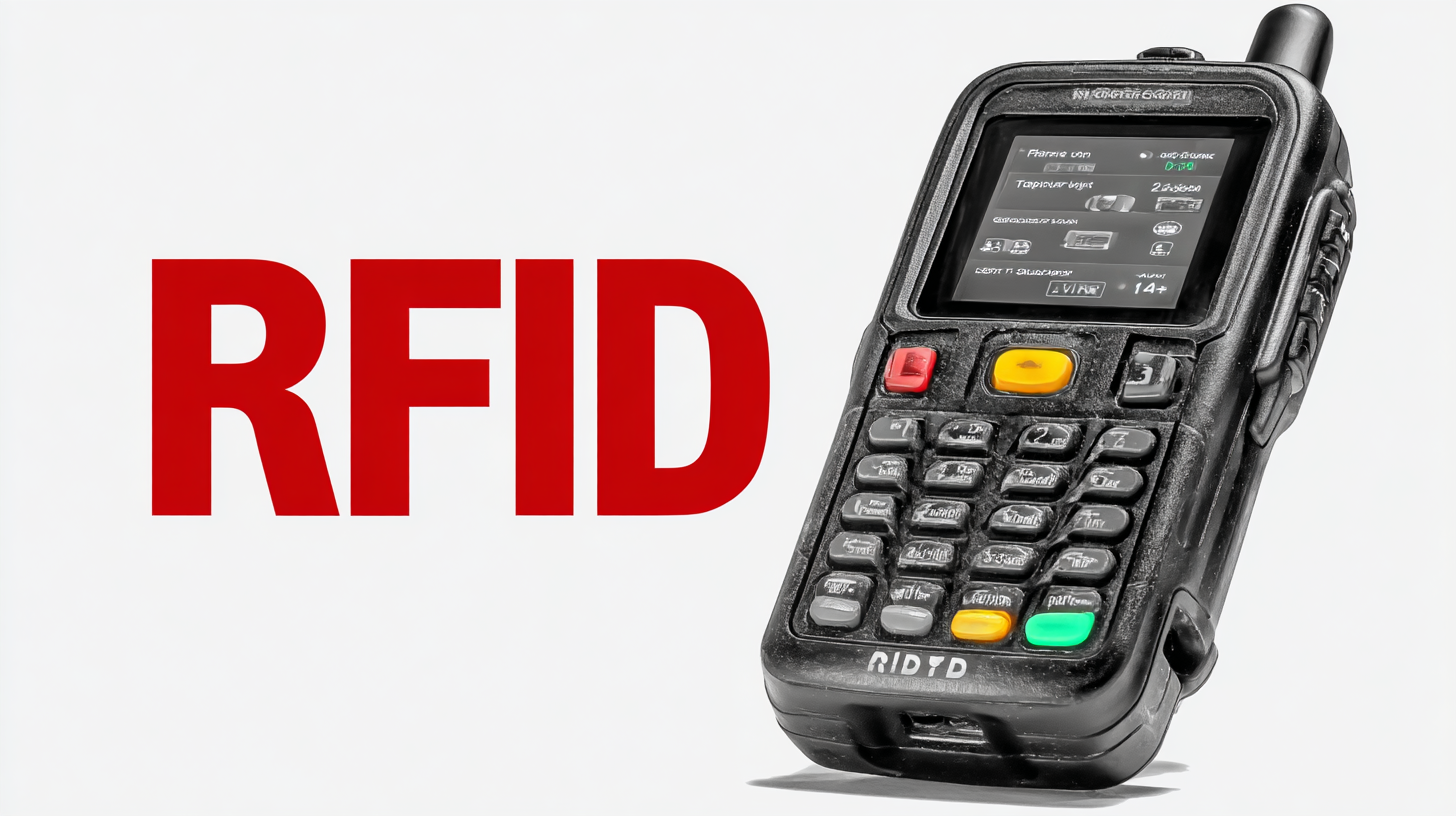 If you’re a business looking to boost your operational efficiency, finding the right RFID handheld scannercould totally transform the game for you. But, with so many options out there, figuring out which one fits your specific needs can be a bit overwhelming. That’s whereMingQ Technology Limited steps in. They’re experts in IoT software and hardware and get what you’re up against. They're all about providing smart solutions that really harness the power of information communication and artificial intelligence. In this blog, we're going to dive into 10 essential tips on how to choose the best RFID handheld scanner that suits your business needs perfectly, helping you stay ahead in this cutthroat market.
Factors Influencing the Growth of RFID Technology in 2025
Looking ahead to 2025, there are a few important trends we should keep an eye on when it comes to the growth of RFID technology across different industries. One of the big drivers here is the growing embrace of automation and the Internet of Things (IoT), which really calls for some solid tracking and data management systems. A report from MarketsandMarkets predicts that the RFID market could hit a whopping $36.04 billion by 2025, boasting a compound annual growth rate (CAGR) of 14.4%. This impressive rise is closely tied to the demand for better supply chain visibility and smarter inventory management.
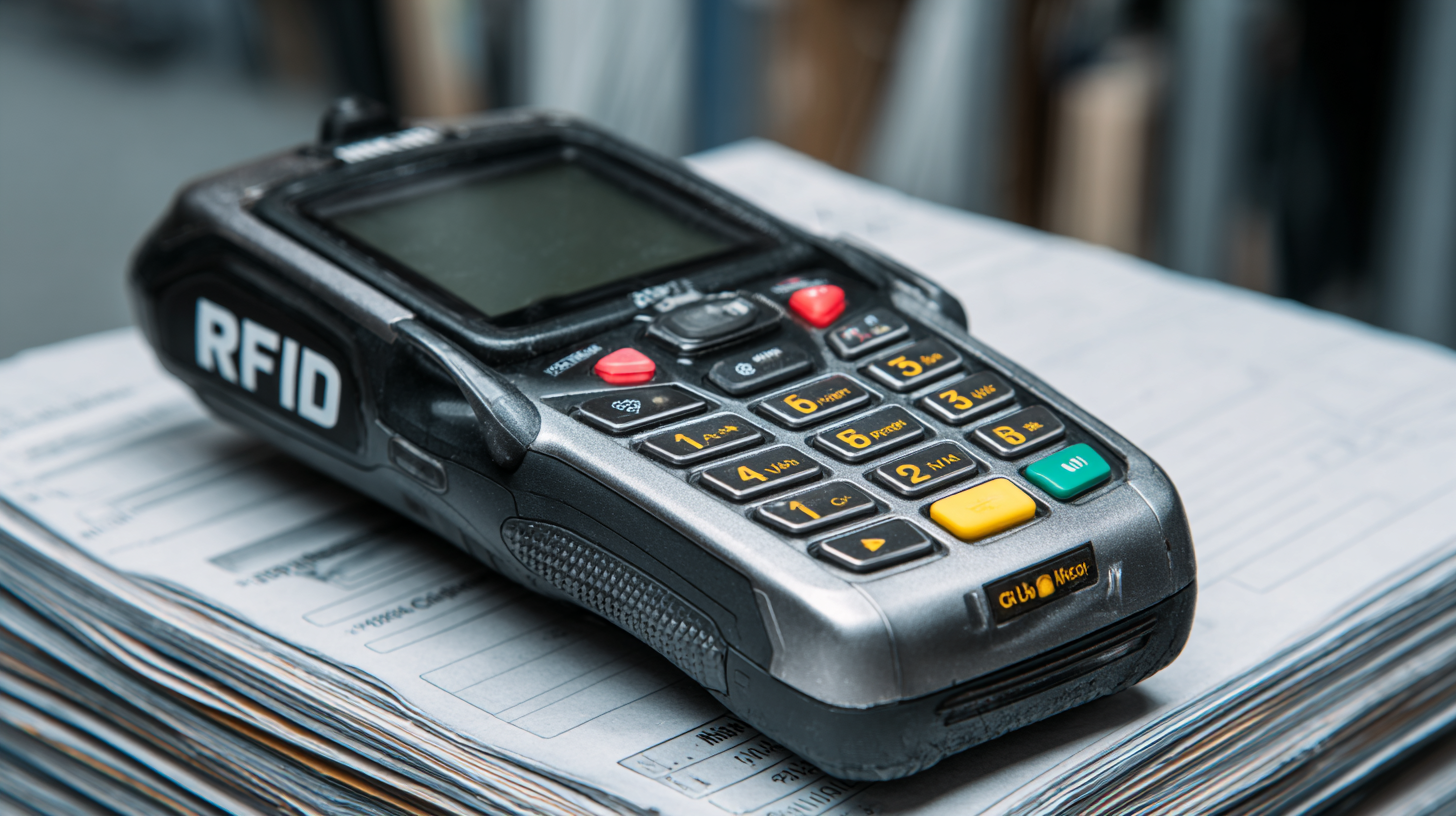
Now, if you're in the market for an RFID handheld scanner for your business, you’ll want to think about what you specifically need. First off, tip number one: definitely check out the scanning range and accuracy to make sure the device can handle your operational needs. And tip number two: it’s super important to look for compatibility with your current software systems. You don’t want to end up dealing with extra costs or headaches trying to integrate new tech. These factors can really make a difference in boosting your efficiency and saving you money in the long run.
On top of that, advancements in RFID tech—like real-time data analytics and improved reader sensitivity—are transforming how businesses manage their resources. These upgrades not only help with better stock management but also allow for more data-driven decision-making. As more companies start to see the perks of adopting Rfid Solutions, the need for handheld scanners that can handle more complex requirements will definitely rise. That’s why makinginformed choices is so crucial for long-term success.
Key Features to Look for in RFID Handheld Scanners for Enhanced Efficiency
So, if you're on the hunt for an RFID handheld scanner for your business, it's super important to pay attention to the features that can really boost your efficiency. You know, the rugged handheld device market is actually set to skyrocket in the coming years. We're talking significant growth driven by rising demands in sectors like manufacturing, logistics, and healthcare. Some experts are predicting that from 2024 to 2033, the market will grow at about a 21% annual rate—which is pretty wild! Just look at the global data center RFID market; it's expected to jump from $1.72 billion in 2024 to a whopping $7.91 billion by 2033. This really shows why it's a smart move to invest in cutting-edge RFID technology to make your operations run smoother.
Now, when you're picking out the right scanner, think about a few key features: durability, long-range scanning, and accurate data collection. RFID tech is pretty amazing in terms of safety and reliability, making it an essential tool for managing inventory effectively. With solid scanners that come with those advanced RFID features, you can seriously cut down on manual errors and improve how you track inventory. That’s a game changer, especially in industries like retail and logistics, where being efficient can literally save you a ton of money. As more businesses hop on the IoT bandwagon to streamline their operations, finding the right RFID handheld scanner will definitely be crucial for achieving success and operational excellence.
Understanding RFID Frequency Ranges: Choosing the Right Option for Your Business
When you're picking an RFID handheld scanner for your business, it's super important to understand the different RFID frequency ranges. That way, you can get the best performance out of it. So, here’s the scoop: RFID tech mainly works in three frequency ranges: low frequency (LF), high frequency (HF), and ultra-high frequency (UHF). Each of these has its own perks and some downsides, so matching your choice to what your business actually needs is key.
Let’s break it down a bit. Low frequency scanners, usually running at 125 kHz to 134 kHz, are champs when it comes to short-range use. They can cut through materials like water and metal, which makes them perfect for tracking things like livestock or in spots where interference might trip you up. Then you’ve got high frequency scanners, which operate at 13.56 MHz. These strike a good balance between how far they can read and how fast they work, making them great for libraries or smart card systems. Finally, ultra-high frequency scanners kick in between 860 MHz and 960 MHz. These guys shine when you need long-range capabilities and quick read rates, typically found in inventory management and supply chain stuff.
So, picking the right frequency isn't just about performance; it also affects how well it fits in with what you already have. Taking a good look at your business's setup and what you actually require is super important. It’ll help you make a smart choice that boosts efficiency and accuracy in your RFID scanning tasks.
10 Essential Tips for Choosing the Best RFID Handheld Scanner for Your Business Needs
| Feature | Description | Frequency Range | Ideal Use Cases |
| Read Range | The distance at which the scanner can read tags | Low (125 kHz): High (13.56 MHz): 10 cm - 1 m
Ultra High (860-960 MHz): 1 m - 10 m | Inventory management, asset tracking |
| Tag Type Compatibility | Compatibility with various RFID tag types such as passive, active, or semi-passive | Passive tags: Low and High Frequency
Active tags: UHF - Ultra High Frequency | Access control, supply chain management |
| Battery Life | Duration the scanner can operate before needing a recharge or new battery | Varies by model; typically 24 hours to several days | Retail environments, warehouse operations |
| Durability | Resistance to drops, dust, and water | IP ratings (Ingress Protection) indicate resistance level | Manufacturing, outdoor use |
| User Interface | Ease of use, display clarity, and button layout | Varies by model; touchscreen versus buttons | Retail, logistics, warehouse |
Cost vs. Performance: Analyzing the ROI of Investing in RFID Scanners
Alright, so if you're thinking about picking up an RFID handheld scanner for your business, it’s really important to balance the cost with what you can actually expect in terms of performance and return on investment (ROI). A solid, high-quality scanner can really make things smoother for you, boost your inventory accuracy, and just help everything run more efficiently overall. But here's the catch: going for a cheaper option might seem like a good idea at first, saving you some bucks upfront, but it could end up costing you more later on if it breaks down or doesn’t perform as expected.
So, finding that sweet spot between what you invest at the start and the long-term gains is super important for making a smart choice.
At MingQ Technology Limited, we really focus on IoT solutions that feature top-notch RFID tech designed for all sorts of business needs. Our handheld RFID scanners are not just affordable—they pack a punch when it comes to performance too, helping our clients see a real ROI. Investing in a reliable RFID solution doesn't just make your operations more efficient; it also gives you crucial insights into how you manage your inventory. Remember, picking the right RFID scanner isn't just about what it costs at first; it’s really about ensuring that your investment pays off with better productivity and fewer operational headaches down the line.
Industry-Specific Applications of RFID Handheld Scanners: A 2025 Perspective
You know, the RFID market is really set to take off! It's expected to jump from around $12.61 billion in 2025 to a whopping $25.24 billion by 2033. This makes it super important for all kinds of industries to start using RFID handheld scanners. But here’s the deal—you’ve got to pick the right scanner that fits your specific needs, which really depends on what field you’re in. Whether you’re in retail, healthcare, logistics, or manufacturing, it’s really key to get a solid grasp on how RFID tech can help boost your efficiency and productivity.
When you’re on the lookout for an RFID handheld scanner, think about where you’ll be using it. For example, if your workplace is a warehouse, then you’ll want a tough scanner that can handle some rough and tumble. Also, don’t forget to look into the scanning range and speed—having a scanner that’s quick and can reach further can really speed things up, especially for tasks like managing inventory. And it’s super important, too, to make sure that whatever scanner you choose will play nice with the systems you already have in place. You want everything to mesh smoothly!
In industries like healthcare, these RFID scanners can work wonders for tracking patients and managing assets. And in the retail space, they’re a game-changer for keeping inventory accurate and making the shopping experience better for customers. As we gear up for 2025, being smart about which RFID handheld scanner you go with isn’t just about meeting today’s needs—it’s also about setting your business up for success down the road as the market continues to evolve.
Future Trends in RFID Scanner Technology: What to Expect in the Coming Years
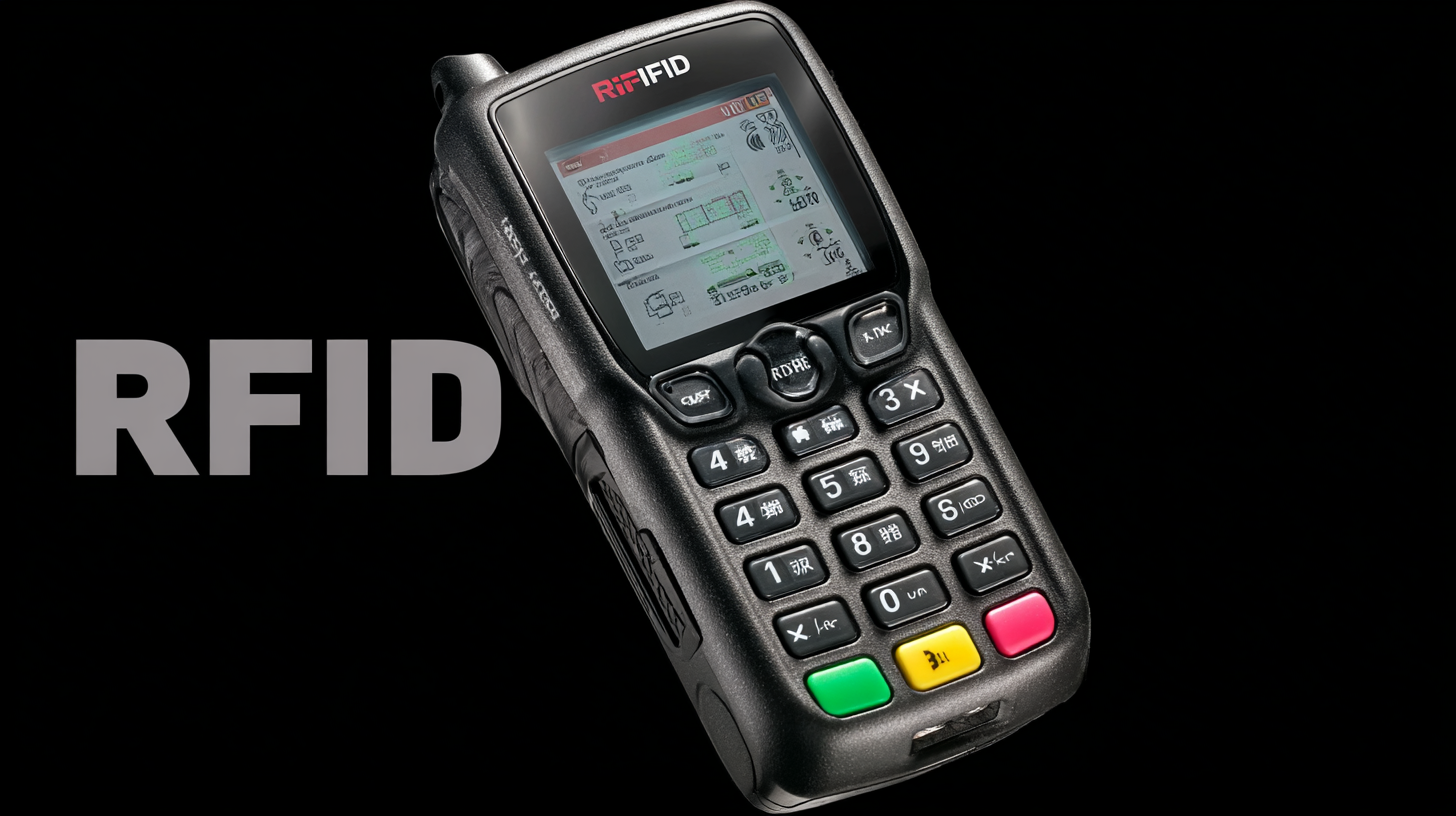
The future of RFID scanner technology is set to evolve significantly, driven by advancements in IoT integration and artificial intelligence. As businesses increasingly adopt RFID solutions for seamless inventory management and enhanced tracking capabilities, we can expect to see more sophisticated handheld scanners equipped with AI algorithms that optimize data capture and processing. According to a recent industry report, the global RFID market is projected to grow at a CAGR of 14.5% from 2023 to 2030, highlighting the emerging importance of these technologies in streamlining operations.
When choosing the best RFID handheld scanner for your business needs, consider the critical aspects of durability and battery life. Many handheld scanners are now designed to withstand harsh industrial environments and feature long-lasting batteries to support extended usage. Additionally, look for devices that offer user-friendly interfaces and robust connectivity options, ensuring they can be easily integrated into your existing systems. A well-chosen RFID scanner can enhance efficiency and facilitate smoother operations in your organization.
As companies like MingQ Technology Limited continue to innovate within the realms of IoT and industrial applications, staying informed about future trends becomes imperative. Expect advancements such as improved read ranges and faster data processing speeds, which will play a vital role in enabling businesses to harness the full potential of RFID technology. The future of RFID is bright, and with the right tools, your business can stay ahead of the curve.
Maximizing Efficiency: The Role of ESD Protected HF RFID Readers like GRH-I68 in Modern Progress Tracking Solutions
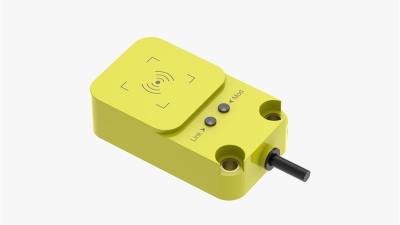
In today's rapidly advancing technological landscape, maximizing efficiency in progress tracking is paramount. One key player in this arena is the GRH-I68, a high-frequency integrated RFID reader designed specifically to address the challenges of modern environments that often contain high levels of electrostatic activity. Its exceptional ESD protection abilities ensure that operations remain reliable and uninterrupted, mitigating the risks associated with damage from static electricity.
The GRH-I68 stands out not just for its robust performance but also for its user-friendly design, allowing for quick and easy integration into existing systems. Whether businesses are looking for tailored solutions or versatile, off-the-shelf products, the GRH-I68 provides a reliable choice that promises both quality and affordability. By utilizing this advanced technology, organizations can ensure the longevity of their RFID readers while enhancing overall efficiency in tracking operations.
Our commitment goes beyond just providing high-quality products. We aim to partner with our clients to deliver comprehensive support and service tailored to their needs. For those interested in enhancing their progress tracking solutions with the GRH-I68, we encourage you to reach out for personalized product quotations and inquiries, ensuring you have the best tools at your disposal to succeed in your endeavors.
FAQS
: The growth of RFID technology in 2025 is primarily driven by increasing adoption of automation, the Internet of Things (IoT), and the need for enhanced supply chain visibility and inventory management.
The RFID market is expected to reach $36.04 billion by 2025 with a compound annual growth rate (CAGR) of 14.4%.
Businesses should evaluate scanning range and accuracy, compatibility with existing software systems, durability, long-range scanning capabilities, and precision in data collection.
Advancements such as real-time data analytics and improved reader sensitivity enhance resource management, facilitate better stock management, and enable data-driven decision-making.
Analyzing cost versus performance is crucial as a high-quality scanner may require a higher upfront investment but can enhance efficiency and accuracy, ultimately providing a better return on investment (ROI).
The global rugged handheld device market is projected to grow at a CAGR of approximately 21% from 2024 to 2033.
RFID technology offers remarkable safety and repeatability, significantly reducing manual errors and improving inventory tracking accuracy, which is essential in industries like retail and logistics.
By investing in reliable RFID solutions, businesses can enhance operational efficiency, gain valuable insights into inventory management processes, and achieve substantial ROI.
Opting for a cheaper RFID scanner may lead to increased operational costs due to frequent malfunctions or unsatisfactory performance, negating any initial savings.
RFID technology streamlines operations by improving inventory accuracy and efficiency, leading to better productivity and reduced operational risks.

 Rotary HF RFID Tag Reader GRH-I40 Suitable for Assembly Lines
 Industrial-grade High-frequency Integrated Reader GRH-I65 Suitable for Asset Tracking
 With ESD Protection HF RFID Reader GRH-I68 Suitable for Progress Tracking
 Proximity HF RFID Reader GRH-M30 Suitable for Manufacturing Workshops
 Desktop HF RFID Scanner GRH-D80-HID Suitable for Card-issuing Applications
 High Frequency Medium Distance Reader GRH-I90 Suitable for Logistics Production Line
 UHF RFID Portals and Tunnel Machine RFly-AM3000 for Access Control
 Narrow RFID Portals Series TD-P20040-SS for Single Tag Entry and Exit Identification Scenario
 RFID Transmission Line Simple Identification Tunnel Machine (TD-T3050)
 Vision and RFID Tunnel Machine TD-T7692-RV for Logistics Sorting
 RFID Transmission Line Identification Tunnel Machine TD-T10090
 RFID Mobile Inventory Tunnel Machine TD-T65150 for Conveyor Belts
 High-Performance Far-Field Antennas for Broad Coverage.
 Multi-Purpose Antennas: Flexibility for Diverse Applications
 Near-Field Antennas for Short-Distance Tag Detection.
 Portals & Tunnel Antennas for Integrated RFID Series
 Slimline PCB Antennas for Warehousing and Logistics
 Miniaturized and Thin Antennas can Provide Good Performance in a Smaller Size.
 GPS Tracker for Vehicles, Car, Kids, Assets.
 CO2 Sensors Detect CO2 Gas through Alarms, Suitable for Offices, Planting Tents.
 Door Sensor, Detect Open and Closed Doors or Windows, Sends Alerts, Triggers Siren.
 Wireless Level Sensor Equipped with a 5-Meter Detection Line, Suitable for Water Tanks
 Real Time Monitoring of Air Quality Using PM2.5/PM10 Sensors.
 Smoke Sensor, Fire Alarm Smoke Detector with Test Button and Low Battery Reminder.
 Soil Stress Sensor,Bridge and Tunnel Monitors.
 Vibration Sensor Monitors Equipment, Like Conveyors and Motors, for Operational Status.
 E -Paper Display
 Smart Water Sensor Alarms, 1.2 M Detection Line.
 CO Sensor for Basements Home Office House Bedroom Living Room Car, Light Plug and Play.
 Temperature and Humidity Sensor
 Multi-sensor GD-ME
 Temperature Sensors Monitor the Surface Temperature of Various Heating Equipment.-1
 Signal Enhancement Terminal, Long Range Coverage.
 Multi-Protocol Communication Gateway, App Remote Control.
 Edge Vision Gateway can Access Various Mainstream Cameras, Suitable for Office, Factory.
 GBS-3550 Outdoor Sensor Gateway,LoRa, 2/3/4G Communication.
 Smart WiFi Gateway, Realize Remote Control.
 Ultra-Low-Power Solar-Powered Intelligent Gateway (Outdoor)
 IP67-protected Integrated RFID Reader Writer RFly-I165 for Supply Chain
 Long-range Distance UHF RFID Reader RFly-I195 for Inventory Management
 Small UHF RFID Tag Reader RFly-I300 for Cars
 Two-channel Compact Fixed RFID Reader RFly-F210 for Warehousing
 Four Channels Fixed UHF RFID Reader RFly-R6 for Supply Chain
 8-channel UHF RFID Tag Reader RFly-R8 for File Cabinet Identification
 Bluetooth Portable RFID Reader and Writer GRU-HBT100 for Inventory Management
 Industrial Grade Handheld UHF RFID Reader GRU-HC520 Suitable for Logistics
 RFID Gateway Networking System
 RFID Passive Temperature Measurement System
 RFID Tags for Container Turnover Management
 RFID Tags for Equipment O&M Management
 RFID Tags for Manufacturing Management
 RFID Tags for Tool Management
 A Kits for Equipment Condition Detection
 A Kits for Office Computer Room Environment Monitoring
 A Kits for Reservoir Environmental Monitoring
 A Kits for Storage Space Environment Monitoring
 A Kits for Stress Detection of Underground Tunnel
 A Kits for Urban Environment Monitoring
 Intelligent IoT Monitoring Platform
 Integrating Multiple Functional OTG Demo Software
 HF Demo Software
 UHF Demo Software