In today’s fast-changing tech world, picking the right Rfid Devicehas really become a big deal for businesses that want to boost their efficiency and keep track of inventory more smoothly. I mean, if you look at a report byGrand View Research, the global RFID market is expected to hit around $40 billion by 2025 — that’s a huge demand across all kinds of industries! As more companies jump on the Internet of Things bandwagon, it’s super important to understand the ins and outs of RFID tech so you can make smarter strategic choices.
Dr. Emily Carter, a well-known expert in RFID and IoT stuff, once said, “Choosing the right RFID device is key for businesses to really unlock the full potential of automated data collection and inventory management.” It just shows how critical these devices are for making workflows easier and cranking up productivity. MingQ Technology Limited, which provides IoT software and hardware, totally gets the importance of guiding customers through the selection process. Knowing the main features, compatibility, and scalability of RFID tech can seriously make or break a company’s journey into digital transformation — big stuff, but totally doable with the right info.
Understanding Your Business Needs for RFID Solutions
When selecting the right RFID devicefor your business, it is crucial to first assess your unique operational needs. Different industries have varying demands for Rfid Solutions. For instance, thehealthcare sector emphasizes accuracy and quick retrieval of patient data, driving the adoption of RFID systems that can enhance inventory management and reduce medication errors. According to industry analysis, the global RFID market in healthcare is expected to reach approximately $10 billion by 2027, highlighting the increasing relevance of this technology in streamlining processes and ensuring safety.
In contrast, the food and beverage industry requires RFID solutions that can effectively monitor supply chains and maintain freshness. Recent reports indicate that the RFID market within this sector is projected to grow significantly, driven by the need for improved traceability and compliance with health regulations. Additionally, as the demand for consumer electronics rises, the integration of RFID technology is proving essential for inventory management and enhancing customer experience. With the right RFID device aligned with your business's specific goals, organizations can not only optimize their operations but also gain a competitive advantage in their respective markets.
Evaluating RFID Technology Types and Their Applications
When selecting the right RFID device for your business, it’s important to evaluate the various types of RFID technologies available and their specific applications. RFID technology can be broadly categorized into passive, active, and semi-passive systems. Passive RFID tags are commonly used for inventory management due to their cost-effectiveness and ease of integration; they do not require a power source and are activated by the signal from RFID readers. On the other hand, active RFID devices, equipped with their own power source, are ideal for tracking high-value assets over long distances, making them suitable for logistics and supply chain applications.
Different industries leverage these technologies in unique ways. For example, in retail, RFID systems enhance inventory accuracy and reduce theft. In healthcare, RFID is employed for real-time tracking of medical equipment, ensuring vital devices are easily locatable when needed. Evaluating the specific needs of your business alongside the relevant RFID technology will help you choose the optimal solution that aligns with your operational goals and maximizes return on investment.
RFID Device Types and Their Applications
Assessing Compatibility with Existing Systems and Infrastructure

When selecting the right RFID device for your business, assessing compatibility with existing systems and infrastructure is crucial. A seamless integration not only enhances operational efficiency but also maximizes the return on investment. According to a report by Technavio, the global RFID market is expected to grow by $11.77 billion from 2021 to 2025, driven significantly by innovations in interoperability. This indicates a strong industry trend towards devices that can easily integrate with legacy systems while supporting newer technologies.
It's essential to evaluate the existing hardware and software environments within your organization. A recent study from Gartner highlights that 70% of RFID implementations fail due to poor integration with current systems. Thus, conducting a thorough compatibility assessment can save time and resources. By prioritizing RFID devices that support standard protocols like EPCglobal and ISO 18000, businesses can ensure they choose solutions that complement their existing infrastructure, ultimately leading to smoother transitions and improved data management capabilities.
Cost Analysis: Balancing Budget and Functionality Requirements
When selecting the right RFID device for your business, cost analysis plays a crucial role in ensuring that you balance your budget with the functionality you require. Start by assessing the specific needs of your operations—whether it's inventory management, asset tracking, or access control. This will help you identify the necessary features and capabilities your RFID device must possess. Often, businesses fall into the trap of opting for cheaper devices that may lack essential functionalities, ultimately leading to increased costs in the long run due to inefficiencies or frequent replacements.
After determining your functionality requirements, explore various RFID solutions on the market to compare prices. Take into consideration not just the upfront cost, but also the total cost of ownership, which includes maintenance, software integration, and potential scalability as your business grows. Look for options that offer a balance between affordability and advanced features, ensuring you are not sacrificing quality for cost savings. A well-planned investment in RFID technology can significantly enhance operational efficiency, making it a valuable asset that justifies its expense.
Considering Scalability for Future Business Growth
When considering the right RFID device for your business, scalability should be at the forefront of your decision-making process. With the global RFID market projected to grow significantly, from $22.22 billion in 2025 to an astonishing $91.92 billion by 2032, reflecting a compound annual growth rate (CAGR) of 22.5%, investing in scalable technology is critical for future-proofing your operations.
In the rapidly evolving landscape of e-commerce, especially as seen in Vietnam's burgeoning market fueled by a tech-savvy youth, scalability is more than an advantage—it's a necessity. As businesses increasingly blend social commerce strategies, choosing an RFID system that can expand and adapt over time becomes pivotal. This adaptability will not only support current growth but also set the stage for harnessing emerging trends, such as the continual integration of artificial intelligence into various operations. Thus, selecting the right RFID device with an eye toward future growth can empower businesses to capitalize on new opportunities and maintain a competitive edge in a dynamic market.
10 Essential Tips for Choosing the Right RFID Device for Your Business - Considering Scalability for Future Business Growth
| Tip | Description | Consideration for Scalability |
| 1. Define Your Needs | Assess what you need the RFID system for, including tracking inventory, assets, or personnel. | Ensure the device can adapt to future business needs. |
| 2. Read Range | Consider how far you need to read the tags from the reader. | Scalable devices should support various reading distances. |
| 3. Frequency | Decide whether you need low, high, or ultra-high frequency RFID for your applications. | Choose a device that can switch frequencies as your needs change. |
| 4. Environment | Consider operating environments such as harsh weather or high metal locations. | Select rugged devices designed for varied environments. |
| 5. Integration | Assess how easily the RFID system can integrate with existing systems. | Future-proof your choice with devices supporting common protocols. |
| 6. Cost | Determine your budget for both initial investment and ongoing costs. | Evaluate the long-term return on investment. |
| 7. Tag Type | Choose between passive, semi-passive, or active tags based on your requirements. | Future needs might require a shift to different tag types. |
| 8. Read/Write Capability | Decide if you need read-only or read/write tags depending on application. | Consider future needs for updating tag data. |
| 9. Security Features | Evaluate the security options available to protect your data. | Look for options that can evolve with security threats. |
| 10. Support and Maintenance | Consider the level of technical support and maintenance offered. | Choose reliable vendors who will support future upgrades. |
Researching Vendor Reputation and Support Services
When selecting the right RFID device for your business, it is crucial to consider the vendor's reputation and support services. Researching the background of potential vendors can reveal their reliability and track record in delivering quality products. Look for reviews, testimonials, and case studies from other companies in your industry. A vendor with a strong reputation is more likely to provide a durable and effective RFID solution that meets your business needs.
In addition to reputation, the level of support services offered is equally important. Assess whether the vendor provides comprehensive training and ongoing assistance to ensure your team can effectively use the RFID technology. Efficient support can significantly enhance your implementation process and help resolve any issues promptly.
Tips: When researching potential RFID vendors, prioritize those that offer extensive documentation and user guides as part of their support services. Furthermore, consider vendors that have dedicated customer service teams available for troubleshooting and inquiries. These factors not only contribute to a smoother operational experience but also reflect the vendor's commitment to customer satisfaction.
Optimizing RFID Transmission Line Identification with the TD-T10090 Tunnel Machine for Enhanced Efficiency and Accuracy
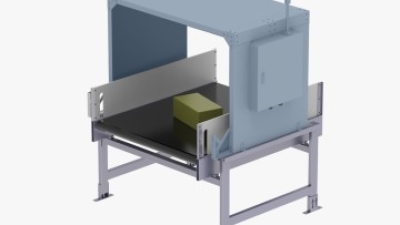
In high-speed production line environments, the efficiency of RFID transmission line identification is crucial. The TD-T10090 Tunnel Machine stands out by addressing common challenges posed by closely spaced items and irregular shapes. Designed specifically for these demanding conditions, it effectively resolves tag collision issues, ensuring seamless and accurate tracking of products as they move along the line. This advanced technology not only enhances operational performance but also significantly reduces the likelihood of errors that can disrupt production.
Moreover, partnering with us for ODM services unlocks further potential for businesses seeking tailored RFID solutions. Our expertise allows us to customize the TD-T10090 to fit the unique demands of your production environment, ultimately optimizing the entire workflow. By integrating our machine into your processes, you can empower your operations, improve efficiency, and drive success in high-speed manufacturing. Trust in our innovative approach to RFID transmission line identification, and experience the transformative impact of a solution designed to meet the complexities of modern production lines.
FAQS
: The primary consideration is assessing the unique operational needs of the business, as different industries have varying demands for RFID solutions.
The healthcare sector utilizes RFID technology to enhance inventory management and reduce medication errors by ensuring accurate and quick retrieval of patient data.
The global RFID market in healthcare is expected to reach approximately $10 billion by 2027.
RFID is important in the food and beverage industry for effectively monitoring supply chains and maintaining freshness, as well as for improving traceability and complying with health regulations.
Businesses should consider not just the upfront costs, but also the total cost of ownership, including maintenance, software integration, and potential scalability as the business grows.
Businesses should avoid opting for cheaper devices that may lack essential functionalities, as this can lead to increased costs in the long run due to inefficiencies or frequent replacements.
Scalability is important because it future-proofs operations, allowing businesses to adapt to growth and emerging trends in a rapidly evolving market, such as e-commerce.
The RFID market is projected to grow from $22.22 billion in 2025 to $91.92 billion by 2032, reflecting a compound annual growth rate (CAGR) of 22.5%.
Choosing a scalable RFID system enables businesses to capitalize on new opportunities and maintain a competitive edge in a dynamic market.
RFID enhances inventory management in the consumer electronics industry, which in turn improves customer experience through better availability and tracking of products.
Conclusion
Choosing the right RFID device for your business involves a comprehensive approach that begins with a clear understanding of your specific needs. Evaluating the various types of RFID technology and their applications is crucial, as different solutions offer unique features that could enhance your operations. Additionally, assessing compatibility with your existing systems ensures a seamless integration process, while conducting a cost analysis helps you strike the right balance between budget constraints and functionality requirements.
Furthermore, considering scalability is vital for accommodating future business growth and technological advancements. It's also important to research the reputation of vendors, as strong support services can significantly impact your experience with the RFID device. At MingQ Technology Limited, we specialize in IoT and RFID solutions, providing tailored software and hardware products designed to meet diverse business demands.

 Rotary HF RFID Tag Reader GRH-I40 Suitable for Assembly Lines
 Industrial-grade High-frequency Integrated Reader GRH-I65 Suitable for Asset Tracking
 With ESD Protection HF RFID Reader GRH-I68 Suitable for Progress Tracking
 Proximity HF RFID Reader GRH-M30 Suitable for Manufacturing Workshops
 Desktop HF RFID Scanner GRH-D80-HID Suitable for Card-issuing Applications
 High Frequency Medium Distance Reader GRH-I90 Suitable for Logistics Production Line
 UHF RFID Portals and Tunnel Machine RFly-AM3000 for Access Control
 Narrow RFID Portals Series TD-P20040-SS for Single Tag Entry and Exit Identification Scenario
 RFID Transmission Line Simple Identification Tunnel Machine (TD-T3050)
 Vision and RFID Tunnel Machine TD-T7692-RV for Logistics Sorting
 RFID Transmission Line Identification Tunnel Machine TD-T10090
 RFID Mobile Inventory Tunnel Machine TD-T65150 for Conveyor Belts
 High-Performance Far-Field Antennas for Broad Coverage.
 Multi-Purpose Antennas: Flexibility for Diverse Applications
 Near-Field Antennas for Short-Distance Tag Detection.
 Portals & Tunnel Antennas for Integrated RFID Series
 Slimline PCB Antennas for Warehousing and Logistics
 Miniaturized and Thin Antennas can Provide Good Performance in a Smaller Size.
 GPS Tracker for Vehicles, Car, Kids, Assets.
 CO2 Sensors Detect CO2 Gas through Alarms, Suitable for Offices, Planting Tents.
 Door Sensor, Detect Open and Closed Doors or Windows, Sends Alerts, Triggers Siren.
 Wireless Level Sensor Equipped with a 5-Meter Detection Line, Suitable for Water Tanks
 Real Time Monitoring of Air Quality Using PM2.5/PM10 Sensors.
 Smoke Sensor, Fire Alarm Smoke Detector with Test Button and Low Battery Reminder.
 Soil Stress Sensor,Bridge and Tunnel Monitors.
 Vibration Sensor Monitors Equipment, Like Conveyors and Motors, for Operational Status.
 E -Paper Display
 Smart Water Sensor Alarms, 1.2 M Detection Line.
 CO Sensor for Basements Home Office House Bedroom Living Room Car, Light Plug and Play.
 Temperature and Humidity Sensor
 Multi-sensor GD-ME
 Temperature Sensors Monitor the Surface Temperature of Various Heating Equipment.-1
 Signal Enhancement Terminal, Long Range Coverage.
 Multi-Protocol Communication Gateway, App Remote Control.
 Edge Vision Gateway can Access Various Mainstream Cameras, Suitable for Office, Factory.
 GBS-3550 Outdoor Sensor Gateway,LoRa, 2/3/4G Communication.
 Smart WiFi Gateway, Realize Remote Control.
 Ultra-Low-Power Solar-Powered Intelligent Gateway (Outdoor)
 IP67-protected Integrated RFID Reader Writer RFly-I165 for Supply Chain
 Long-range Distance UHF RFID Reader RFly-I195 for Inventory Management
 Small UHF RFID Tag Reader RFly-I300 for Cars
 Two-channel Compact Fixed RFID Reader RFly-F210 for Warehousing
 Four Channels Fixed UHF RFID Reader RFly-R6 for Supply Chain
 8-channel UHF RFID Tag Reader RFly-R8 for File Cabinet Identification
 Bluetooth Portable RFID Reader and Writer GRU-HBT100 for Inventory Management
 Industrial Grade Handheld UHF RFID Reader GRU-HC520 Suitable for Logistics
 RFID Gateway Networking System
 RFID Passive Temperature Measurement System
 RFID Tags for Container Turnover Management
 RFID Tags for Equipment O&M Management
 RFID Tags for Manufacturing Management
 RFID Tags for Tool Management
 A Kits for Equipment Condition Detection
 A Kits for Office Computer Room Environment Monitoring
 A Kits for Reservoir Environmental Monitoring
 A Kits for Storage Space Environment Monitoring
 A Kits for Stress Detection of Underground Tunnel
 A Kits for Urban Environment Monitoring
 Intelligent IoT Monitoring Platform
 Integrating Multiple Functional OTG Demo Software
 HF Demo Software
 UHF Demo Software