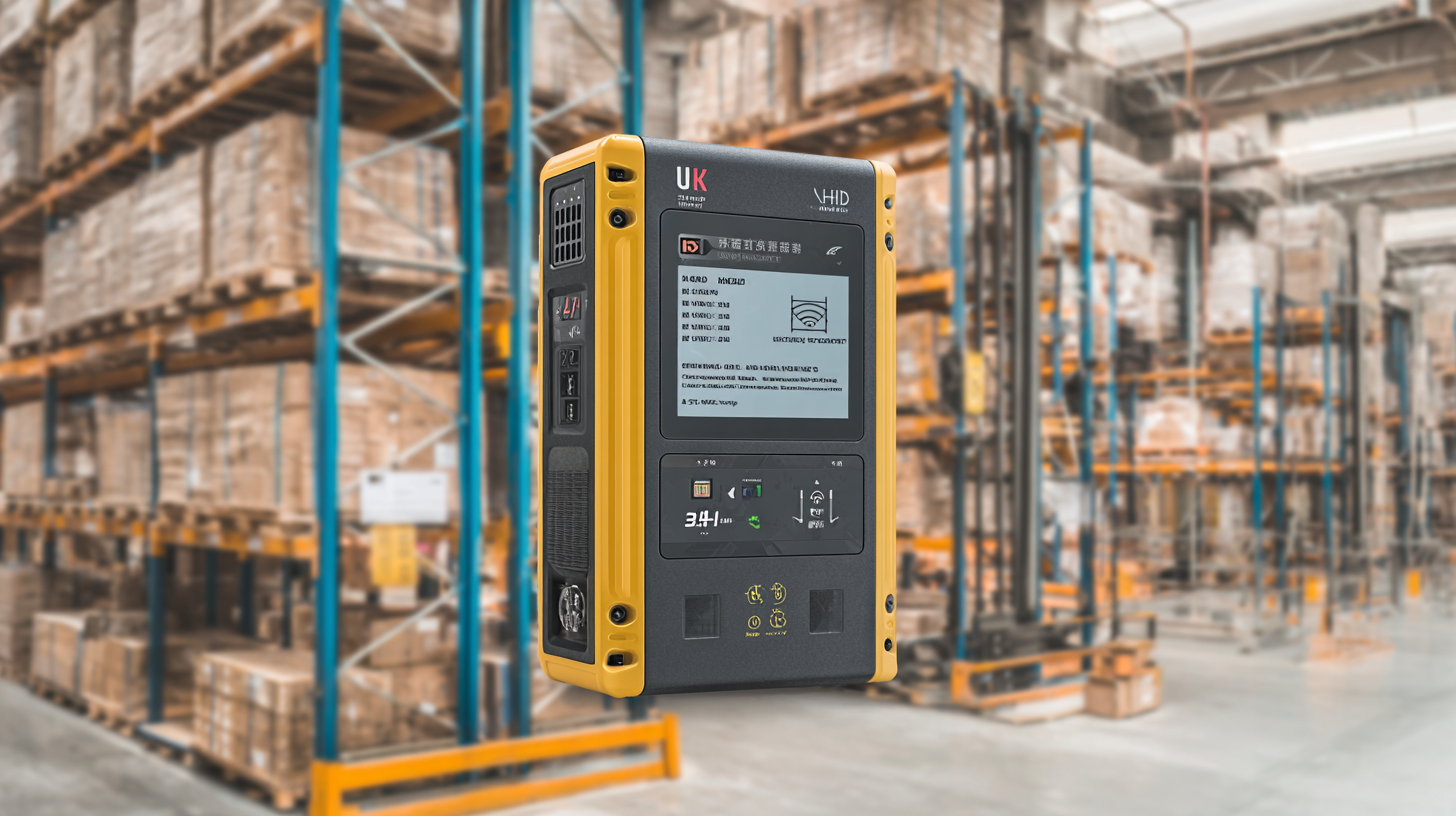
Hey there! So, if you've been paying attention to the industrial world lately, you know things are changing super fast. One big thing we're seeing is how crucial tech integrationhas become, especially when it comes tosupply chain management and logistics. Have you noticed? There's been a real boom in using Integrated Uhf Rfid Readers. I mean, just look at the numbers! They went from about 8.5 billion dollars in 2021 and are expected to hit 15.1 billion by 2026. That's pretty huge and just shows how these gadgets are really helping companies boost their operational efficiency.
As businesses push for faster and more accurate inventory tracking and asset management, picking the right Integrated UHF RFID Reader is a big deal. MingQ Technology Limited knows this inside and out. They’re a solid provider of IoT software and hardware, and they really get the nitty-gritty of choosing the perfect reader for smooth integration with what you already have in place.
In this blog, we’re going to dive into ten handy tips to help you pick the best Integrated UHF RFID Reader. We’ll tackle some common challenges in the industry and what standards to keep in mind so you can get the best bang for your buck with your tech investment!
Factors to Consider When Selecting an Integrated UHF RFID Reader
So, when you're looking to pick out an integrated UHF RFID reader, there are a few key things to keep in mind to make sure you get the right fit for your needs. First up, think about the reader’s frequency and how far it can reach. Different UHF RFID readers function at different frequencies, and that can really affect how far away you can read tags and how much interference you might run into from other electronics. Also, don’t forget to check the read/write speed! A quicker reader can really up your game when it comes to efficiency, especially in places like warehouses or retail stores where managing inventory is super important.
Another biggie to think about is whether the RFID reader will play nice with your existing systems. You want to make sure it can smoothly integrate into your current IoT setup. Here at MingQ Technology Limited, we totally get that linking up RFID tech with other software and hardware is key for boosting efficiency and driving innovation. Our know-how in information communication and industrial IoT can help you find a reader that not only ticks all the boxes performance-wise but also fits right into your tech ecosystem. By keeping these points in mind, you’ll be able to make a choice that not only amps up your operations but also aligns perfectly with your business goals.
Understanding the Types of Integrated UHF RFID Readers Available
So, when you’re on the hunt for the best integrated UHF RFID readers, it really helps to know the different types out there. You've got your handheld, fixed, and mobile options, each with its own perks. Handheld readers are super handy for keeping track of inventory and assets because you can take them anywhere, and they’re generally pretty easy to use no matter where you are. On the flip side, fixed readers are more suited for things like gates or entrances since they can continuously scan a ton of items at once, which is great for keeping things running smoothly.
Now, let’s talk about frequency range and read distance. Some readers are champs at short-range scanning, while others can cover larger distances—so it all depends on what you need them for. It’s really important to line up the reader’s strengths with your specific situation. Keep in mind that the performance of your RFID reader can really shake up your workflow, so be on the lookout for ones that strike that sweet spot between range, speed, and reliability that fits what your organization requires.
Key Features to Look for in a UHF RFID Reader
So, if you're in the market for the best integrated UHF RFID reader, it’s super important to really get a grip on the key features that make these devices stand out. You know, recent industry reports and market analyses are showing that the demand for reliable UHF RFID tech is on the rise – we're talking a projected annual increase of over 10% until 2025! This growth is largely driven by the necessity for better inventory management and improved asset tracking in all sorts of industries.
When you’re choosing one, think about things like read range, how it connects to other devices, and whether it plays well with your existing systems. For example, UHF RFID readers that come with USB-C connectivity are great because they allow for smooth data transfer and are easy to integrate with any modern devices you might have, which definitely makes life easier. Plus, with features like read/write capabilities on tags, businesses can keep tabs on their products throughout the production and supply chain.
That kind of enhanced traceability? It can seriously lead to smarter decision-making. There are even case studies out there showing that companies using RFID technology have slashed inventory discrepancies by up to 30%. As more folks rely on RFID to streamline their operations, getting a good understanding of these features really becomes essential for making a solid choice.
10 Essential Tips for Choosing the Best Integrated UHF RFID Reader
| Key Feature | Description | Importance Level |
| Read Range | Distance the reader can effectively read RFID tags. | High |
| Throughput | Number of tags that can be read per second. | High |
| Form Factor | Size and design of the reader, including portability. | Medium |
| Connection Options | Available interfaces such as USB, Ethernet, and Bluetooth. | Medium |
| Compatibility | Support for various RFID tag types and standards. | High |
| Power Consumption | Efficiency in energy use, especially for mobile readers. | Medium |
| Antennas | Types and configurations of antennas for optimal performance. | High |
| Durability | Resistance to environmental conditions like dust and moisture. | Medium |
| Software Integration | Ease of integrating with existing systems and software. | High |
| Cost | Overall price in relation to features and performance. | Medium |
Evaluating Performance Metrics for RFID Readers
Alright, so when you're on the hunt for the best integrated UHF RFID reader, there are a few key performance metrics you really want to keep an eye on if you want your operations to run smoothly. Think about read range, read speed, and accuracy. A reader that can pick up signals from further away is a total game changer for inventory management. Imagine whipping through scans of items that are several meters away – it cuts down on all that tedious manual checking, which is definitely a win!
And then there’s read speed, which is super important, especially in busy places like warehouses or retail. If your reader can handle multiple tags at once, it’s going to save you a bunch of time and keep things moving without any hiccups.
Don’t forget about accuracy, though! It’s not just about being able to pick up tags correctly; you also want to see how well the reader holds up in different spaces and distances. Stuff like electromagnetic interference, physical barriers, and the quality of the tags themselves can really impact performance. So, making sure to do some real-world tests in your actual work environment can give you a clearer picture of how any potential readers will perform under the conditions you'll be facing. In the end, taking the time to thoroughly evaluate all these performance metrics will really help you make a smart choice, ensuring the RFID reader you go with is a perfect fit for what your organization needs.
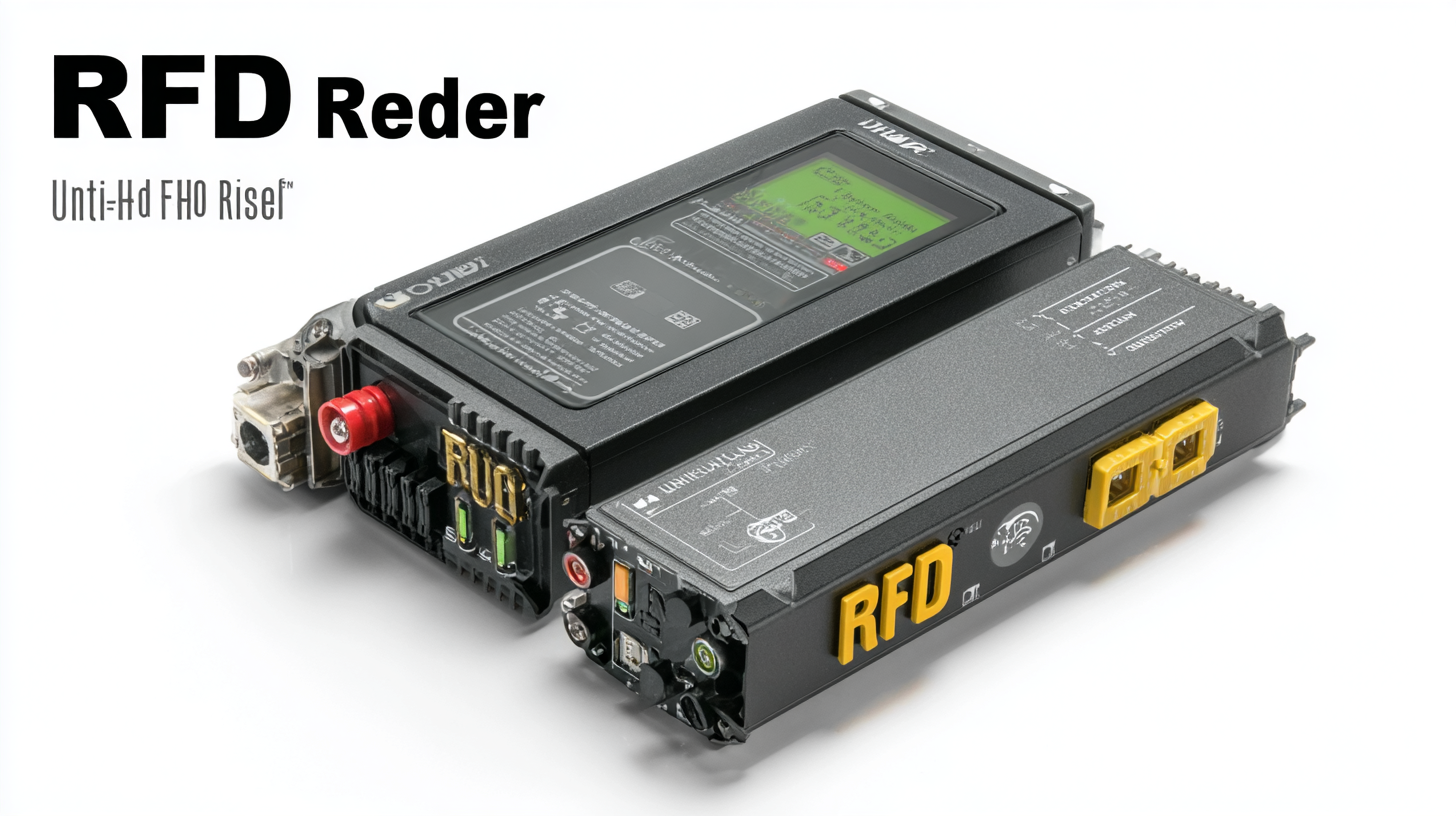
Cost vs. Quality: Finding the Right Balance in RFID Solutions
Alright, so when you're on the hunt for a UHF RFID reader, it’s super important to find that sweet spot between cost and quality. I mean, a lot of businesses get tempted by those cheaper options, thinking they’re saving a bundle. But here's the deal: those budget-friendly models can sometimes let you down when it comes to reliability and performance, which can really bite you in the long run. It’s way better to focus on readers that are built to last and do the job right, so you can keep your operations running smoothly.
Here’s a hot tip: take a good look at the reader's range and sensitivity. Generally speaking, a top-notch reader will have a much better read range and can zap through tags quickly, which means you’ll spend way less time juggling asset management and inventory checks. Oh, and don’t forget to think about how well the reader plays with your current systems. A pricier reader that meshes well with your existing tech could actually save you loads of time and hassle down the road.
And let’s not overlook the importance of tech support and warranties. The good providers usually back their products with solid support, which helps cut down on downtime and keeps everything running smoothly. So, investing in a reader with great customer service and a reliable warranty can really pay off, making it a wiser choice when you weigh cost against quality.
Integration Capabilities with Existing Systems and Technologies
When selecting the best integrated UHF RFID reader, one of the most critical considerations is its integration capabilities with existing systems and technologies. A reader that seamlessly connects with your current infrastructure can save time and reduce costs associated with system upgrades. Look for readers that support standard communication protocols, ensuring compatibility with your existing software and hardware. This functionality can significantly enhance data flow and streamline operations, making it easier to implement RFID solutions in various applications.
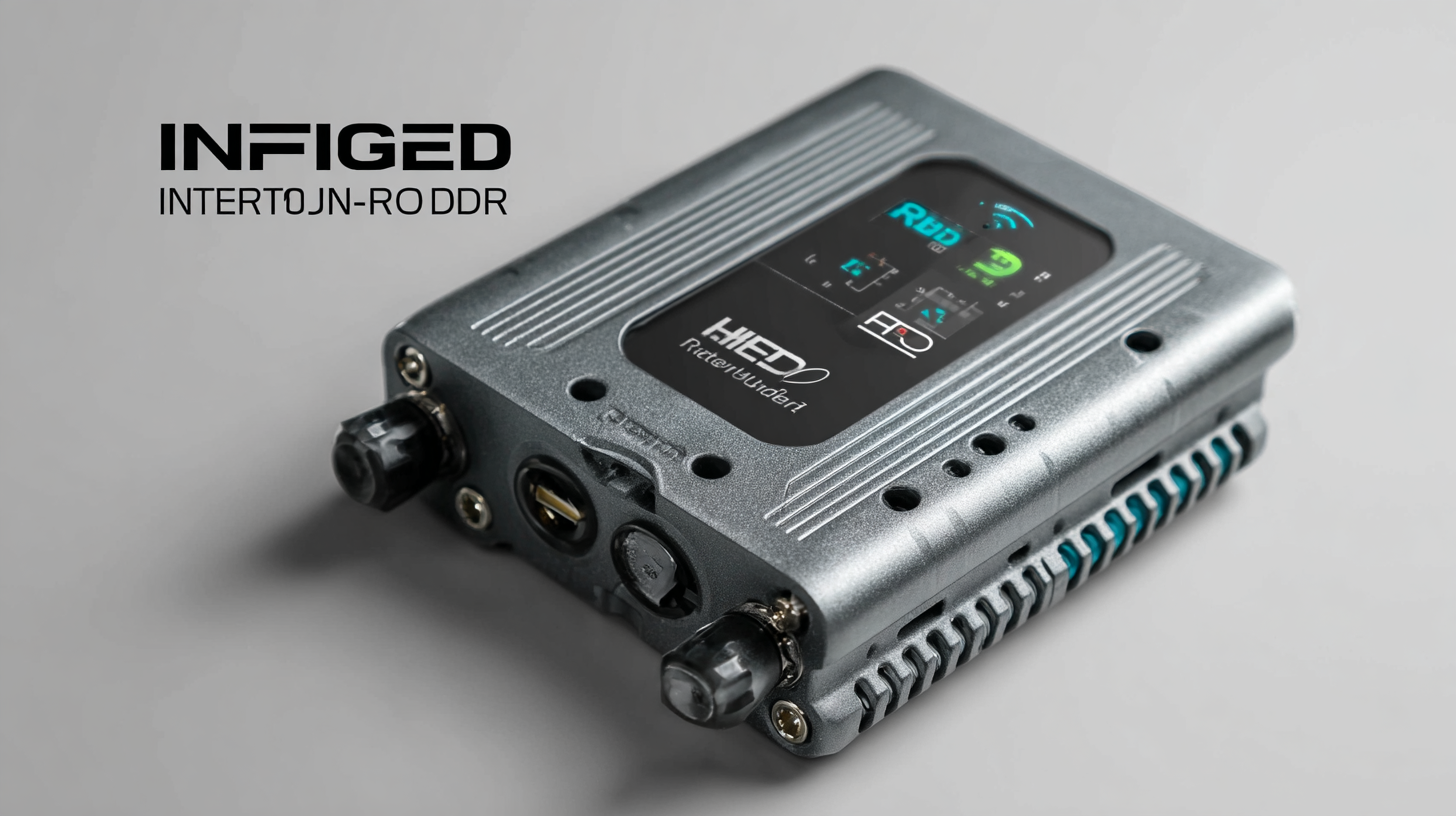
Another essential tip is to evaluate the reader’s ability to work with diverse RFID tags and formats. Compatibility with multiple tag types can provide flexibility and adaptability as your business needs evolve. Additionally, consider whether the reader comes with built-in software tools for easy integration, which can help in customizing the reader’s performance to match your logistics, inventory management, or asset tracking requirements. Ensuring your UHF RFID reader aligns with your operational goals will maximize its effectiveness and prolong its service life in your systems.
Optimizing Progress Tracking with ESD Protection HF RFID Reader GRH-I68 for Enhanced Efficiency
In today's increasingly dynamic environments, effective progress tracking is crucial for optimizing operations, especially in sectors where movement and inventory management are paramount. The GRH-I68 high-frequency RFID reader exemplifies technological advancement with its superior ESD protection, enabling it to thrive even in electrostatic-heavy surroundings. This robust design ensures uninterrupted functionality, allowing businesses to maintain seamless operations without the lingering worry of equipment failure due to static discharge.
The GRH-I68 stands out not only for its resilience but also for its user-friendly nature. Organizations can easily integrate this device into their existing systems, boosting efficiency without the need for extensive training. Its durability safeguards against potential damage, making it a smart investment for those looking to implement reliable tracking solutions. Whether you're aiming for a tailored RFID solution or a standardized product, our commitment to delivering quality and cost-effectiveness remains steadfast. We invite you to reach out with your inquiries and orders, ensuring you receive prompt attention and comprehensive product details.
FAQS
: Key factors include frequency and range capabilities, read/write speed, compatibility with existing systems, and integration capabilities with IoT infrastructure.
Different frequencies can impact read distances and the potential for interference from other electronic devices.
Faster read/write speeds enhance operational efficiency, especially in environments like warehouses or retail settings where effective inventory management is crucial.
Look for RFID readers that support standard communication protocols to ensure compatibility with your existing software and hardware systems.
Compatibility with multiple tag types offers flexibility and adaptability as your business needs change over time.
Yes, built-in software tools can assist in easy integration and customization of the reader's performance to meet specific needs in logistics, inventory management, or asset tracking.
By selecting a reader that meets your performance requirements and integrates well into your technological ecosystem, you can maximize its effectiveness and extend its service life.
Seamless integration with IoT infrastructure is crucial as it enhances efficiency and innovation in your operations, allowing better data flow and streamlined processes.
Yes, efficient integration with existing systems can save time and reduce costs associated with system upgrades.
Improved operational efficiency can lead to better inventory management, faster service delivery, and overall enhanced productivity, contributing to the achievement of business goals.

 Rotary HF RFID Tag Reader GRH-I40 Suitable for Assembly Lines
 Industrial-grade High-frequency Integrated Reader GRH-I65 Suitable for Asset Tracking
 With ESD Protection HF RFID Reader GRH-I68 Suitable for Progress Tracking
 Proximity HF RFID Reader GRH-M30 Suitable for Manufacturing Workshops
 Desktop HF RFID Scanner GRH-D80-HID Suitable for Card-issuing Applications
 High Frequency Medium Distance Reader GRH-I90 Suitable for Logistics Production Line
 UHF RFID Portals and Tunnel Machine RFly-AM3000 for Access Control
 Narrow RFID Portals Series TD-P20040-SS for Single Tag Entry and Exit Identification Scenario
 RFID Transmission Line Simple Identification Tunnel Machine (TD-T3050)
 Vision and RFID Tunnel Machine TD-T7692-RV for Logistics Sorting
 RFID Transmission Line Identification Tunnel Machine TD-T10090
 RFID Mobile Inventory Tunnel Machine TD-T65150 for Conveyor Belts
 High-Performance Far-Field Antennas for Broad Coverage.
 Multi-Purpose Antennas: Flexibility for Diverse Applications
 Near-Field Antennas for Short-Distance Tag Detection.
 Portals & Tunnel Antennas for Integrated RFID Series
 Slimline PCB Antennas for Warehousing and Logistics
 Miniaturized and Thin Antennas can Provide Good Performance in a Smaller Size.
 GPS Tracker for Vehicles, Car, Kids, Assets.
 CO2 Sensors Detect CO2 Gas through Alarms, Suitable for Offices, Planting Tents.
 Door Sensor, Detect Open and Closed Doors or Windows, Sends Alerts, Triggers Siren.
 Wireless Level Sensor Equipped with a 5-Meter Detection Line, Suitable for Water Tanks
 Real Time Monitoring of Air Quality Using PM2.5/PM10 Sensors.
 Smoke Sensor, Fire Alarm Smoke Detector with Test Button and Low Battery Reminder.
 Soil Stress Sensor,Bridge and Tunnel Monitors.
 Vibration Sensor Monitors Equipment, Like Conveyors and Motors, for Operational Status.
 E -Paper Display
 Smart Water Sensor Alarms, 1.2 M Detection Line.
 CO Sensor for Basements Home Office House Bedroom Living Room Car, Light Plug and Play.
 Temperature and Humidity Sensor
 Multi-sensor GD-ME
 Temperature Sensors Monitor the Surface Temperature of Various Heating Equipment.-1
 Signal Enhancement Terminal, Long Range Coverage.
 Multi-Protocol Communication Gateway, App Remote Control.
 Edge Vision Gateway can Access Various Mainstream Cameras, Suitable for Office, Factory.
 GBS-3550 Outdoor Sensor Gateway,LoRa, 2/3/4G Communication.
 Smart WiFi Gateway, Realize Remote Control.
 Ultra-Low-Power Solar-Powered Intelligent Gateway (Outdoor)
 IP67-protected Integrated RFID Reader Writer RFly-I165 for Supply Chain
 Long-range Distance UHF RFID Reader RFly-I195 for Inventory Management
 Small UHF RFID Tag Reader RFly-I300 for Cars
 Two-channel Compact Fixed RFID Reader RFly-F210 for Warehousing
 Four Channels Fixed UHF RFID Reader RFly-R6 for Supply Chain
 8-channel UHF RFID Tag Reader RFly-R8 for File Cabinet Identification
 Bluetooth Portable RFID Reader and Writer GRU-HBT100 for Inventory Management
 Industrial Grade Handheld UHF RFID Reader GRU-HC520 Suitable for Logistics
 RFID Gateway Networking System
 RFID Passive Temperature Measurement System
 RFID Tags for Container Turnover Management
 RFID Tags for Equipment O&M Management
 RFID Tags for Manufacturing Management
 RFID Tags for Tool Management
 A Kits for Equipment Condition Detection
 A Kits for Office Computer Room Environment Monitoring
 A Kits for Reservoir Environmental Monitoring
 A Kits for Storage Space Environment Monitoring
 A Kits for Stress Detection of Underground Tunnel
 A Kits for Urban Environment Monitoring
 Intelligent IoT Monitoring Platform
 Integrating Multiple Functional OTG Demo Software
 HF Demo Software
 UHF Demo Software